


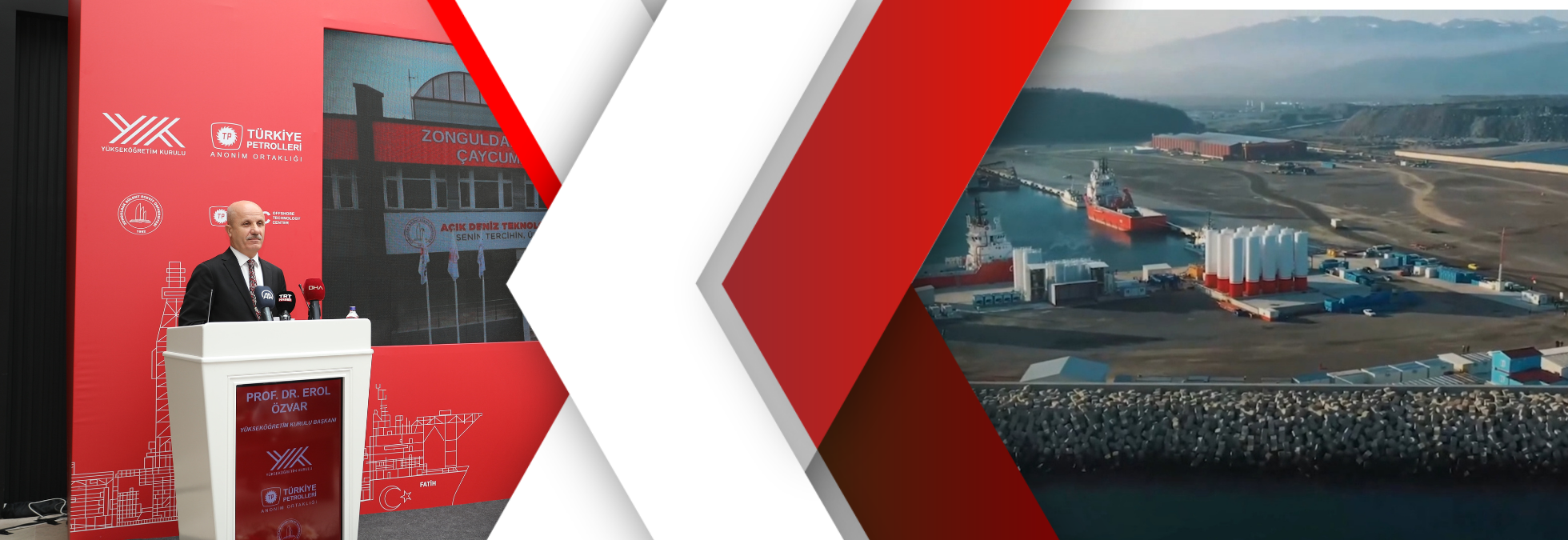
University–Industry Collaboration Delivers Results
- The Offshore Technologies programs launched under the cooperation protocol between the Council of Higher Education and Turkish Petroleum Corporation (TPAO) are training a highly qualified workforce for the energy sector.
- Students enrolled in these programs receive scholarships, hands-on training, and internship opportunities throughout a 12-month period.
- BEUN Rector Prof. Özölçer: "We are contributing to our country's National Energy Initiative."
- Council of Higher Education President Erol Özvar: "Thanks to the strong partnerships we have established between our universities and industry, students gain practical experience throughout their education."
July 25, 2026
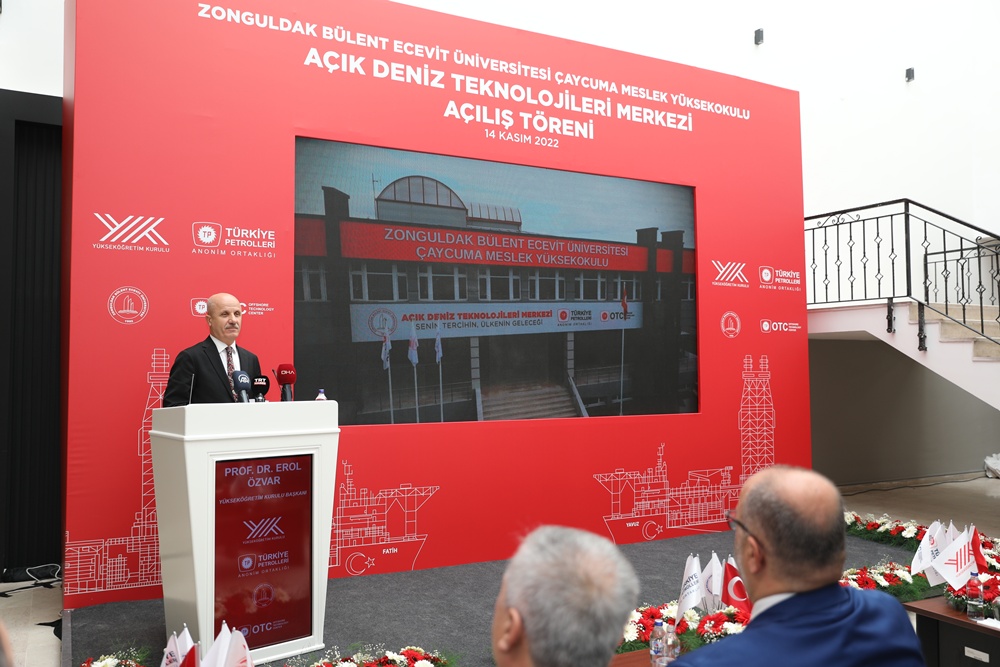
The Offshore Technologies Center, established in Zonguldak under the cooperation protocol signed between the Council of Higher Education and Turkish Petroleum Corporation (TPAO), is training a highly qualified domestic workforce for Türkiye's oil and natural gas industry.
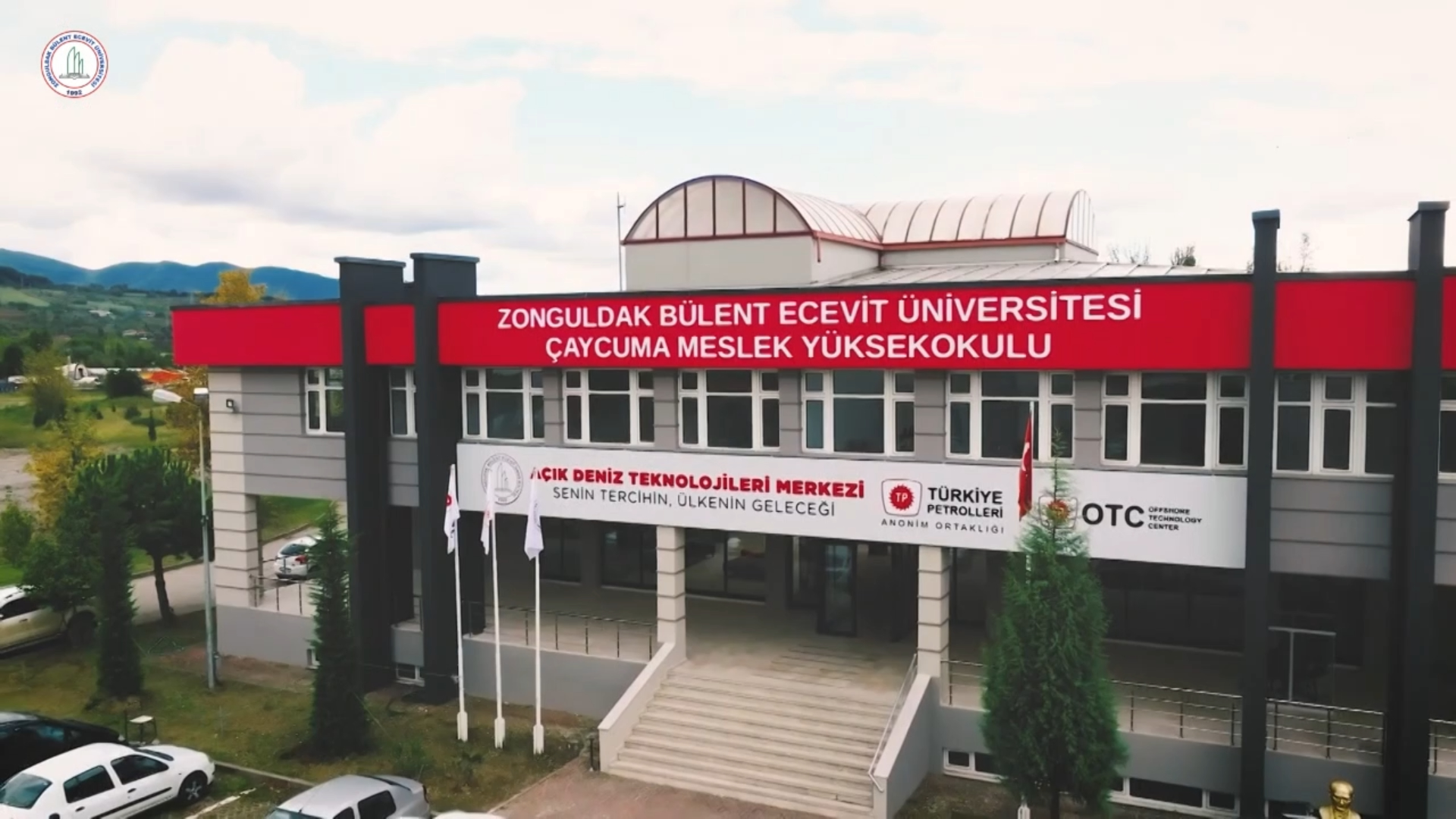
Graduates of the Offshore Drilling Technology and Offshore Subsea Applications Technology programs, launched through a partnership between Zonguldak Bülent Ecevit University (BEUN) and Turkish Petroleum Offshore Technology Center Inc. (TP-OTC), have already begun working in the energy sector.
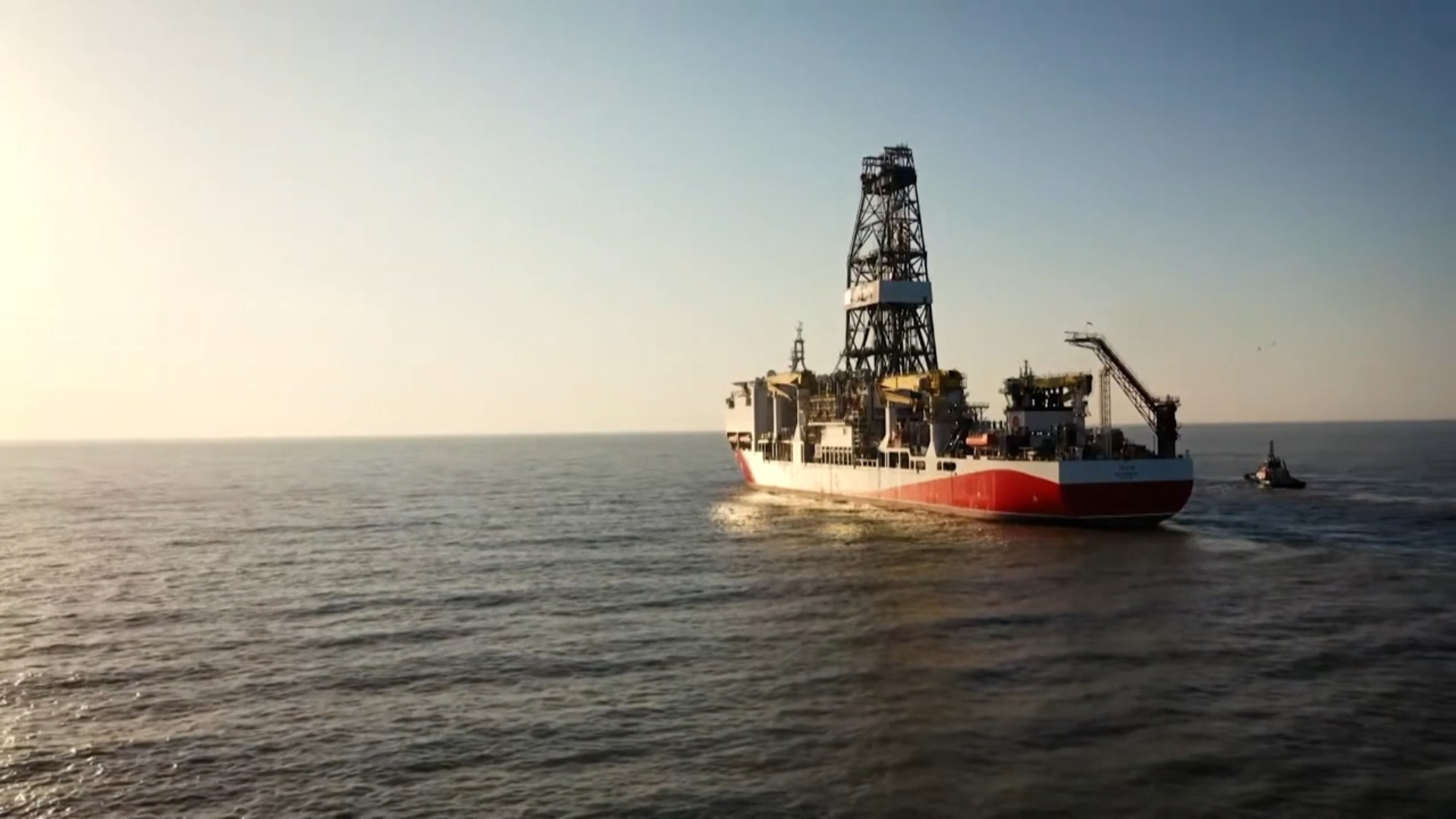
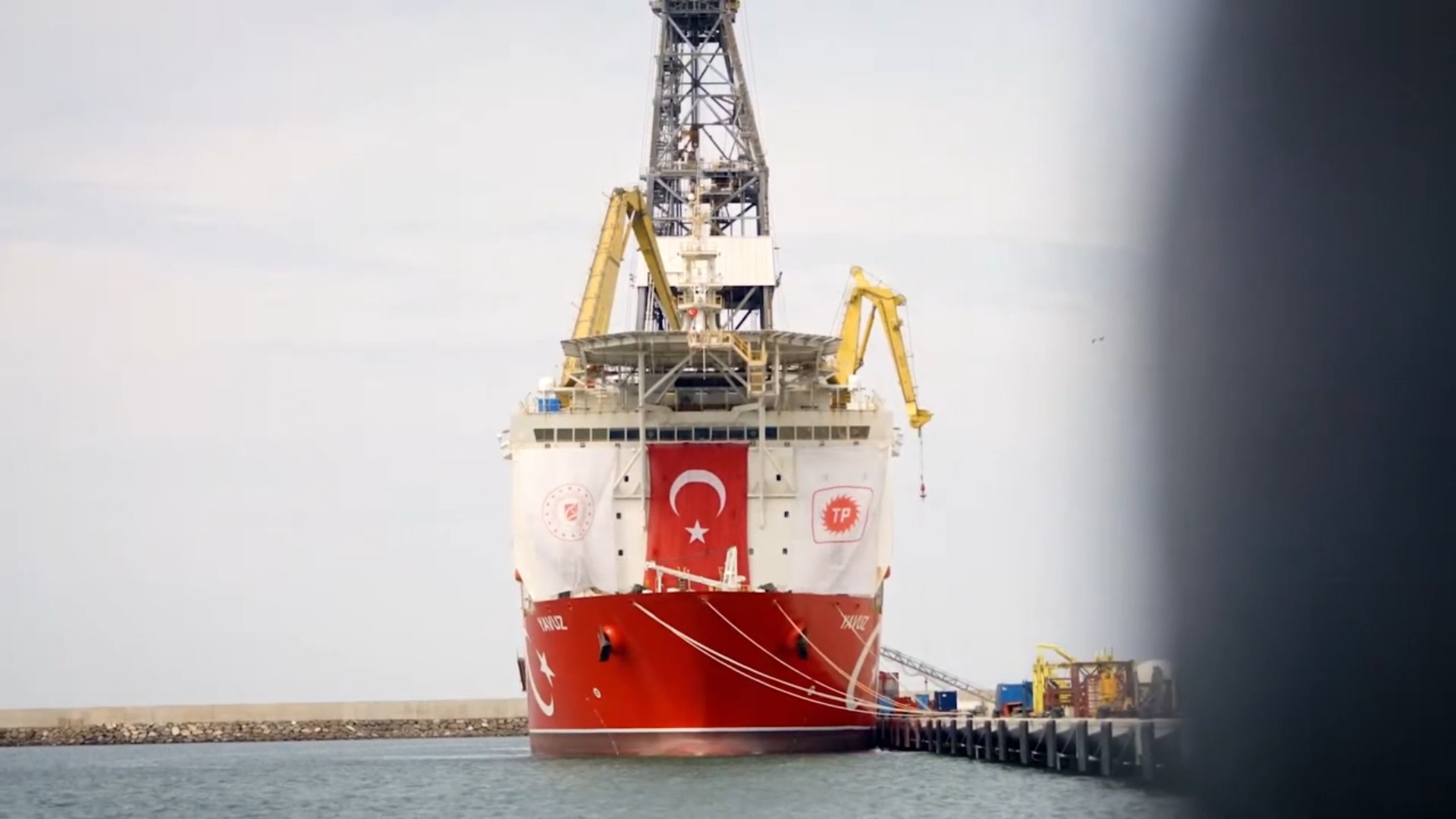
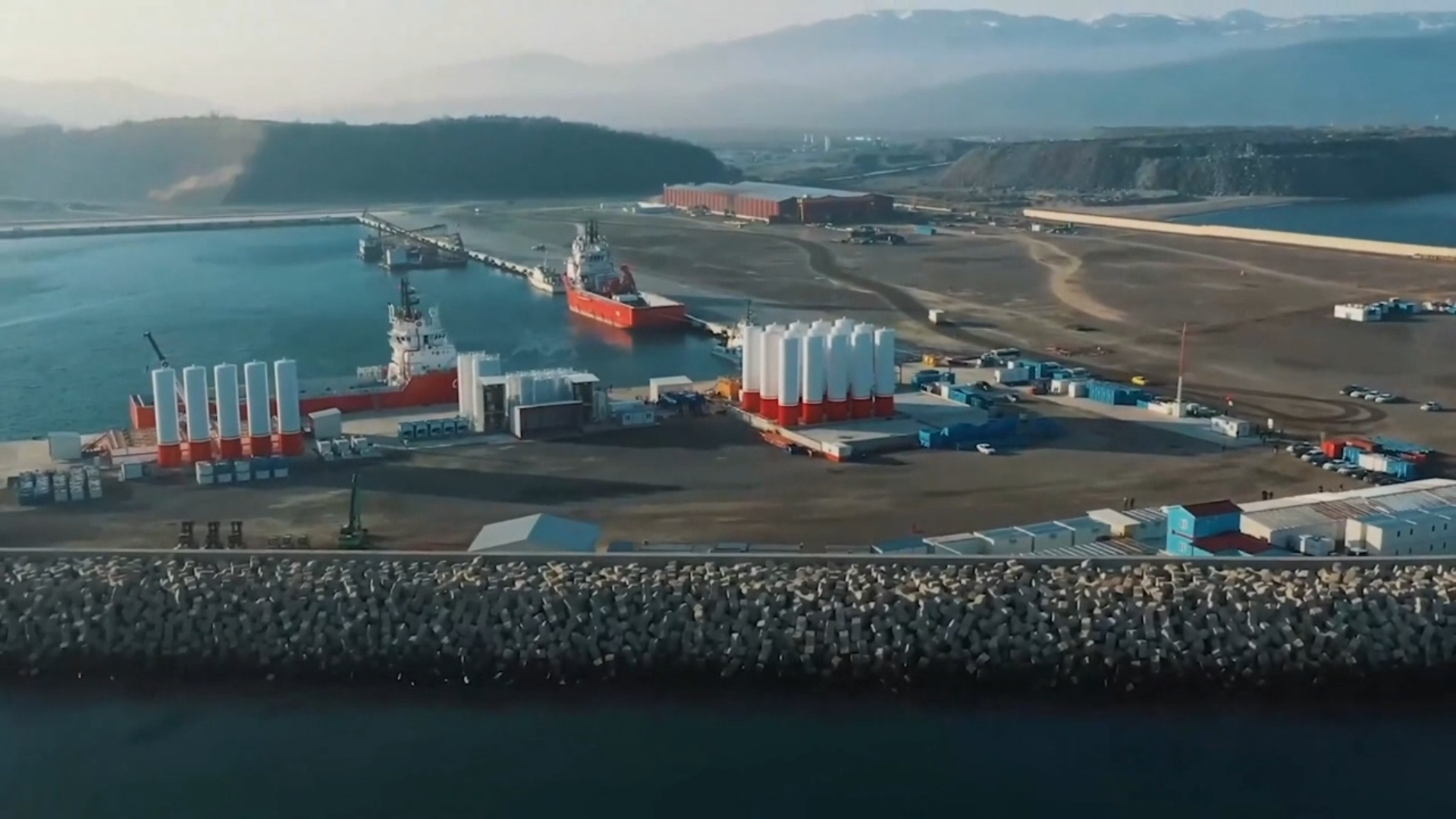
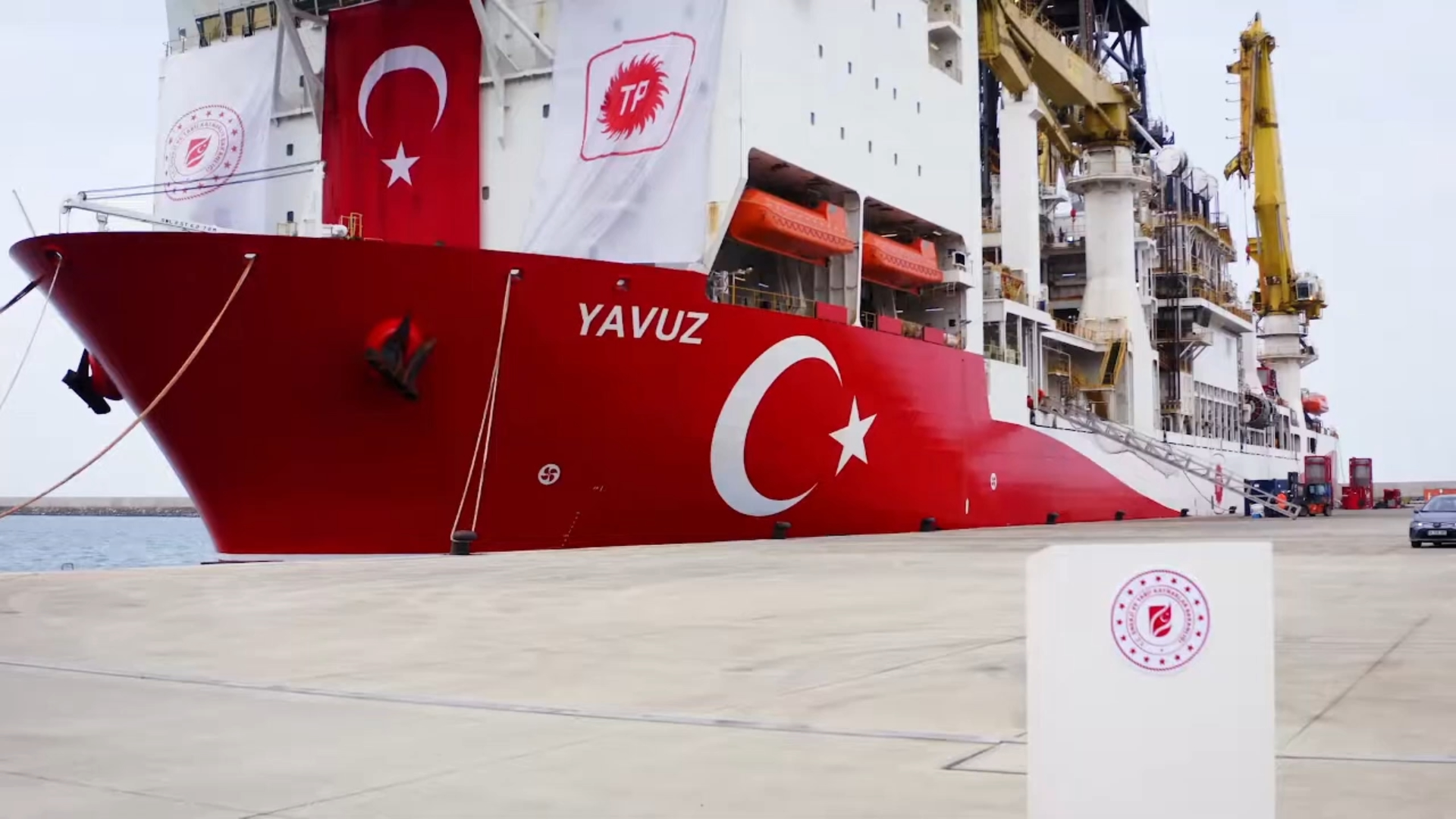
Following the discovery of the Sakarya Gas Field in the Black Sea, offshore exploration and drilling activities accelerated significantly, creating a growing demand for highly qualified technical personnel capable of working in offshore drilling operations. The programs were established to meet this need by equipping students with the knowledge and practical skills required to work on drilling platforms, production sites, and field operations.
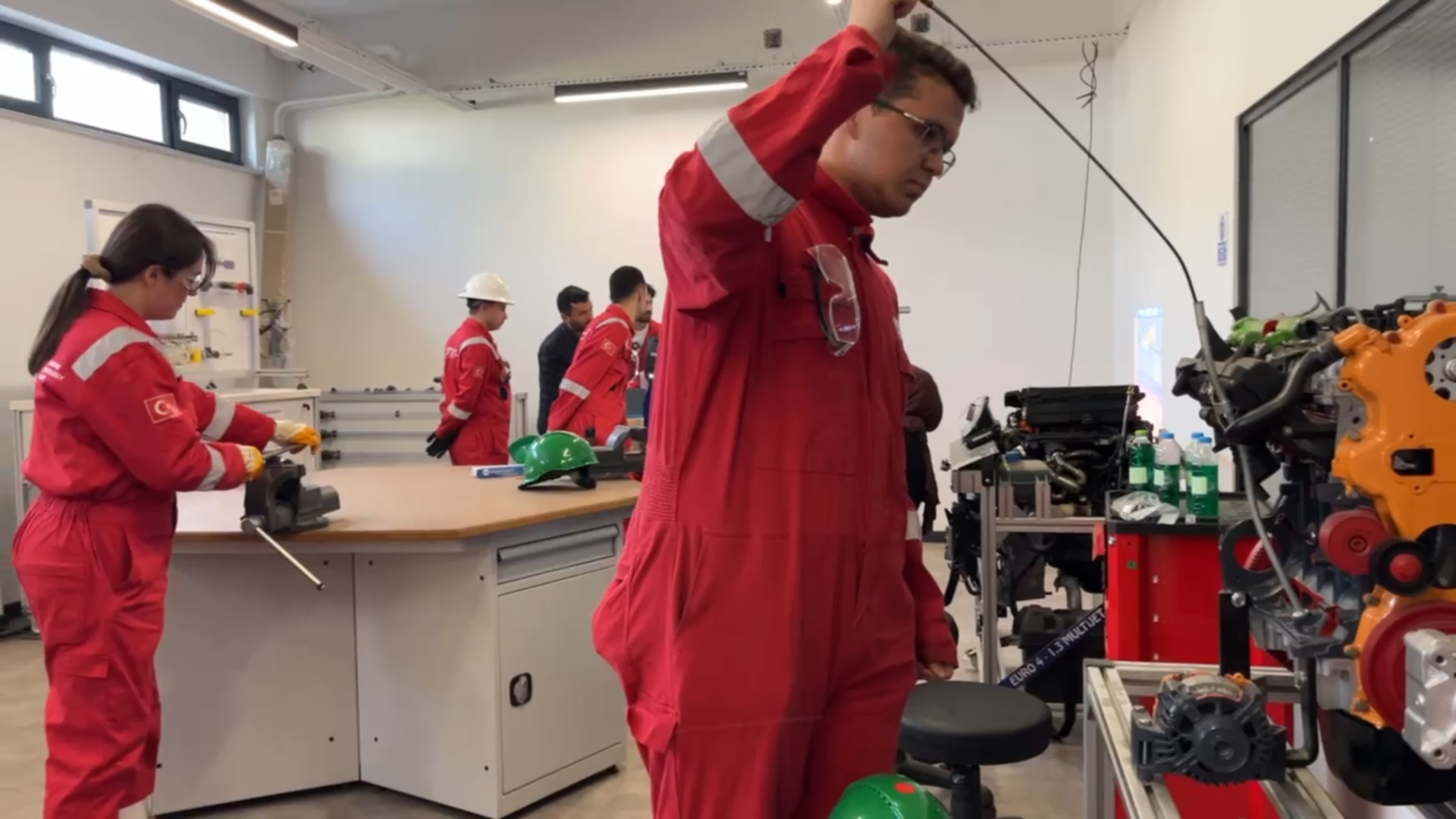
The programs, which admitted their first students during the 2022-2023 academic year within BEUN Çaycuma Vocational School, quickly emerged as one of the most notable examples of practice-oriented education in both the energy sector and higher education. The first graduates completed the programs in the 2024-2025 academic year. Students receive both theoretical and practical training in areas including drilling technologies, well completion operations, logging operations, drilling fluids, equipment management, and occupational health and safety. The curriculum has been designed to provide the technical knowledge and field experience required for offshore drilling operations.
- Direct Engagement with the Industry
The programs provide students with a range of support mechanisms. Students enrolled in the programs receive a monthly scholarship of TRY 9,000 for 12 months, funded by TP-OTC. In addition, technical field visits, internship opportunities, and practical training delivered together with industry professionals form key components of the curriculum. These opportunities enable students to establish direct connections with the energy sector throughout their education.
The curriculum has been designed in accordance with international standards. Students first complete one year of compulsory English preparatory education, followed by the two-year associate degree program. At least 30 percent of the courses are taught in English, while the curriculum complies with internationally recognized technical and occupational safety standards.
Graduates are employed by public institutions and companies operating in the energy sector. They may work primarily at TPAO, as well as at organizations engaged in offshore drilling activities. Employment opportunities are also available at the State Hydraulic Works (DSI), the General Directorate of Mineral Research and Exploration (MTA), and companies operating in the energy and engineering sectors. Graduates serve as technicians on drilling platforms, production facilities, and field operations.
The programs also provide opportunities for further academic advancement. Through Türkiye's Vertical Transfer Examination (DGS), graduates may continue their education in bachelor's degree programs such as Geophysical Engineering, Geological Engineering, and Petroleum and Natural Gas Engineering.
- Prof. Özölçer: "We Are Contributing to Our Country's National Energy Initiative"
BEUN Rector Prof. Hakkı Özölçer stated that ongoing energy exploration activities in the Black Sea have significantly increased the demand for qualified technical personnel. Emphasizing that students are trained in line with industry needs through a practice-oriented education model, Özölçer said:
"As BEUN, we are training the qualified workforce needed to support our country's National Energy Initiative. Through a three-year education program, including one intensive year of English preparatory education, we equip our students with professional competencies that meet international standards. Our students receive uninterrupted scholarships for 12 months. We believe this strategic program will make a significant contribution to Türkiye's energy goals. I invite prospective students who wish to build a career in the energy sector to join these programs—the first and only of their kind in Türkiye."
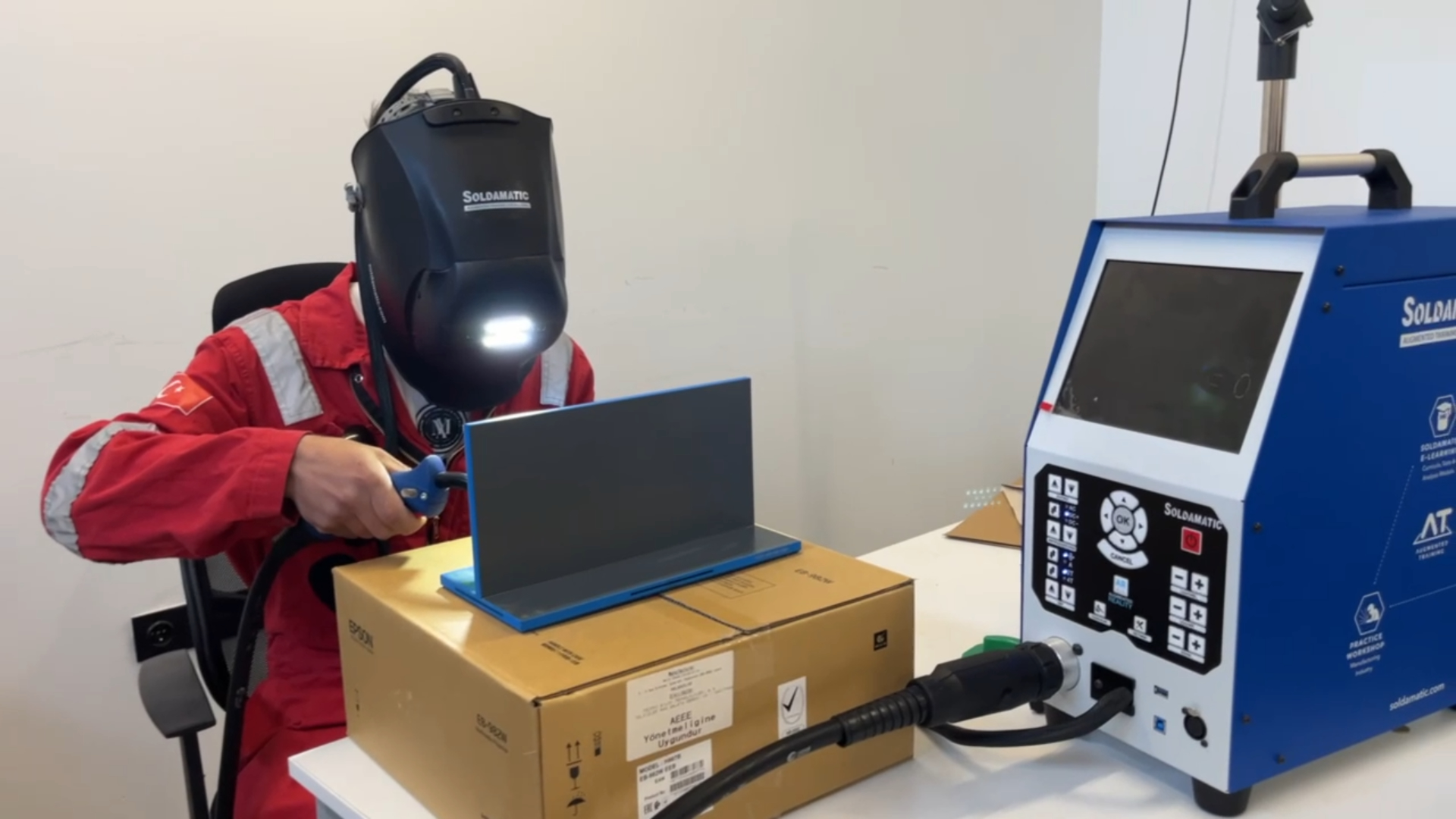
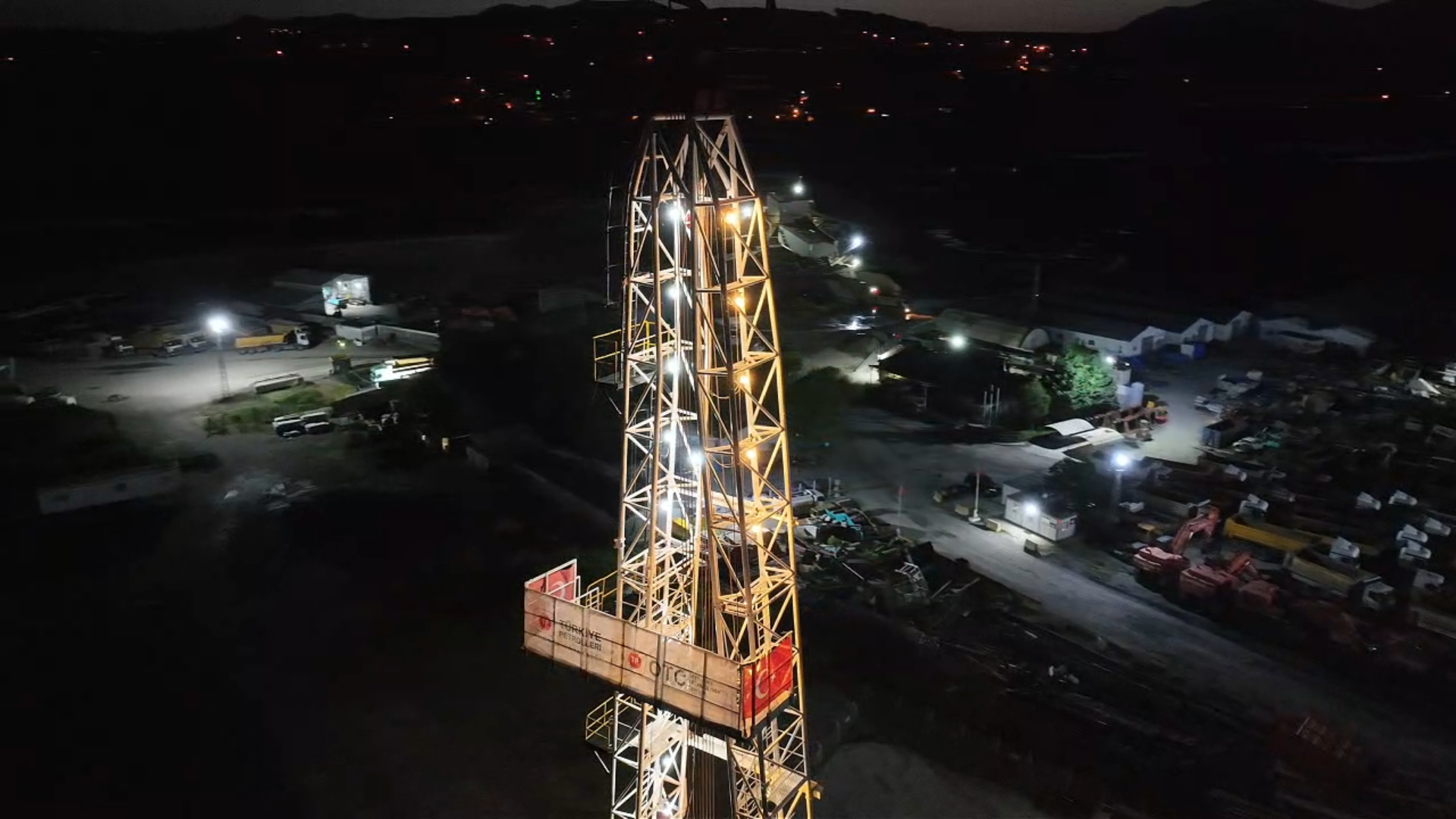
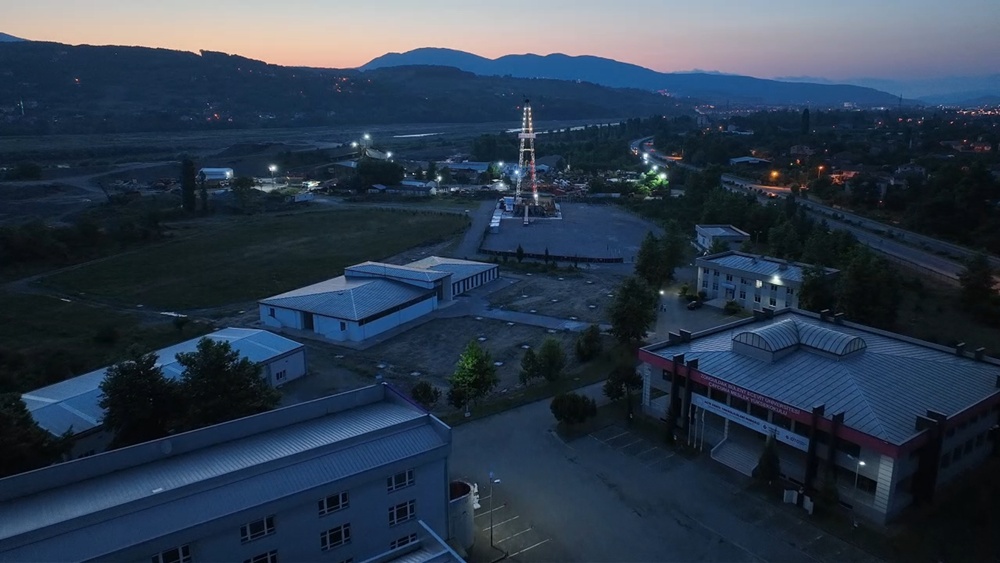
Dr. Zikrullah Samet Güloğlu, Head of the Department of Mining and Mineral Extraction at Zonguldak Vocational School, added: "Our students receive comprehensive preparation through English language instruction, professional coursework, internships, and practical laboratory training. Thanks to our educational drilling rig and subsea laboratory, they have the opportunity to become familiar with industry equipment through hands-on experience."
- Students are Happy: "Career Opportunities in the Energy Sector Influenced My Choice"
Preparatory class student Mustafa Berat Eriğit, who studies in Zonguldak, said he greatly enjoys the practical training provided by the program and explained that the career opportunities available in the energy sector played a decisive role in choosing the program.
Merve Daş, a student in the Offshore Drilling Technology program, noted that the program offers strong career prospects after graduation. “"We are receiving an education that will enable us to work on energy platforms both in Türkiye and abroad."
Beyza Yetiş, a student in the Offshore Subsea Applications Technology program, emphasized the importance of practical education. "Our education, supported by technical visits and fieldwork, provides opportunities to work for both national and international companies."
Another student, Ayşe Aslı Çelebi, said she chose the program because she wanted to contribute to Türkiye's energy ambitions. "Through practical training, we are acquiring the technical knowledge and skills needed to help unlock the energy resources of the Black Sea."
- Özvar: "University-Industry Collaboration Forms the Foundation of the Professions of the Future"
President of the Council of Higher Education Erol Özvar stated that university-industry collaboration is one of the cornerstones of the employment-oriented transformation being implemented across Türkiye's higher education system.
He explained that enrollment planning is no longe based solely on historical student demand, but also takes into account Türkiye's development objectives, labor market needs, and the demands of strategic industries. "Our goal is not simply to award diplomas, but to equip young people with the knowledge and skills they need to enter the workforce immediately after graduation."
Highlighting that sectors such as energy, artificial intelligence, cybersecurity, digital technologies, and advanced manufacturing are shaping the professions of the future, Özvar concluded: "Thanks to the strong partnerships we have established between our universities and industry, our students gain practical experience throughout their education. The Offshore Technologies programs are an outstanding example of this approach."
Images
Images