


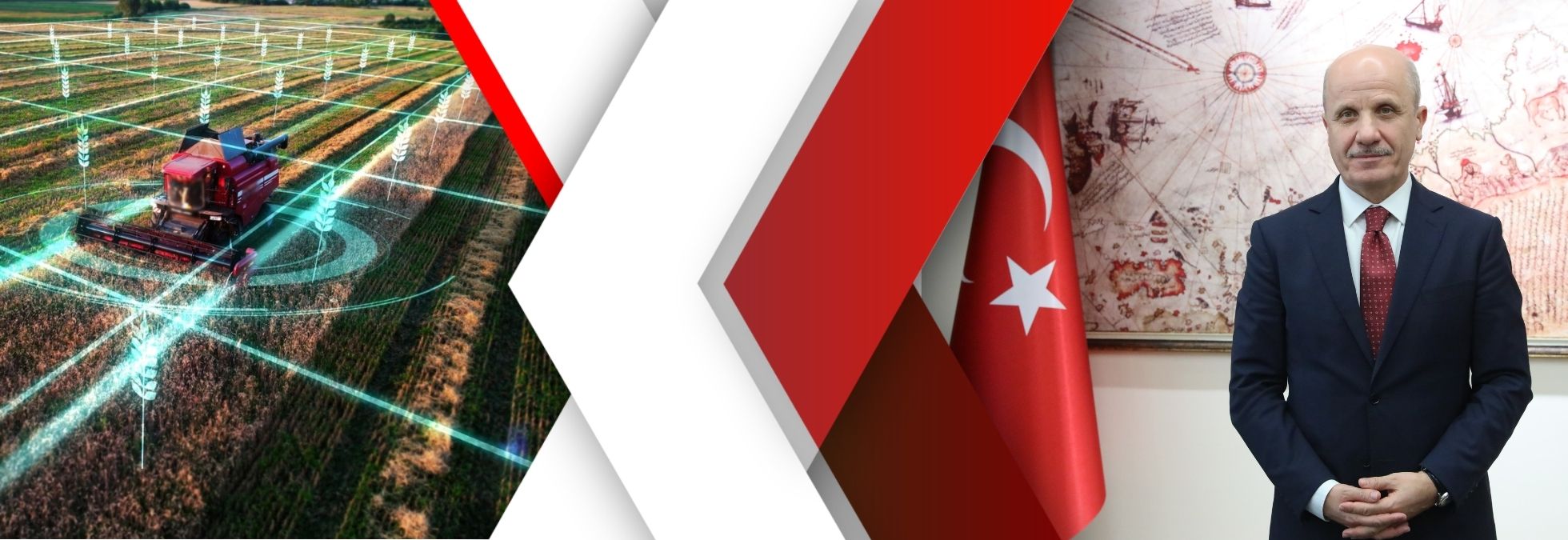
Higher Education Continues Its Transformation Toward Future Professions
- Council of Higher Education President Erol Özvar: "Over the past three years, we have launched nearly 70 new academic programs focused on the professions of the future."
- "Sixteen new programs will admit students for the first time this year."
- "The number of AI-related programs has reached 785 across 171 Turkish universities."
- "Educational capacity in these programs has increased sevenfold in just a few years."
July 30, 2026
Council of Higher Education President Erol Özvar announced that, as part of the ongoing transformation of higher education toward the professions of the future, nearly 70 new academic programs have been introduced over the past three years in response to emerging needs in AI, digitalization in agriculture and healthcare, the green transition, and other strategic sectors.
Özvar also announced that 16 new programs—including seven bachelor's degree programs and nine associate degree programs—will admit students for the first time in the 2026–2027 academic year.
The newly established programs cover fields such as artificial intelligence, financial technologies, biotechnology, digital game technologies, mobile security, pharmaceutical manufacturing, livestock technologies, and fisheries. Özvar noted that these programs reflect the higher education system's commitment to adapting to evolving technological developments and changing production needs.
He highlighted that the newly introduced History and Artificial Intelligence, Philosophy and Artificial Intelligence, and Business Administration and Artificial Intelligence programs represent a new approach to higher education that extends artificial intelligence beyond traditional engineering disciplines.
According to Özvar, these interdisciplinary programs integrate artificial intelligence with the social sciences and management sciences, reflecting a broader transformation in higher education toward multidisciplinary education.
He added that the new programs opening in the 2026-2027 academic year have been designed to meet Türkiye's strategic workforce needs and encouraged prospective students to examine them carefully in the university preference guide.
Özvar stated that the Council is restructuring the higher education system in line with Türkiye's evolving technological landscape and labor market demands while continuing to expand programs that prepare students for the professions of the future.
Emphasizing the rapid transformation taking place in artificial intelligence education, he noted that the number of AI-related academic programs has reached 785 across 171 universities. He added that the educational capacity of these programs has grown sevenfold in just a few years, and that they have already begun producing their first graduates.
- "We Are Reaching Out to Introduce the Professions of the Future"
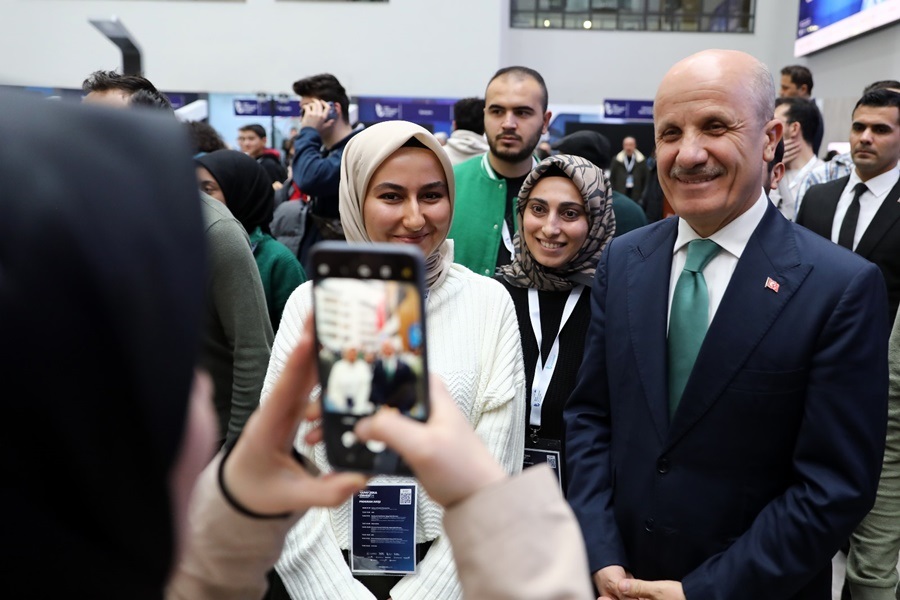
Özvar stressed that launching new academic programs alone is not sufficient. To help young people better understand these emerging fields, the Council of Higher Education and universities across Türkiye are conducting an extensive outreach campaign during the university preference period.
He explained that, through Science Cafés and other science communication events organized under the coordination of Science Communication Offices established at universities, academics, industry representatives, graduates, and current students meet directly with prospective applicants. These events provide young people with the opportunity to learn about future professions not from brochures, but directly from the people who study and work in these fields.
Images

Images