


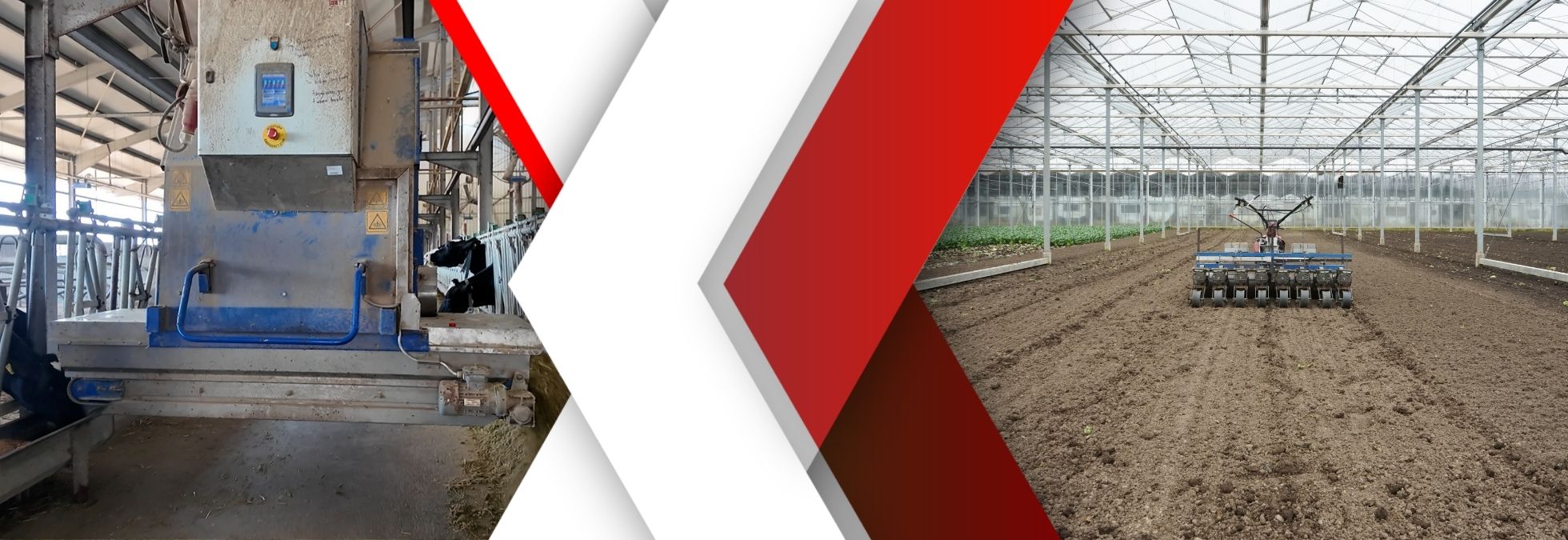
Robotics and Autonomous Systems Shape Future of Agriculture and Livestock
- Niğde Ömer Halisdemir University's "Precision Agriculture and Agricultural Robotics" program brings together artificial intelligence, robotics, and agriculture under a single academic framework.
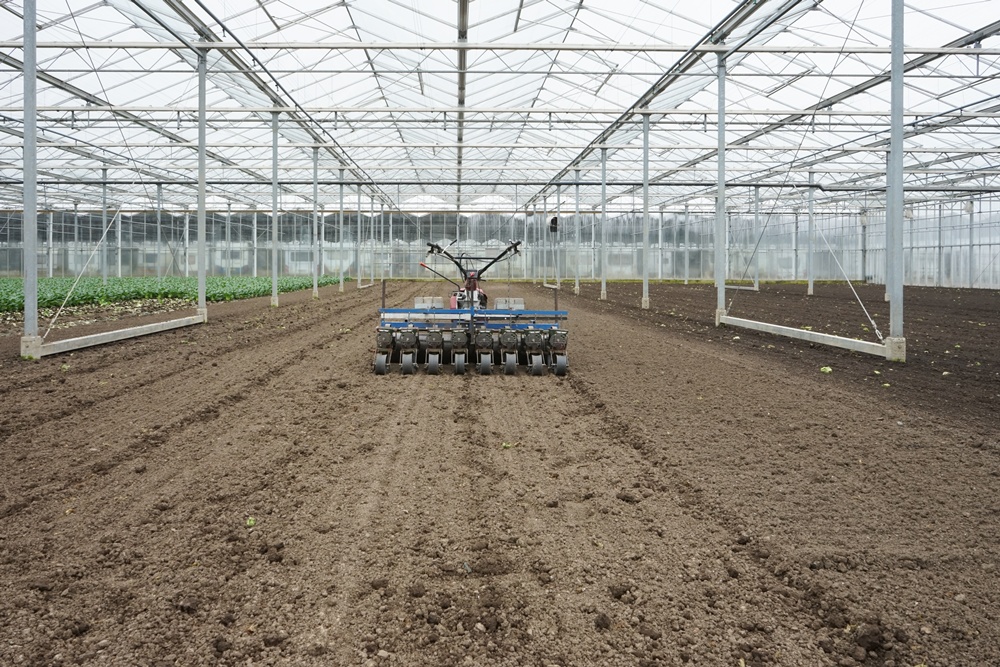
- Students receive hands-on training in smart greenhouse systems, crop production, and livestock production alongside their theoretical education.
- Industry representatives emphasize the growing demand for young professionals trained in precision agriculture.
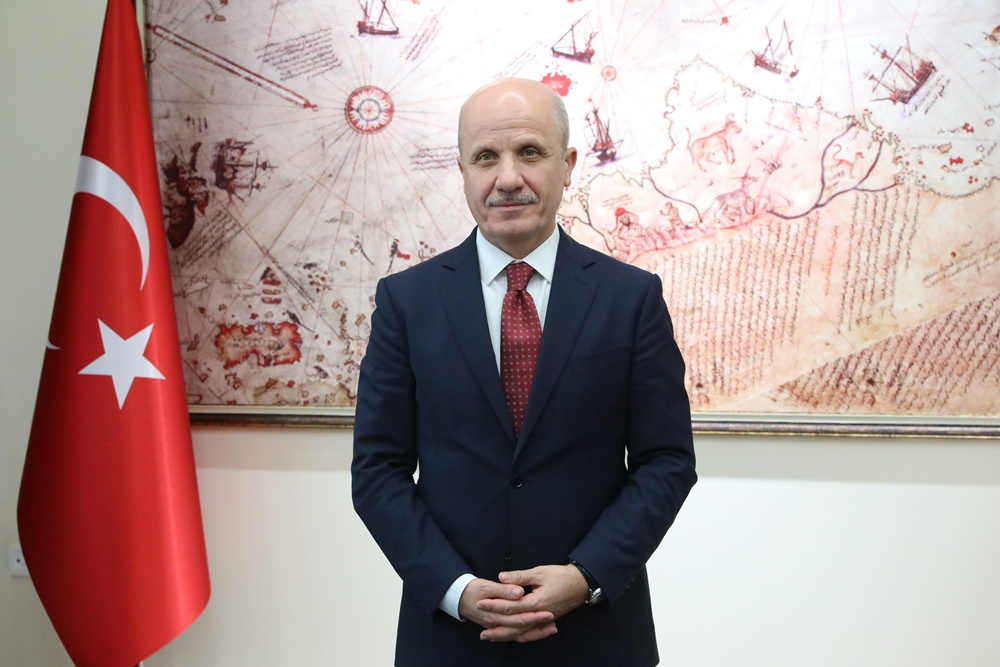
- Council of Higher Education President Erol Özvar: "Knowledge and technology will be the most decisive factors in strengthening competitiveness in agriculture."
August 3, 2026
Changing climate conditions, limited natural resources, and rapid digitalization are ushering agriculture and livestock production into a new era centered on robotics and autonomous systems. As traditional production methods become increasingly insufficient to meet evolving global challenges, technologies ranging from smart sensors and data analytics to autonomous systems and intelligent greenhouse and livestock management models are becoming integral to agricultural production.
The Precision Agriculture and Agricultural Robotics program at Niğde Ömer Halisdemir University (NOHU) aims to educate technology-oriented agricultural professionals by integrating traditional agriculture with artificial intelligence, computer science, and robotics. Students reinforce their theoretical knowledge through practical training in smart greenhouse systems, crop production, and livestock farming while gaining hands-on experience with emerging technologies designed to improve productivity and ensure the efficient use of natural resources.
Academics, industry representatives, and students agree that precision agriculture and agricultural robotics will become one of the most important professional fields of the future, with graduates serving as a bridge between agriculture and technology.
- "We Are Educating Students for the Agricultural Transformation Demanded by the Industry"
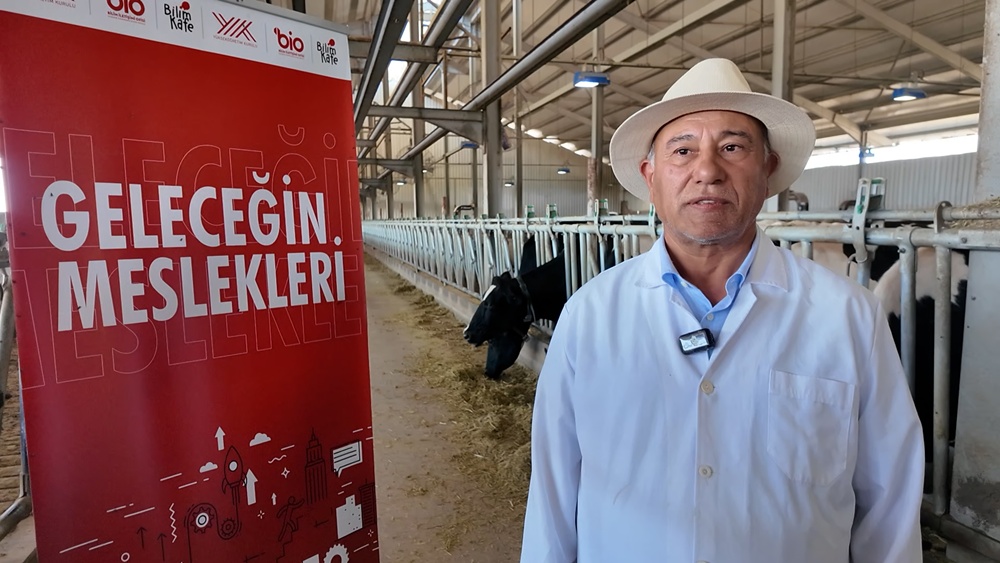
Prof. Ahmet Şekeroğlu, Dean of the Faculty of Agricultural Sciences and Technologies and Director of the Ayhan Şahenk Agricultural Application and Research Center at NOHU, said that one of the university's primary goals is to translate agricultural technologies into practical applications.
He noted that, to achieve this objective, the university established the Precision Agriculture and Agricultural Robotics undergraduate program and also offers graduate education through the Department of Digital Agriculture, which is unique in Türkiye.
"Our goal is to educate students in line with the agricultural and technological transformation demanded by the industry," Şekeroğlu said. "At our research center, we conduct both applied research and practical training in crop and livestock production."
He explained that students receive extensive hands-on experience in addition to classroom instruction. Some are trained in smart greenhouse technologies, while others participate in field-based livestock production activities. According to Şekeroğlu, this educational model prepares students for both Türkiye's labor market and international competition.
- "We Are Training Agricultural Professionals Who Understand Technology"
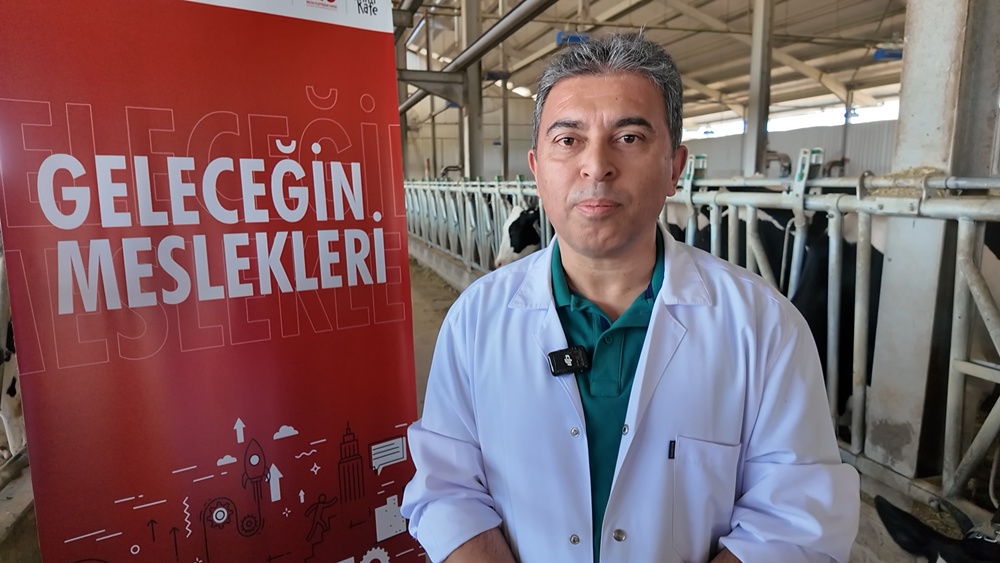
Assist. Prof. Mehmet Kürşat Yalçın, faculty member in the Precision Agriculture and Agricultural Robotics Department, explained that the program combines conventional agriculture with artificial intelligence, computer science, and robotics.
He emphasized that graduates are expected to differ significantly from traditionally trained farmers by becoming technology-oriented agricultural professionals. According to Yalçın, precision agriculture and agricultural robotics involve automating traditional farming operations and integrating intelligent sensor systems into production processes. As autonomous technologies become more widespread, human involvement in routine production activities will decrease while efficiency increases.
Highlighting the limited nature of global resources and the growing threat of climate change, Yalçın said: "We want to make the most efficient use of our existing land and water resources while increasing productivity. Once productivity becomes the objective, robotics and autonomous systems naturally come to the forefront. This is precisely where the Precision Agriculture and Agricultural Robotics program addresses the challenge."
He also stressed that food and technology are two indispensable elements of modern society and noted that graduates of this interdisciplinary program will enjoy significant competitive advantages and strong employment prospects compared with graduates of conventional agricultural programs.
- "Don't Just Watch the Future—Help Build It"
Encouraging young people to become active participants in shaping the future rather than merely observing it, Yalçın said: "If you want to become a pioneer who uses technology to shape the future of the environment, water, and soil, then the Precision Agriculture and Agricultural Robotics program is the perfect choice for you."
He added that investing in technology is essential for keeping pace with global developments and remaining competitive internationally.
- "We Are Looking for Team Members Who Can Analyze Data Generated by Robots"
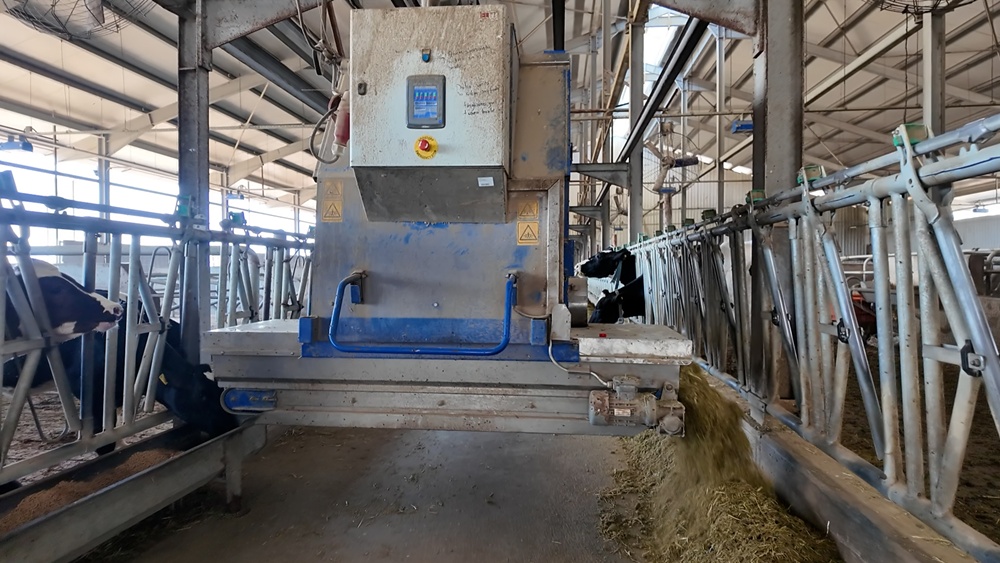
Seda Şen, Sales and Marketing Director of iTech Robotics, a company developing robotic solutions for agriculture and livestock production, said that traditional farming and livestock practices are rapidly evolving toward fully robotic systems due to changing climate conditions and technological advances.
She noted that the company develops robotic systems for livestock production and emphasized that traditional methods are no longer sufficient to meet today's challenges.
According to Şen, precision agriculture, autonomous systems, and smart livestock management represent some of the professions of the future. "At iTech Robotics, we are looking for visionary professionals capable of managing the autonomous systems we deploy in the field. We are not simply looking for theoretical knowledge—we need multidisciplinary young professionals who understand field operations, can analyze data, and are interested in autonomous technologies."
She pointed to significant opportunities in research and development, as well as in managing smart agricultural enterprises and field operations.
Describing the changing nature of agricultural work, Şen said: "We are no longer looking only for people who manually feed calves or distribute feed. We are looking for colleagues who can interpret the data generated by robots and monitor the health of livestock."
- "The Program Builds a Bridge Between Agriculture and Digitalization"
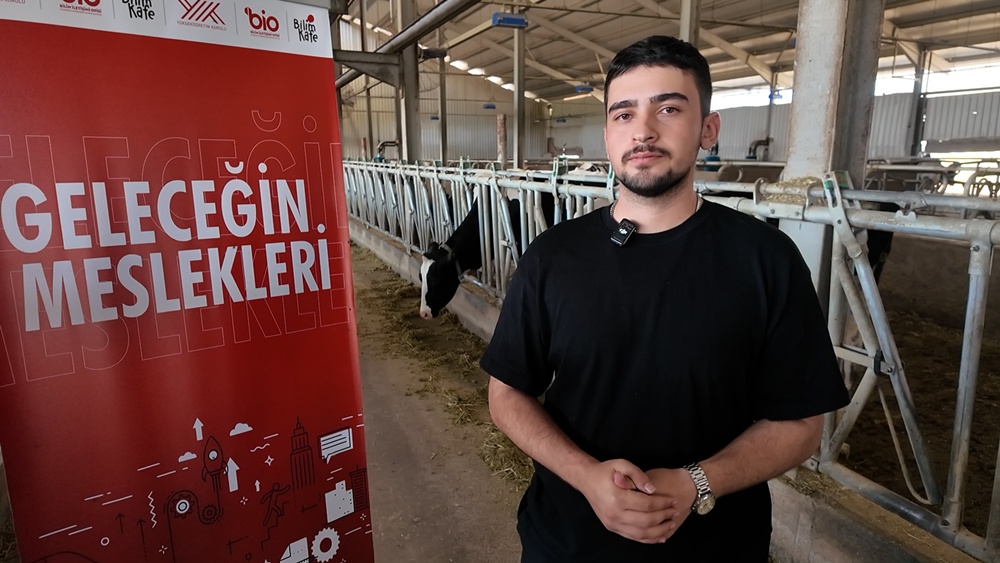
First-year student Hüseyin Talha Bülbül said the program connects agriculture—a profession practiced for thousands of years—with one of today's most transformative developments: digitalization.
He explained that this combination offers substantial career opportunities and technological advancement. Bülbül said he chose the program because he wanted to contribute to Türkiye's development and play an active role in its digital transformation. He considers the program a profession of the future because it successfully integrates agriculture with the digital sector. "Agriculture is currently undergoing a digital transformation. If you want to contribute to your country's future, you can play an important role in this transformation by choosing this program."
- "We Will Continue Training Experts Who Will Shape the Future of Agriculture"
Council of Higher Education President Erol Özvar stated that agriculture is among the fields that must increasingly be integrated with technology, artificial intelligence, data analytics, and robotics.
Emphasizing the strategic importance of agriculture and livestock production for food security, economic development, and sustainable growth, Özvar said that the Precision Agriculture and Agricultural Robotics program was established as part of the higher education transformation to prepare the qualified workforce needed for the sector's digital transformation.
He noted that students receive not only theoretical instruction but also practical training in artificial intelligence, robotic systems, smart agricultural technologies, and data-driven production processes.
Referring to global challenges such as climate change, efficient water use, and productivity, Özvar concluded: "Knowledge and technology will be the most decisive factors in strengthening competitiveness in agriculture. The knowledge generated by our universities and the qualified graduates they educate will make significant contributions to Türkiye's goals of sustainable agricultural production and food security. Through innovative programs such as Precision Agriculture and Agricultural Robotics, we will continue training experts who integrate technology with production and shape the future of agriculture."
Images
Images