


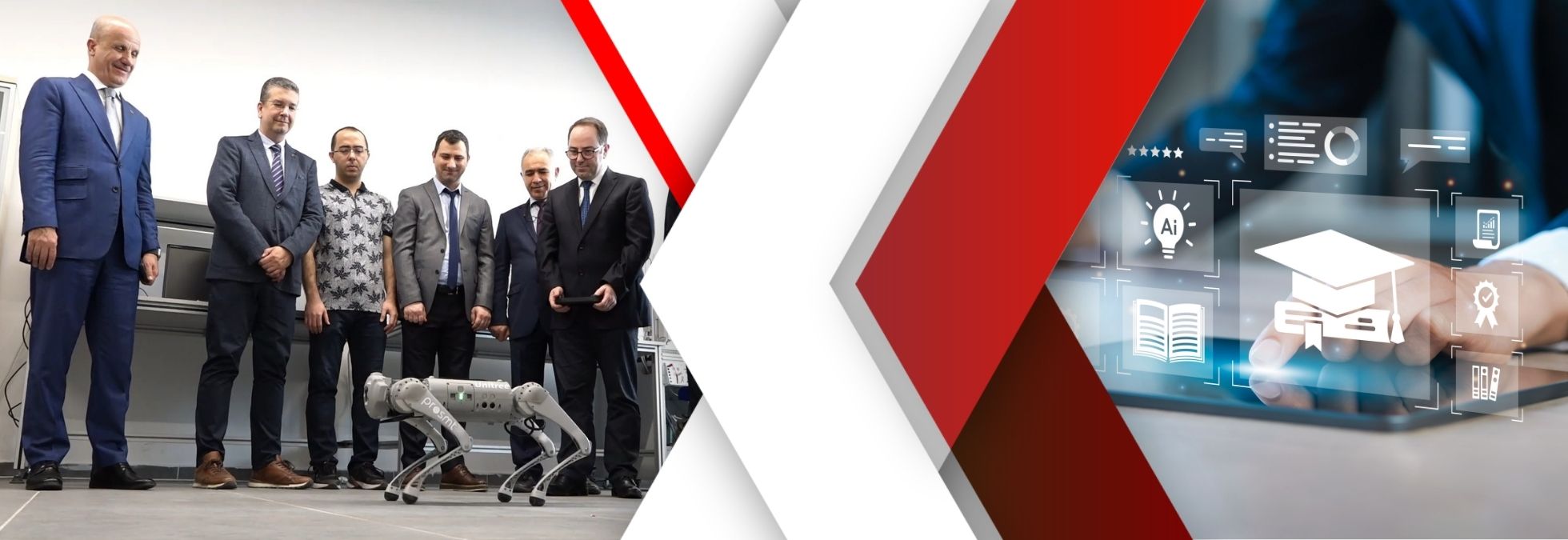
Turkish Higher Education Is Educating Future AI Engineers
- Artificial intelligence is no longer the language of a single industry—it has become the common language of every sector.
- Students begin working at technology and defense companies before they graduate.
- Industry leaders to young people: "Students are this country's greatest asset. Five or ten years from now, we may well be working alongside them."
- Graduates pursue careers at strategic institutions, including ASELSAN, HAVELSAN, TAI, and many other leading organizations.
August 2, 2026
Artificial intelligence has evolved beyond the technology sector to become one of the core technologies transforming production, decision-making, and service delivery across industries ranging from defense and healthcare to finance, education, manufacturing, and public services. Around the world, employers are seeking engineers who not only use artificial intelligence but also develop it, transform data into meaningful insights, and solve real-world problems.
Through new initiatives introduced by the Council of Higher Education, Türkiye is preparing the highly qualified workforce required for this transformation. Recognized as one of the professions of the future, Artificial Intelligence Engineering has become far more than a new engineering discipline—it is now one of the country's strategic academic programs for educating the professionals who will drive Türkiye's digital transformation.
Students begin working at defense industry companies and technology firms while still pursuing their degrees. Upon graduation, they contribute to AI-based strategic projects at leading institutions including ASELSAN, HAVELSAN, and TAI, as well as many other organizations across both the public and private sectors. Academics agree that artificial intelligence has become a foundational technology common to virtually every industry, while sector representatives emphasize that demand for qualified AI engineers continues to grow rapidly.
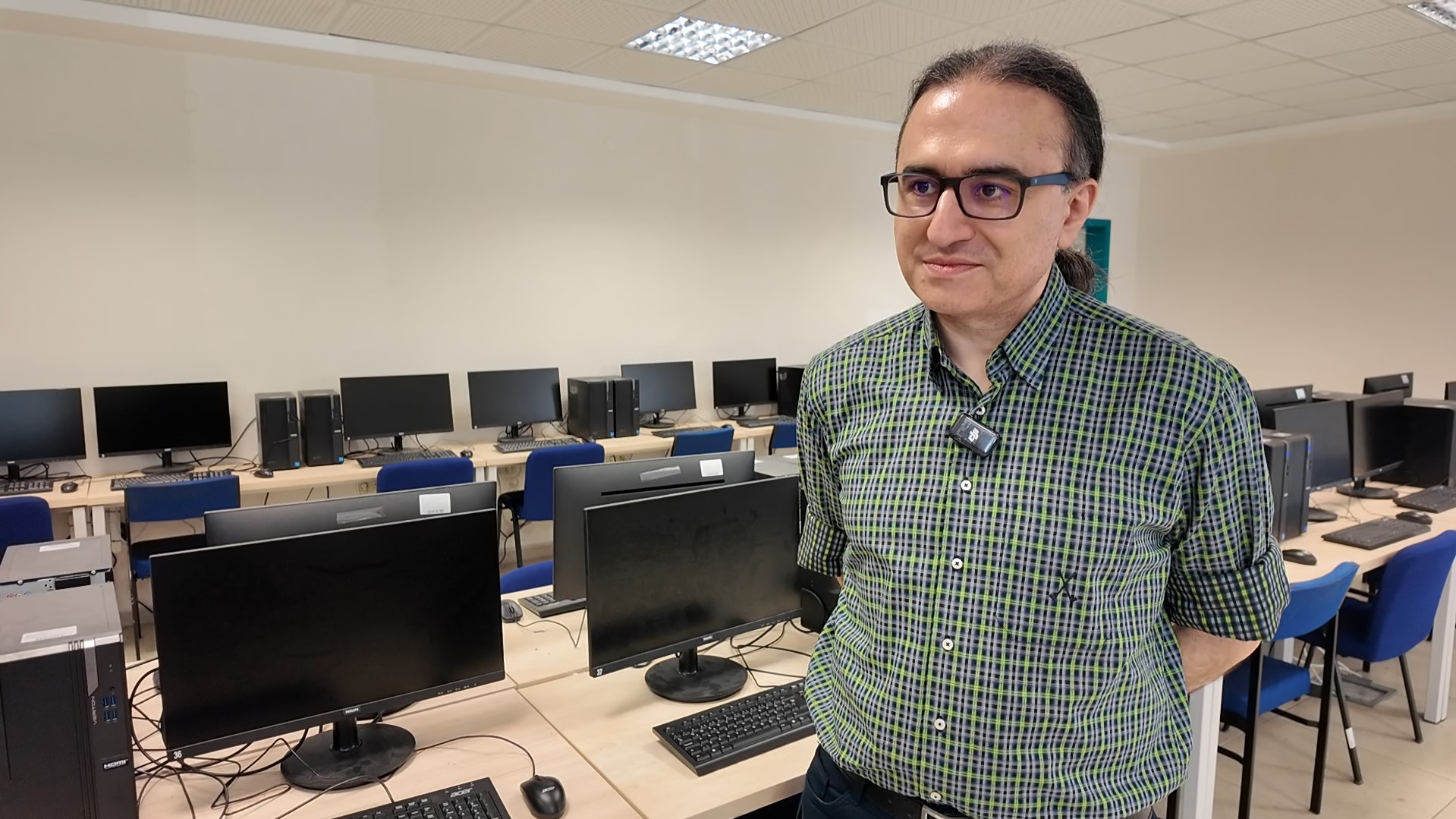
Prof. Tunca Doğan, faculty member in the Department of Artificial Intelligence Engineering at Hacettepe University, explained that AI engineers are trained not merely to develop algorithms but also to process data, design decision-support systems, and transform production processes. He noted that students build strong competencies in programming, algorithm development, data processing, and AI modeling throughout their studies, enabling graduates to pursue careers across a broad spectrum of industries, from defense and healthcare to manufacturing and finance.
- "Our Raw Material Is Human Talent; Our Workplace Is the World"
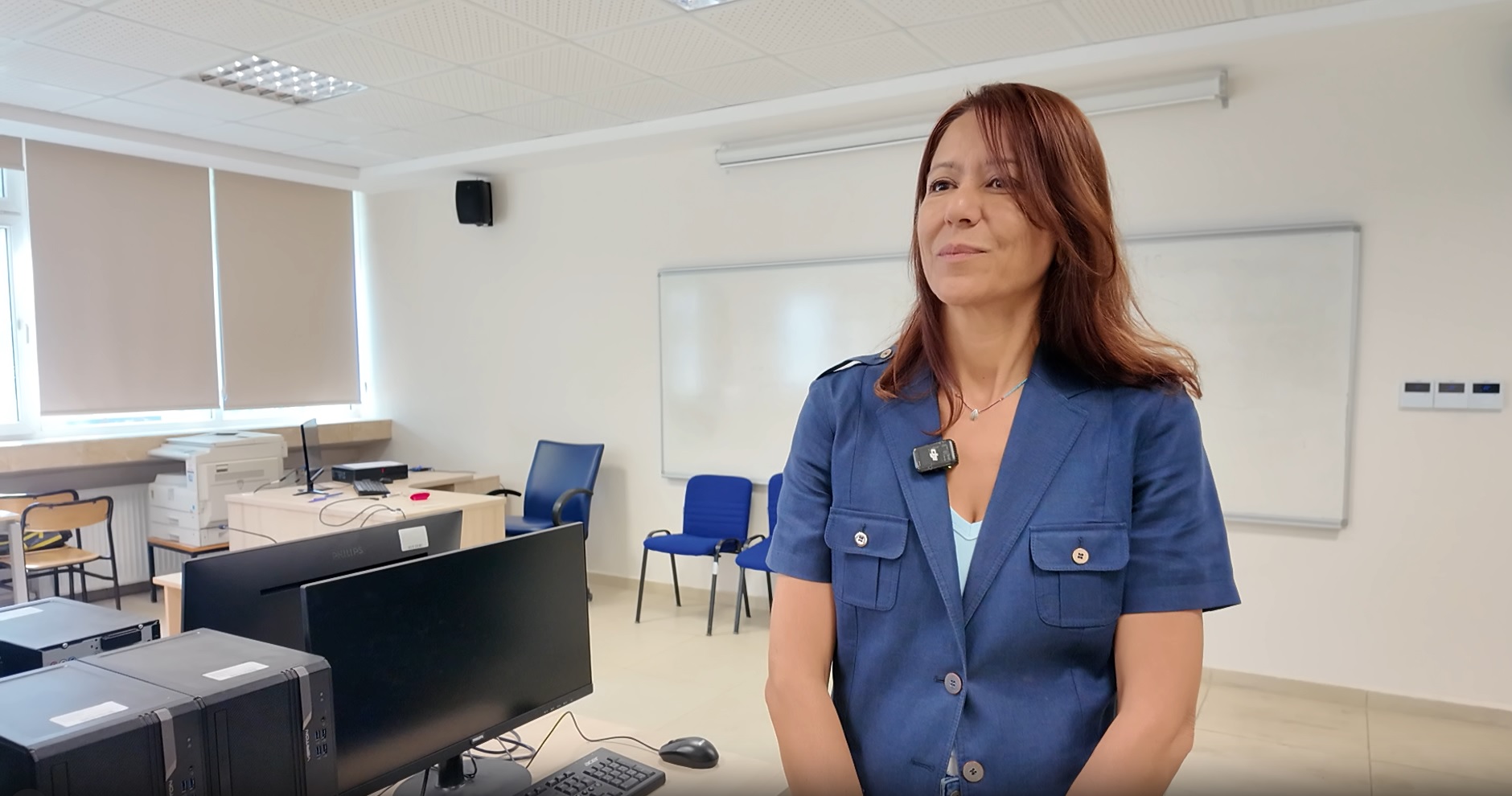
Academics emphasize that qualified human capital lies at the center of the rapid transformation taking place in artificial intelligence. According to Prof. Ebru Akçapınar Sezer, faculty member in the Department of Computer Engineering at Hacettepe University, virtually every industry—from healthcare and defense to education, agriculture, manufacturing, and tourism—is now developing AI-powered solutions.
- "Qualified Human Capital Will Be the Decisive Factor"
Sezer stated that this transformation is creating an ever-growing demand for AI engineers. "Artificial Intelligence Engineering offers young people not only strong employment prospects but also opportunities to work on a global scale. This profession is not confined to a specific physical workplace. It enables professionals to adapt to changing work models and deliver services anywhere in the world."
She emphasized that qualified human capital will determine whether Türkiye becomes not only a user of artificial intelligence technologies but also a developer of them. "Our most valuable raw material is people. We aim to educate our students not only for today's technologies but as engineers who will shape technological developments over the next 30 to 35 years."
- AI Investments in the Defense Industry Are Creating New Career Opportunities
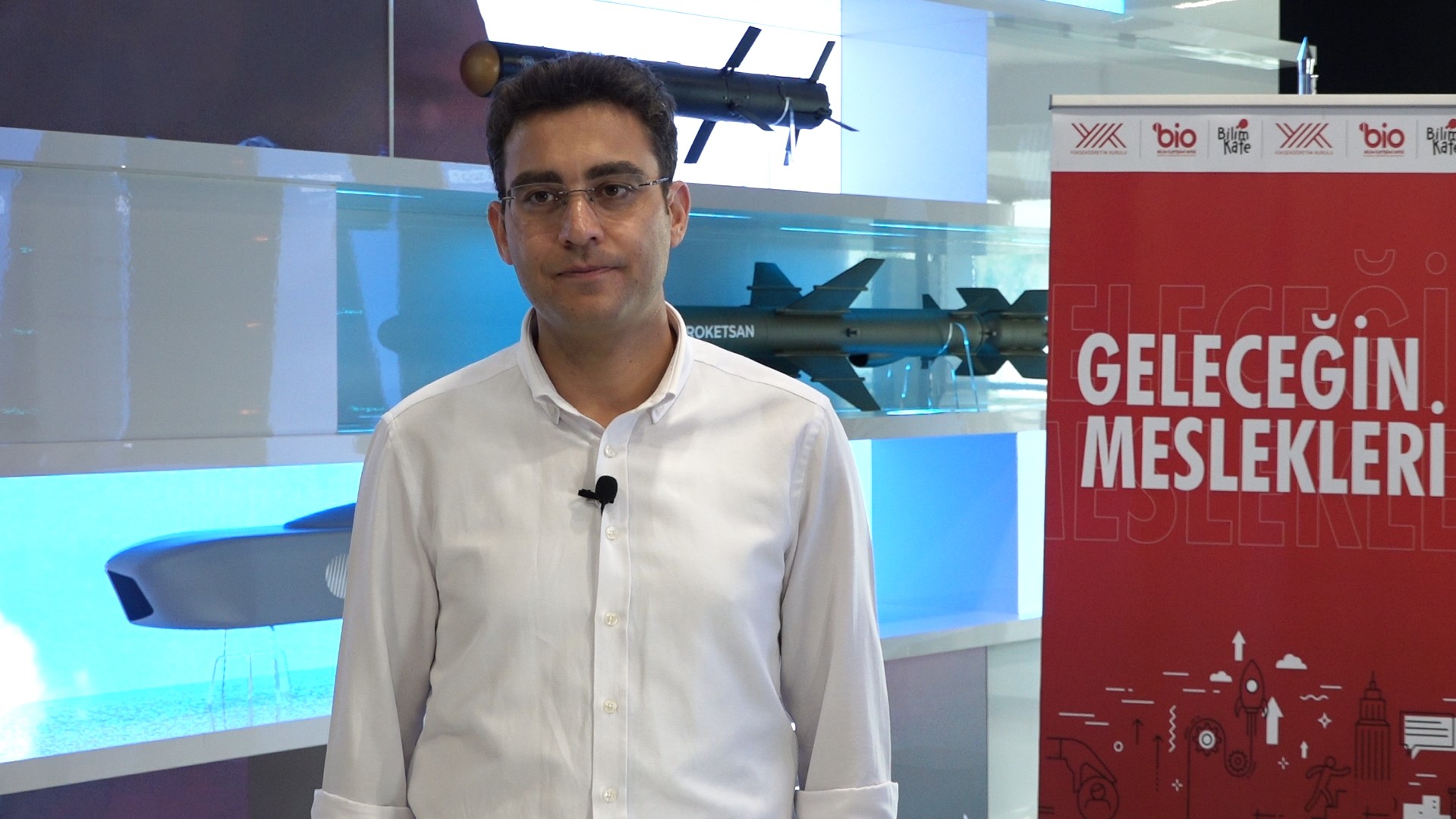
Bilge Kağan Görür, Director of Artificial Intelligence at Roketsan, stated that artificial intelligence has become a strategic technology. "We have begun integrating artificial intelligence into every aspect of our lives. Our challenges are becoming too complex to solve using traditional methods. Artificial intelligence enables us to develop data-driven solutions to these increasingly sophisticated problems." He noted that investment in AI across the defense industry is growing rapidly. "As a result, entirely new career opportunities are emerging, especially for recent graduates. We must develop indigenous and nationally developed artificial intelligence solutions."
- "The Industry Is Looking for Engineers Who Think Analytically and Deliver Projects"
Görür explained that the qualifications sought by employers are also evolving alongside artificial intelligence. "The nature of the profession has changed. Even someone without prior knowledge of a programming language can adapt very quickly. Therefore, we place greater emphasis on systematic thinking, analytical reasoning, and problem-solving skills." He stressed that participating in real-world projects during university gives students a significant advantage in recruitment, noting that applicants who have already completed practical projects stand out during interviews.
Encouraging young people to invest in high-technology fields, Görür said: "Roketsan is a company that develops advanced technologies and integrates them into its products. This is not only a need for Roketsan but for the entire defense industry. We encourage students to invest in high technology, knowing that they may one day build their careers here."
Highlighting the importance of today's students for Türkiye's future technology ecosystem, he added: "Students are this country's greatest asset. Five or ten years from now, we may well be working alongside them."
- Graduates Join Türkiye's Strategic Institutions
The practice-oriented educational model adopted by Artificial Intelligence Engineering programs directly contributes to graduates' career success. Combining theoretical knowledge with practical experience gained during their studies, graduates secure positions at Türkiye's strategic institutions, particularly within the defense industry. Muhammed Görkem Kola, an Artificial Intelligence Engineering graduate, said that after graduation he first joined HAVELSAN and later continued his career at ASELSAN.
He emphasized that AI engineers are employed not only in defense but also across telecommunications, banking, aviation, and technology companies, as well as any sector where data-driven decision-making plays a critical role. According to Kola, as digital transformation accelerates, demand for AI specialists will continue to increase.
- Students Are Developing Tomorrow's Technologies Before Graduation
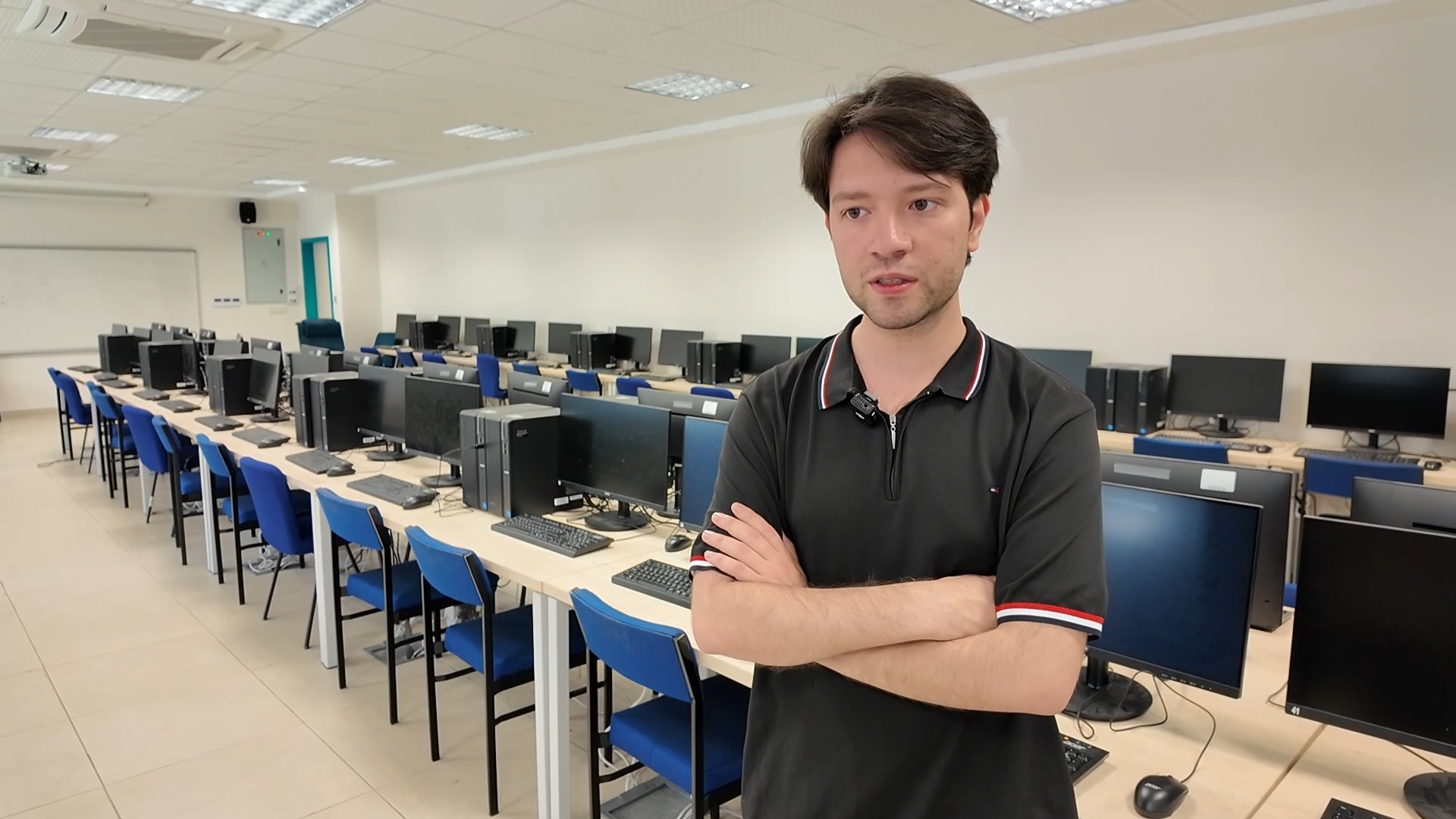
Students in Artificial Intelligence Engineering say that their greatest motivation for choosing the program is the opportunity to contribute to the technologies of the future. Student Yusuf Emir Cömert said that during his studies he worked at TUSAŞ as a trainee engineer, participating in large-scale defense industry projects. He added that after graduation he hopes to develop high value-added technologies and believes artificial intelligence will become one of the defining fields of the future.
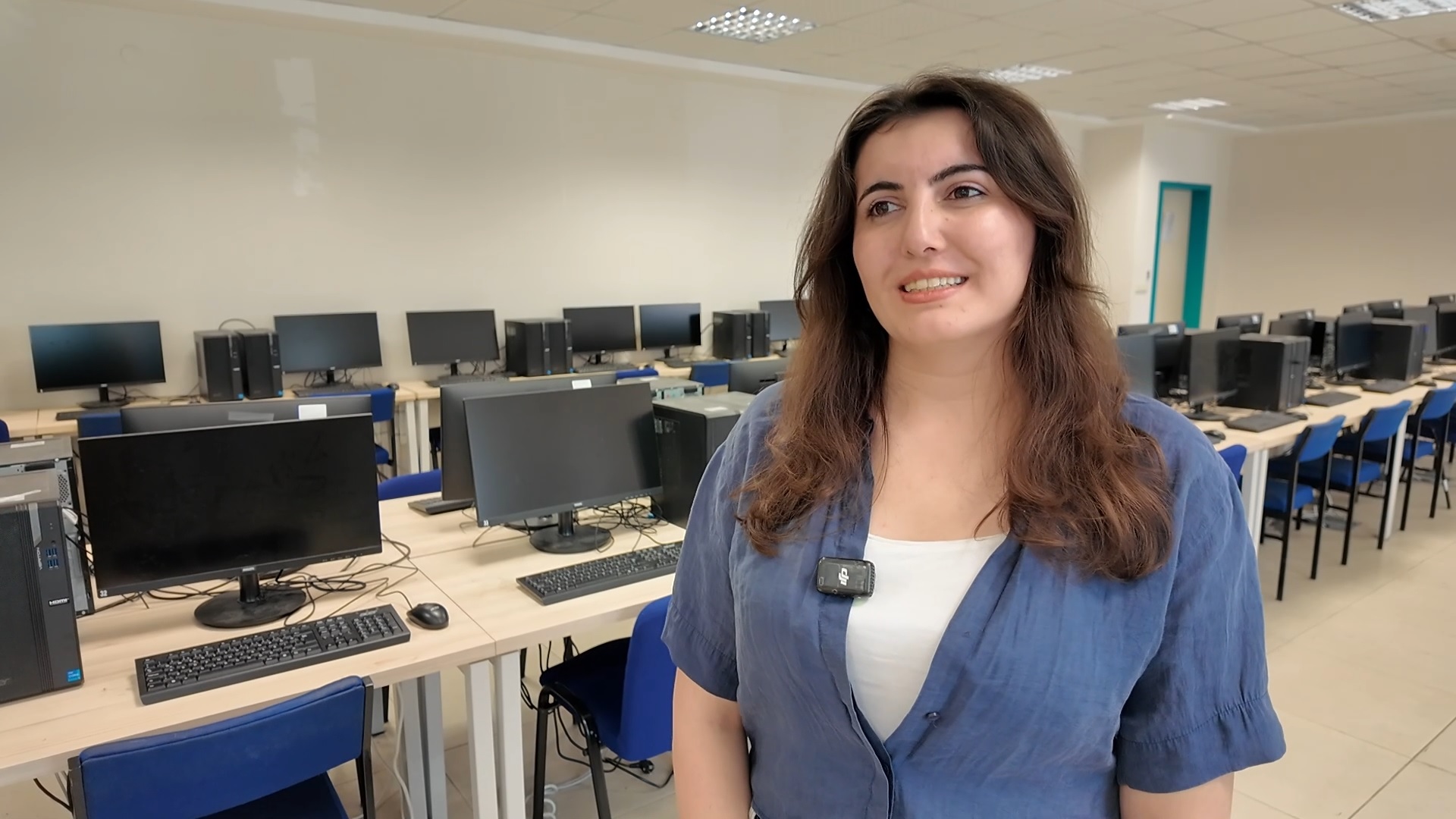
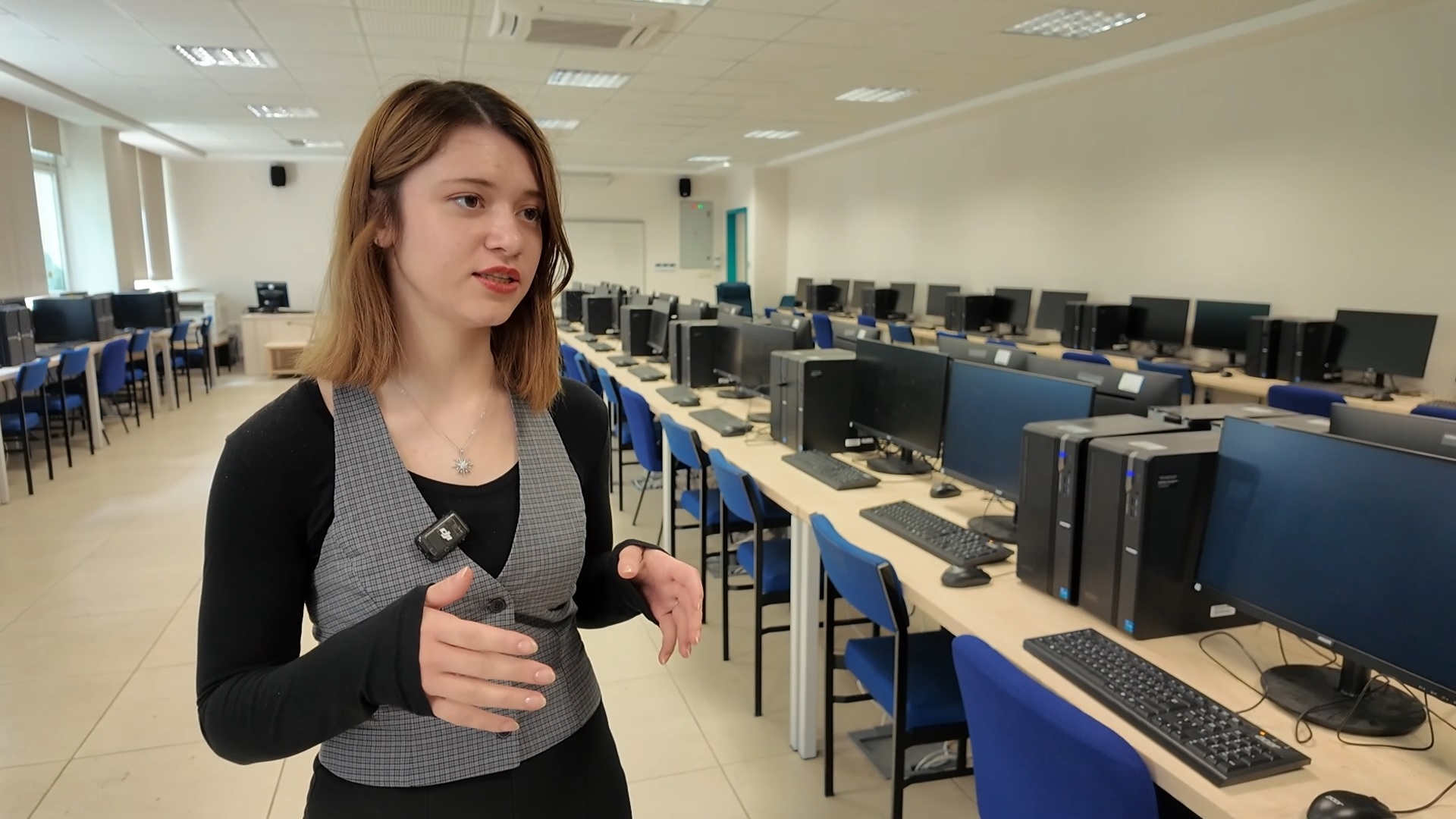
Student Nurşah Satılmış explained that although her family preferred that she study medicine, she deliberately chose Artificial Intelligence Engineering. Another student, Arya Zeynep Mete, said that the wide range of opportunities offered by the program played a decisive role in her decision.
- Özvar: "The Transformation Is Continuing with Determination"
Council of Higher Education President Erol Özvar stated that higher education programs are being redesigned in line with Türkiye's employment planning, workforce needs, emerging professions, and technological transformation. He noted that the Council has introduced new academic programs and expanded enrollment capacity, particularly in artificial intelligence and digital technologies, while continuing to transform universities to educate the qualified workforce required by industry. Özvar emphasized that this forward-looking approach—one that anticipates future skills, closely follows technological developments, and aligns with Türkiye's national development priorities—represents one of the country's most significant steps toward strengthening its competitiveness in artificial intelligence.
Images



Images