



Cybersecurity: Türkiye's New Line of Defense
- The guardians of the nation's digital borders are being educated at universities across Türkiye.
- Higher education is being reshaped to prepare students for the professions of the future.
- Academics, industry leaders, and students agree: "Cybersecurity is not only the profession of the future—it is the profession of today."
- Graduates enter the workforce with high employment rates and starting salaries that are, on average, 30 percent higher than those in many other fields.
August 3, 2026
As artificial intelligence, big data, cloud computing, and digitalization rapidly transform modern society, countries are no longer protecting only their land, air, and maritime borders—they are also safeguarding their digital frontiers. Cyber threats targeting public institutions, banks, energy infrastructure, defense industries, and other critical sectors continue to increase, driving unprecedented demand for highly qualified cybersecurity professionals.
As part of its comprehensive transformation initiative, the Council of Higher Education has been restructuring higher education to meet the demands of the future. While programs with limited employment prospects are being updated, new academic programs have been introduced in strategic fields such as artificial intelligence, cybersecurity, big data, digital health, digital agriculture, the green transition, and financial technologies.
Among the most prominent examples of this transformation are the new cybersecurity programs, which prepare young people to become the guardians of the digital world's invisible borders. Academics, industry representatives, graduates, and students all share the same view: cybersecurity is not only one of the professions of the future—it is already one of today's most strategic professions.
- "Security Was the Profession of the Past; Cybersecurity Is the Profession of the Future"
Prof. Mehmet Göktürk, faculty member at Gebze Technical University's Vocational School of Cybersecurity, said that digitalization has fundamentally transformed the concept of security.
He explained that while cities, institutions, and nations were once protected primarily by soldiers, security personnel, and physical safeguards, today's threats increasingly originate in cyberspace. Pointing out that stealing a factory's trade secrets once required physical access but can now be accomplished through cyberattacks, Göktürk said: "Security was the profession of the past. Cybersecurity is the profession of the future. Today, our existence depends on information. Wherever information exists, cyberspace exists. And wherever cyberspace exists, ensuring security becomes indispensable."
Göktürk emphasized that cybersecurity is a dynamic field that evolves continuously. He added that artificial intelligence and emerging quantum computing technologies will fundamentally reshape cybersecurity in the coming years, making lifelong learning essential for professionals entering the field.
- High Employment, High Salaries
Göktürk also noted that cybersecurity stands out not only for its broad employment opportunities but also for its strong earning potential. Based on graduate employment data, he stated that cybersecurity professionals begin their careers with starting salaries approximately 30 percent higher than graduates in many other disciplines. According to Göktürk, this salary advantage reflects the significant shortage of qualified professionals, making cybersecurity one of the most attractive strategic career paths for young people seeking both strong employment prospects and competitive incomes.
- Industry Leaders Share the Same View
Industry representatives also believe that the Council of Higher Education's initiatives to prepare students for the professions of the future closely align with labor market needs. Ali Dinçkan, founder of BTYÖN Inc., who has worked in cybersecurity for nearly 25 years, explained that digital systems now underpin every aspect of modern life. He noted that not only computers but also energy infrastructure, banking systems, industrial facilities, and critical public services require robust protection against cyberattacks.
Referring to the World Economic Forum's 2025 report, which identified cybersecurity specialists among the world's fastest-growing occupations, Dinçkan said: "Cybersecurity is not only the profession of the future—it is the profession of today. This is not a single profession but a broad field encompassing security analysts, penetration testers, security operations centers, risk management, and many other specialties."
Dinçkan added that employers now seek graduates who possess not only technical expertise but also curiosity, a commitment to lifelong learning, ethical values, strong communication skills, and foreign language proficiency. He encouraged students to complement their university education with continuous personal and professional development.
- Higher Education Reform Is Translating Directly into Employment
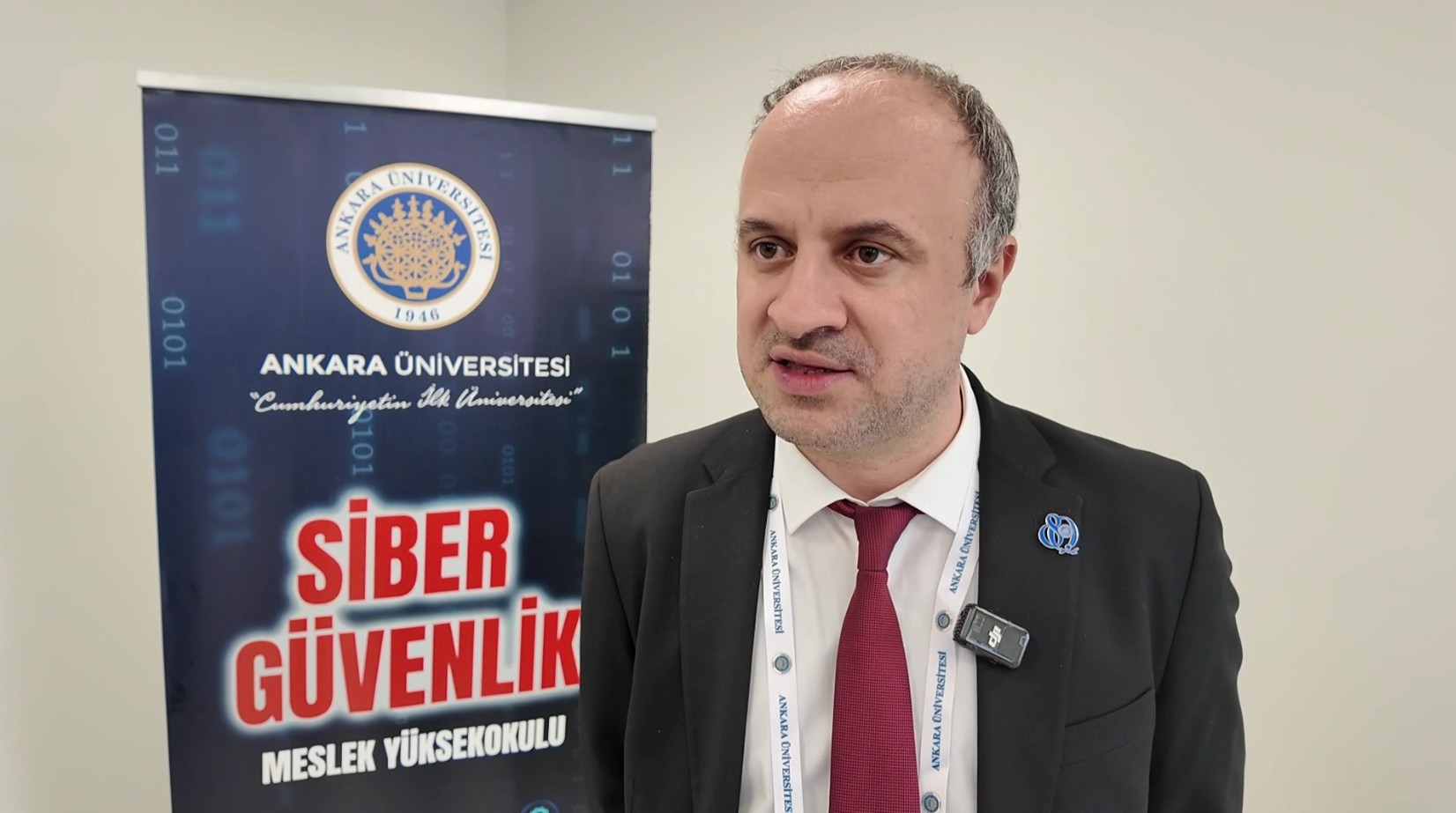
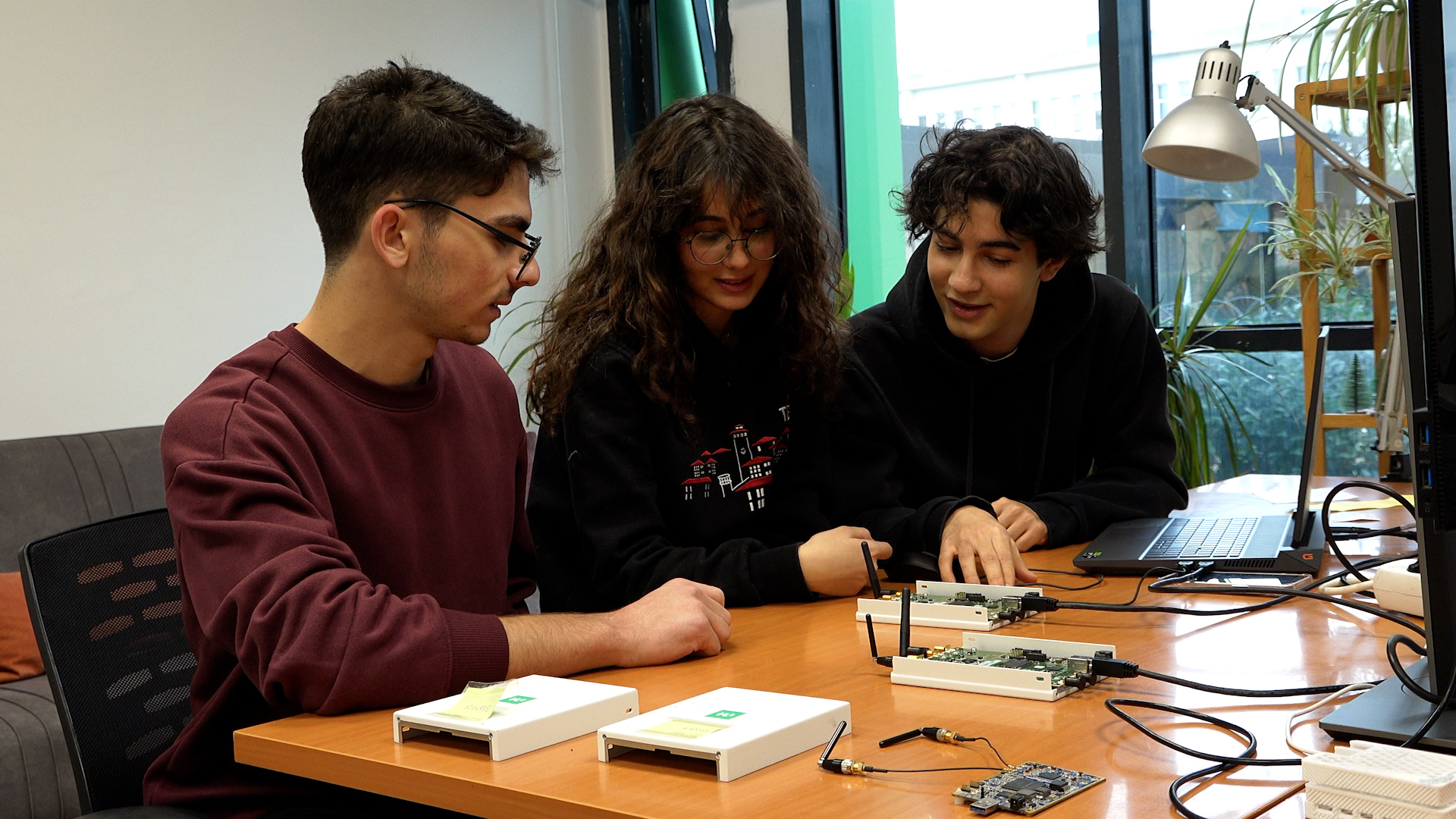
Dr. Murat Osmanoğlu, Director of Ankara University's Vocational School of Cybersecurity, said one of the clearest outcomes of this educational transformation is the rapid employment of graduates. He explained that students receive hands-on training in two fully equipped cybersecurity laboratories and complete long-term internships at institutions including ROKETSAN, HAVELSAN, TAI, TÜRKSAT, and the Revenue Administration.
According to Osmanoğlu, the shortage of qualified cybersecurity professionals continues to grow and is unlikely to be resolved in the near future. "Our students have no concerns about employment. The demand for cybersecurity professionals far exceeds the available workforce, and this gap cannot easily be closed. As interaction with the digital world increases, so too does the need for cybersecurity experts." He emphasized that continuously updating university curricula, placing practical training at the center of education, and expanding next-generation academic programs are therefore essential.
- As Digitalization Expands, So Does the Need for Security
Dr. Kubilay Ayturan, Deputy Head of the Department of Computer Technologies at Gazi University’s TUSAŞ Kazan Vocational School, said that digitalization inevitably introduces new security risks. He explained that students develop the expertise needed to identify and address these vulnerabilities through a combination of theoretical instruction and practical training.
Although artificial intelligence is transforming software development, Ayturan stressed that it does not eliminate the need for cybersecurity professionals. "One of the greatest challenges in the digital world is security. As long as security remains essential, there will always be a need for cybersecurity specialists." Addressing parents as well, he noted that information technologies and cybersecurity will continue generating strong employment opportunities for many years and encouraged families to consider these academic programs with confidence.
- Graduates Enter the Workforce Immediately
The practice-oriented educational model adopted in higher education is also reflected in graduates' career outcomes. Abdullah Öz, a graduate of Ankara University's Cybersecurity Analysis and Operations Program, began working as a cybersecurity specialist at ROKETSAN just 20 days after graduation.
He explained that he had specifically aimed to build a career in the defense industry and credited the university's practical training model and close industry partnerships for helping him achieve that goal. The new employment-oriented programs are also attracting significant interest from prospective students.
Many applicants who could have enrolled in traditional four-year bachelor's degree programs report that they deliberately chose cybersecurity because of its strong employment prospects, practical curriculum, and alignment with future workforce needs. Students say they are motivated by opportunities to work in the defense industry, protect critical national infrastructure, pursue international careers, and specialize in a rapidly evolving field.
- "Türkiye's Digital Borders Will Be in Our Hands"
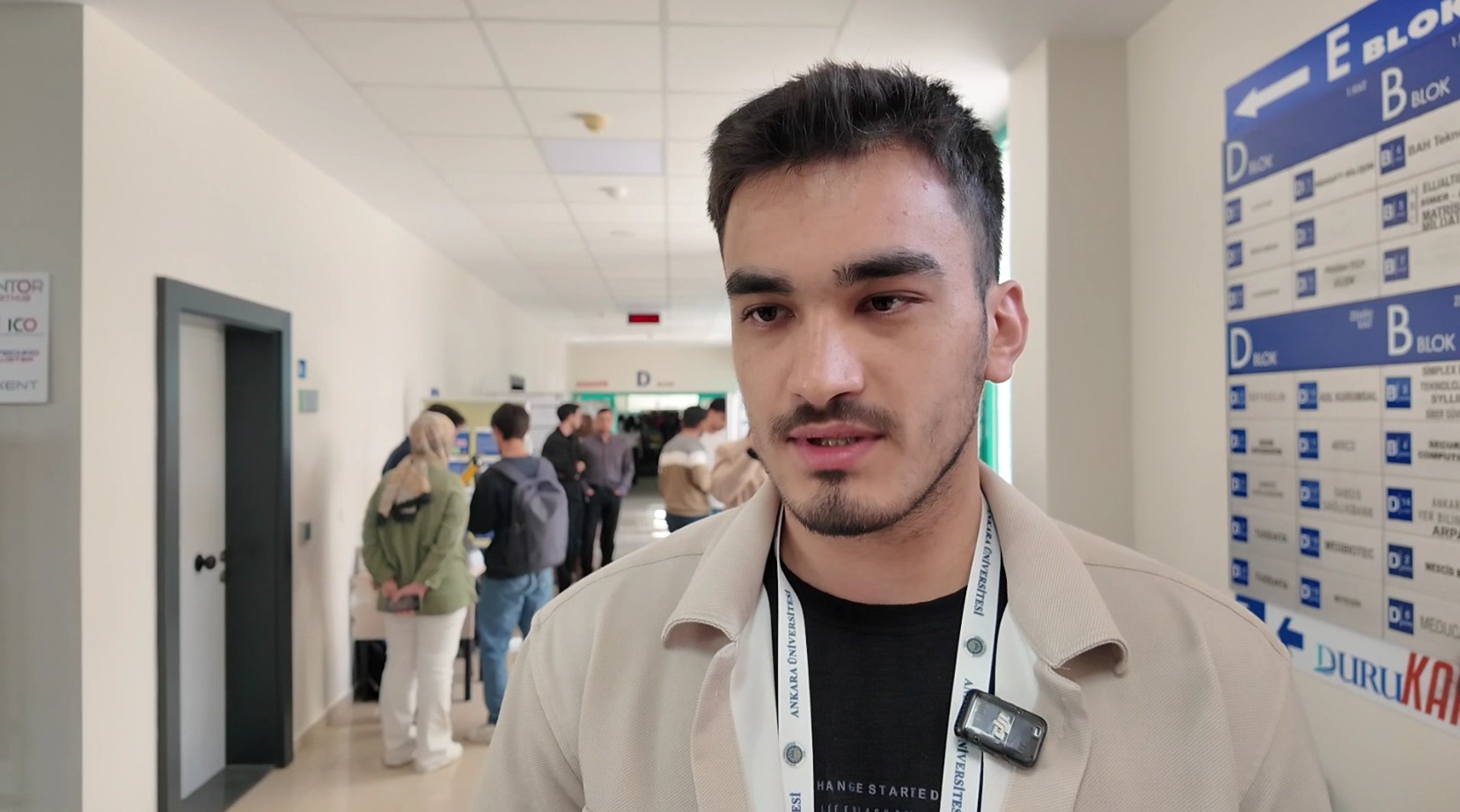
Arda Can Bodur, a student at Ankara University's Vocational School of Cybersecurity, said: "I had scores high enough to enroll in many bachelor's degree programs. However, I wanted to channel my interest in information technologies into cybersecurity, one of the professions of the future. Tomorrow we will become part of the teams responsible for protecting our country's digital security in the defense industry, critical infrastructure, and public institutions. Türkiye's digital borders will be in our hands."
Hasan Yiğit Aydoğan, a student at Gazi University’s TUSAŞ Kazan Vocational School, noted that while artificial intelligence and cloud technologies continue to advance rapidly, the demand for cybersecurity professionals is growing just as quickly. He believes graduates will enjoy career opportunities ranging from the defense industry and the private sector to international companies through remote work.
Türkü Durmuş, a student in the Cybersecurity Analysis and Operations Program at Gebze Technical University, said that practical training has given her valuable insight into the profession. "I have seen how knowledgeable professionals in this field are. I continue to improve myself and look to the future with confidence."
Students Yavuz Selim Bozdemir from Ankara University and Nilay Tülü from Gazi University also encouraged prospective applicants to consider cybersecurity programs. Bozdemir emphasized the field's growing strategic importance both in Türkiye and internationally. Nilay Tülü concluded: "Today, data is the world's most valuable asset, and the people who will protect that data are cybersecurity professionals. For this reason, families and university applicants can confidently choose this field as one of the professions of the future."
Images






Images