


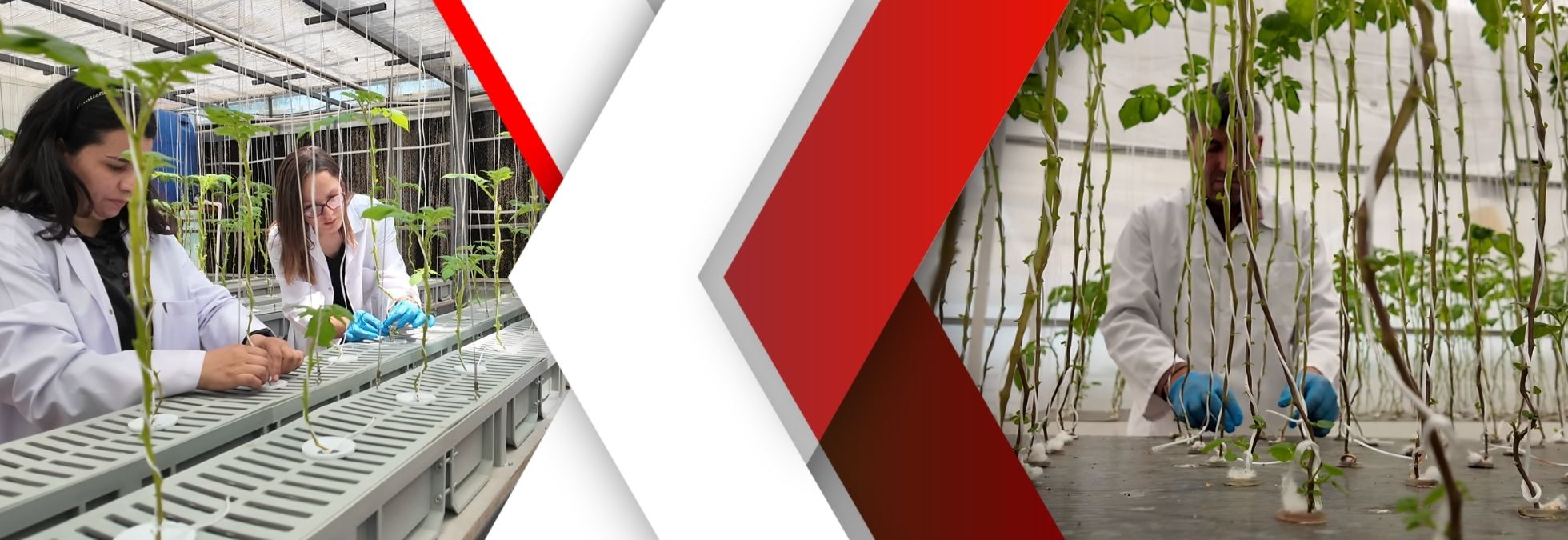
Smart Greenhouses Are Shaping the Future of Agriculture
- The Smart Greenhouse Technologies Program brings together agriculture, information technologies, and artificial intelligence under a single educational framework.
- Industry representatives highlight a growing shortage of qualified professionals in soilless agriculture.
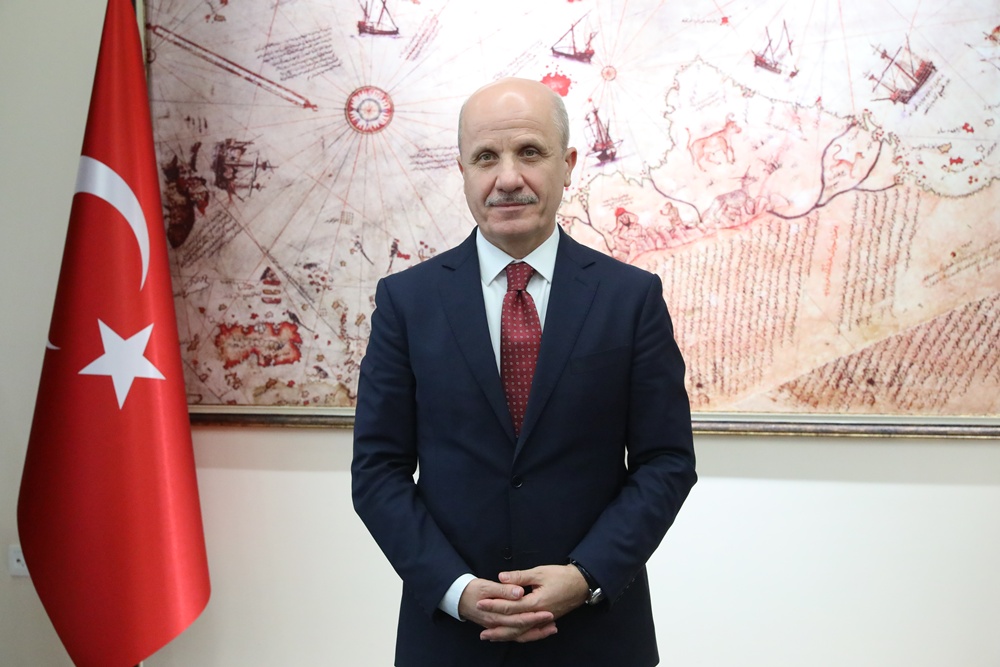
- Council of Higher Education President Erol Özvar: "By integrating agriculture with information technologies, artificial intelligence, and automation, the Smart Greenhouse Technologies Program has become one of the pioneering initiatives designed to train the qualified workforce this field requires."
July 31, 2026
Climate change, global warming, diminishing water resources, and rapid population growth are increasing the need for new approaches to agricultural production. Traditional farming methods are increasingly giving way to smart greenhouses, where production is managed through sensors, automation systems, software, robotics, and artificial intelligence.
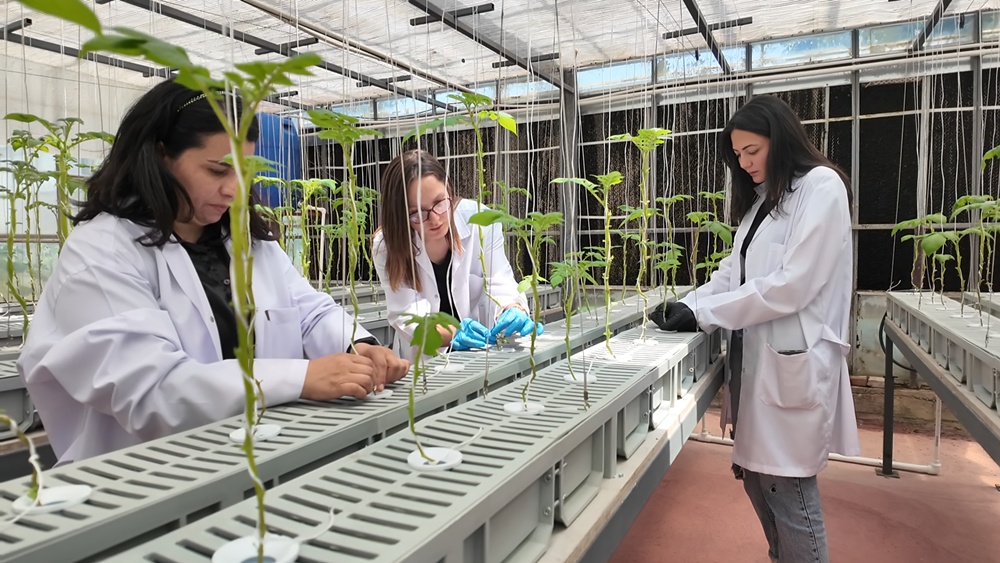
The Smart Greenhouse Technologies Program at Bor Vocational School of Niğde Ömer Halisdemir University (NOHU) combines agricultural science with digital technologies.
Students receive instruction in programming, artificial intelligence, machine learning, automation, electrical and electronics engineering, technical drawing, and computer-aided design, alongside courses in plant biology, soil science, and horticulture.
Academics, industry representatives, and students alike agree that smart greenhouse technologies represent one of the most promising fields of the future, offering solutions for more efficient use of natural resources, higher agricultural productivity, and sustainable food production.
- "Agriculture Could Not Be Left Behind"
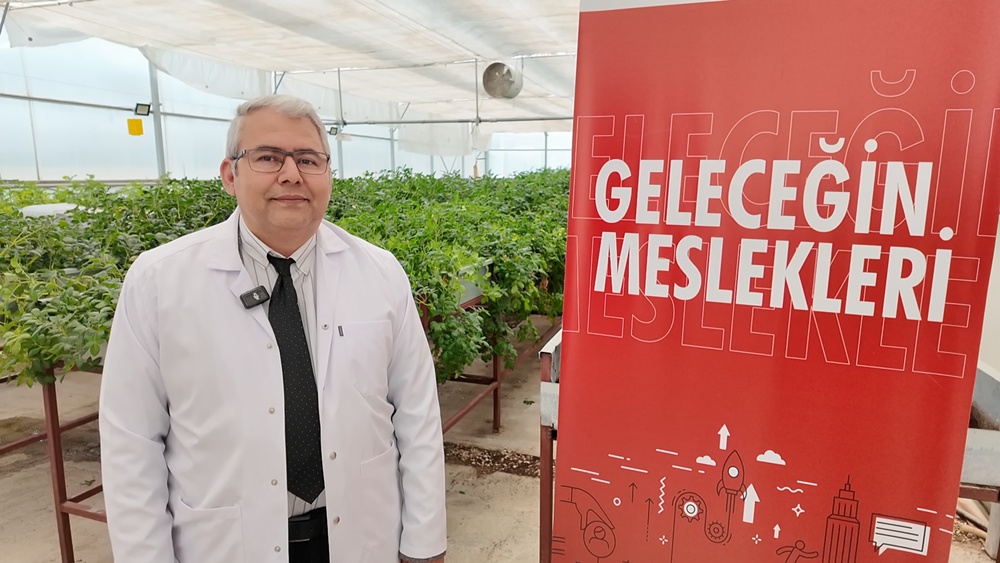
Mehmet Ali Arslan, Head of the Smart Greenhouse Technologies Program at NOHU Bor Vocational School, stated that every profession is being transformed by digitalization.
Pointing out that agriculture is one of the fundamental pillars of human life, Arslan explained that production methods once based solely on traditional practices are now entering a new era through artificial intelligence. He emphasized that water is one of the world's most precious and increasingly scarce resources, and that smart greenhouse technologies aim to increase agricultural productivity and diversify production while using significantly less water.
Describing smart greenhouse technologies as one of the professions at the heart of digital transformation, Arslan noted that sensors, robotics, and digital systems are revolutionizing agriculture by improving both productivity and profitability.
"Artificial intelligence is the reality of today and the technology of tomorrow. It transforms every field it touches and is becoming the future itself. Agriculture could not possibly remain outside this transformation. We are bringing artificial intelligence into agriculture."
- The Future of Agriculture Lies in Digitalization
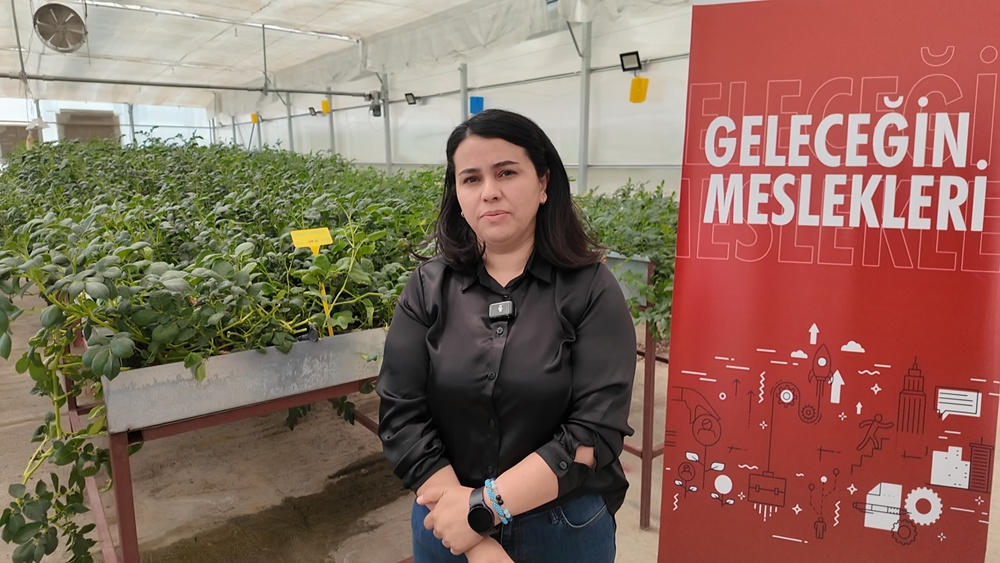
Rabia Busenaz Kaya, lecturer in the Smart Greenhouse Technologies Program, emphasized that while Türkiye is fundamentally an agricultural country, climate change is directly affecting agricultural production. She explained that scientists are working to develop more resilient crop varieties and that greenhouse technologies make it possible to control the environmental conditions in which plants are grown.
According to Kaya, climate change and water scarcity are making climate-independent agricultural production increasingly important.
She noted that smart greenhouse systems incorporate automation and software technologies, while students receive training in information technologies and software development alongside courses in plant biology, soil science, and horticulture. Highlighting the growing imbalance between global population growth and available natural resources, Kaya said:
"The future of the world depends on agriculture, and the future of agriculture depends on digitalization. That is why the Smart Greenhouse Technologies Program is one of the professions of the future. Smart greenhouse technologies represent one of the best career paths serving this transformation."
- "There Is a Serious Shortage of Qualified Personnel in Soilless Agriculture"
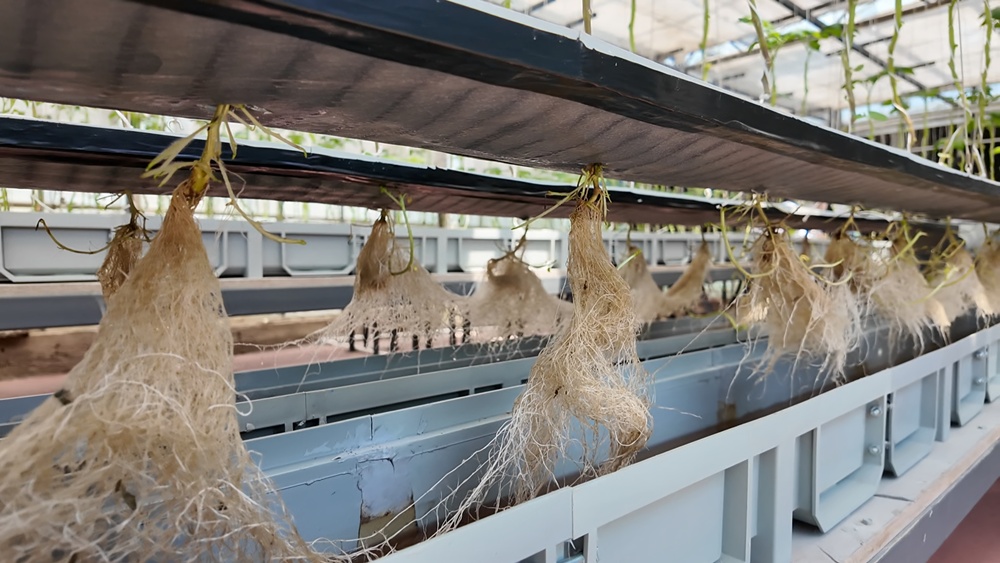
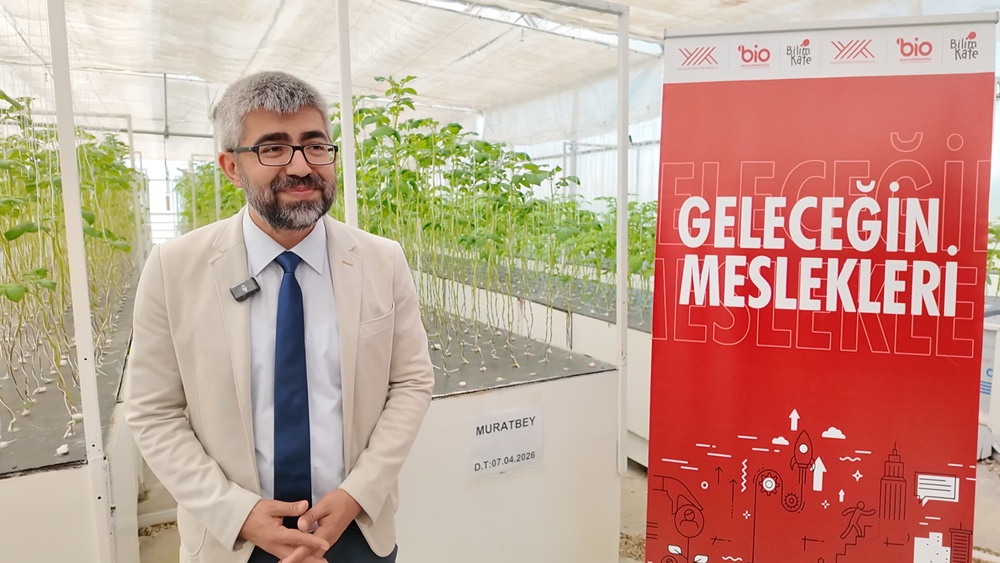
Murat Polat, a graduate of Ege University's Agricultural Economics Program, owner of Everest Agricultural Consultancy, and an operator of smart greenhouse facilities, said he has worked in soilless agriculture since 2001.
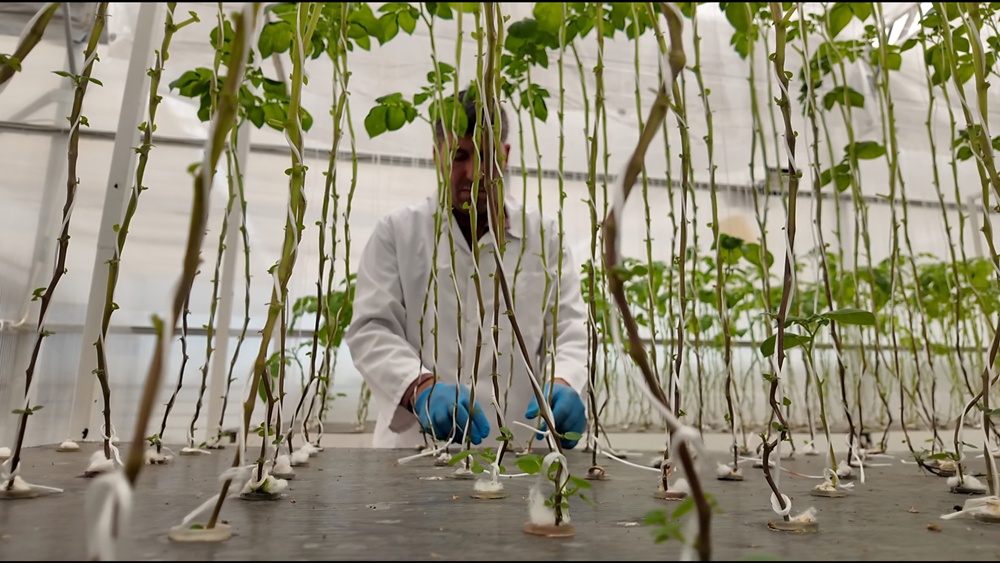
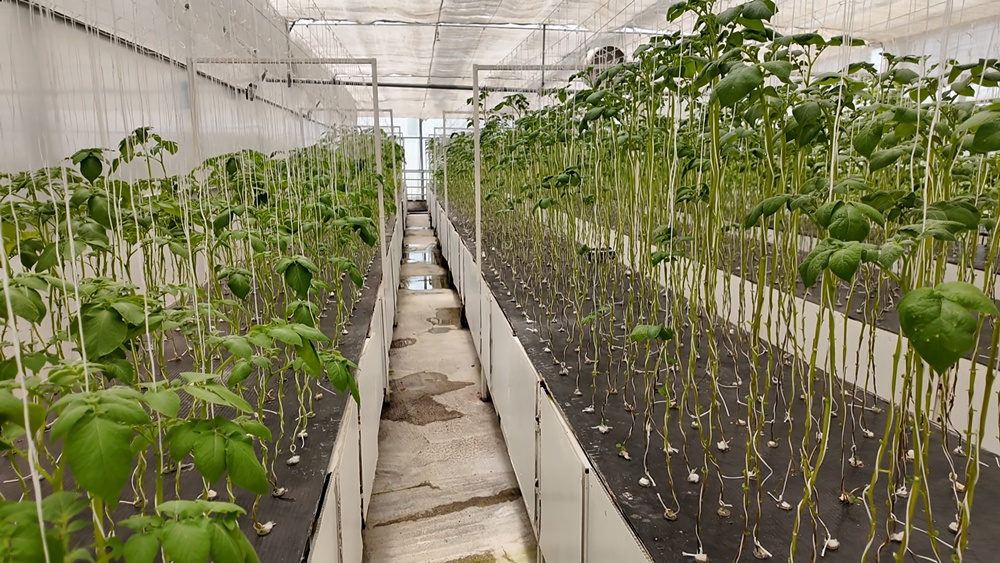
He explained that in modern smart greenhouse systems, irrigation for crops such as tomatoes and peppers can be managed through advanced technological systems, replacing traditional practices such as manual watering and irrigation channels with automated fertilizer preparation and irrigation controlled at the touch of a button.
These systems also provide growers with greater flexibility in managing their work schedules and even allow them to take weekends off. Polat emphasized that while conventional farming typically produces two or three units of output, technologically advanced smart greenhouse systems can produce three to five units, resulting in substantially higher profitability.
He also highlighted the sector's growing workforce shortage. "I have been working in this field for 26 years. Looking back, many industries have disappeared, but agriculture continues to thrive. Economically, those who are strong in agriculture will be strong overall."
- Programming, Artificial Intelligence, and Automation Meet Agriculture
Assoc. Prof. Burak Şen, faculty member at Niğde Ömer Halisdemir University's Faculty of Agricultural Sciences and Technologies, said the curriculum includes numerous subjects that appeal to today's younger generation.
He explained that students begin with fundamental instruction in programming, artificial intelligence, machine learning, automation, electrical engineering, and electronics before applying these technologies to agriculture.
According to Şen, the program is particularly well suited to students who are interested in both plant production and technology. Combining technical drawing, computer-aided design, modeling, automation, electrical and electronics engineering, coding, and artificial intelligence, the program enables students to pursue careers that integrate technological innovation with environmental sustainability. "If you are passionate about both technology and nature, we welcome you to join our program."
- Students Learn Smart Farming Technologies
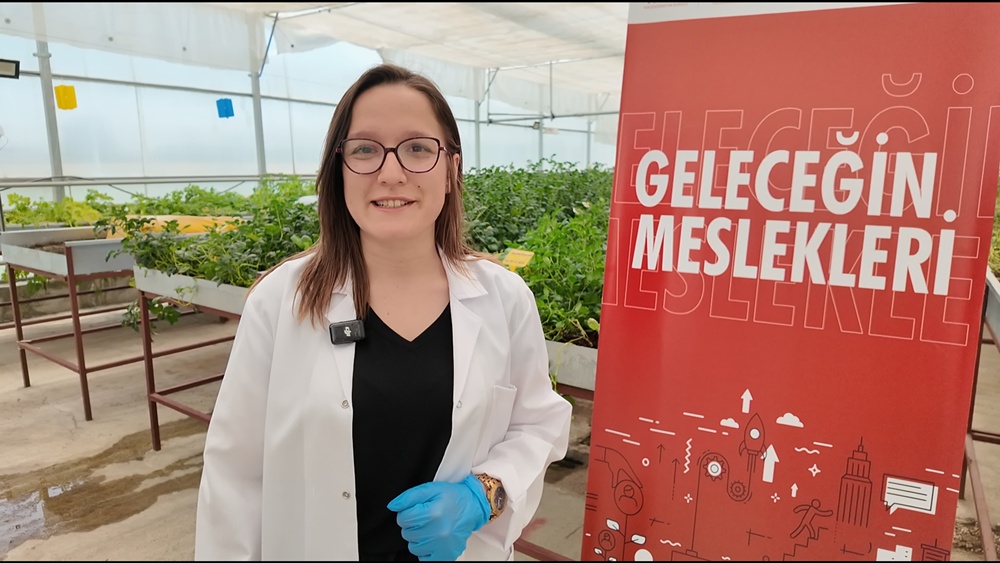
First-year student Ceylan Meşe, who comes from a farming family, said her longstanding interest in agriculture played an important role in choosing the program. She explained that the combination of agriculture and technology made the program especially attractive.
During their studies, students learn how smart farming is implemented in greenhouse environments and how good agricultural practices, precision agriculture, and digital farming are supported through automation technologies and sensor systems.
- "My Dream Is to Build a Soilless Greenhouse"
First-year student Şule Can said that as technology continues to advance rapidly, agriculture must evolve alongside it. She explained that the program's integration of technology into agricultural education was the primary reason she chose it and added that she is very satisfied with her decision. Can said she hopes to contribute to food security and sustainability while helping make agricultural production more efficient.
Believing that the education she is receiving will distinguish her professionally, she concluded: "My dream is to establish my own soilless greenhouse."
- Özvar Highlights the Importance of a Qualified Workforce
Council of Higher Education President Erol Özvar stated that climate change, efficient water management, food security, and digital transformation are creating entirely new areas of specialization within agriculture.
He noted that higher education institutions are updating their academic programs to reflect these developments. Emphasizing agriculture's growing strategic importance, Özvar stressed that training a highly qualified workforce is essential to strengthening sustainable production, ensuring the efficient use of natural resources, and further integrating technology into agricultural processes.
He concluded that the Smart Greenhouse Technologies Program, by bringing together agriculture, information technologies, artificial intelligence, and automation, is one of the pioneering academic programs designed to educate the highly qualified professionals needed for this rapidly evolving field.
Images
Images