


Climate Control and Refrigeration: The Hidden Power Behind the Age of Artificial Intelligence
- From hospitals and data centers to food production and semiconductor manufacturing, climate control and refrigeration technologies play a critical role in virtually every aspect of modern life.
- Prof. Ayhan Onat: "Climate control and refrigeration are about far more than air conditioning—they are at the very heart of quality living and modern production."
- The rise of artificial intelligence, energy efficiency, and sustainability is driving growing demand for highly qualified technical professionals in the sector.
- Scholarships, internships, and employment opportunities for the engineers of the future through the Council of Higher Education–TOBB partnership.
July 29, 2026
Artificial intelligence, data centers, energy efficiency, and sustainability-driven transformation are reshaping the climate control and refrigeration industry from a sector focused primarily on comfort into one of the essential infrastructures supporting healthcare, advanced manufacturing, high technology, and food security. As this transformation accelerates, the demand for highly qualified technical professionals continues to grow.
Recognized as one of the priority fields under the Council of Higher Education's "Professions of the Future" vision, climate control and refrigeration technologies now play a vital role in settings ranging from hospitals and data centers to electronics and semiconductor manufacturing facilities, as well as transportation systems.
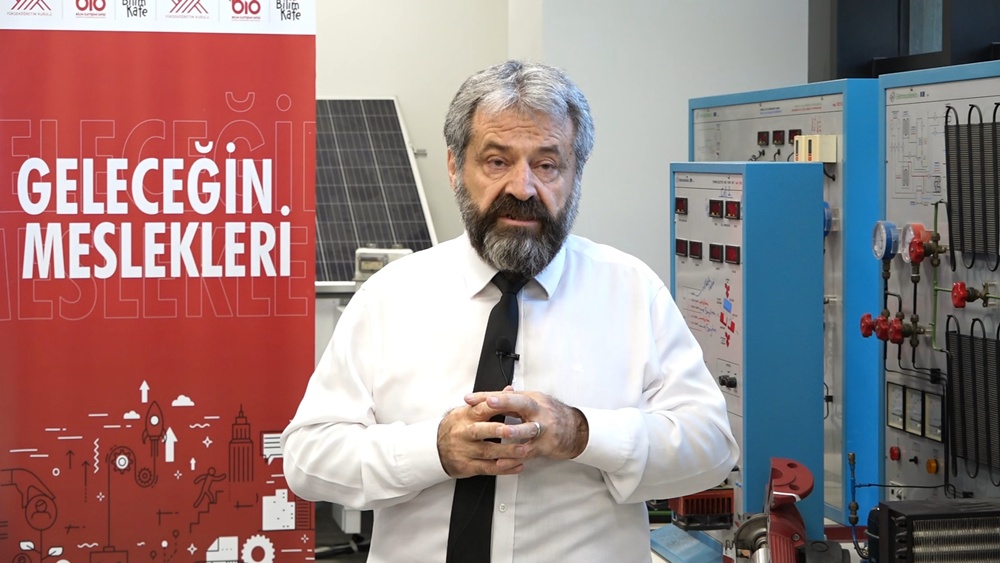
Prof. Ayhan Onat, a faculty member in the Department of Mechanical Engineering at Marmara University, emphasized that climate control and refrigeration encompass far more than air conditioning or maintenance services, noting that such perceptions fail to reflect the true scale of the sector. "Climate control should not simply be understood as systems that change temperature. We do not study climate—we create the climate of the environment."
Onat explained that systems capable of simultaneously managing temperature, humidity, clean air, air distribution, and, when necessary, pressure control are essential to ensuring healthy and safe environments. He added that mechanical engineering forms the foundation of this field.
- Critical Infrastructure from Hospitals to Data Centers
Onat described climate control and refrigeration technologies as one of the invisible yet indispensable infrastructures of everyday life, extending far beyond residential buildings.
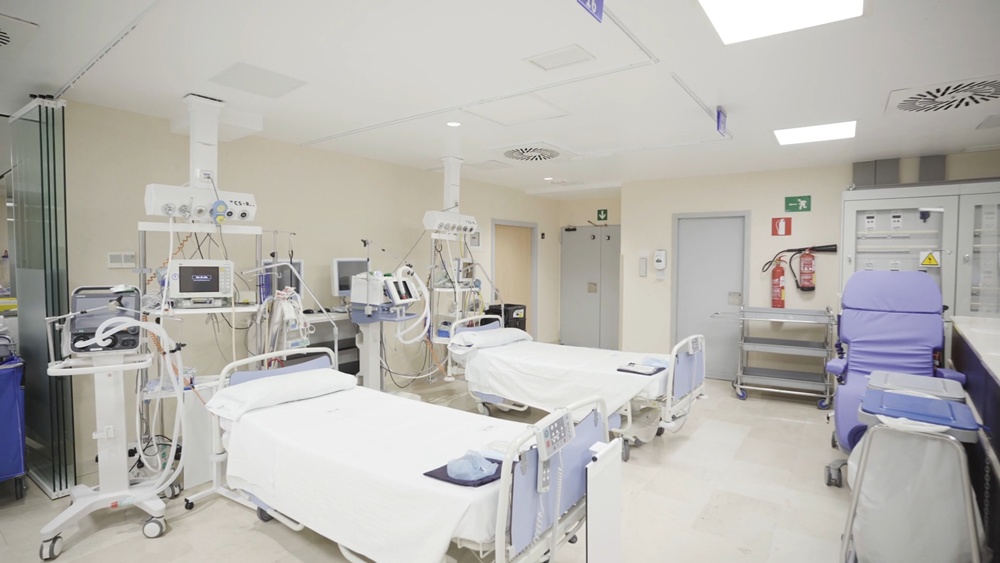
He noted that operating rooms, intensive care units, pharmaceutical manufacturing plants, data centers, electronics and semiconductor production facilities, food processing plants, metro stations, tunnels, airports, hotels, shopping centers, and museums all rely on climate control and refrigeration systems to maintain the environmental conditions necessary for safe and efficient operation. "We are at the very heart of quality living and modern production."
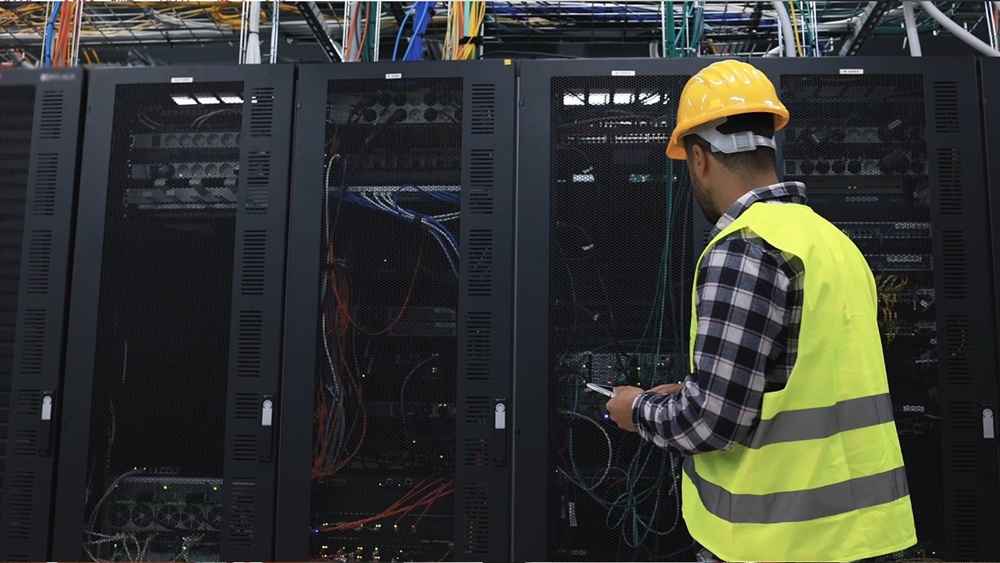
Onat further explained that data centers—the critical infrastructure underpinning the age of artificial intelligence—depend on advanced cooling technologies to ensure the safe operation of electronic systems. Likewise, sensitive manufacturing processes ranging from electronic circuit boards to nanotechnology production cannot function without precisely controlled environmental conditions.
- Artificial Intelligence Is Increasing Demand for Technical Professionals
Onat pointed out that artificial intelligence, building automation systems, and Internet of Things (IoT) technologies are being rapidly integrated into the sector. Rather than reducing the need for technical personnel, he said, these technological advances are increasing demand for a more highly skilled workforce.
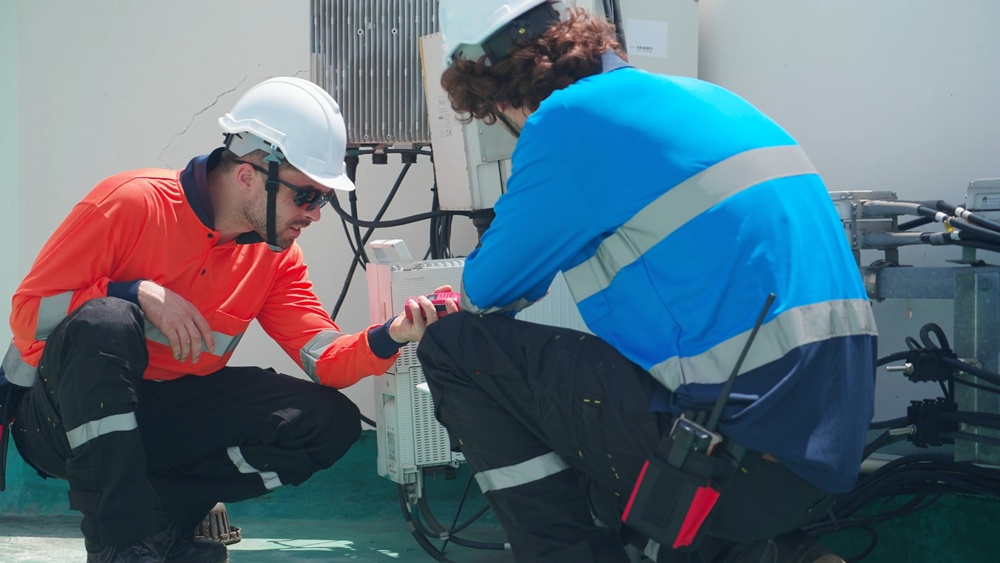
"Artificial intelligence will be our assistant. But people will still be the ones who manage it, implement it in the field, and make the right decisions." He explained that climate control and refrigeration technicians serve as the crucial link between engineers and implementation teams, ensuring that systems are correctly installed, commissioned, and operated safely in real-world environments.
- Strong Growth Potential
According to Onat, Türkiye has developed a strong manufacturing and export base in the climate control and refrigeration industry. He noted that the sector's exports reached USD 7.4 billion in 2025, with approximately half destined for European markets, and that the industry has set an export target of USD 10 billion over the next five years.
He also highlighted that buildings account for around 40 percent of total energy consumption, making energy-efficiency initiatives an increasingly important driver of demand for climate control and refrigeration technologies.
The sector offers employment opportunities across a wide range of fields, including design and engineering offices, manufacturing facilities, research and development centers, technical sales, installation, commissioning, maintenance, and after-sales service. Onat also emphasized that the industry presents significant entrepreneurial opportunities for young professionals.
He encouraged students to develop strong foreign language skills, build solid technical expertise, engage with professional industry associations early in their studies, follow international developments, and pursue continuous professional development.
- A Profession of the Future
Onat stated that the climate crisis, energy efficiency, and sustainability goals will continue to drive innovation in the sector, making climate control and refrigeration one of the most promising professions of the future.
Addressing young people directly, he said: "Wherever there is life and quality production, we are there. There is a place waiting for you in this industry—but you must earn it through knowledge, vision, and hard work. The vast climate control and refrigeration family is waiting for you."
- Scholarships, Internships, and Employment Support for the Engineers of the Future
To address the growing demand for highly qualified professionals in the sector, the Council of Higher Education, the TOBB Climate Control Industry Council, and the Heating, Cooling and Air Conditioning Research and Education Foundation (ISKAV) have launched a scholarship program providing financial assistance, internship opportunities, and employment support for successful students.
The cooperation protocol, aimed at strengthening university–industry collaboration, was signed on May 26, 2025.
During the initial phase of the program, support will be provided to students enrolled in Mechanical Engineering and Energy Systems Engineering programs at Ege University, Gazi University, Karabük University, and Yıldız Technical University. The program will initially cover 50 students, with plans to expand its scope to include additional universities and students in the future.
Under the protocol, students who qualify for the scholarship will receive a merit-based scholarship equivalent to 40 percent of the net monthly minimum wage for nine months each academic year, beginning in their second year of study. In addition, students will be offered internship opportunities and workplace-based training at companies operating within the sector.
Images


Images