


Digital Factory Operators Enter Era of Autonomous Manufacturing
- A new era in manufacturing: Data is now driving decision-making
- The Manufacturing Execution Systems (MES) Operator Training program, introduced by the Council of Higher Education, will train technical specialists to lead the digital transformation of industry
- Experts: "By 2030, MES operators will become one of the most critical components of the industrial workforce"
- Council of Higher Education President Erol Özvar: "Transformation is accelerating across every sector"
August 5, 2026
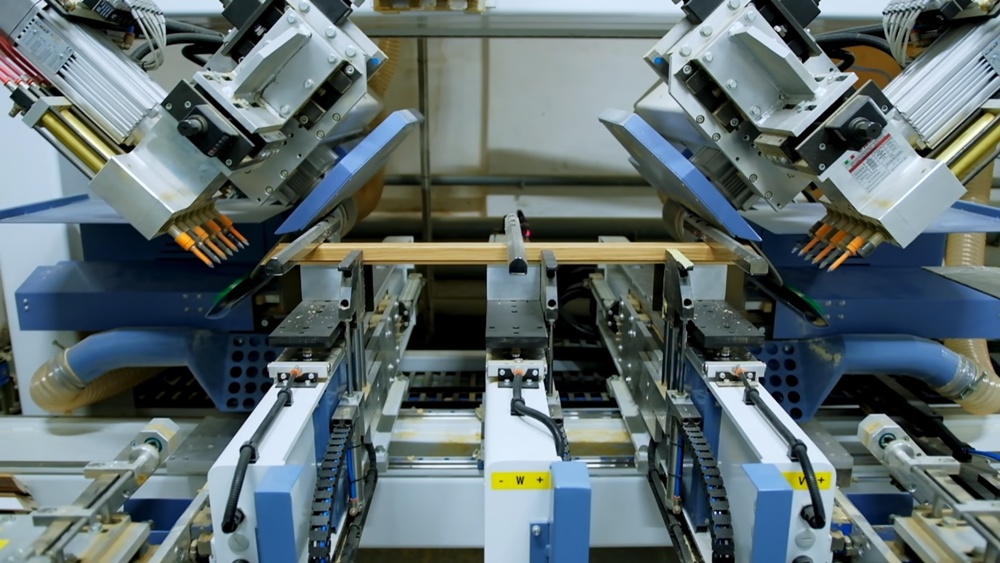
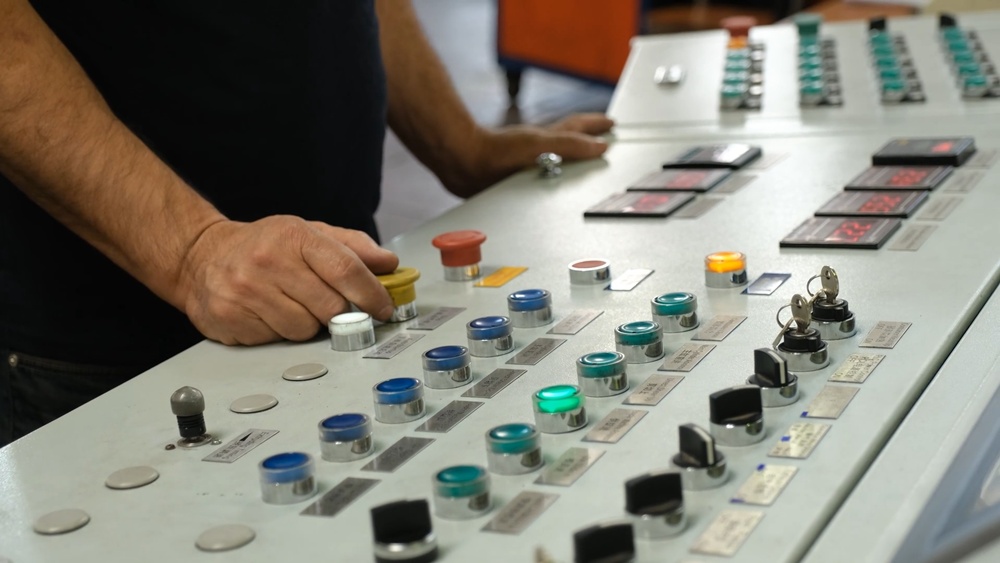
Machines in modern manufacturing facilities no longer simply produce goods. They analyze data collected from sensors, predict equipment failures, schedule maintenance activities, and optimize production performance autonomously.
As the transition toward smart factories accelerates, it is also creating demand for a new profession capable of managing these digital production environments. The Manufacturing Execution Systems (MES) Operator Training program, established by the Council of Higher Education as part of its future-oriented academic initiatives, aims to educate digital factory operators equipped with expertise in artificial intelligence, data analytics, sensor technologies, and intelligent manufacturing systems.
Today, factories across industries ranging from automotive and defense to household appliances and food production are rapidly embracing digitalization. Manufacturing Execution Systems (MES), which enable real-time monitoring and management of production processes, are becoming increasingly widespread. Experts agree that professionals capable of operating these systems will become one of industry's most critical workforce needs in the coming years.
- "We Need Professionals Who Can Manage Autonomous Manufacturing Systems"
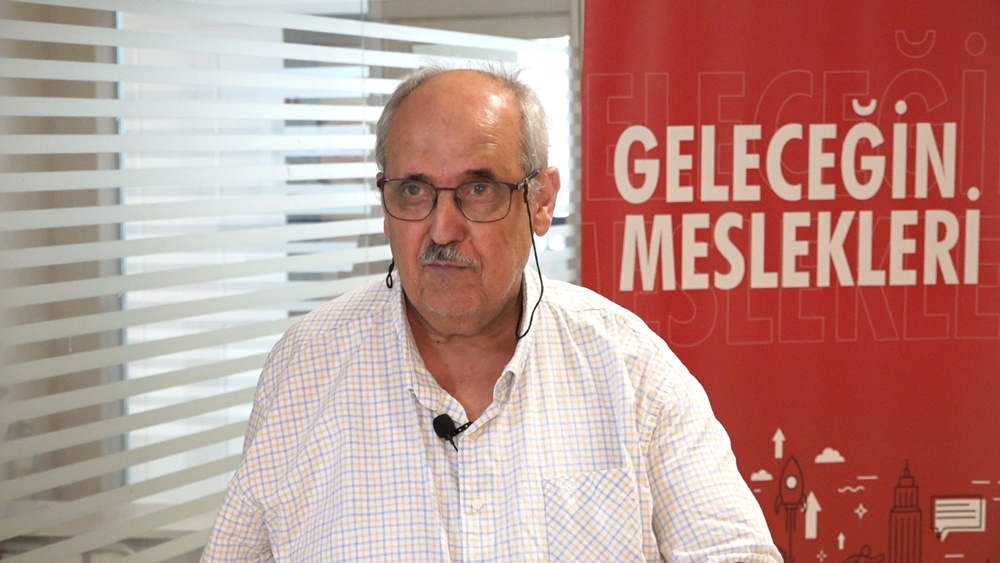
Prof. Ercan Öztemel, faculty member in the Department of Industrial Engineering at Marmara University, stated that the widespread adoption of artificial intelligence in manufacturing is accelerating the emergence of autonomous production systems, with Manufacturing Execution Systems at the heart of this transformation.
He explained that production equipment is evolving into intelligent systems capable of analyzing sensor data, monitoring production performance, and supporting operational decision-making. "Sustaining this transformation requires qualified professionals capable of managing these systems. Digital transformation cannot be completed through technological infrastructure alone; it also depends on a highly skilled workforce capable of operating that infrastructure."
- "The Council of Higher Education Anticipated This Need"
Öztemel noted that the Council of Higher Education established the Manufacturing Execution Systems Operator Training program precisely in anticipation of this emerging demand. Although many manufacturing companies have already begun implementing MES solutions, he said there remains a shortage of technical personnel qualified to operate them.
Looking ahead to 2030, Öztemel described MES operators as one of the most critical workforce needs facing industry. "The Council of Higher Education recognized this trend early and introduced the Manufacturing Execution Systems Operator Training program. I consider this an extremely important initiative.
Perhaps in two or three years—but certainly by 2030—we will need a significant number of MES operators in Türkiye. We may even find ourselves importing MES operators."
- "The Human Role Will Change Fundamentally"
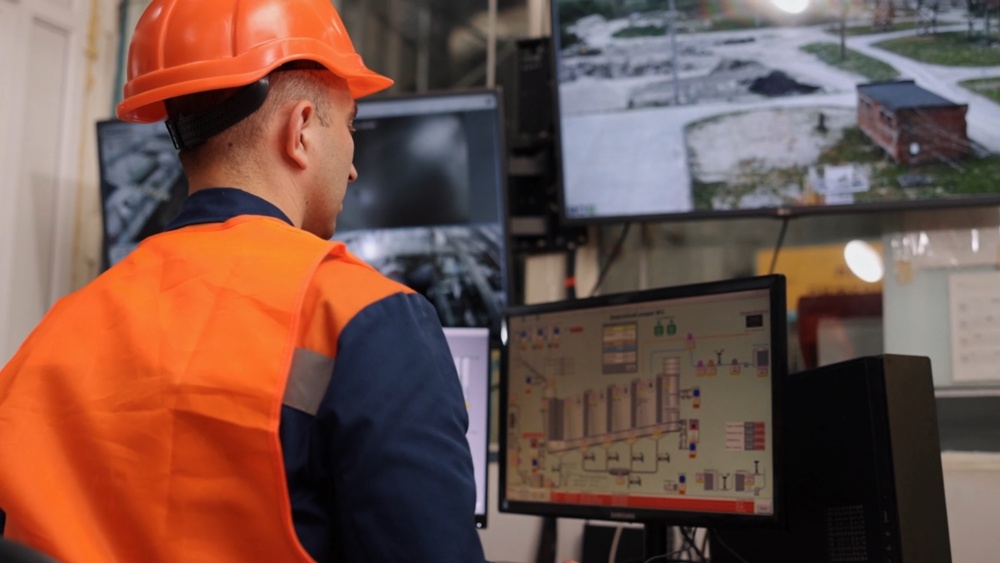
According to Öztemel, MES operators will do far more than simply monitor production lines. They will analyze data collected from sensors, guide maintenance and production processes, and provide management with decision-support insights by interpreting production data.
While human involvement in manufacturing will not disappear, he emphasized that its nature will fundamentally change. "In the past, operators simply ran machines. In the future, they will manage production processes and support decision-making using the data generated by those machines."
- Who Will Work in the Factories of the Future?
Öztemel explained that the Manufacturing Execution Systems Operator Training curriculum has been designed around the requirements of next-generation manufacturing. Key competencies include systems analysis, computer programming, sensor technologies, hardware, and information networks.
He emphasized that MES operators will not develop these systems but will become technical specialists capable of operating and managing them effectively. Students with an interest in technology, strong analytical thinking, and problem-solving skills are expected to excel in the field.
"Students will need aptitude in electronics, information technologies, and systems analysis. They should also be comfortable with hardware and understand information networks. They must be able to answer questions such as, 'I need this piece of data—where can I obtain it?' Through both theoretical coursework and practical training, students will develop these competencies."
Encouraging young people to prepare for rapid technological change, Öztemel added: "I encourage young people to recognize that tomorrow's world will not resemble today's. They should develop themselves to thrive alongside the evolving digital world."
Digital Literacy Has Become an Essential Skill
Doctoral student Bilge Nur Güneş from the department noted that manufacturing processes are becoming increasingly digital, driving growing demand for technical personnel capable of managing MES systems.
She advised prospective students to continuously improve their digital literacy. "I do not believe students who continuously strengthen their technical competencies will have difficulty finding employment after graduation."
- Industry Demand Has Already Begun
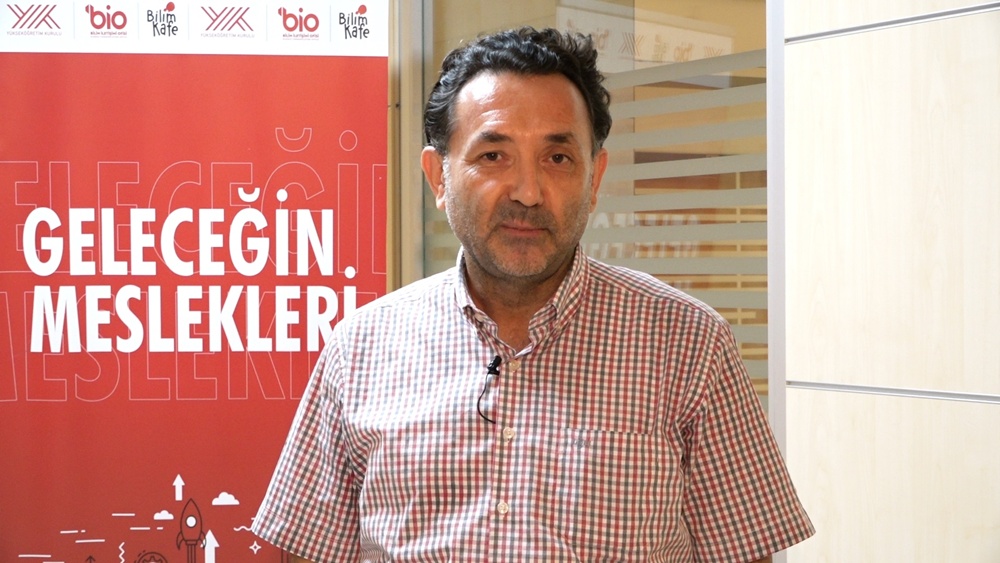
Dr. Adem Kayar, Founder of MCS Group, a company specializing in industrial automation and digital factory solutions, said that the acceleration of digital transformation has already created significant demand for MES operators.
"Today, many manufacturing companies are struggling to find qualified personnel. Students who choose this program will learn both production processes and the digital technologies used in manufacturing. Upon graduation, they will have excellent employment opportunities across many industries." He added that employment demand will continue to grow as smart factories become more widespread. "Robotic systems, artificial intelligence applications, and digital manufacturing technologies are expanding rapidly. Young professionals who master these technologies will become some of the most sought-after employees in industry."
- "Data Is the Most Valuable Resource of the Future"
Kayar emphasized the importance of participating in practical training, internships, and industry partnerships during university education while continuously improving digital competencies.
He concluded: "Oil was once considered the world's most valuable resource. Today, that resource is data. The professionals who can manage data effectively, analyze it, and create value for businesses will become the most sought-after workforce of the future. Technology is evolving rapidly, and tremendous opportunities await young people who embrace continuous learning and keep pace with change."
- Council of Higher Education President Özvar: "Transformation Is Accelerating Across Every Sector"
Council of Higher Education President Erol Özvar stated that the Council's higher education planning aims to strengthen the balance between graduate supply and labor market demand while expanding the pool of qualified professionals in information technologies, cybersecurity, digital technologies, and advanced manufacturing. "In today's world, transformation is accelerating across every sector. Anticipating the skills of the future and closely following industry expectations and technological developments have become essential." Özvar also highlighted that new academic programs such as Manufacturing Execution Systems Operator Training are preparing the technical workforce needed to manage digital manufacturing processes and use data effectively.
Images


Images