


New Era in Higher Education: Enrollment Quotas Now Aligned with Employment Needs and Future Professions
- Council of Higher Education President Erol Özvar: "We are planning enrollment quotas in line with the workforce needs of the future."
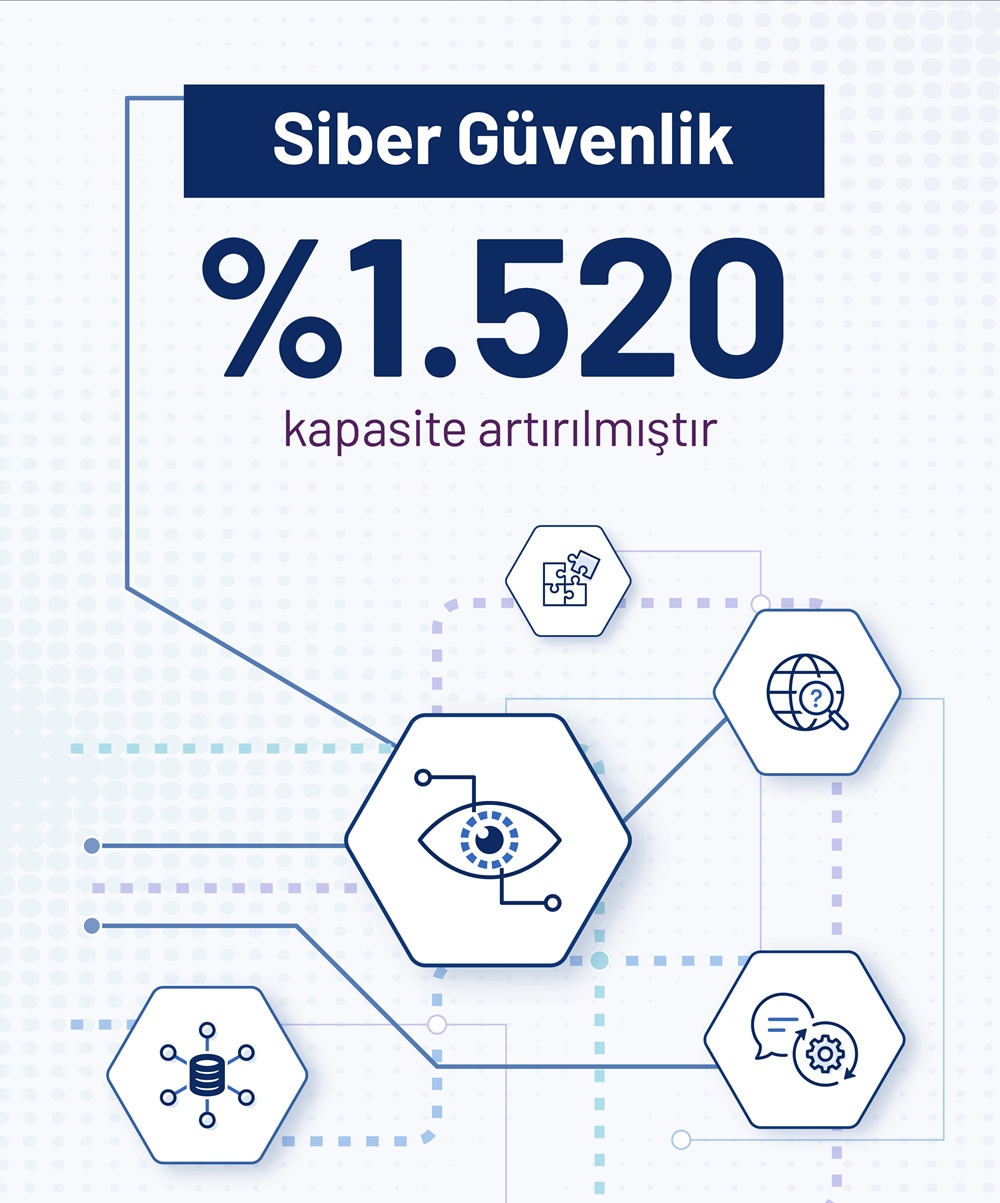
- "We have increased educational capacity in cybersecurity by 1,520 percent."
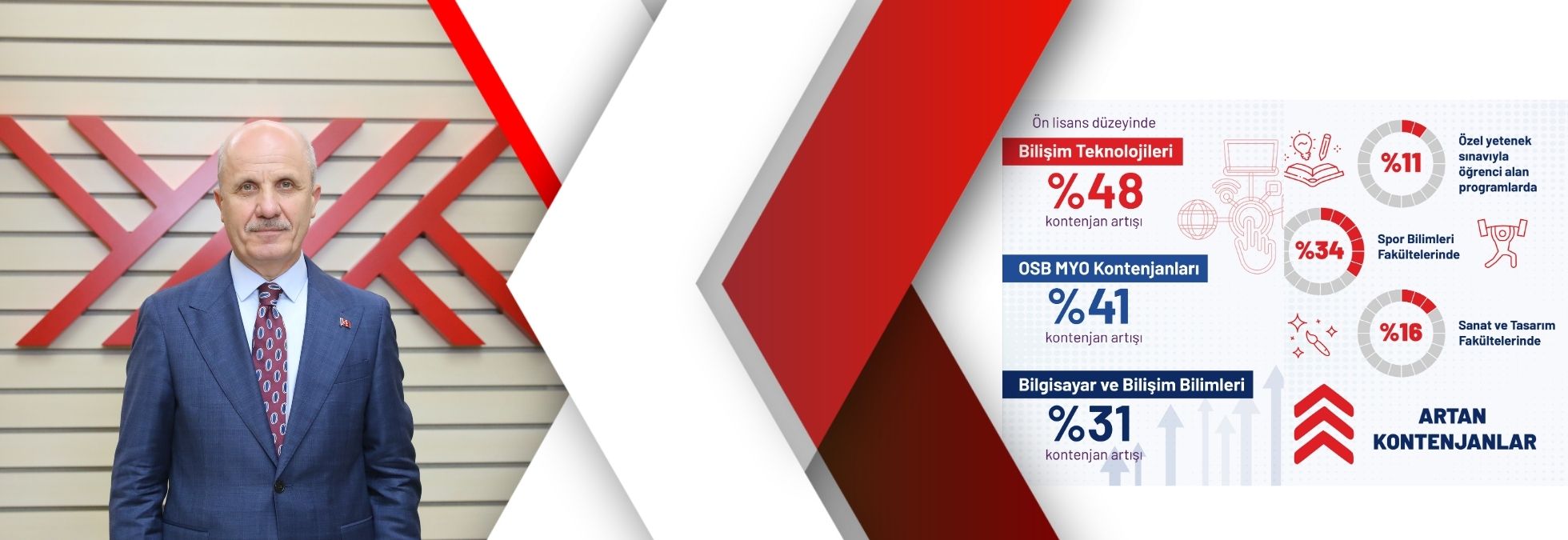
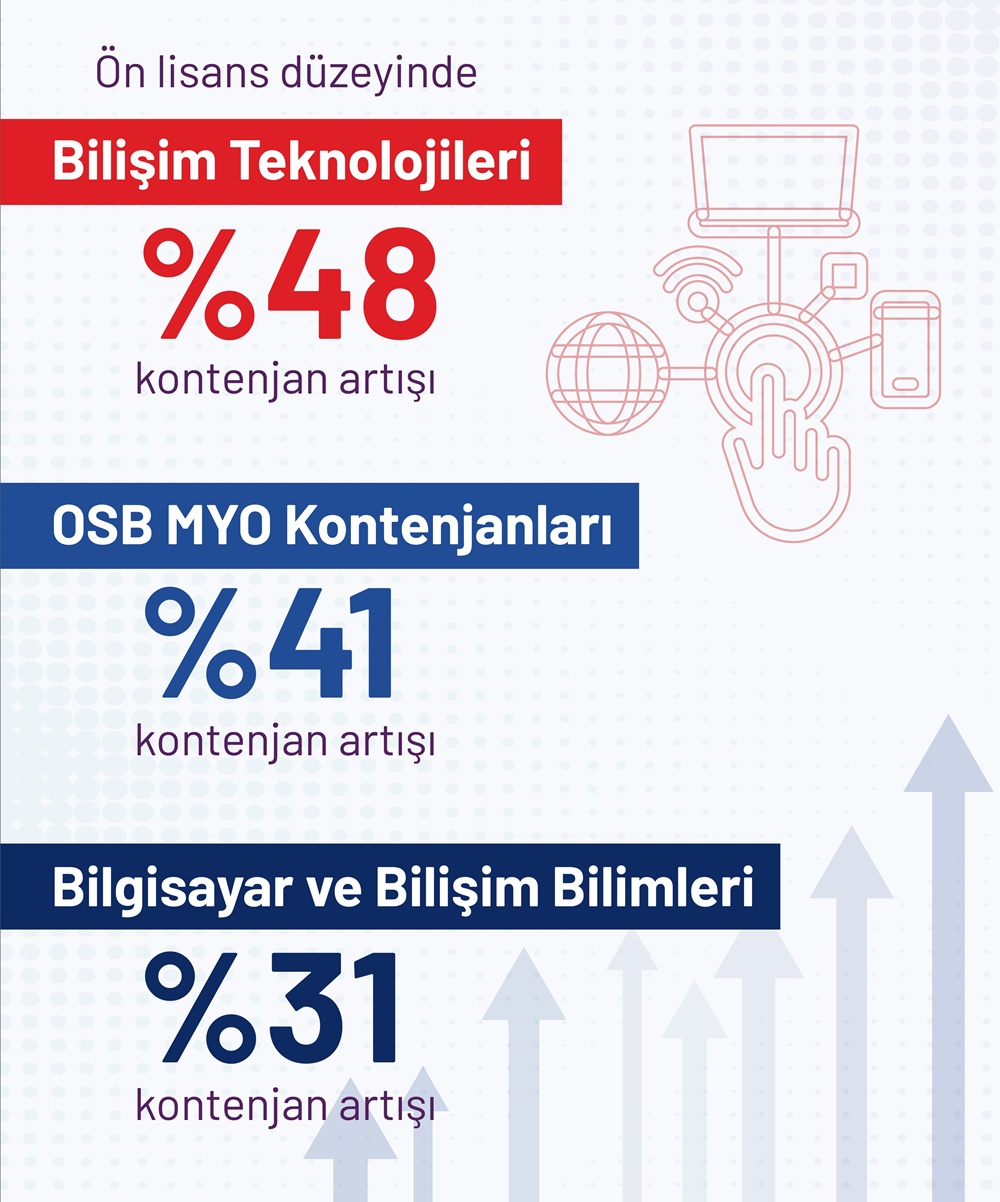
- "We have expanded enrollment quotas by 48 percent in information technologies and by 41 percent in Organized Industrial Zone Vocational Schools."
July 27, 2026
President of the Council of Higher Education Erol Özvar announced that higher education enrollment planning is no longer based solely on university preference trends from previous years, but is now guided by Türkiye's development goals, labor market needs, digital transformation, and the demands of strategic industries.
Özvar stated that while significant capacity increases have been made in fields related to the professions of the future, a balanced planning approach has been adopted in disciplines where the supply of graduates is already high.
He explained that decisions on program quotas are based on a comprehensive assessment of universities' academic capacity, research and practical training infrastructure, and graduates' employment prospects. He also noted that the Council consults with relevant ministries, professional organizations, chambers of industry and commerce, sector representatives, employers, and universities throughout the planning process. "In this way, we make our decisions based not on temporary trends but on a long-term, data-driven approach."
"We Increased Educational Capacity in Cybersecurity by 1,520 Percent"
Özvar said the results of the new planning approach are particularly evident in the fields of information technology and digital transformation. He announced that enrollment quotas for associate degree programs in information technologies have increased by approximately 48 percent, while quotas at Organized Industrial Zone Vocational Schools (OIZ Vocational Schools) have expanded by approximately 41 percent.
According to Özvar, the most remarkable growth has been in cybersecurity, where educational capacity has increased by approximately 16 times, representing a 1,520 percent increase.
He added that a similar planning strategy has been implemented for bachelor's degree programs. Over the past three years, enrollment quotas in computer science and information sciences have increased by approximately 31 percent, reflecting the growing demand for qualified professionals in software development, artificial intelligence, data science, and digital technologies.
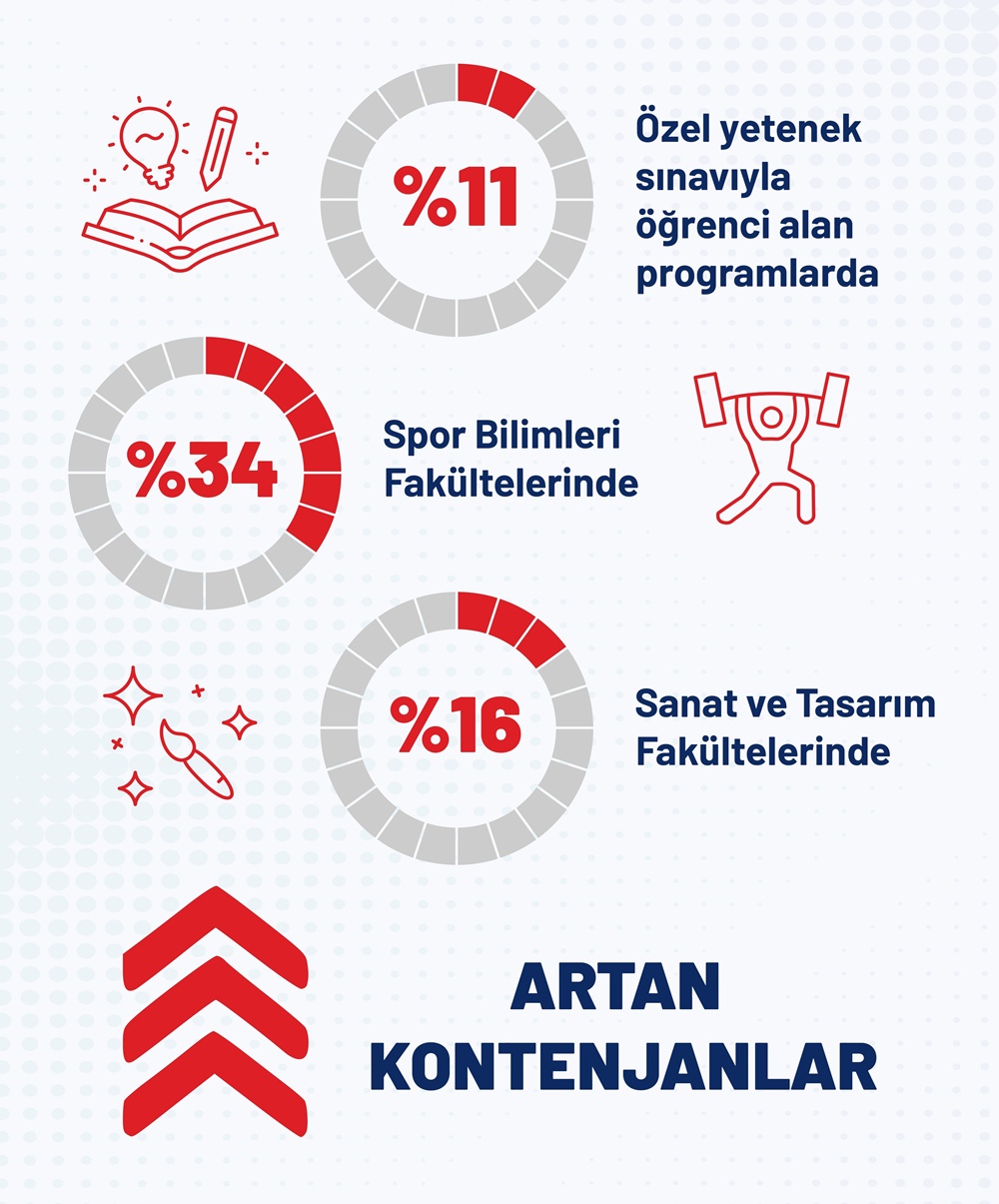
Özvar also noted that enrollment quotas have increased by 11 percent for programs admitting students through special talent examinations, 34 percent for Faculties of Sports Sciences, and around 16 percent for Faculties of Arts and Design over the past four years.
In strategically important fields, however, a more balanced planning approach has been adopted. Özvar stated that enrollment quotas have increased by approximately 2.8 percent in medical schools, while quotas in agriculture, agricultural sciences, and animal husbandry have seen a more limited increase of approximately 1.6 percent.
"Our Goal Is to Prepare Young People for the Jobs of the Future"
Özvar emphasized that the primary objective of enrollment planning is not simply to place students in universities. Instead, he said, the Council aims to direct higher education capacity toward the areas where Türkiye needs qualified professionals most, while preparing young people for the professions of the future.
He concluded that the Council's planning strategy seeks to strengthen the balance between the supply of graduates and labor market demand, while expanding the pool of highly qualified professionals in fields such as information technologies, cybersecurity, digital technologies, and advanced manufacturing.
Images



Images