


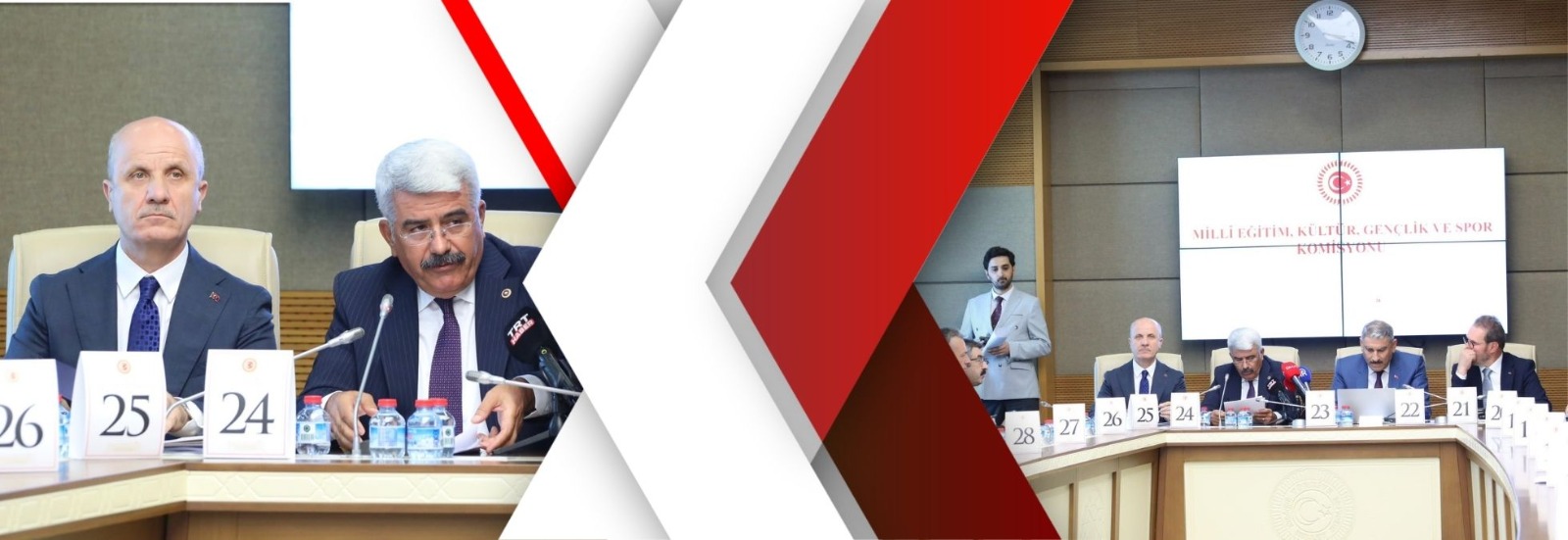
Council of Higher Education President Özvar Makes Key Statements at GNAT
“Türkiye is the country with the second-highest number of universities represented in the world's top 1,000 in Europe, after the United Kingdom. For the first time in our history, six of our universities have entered the world's top 500. This is something we should all take pride in.”
“The maximum study period will effectively be removed for students who have reached the internship stage.”
“Fake diploma networks were uncovered thanks to our auditing and security efforts. We will impose clear penalties for academic fraud.”
“Türkiye has largely met its higher education capacity needs. Our priority from now on will be to improve the quality of our universities.”
July 15, 2026
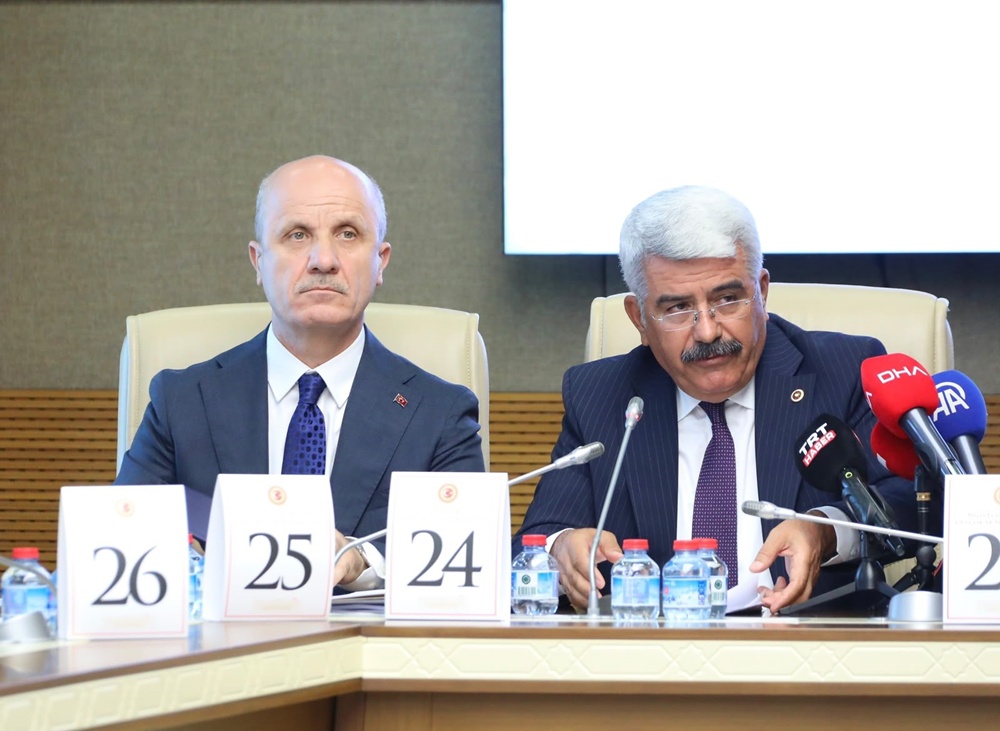
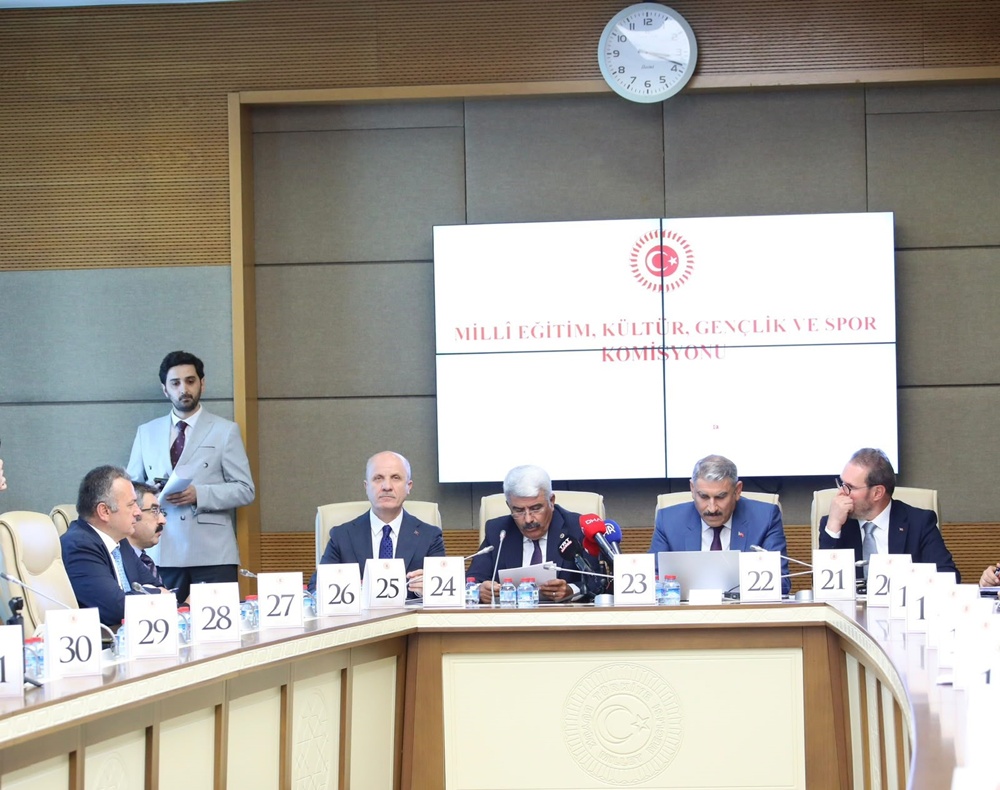
President of the Council of Higher Education Erol Özvar made comprehensive remarks on a wide range of issues during the deliberations on the Bill Amending the Higher Education Law and Certain Other Laws, which was approved by the Grand National Assembly of Türkiye's Committee on National Education, Culture, Youth and Sports.
Speaking during discussions on the bill—which also includes the regulation commonly referred to by the public as the "student amnesty"—Özvar said, "Today, Türkiye is the country with the second-highest number of universities represented in the world's top 1,000 in Europe, after the United Kingdom."
Emphasizing that, for the first time in Türkiye's history, six universities have simultaneously entered the world's top 500, Özvar said, "These are not our claims; they come from internationally recognized ranking organizations. These results demonstrate the success of our universities and our country. This is something we should all take pride in."
Stressing that universities are a shared national asset, Özvar noted that the prestige of long-established institutions such as Boğaziçi University, Istanbul University, Ankara University, and Ege University has been built over many years. While criticism is both legitimate and necessary, he said, public debate should not undermine the institutional identity and reputation of universities.
Özvar also stated that Türkiye has reached a significant level of higher education capacity and that the country's next priority should be improving the quality of its universities. He added that the Council of Higher Education is mobilizing all available resources to enhance quality across the higher education system and reiterated that public discussions should not damage universities' institutional standing.
- Maximum Study Period Effectively Removed for Internship Students
Özvar stated that one of the most significant innovations in the proposed legislation concerns students undergoing practical training and internships.
He announced that the maximum study period will effectively be abolished for students who have reached the internship stage.
Noting that these students have already completed their theoretical coursework and are only required to finish their practical training, Özvar said they will now retain the right to complete their education until graduation.
He emphasized that the amendment represents an important safeguard, particularly for medical students, ensuring that students in their internship period will no longer face dismissal from their programs due to time limits.
- "Recognition Is One Thing, Equivalency Is Another"
Addressing public misconceptions regarding foreign universities and degree recognition, Özvar stated that all higher education institutions recognized by the Council of Higher Education can be accessed through Türkiye's e-Government Gateway.
He said the public would once again be informed ahead of the university selection period and called on citizens to submit concrete complaints, identifying the institutions involved, directly to the Council of Higher Education.
Emphasizing that recognition of a university does not automatically mean its degrees are granted equivalency, Özvar stated, "Recognition is one thing; equivalency is another."
- New Measures Against Fake Diploma Networks
Özvar said another key provision of the bill is intended to establish clear legal penalties for fake diplomas, forged graduation certificates, fraudulent certificates, and academic fraud, describing it as an important legislative amendment that closes an existing legal gap.
Responding to questions from committee members regarding fake diploma cases, Özvar explained that the networks had been uncovered through the joint efforts of the Council of Higher Education's information technology infrastructure and security units, leading to the dismantling of the organizations involved.
He also noted that internal oversight played a crucial role in exposing the scheme, stating, "A department head working at the Council of Higher Education reported it as soon as it was detected." Addressing allegations concerning "fake professors" raised during the committee meeting, Özvar said such cases would be extremely difficult under the current academic promotion system, which includes numerous oversight mechanisms. He added that any concrete information submitted would be thoroughly investigated.
Özvar further stated that the Council of Higher Education has, for many years, filed criminal complaints with public prosecutors against organizations producing fake diplomas and academic documents, while also applying to provincial governorships to shut down certain institutions involved in such activities.
- Sanctions for Foundation Universities to Be Reorganized
Özvar explained that the provisions concerning sanctions against foundation universities were prepared following the Constitutional Court's annulment decision, which had created a legal gap in the existing framework.
He stated that sanctions are now being defined in detail within the law for the first time, based on the principle of proportionality, with the aim of ensuring an appropriate balance between the violation committed and the penalty imposed.
According to Özvar, the law now clearly categorizes which violations committed by foundation universities will result in which sanctions, thereby placing existing practices on a stronger legal footing.
He added that the new legislation also explicitly regulates the legal process governing the closure of foundation universities.
- Academic Performance to Be the Key Criterion After Age 67
Özvar stated that new procedures and principles will be introduced regarding faculty members who wish to continue their academic duties beyond the age of 67, emphasizing that academic performance—not age—will be the primary criterion.
He explained that the criteria, developed after consultations with universities, have been under preparation for a considerable period and stressed that extensions of employment will not be granted automatically. Faculty members seeking to continue beyond the age threshold will be expected to maintain academic productivity, continue supervising graduate theses, remain actively engaged in scientific research, and fulfill the academic responsibilities expected of university faculty. The detailed procedures and criteria will be specified in the forthcoming regulations.
In his remarks, Özvar also addressed the activities of certain internationally known foreign universities operating in Türkiye through private educational institutions. He explained that, under this model, these institutions recruit students on behalf of foreign universities, provide preparatory education, teach first-year university courses in Türkiye, and allow students to continue studying in Türkiye until the middle of their second year.
According to Özvar, students are then offered different diploma options depending on whether they transfer to the United Kingdom or remain in Türkiye.
He noted that the practice came to light after the rector of a foundation university reported the matter to the Council of Higher Education. Özvar said the proposed legislation would provide the legal authority necessary to regulate such activities.
Images
Images