


1,950 Years of History Unearthed in Burdur: Statue of Roman Emperor Hadrian Discovered
- 2.14-meter-tall statue of the emperor reassembled and restored after nearly 2,000 years, with its fragments brought together during excavations at Kibyra led by MAKU
- Fragments of four marble statues, including a statue of Hadrian’s wife, Empress Sabina, unearthed
- Excavation Director Prof. Özüdoğru: “Complete statues of Hadrian are relatively rare in Anatolia”
- CoHE President Özvar: “Our universities are contributing to the discovery of our history and cultural heritage through scientific research”
August 26, 2026
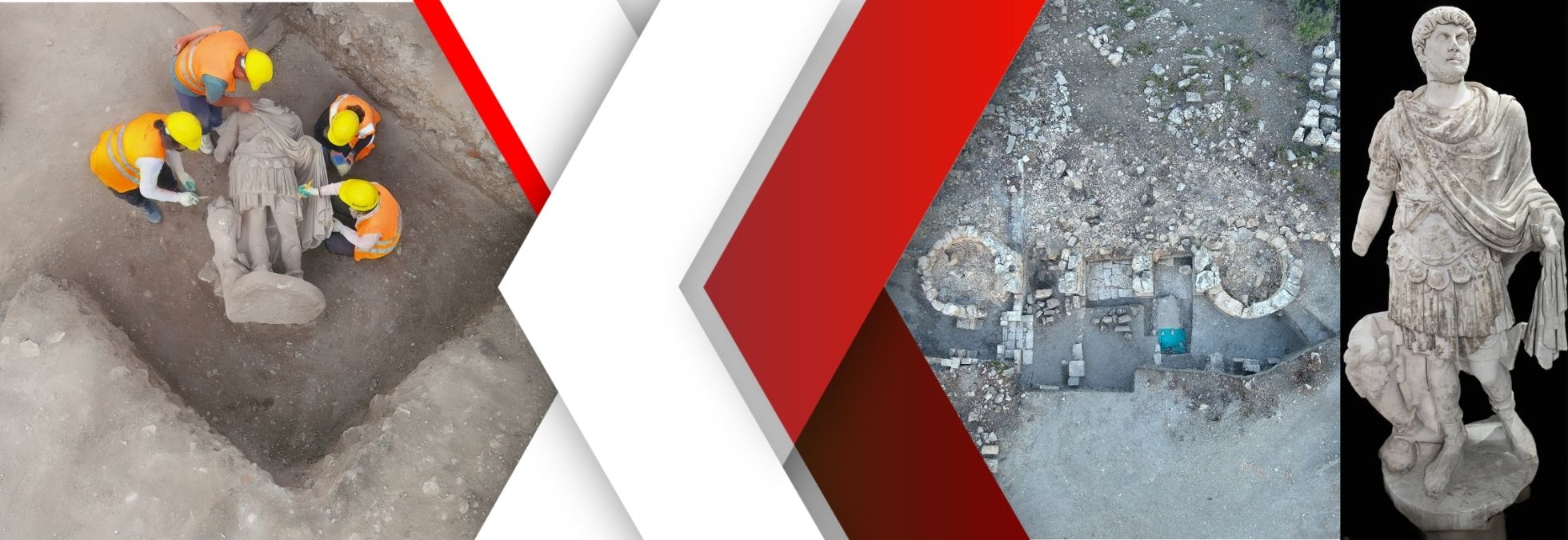
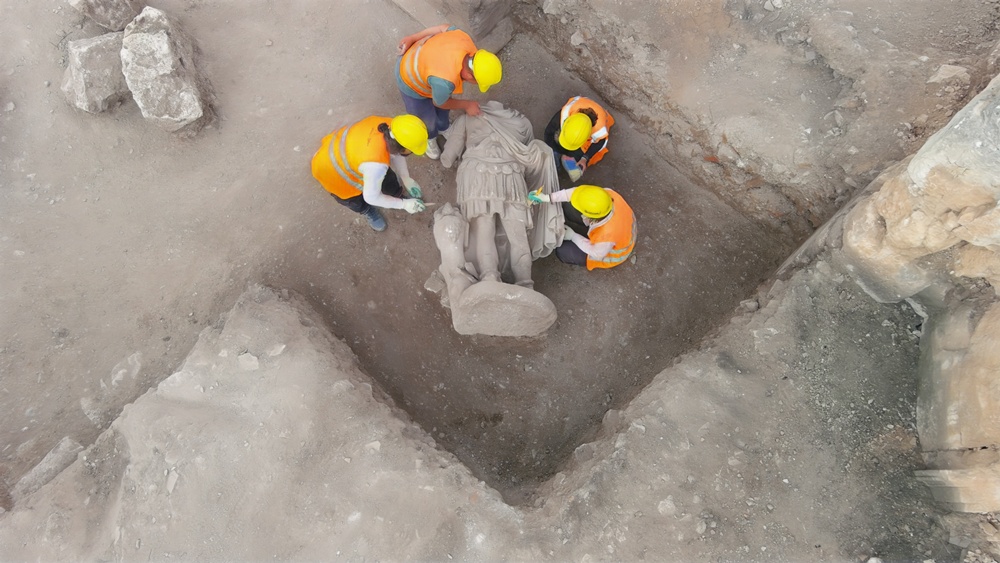
Fragments of approximately 1,950-year-old marble statues of Roman Emperor Hadrian and his wife, Empress Sabina, have been unearthed during excavations at the ancient city of Kibyra, led by Burdur Mehmet Akif Ersoy University (MAKU).
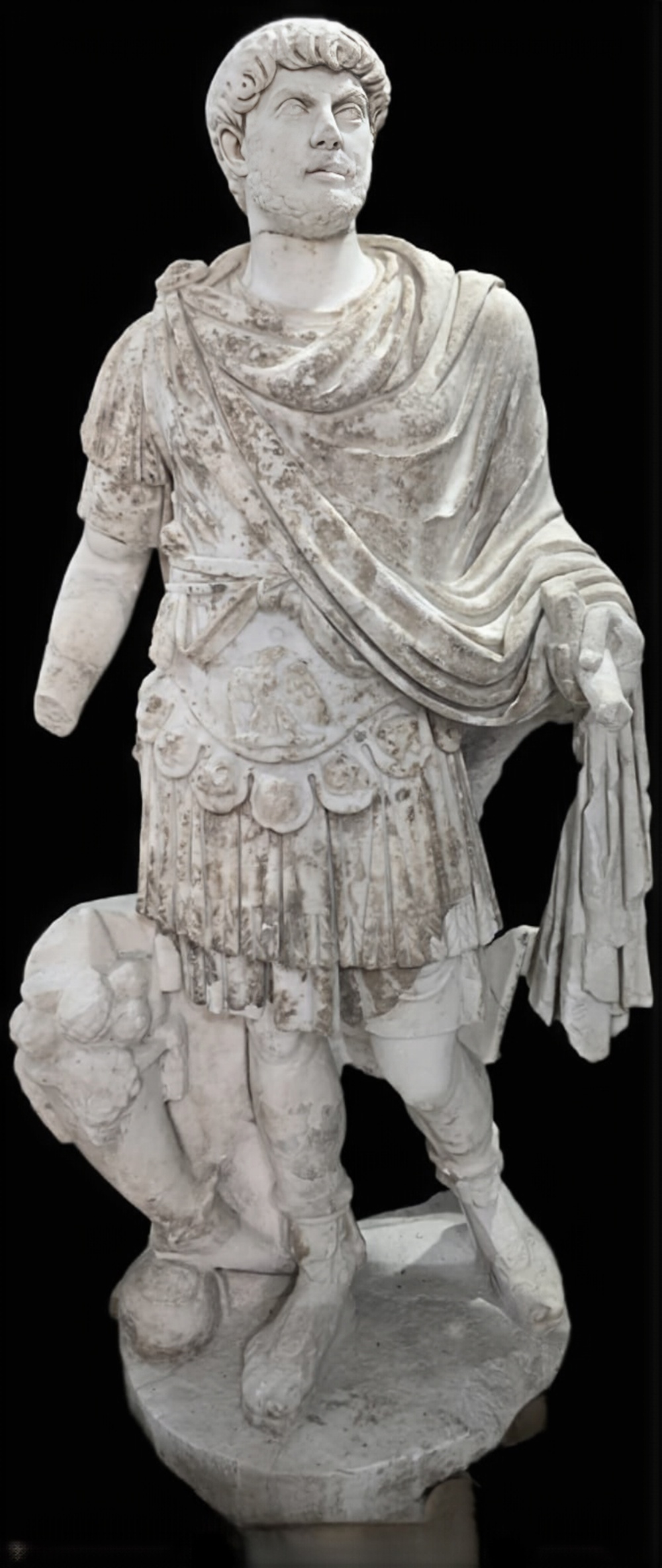
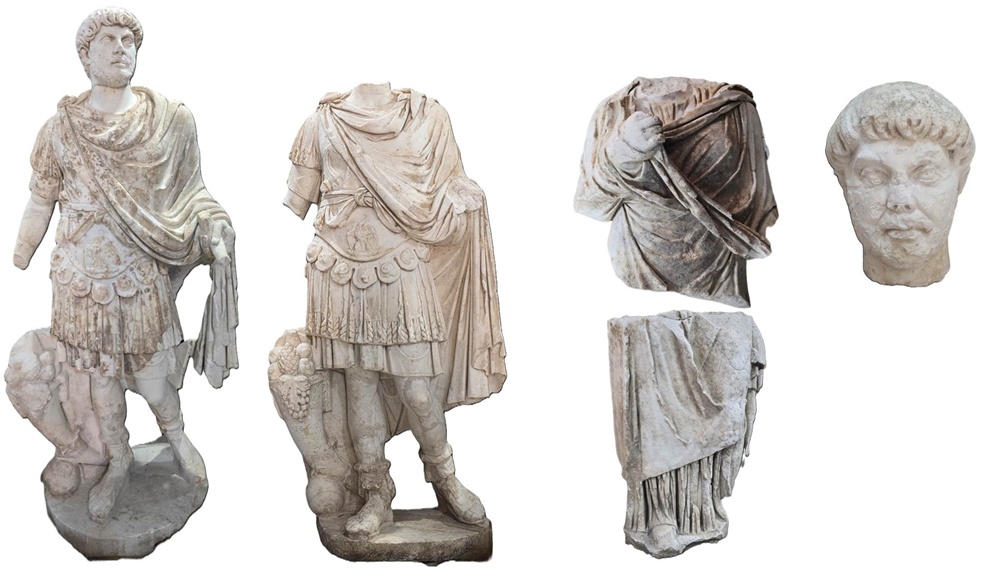
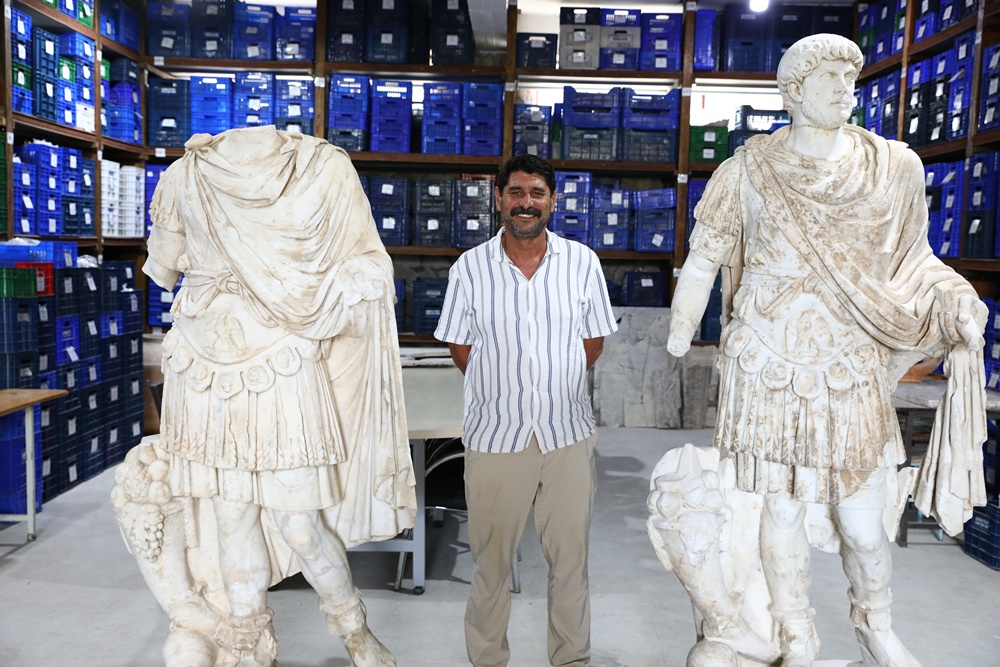
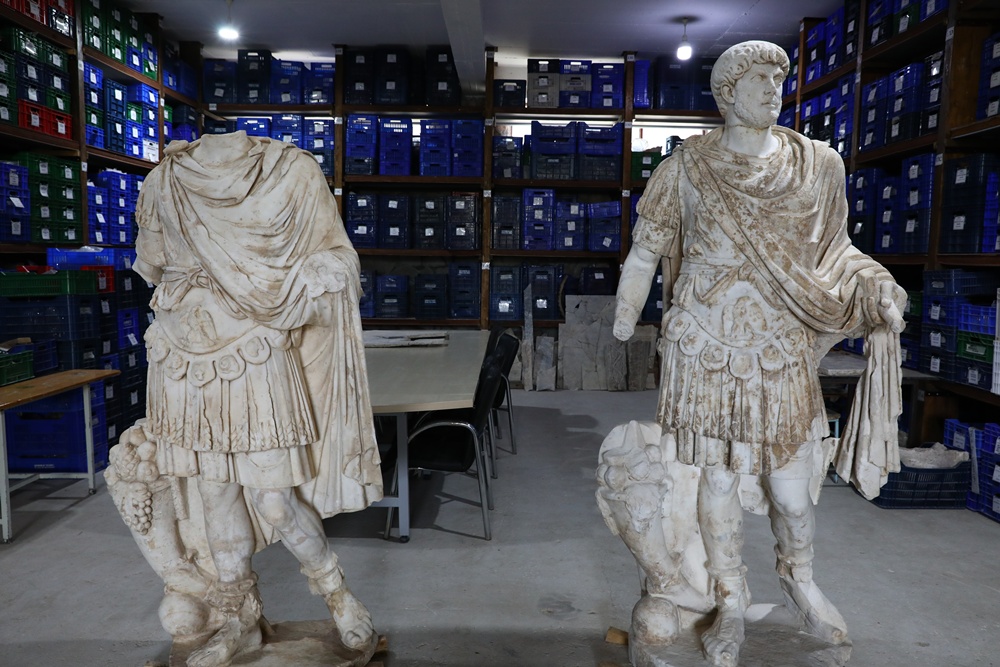
The 2.14-meter-tall statue of Hadrian was restored and reassembled after the fragments unearthed during the excavations were brought together.
The artifacts uncovered during excavations carried out as part of the Ministry of Culture and Tourism’s “Heritage for the Future Project” provide new insights into Kibyra’s importance during the Roman period.
The 2026 restoration work on the statues was carried out by the excavation restoration team under the supervision of Prof. Ünal Demirer, a faculty member in the Architectural Restoration Department of MAKU’s Gölhisar Vocational School.
- Probably shattered in an earthquake
Prof. Şükrü Özüdoğru, Director of the Kibyra Excavations and a faculty member in the Department of Archaeology at MAKU’s Faculty of Arts and Sciences, said that since 2006, the excavations have aimed to uncover previously unknown aspects of the ancient city and present the site more effectively to visitors.
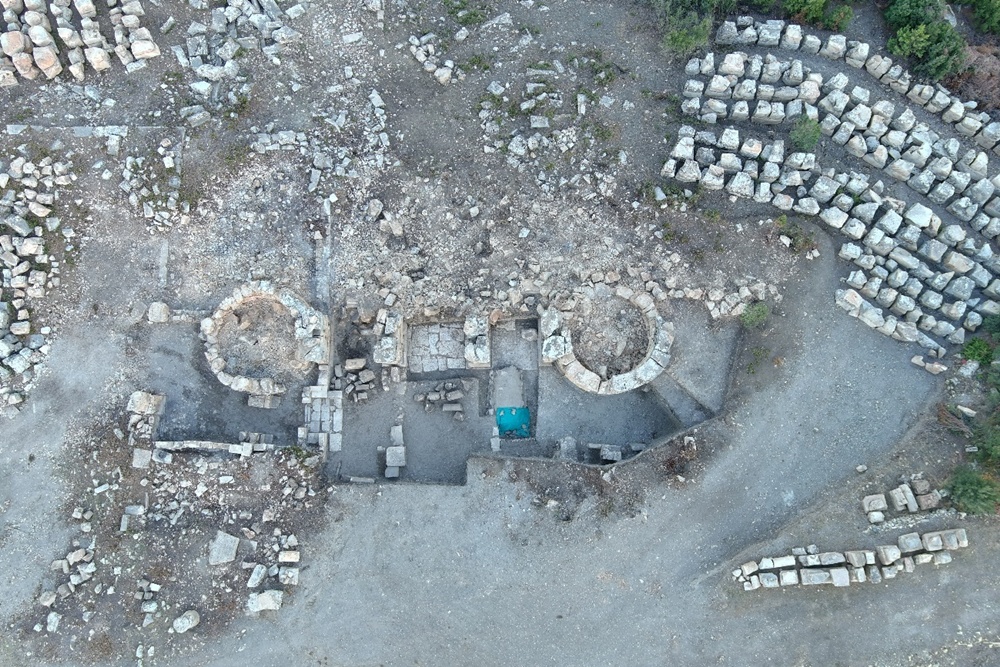
Noting that recent work has focused on the Monumental City Gate, one of the city’s major structures, Özüdoğru said fragments belonging to four marble statues believed to have been displayed in the upper section of the structure had been uncovered.
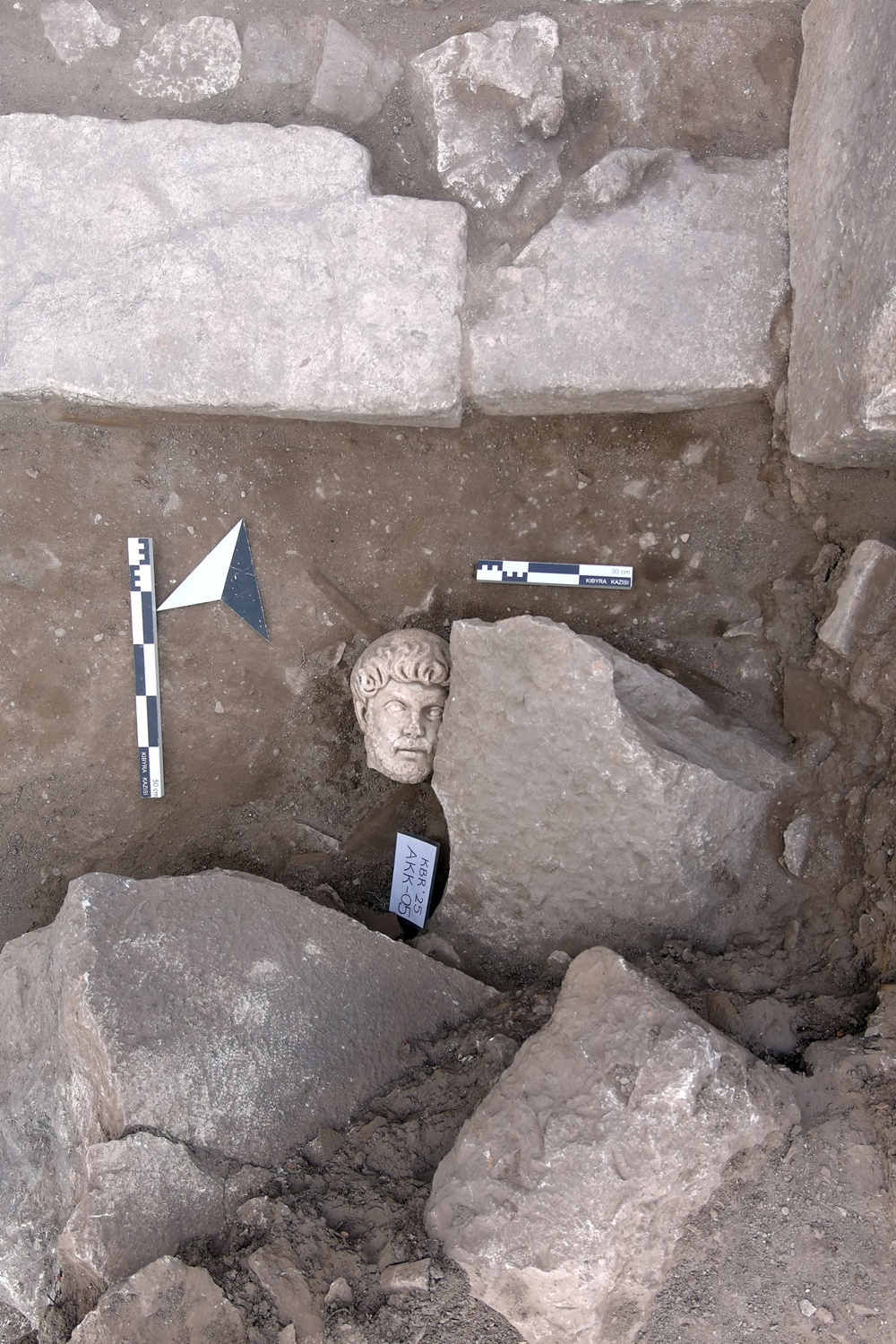
Özüdoğru said the statues were most likely shattered after falling from a height during the earthquake that struck in AD 417. He added that 20 statue fragments, including arms, legs, and feet, had been unearthed during different stages of the excavations.
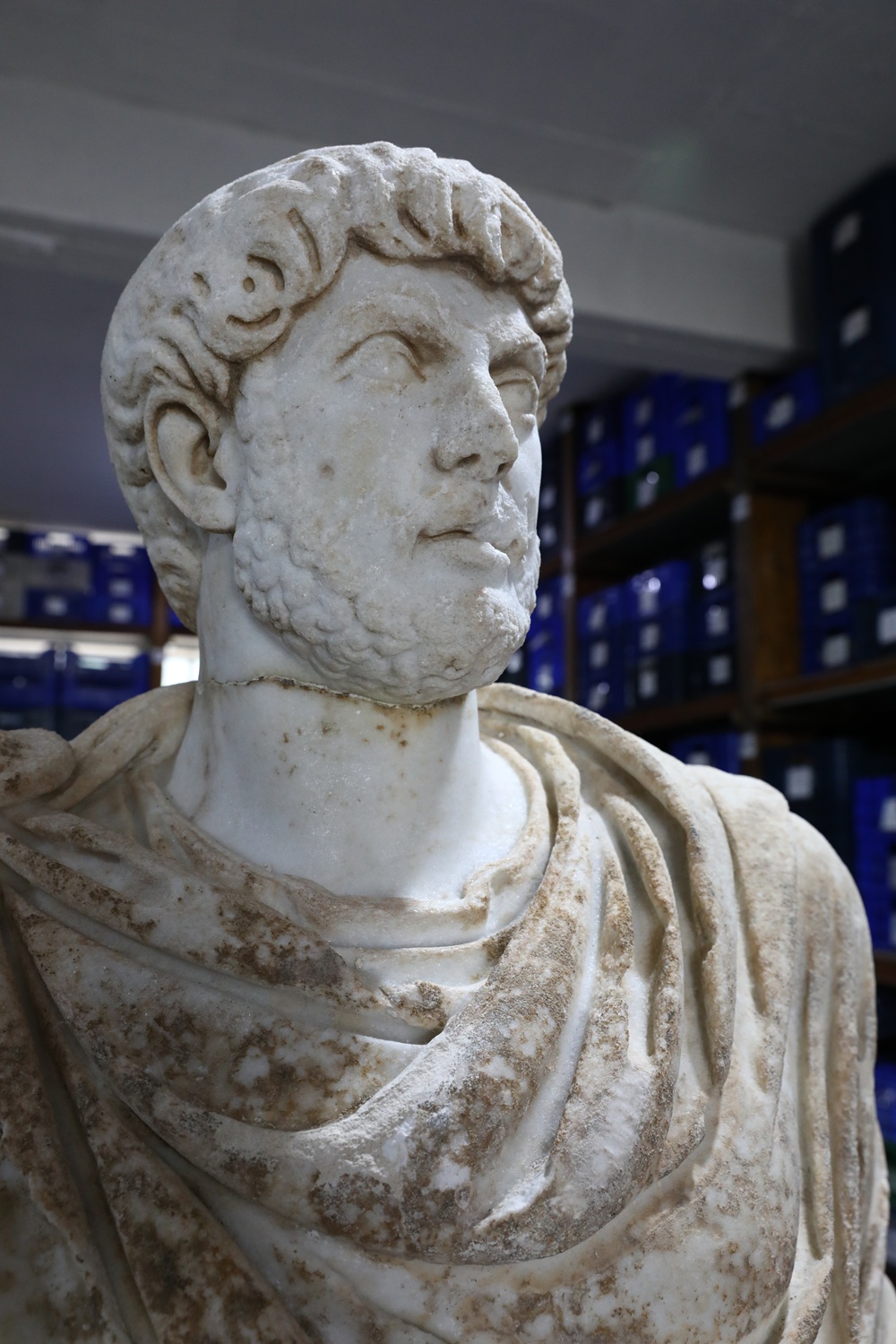
He noted that the fragments also included an intact portrait head of Roman Emperor Hadrian. He said that once it was determined that the head belonged to the armored body discovered earlier, the statue’s overall form was largely established.
As a result of the restoration work, the approximately 2.14-meter-tall statue of Hadrian was reassembled and restored to its full height.
- Lion and eagle reliefs on the armor
The high-quality marble statue of Hadrian stands out particularly for the details on its armor.
Özüdoğru said Afyon-Döğer and İscehisar marble were used for the statue, adding that Hadrian was depicted in military attire, with reliefs of lions and eagles carved into his armor.
He said the portrait features conclusively establish that the statue depicts Hadrian, emphasizing that the work is an important example among representations of Hadrian found in Anatolia.
- Statue of Empress Sabina also uncovered
One of the four statues identified during the excavations was determined to depict Hadrian’s wife, Empress Sabina. Significant portions of the Sabina statue have been unearthed, while it is believed that missing fragments belonging to the other statues may be found during future excavations.
The excavations also uncovered an approximately 1.86-meter-tall armored statue of an emperor, a female statue whose upper and lower bodies were found in two separate pieces, and a male statue head approximately 30 centimeters in height.
- The statues may have been commissioned for Hadrian’s visit to Anatolia
Özüdoğru said the statues were produced during Hadrian’s reign, between AD 117 and 138, and may date to around AD 130.
Explaining that during the Roman period, statues of emperors were placed at prominent locations in cities ahead of imperial visits to Anatolia, Özüdoğru said the statues at Kibyra may also have been commissioned in connection with Hadrian’s visit to Anatolia.
He stressed that it has not yet been established through documentary evidence whether Hadrian himself visited Kibyra, adding that the city may have made such preparations during the emperor’s visits to Anatolia.
- Complete examples are relatively rare in Anatolia
Drawing attention to the statue’s scholarly significance, Özüdoğru said complete statues of Hadrian are relatively rare in Anatolia.
Following the completion of the restoration work and the reconstruction of the missing sections of the approximately 1,950-year-old artifacts, the four statues are planned to be reassembled and put on display for visitors at the exhibition halls of the Burdur Museum.
Excavations at Kibyra have recently been concentrated on the Monumental City Gate. One of the relatively few examples in Anatolia in terms of its architectural layout, the structure features circular towers on either side and a passage with three arches in the center. The gate is located at the point where the main road from the necropolis enters the city.
- 2,500 stone blocks moved at the monumental gate
Özüdoğru said excavations at the gate began in 2025 and that the structure was found largely as a pile of stone blocks. As part of the work, around 2,500 blocks were moved, catalogued, and classified.
Noting that excavations across the entire structure have not yet been completed, Özüdoğru said the restoration and project phases could begin after the work continues for another season.
The Kibyra excavations, which have been ongoing since 2006, aim not only to uncover previously unknown archaeological and scientific aspects of the ancient city, but also to preserve its cultural heritage and present it more effectively to visitors.
- Özvar: “Our universities are carrying our cultural heritage into the future”
CoHE President Erol Özvar said that, in addition to their educational and training activities, universities make significant contributions through scientific research to uncovering, preserving, and passing Türkiye’s historical and cultural heritage on to future generations.
Özvar said the excavations at the ancient city of Kibyra, led by MAKU, are an important example of this, noting that universities bring their academic expertise into the field and lead efforts to investigate cultural values handed down from the past to the present using scientific methods.
Emphasizing that archaeological excavations do more than simply uncover artifacts from the past, Özvar said, “These studies also enable us to better understand Anatolia’s history and the interactions among different civilizations. We attach great importance to our universities contributing to the discovery of our history and cultural heritage through scientific research and passing these values on to future generations by preserving them.”
Özvar congratulated the academics and teams involved in the excavation and restoration work.
Images
Images