


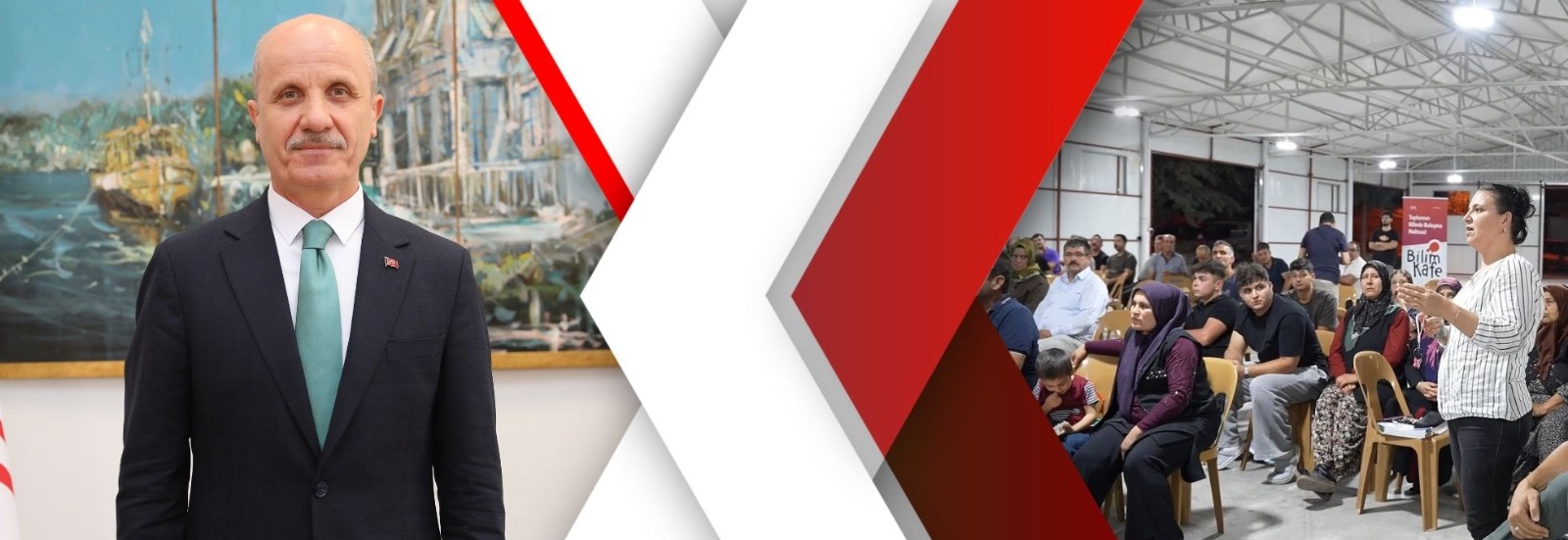
Village University Project Brings Academic Knowledge to Farms, Barns and Dining Tables
- Burdur Mehmet Akif Ersoy University brings academics together with villagers and takes training directly to producers’ farms
- More than 3,000 people reached through training sessions and events held in 23 villages and two district centers since March 2025
- CoHE President Özvar: “Sharing knowledge with society is our indispensable responsibility”
September 13, 2026
Through the Village University Project carried out by Burdur Mehmet Akif Ersoy University (MAKU), academic knowledge is moving beyond campus boundaries and reaching people living in villages.
Under the project, which covers a wide range of areas from agriculture and livestock farming to health, education and family life, disaster preparedness, and financial literacy, academics visit villages, identify residents’ needs on the ground, and design training programs accordingly.
With the voluntary participation of more than 200 academics, the project has delivered 44 training sessions and 13 events in 23 villages and two district centers since March 2025. More than 3,000 people have participated in these activities.
Under the Agriculture and Livestock Module, producers receive training on modern livestock farming practices, productivity, hygiene, the use of technology, and farm management. The Financial Literacy and Farm Economics Module covers cooperatives, entrepreneurship, and farm management, while the Social Development Module offers training on strengthening women’s social standing, parent-child relationships, family communication, and community solidarity. Women producers who participated in cooperative development training have also reportedly begun cooperative initiatives to explore rural entrepreneurship opportunities and contribute to the regional economy.
- 160 Livestock Producers Receive Training, Followed by On-Site Support
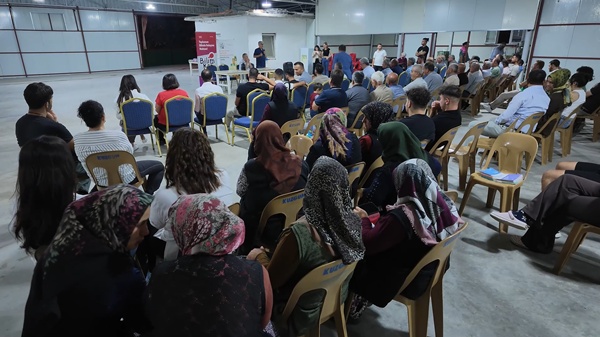
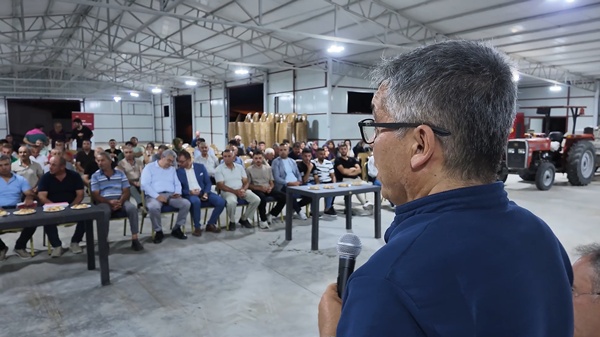
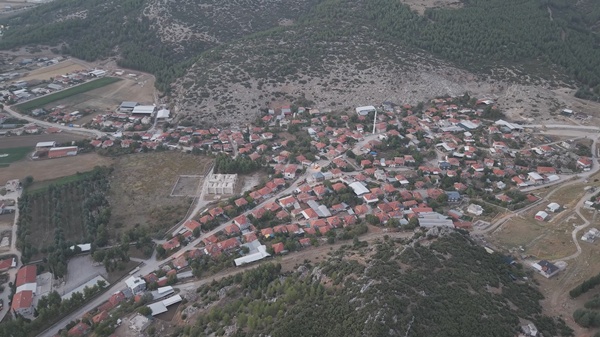
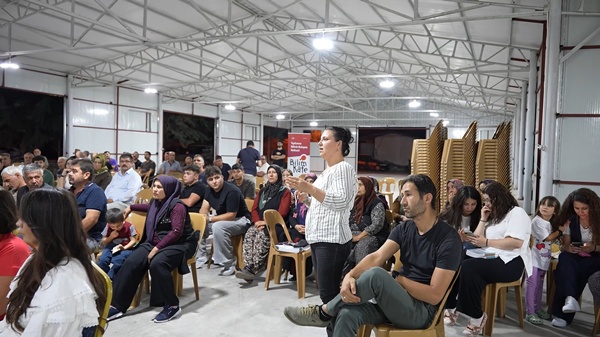
One of the latest stops of the Village University activities was Susuz Village in Bucak district. A total of 160 livestock producers and farmers participated in the Cattle Farming Training program.
The training, delivered by Prof. Mehmet Çağrı Karakurum, Dean of MAKU’s Faculty of Veterinary Medicine, and Assist. Prof. Afşin Köker, a faculty member at the Faculty of Veterinary Medicine, covered feeding and nutritional diseases in cattle, udder health and milking, reproductive efficiency, foot diseases in dairy cattle and barn maintenance, calf care and calf mortality, and infectious diseases. The academics also answered producers’ questions during the training. Following the program, the team visited a producer’s farm to conduct on-site monitoring and assessment.
- Village Needs Identified on the Ground
Prof. Umut Yanardağ, Coordinator of the Village University Project, said that the project is not limited to agricultural and livestock training but is a multidimensional model that addresses social, economic, cultural, and spiritual development together. Yanardağ stated that the needs of villages are identified on the ground and training programs are designed accordingly, adding that the project contributes to strengthening rural life and supporting local development.
- Communication Between Academics and Producers Continues Beyond Training
Prof. Mehmet Çağrı Karakurum, Dean of MAKU’s Faculty of Veterinary Medicine, said that the Village University Project directly connects academic knowledge and expertise with citizens.
Emphasizing that a university should not operate solely within the boundaries of its campus, Karakurum said academics from different disciplines, ranging from veterinary medicine and engineering to theology and health sciences, conduct training activities in villages.
Assist. Prof. Afşin Köker, a faculty member at the Faculty of Veterinary Medicine, noted that producers have shown particularly strong interest in reproductive efficiency and udder health in cattle farming, adding that communication with producers continues after the training sessions.
Assoc. Prof. Hakan Ulutaş, Science Communication Coordinator at MAKU, said that the Village University activities represent an important example of science communication. Ulutaş noted that knowledge produced at the university is being brought to society in accessible language rather than remaining confined to academic discourse, and that the project aims to increase scientific literacy through activities designed for different age groups. Bilal Özel, President of the Bucak Chamber of Agriculture, also said that cooperation between the university and producers contributes to agriculture and livestock farming, emphasizing that sustainable production depends on education.
- Producers Can Directly Reach Experts
Hasan Karatay, Headman of Susuz Village and Chairman of the Agricultural Development Cooperative, said that the Village University enables villagers to communicate directly with academics.
Karatay stated that producers can reach experts at the university when they encounter problems, adding that the training and social activities held in the village have been well received by residents.
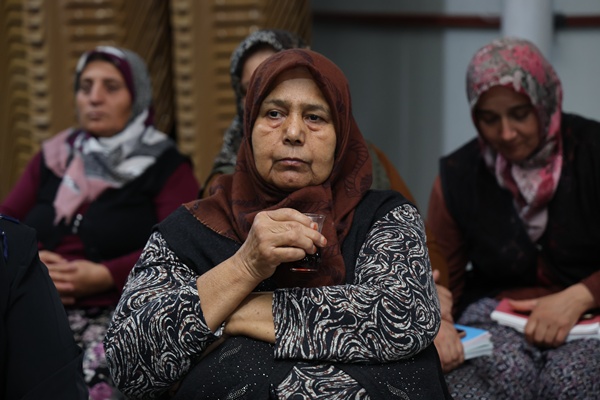
Ayşe Mete, a livestock farmer in Susuz Village, said that the training sessions provided valuable information on animal diseases, milk production, and preventing calf losses, adding that the Village University activities have been beneficial for producers.
- “Sharing Knowledge with Society Is Our Indispensable Responsibility”
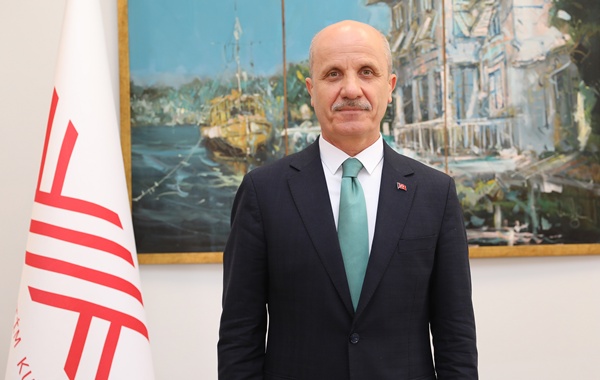
CoHE President Erol Özvar stated that universities should not only be institutions that produce knowledge but also institutions that share the knowledge they produce with society and contribute to social development. Emphasizing that science is the greatest driving force advancing societies, Özvar said, “Sharing this power with society is our indispensable responsibility.”
Özvar said that the Village University Project launched by MAKU is a good example of how universities can bring scientific knowledge to different segments of society, noting that the project is significant in terms of extending academic expertise to rural areas.
Drawing attention to the important role of science communication in sharing knowledge produced at universities with society, Özvar said, “Through science communication, we aim to make the science produced at our universities heard loud and clear both by the Turkish public and by the world.”
Images
Images