


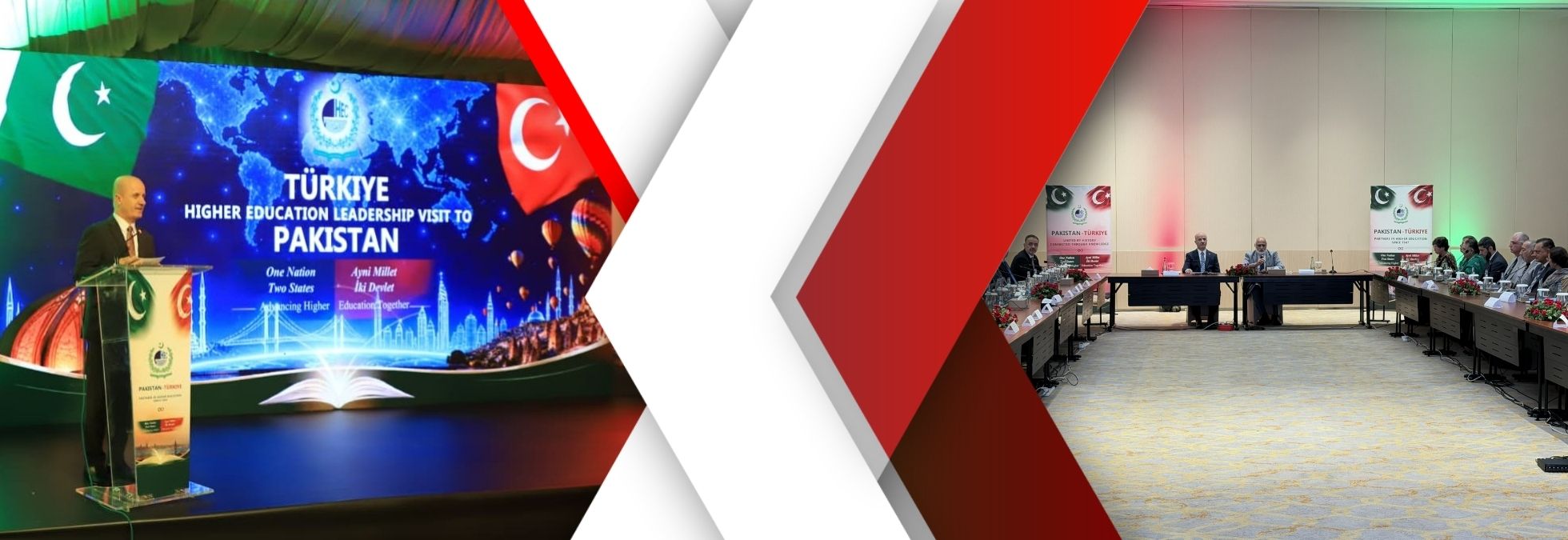
From Brotherhood to Concrete Academic Partnerships in Türkiye-Pakistan Higher Education Relations
- CoHE President Özvar and the rectors of 10 Turkish universities in Pakistan to develop new higher education partnerships
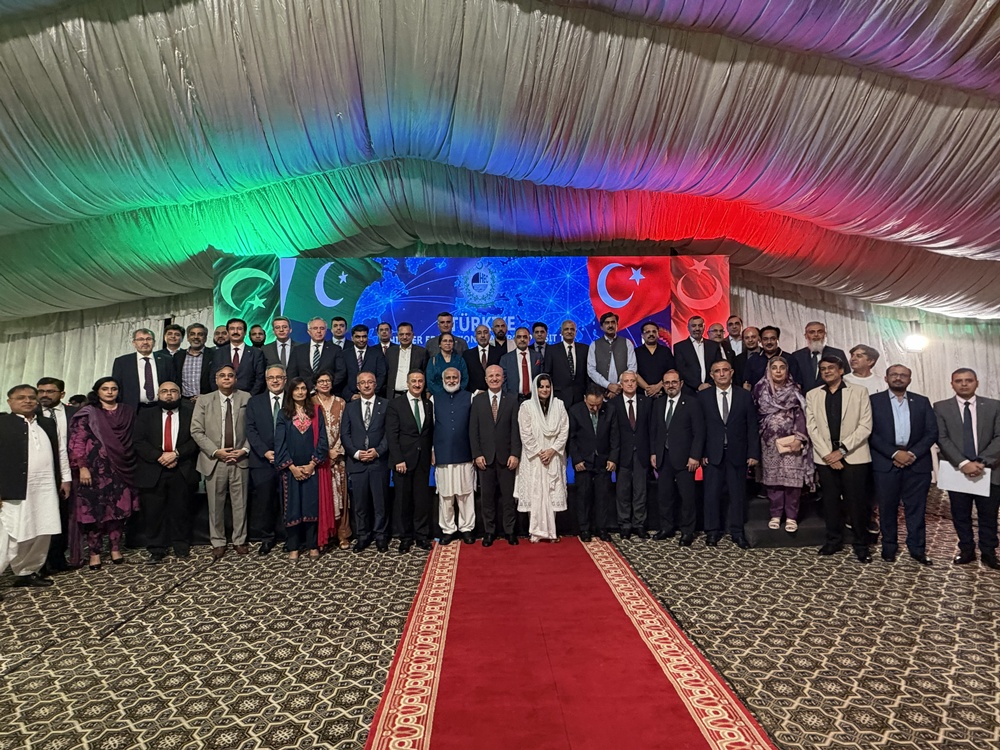
- Türkiye-Pakistan Universities Forum held in Islamabad
- Türkiye-Pakistan Technology University and Joint Research Fund on the agenda
- CoHE President Özvar: “A joint working group could be established for the Türkiye-Pakistan Technology University”
- “Every academic partnership we establish, every joint project we launch, and every opportunity we create for our young people is an investment in the future of our countries”
September 14, 2026
Türkiye and Pakistan’s universities are embarking on a new phase of cooperation aimed at transforming the longstanding brotherly ties between the two countries into concrete and sustainable partnerships in higher education.
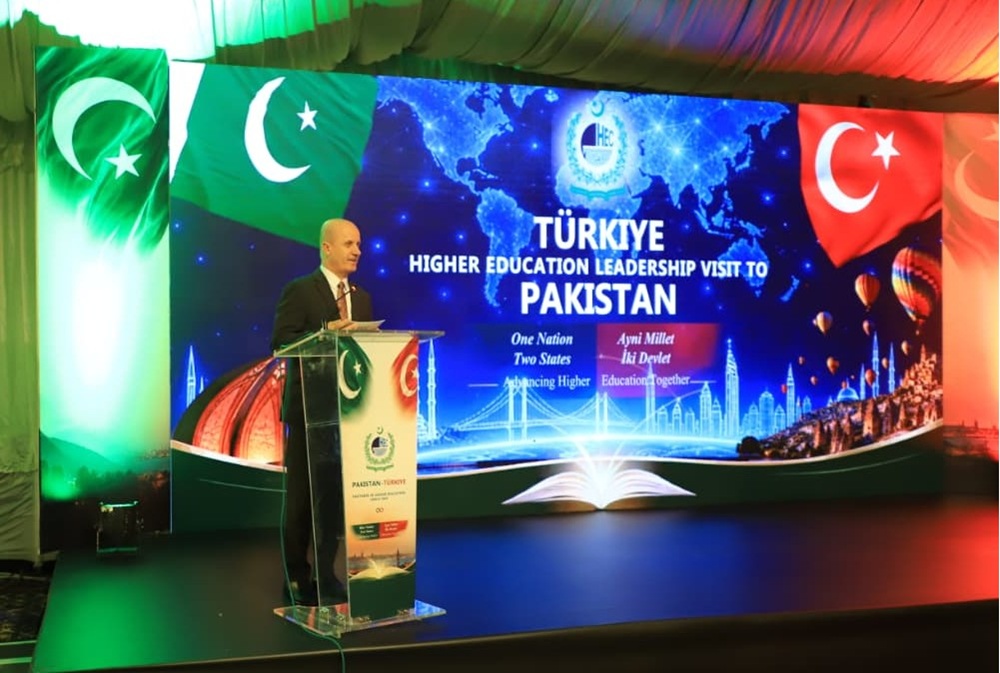
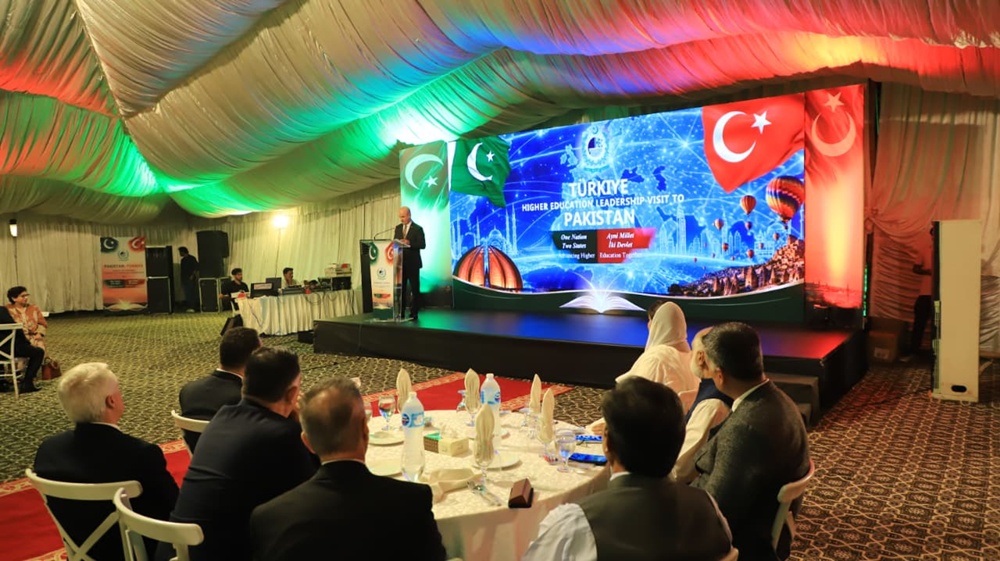
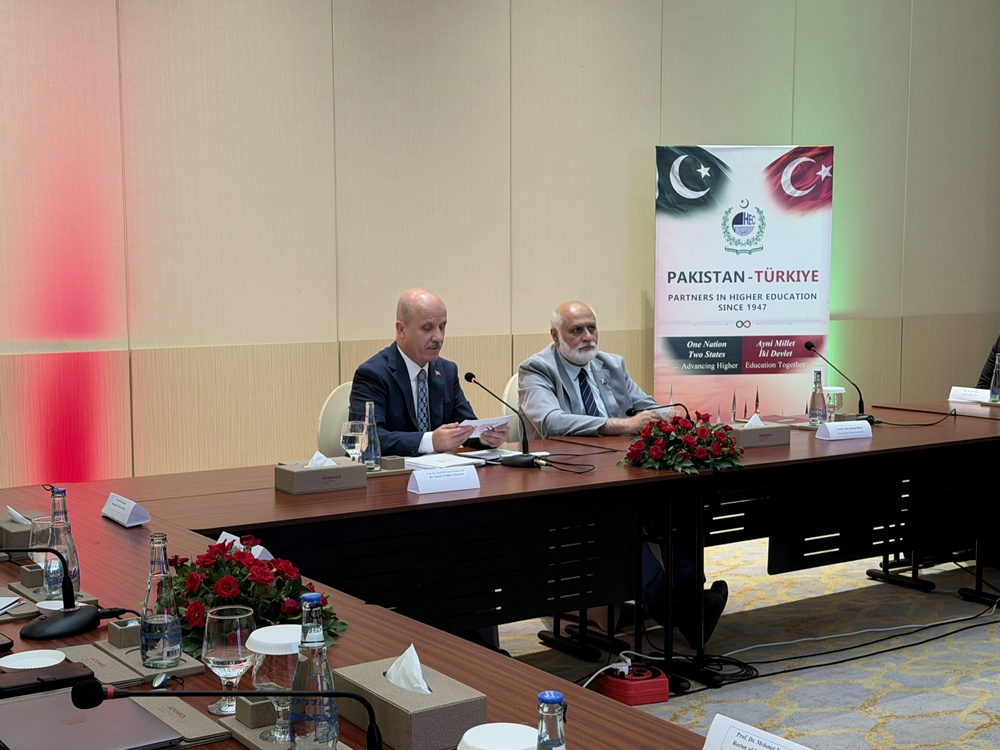
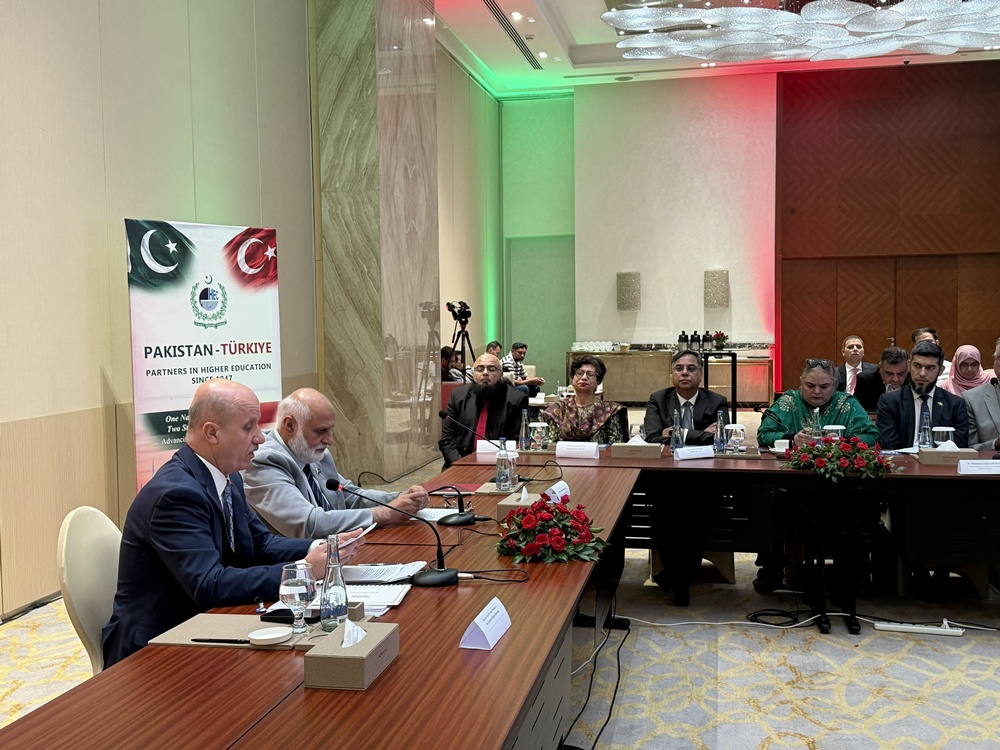
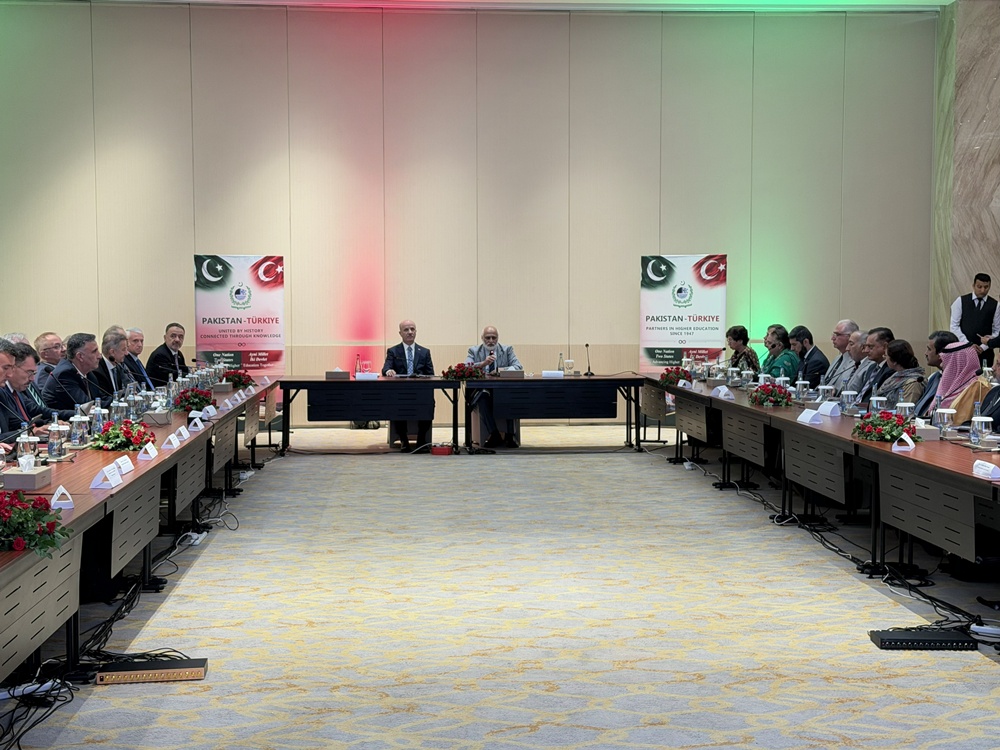
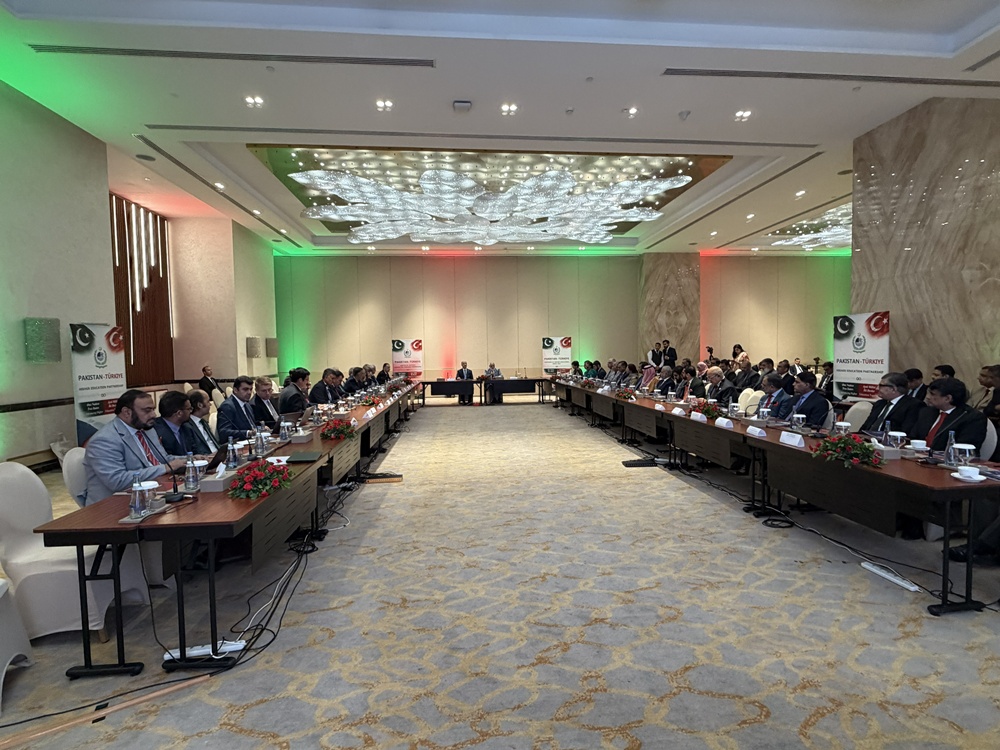
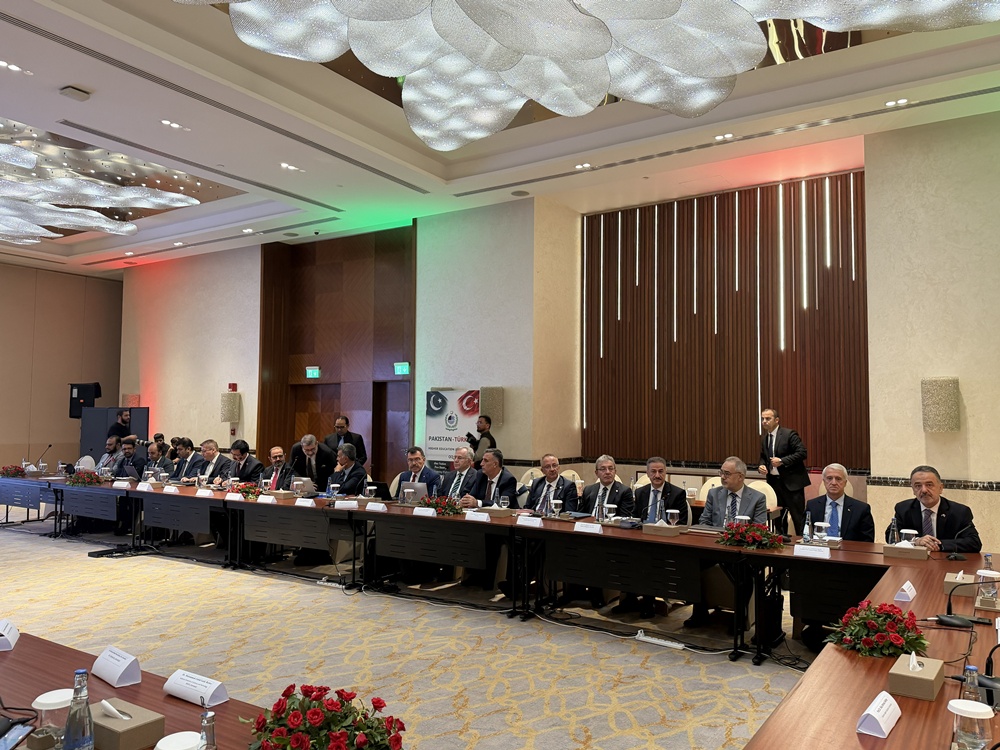
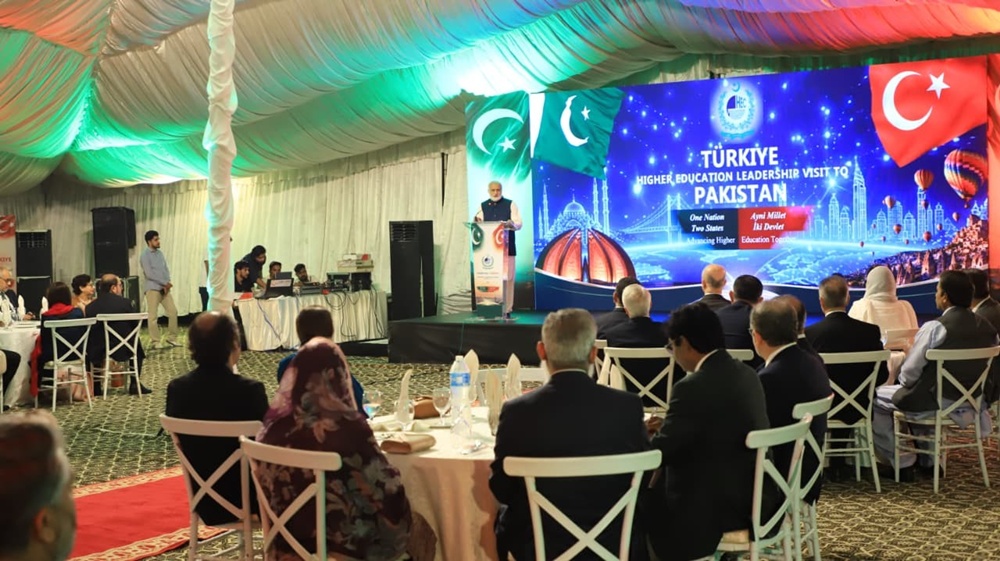
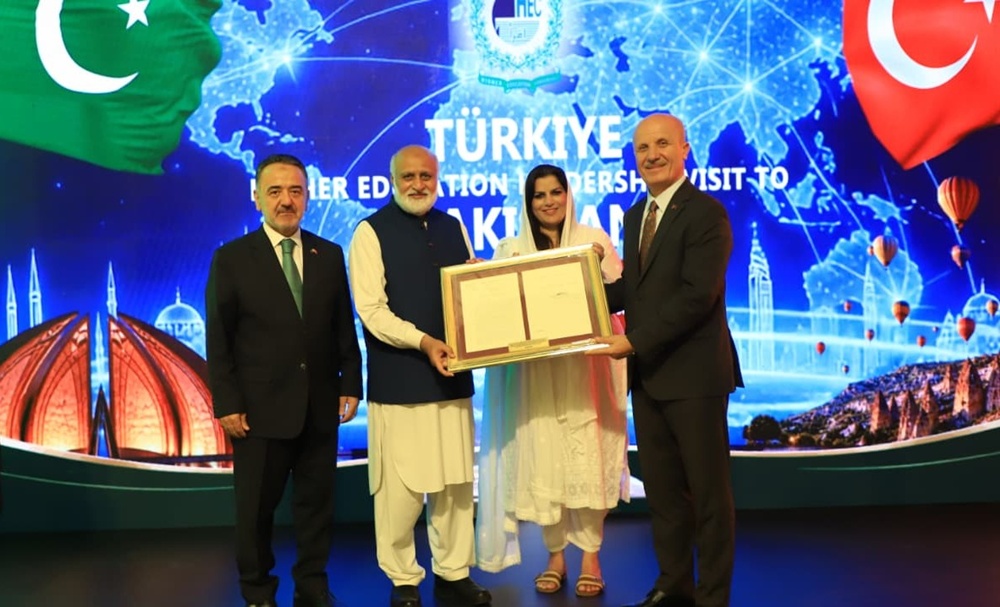
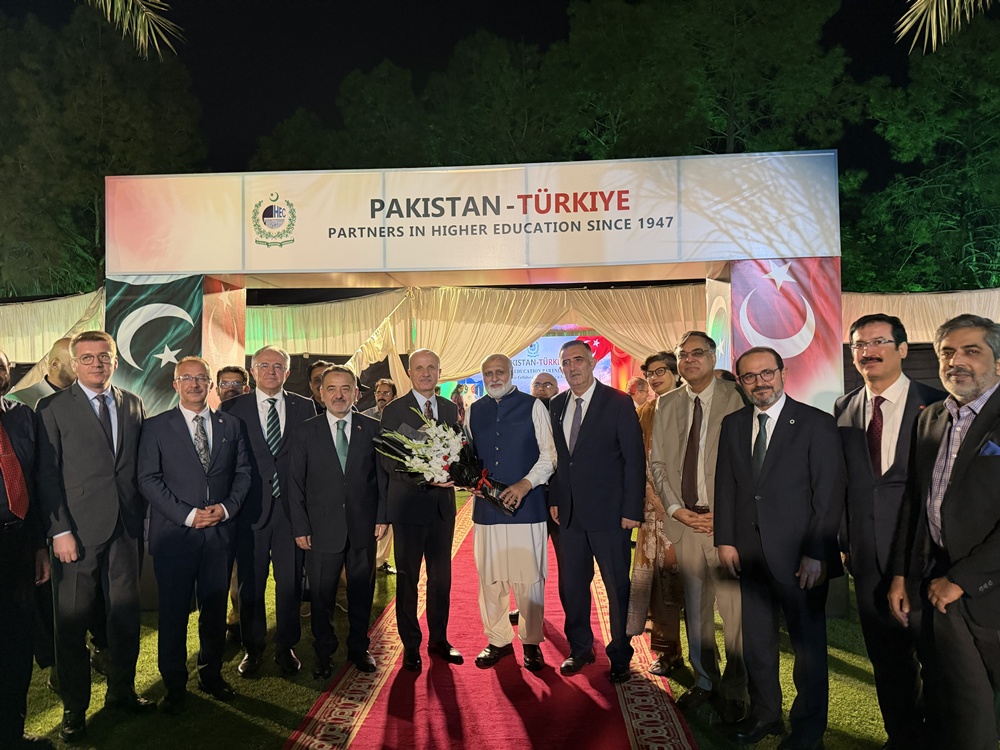
CoHE President Erol Özvar is visiting Pakistan with the rectors of 10 Turkish universities to develop new partnerships in higher education. Özvar met yesterday with Chairman of the Higher Education Commission of Pakistan (HEC) Niaz Ahmad Akhtar. The Türkiye-Pakistan Universities Forum was also held today in Islamabad.
The forum brought together administrators of higher education institutions from the two countries and addressed a broad range of new cooperation models, from the establishment of the Türkiye-Pakistan Technology University and a joint research fund to dual and double-degree programs and master’s and PhD scholarships.
The discussions also covered student and faculty exchanges, joint courses, internship and summer programs, joint research and publications, researcher mobility, and the establishment of a joint academic database.
“We must turn our ties into concrete outcomes”
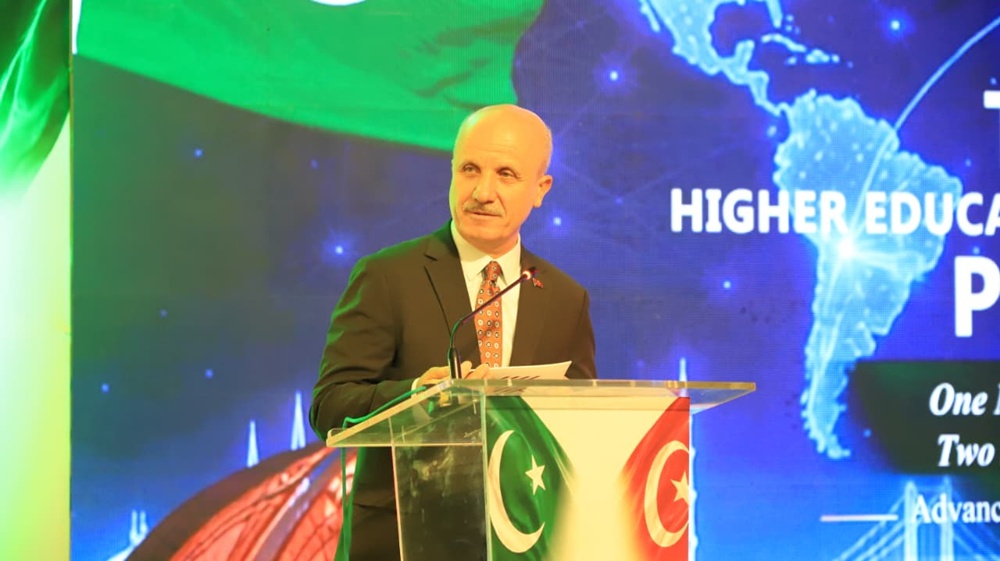
Speaking at the Türkiye-Pakistan Universities Forum, CoHE President Özvar said relations between Türkiye and Pakistan extend far beyond the framework of traditional diplomacy, adding that the historical, cultural, and spiritual ties between the two countries have been strengthened over generations through shared values, mutual trust, and solidarity.
Emphasizing that higher education institutions have a responsibility to carry this strong relationship into academic, scientific, and technological fields that will shape the future of the two countries, Özvar said, “Our task is not only to preserve the strength of our existing ties, but also to transform them into lasting institutional partnerships, joint initiatives, and concrete outcomes.”
Stating that knowledge, science, and innovation have become decisive sources of national strength and international competitiveness, Özvar noted that universities are no longer institutions that simply transmit knowledge, but are at the center of research, innovation, technological advancement, and social development.
Pointing to the need to bring together the academic expertise, institutional capacities, and research potential of Turkish and Pakistani universities, Özvar said this partnership could create a broader impact at both the regional and international levels.
- Feasibility study and joint working group for the Türkiye-Pakistan Technology University
One of the key topics during the Pakistan engagements was the establishment of the Türkiye-Pakistan Technology University. In his meeting with HEC Chairman Niaz Ahmad Akhtar, Özvar said that the academic focus areas, institutional structure, governance, and financing of the proposed university could be discussed.
Pointing to the need for a more detailed assessment of the project’s feasibility and the development of concrete proposals, Özvar said a joint working group could be established for the university.
At the Türkiye-Pakistan Universities Forum, the university’s concept, institutional structure, academic scope, governance, and financing were discussed. The establishment of a joint working group to assess the feasibility of the project and prepare proposals was also considered.
- New mechanism for joint projects by scientists
The establishment of a bilateral and competitive research funding mechanism was another key item on the forum’s agenda, with the aim of turning scientific cooperation between Türkiye and Pakistan into joint projects.
Under the Türkiye-Pakistan Joint Research Fund, the two sides discussed identifying priority research areas, funding arrangements, eligibility criteria, and mechanisms for joint calls for proposals. Özvar stated that such a mechanism, designed to support collaborative projects between universities and researchers in the two countries, could focus on shared priorities and provide a structured framework for joint research.
- Dual degrees, joint courses, internships, and scholarships
The forum also discussed cooperation models that could provide new opportunities directly for students and academics.
The sides discussed identifying academic programs in which dual-degree and double-degree programs could be developed between Turkish and Pakistani universities, preparing model agreements among participating universities, and establishing implementation mechanisms.
Other topics included comparative reviews of curricula in specific disciplines and the development of joint or compatible courses; expanding student and faculty mobility; establishing internship programs involving universities, research institutions, hospitals, and industry partners; and organizing summer programs for students and academics.
The expansion of master’s and PhD scholarship opportunities for Pakistani students in Türkiye and Turkish students in Pakistan, including the identification of priority disciplines and scholarship quotas and the development of nomination and admission mechanisms, was also discussed.
The possible revival of the previously established Türkiye-Pakistan Researcher Mobility Grant Program was among the issues considered.
- Joint database for academics
The establishment of a joint academic database was also discussed to facilitate direct cooperation among Turkish and Pakistani academics and researchers.
The database is intended to include information on academics’ areas of expertise, research interests, institutional affiliations, publications, and potential areas for collaboration. It is expected to make it easier for researchers who could work together to connect with one another and provide a basis for developing new scientific partnerships.
Increasing joint research and publications and developing a coordinated program of joint workshops, seminars, and conferences for 2026 and 2027 were also among the topics discussed at the forum.
- 2026-2028 roadmap for cooperation
The preparation of a “2026-2028 Türkiye-Pakistan Higher Education Cooperation Action Plan” was put on the agenda with the aim of turning the initiatives discussed at the forum into concrete and measurable outcomes.
Under the plan, contact points are expected to be designated at higher education institutions in both countries, thematic working groups established in priority areas of cooperation, and objectives, responsible institutions, and implementation schedules defined for each initiative.
The implementation of the work is planned to be monitored through online progress review meetings held every three months, with an annual progress assessment to be conducted by the heads of the higher education authorities of the two countries.
- Call to rectors to develop measurable joint projects
Özvar stated that CoHE is committed to supporting and facilitating long-term and sustainable partnerships between Turkish and Pakistani universities.
Encouraging the rectors and academic administrators attending the forum to deepen direct institutional relations, develop viable agreements, and launch joint projects with clear objectives, Özvar emphasized that the strength of cooperation depends on the depth and continuity of partnerships established among universities, researchers, and students.
Özvar said, “Every academic partnership we establish, every joint project we launch, and every opportunity we create for our young people is an investment in the future of our countries.”
Describing the visit as an important step toward a deeper, more structured, and more ambitious period of academic cooperation between Türkiye and Pakistan, Özvar emphasized the need to turn the partnerships established between universities in the two countries into concrete and lasting outcomes.
Images
Images