


Türkiye Launches New Project for International Researchers
- CoHE President Özvar:
- “We will launch a project to attract the most successful and talented international PhD students to Türkiye and our universities”
- “Some ADEP projects will be opened to international researchers”
- “Research must begin not after undergraduate education, but in the second or third year at the latest”
- “We cannot afford to lose even a single student”
- Research Universities’ 2026 rankings announced: Koç University ranks first, Sabancı University second, and METU third
September 17, 2026
Türkiye is taking a new step to attract successful young researchers from around the world to its universities. The Council of Higher Education (CoHE) will launch a new project to attract the most successful and talented young researchers among international PhD students to Türkiye.
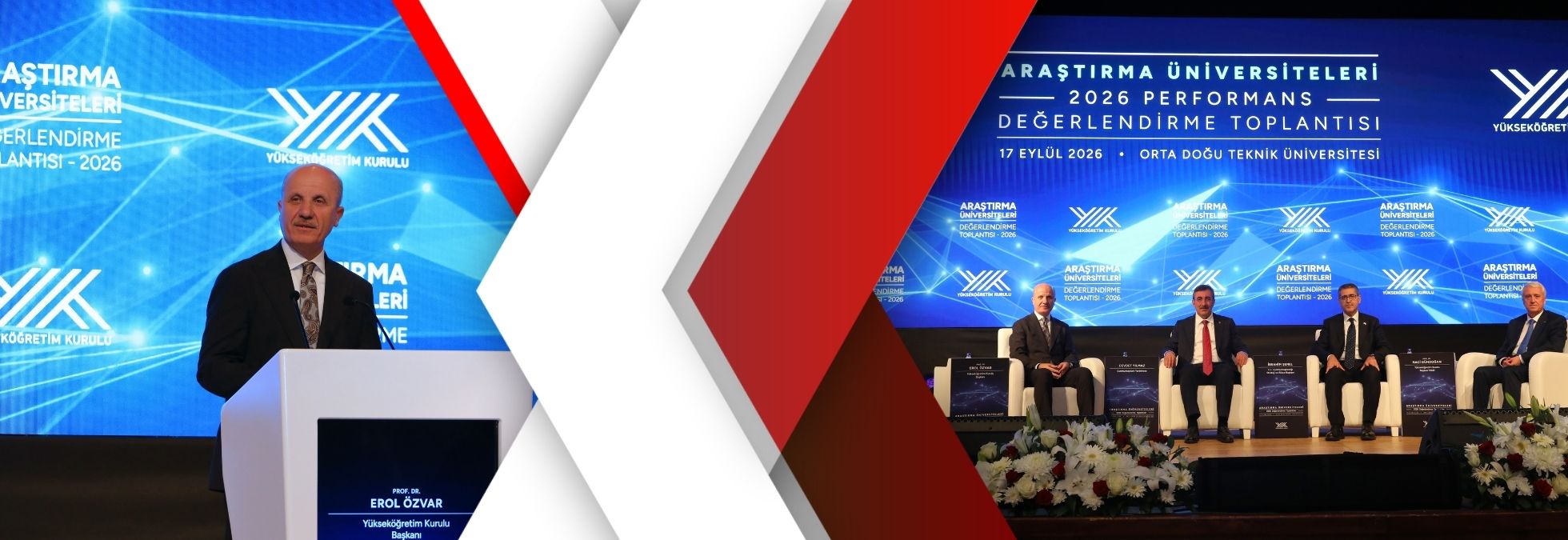
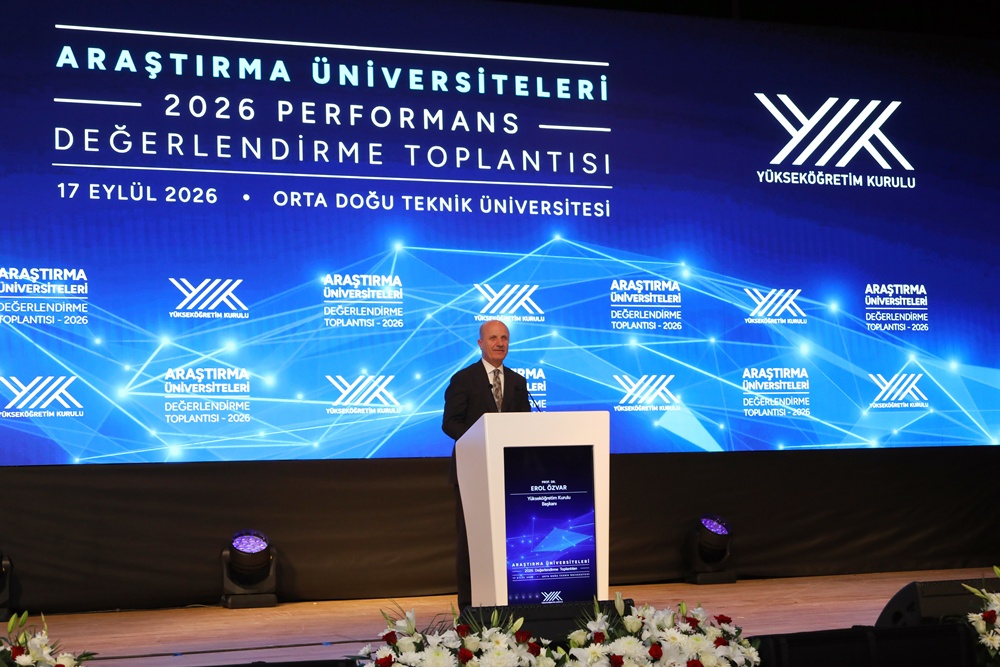
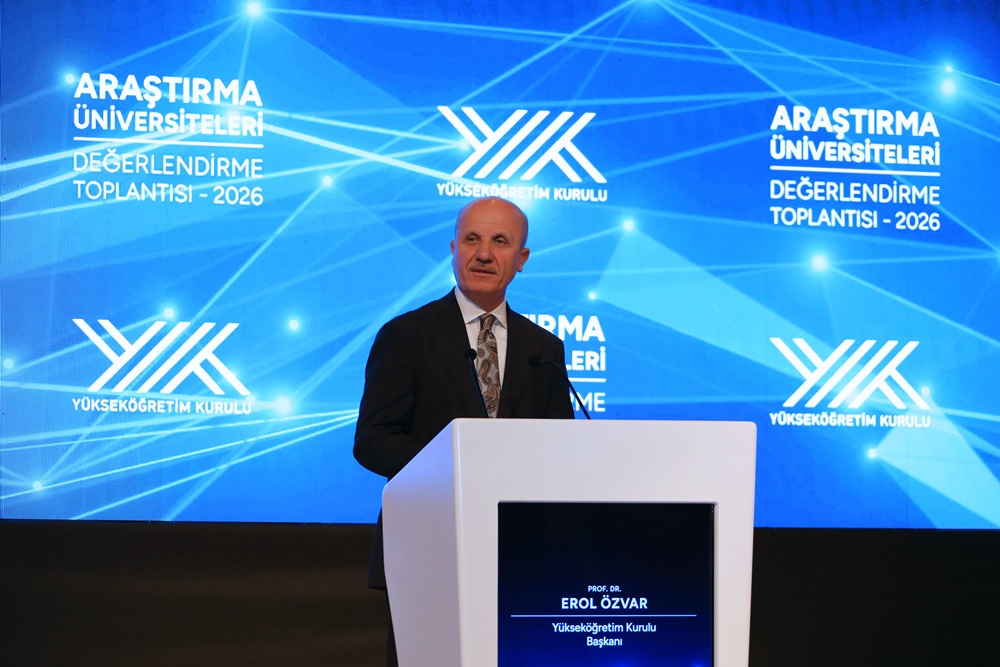
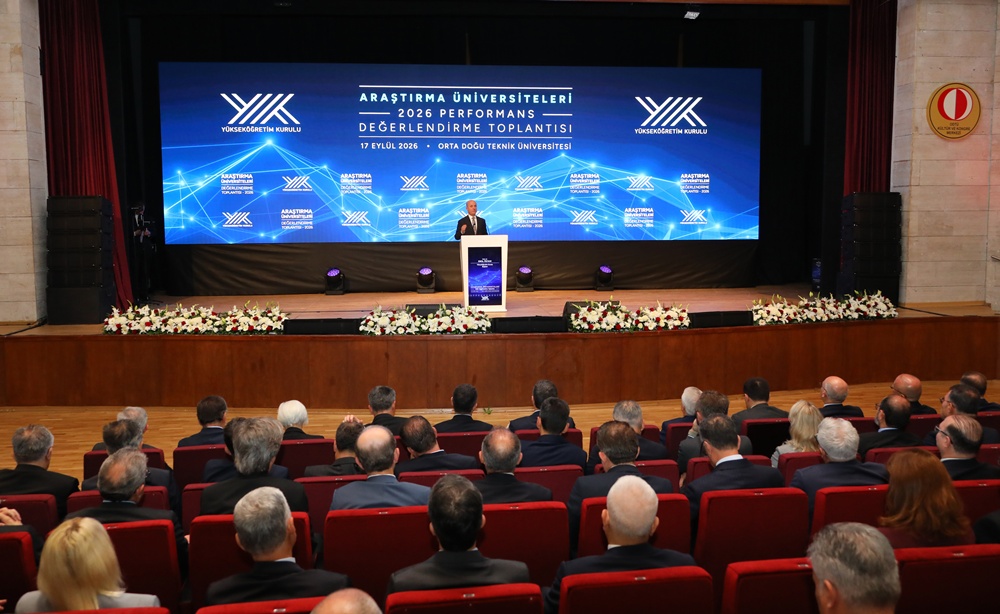
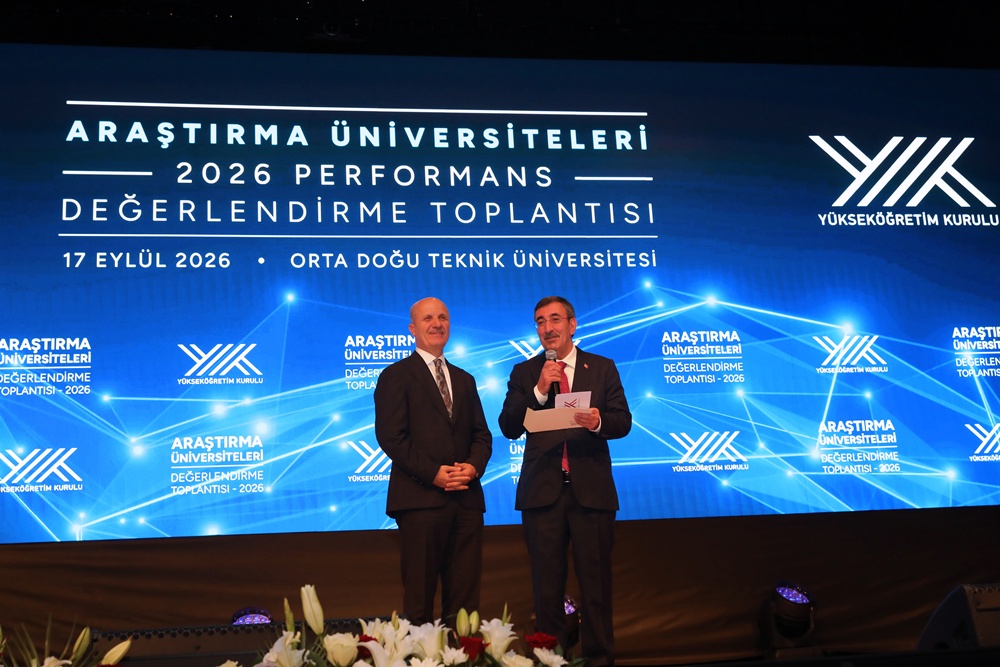
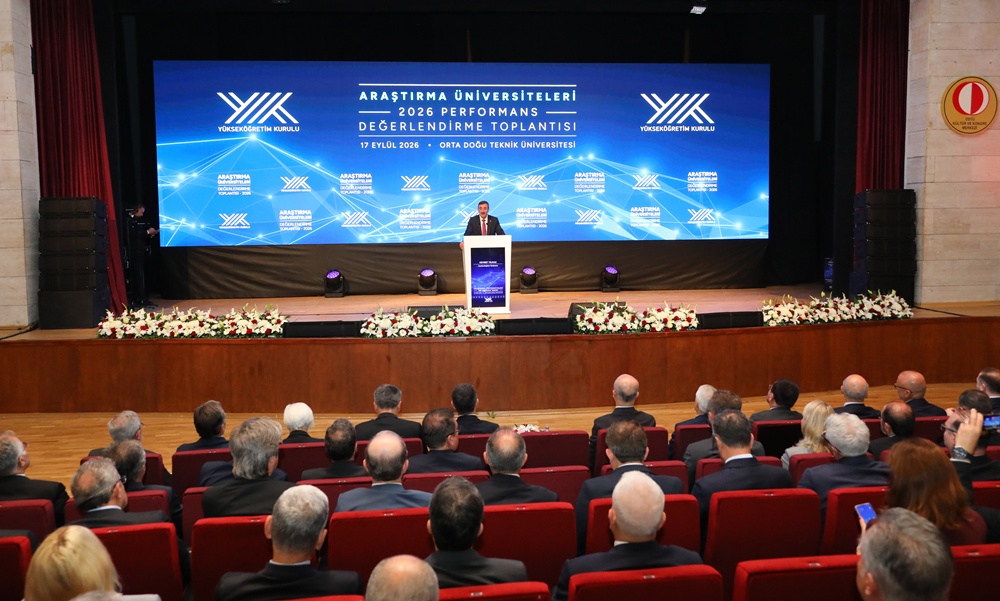
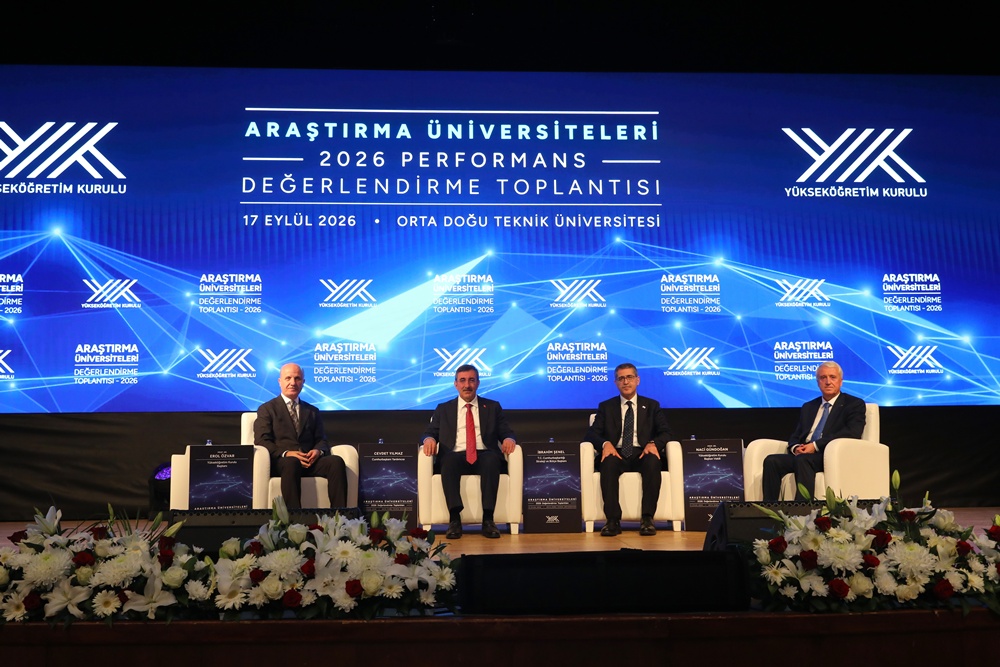
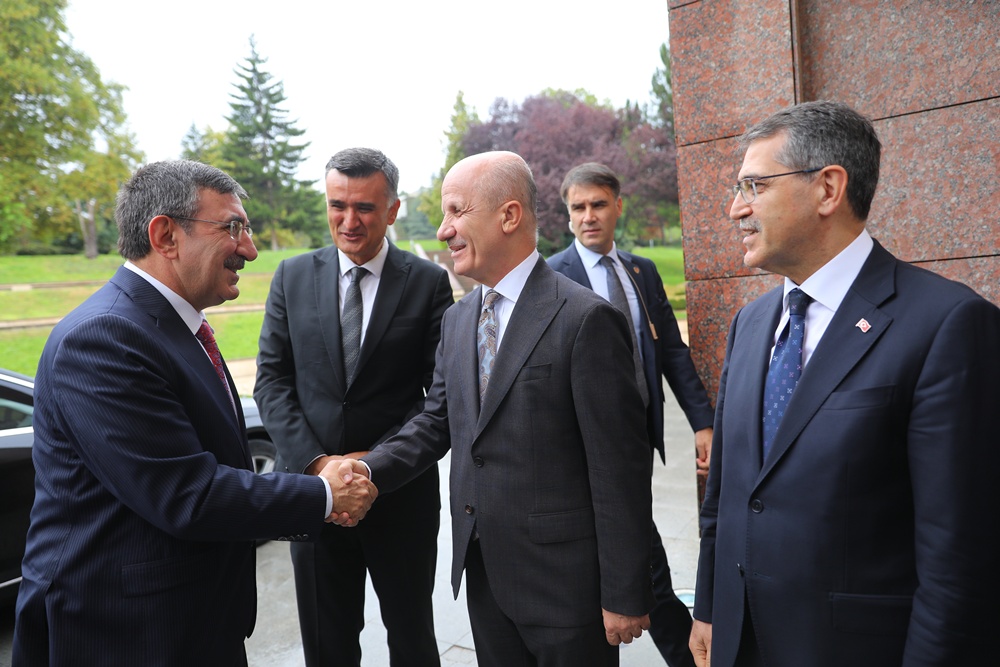
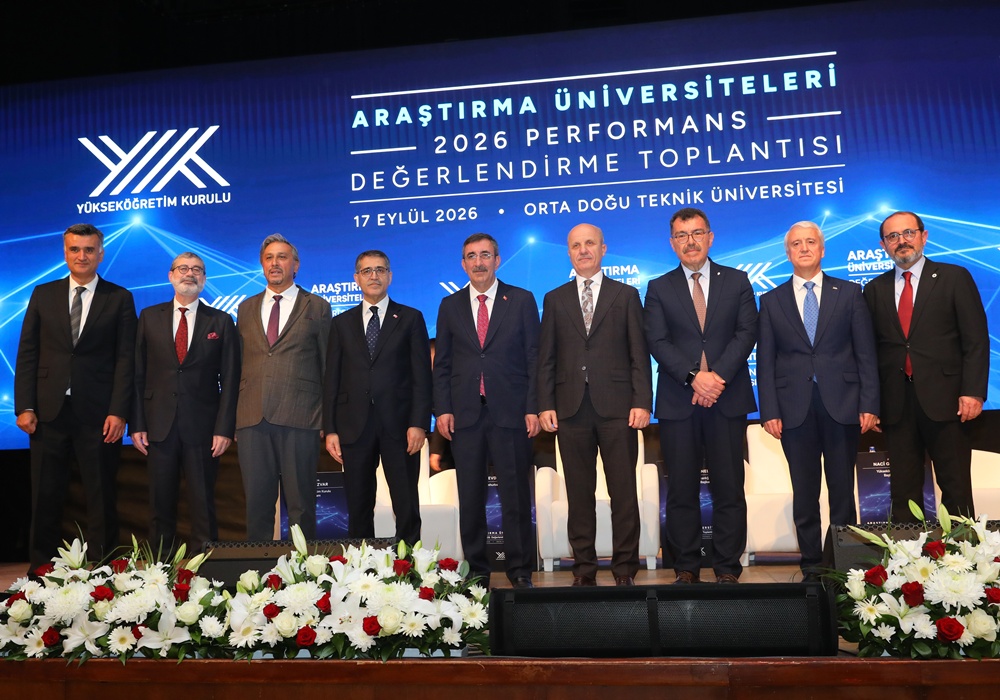
CoHE President Erol Özvar made the announcement in his address at the Research Universities Support Program (ADEP) and Research Universities Meeting hosted by Middle East Technical University (METU), stating that the project would be carried out under the auspices of Vice President Cevdet Yılmaz.
Pointing to the growing importance of highly qualified researchers in global competition, Özvar said, “In the coming days, we will undertake another initiative under the auspices of Vice President. We will launch a project to attract the most successful and talented international PhD students to Türkiye and our universities.”
Özvar called on research universities to step up their efforts to become more visible and attractive internationally.
- Türkiye to join the global competition for talent in a stronger way
Noting that international PhD students have become an increasingly important area of global competition in recent years, Özvar pointed out that many countries are developing new policies to attract successful young people to their universities.
Özvar said China offers substantial scholarship opportunities to attract more PhD students from the international talent pool, particularly targeting young people from the Muslim world and Africa, and noted that similar competition is taking place in Europe, America, Australia, and the Far East.
Emphasizing that Türkiye should also make greater use of the global talent pool, Özvar called on research universities to take a leading role in this process.
- International researchers to participate in ADEP projects
Announcing the beginning of a new phase in ADEP, Özvar said that, in line with an agreement reached with the Presidency of Strategy and Budget, some of the projects under the program would be opened to the participation of international researchers.
Özvar called on research universities to develop joint projects with higher education institutions and research centers in different regions, particularly Africa, the Turkic world, the Turkish Republic of Northern Cyprus (TRNC), and the Muslim world.
Stating that the number of research projects based on international cooperation is one of the areas with the greatest potential for development among Turkish universities, Özvar said:
“We want to open some of the projects under ADEP to international researchers. We expect our universities to include them in these projects as part of the cooperation and to carry out the projects on the basis of international collaboration. This may be one of the most critical areas of work for us over the next one or two years.”
Özvar stated that greater participation by international researchers in ADEP projects would be encouraged, that research based on international cooperation could be given greater weight in the evaluation of research universities, and that support mechanisms would also be considered within this framework.
- 571 qualified researchers affiliated with universities under Additional Articles 46 and 34
Emphasizing the importance of strengthening ties between qualified researchers and universities as part of university-industry cooperation, Özvar said efforts were continuing to affiliate PhD-qualified researchers working in the business and industrial sectors with universities under Additional Articles 46 and 34 of Law No. 2547.
Özvar announced that 571 national and international researchers had so far been affiliated with universities, saying, “Our universities have affiliated more than 500 qualified researchers working in the private sector with universities. This is a very valuable step in terms of university-sector cooperation.”
Özvar noted that they particularly expected research universities to take stronger steps in this area.
- “We cannot afford to lose even a single student”
Emphasizing that research capacity should not be considered solely in terms of PhD students, Özvar called for successful undergraduate students to be involved in scientific research processes while continuing their education.
Stating that successful students at research universities should participate in research projects during their second, third, and fourth years, Özvar announced that a new criterion could be added to the evaluation system for research universities in this regard.
Özvar said, “Research must begin not after undergraduate education, but in the second or third year at the latest. We cannot afford to lose even a single student enrolled at our universities. Universities and rectors have a responsibility to ensure that students are supported to reach their full potential. They are all our children. We must make the most of the potential of every one of them.”
Calling for students to take on greater responsibility in laboratories, research projects, fieldwork, and workplaces, Özvar also said university curricula should be streamlined around core knowledge and competencies by removing unnecessary course loads.
He added that students should be given more room to take elective and interdisciplinary courses.
- Top three research universities for 2026 announced
The 2026 performance rankings for research universities were also announced at the meeting.
In the rankings announced by Vice President Cevdet Yılmaz, Koç University ranked first among the 23 research universities, followed by Sabancı University in second place and Middle East Technical University in third.
Özvar stated that the performance assessment of research universities was not intended merely to establish a ranking of universities. He said the assessments enable universities to identify their strengths, determine areas for improvement, and develop policies to increase their research capacity based on reliable data.
Özvar noted that research universities can set their research objectives more realistically by comparing their development with previous years.
- Universities expected to deliver social impact alongside scientific output
Stating that research universities should not focus solely on scientific publications and research activities, Özvar called on universities to connect their knowledge base and research capacity with society’s needs.
“Universities should not limit themselves to campuses, classrooms, and laboratories,” Özvar said, stressing that universities should develop scientifically grounded, practical, and lasting solutions to social, economic, cultural, and environmental challenges.
Noting his satisfaction with projects developed by universities in Anatolia in recent years to address regional and local issues, Özvar said he also expected research universities to consider the social impact of their projects alongside their scientific outputs.
- Target Set for at Least Four Turkish Universities to Rank Among the World’s Top 100
Özvar also referred to the progress made by Turkish universities in international rankings in recent years, saying that they had raised their target for the coming period.
He announced that they aim to have at least two state universities and two foundation universities among the world’s top 100 universities within the next five years.
Stating that research universities should strengthen their international visibility not only through rankings but also through the scientific outputs they produce globally and the solutions they develop to societal challenges, Özvar said, “Universities can achieve success on a global scale as they solve problems and provide scientific solutions and answers to the challenges facing society.”
Özvar also reminded attendees that applications were still open for the 550 research assistant positions allocated to research universities under the Türkiye Strategic Technology Human Resources Program and called on universities to continue their efforts under the program.
- Şenel: “We will continue to support universities’ direct contribution to development”
Presidency of Strategy and Budget President İbrahim Şenel also highlighted the role of universities, from scientific production and technology development to economic development.
Şenel stated that over the past two decades, support had been provided to help universities evolve from institutions focused solely on producing scientific knowledge into actors engaged in production, developing innovative technologies, and making direct contributions to Türkiye’s development.
Emphasizing that this approach would continue in the coming period, Şenel said support for investments in universities would continue to be expanded further.
At the meeting, CoHE Deputy President Prof. Naci Gündoğan delivered a presentation on the 2026 performance of research universities.
During the afternoon session of the program, the 2026 performance of research universities and ADEP projects were evaluated under the chairmanship of Vice President Cevdet Yılmaz.
Images
Images