


Turkish Higher Education Launches Major Cooperation Initiative in Pakistan
- 10 universities from Türkiye and 28 from Pakistan come together to establish new academic partnerships
- Türkiye-Pakistan higher education partnership strengthened through new agreements
- CoHE President Özvar and HEC Chairman Akhtar sign joint declaration
- CoHE President Özvar: “We are launching new partnerships between Turkish and Pakistani universities, from dual degrees to artificial intelligence”
“We are turning the steps we have taken into concrete academic and scientific outcomes”
“We can conduct research, develop solutions, and prepare our young people for the future together”
“We will hold the next meeting in Türkiye”
September 15, 2026
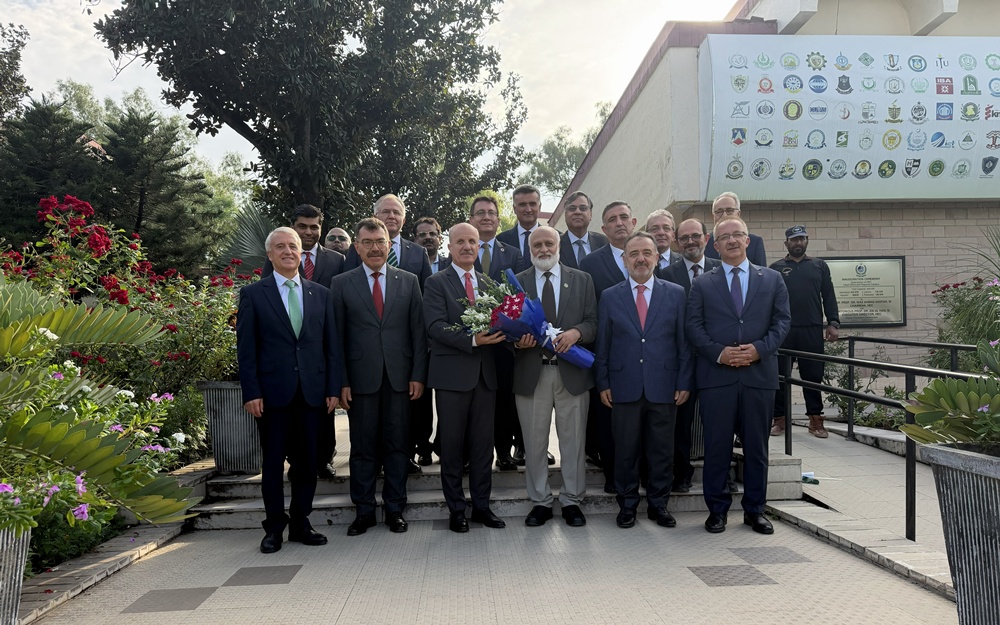
A visit to Pakistan by the rectors of leading Turkish universities, led by CoHE President Erol Özvar, is producing concrete results in the form of new cooperation agreements between universities in the two countries.
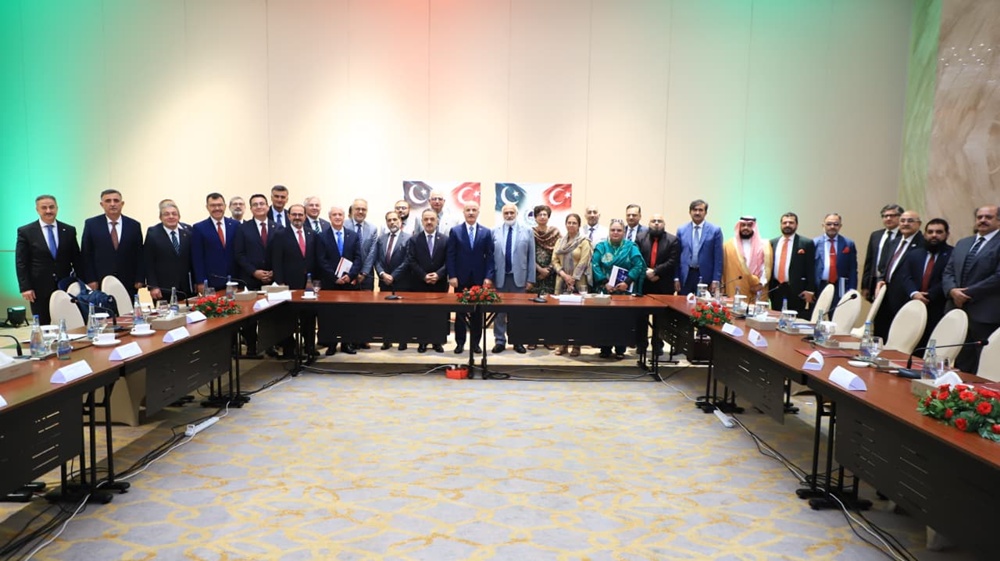
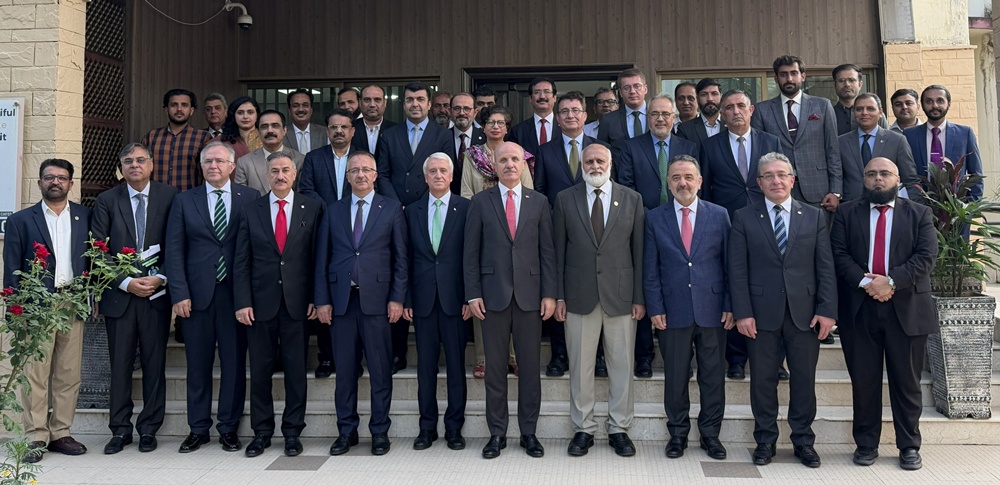
The meetings, attended by CoHE President Özvar and the rectors of 10 Turkish universities, also brought together rectors and administrators from 28 Pakistani universities. A total of 38 universities from the two countries thus came together to develop new academic partnerships.
As part of the Türkiye-Pakistan Universities Forum, agreements were signed to establish new cooperation between Turkish and Pakistani universities in higher education, dual degree programs, joint program and curriculum development, artificial intelligence, cybersecurity, biotechnology, textiles, agriculture, and various other fields.
Dokuz Eylül University, Istanbul Technical University, Yıldız Technical University, Hacettepe University, and İzmir Institute of Technology each signed cooperation agreements with six Pakistani universities; Boğaziçi University and Middle East Technical University each signed agreements with five, while Gazi University and Gebze Technical University each signed an agreement with one Pakistani university.
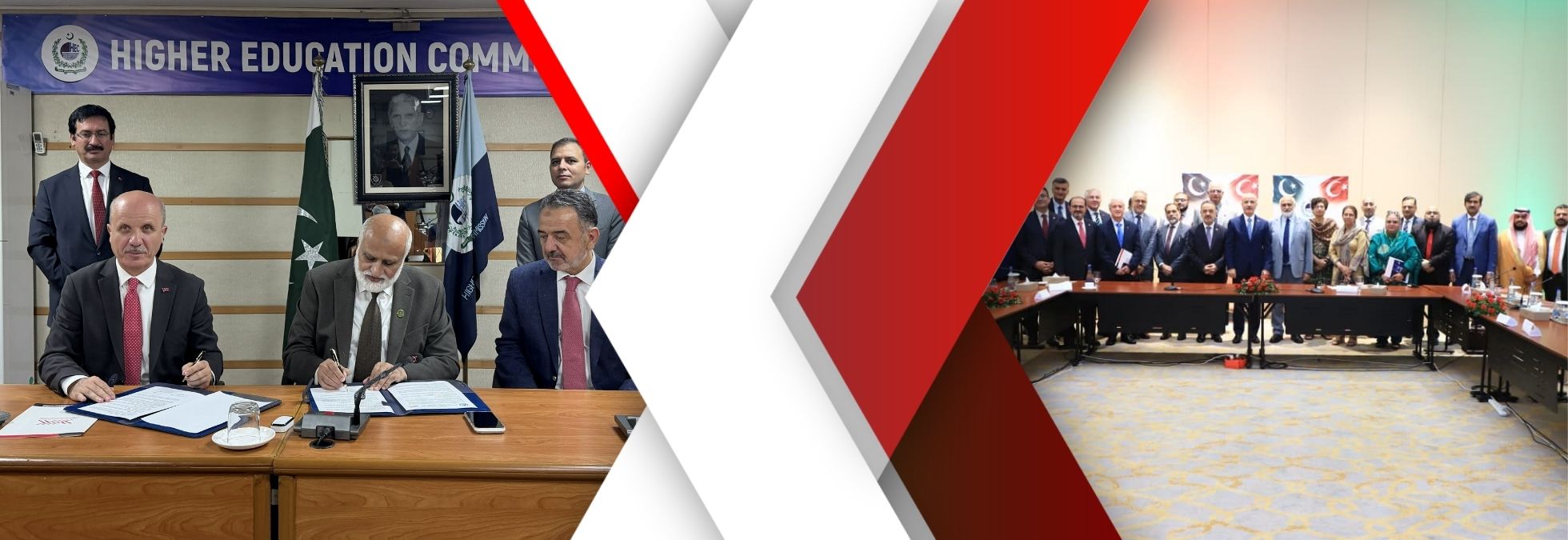
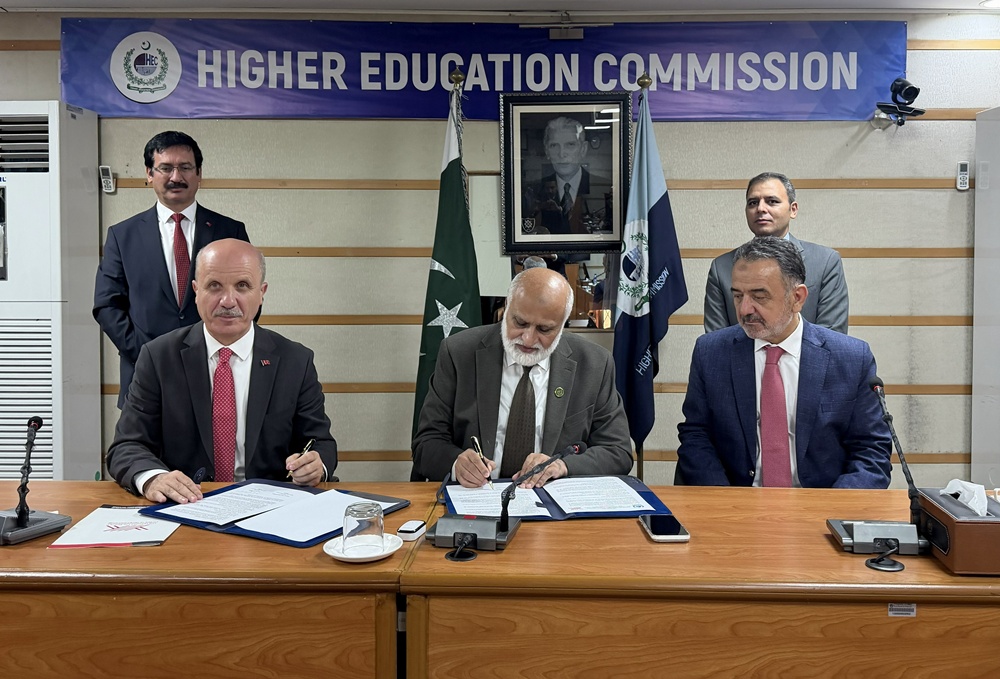
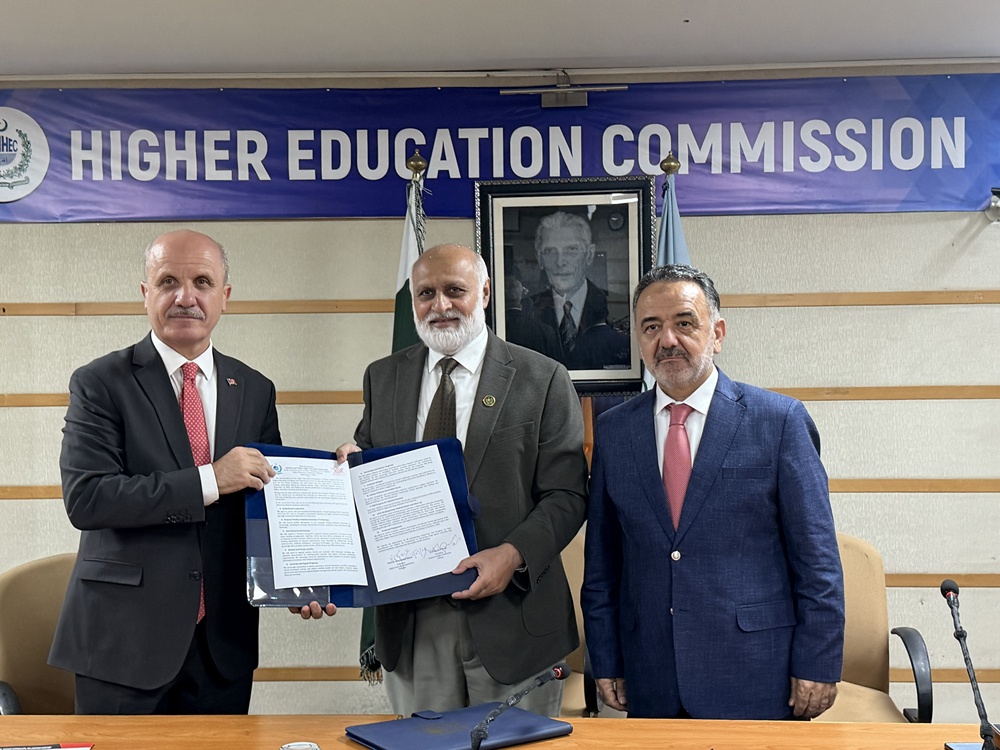
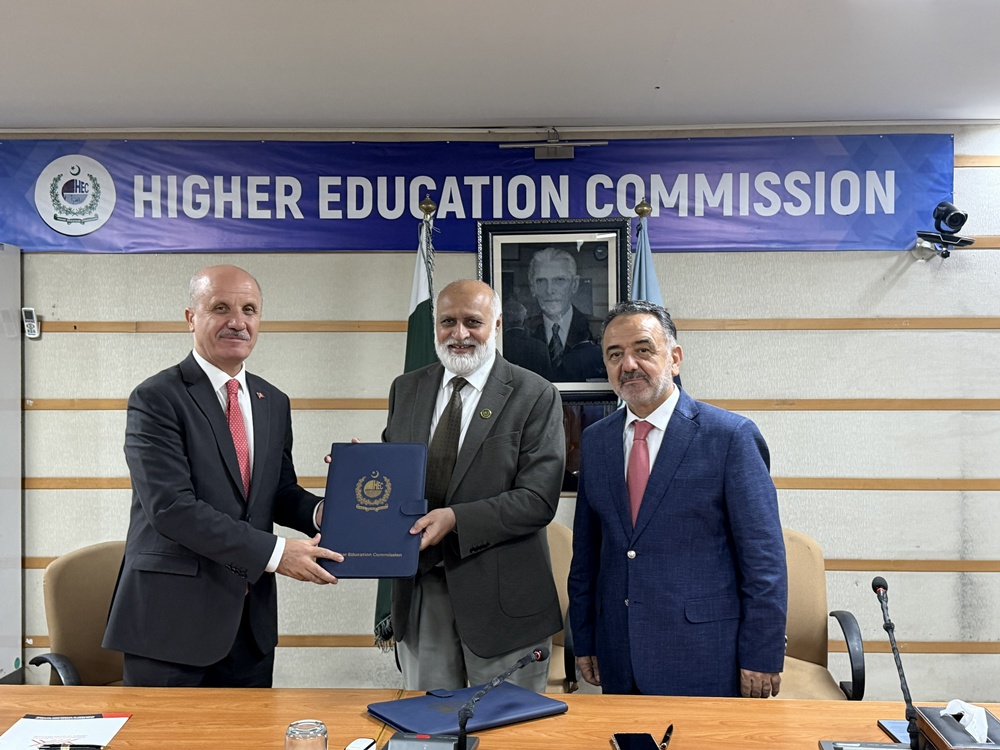
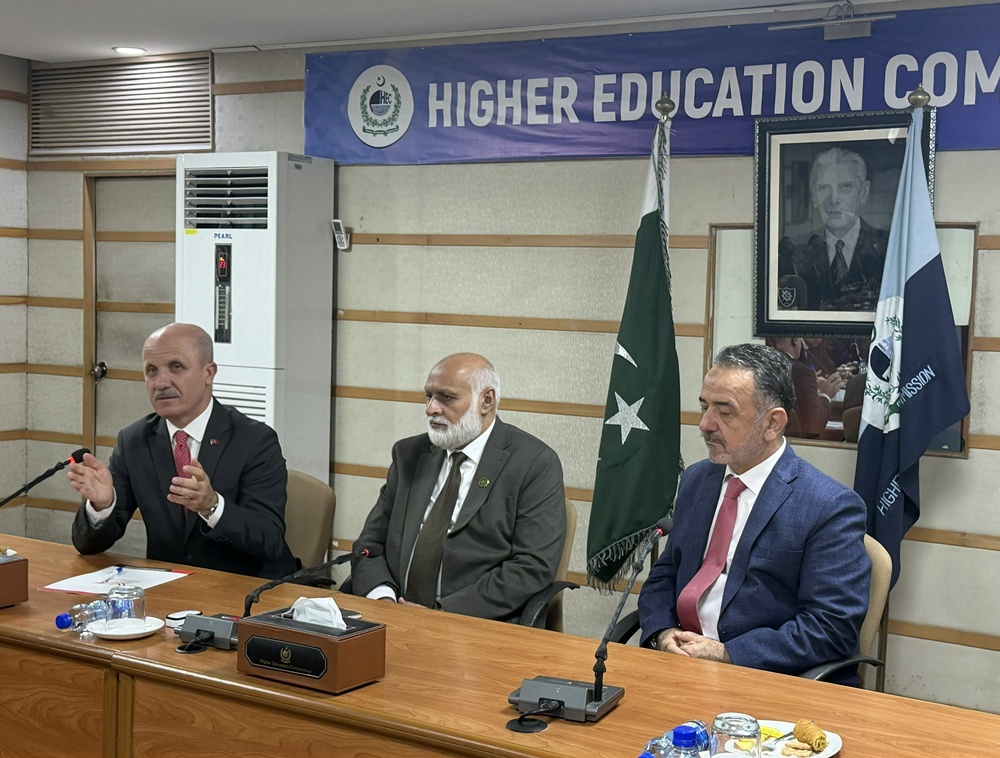
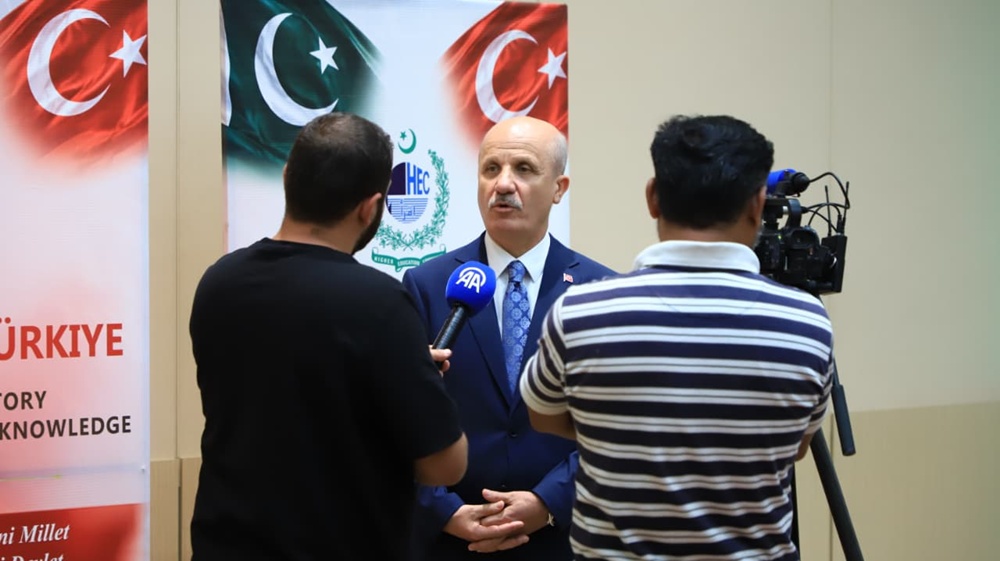
CoHE President Özvar attended the closing session of the two-day Türkiye-Pakistan Universities Forum. At the conclusion of the forum, Özvar and Chairman of the Higher Education Commission of Pakistan (HEC) Prof. Niaz Ahmad Akhtar signed a joint declaration setting out a roadmap for a new era in higher education cooperation between the two countries.
- Türkiye and Pakistan establish a new roadmap for higher education cooperation
The joint declaration sets out the goal of translating the deep historical, cultural, and spiritual ties between Türkiye and Pakistan into concrete opportunities for universities, students, faculty members, and researchers.
The two countries reaffirmed their commitment to strengthening relations in higher education, research, and innovation and agreed to renew and implement the memoranda of understanding signed in 2016 and 2017.
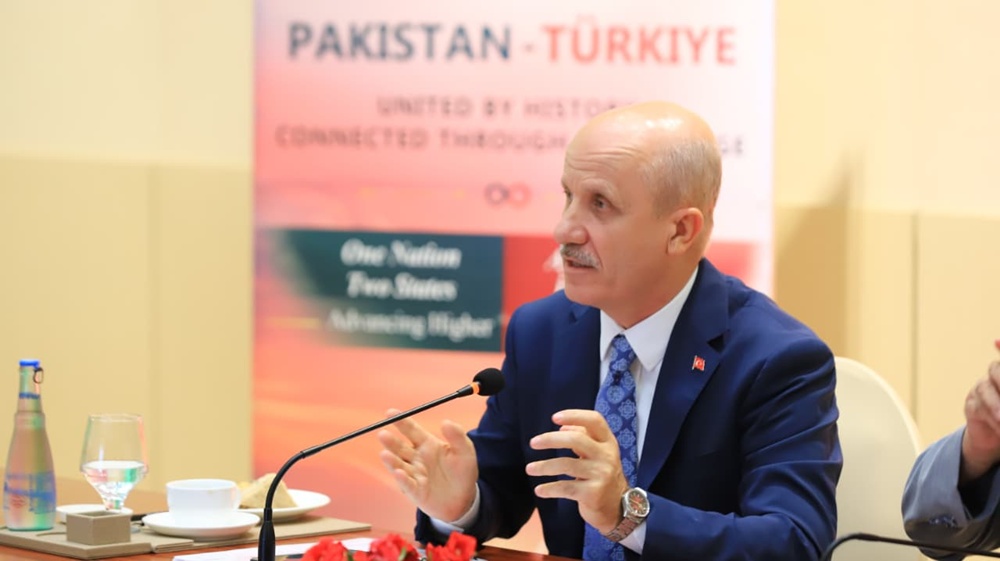
In his closing remarks, Özvar said the two-day meetings had been highly productive, noting that both sides had exchanged views, identified common priorities, and discussed ways to build a stronger academic partnership between Türkiye and Pakistan.
Emphasizing the deep historical, cultural, and human ties between Türkiye and Pakistan, Özvar said the two countries had an important opportunity to further extend their friendship, built on mutual respect, trust, and solidarity, into the fields of higher education, science, and technology. “We are launching new partnerships between Turkish and Pakistani universities, from dual degrees to artificial intelligence,” he said.
- Technology university and research funding on the agenda
Under the joint declaration, the two sides agreed to continue discussions on the establishment of the Türkiye-Pakistan Technology University. They also agreed to continue work on the university’s concept, institutional structure, academic scope, governance, and financing.
The two countries will also explore a competitive research funding mechanism covering priority areas, funding arrangements, eligibility criteria, and joint calls for proposals. Jointly funded, product-oriented research, as well as joint research proposals and funding applications, will be encouraged. Cybersecurity, artificial intelligence, emerging technologies, and Islamic finance were identified as priority areas for research cooperation. Increasing the number of joint academic articles, books, and other scientific publications was also identified as a goal.
- PhD places to be allocated to high-achieving Pakistani students
The joint declaration also set out new steps to expand student and academic mobility.
Research universities in Türkiye will allocate a certain number of PhD places each year for high-achieving candidates from Pakistan in priority fields. Work will also be undertaken to expand student, faculty, and academic staff exchanges, provide undergraduate students with opportunities to study for one semester, and increase scholarship opportunities. University fairs in both countries will also be encouraged to promote academic and research opportunities more widely.
Universities will review curricula in specific disciplines, identify courses that can be aligned or jointly developed, and work toward developing dual-degree and double-degree undergraduate programs in suitable fields.
- New internship opportunities from hospitals to industry
To strengthen students’ practical experience and professional development, dual internship opportunities involving universities, research institutions, hospitals, and industrial organizations will be explored.
Short-term summer schools and programs bringing students and academics from the two countries together for academic, cultural, and educational activities will also be encouraged. To ensure continuity in academic dialogue, the two sides aim to implement a coordinated program of joint workshops, seminars, and conferences, with priority themes and participating universities to be identified in advance for 2026 and 2027.
- Universities Forum to be held annually
One of the key decisions in the joint declaration was to institutionalize the Türkiye-Pakistan Universities Forum.
The two countries agreed to hold the Türkiye-Pakistan Universities Forum annually in order to further strengthen and institutionalize their relations in higher education. Türkiye and Pakistan will host the forum alternately.
This will enable university administrators and academics from the two countries to meet regularly, develop new projects, and ensure continuity in ongoing initiatives.
- Joint working group for 2026–2028
Emphasizing that the key task at this stage was to move from ideas to implementation, Özvar said that the memoranda of understanding signed previously provided an important foundation for deeper cooperation in the new period.
Under the joint declaration, the two sides agreed to establish a joint working group to develop a cooperation-based work plan and finalize arrangements for institutional partnerships and structured cooperation.
The working group will work on identifying points of contact, establishing thematic working groups, and preparing the 2026-2028 Türkiye-Pakistan Higher Education Cooperation Action Plan, including objectives, responsibilities, timelines, and key performance indicators.
The two sides will follow the implementation process and assess progress through regular communication, including video conferences. Özvar said, “We are turning the steps we have taken into concrete academic and scientific outcomes.”
- More mobility and opportunities for young people
Özvar emphasized the importance of ensuring that the academic relations to be established between the two countries create new opportunities directly for students and researchers.
Stating that universities should be encouraged to establish direct institutional partnerships, develop joint research proposals, expand mobility opportunities, and maintain regular communication, Özvar said Türkiye and Pakistan could achieve stronger results by working together in science and higher education.
Pointing to the rapidly changing world, Özvar said, “We can learn from one another. We can conduct research together. We can develop solutions together. And we can prepare our young people for the future together.”
Özvar stated that the friendship between Türkiye and Pakistan should be further strengthened in higher education, science, and technology by establishing new institutions, generating new knowledge, and creating new opportunities for future generations.
- Visit to NASTP, an advanced technology ecosystem
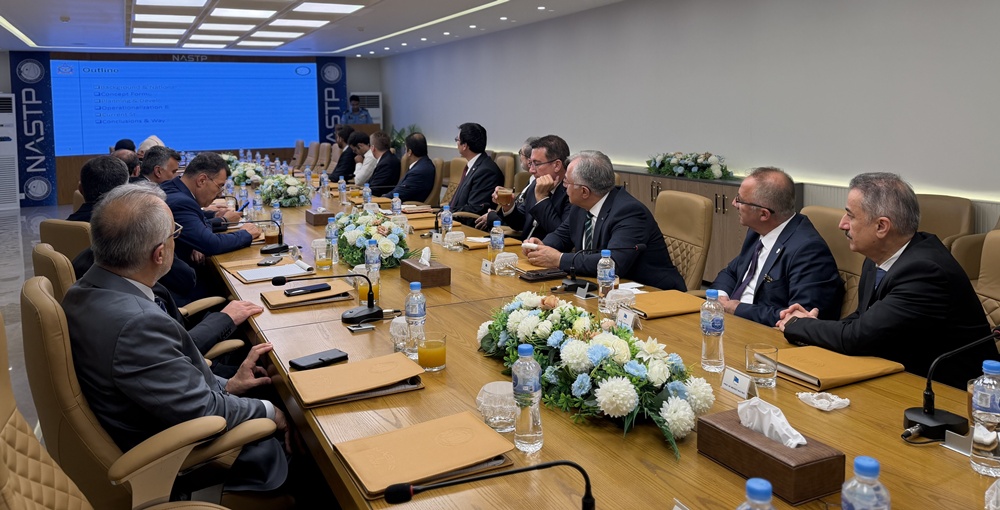
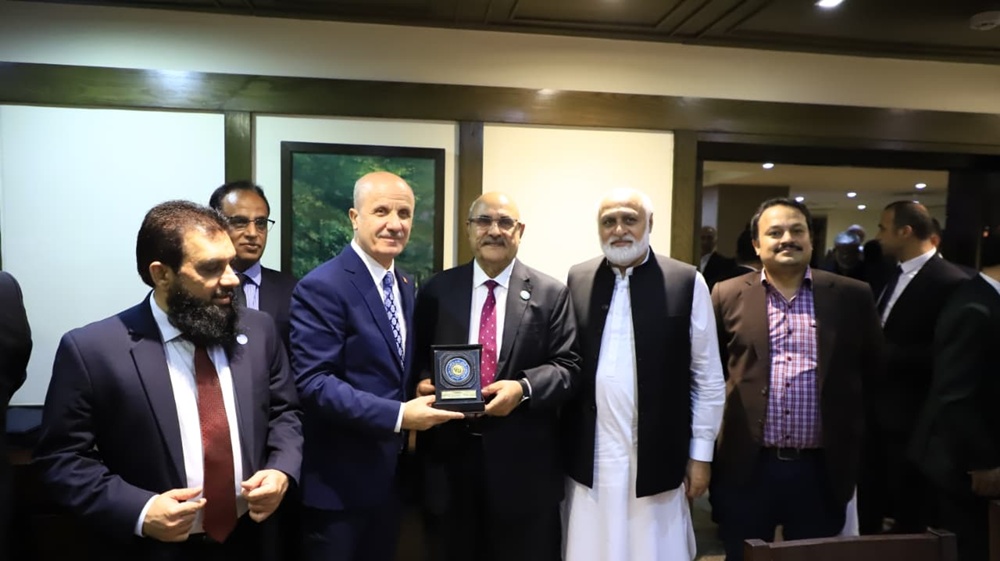
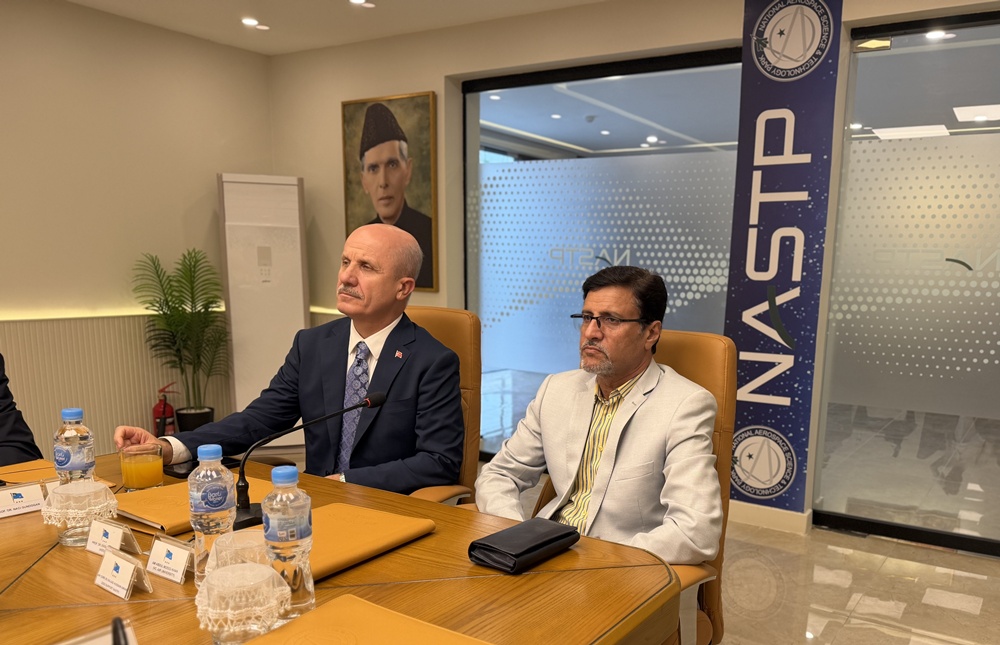
CoHE President Özvar and the accompanying university rectors also visited the National Aerospace Science & Technology Park (NASTP) as part of their engagements in Pakistan.
Established by the Pakistan Air Force, NASTP brings universities, research institutions, industry, and startups together within a single technology ecosystem. Aerospace technologies, artificial intelligence and robotics, cybersecurity and information technologies, space and communications systems, and advanced technology and R&D are among the center’s key areas of activity.
During the visit, the importance of university-industry cooperation was highlighted, and potential new links between Turkish and Pakistani universities and research institutions in R&D projects, student and academic mobility, internship programs, and technology development were discussed.
- Progress to be reviewed in Türkiye in December
Under the joint declaration, the two sides agreed to regularly review progress, continue consultations, and advance formal agreements.
Overall progress in the areas identified in the joint declaration is expected to be reviewed during the planned December 2026 visit to Türkiye by Chairman of the Higher Education Commission of Pakistan Prof. Niaz Ahmad Akhtar.
Özvar also said that they planned to bring the higher education institutions of the two countries together again in Türkiye, stating, “We will hold the next meeting in Türkiye.”
Pointing to the strong relations between Türkiye and Pakistan across all areas, Özvar said they aimed to take relations in higher education and scientific research to a new level through new institutions, projects, research initiatives, and opportunities for young people.
Images
Images