


World Champion Choir Visits CoHE
- CoHE President Özvar receives Harran University’s Vox Humanis Choir, winner of the World Choir Games
- Özvar: “It is very important to preserve Anatolia’s traditional musical forms”
“Achieving success in fields like these is as difficult as succeeding in scientific fields, perhaps even more so”
- World championship achievement to be carried into scientific research: Harran University establishes music laboratory
September 8, 2026
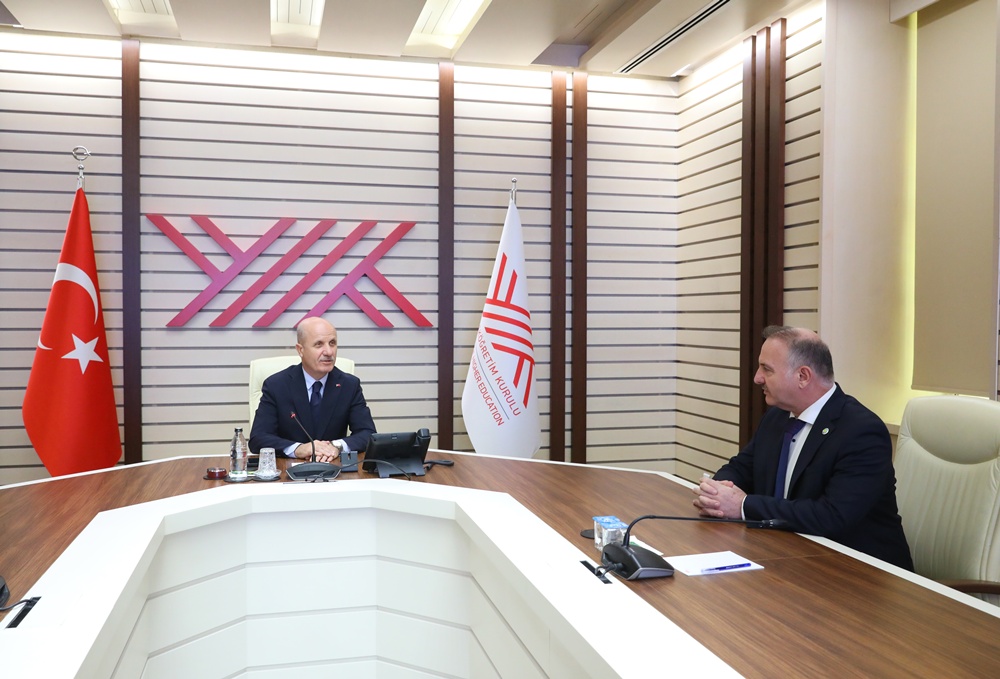
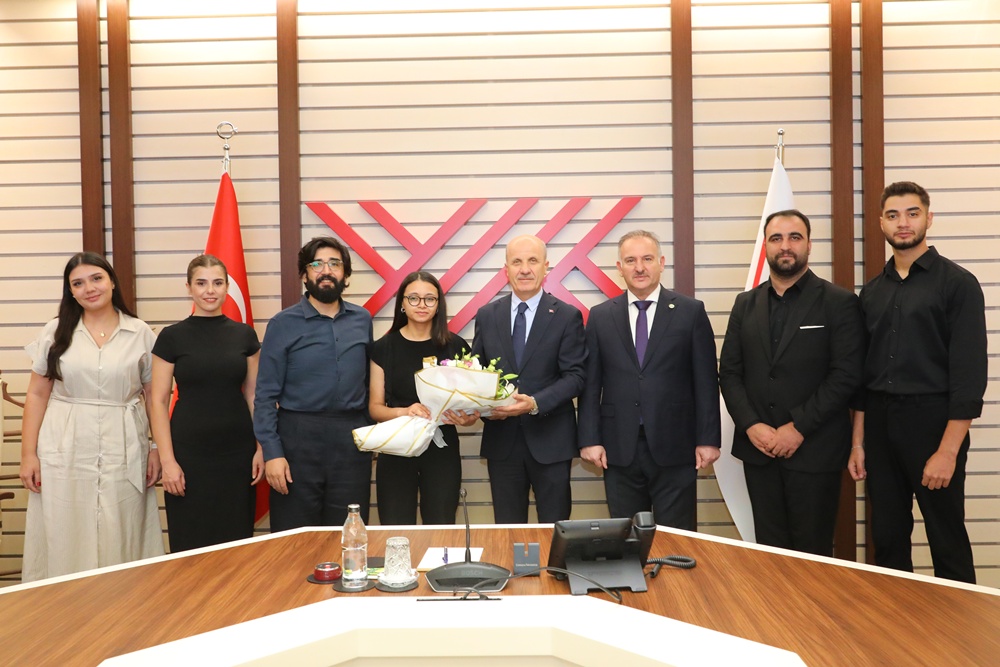
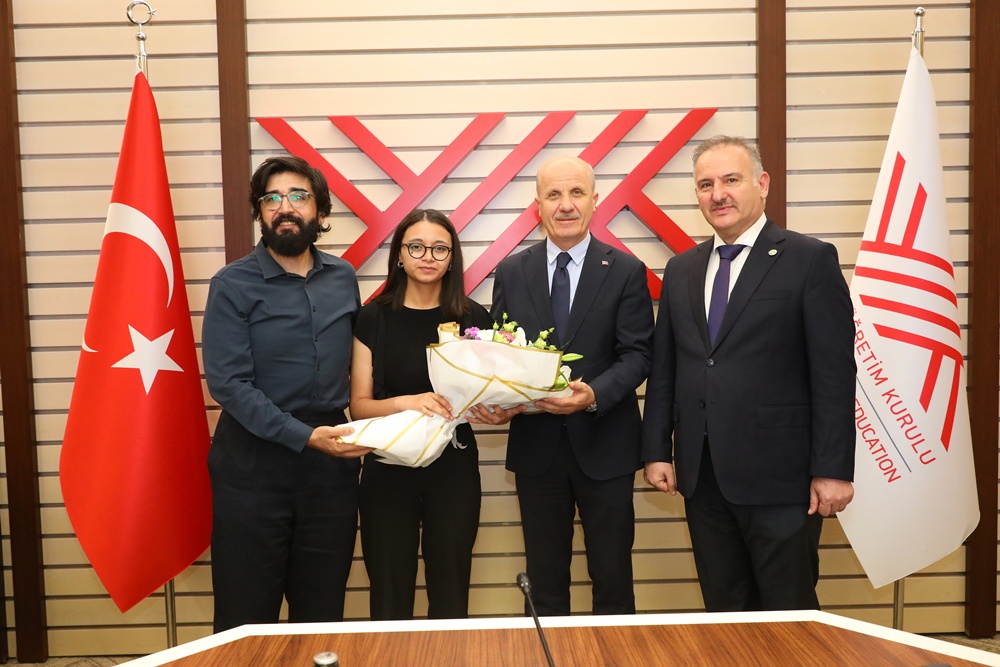
Council of Higher Education (CoHE) President Erol Özvar received the Harran University Vox Humanis Choir, which won first place at the World Choir Games 2026 held in Sweden, at CoHE.
The meeting was attended by Harran University Rector Prof. Mehmet Tahir Güllüoğlu, Choir Conductor Assist. Prof. Fırat Altun, and members of the choir.
The Vox Humanis Polyphonic Choir, established at Harran University, won first place in the world after receiving the highest score in the “Open Competition – O5 Mixed Chamber Choirs & Vocal Ensembles” category at the World Choir Games.
Founded and conducted by Assist. Prof. Fırat Altun, the choir brought not only contemporary Western choral repertoire but also Anatolia’s musical heritage to the international stage through Altun’s arrangements as part of its competition program.
- Performance, Expertise, and Hard Work Behind the Success
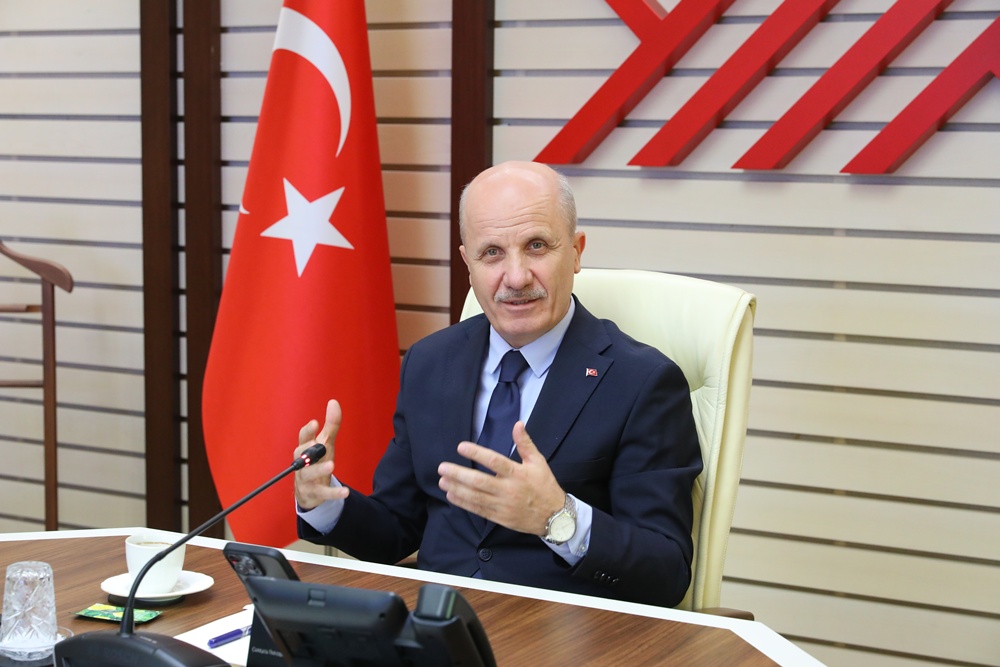
Congratulating the choir members on their world championship achievement, CoHE President Özvar emphasized that achieving international success in the arts requires as much intensive effort and hard work as success in scientific fields.
“Achieving success in fields like these is as difficult as succeeding in scientific fields, perhaps even more so. These are fields that rely to a great extent on performance, skill, ability, expertise, and hard work,” Özvar said.
Noting that Harran University is a long-established university, Özvar pointed out that Şanlıurfa has been one of the centers of scholarly, cultural, and artistic activity not only during the Republican era but also in earlier periods.
Özvar stated that the fact that this achievement came from a university in Anatolia was particularly significant, adding that it was an important indication of the efforts made by universities in Anatolia to enhance their international visibility, compete internationally, and create an impact.
“Universities Have a Responsibility to Preserve Cultural Heritage”
Highlighting the importance of Vox Humanis’s work bringing Anatolia’s musical heritage together with polyphonic music, Özvar emphasized that preserving traditional musical forms, keeping them alive, and passing them on to new generations are among universities’ cultural responsibilities.
“It is very important to preserve Anatolia’s traditional musical forms. I expect you to develop projects in the field of music that will raise awareness in society. We will continue to support you,” Özvar said.
Özvar stated that, alongside their scientific output, it is also important for universities to make visible the cultural heritage of the cities and regions in which they are located. He added that they attach importance to Vox Humanis’s new initiatives and projects aimed at engaging with society.
Congratulating the university administration, academics, and students who contributed to the achievement, Özvar recalled the saying, “Merit deserves recognition,” emphasizing the importance of recognizing and appreciating the success achieved. Wishing the choir members continued success, Özvar said, “Let this not remain a one-off achievement; let there be many more to come.”
- Cultural Ambassadors from Şanlıurfa to the World
Based in Şanlıurfa, one of UNESCO’s Creative Cities of Music, Vox Humanis brings Anatolia’s multilayered musical heritage and the Western polyphonic music tradition together on the same artistic platform.
Positioning itself not only as a performance ensemble but also as a cultural ambassador, the choir aims to bring Türkiye’s musical heritage to international stages while connecting this heritage with different musical cultures.
Adopting the “Research – Interpret – Share” approach, the ensemble approaches the works in its repertoire in line with the principles of historical context, stylistic integrity, and contemporary musical interpretation. Its concert programs bring together modal repertoire, folk music, Renaissance polyphony, and contemporary choral works within a unified artistic narrative.
In addition to performance, Vox Humanis also focuses on musicological research, education, and community engagement, continuing its work as a platform that connects academic production within the university with cultural diplomacy. The ensemble expresses its artistic and cultural approach through the motto, “The voice of humanity, a bridge for humanity.”
- Türkiye’s First Music Laboratory Established at Harran University: Only 17 Such Facilities Exist Worldwide
Harran University Rector Prof. Mehmet Tahir Güllüoğlu said that the world championship was an important milestone for the university and expressed his hope that the achievement would serve as the starting point for new scientific studies.
“This is a very important milestone for us. We want this world championship to be a beginning, and we have started building an infrastructure that will make significant scientific contributions in this area,” Güllüoğlu said.
Güllüoğlu stated that they had established a music laboratory at the university to support artistic production in music with scientific research, noting that there are only 17 laboratories of this kind worldwide.
Assist. Prof. Fırat Altun, founding conductor of Vox Humanis and one of the founders of the laboratory, stated that the laboratory is the first of its kind in Türkiye.
- Music, Brain, and Emotion to Meet in Interdisciplinary Research
Interdisciplinary research has begun at the laboratory, focusing primarily on the relationship between music and the brain, emotions evoked by music, and the foundations of musical performance.
Altun said they aim to approach their research not solely through Western-centered scientific studies but also through a cross-cultural comparative perspective, adding that they will conduct studies comparing the relationship between music, emotion, and human behavior across different cultures.
Altun noted that one of the laboratory’s first studies has begun examining how emotions evoked by music are reflected in facial muscles. He also stated that they have begun collecting data across Türkiye by introducing the “music sophistication index” to the country.
Images
Images