


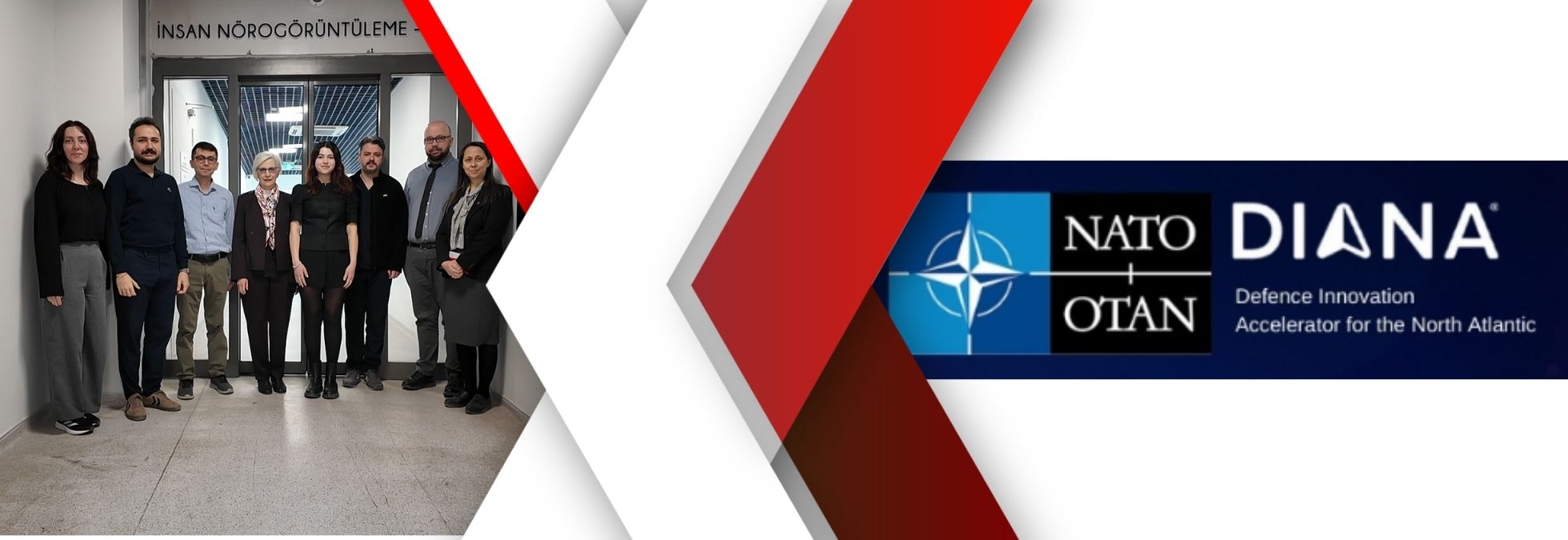
Türkiye’s Neuroscience Center to Test NATO Technologies
- NÖROM becomes the first and only test center in Türkiye accepted into the NATO DIANA network in the field of neuroscience and neurotechnology
- With its infrastructure in brain-computer interfaces, cognitive performance, and AI-assisted signal analysis, NÖROM will contribute to the testing of international projects
- CoHE President Özvar: “NÖROM is taking Türkiye’s scientific research capacity to the world”
- NÖROM Director Prof. Belen: “We will cooperate with many companies”
August 23, 2026
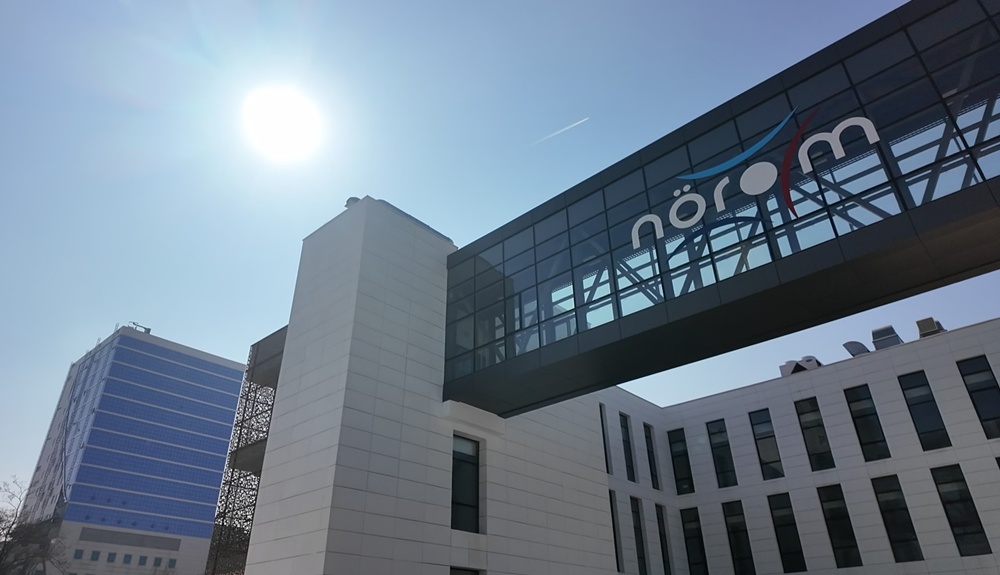
Neuroscience and Neurotechnology Excellence Joint Application and Research Center (NÖROM) has been accepted into NATO’s Defence Innovation Accelerator for the North Atlantic (DIANA) test network.
Established through cooperation among Gazi University, Ankara University, and Middle East Technical University, NÖROM is Türkiye’s first neuroscience center operating as an inter-university joint research model and has become the first and only test center from Türkiye to join the network in this field.
With its advanced research infrastructure spanning human-centered neurotechnologies, brain-computer interfaces, cognitive performance assessment, and AI-assisted signal analysis, NÖROM will contribute to the testing and evaluation processes of DIANA projects.
NÖROM’s participation in the international network will provide Turkish researchers with new opportunities to develop joint projects with international scientists and technology teams and to turn their research into patents, prototypes, and products.
NATO’s DIANA program, established to support technological developments at an early stage, brings together universities, research centers, and technology companies in areas such as artificial intelligence, biotechnology, autonomous systems, quantum technologies, space, and next-generation communications. Teams selected through calls launched in line with NATO’s needs are connected with DIANA’s international network of test centers. These test centers are intended to provide an environment for technologies under development to be tested, validated, and prepared for real-world applications.
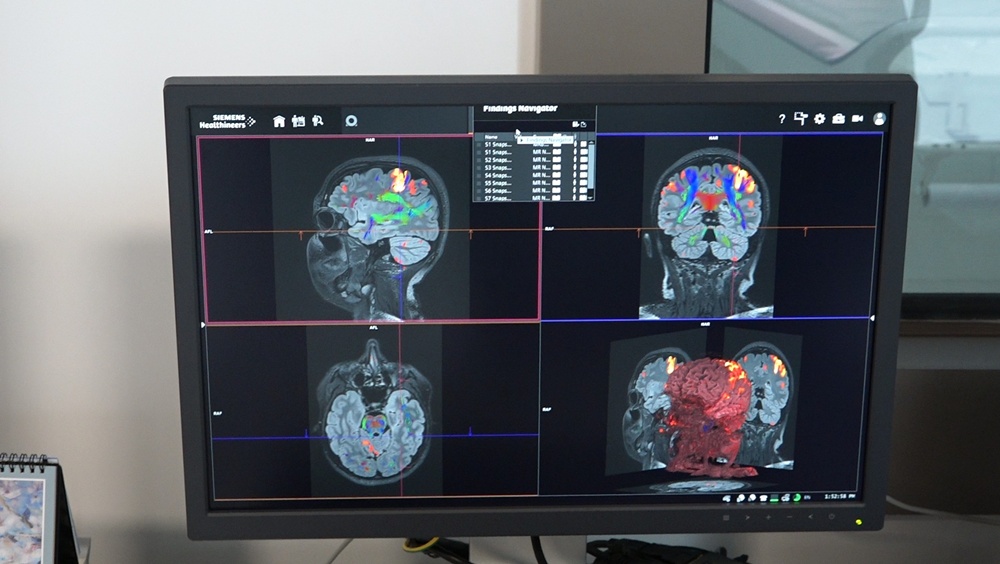
NÖROM will contribute to these processes with its infrastructure in brain imaging, neuromodulation, robotic systems, and AI-assisted signal analysis.
- Özvar: “NÖROM’s success will pave the way for the establishment of other centers”
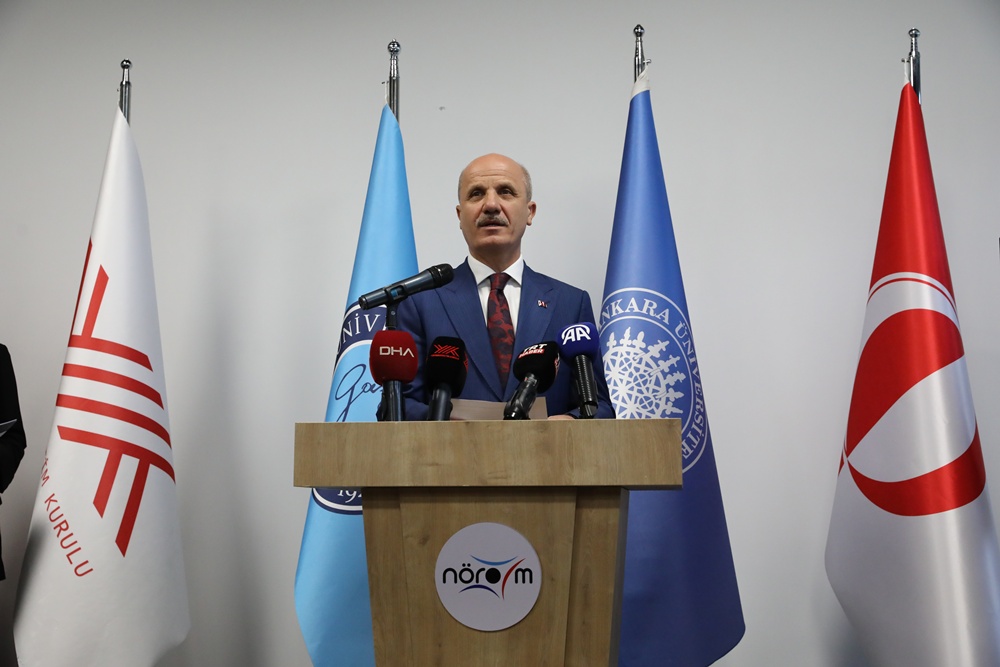
CoHE President Erol Özvar said NÖROM’s admission to the NATO DIANA network demonstrates the level reached through collaboration among universities, adding, “When we bring together the strengths of our universities, we create a much greater scientific capacity. NÖROM is a good example of this. It is taking Türkiye’s scientific research capacity to the world. I consider it extremely valuable that the combined scientific strength of these three universities has become part of an international technology network.”
Emphasizing that NÖROM will open new doors to international projects, Özvar said, “We attach importance to enabling our scientists to develop joint projects with international researchers and technology teams and to turning the knowledge generated into patents, technologies, and products. I believe NÖROM will take our country’s research and technology development capacity to an even higher level.”
Özvar said they want to see the NÖROM model become more widespread, adding, “The success of this center will also pave the way for the establishment of other similar centers.”
- NÖROM joined the international network in a short time
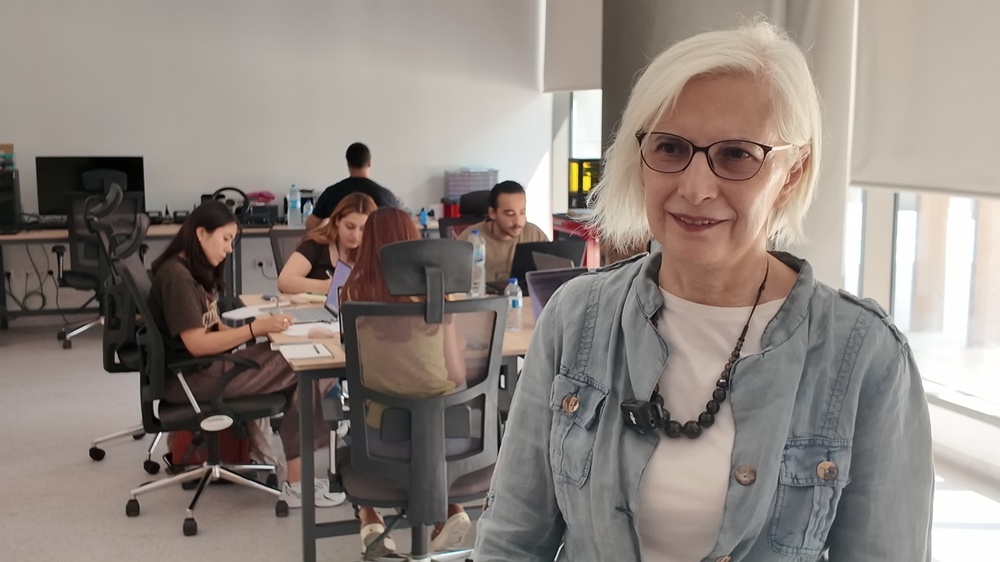
NÖROM Director Prof. Hayrunnisa Bolay Belen said it was a source of pride that the center, which opened on November 29, 2023, had joined NATO DIANA’s network of test centers in such a short time, thanks to its research infrastructure meeting international standards.
Belen said NÖROM would contribute to the DIANA network particularly through its research capacity in human health and performance. She added that preclinical testing could also be conducted at the center and that new partnerships would be established with companies supported under DIANA. Belen said, “Our contribution will focus primarily on human health and performance. It is an environment where certain preclinical tests can also be carried out. For this reason, we will cooperate with many companies that are eligible to apply.”
- Science will not remain in the laboratory; it will turn into products
NÖROM Deputy Director Prof. Meltem Bahçelioğlu said the center’s rapid development of capacity was underpinned by the many years of scientific experience of the researchers working at NÖROM. Explaining that comprehensive preparations had been carried out for the DIANA process with the support of the Ministry of Industry and Technology, Bahçelioğlu said NÖROM’s institutional capacity, areas of expertise, and research infrastructure had been documented in detail.
Bahçelioğlu said the NATO DIANA network would offer new opportunities for Turkish researchers to develop larger-scale projects with international scientists and technology teams, adding, “The fact that Turkish researchers will be able to develop larger-scale projects with NATO scientists that can lead to patents and products is significant for Türkiye.”
NÖROM Researcher and Head of the Cognitive Electrophysiology Infrastructure, Prof. Hulusi Kafalıgönül, said the center would contribute its human-centered neurotechnology infrastructure to the international DIANA ecosystem, which tests prototypes developed in healthcare technologies.
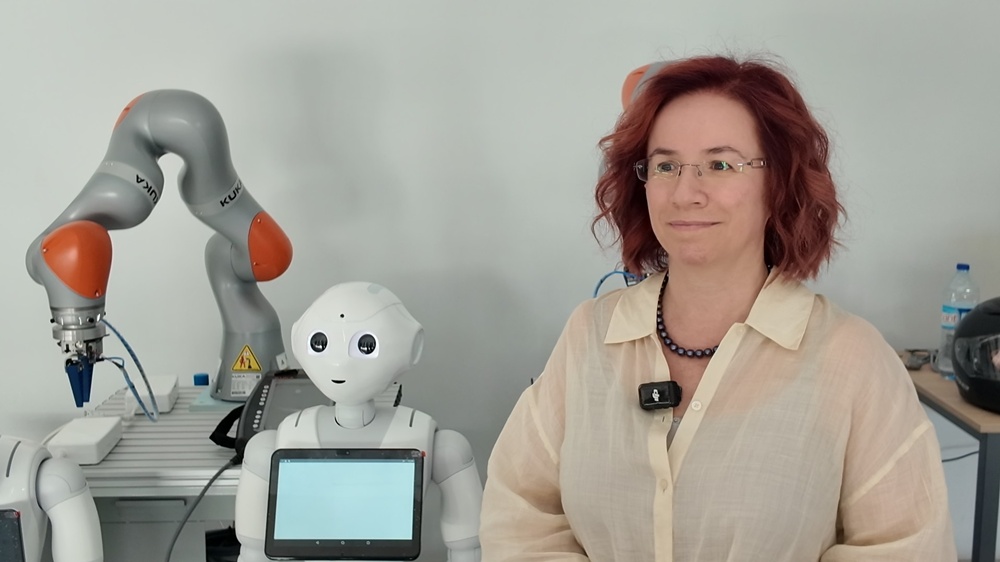
NÖROM Researcher Umut Aygün said the robotic systems at the center are being evaluated in areas including the rehabilitation of children, the social participation of individuals on the autism spectrum, and arm rehabilitation following stroke.
The center conducts research into the structure and functioning of the brain through a range of disciplines, including cognitive neuroscience, eye tracking, sleep, functional near-infrared spectroscopy, social neuroscience, neurorobotics, and neurorehabilitation. NÖROM’s inclusion in international networks is also opening up new training, research, and collaboration opportunities for young researchers.
Images

Images