


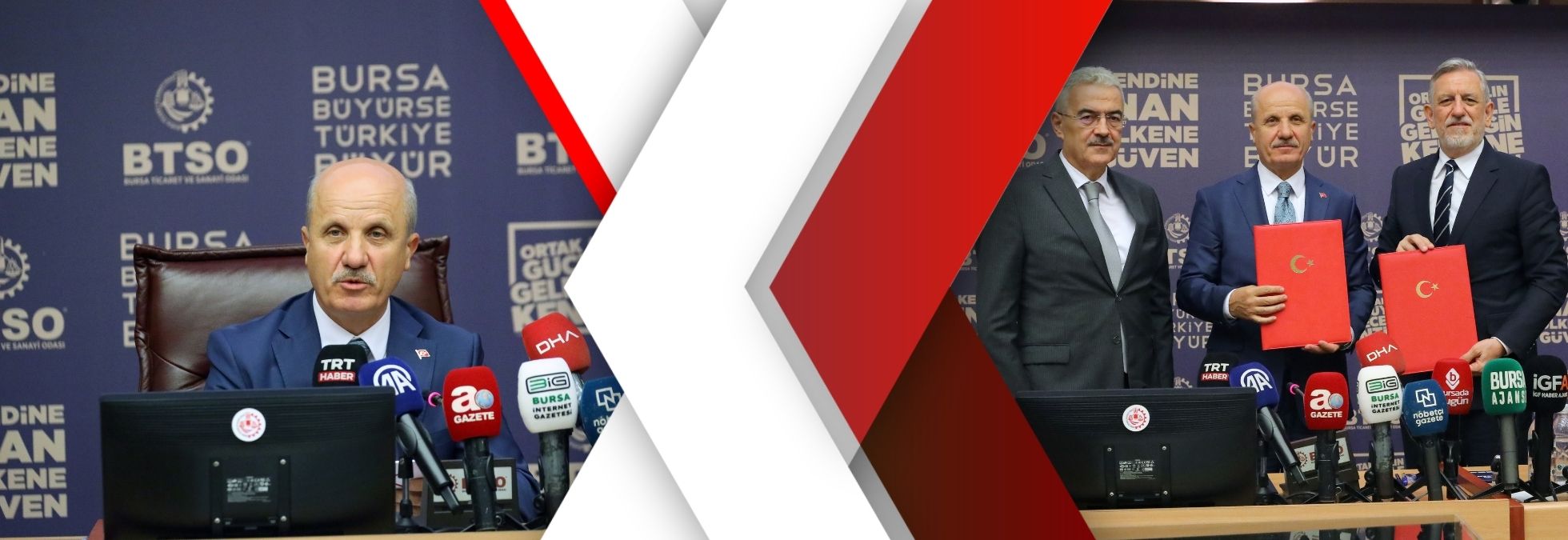
120 Thousand University Students to Gain Work Experience on the Job
- Major transformation in vocational education from CoHE: Universities and industry to jointly train students
- 120 thousand students, 185 programs, 7 provinces: Work-based education model expands across Türkiye
- Bursa set to become a leading city for work-based education under a protocol signed between CoHE and the Bursa Chamber of Commerce and Industry (BCCI)
- 437 companies have joined the system, with a target of 600; Bursa to become one of the strongest hubs of the new model with 20 thousand vocational school students
- CoHE President Özvar: “We attach great importance to cooperation with industry representatives in updating program curricula”
- “Our higher education system has the infrastructure to compete with superpowers on a global scale”
- BCCI President Burkay: “We are making students part of the business world”
August 28, 2026
The Council of Higher Education is introducing a new vocational education model in Bursa, one of Türkiye’s major industrial centers, that will enable university students to gain work experience while continuing their education.
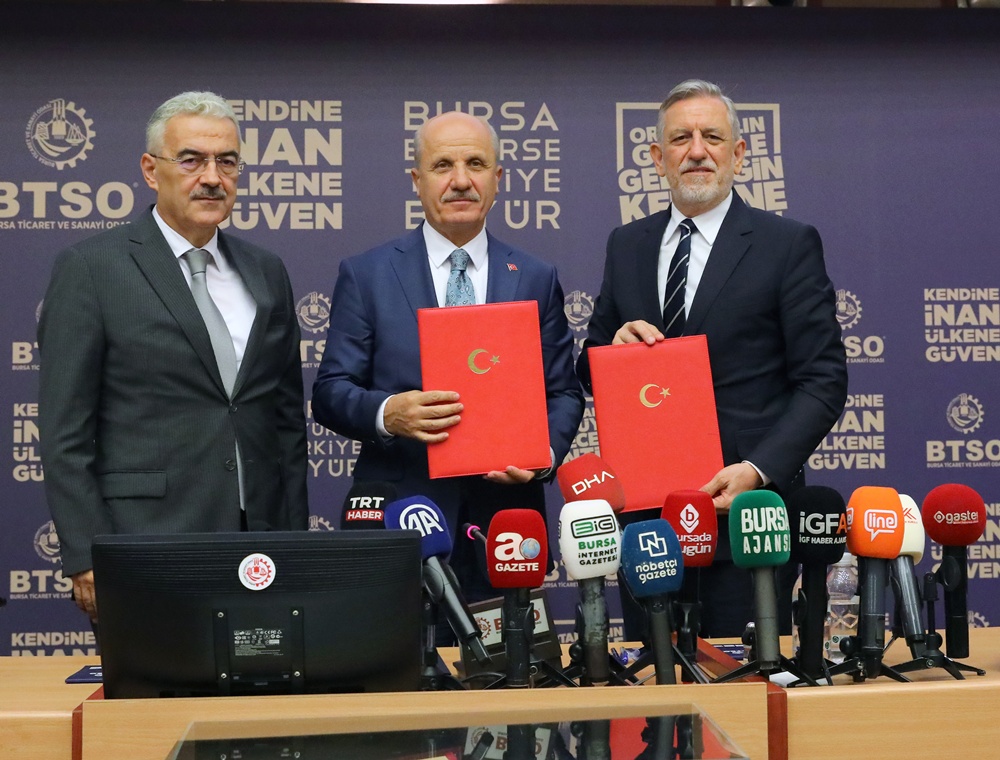
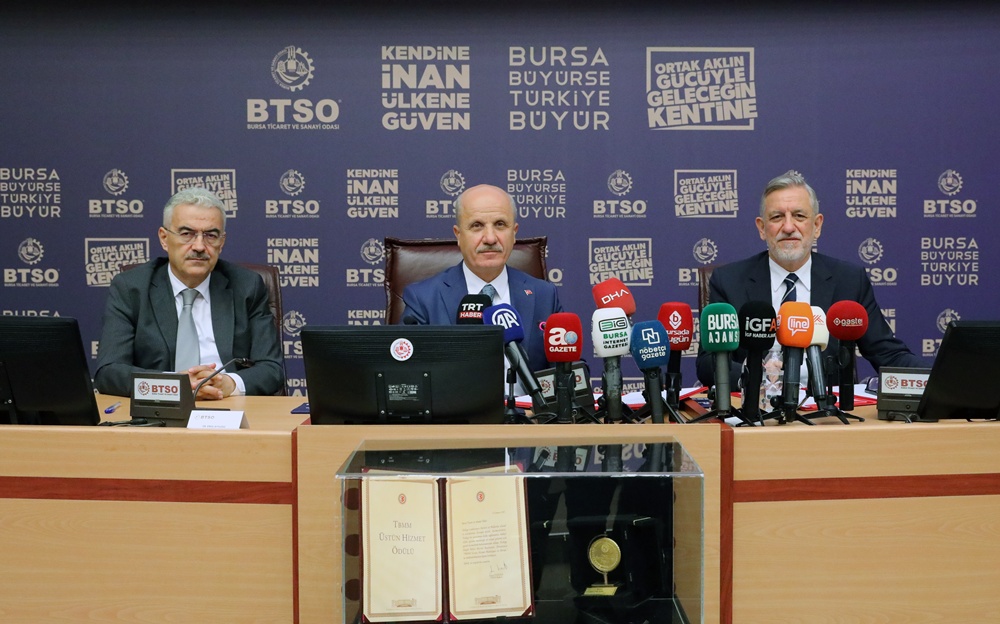
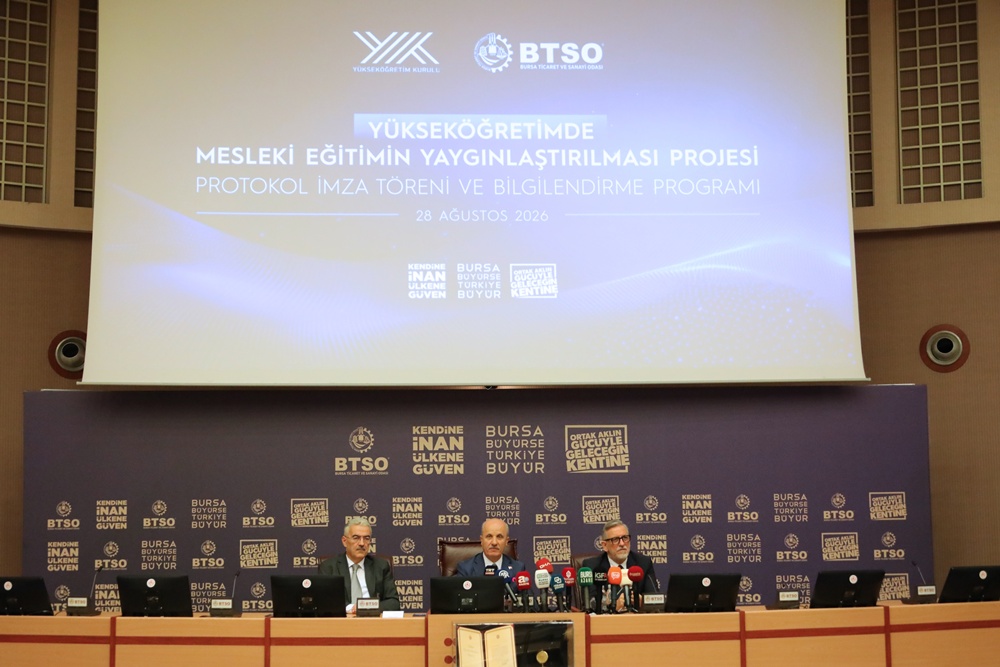
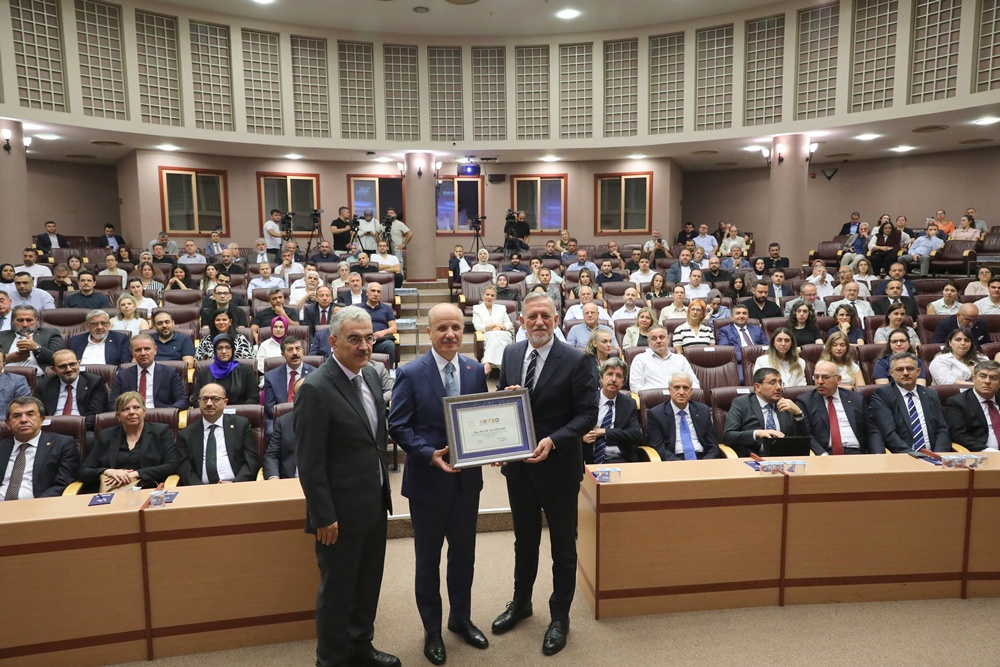
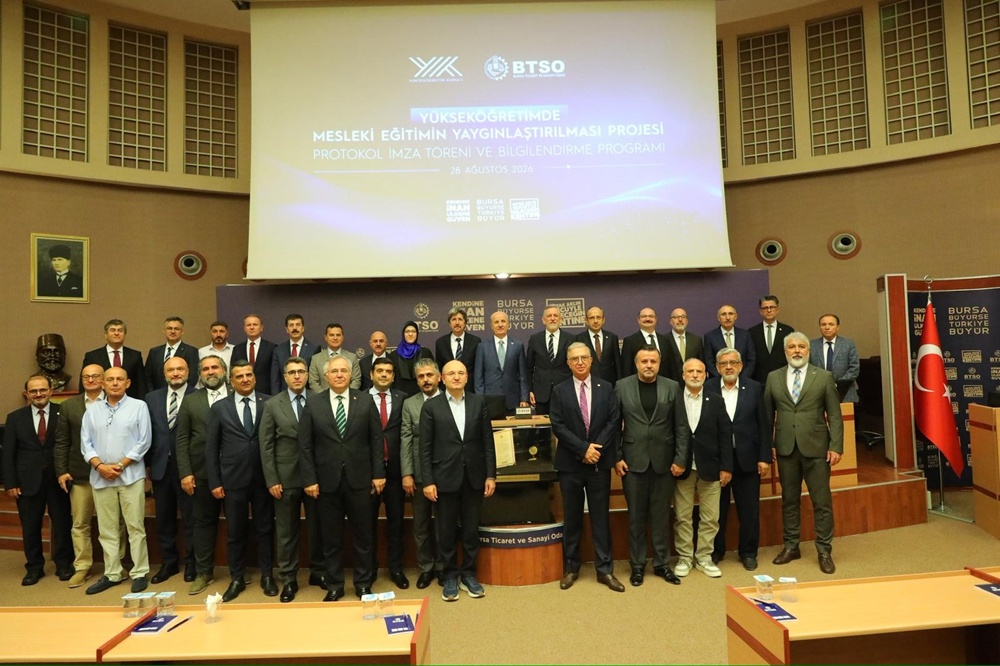
A cooperation protocol was signed between CoHE and the Bursa Chamber of Commerce and Industry (BCCI) to expand work-based vocational education and develop higher education programs in line with the needs of industry.
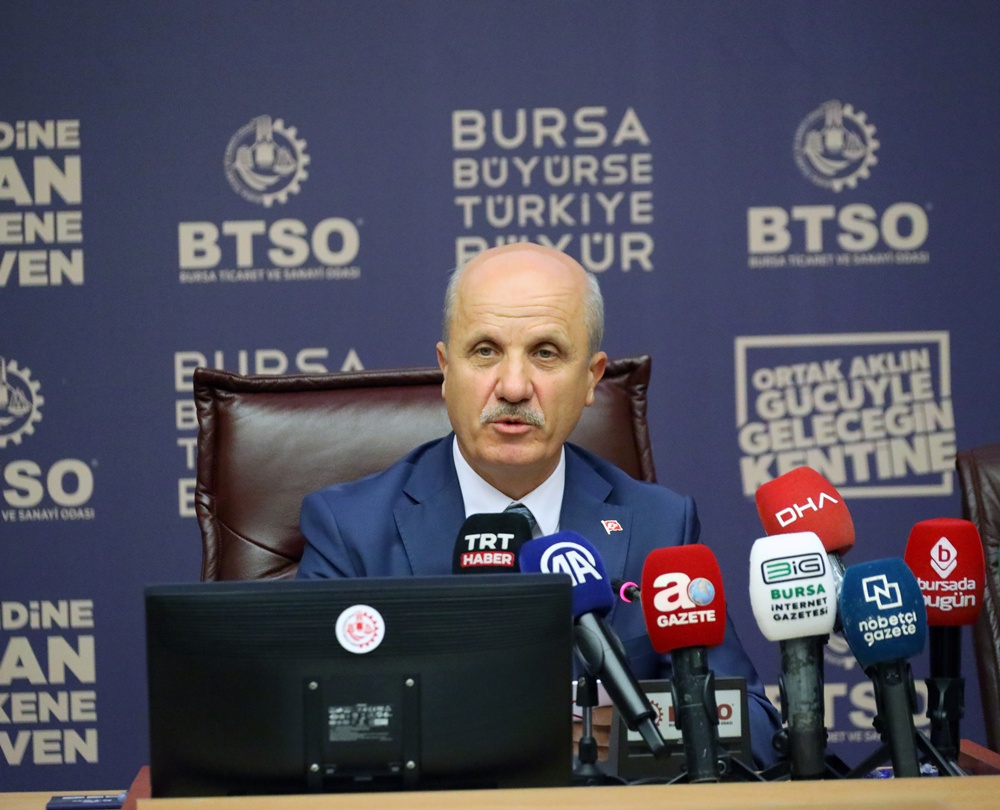
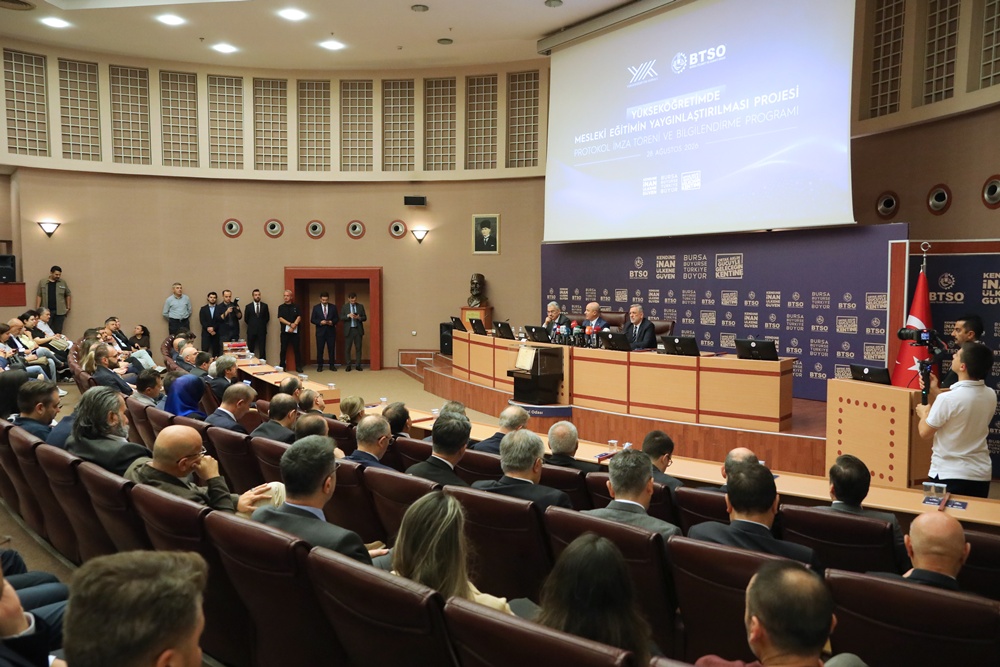
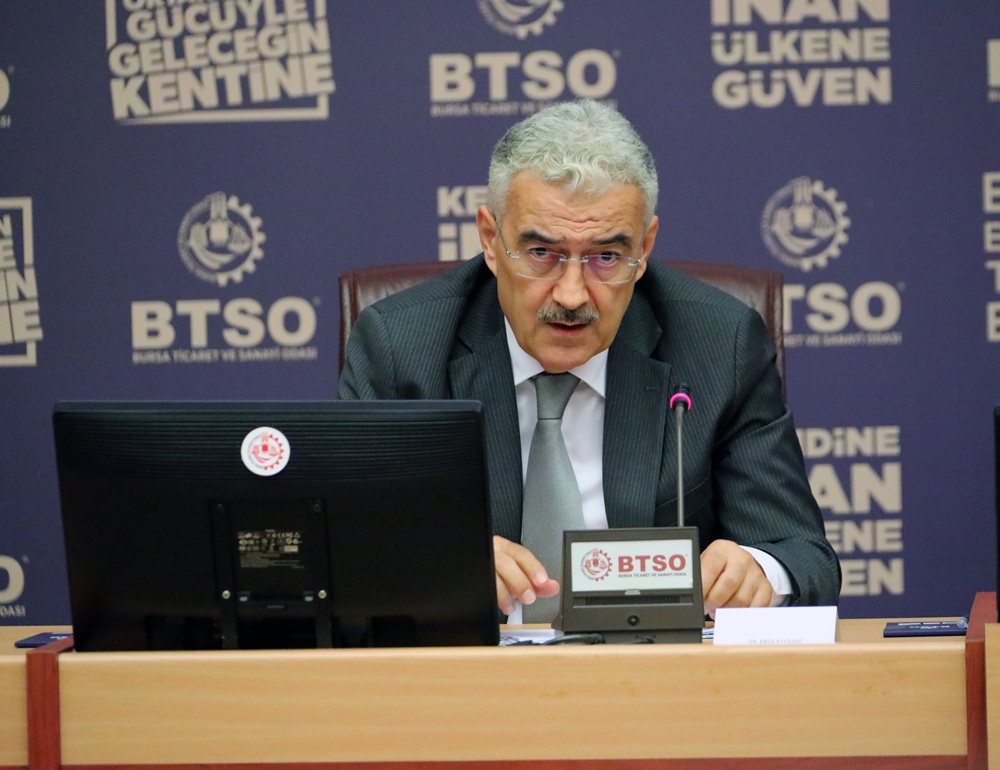
Speaking at the protocol signing ceremony held at BCCI, CoHE President Erol Özvar said that Türkiye had entered a new era in higher education and noted that the existing model, in which students acquire theoretical knowledge only in the classroom and gain exposure to working life through short-term internships, no longer meets the expectations of industry.
Emphasizing that the traditional internship practices maintained for many years are no longer sufficient to support students’ professional development or meet the expectations of industry, Özvar said, “For this reason, we are transforming internships from a short-term and limited experience into an integral part of the education process.”
Underlining that the new practice is not an “extended internship,” Özvar stated that the period spent at companies would be awarded academic credits, subject to assessment and evaluation, and regularly monitored academically.
Özvar said the new model would give students the opportunity to learn about the discipline of production, occupational health and safety culture, and the workings of professional life while still at university, while companies would have the opportunity to get to know young people they may employ in the future before they graduate.
- 120 thousand students to gain work experience
The work-based vocational education model will initially be implemented in seven pilot provinces with high production and industrial capacity: Konya, Gaziantep, Istanbul, Bursa, Kocaeli, Izmir, and Ankara. The pilot initiative will replace the traditional short-term internship model with a new system in which students receive training directly at companies for one or two semesters. In the first phase, 185 vocational associate degree programs, serving approximately 120 thousand students, will be included in the initiative.
Under the new system, 3+1 and 2+2 models will be implemented at vocational schools, while 7+1 and 6+2 models will be used in undergraduate programs. Thus, instead of completing only a few weeks of internship before graduation, students will spend part of their education directly in the workplace.
The initiative will not be carried out solely between universities and companies. The Ministry of Industry and Technology, the Ministry of Labor and Social Security, the Ministry of Treasury and Finance, the Presidency of Strategy and Budget, professional organizations, and industry representatives will also participate in the process.
- A new measure of university success: Graduate quality and employment
Assessing the new vocational education model as part of the broader transformation being carried out in higher education, Özvar emphasized that Türkiye has shifted its focus toward quality following the progress it has made in access to higher education.
Özvar said, “As the Council of Higher Education, we have been reshaping our system in recent years from this perspective. We are moving away from an approach centered on quantitative growth and carrying out a comprehensive transformation focused on quality.”
Stating that they no longer assess university performance solely on the basis of student and graduate numbers, Özvar said that the competencies graduates acquire, their adaptability to the labor market, the extent to which they meet the expectations of industry, and their contribution to Türkiye’s development goals have become increasingly important factors.
Noting that this approach is also reflected in quota and program policies, Özvar said programs with limited employment opportunities, weakening links to industry, or functions that have largely lost their relevance are being reconsidered; quotas for some have been reduced, some have been transformed, and those deemed necessary have been closed.
By contrast, Özvar said new programs in strategic fields such as artificial intelligence, digital technologies, advanced manufacturing systems, the green transition, energy, agricultural technologies, and healthcare are being supported. He emphasized that their aim is not to shrink the higher education system, but to restructure it in line with the needs of the future. Özvar noted that Türkiye’s higher education system has the infrastructure to compete with superpowers on a global scale.
- Strengthening the link between education and the labor market
Özvar stated that one of the main pillars of the new higher education approach is rebuilding the relationship between universities and industry.
“We regard university-industry cooperation not as a matter of choice, but as a structural necessity for the functioning of the system,” Özvar said, noting that a weakening of the link between the education system and the labor market makes it more difficult for graduates to enter employment and for industries to access qualified human resources.
Özvar described their main objective as “establishing a strong, lasting, and sustainable alignment between the human resources trained by our higher education system and the skills required by industry.”
Özvar said, “We attach great importance to cooperation with industry representatives in updating program curricula. I invite you to cooperate with us in determining the curricula of five of the 15 vocational schools at Bursa Uludağ University initially, followed by the remaining 10.”
- Education programs to be developed jointly with industry
The protocol signed between CoHE and BCCI aims to further strengthen the link between higher education programs in Bursa and the needs of industry.
Existing education programs will be updated in line with the changing needs of industry, new programs may be introduced in areas where they are needed, and course content will be enriched with contributions from industry representatives.
Joint working groups comprising industry representatives, academic staff, and human resources specialists will be established to coordinate work-based vocational education. Training staff who will guide students at companies will also receive in-service training. The cooperation also aims to conduct R&D projects needed by industry jointly with universities, drawing on their scientific capacity.
- Graduate employment exceeds 90 percent under the OIZ-VS model
One of the important examples of CoHE’s models connecting universities with the world of production is the Organized Industrial Zones Vocational Schools (OIZ-VS).
The model, which combines students’ theoretical education with production processes, is currently being implemented through 22 OIZ-VSs at 21 universities. A total of 119 programs are currently covered by the support scheme.
The fact that the employment rate of graduates from these programs has exceeded 90 percent demonstrates the results of the work-based and employment-oriented vocational education model. CoHE, together with the Ministry of Industry and Technology and OSBÜK, aims to bring more OIZ-VSs into the system in the coming period.
- 381 vocational schools matched with 283 chambers and exchanges
Efforts led by CoHE and the Union of Chambers and Commodity Exchanges of Türkiye (TOBB) to expand university-industry cooperation nationwide are also being broadened.
To date, 381 vocational schools at 104 universities have been matched with 283 chambers of commerce and commodity exchanges. The cooperation is intended not only to expand educational opportunities in line with industry expectations, but also to provide scholarships to a certain number of students at the matched vocational schools and establish new laboratories and practical training facilities.
- Bursa: 66 thousand university students and a strong industrial ecosystem
Bursa’s inclusion among the pilot provinces is driven not only by the city’s higher education capacity but also by its strong production and industrial infrastructure.
A total of 66,333 students are enrolled in the city: 19,149 in associate degree programs, 41,448 in undergraduate programs, and 5,736 in graduate programs.
Bursa has a large production ecosystem capable of connecting this student population with working life. A total of 2,259 companies operate across the city’s 17 organized industrial zones, employing around 208,000 people. Industry and production account for 45.5 percent of Bursa’s economy, while the city generates approximately 10 percent of Türkiye’s manufacturing industry value added.
In 2025, Bursa became Türkiye’s third-largest exporting city after Istanbul and Kocaeli, with exports of around USD 20 billion, including exports from free zones. The automotive sector led exports with USD 9.2 billion, while medium-high-technology products accounted for 52 percent of Bursa’s exports. Approximately 420,000 people work in the city’s industrial and manufacturing sectors.
This large production ecosystem provides a broad setting for university students to participate in real production processes during their education and acquire the knowledge, skills, and competencies required by industry directly at companies.
In Bursa, which has 20 thousand vocational school students, 437 companies have joined the system. The target is to increase this number to 600.
CoHE President Özvar said Bursa is not merely one of the cities where the initiative will be implemented, but that the results achieved there will also be important for the future of the model. “The success we achieve in Bursa will be significant not only for our city but also for expanding work-based education nationwide. Success in Bursa will help shape the direction of Türkiye as a whole,” he said.
- Bursa Governor Ayyıldız: “Young people will be better equipped for the future”
Bursa Governor Erol Ayyıldız said in his remarks that the protocol would help complement the respective needs of the parties and enable young people to become better equipped and better prepared for the future. Ayyıldız emphasized the importance of strengthening cooperation between higher education and industry and expressed his hope that the protocol would bring positive results.
- BCCI President Burkay: “University-industry cooperation is about jointly developing human resources”
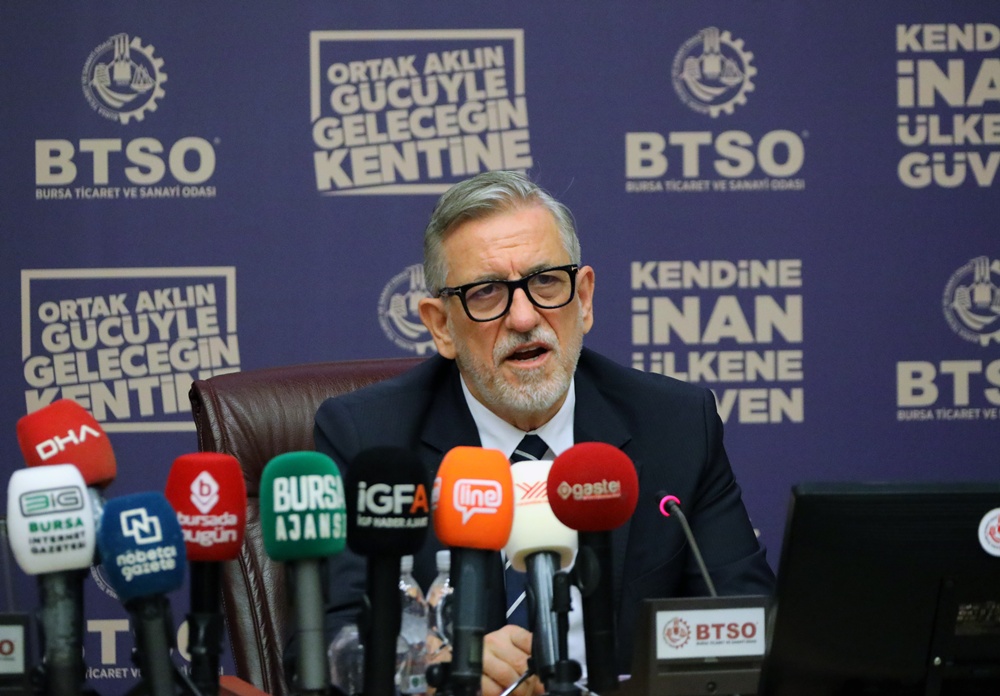
Bursa Chamber of Commerce and Industry President İbrahim Burkay said that as the distance between universities and working life narrows, young people will be better prepared for the future. “Rather than preparing our students for working life after graduation, we are making them part of the business world while they are still continuing their education,” he said.
Emphasizing that university-industry cooperation means more than joint projects and research, Burkay said, “University-industry cooperation is also about jointly developing human resources. To the extent that we can jointly train the engineers, technicians, software developers, and skilled workers of the future, we can achieve lasting and sustainable progress.”
Burkay said the protocol would give students the opportunity to gain first-hand knowledge of production processes, take responsibility, and turn their theoretical knowledge into practical skills while continuing their education. He added that they greatly valued the approach put forward by CoHE.
Bursa Uludağ University Rector Yılmaz: “We want to be one of the universities that implements the model best”
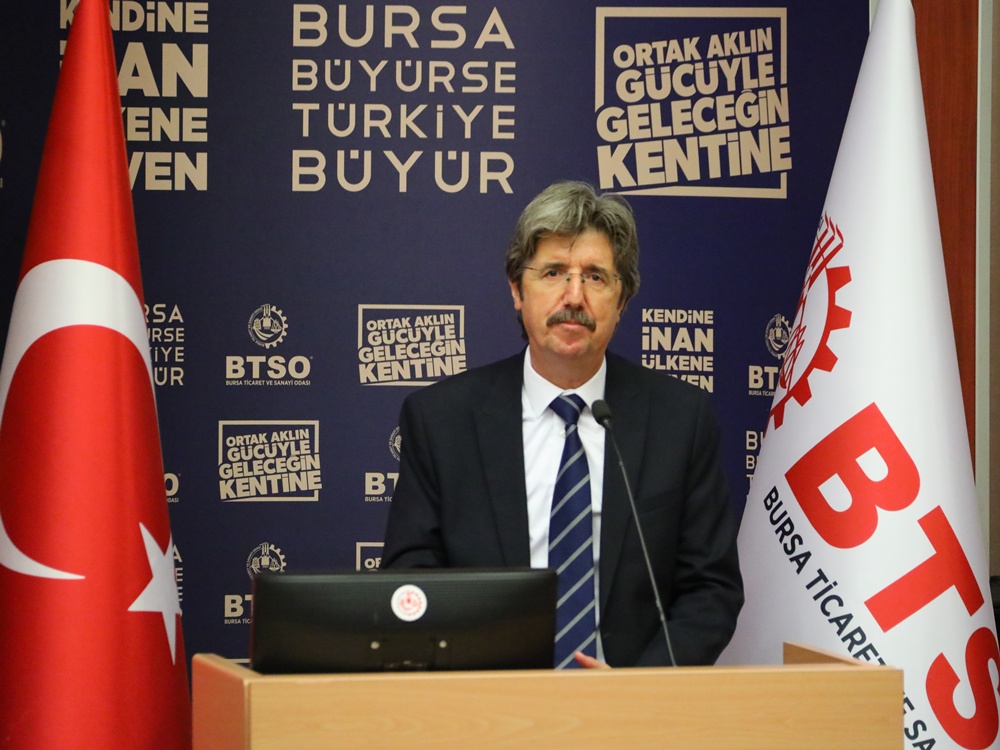
Bursa Uludağ University Rector Prof. Feridun Yılmaz said the university is in a strong position in terms of its vocational schools and students. “As a university in a city with strong companies, strong vocational schools, and strong students, we want to be one of the universities among the pilot provinces that implements this model in the best and most effective way,” he said.
Emphasizing that Bursa Uludağ University is already actively engaged in cooperation with industry, Yılmaz said they would begin implementing the model across 60 programs within the framework established by CoHE.
Images
Images