


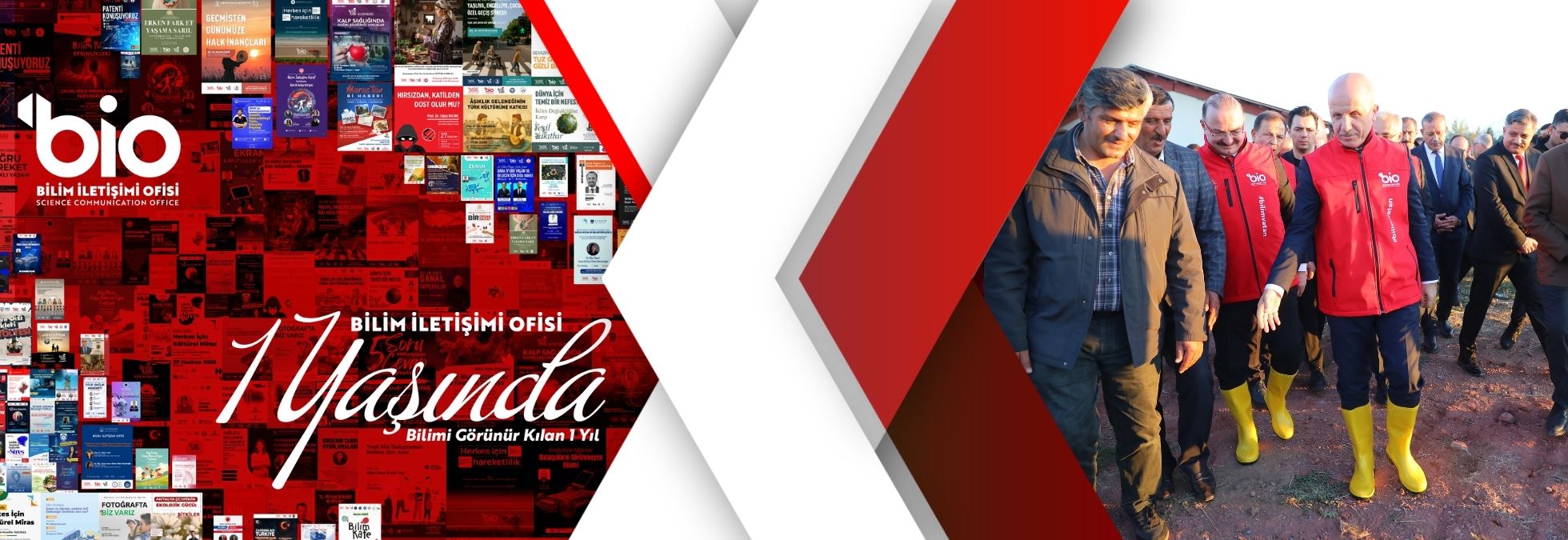
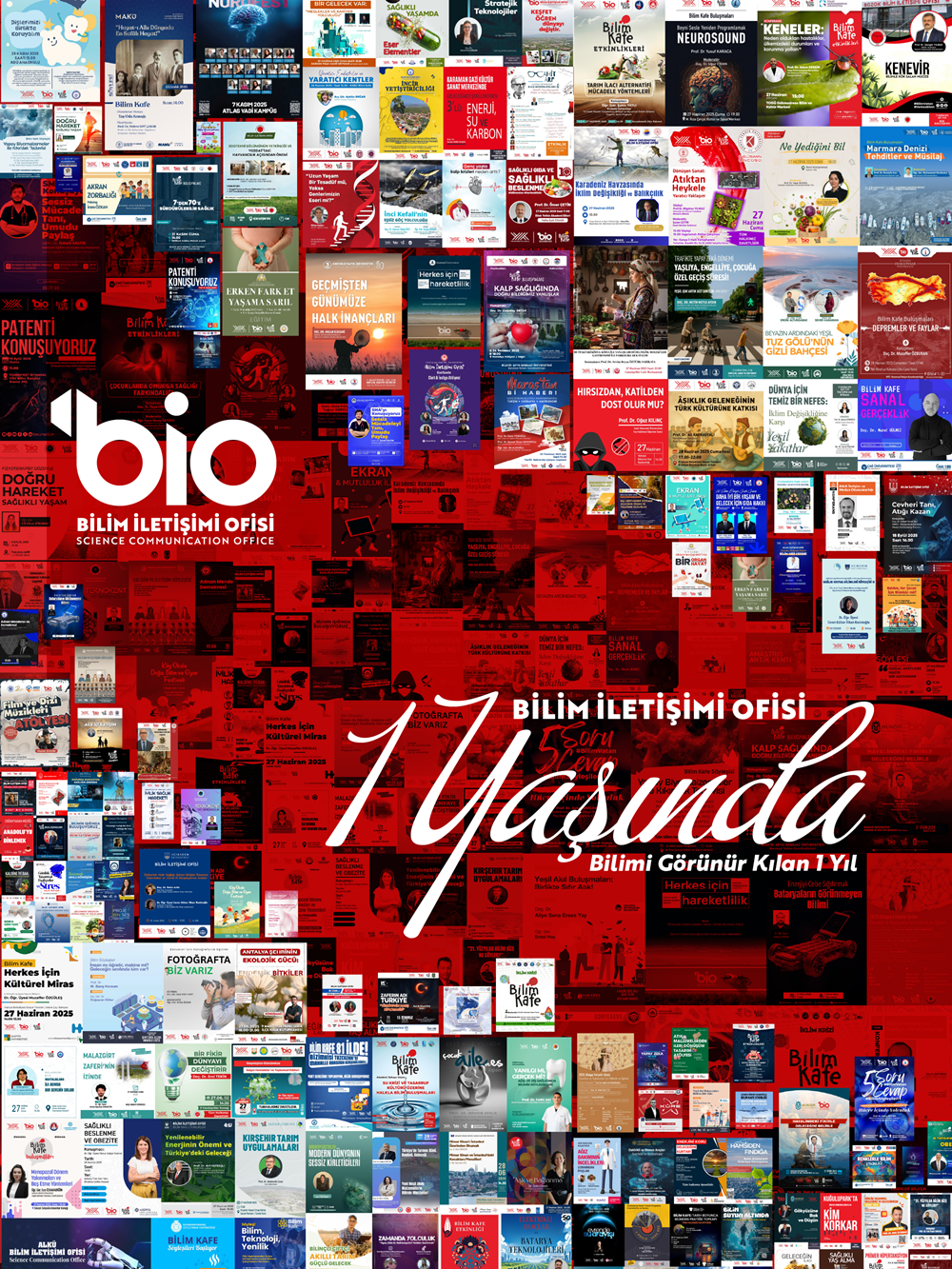
Science Communication Office Marks Its First Anniversary
February 18, 2026
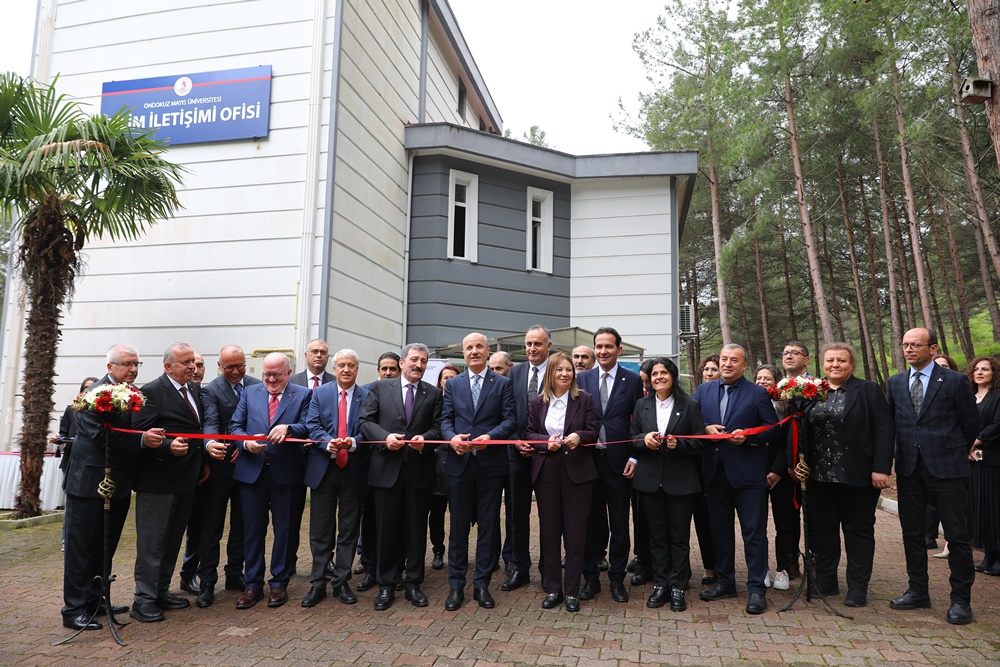
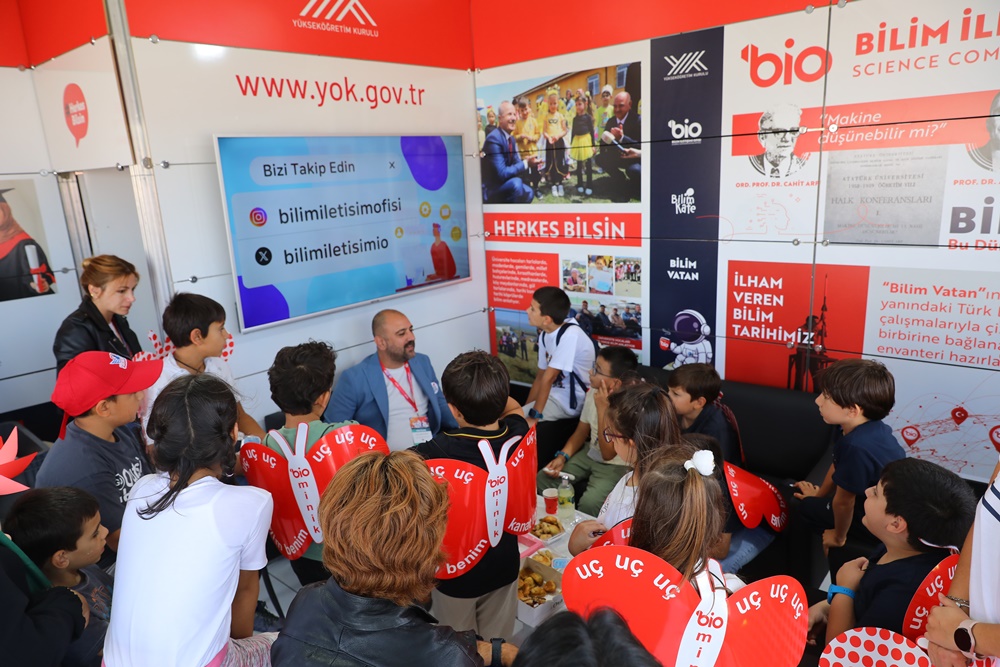
The Science Communication Office, established within the Council of Higher Education, has completed its first year. Through 1,200 Science Café events organized within a single year, science has reached from villages to city centers, from farmlands to historical sites.
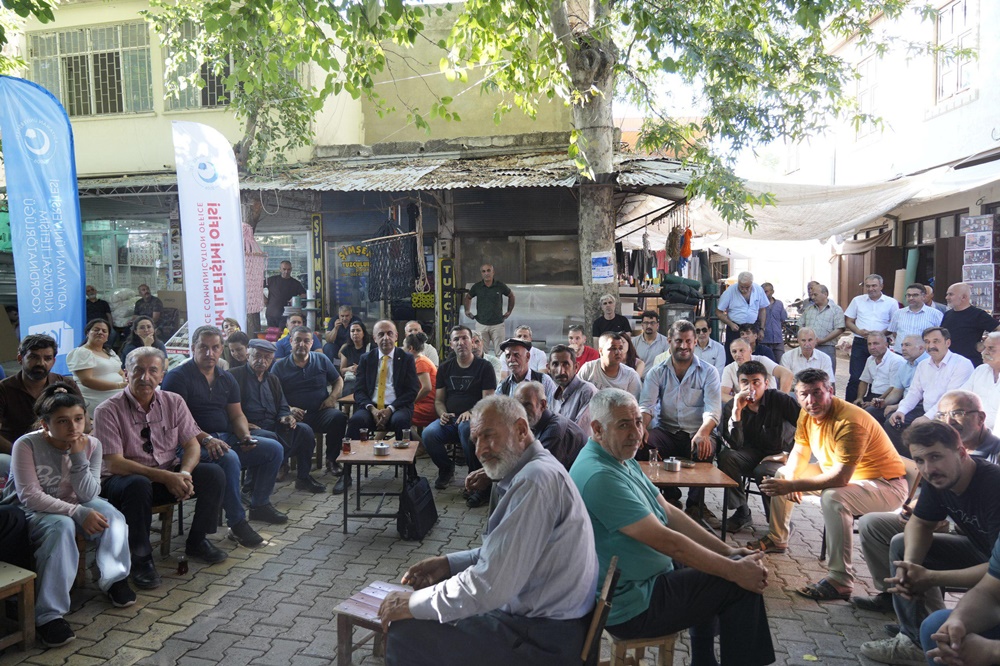
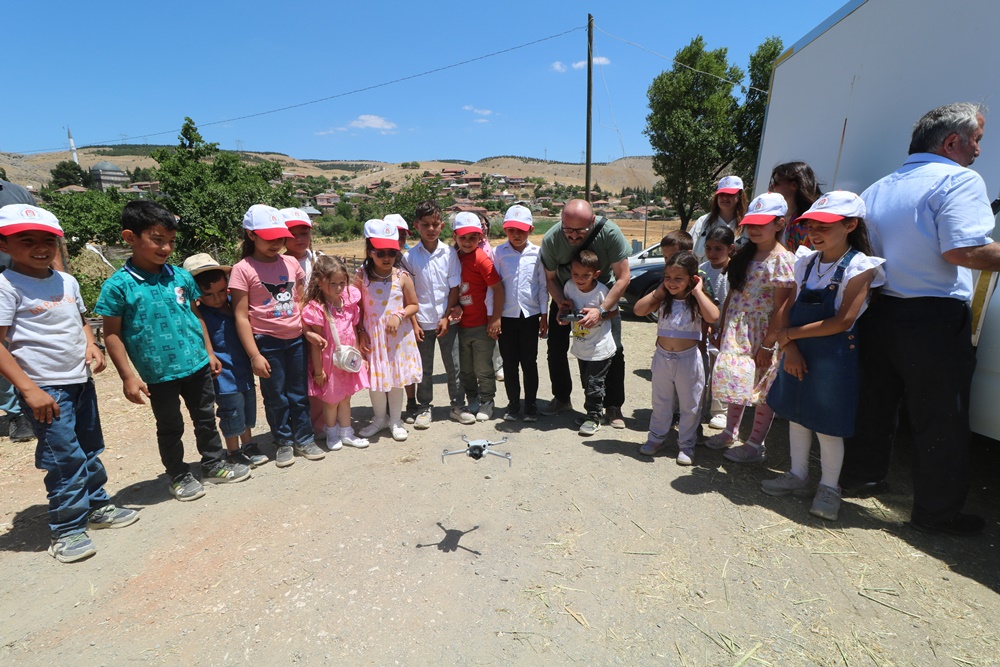
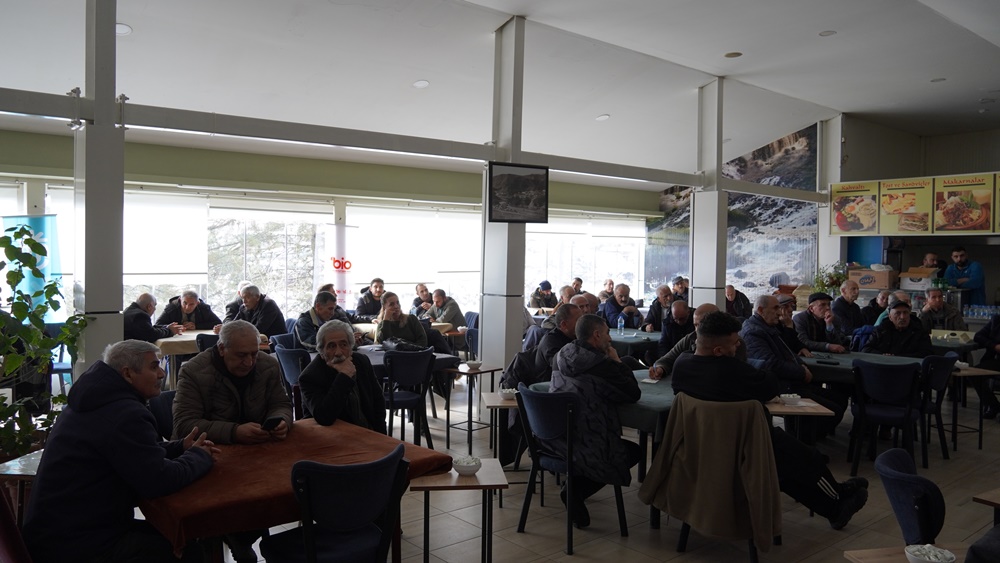
Science is now discussed not only on university campuses but also in village coffeehouses, fields, mining sites, ferries, and historic venues.
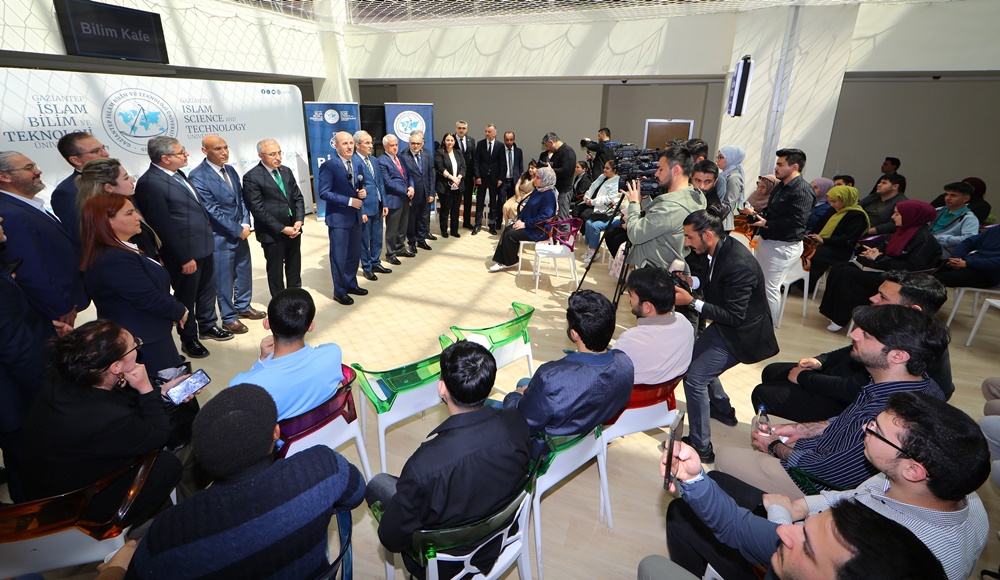
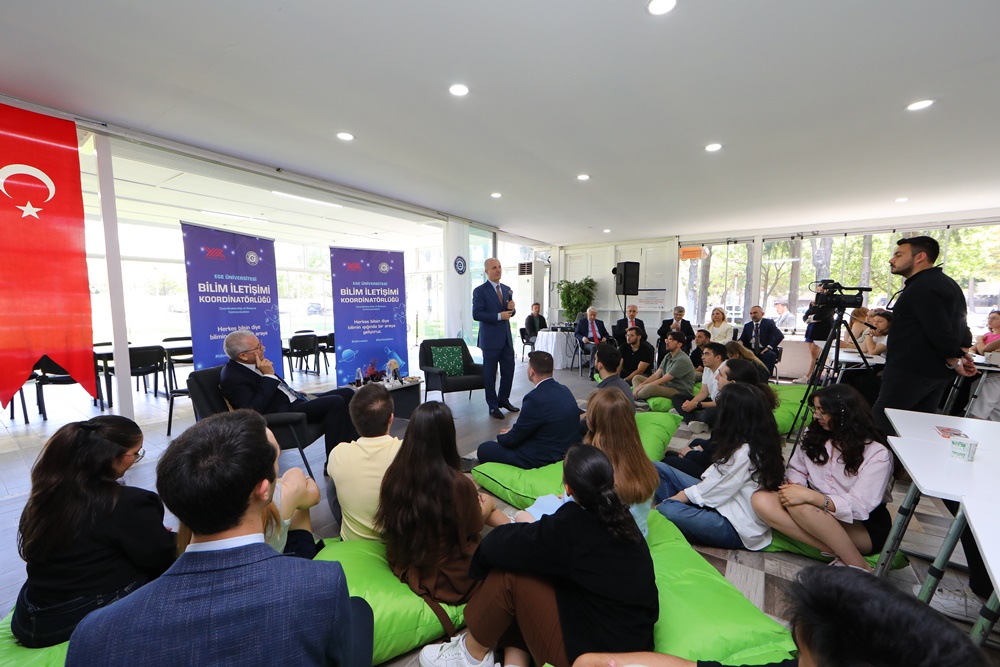
Under the coordination of the Science Communication Office established within the Council of Higher Education, universities brought hundreds of thousands of citizens together with science through 1,200 Science Café events held throughout 2025.
Founded on February 17, 2025, with the aim of strengthening the connection between knowledge produced at universities and society, promoting scientists’ work nationally and internationally, encouraging scientific production through communication, and inspiring younger generations in particular, the Science Communication Office brought academics directly together with the public over the past year through Science Café events organized by universities.
– A nationwide science mobilization across all 81 provinces delighted both academics and citizens
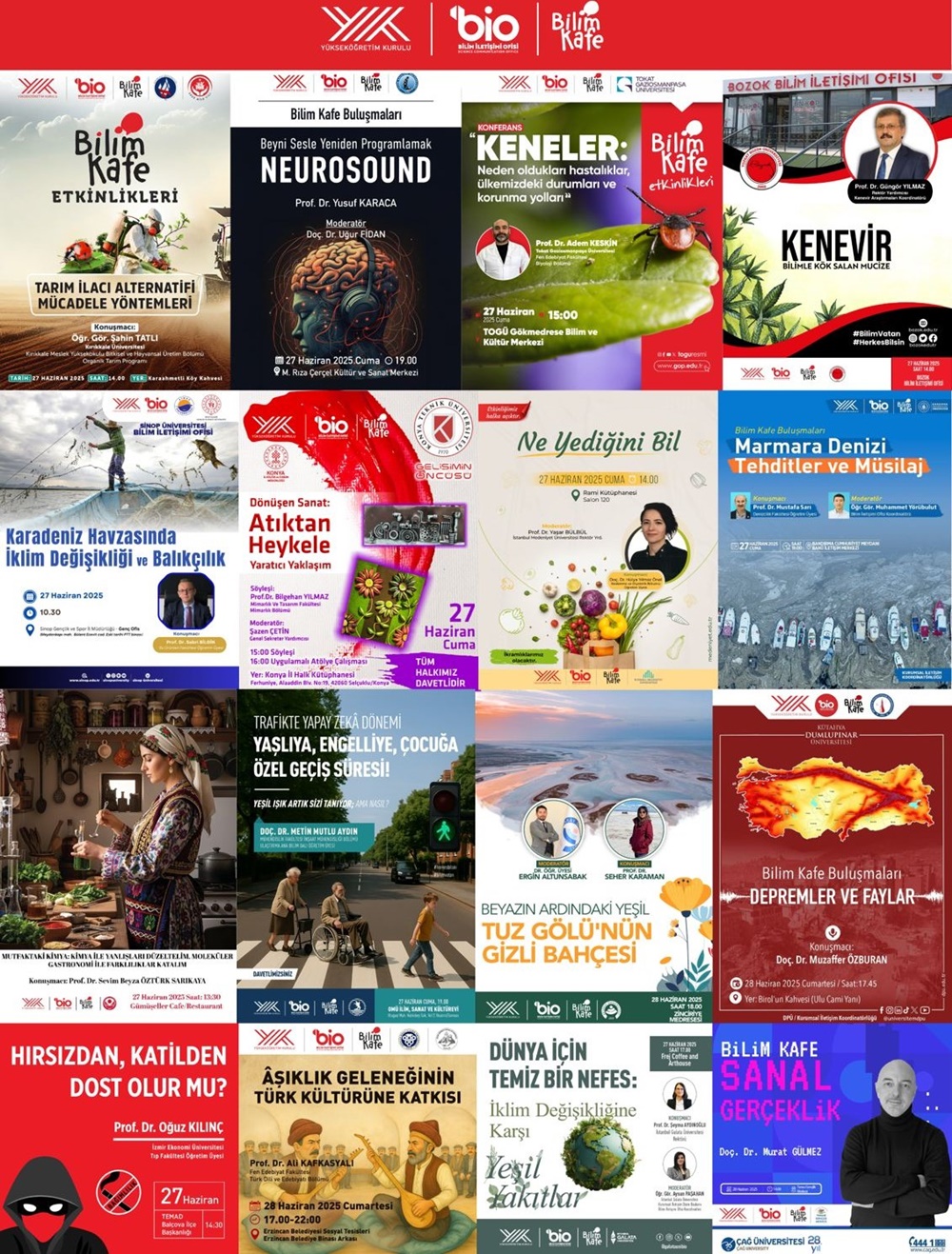
One of the most remarkable initiatives coordinated by the Science Communication Office was the simultaneous Science Café events held across all 81 provinces on June 27-28, 2025. Organized with the participation of more than 150 universities, the event went down in history as the world’s most comprehensive science-society gathering.
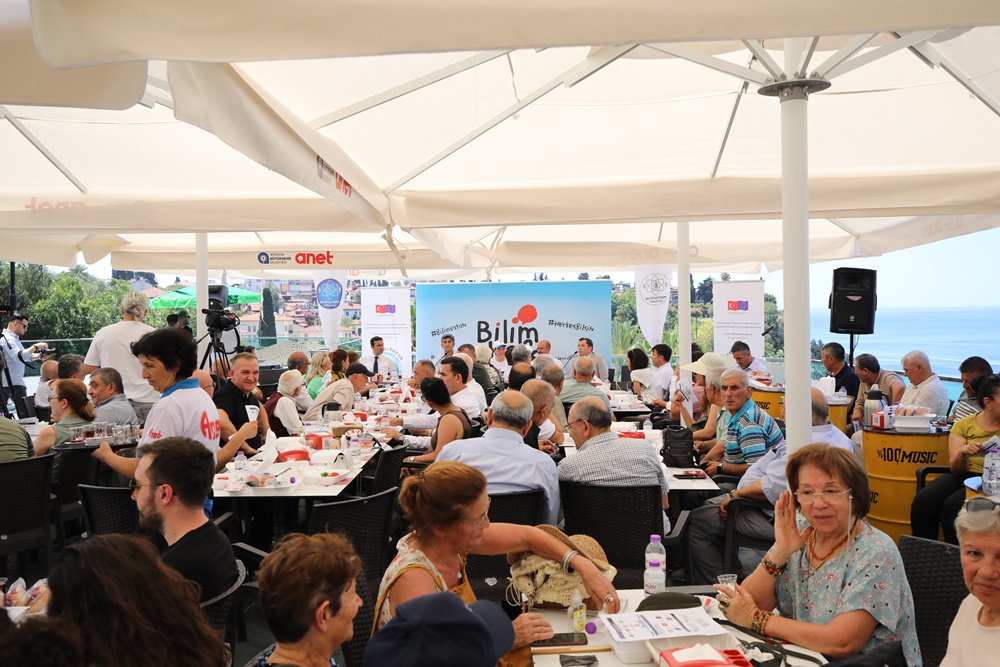
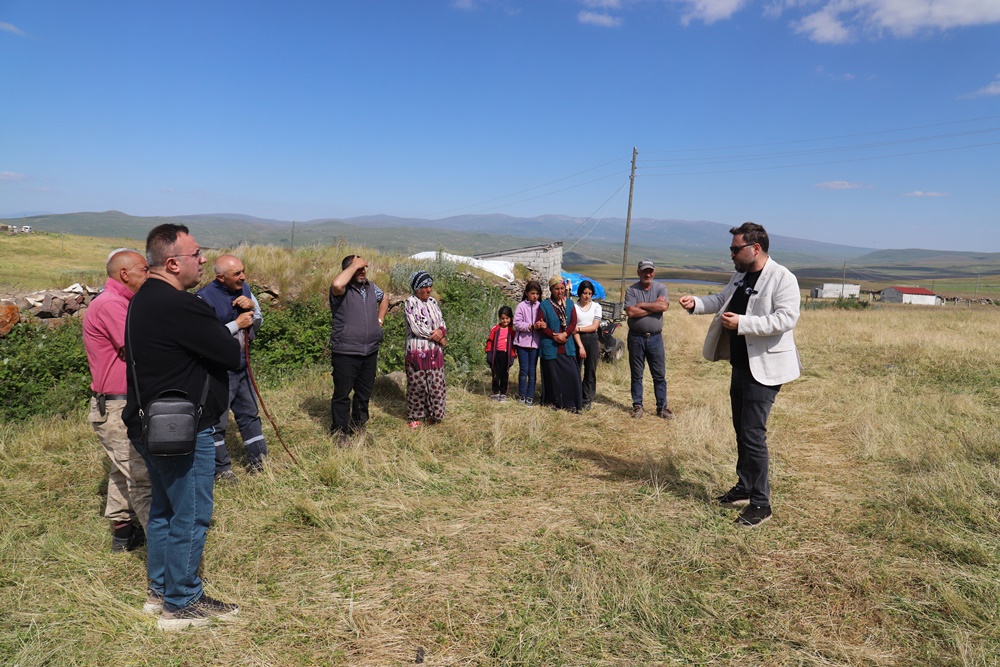
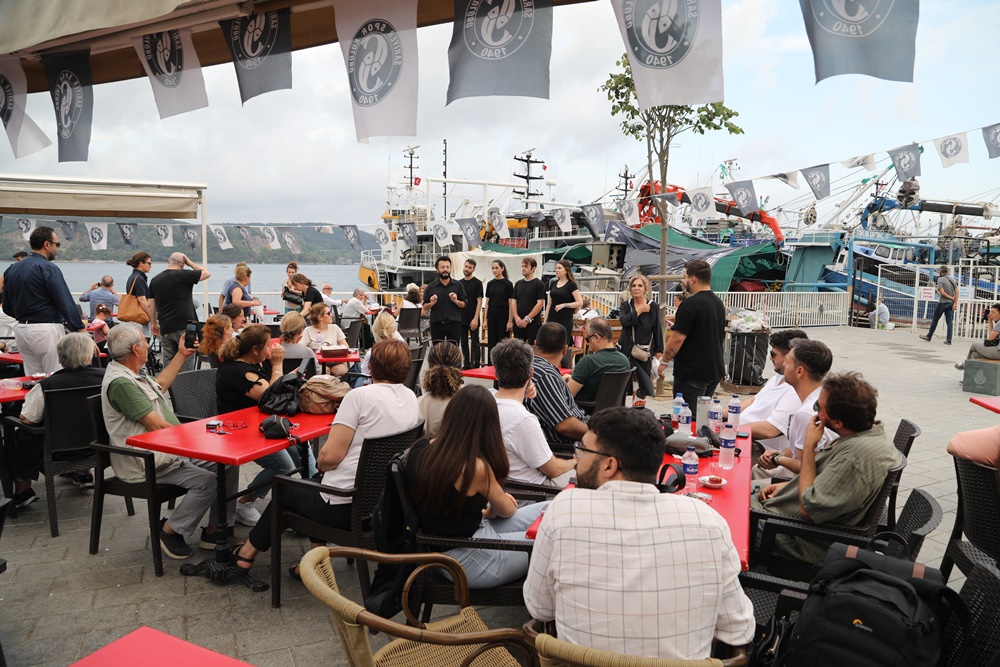
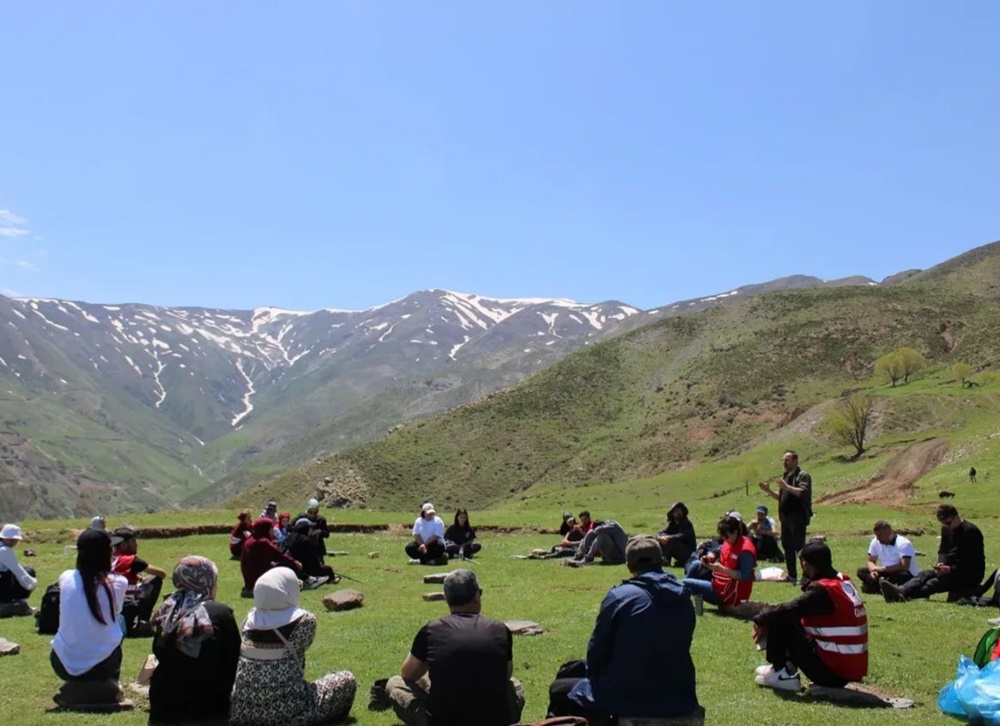
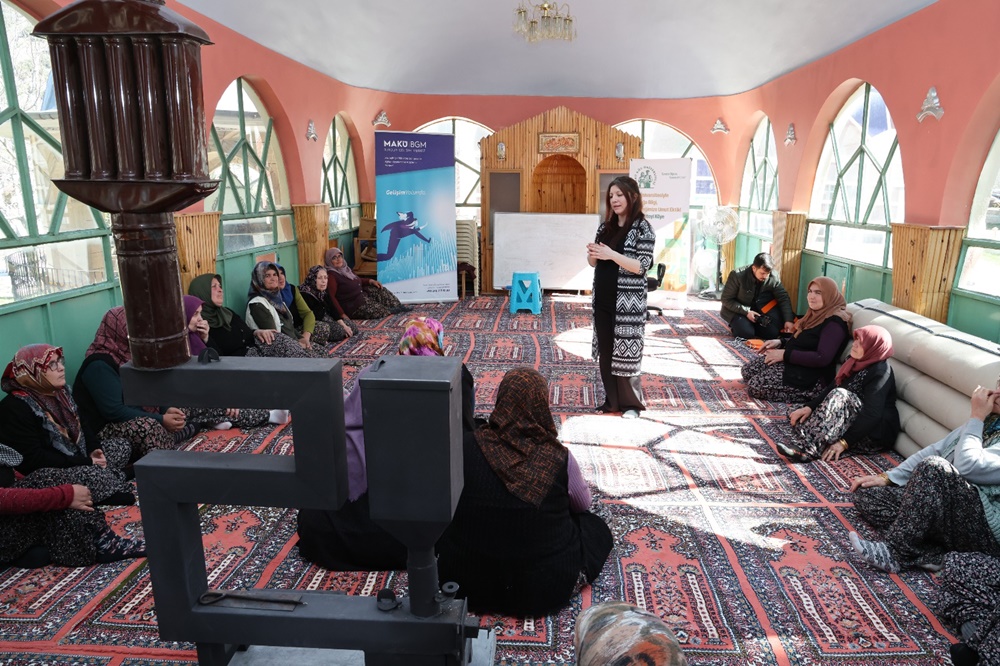
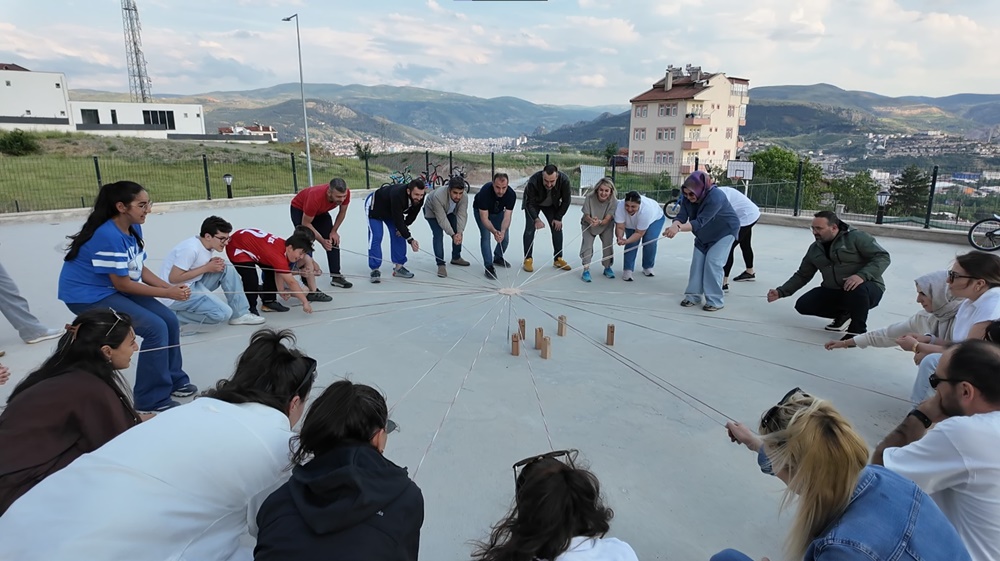
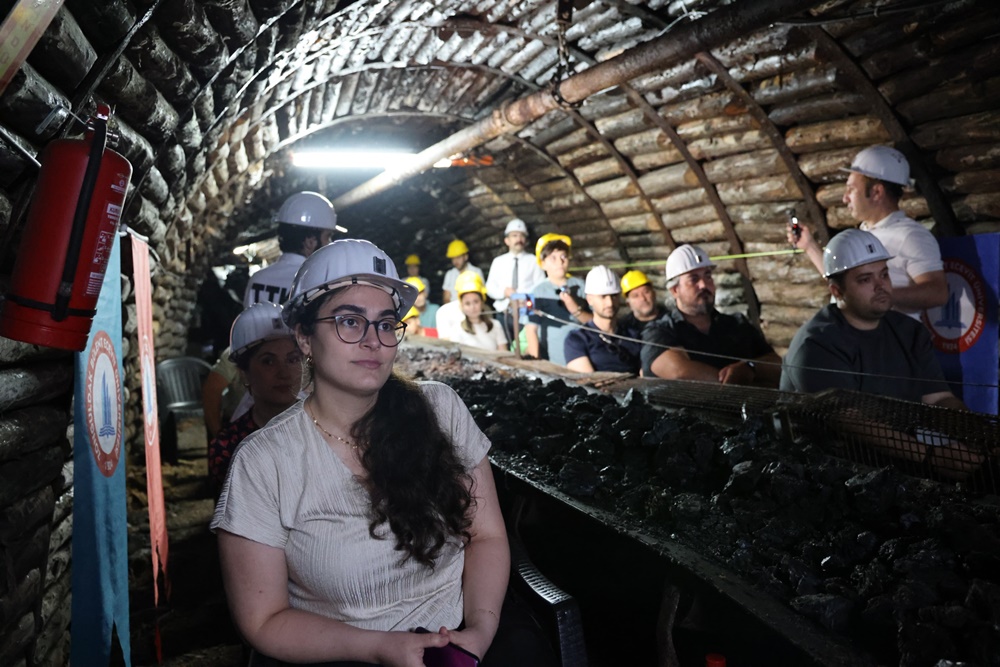
During these two days, academics explained science not from podiums but within everyday life. Agriculture was discussed in village coffeehouses, soil health in fields, occupational safety in mines, environmental awareness on ferries, and healthy aging in nursing homes. For the first time, science became this direct, simple, and accessible everywhere.
The fact that scientists personally visited citizens, listened to their problems on site, and offered solutions was met with great appreciation. Citizens expressed their satisfaction with knowledge extending beyond university boundaries to reach them directly. They noted that topics were explained in simple and understandable ways, enabling them to gain valuable information, and they requested that such gatherings continue.
University faculty members also emphasized that Science Café meetings added a new mission to their roles and expressed their satisfaction in sharing their knowledge directly with the public.
Science Café events organized by the Science Communication Office continue at full pace. In the upcoming period, the Office’s new initiative, the “Science Homeland” Project, will also be introduced to the public.
– Science was explained wherever needed
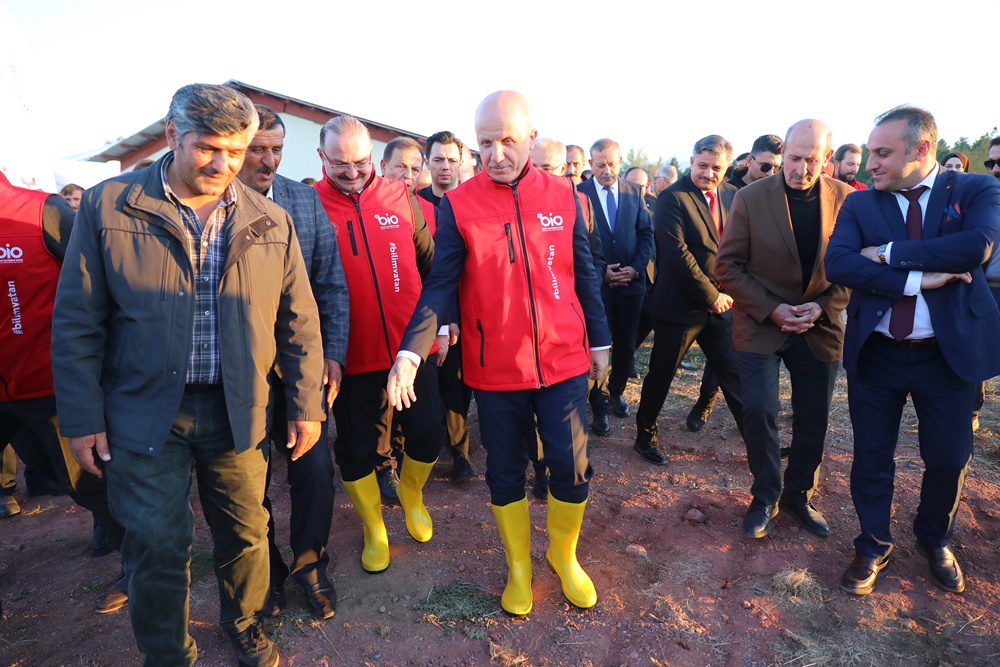
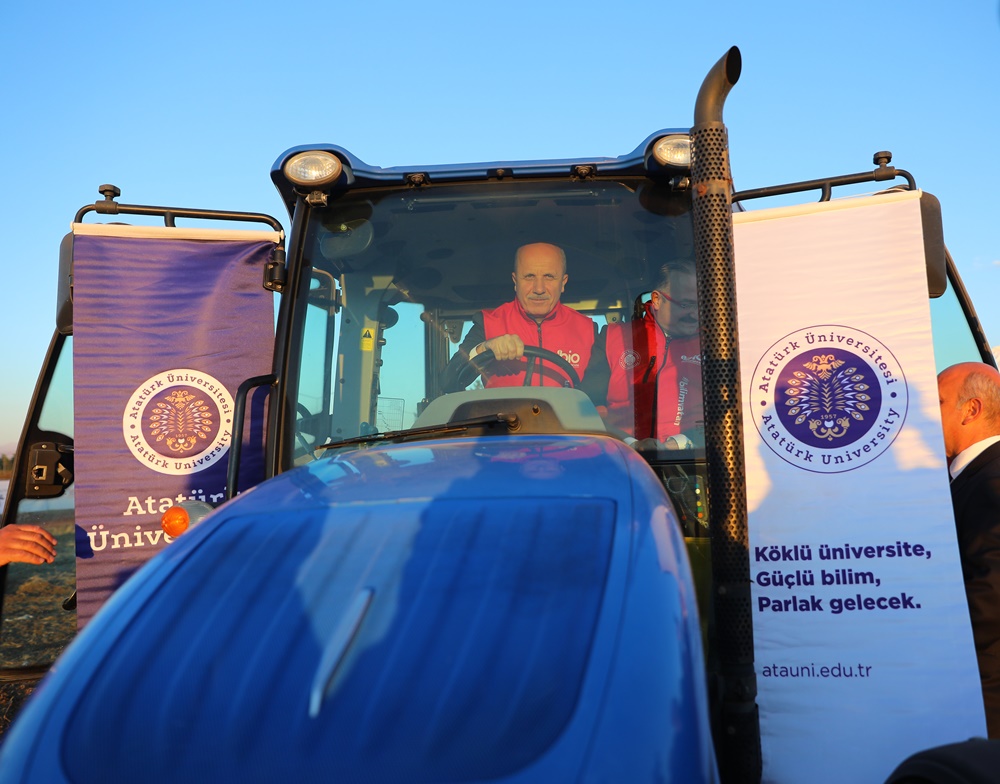
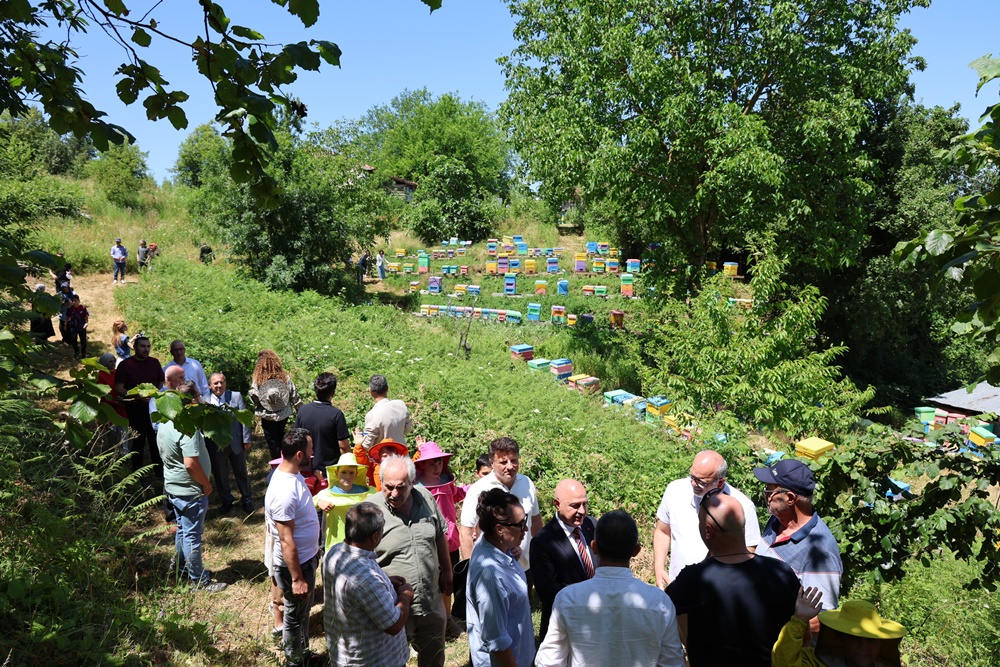
Science Café events were planned by taking into account the socio-economic structure, livelihoods, and local challenges of the regions where they were held. In villages dependent on livestock farming, shepherds received information on animal diseases and treatment methods, while in regions where beekeeping is widespread, participants were informed about bee health and efficient production practices.
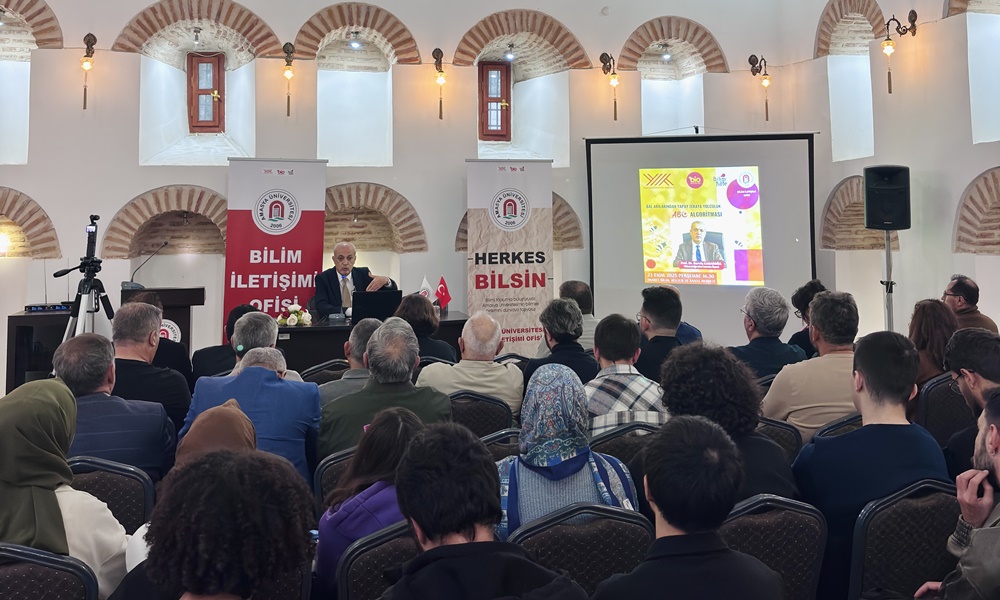
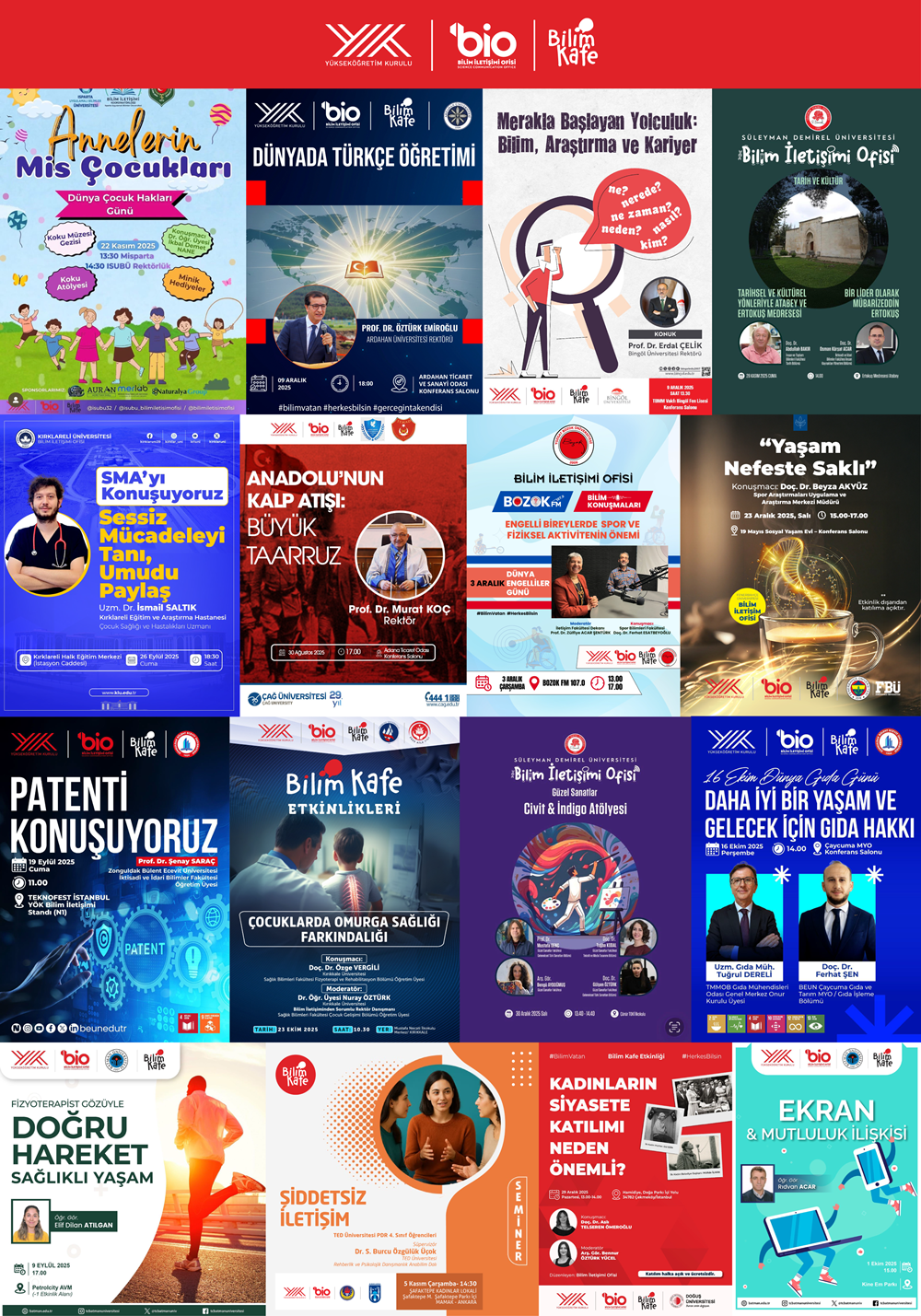
Across a wide range of topics—from the Artificial Bee Colony (ABC) algorithm to the provisioning system of Ottoman Istanbul, from artificial intelligence to healthy nutrition, and from financial literacy to environmental and cultural heritage—science engaged directly with the real concerns of society. Science Cafés were designed with an inclusive and accessible approach aimed at reaching all segments of society. Content suitable for persons with disabilities, the elderly, children, and young people was also developed.
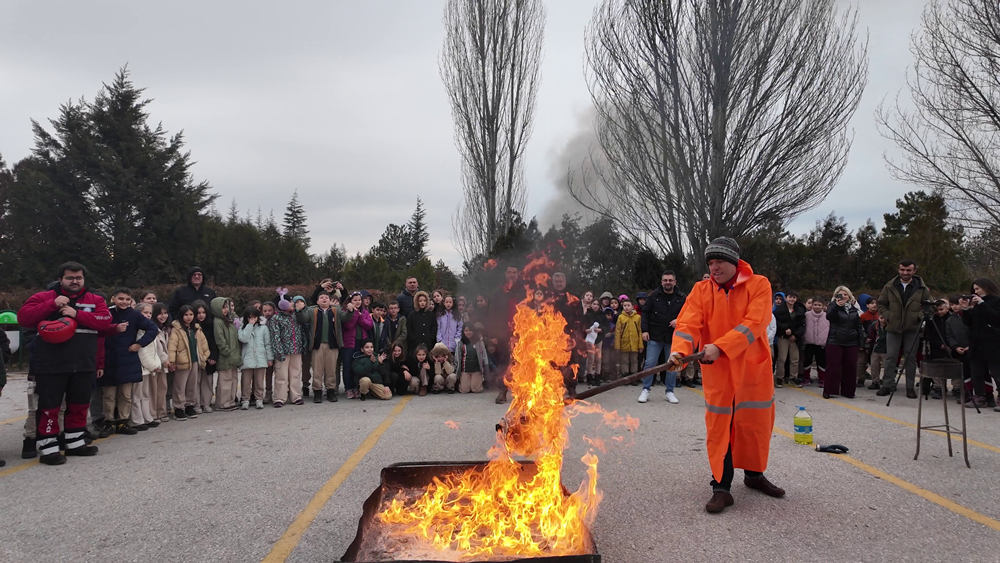
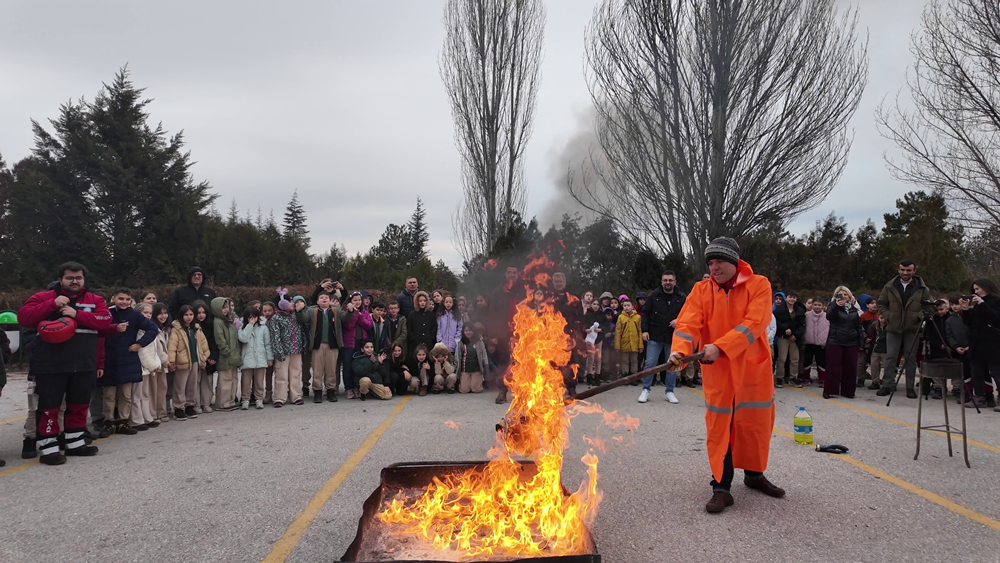
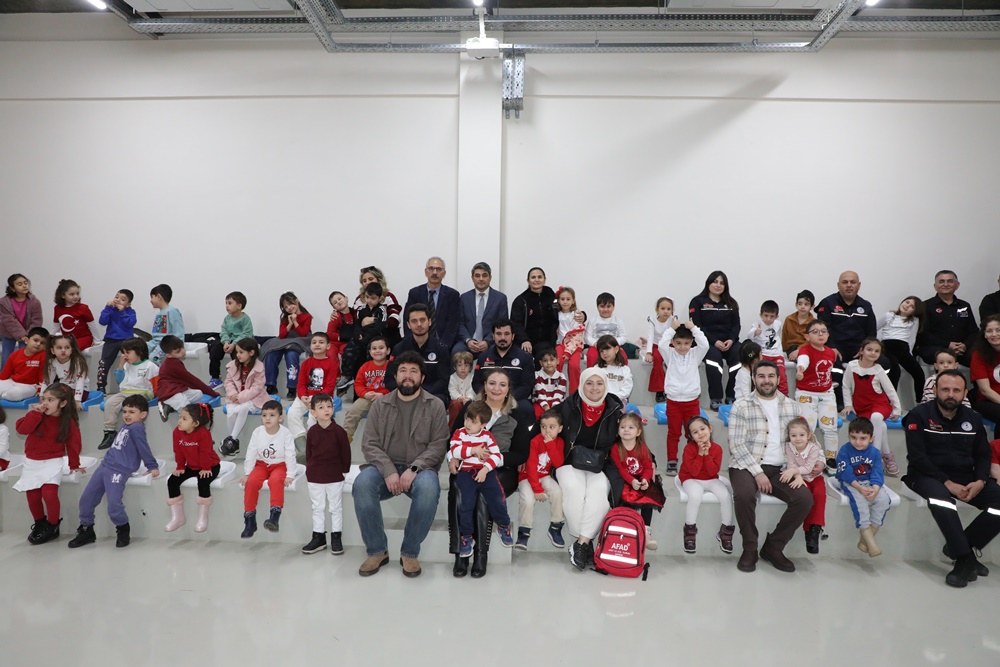
Science Café events were also organized within the framework of special days and awareness weeks to promote social awareness. During Elderly Week, applied informational sessions were conducted in nursing homes by academics specializing in physical therapy and rehabilitation, while Science Café events highlighting the importance of early diagnosis were held during Breast Cancer Awareness Week. On the third commemoration of the February 6, 2023 Kahramanmaraş-centered earthquakes, Science Communication Offices also organized numerous Science Café events aimed at increasing public awareness of earthquakes and disasters.
– Science in villages, fields, ferries, and in historical places
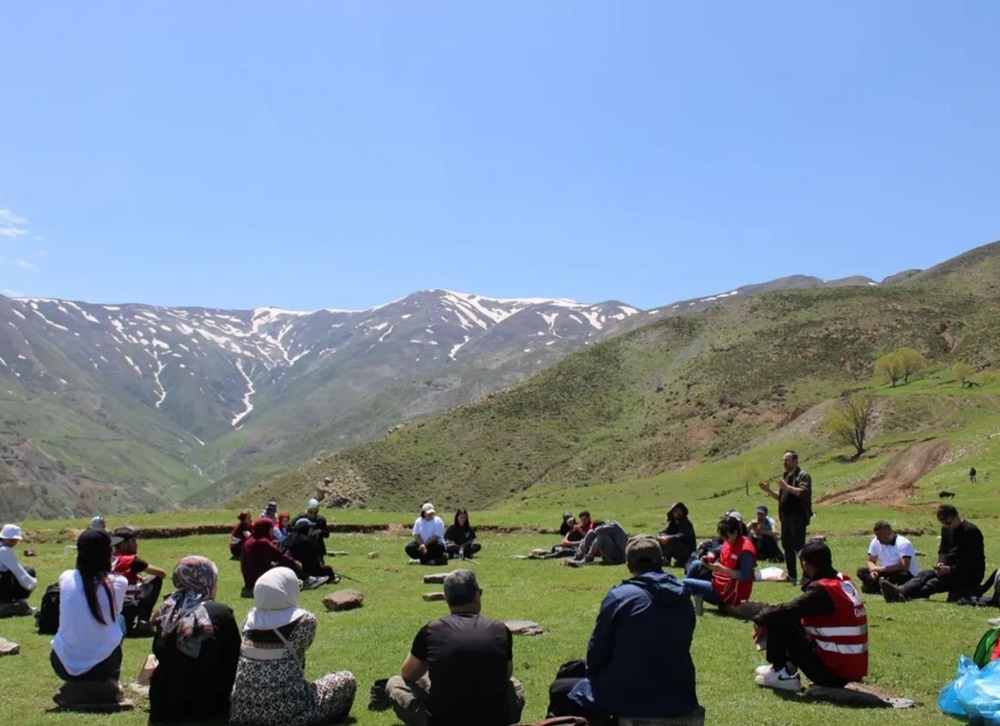
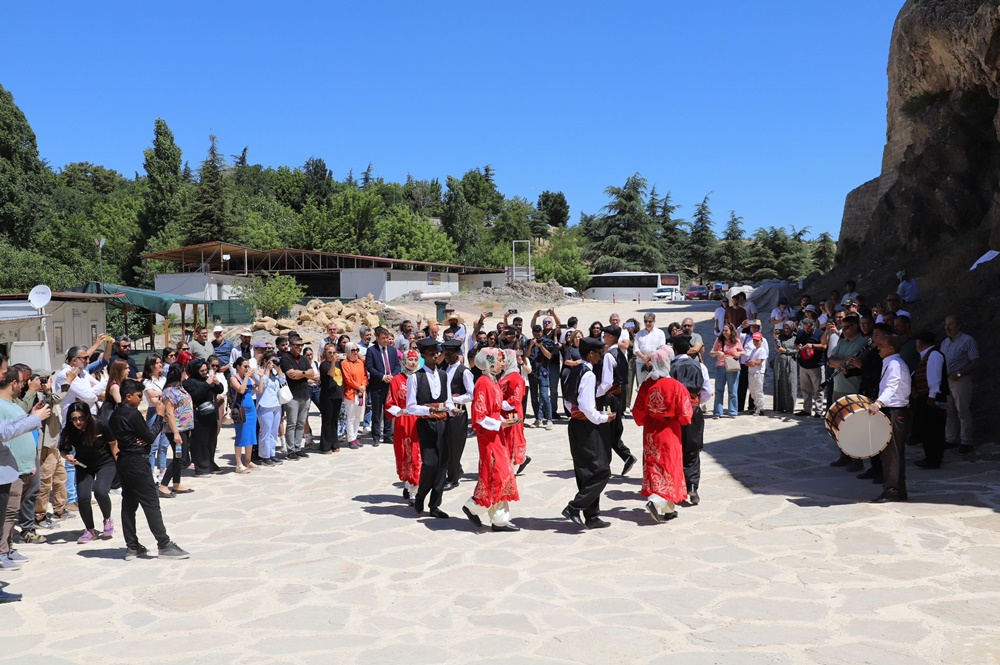
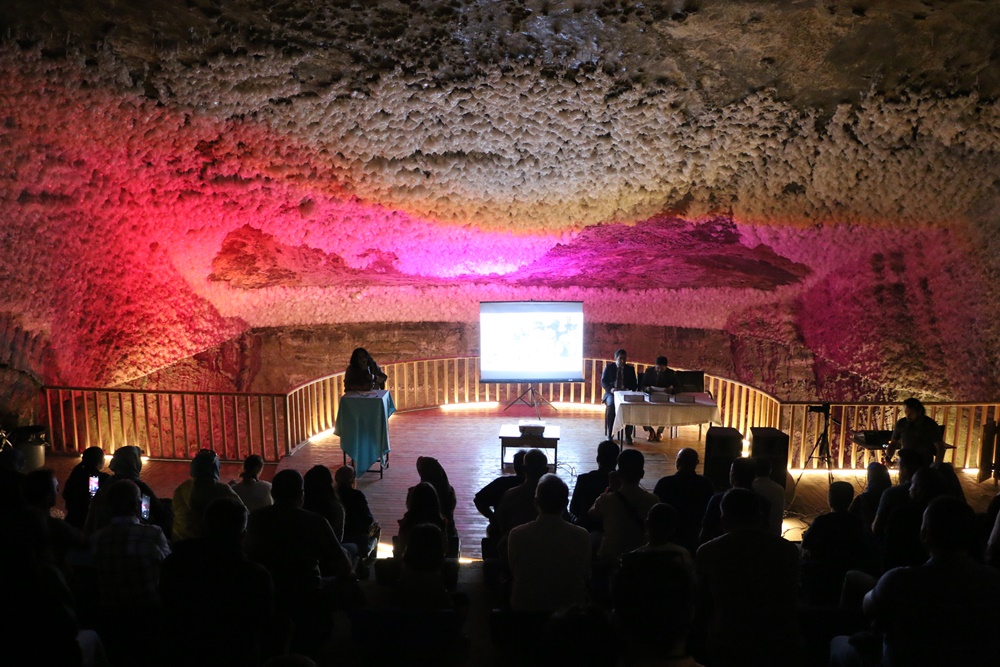
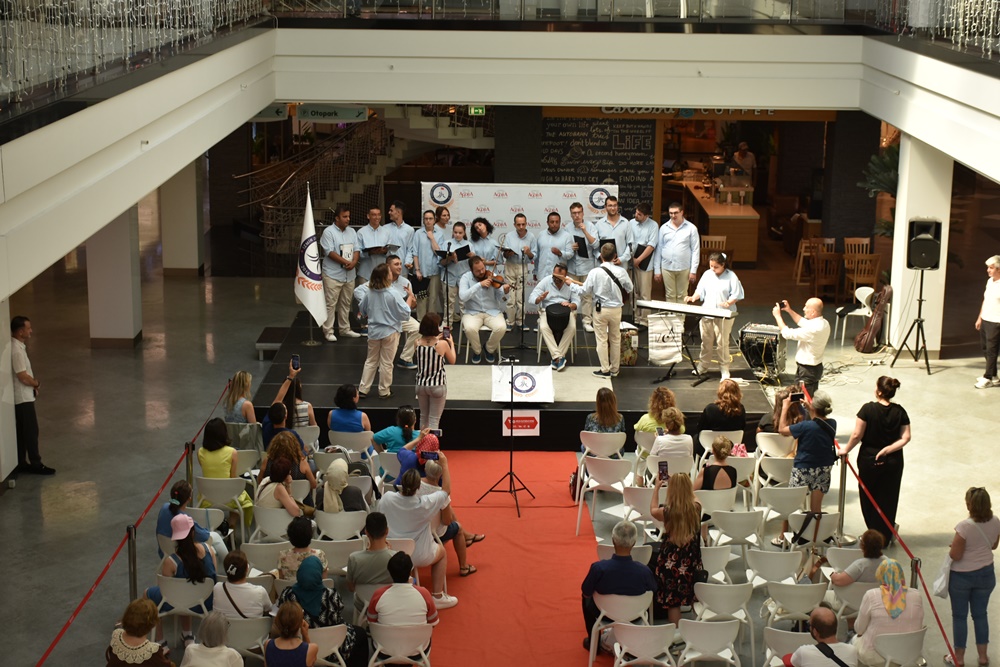
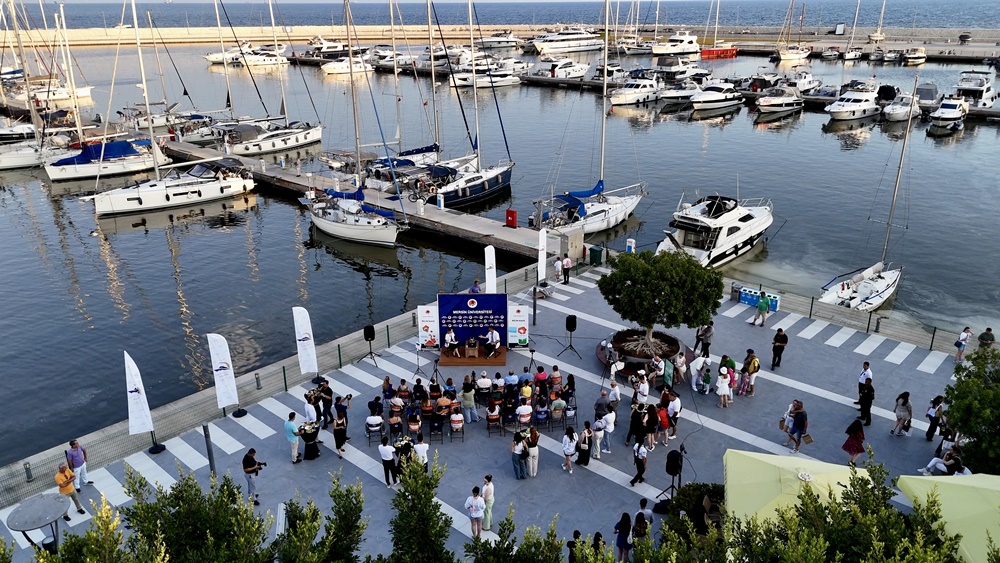
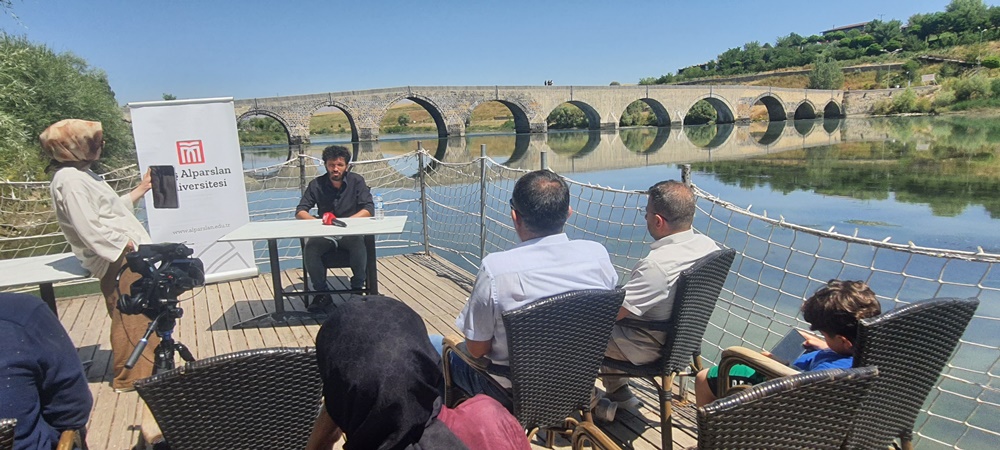
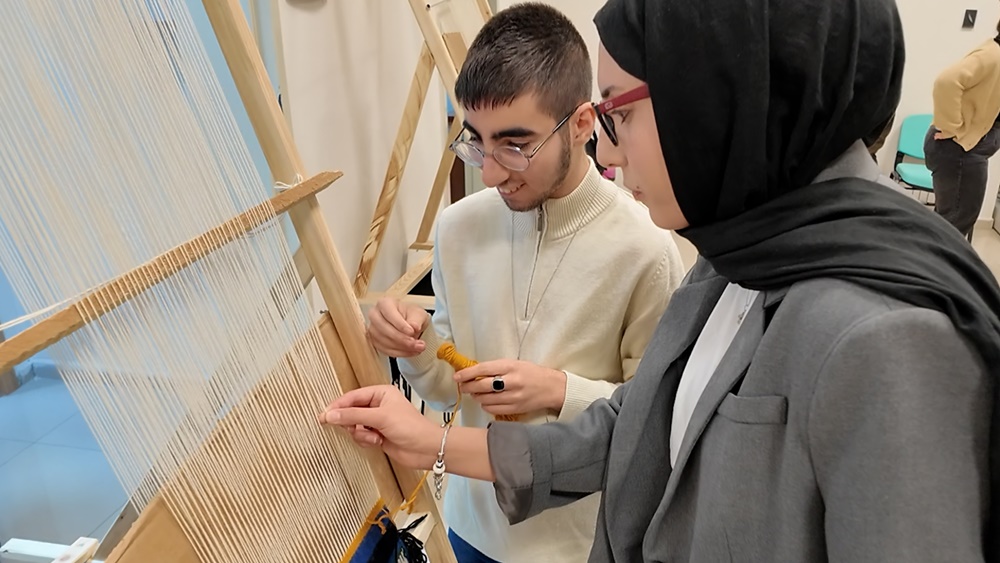
Science Café events were held in village squares, coffeehouses, fields, mining sites, ferries, botanical gardens, landmark venues, historic bazaars, madrasas, conference halls, schools, shopping centers, and other public spaces.
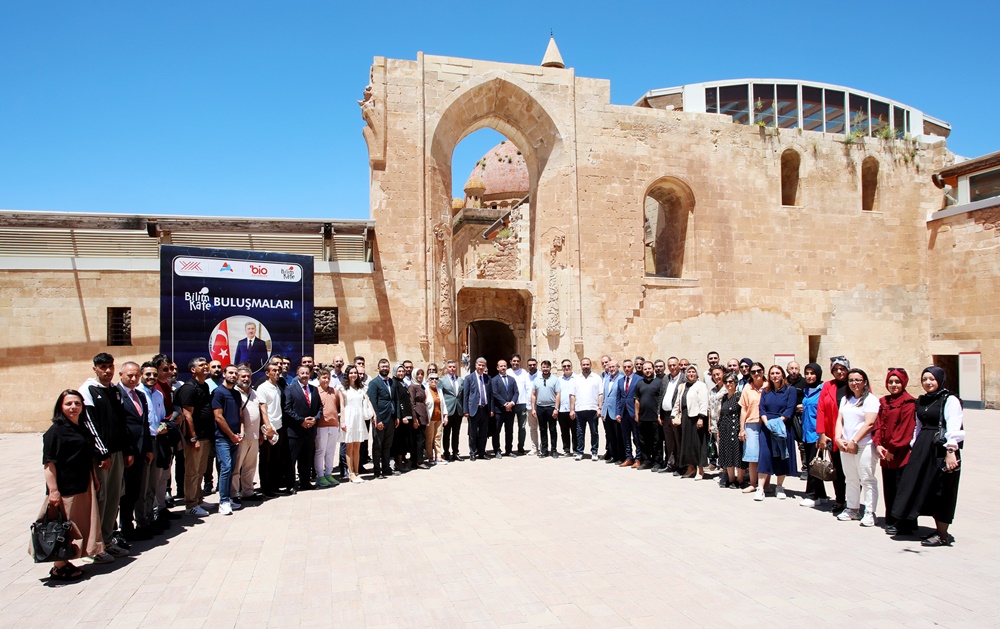
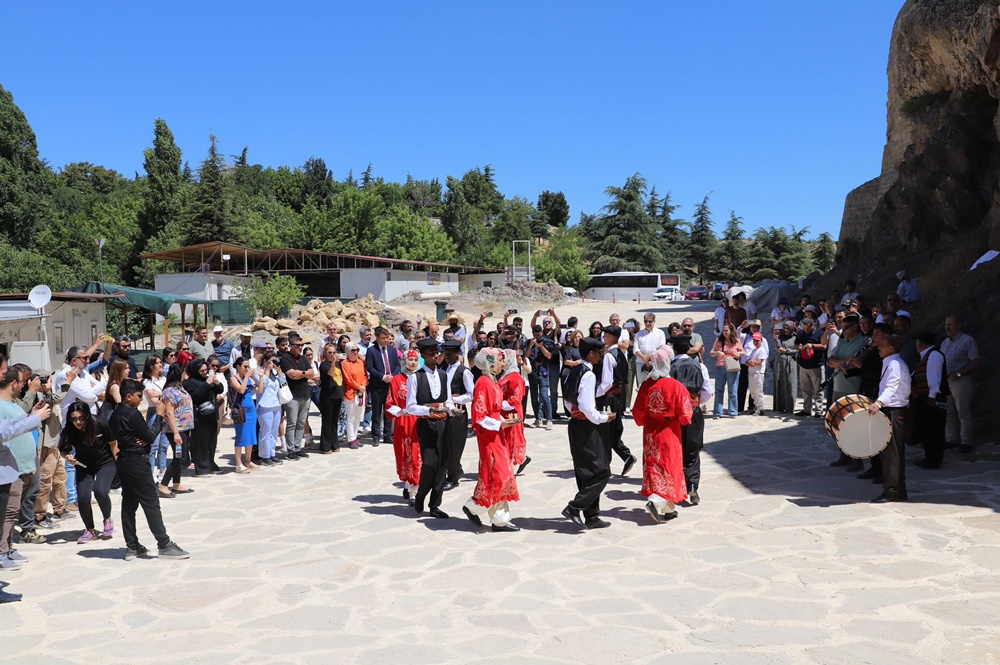
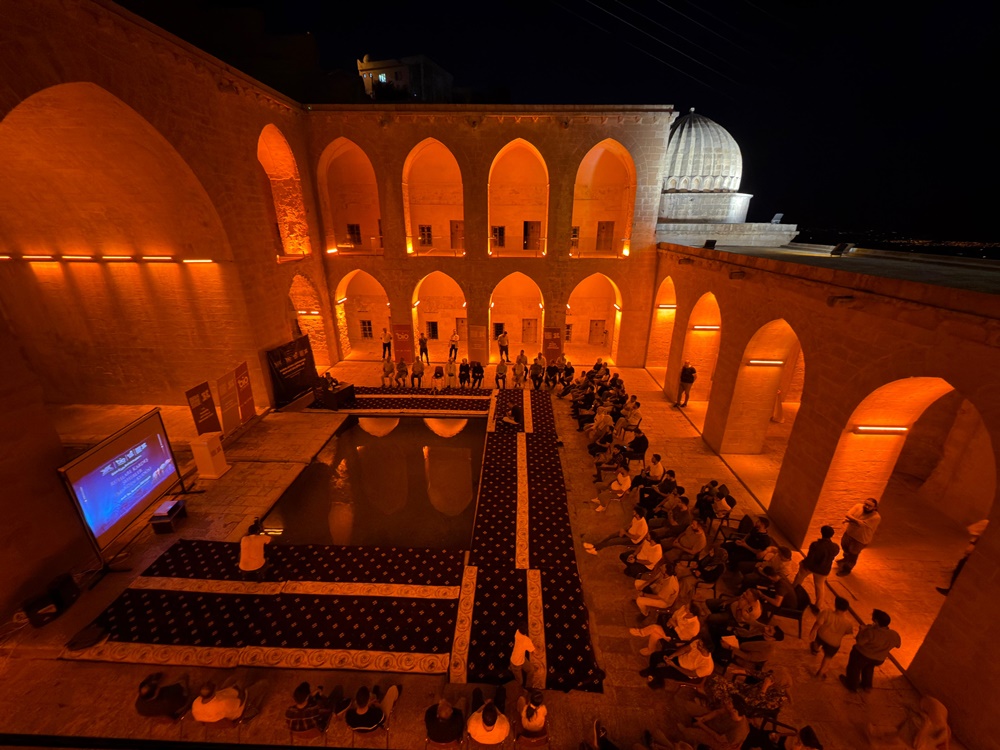
From the historic Bakırcılar Bazaar to the shores of Lake Van, from Harput Castle to İshak Paşa Palace, and from Hunat Hatun Complex to Kuğulu Park, science came to life in natural public gathering spaces across Türkiye. Science Café events strongly demonstrated that universities are not only institutions that produce knowledge but also institutions that see sharing that knowledge with society as a responsibility, engage directly with communities, and maintain close contact with the public.
Özvar: “Making Science Accessible to Society Is Vital”
President of the Council of Higher Education Erol Özvar emphasized that science-society gatherings are highly valuable platforms where knowledge directly engages with society and forms a strong bridge between universities and citizens. Stating that science is far too vital to be confined within four walls, Özvar made the following assessment:
“The meeting of knowledge produced at our universities with our citizens beyond campus boundaries strengthens the social impact of academic work while also increasing the visibility of our universities. Through science-society gatherings, our universities gain the opportunity to observe regional challenges on site and listen directly to our citizens. This interaction not only enables the sharing of knowledge but also strengthens the production of solutions through collective wisdom. Turkish universities are no longer merely institutions of education and research; they are leading institutions that guide regional development, produce scientific solutions to problems, and contribute to social transformation. Bringing science together with society is a vital step for strengthening both academia and society.”
Images

Images