


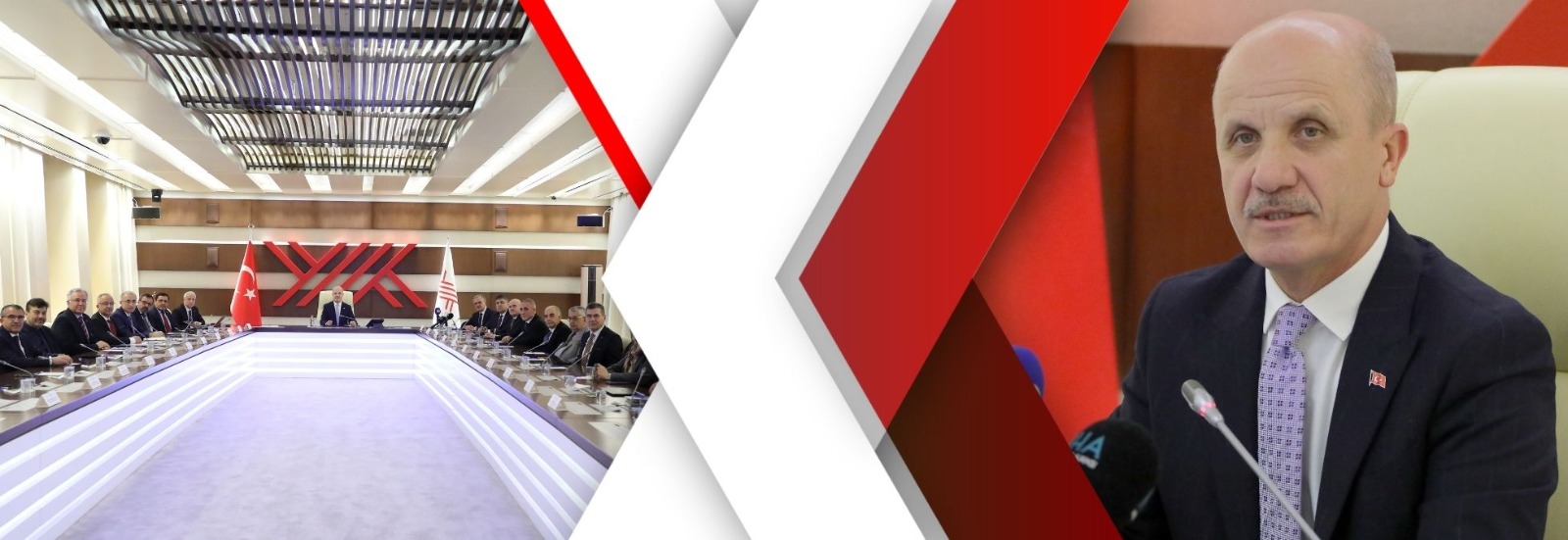
OIZ Vocational Schools to Be Expanded Nationwide
February 17, 2026
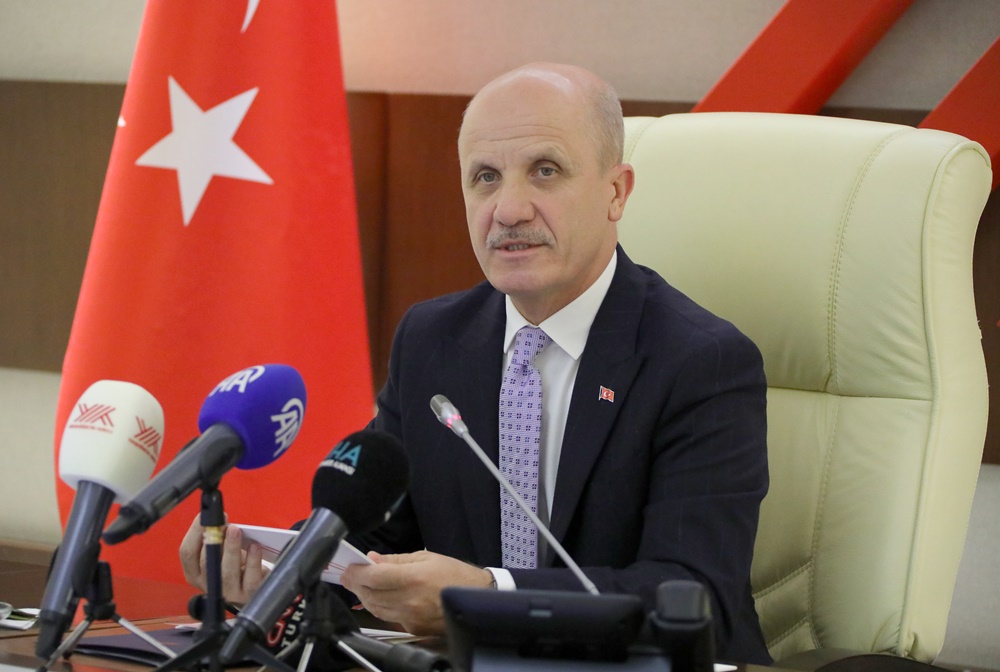
President of the Council of Higher Education Erol Özvar stated, “The OIZ Vocational School (OIZ-VS) and the strengthened applied education model offer promising solutions for meeting the need for qualified personnel in the industrial and service sectors.”
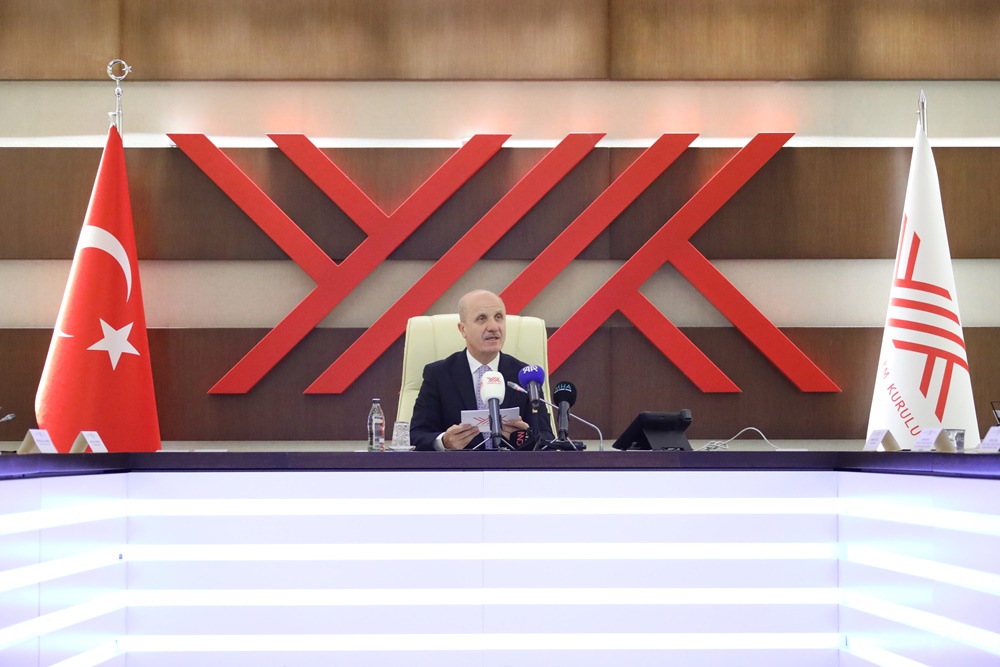
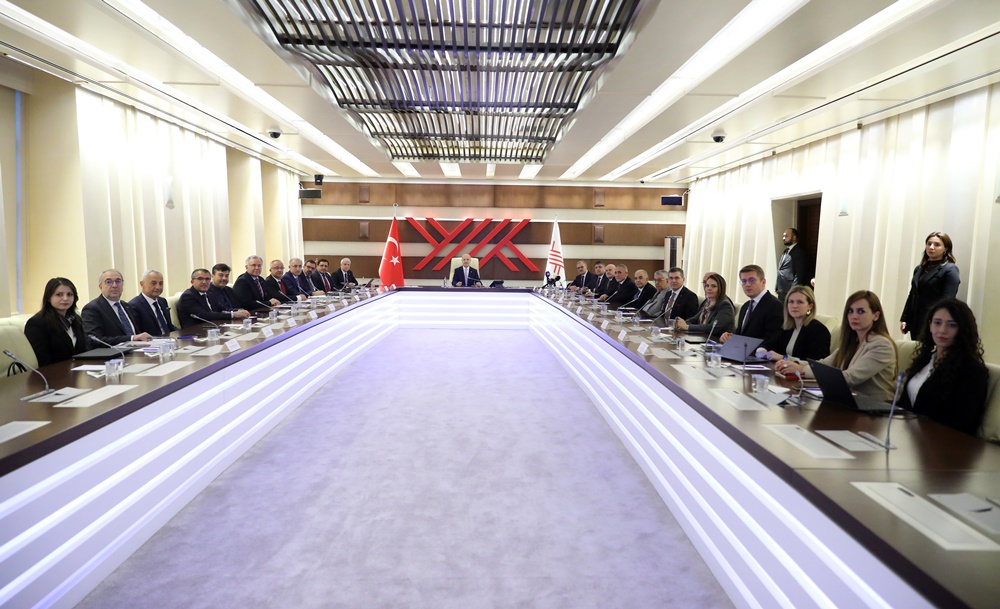
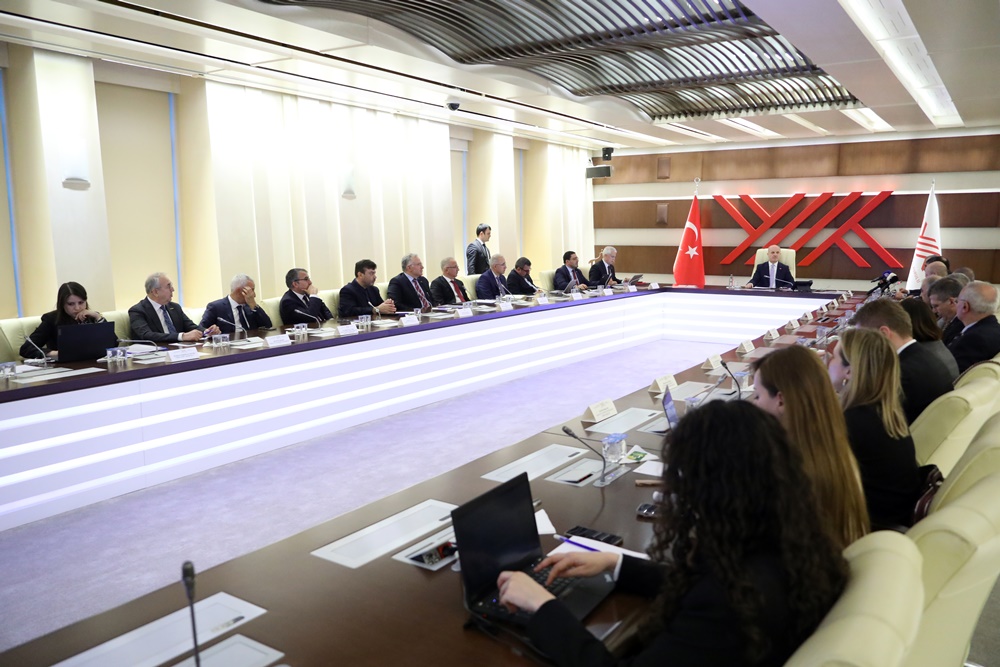
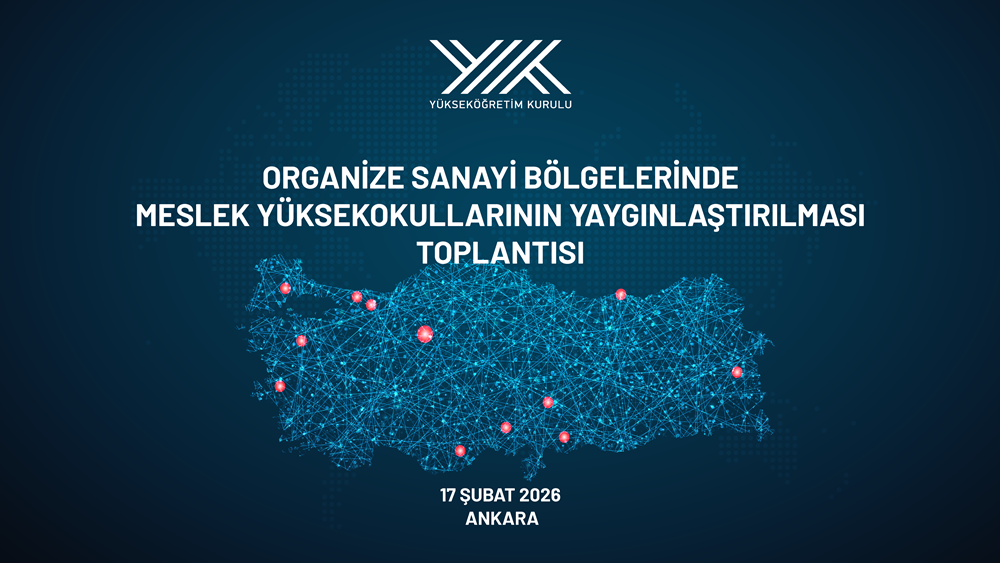
A meeting titled “Expansion of Vocational Schools (VS) in Organized Industrial Zones (OIZs)” was held at the Council of Higher Education.
Özvar said the main purpose of the meeting was to consult on increasing the number of vocational schools in OIZs, strengthening the effectiveness of existing ones, and expanding this model across the country.
Noting that in recent years they have addressed the higher education system with a clear strategic direction, Özvar emphasized that this direction is centered on an approach sensitive to employment, prioritizing practical training, and based on integration with industry.
He stated that universities are no longer evaluated solely by the number of graduates they produce or the occupancy rates of their quotas, stressing that how quickly graduates enter the labor market, how well their knowledge and skills align with sector expectations, and their post-graduation employment performance are at least as important as these indicators.
– “We strongly encourage the opening of new programs”
Özvar explained that programs with low graduate employment rates, those no longer meeting sectoral needs, or those that have largely lost their function are being reviewed. “When necessary, we close, transform, or reduce the quotas of these programs. At the same time, we strongly encourage the opening of new programs in fields needed by our industry and service sectors,” he said.
– “Employment participation among OIZ-VS graduates is extremely high”
Emphasizing that the distance between education and production has largely been eliminated in the OIZ-VS model, Özvar continued:
“A student trained within a production environment gains significant pre-graduation experience not only in technical knowledge but also in areas such as occupational safety, quality standards, teamwork, and hierarchical workplace structures. It is therefore certain that graduates’ participation in employment and their adaptation period to working life will be significantly shortened. Indeed, the very high employment participation rates of OIZ-VS graduates demonstrate that we are on the right path. Another critical feature of the OIZ-VS model is that industry is no longer an external observer of the education process. In this model, industry is not merely a provider of internships but an important stakeholder that contributes to curriculum development, clearly communicates its needs, and actively supports the educational process.”
Özvar stated that OIZ-VS institutions represent a field where university–industry cooperation has evolved from a theoretical concept into an institutional model, adding, “We attach importance not only to increasing practical training periods but also to strengthening vocational education through a more institutionalized and continuous collaboration with industry.”
– Cooperation protocols
Highlighting that the cooperation protocol signed with the Union of Chambers and Commodity Exchanges of Türkiye is a highly strategic step, Özvar recalled that the protocol aims to ensure that at least one vocational school in every province establishes a closer and more structured relationship with that province’s chamber of commerce or industry.
He also noted that cooperation with the Istanbul Chamber of Industry has deepened and made university-industry interaction more sustainable. “We are carrying out similar work with İŞKUR as well. Through these efforts, we will be able to assess the medium- and long-term human resource expectations of our industry and update educational programs accordingly,” he said.
Özvar added that the Council of Higher Education’s goal is to make the OIZ-VS model applicable and sustainable across all organized industrial zones, rather than limiting it to certain regions.
– “Students fully benefit from vocational schools”
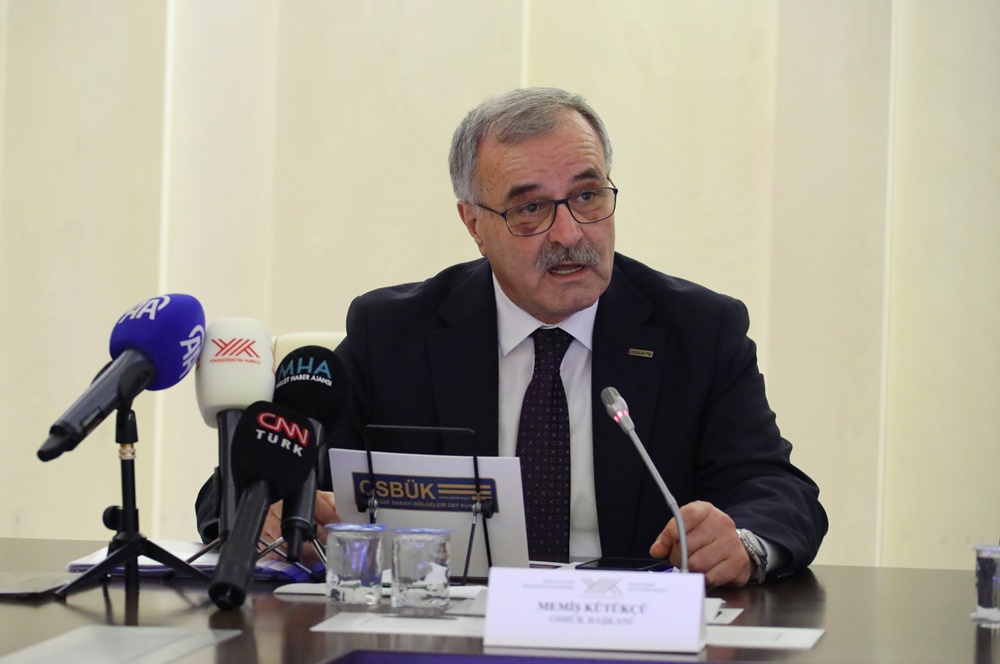
President of the Organized Industrial Zones Supreme Organization (OSBÜK), Memiş Kütükcü, also stated that both high school and university students benefit fully from OIZs, noting that more than 60,000 high school students and over 26,000 vocational school students are currently receiving education within OIZs.
In addition to Kütükcü, the meeting was attended by OIZ presidents and representatives from Adana, Gaziantep, Kocaeli, Tekirdağ, Trabzon, Van, Sakarya, Kahramanmaraş, İzmir, Mersin, and Balıkesir, as well as several university rectors and representatives from the Ministry of Industry and Technology.
Images
Images