


Healing Wounds of Earthquake Through Science: A Historic Contribution from Universities
February 5, 2026
Higher education institutions affected by the Kahramanmaraş-centered earthquakes that occurred on February 6, 2023 continue to contribute to society through both scientific projects and social responsibility initiatives.
Following the earthquakes described as the “disaster of the century,” universities in the quake-hit region continued education without interruption and drew attention with their exemplary work. In the 11 provinces affected by the disaster, 18 public and foundation universities produced a total of 13,364 national and international publications in 2025. These universities had also generated 11,734 scientific publications in 2024.
In addition to scientific publications, universities implemented numerous social responsibility projects in areas ranging from first aid training and earthquake awareness to hygiene and food safety, from mother-and-child support programs to artificial intelligence and digital games. Some of the prominent initiatives and activities carried out by universities in the region include the following:
At Harran University, which produced 2,718 national and international scientific publications over the past year, a project titled “Monitoring the Eastern Anatolian Fault Zone (EAFZ) and Earthquake Early Warning System Research through the Analysis of Geo-Electrical Variations” was developed. The project aims to monitor electrical changes occurring underground prior to earthquakes, identify earthquake precursors through this method, and establish the infrastructure for an earthquake early warning system based on the data obtained.
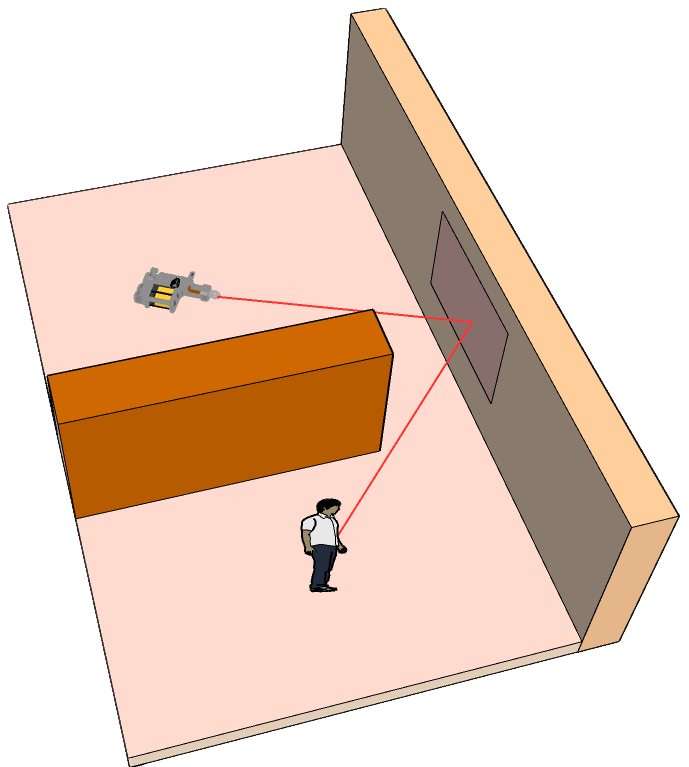
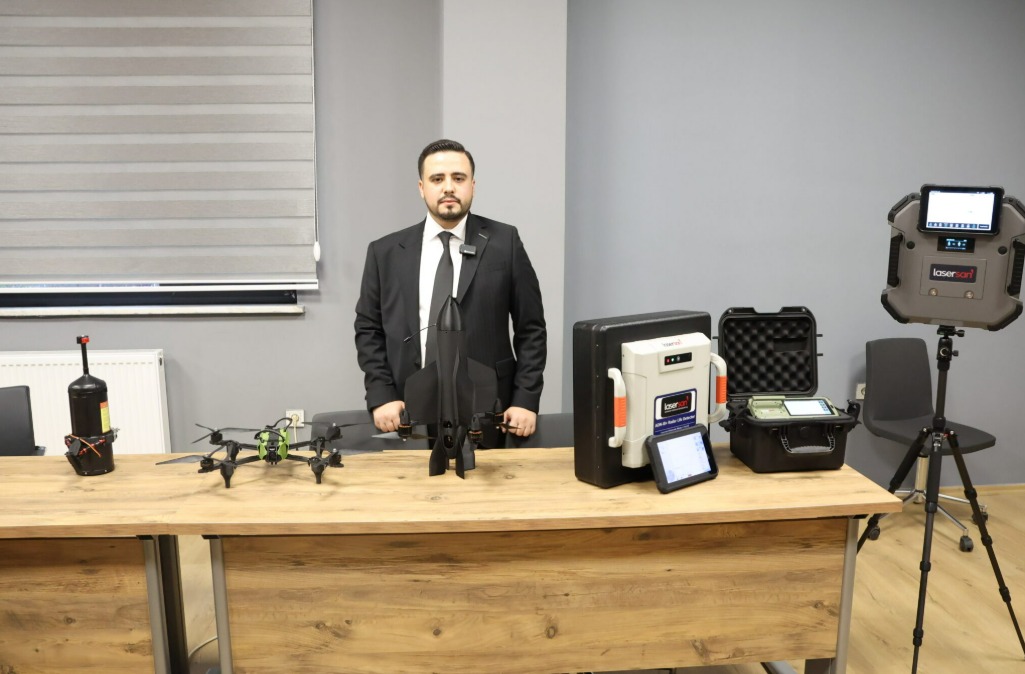
With the project “Detection of Living Beings Beyond the Line of Sight Using Artificial Intelligence with Laser and Sound Signals,” developed by Adıyaman University, the goal is to detect living beings and objects outside the field of vision using laser and sound signals; to evaluate the data obtained in a specially established laboratory environment through AI-supported analyses; and to determine the presence, posture, and direction of living beings with high accuracy.
Under the coordination of Fırat University, which produced 1,778 publications and obtained patents for 71 studies in 2025, the impacts of the Kahramanmaraş-centered earthquakes on employment and production in Organized Industrial Zones (OIZs) were examined.
Based on the evaluation of data obtained from field studies conducted in the OIZs of Adıyaman, Hatay, Malatya, and Kahramanmaraş, the study concluded that establishing residential and social areas in these regions would facilitate labor supply; that vocational high schools and universities’ technical associate degree programs would play a significant role in meeting workforce needs; that employment policies would be more effective if implemented in cooperation with industrial zones; and that organizing industrial zones into sector-based areas would provide logistical advantages.
In cooperation with Hatay Mustafa Kemal University and Hatay Metropolitan Municipality, the “Family University” was established within the scope of the “Year of the Family.” As part of the project launched under the slogan “Hatay growing with family, growing stronger together,” training sessions were delivered by expert academics in university faculties for mothers, fathers, children, and elderly family members.
At Hatay Mustafa Kemal University, numerous academic theses were written on topics such as “The Effect of a Hope-Based Psychoeducation Program on the Hope Levels and Post-Earthquake Trauma Levels of Adolescents Who Experienced the Earthquake,” “Geographical Analysis of Assembly Areas Before and After the February 6, 2023 Kahramanmaraş Earthquakes and an Earthquake Park Proposal: Antakya and Its Surroundings,” “The Mediating Role of Psychological Resilience in the Relationship Between Fear of Happiness and Cognitive Distortions in Earthquake Survivors,” “An Examination of the Anxiety Levels of Teachers Working in Hatay After the Earthquake Disaster,” and “Migration from Urban Centers to Rural Areas After the February 6 Earthquake: The Case of Hatay.”
Within the scope of the “Post-Disaster Rehabilitation and Reconstruction Project” carried out at İskenderun Technical University, volunteer-based initiatives were developed to contribute to social, environmental, and economic recovery in Hatay after the earthquake. As part of the project, sustainable solutions were produced for the rehabilitation of agricultural lands, the design of green spaces and learning environments for children, and the recycling of container waste to transform it into social spaces.
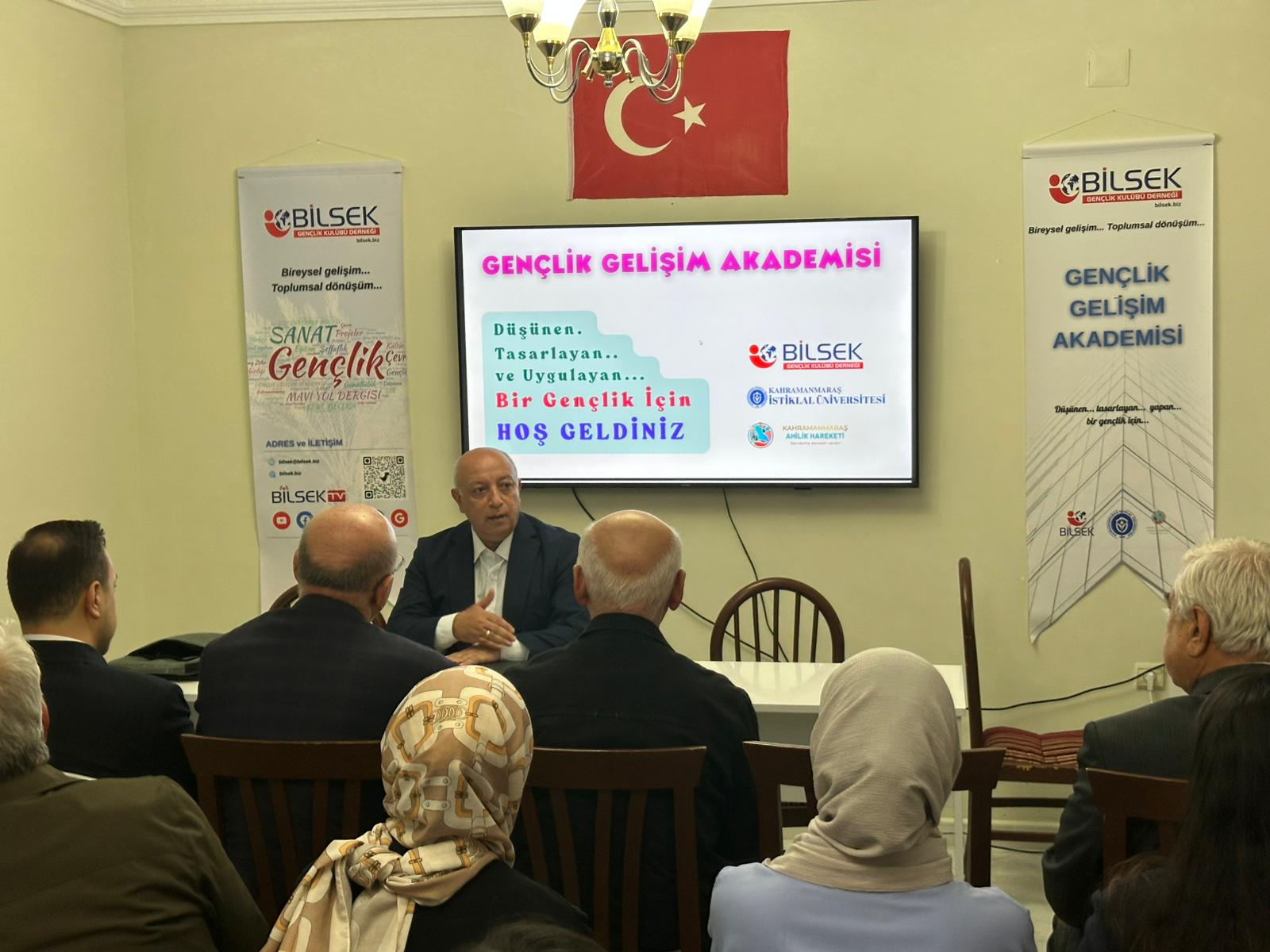
As part of the social responsibility activities conducted at Kahramanmaraş İstiklal University, the “Youth Development Academy,” aimed at reducing the impact of the February 6 earthquakes on young people, and the “Digital Game Development Academy (DOGA),” designed to prepare young people for the digital gaming sector, were launched.
Gaziantep University (GAUN) Nurdağı Vocational School refurbished idle agricultural tools and machinery damaged in the earthquake by equipping them with agricultural technologies and put them back into use for educational and practical purposes. The university also obtained a patent for a “Method for Producing Nanofiber or Nanoparticle-Based Bioactive Food Packaging Material from Waste Pistachio Shells.”
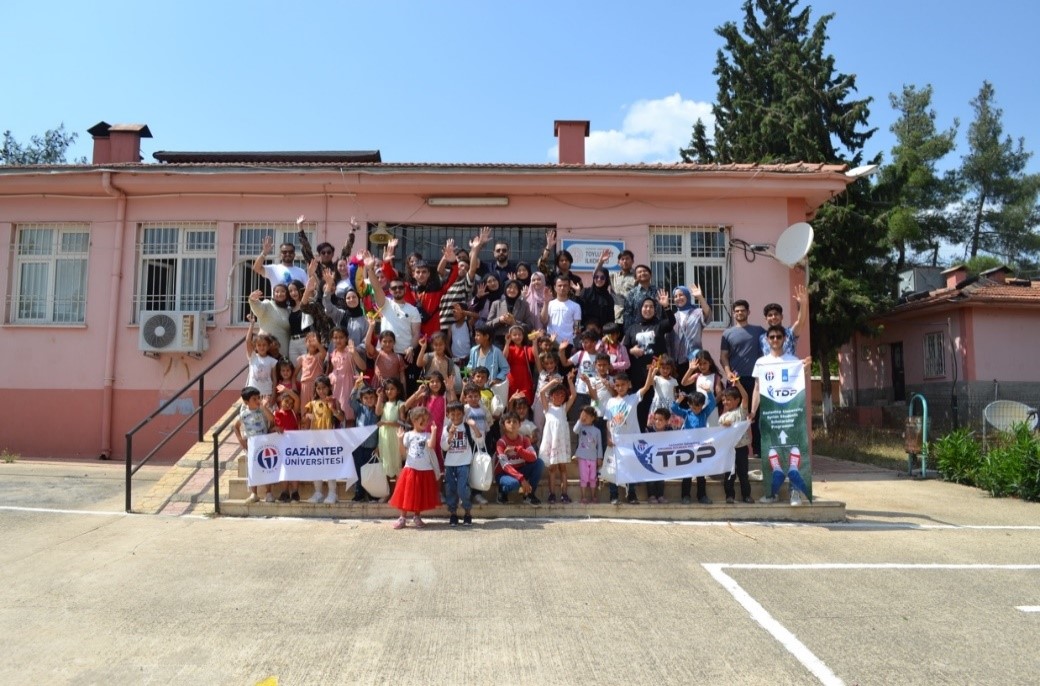
University faculty members and students organized the “GAÜN On the Road for Children” initiative, visiting many primary schools across the province together with international students and meeting with children. In these events, where volunteer university students came together with primary school pupils, activities were carried out in many different fields such as aviation, physical education, oral and dental health, theater performances, face painting, and street games.
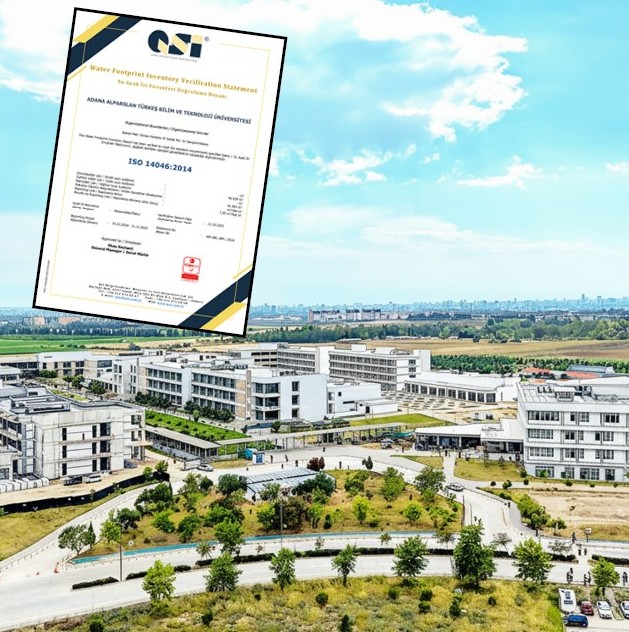
Adana Alparslan Türkeş Science and Technology University, which organized numerous workshops on earthquakes, reached hundreds of citizens last year through nine events held under the “Science Café” initiative. As a concrete indicator of its efforts toward sustainability goals—effective management of water resources, reduction of environmental impacts, and strengthening green campus policies—the university earned the title of “The World’s First University Certified for Water Footprint” by an independent auditing organization. The university stood out with its environmental responsibility projects in areas such as energy efficiency, waste management, and the reduction of greenhouse gas emissions, as well as its achievements in water management.
– They Reached Out to the Public Through Science Communication
Within the scope of the Science Communication Offices (SCOs), which were launched last year under the leadership of the Council of Higher Education to ensure that knowledge produced at universities reaches society and becomes widespread, many activities were also carried out in the earthquake-affected region.
At Çukurova University, which produced 1,413 scientific publications last year, 24 events bringing science together with society were organized over the past year. Through science cafés held in many different fields—such as “Social Thought and Islam Panel,” “World Soil Day – Healthy Soils for Healthy Cities,” “Breast Cancer Awareness Event,” “Digital Educational Game Design and Innovative Applications with Artificial Intelligence in Mathematics Education,” “One Drop of Water, One World of Life,” and “Hygiene and Food Safety”—they reached around 18,000 people in the region.
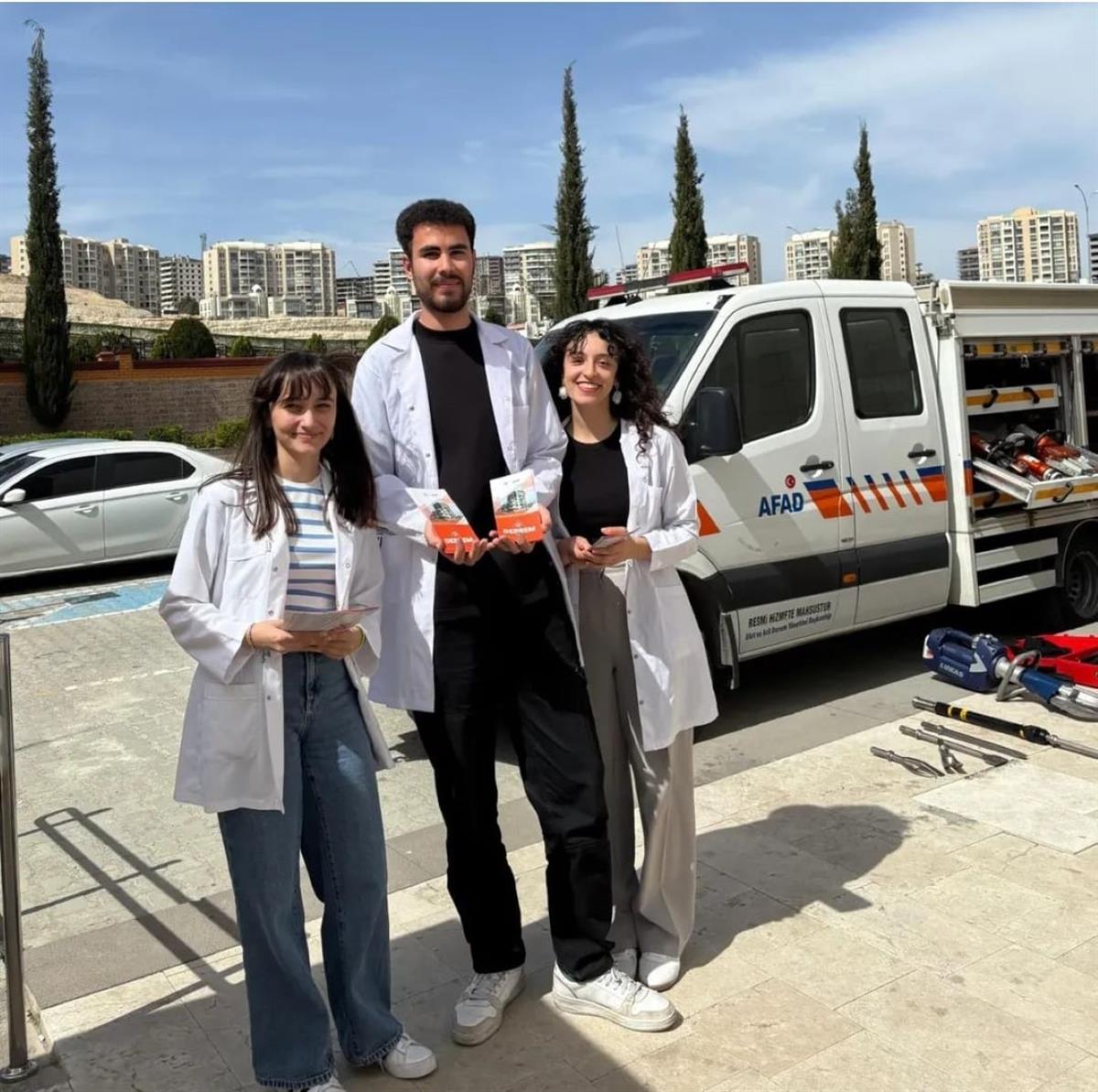
At Gaziantep Islamic Science and Technology University, field activities titled “Earthquake Awareness and Its Psychological Dimension” were organized in many provinces under the leadership of the National Public Health Team. With the participation of AFAD volunteers, information was provided on what should be done before, during, and after an earthquake; informative brochures were distributed; and the tools and equipment used in debris areas were introduced and experienced through hands-on demonstrations.
At Hasan Kalyoncu University, the project titled “Development of Wired Drone Software and Hardware with Artificial Intelligence–Based Power-Line Communication Infrastructure” was implemented. The system enables uninterrupted flights lasting 12–13 hours during search and rescue operations when connected to the grid, can operate for up to 72 hours with its own power station, and can perform missions continuously for 6–7 hours when grid-connected.
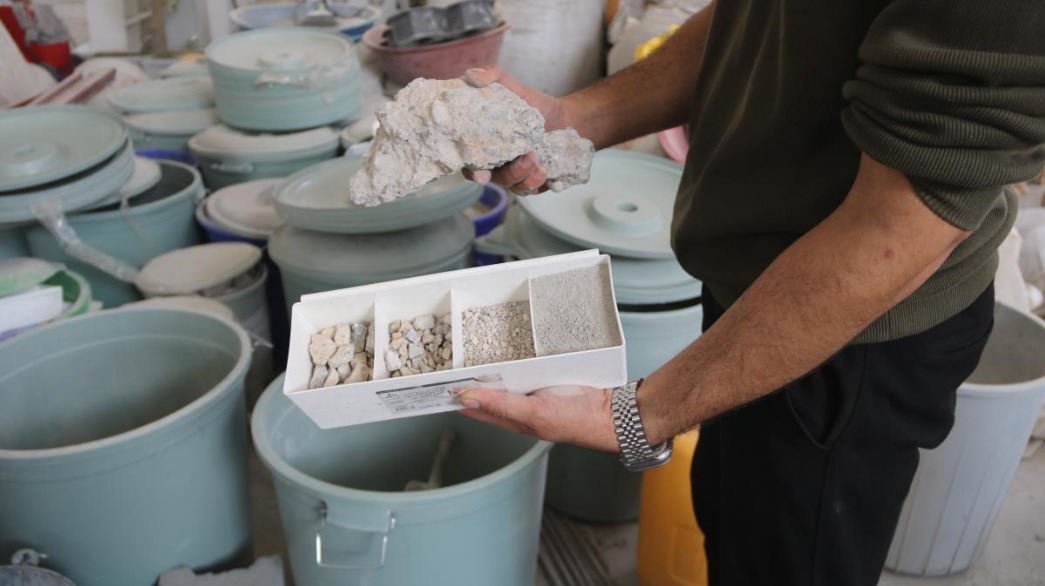
At Kahramanmaraş Sütçü İmam University, contributions to society continue through social responsibility projects such as “Providing Economic and Environmental Benefits by Converting February 6, 2023 Kahramanmaraş Earthquake Waste into Sustainable Building Materials,” “Post-Earthquake Trauma Levels and Quality of Life of Earthquake Survivors Living in Container Cities,” and “Sustainable Earthquake Waste Project.”
At Kilis 7 Aralık University, 307 scientific publications were produced over the past year, while 1,193 national and international articles were published at Malatya İnönü University. The project titled “Recycled Concrete Road Elements for a Sustainable Campus,” developed within Malatya İnönü University, enabled earthquake debris waste to be transformed into reusable materials.
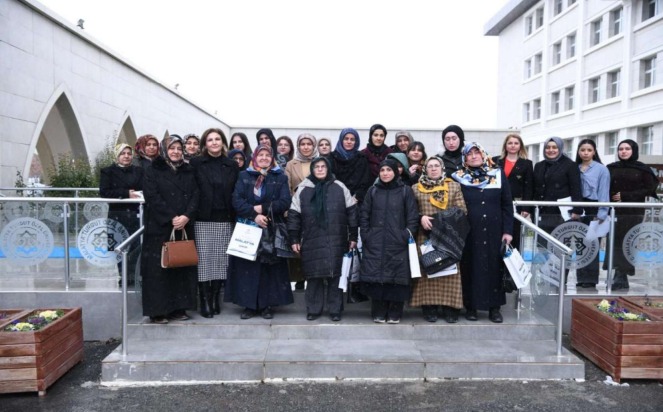
At Malatya Turgut Özal University, social responsibility projects addressing the impacts of the earthquake are ongoing. Within the scope of the events titled “Beyond the Destruction: Hope and Solidarity Talks,” efforts are being carried out to support the psychosocial well-being of women affected by the earthquakes. Through these events, a sense of solidarity is strengthened and post-earthquake awareness is increased.
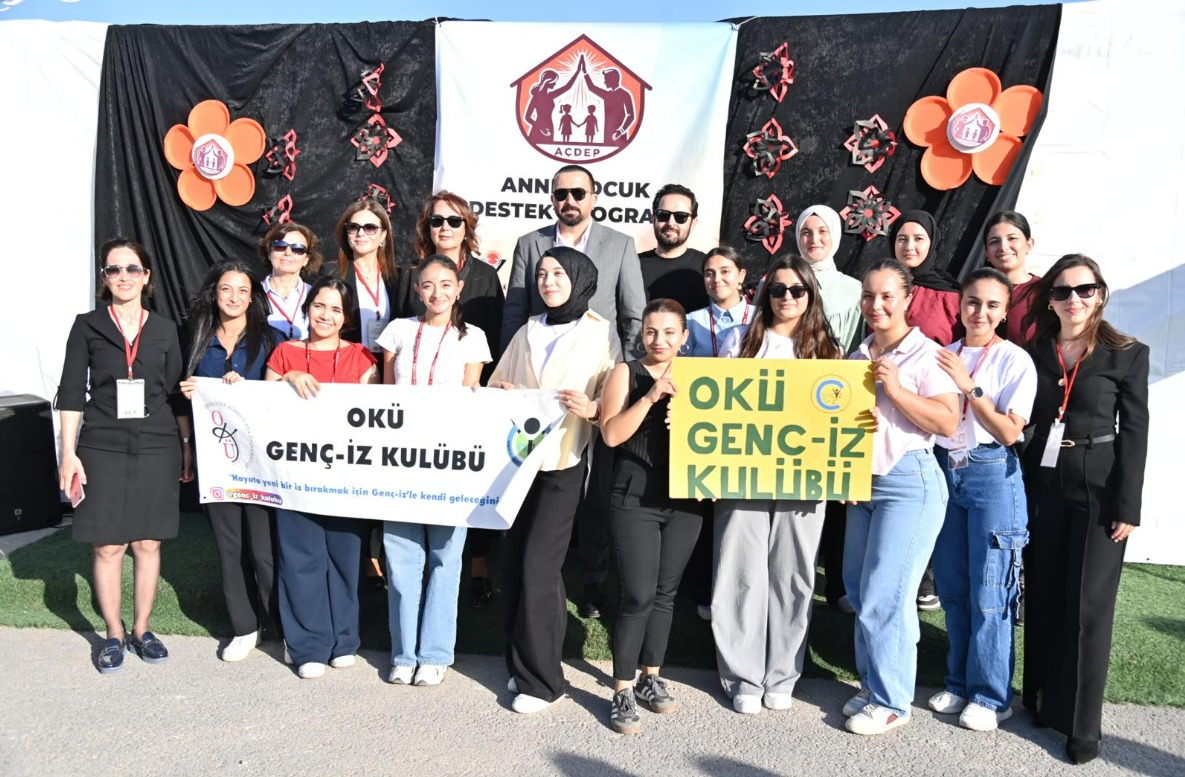
At Osmaniye Korkut Ata University, which produced 914 scientific publications in 2025, the “Mother and Child Support Program (AÇDEP)” was implemented under the coordination of Mersin University, in cooperation with Gazi University and Akdeniz University. Within the scope of AÇDEP, a special program consisting of sessions for mothers affected by the earthquake and activities carried out with children was implemented, and special books were distributed to mothers at each session.
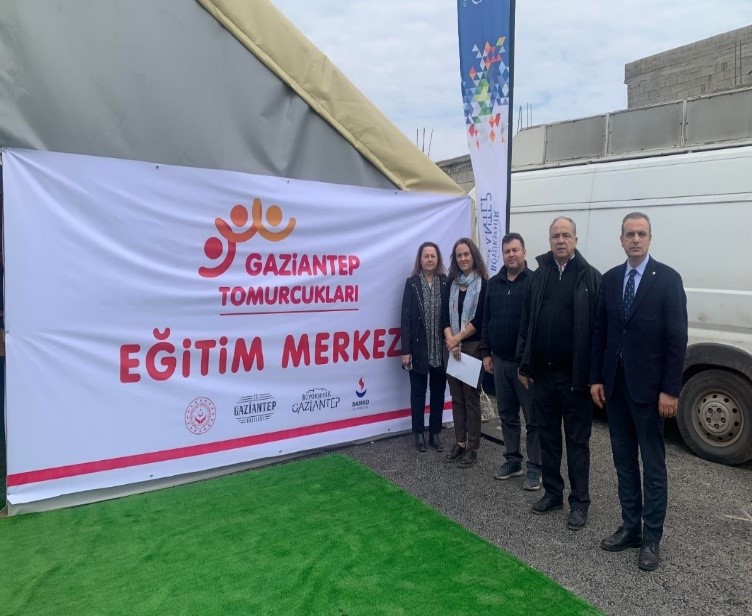
At Sanko University, the “Gaziantep Buds Project” was launched. Developed for children in Gaziantep affected by the Kahramanmaraş-centered earthquakes, the project aims to identify children who have lost their parents as well as those staying as companions with their parents who are undergoing medical treatment, and to support these children through health, education, and psychosocial assessments.
At Dicle University, 1,331 national and international scientific publications were also produced in 2025.
Images
Images