


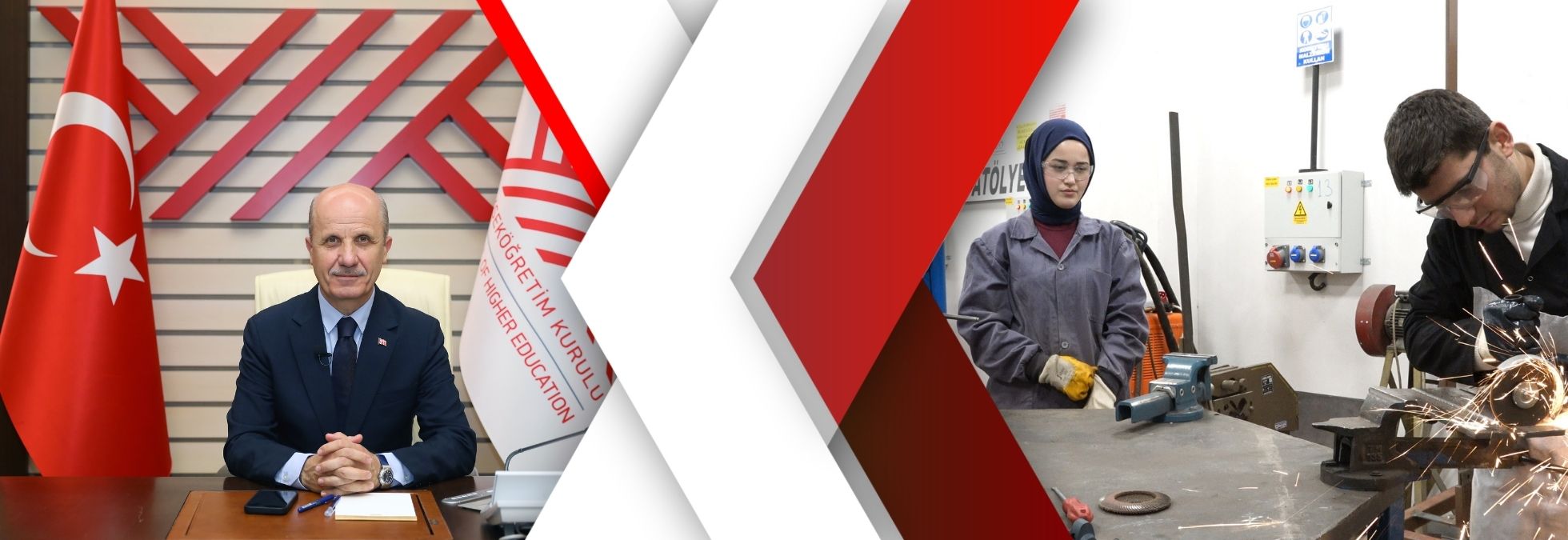
Council of Higher Education Launches Initiative Enabling Students to Transition into Employment Before Graduation
February 6, 2026
The Council of Higher Education has amended the “Framework Regulation on Applied Education” to help university students adapt to working life through practical training before graduation. Applied education will last at least one semester.
The “Regulation on Amendments to the Framework Regulation on Applied Education in Higher Education” has been published in the Official Gazette.
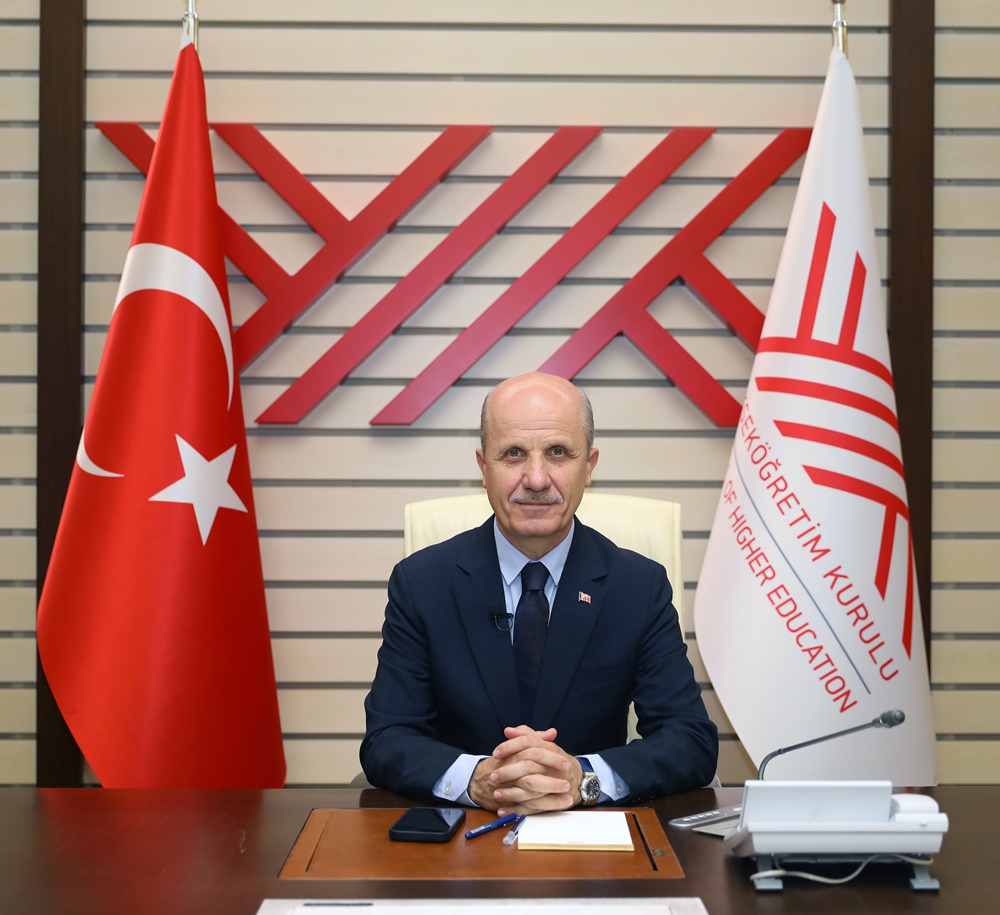
President of the Council of Higher Education, Erol Özvar, stated, “The transformation model we have launched in applied education will enable students to transition more quickly into employment.”
Long-term internships, which will be implemented with a workplace-based practical vocational training approach instead of internships that had limited efficiency, are being welcomed by industrialists, students, and sector representatives.
The new model aims to allow students to gain experience not only in classroom environments but directly within working life, thereby increasing graduates’ qualifications, strengthening their productivity, and accelerating their employment processes.
Under the new internship system, short and inefficient internships will be replaced, depending on program requirements, with models such as three semesters of theoretical education and one semester of practical training (internship), or two semesters of theoretical education and two semesters of internship in associate degree programs; and seven semesters of theoretical education plus one semester of internship, or six semesters of theoretical education plus two semesters of internship in undergraduate programs.
The Model Receives Full Marks from the Sector
Sector representatives emphasize that long-term internship practices increase students’ professional adaptation and directly contribute to employment.
Mechatronics Engineer Oğuzhan Yılmaz, who works at a company serving the aviation and space industry, said that short-term internships are insufficient for adaptation. Yılmaz stated, “A 23-day internship is very short, especially in terms of adapting to the sector. In a sector that operates with micro-level precision, it is difficult to adapt in such a short time. The implementation of long-term internships is a very well-considered approach.”
Electrical-Electronics Engineer Yusuf Şahin, working at the same company, noted that long-term internships facilitate the transition to employment. He explained that he worked as an intern engineer for one semester in his final year and said, “I started working here after the internship. I personally experienced the contribution of that four-month period to my working life. It is far more advantageous than short-term internships.”
Aerospace Engineer Bengisu Kama highlighted the inefficiency of short internships, saying, “It is very difficult to achieve productivity in a 20-day internship. Adapting to working life already takes two to two and a half weeks. In a six-month internship, combining theoretical knowledge with practice becomes much more possible.”
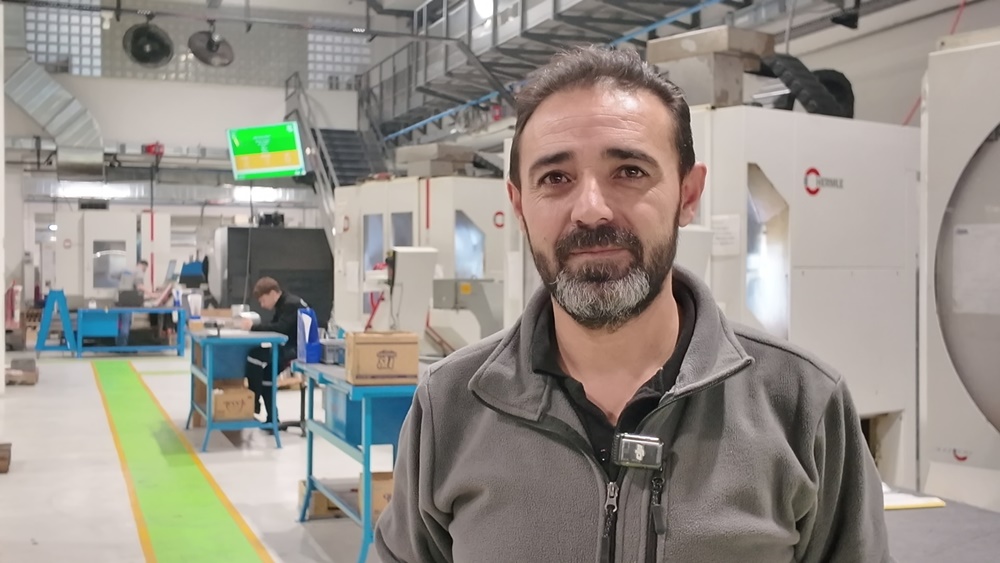
Hakan Şentürk, Foreman of the Milling Department at the same company, said that the initiative would help meet the need for qualified labor. Şentürk commented, “Students in short-term internships often leave before fully learning many aspects of the job, whereas long-term internships help improve technical competence and work discipline. We have difficulty finding experienced workers; this model could be a solution.”
Company partner Bekir Sağlamyürek emphasized the advantages for employers, saying, “In a 20-day internship, it is impossible to fully grasp field operations. In a six-month process, we can observe students better and directly onboard them. This is a serious advantage for us.”
General Manager Ayşe Saraçoğlu of another company operating in mining and construction stated that long-term internships improve students’ ability to take responsibility: “Short-term internships are generally spent on orientation. In long-term internships, students see a project from start to finish and take responsibility. We have colleagues who continue working with us after graduation.”
Students Are Happy and Excited
The plan to extend internship periods to one semester or longer at associate and undergraduate levels has also been positively received by university students.
Sudenur Gültekin, a second-year student in the program of Social Work at Hacettepe University, emphasized that long-term internships are important for gaining field experience in her discipline.
Metehan Dağ, a Mechanical Engineering student at Hacettepe University, stated that extending internship periods could provide a significant advantage in post-graduation employment. He noted that long-term internships build a direct bridge between companies and students and strengthen university-industry cooperation.
Mert Karan, a fourth-year student in Nuclear Energy Engineering at Hacettepe University, said that dedicating the final year of university education to internships would strengthen preparation for working life. He pointed out that university education is largely theoretical and that entering working life after only short-term internships often leads to a serious lack of experience. For this reason, he said he finds mandatory and high-quality internship practices positive.
“Long-Term Internships Allow Us to Take More Responsibility”
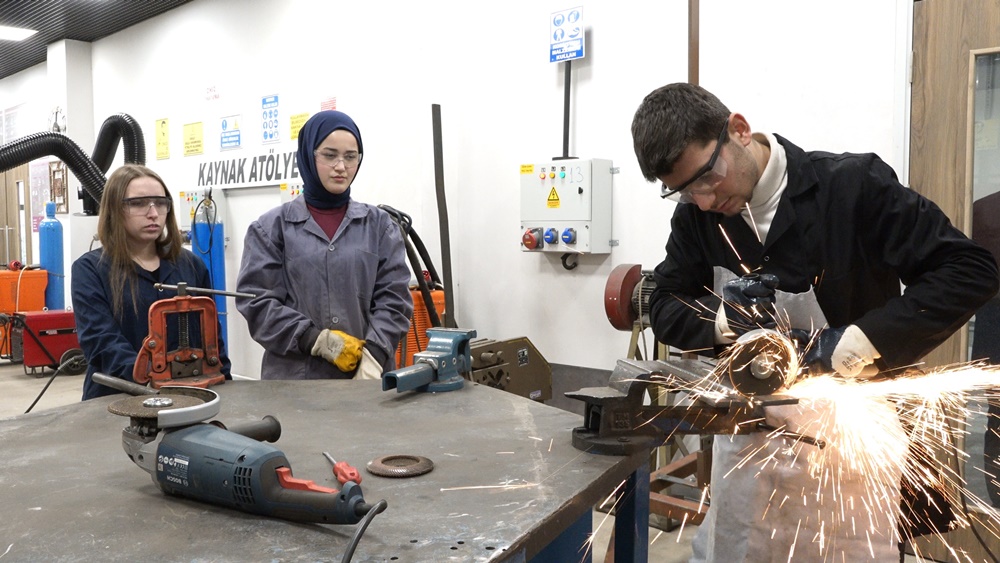
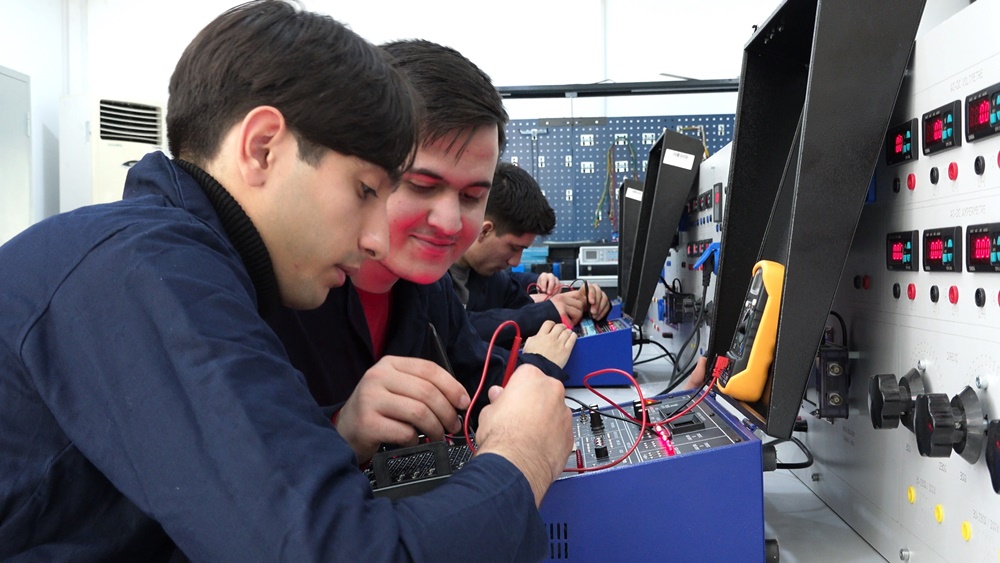
At Hacettepe University ASO 1st Organized Industrial Zone Vocational School — one of the institutions where the long-term workplace-based training model is already being implemented — students and faculty shared their experiences.
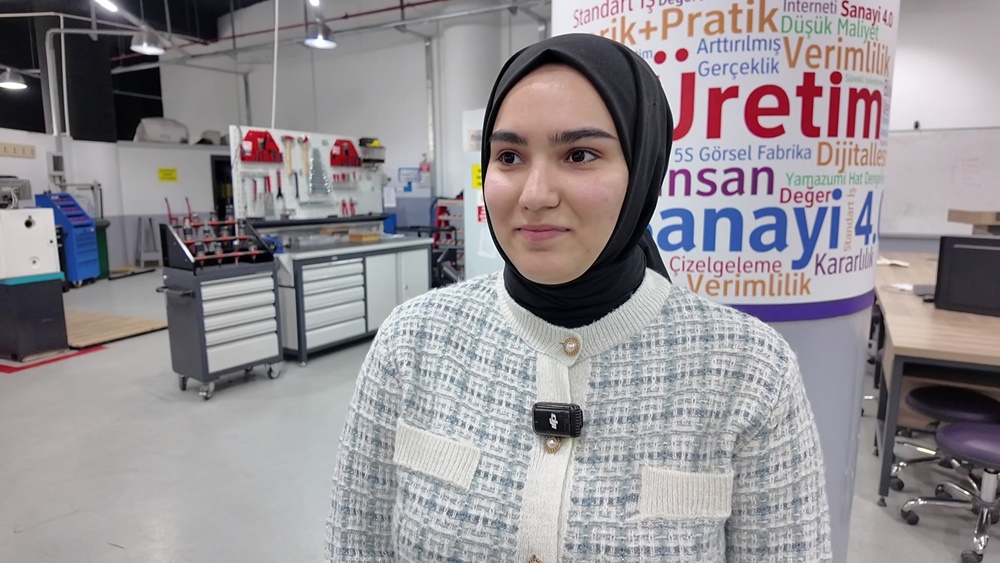
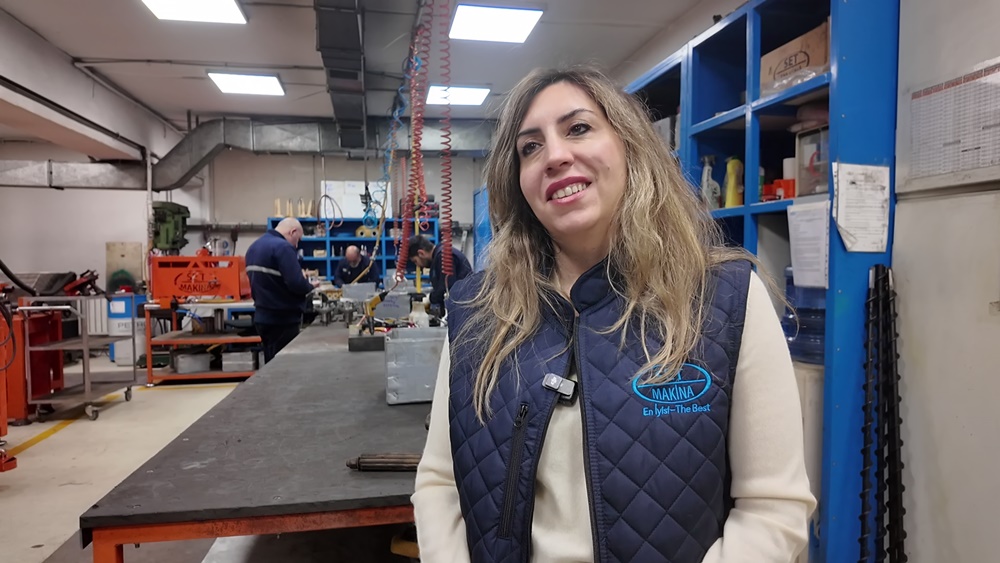
Second-year Machine Program student Şevval Kılıçarslan said that long-term internships contribute to professional development. She stated:
“In long-term internships, we turn the knowledge we learn at school into practice within a company environment. Interning in the same place for a long period helps us adapt to company culture, gain trust, and take on more responsibility. This process also helps us understand whether we have chosen the right profession in terms of career planning.”
Electrical program student Uğur Çelen highlighted the contribution of long-term internships to employment, saying, “In many associate and undergraduate programs on the market, short internship durations cause students to feel uncertain about what to do after graduation. We have the opportunity to directly apply what we learn in R&D and production processes.”
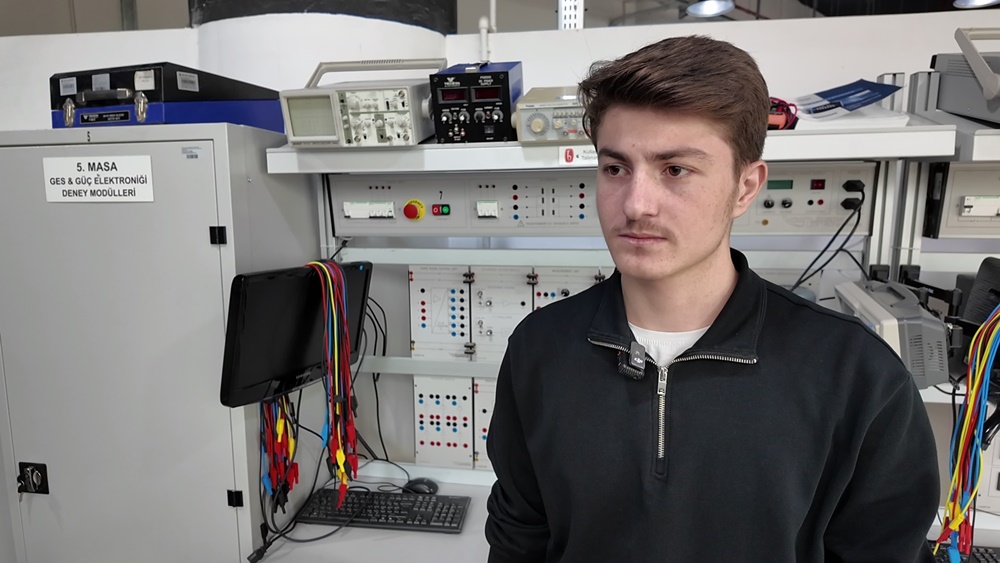
Second-year student Yaşar Talha Şen of the Associate Degree Electrical program said, “In an internship lasting about 145 days, we go beyond getting to know the workplace and actually start learning the job. Increasing internship duration is very important for students to gain experience and for reducing graduate unemployment.”
Prof. Murat Kademli, Department Head of the Electricity and Energy Program at the vocational school, stated that long-term internship practices have produced positive outcomes. He said, “In long-term internships, students fully learn the workplace, the job, and disciplinary processes. Employment rates in the four programs at our school exceed 90 percent.”
Özvar: “We Will Expand the Model in 7 Pilot Provinces to All Universities”
President of the Council of Higher Education Erol Özvar pointed out that no industrialist wants to invest in a student for just 20 days and stated: “Instead of short-term internships of 20–30 days whose efficiency is debatable, we are establishing a more comprehensive, well-structured internship system integrated with the sector. This model, which will allow students to gain experience not only in classrooms but directly in working life, will transform them into better equipped, more productive, and employment-oriented individuals.”
Özvar noted that the applied education model will initially be launched in seven pilot provinces — Konya, Gaziantep, Istanbul, Bursa, Kocaeli, Izmir, and Ankara — and will soon be expanded to all universities. He added, “In this way, we will institutionalize a higher education model that integrates students’ educational processes with real work environments and establishes direct links with employment.”
“Students Will Engage with the Business World Earlier”
With the regulation amending the Framework Regulation on Applied Education in Higher Education, the concept of “workplace-based vocational education” was aligned with the Turkish Higher Education Qualifications Framework (TQF).
The regulation aims to enable students in higher education institutions and programs designated according to strategic priorities by the Council of Higher Education to transform theoretical knowledge into practice in the field, establish earlier and more effective contact with the business world, and increase their employability.
By strengthening the duration of applied education, students’ acquisition of professional competence will be guaranteed, and a model that responds to sector expectations will be created. Thus, applied education and training programs will be restructured around the knowledge, skills, and competency needs of the business world.
Under the amendment, the Council of Higher Education will be authorized to design programs based on TQF learning outcomes, determine the duration of applied education, and establish principles and procedures for long-term applied education.
According to the regulation:
- Applied education will last at least one semester.
- Alignment with sector needs and TQF learning outcomes will become mandatory.
- The duration and scope of applied education will be clearly defined, ensuring standardization among higher education institutions.
- Quality criteria regarding the content of workplace agreements for students have been defined; learning outcomes, job descriptions, evaluation methods, and occupational health and safety measures must be included in the contract.
- A coordinated commission structure will be established both at the Council of Higher Education level and within higher education institutions to ensure holistic management of the system.
Images

Images