


Doctors Stay at the Hospital During Earthquake, Shield Patient in Operating Room
February 4, 2026
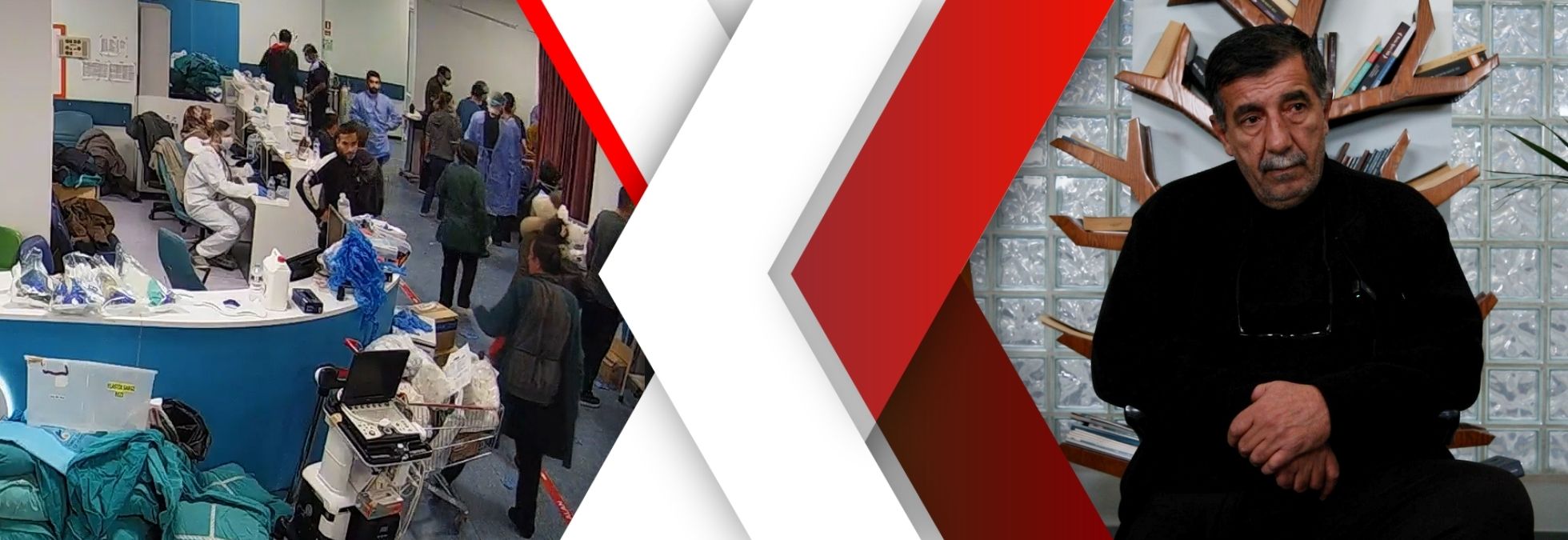
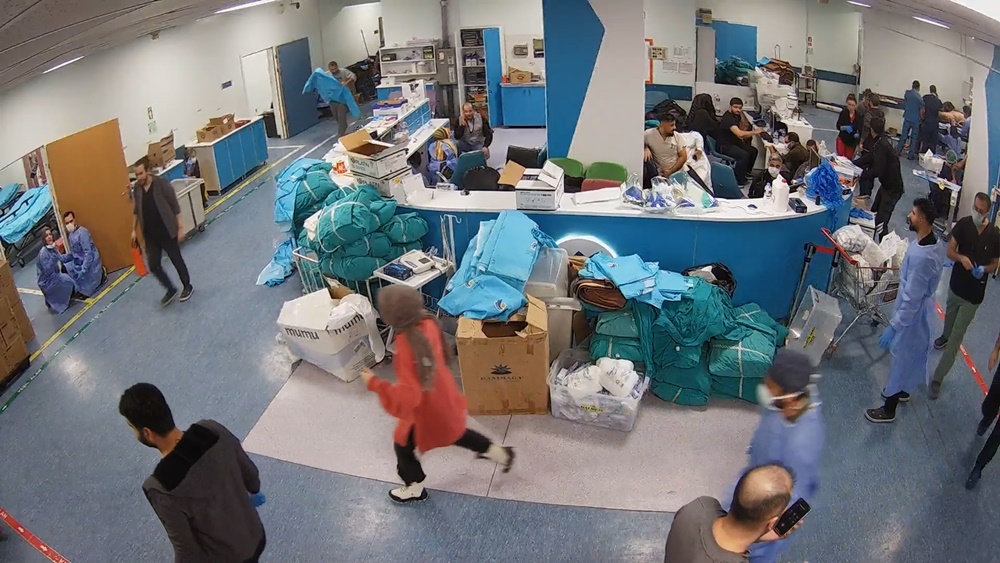
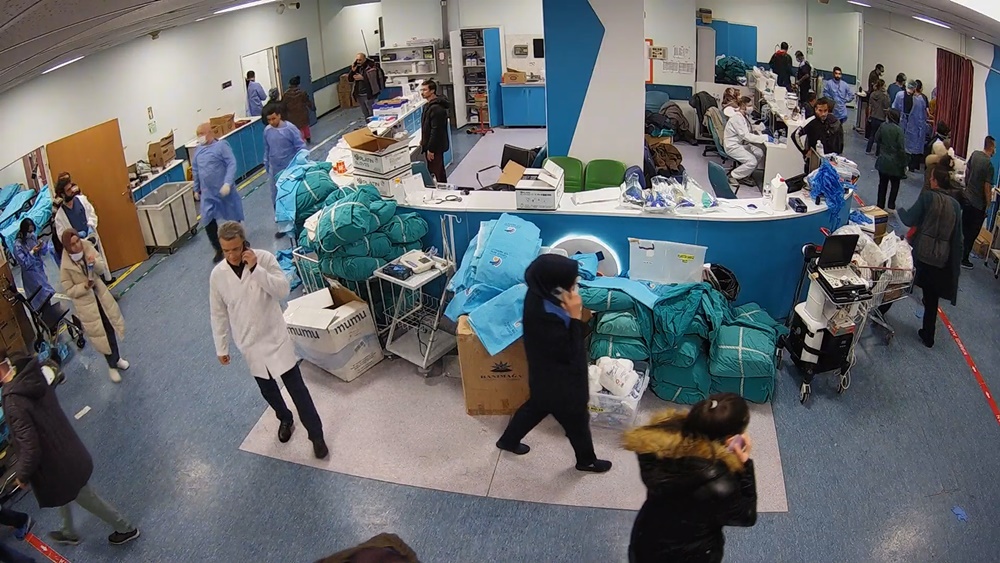
While doctors at İnönü University were treating Kenan Karadağ (62), who had been rescued from the rubble of the first February 6 earthquake, a second earthquake struck. The doctors did not leave the hospital during the quake; instead, they held onto the stretcher to prevent Karadağ from being harmed. Those moments were captured on security cameras.
The Kahramanmaraş-centered earthquakes of magnitude 7.7 and 7.6 that occurred on February 6, 2023 caused massive destruction across 11 provinces. In the earthquakes, which claimed the lives of more than 50,000 people and came to be known to the public as the “disaster of the century,” higher education institutions and university hospitals made contributions in many areas.
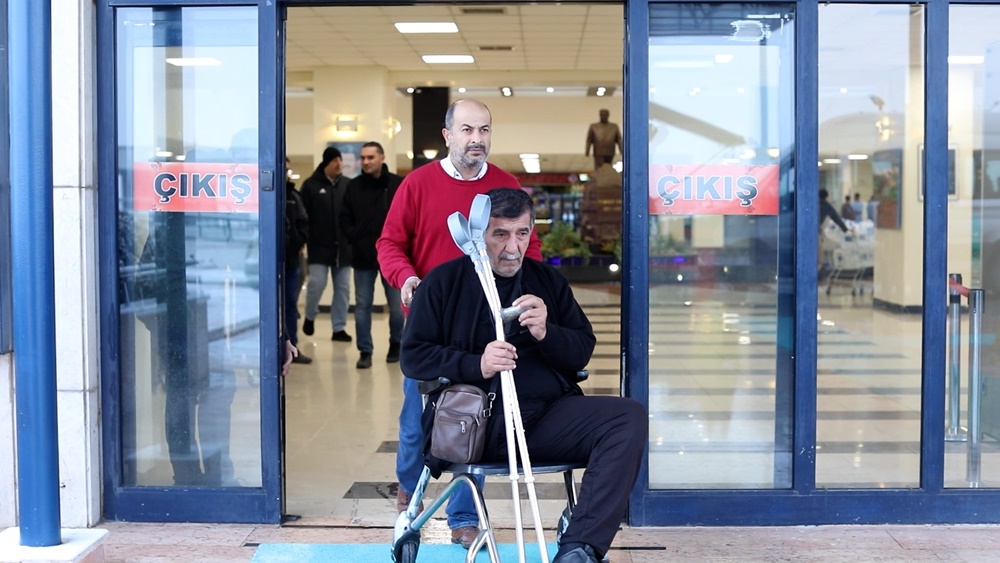
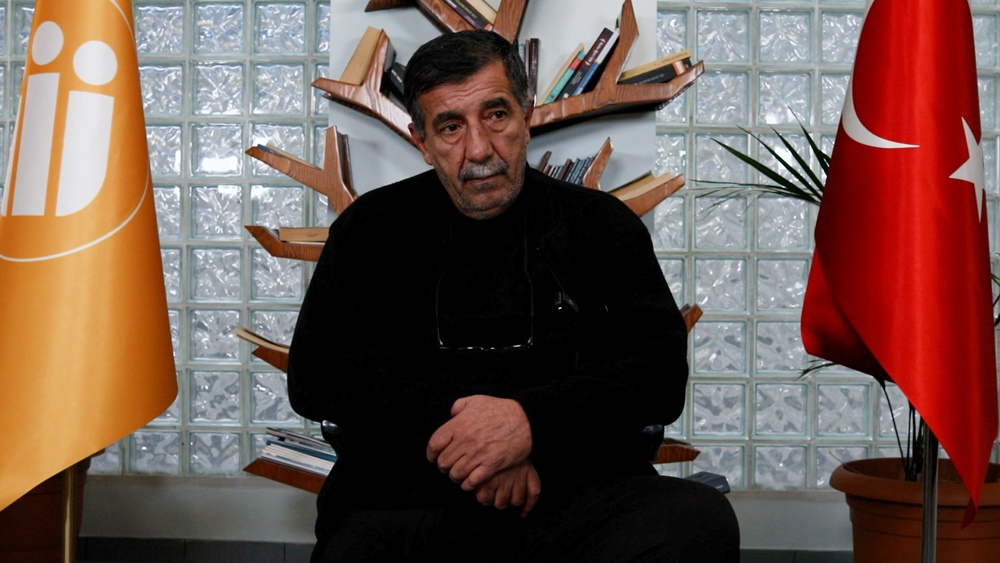
Kenan Karadağ, who was living with his wife, child, and nearly 10 relatives on the first floor of a three-story apartment building in the Battalgazi district of Malatya, was trapped under the rubble for 10 hours when the building collapsed in the first earthquake. Rescued after his leg was amputated, Karadağ described those moments as follows:
“You are in pitch darkness. After getting over the initial shock, my wife said, ‘I can’t breathe, I’m dying.’ My younger son was also next to me. I heard his voice. At first, I realized that my leg was trapped under the rubble. I told my son, ‘Your mother can’t breathe, help your mother.’ Then I heard my wife’s voice again. She said, ‘Thank God, I’ve started breathing.’ My son got his mother out and said to me, ‘Dad, I will get you out too.’”
– “A white curtain passed before my eyes”
Karadağ stated that in those moments he thought, “I know I am at the end of the road,” and said, “I prayed, ‘My God, make death easy for me.’ Suddenly my head fell forward, my eyes closed, a white curtain passed before my eyes, and it was over. Nothing about life remained for me.” Explaining that he was rescued from the rubble after a doctor amputated his leg, Karadağ continued:
“While I was in the E.R., the second earthquake happened. They later showed me footage of a doctor in a white shirt jumping on top of me at that moment. I watched it four months later. The stretcher was swaying back and forth. Everyone was in panic, fearing for their lives. Then a doctor in a white coat came, jumped onto the stretcher, and held me. After that, they took me downstairs and said that I died. After three months in the hospital, once I came out of intensive care, I met Dr. Okan. He told me, ‘You have no idea what you’ve been through. You weren’t given even a one-in-a-thousand chance of survival, yet you’re a patient who will make it into the medical literature. Under the conditions of that day, we did the best we could.’”
Stating that he stayed in intensive care for 45 days, Karadağ said, “My kidneys failed, my breathing stopped, my heart stopped several times, but fate is divine. While I was under the rubble, they amputated my leg below the knee; later it became gangrenous, and the amputation continued upward. That didn’t work either. Finally, the doctors said, ‘There is a small hope; if we amputate from the hip, we may be able to stop the gangrene,’ and my leg was amputated at the hip.”
– “Leaving him in that condition would have meant the patient’s death”
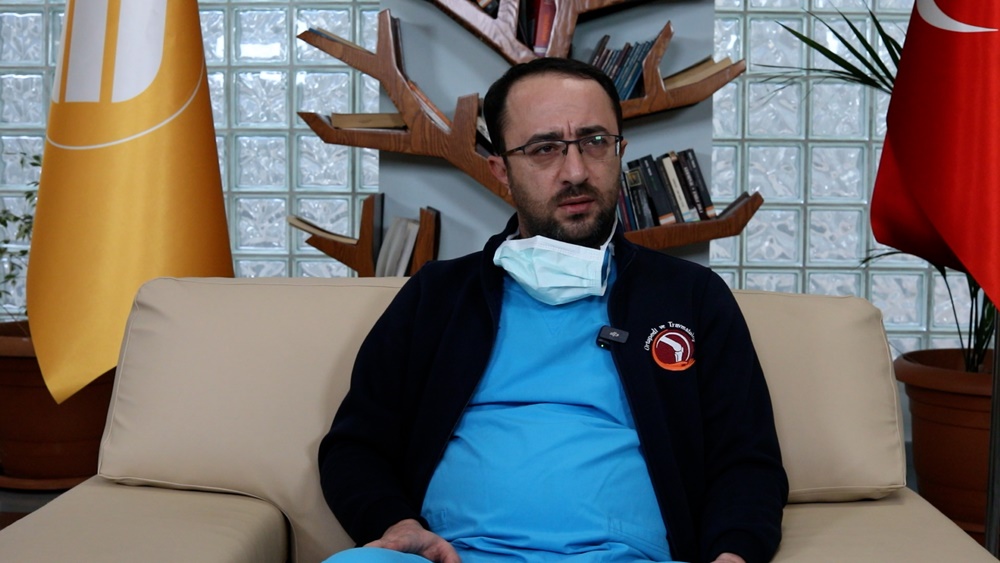
Assoc. Prof. Okan Aslantürk, a faculty member in the Department of Orthopedics and Traumatology at İnönü University who performed the first intervention on Kenan Karadağ after he was rescued from the rubble, said that after the first earthquake they came to the hospital as a team.
Aslantürk explained that they were caught in the second earthquake while evaluating a patient (Kenan Karadağ) who had undergone a leg amputation, and described that day as follows:
“During the earthquake, we naturally did not leave the patient and run out; we held onto him. After the shaking stopped, we took the patient to the operating room and continued our work. He needed to be monitored; leaving him in that condition would have meant his death. If we had let go at that moment, he would have fallen off the stretcher. I felt compelled to hold him. It wasn’t a matter of ‘how do we do this or that’… In fact, my family was also at the hospital, waiting in my room, but at that moment you don’t think about them. You just act on instinct. Because one side of the patient’s stretcher was open, we couldn’t leave his side out of concern that he might fall.”
Aslantürk said that during this process they stayed at the hospital for two months and slept on couches in their rooms together with his teammate. “The hospital became our home,” he said.
– “He was almost going to fall off the stretcher”
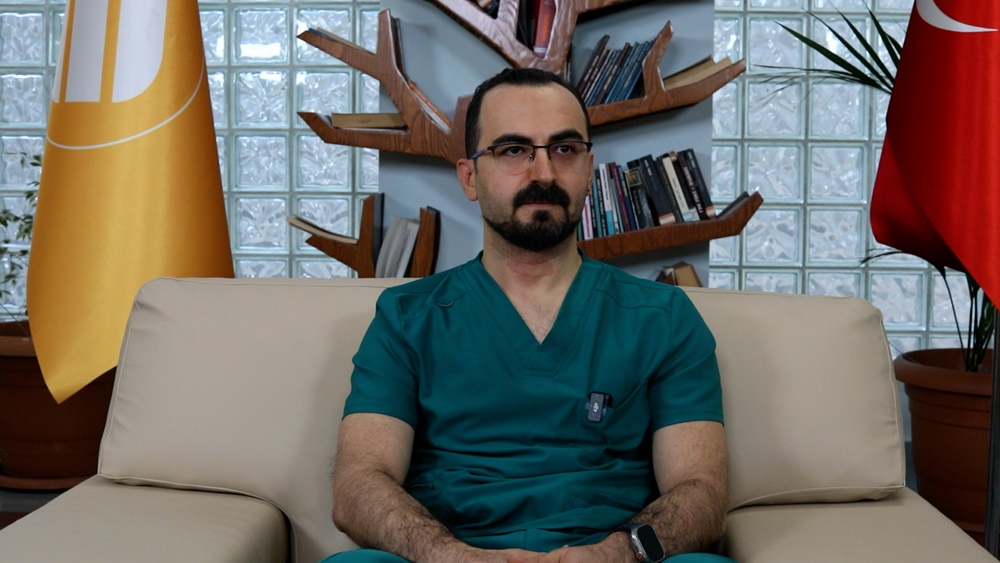
Assoc. Prof. Emre Ergen, also a faculty member in the Department of Orthopedics and Traumatology at İnönü University, stated that after the second earthquake no one wanted to enter the hospital and that there was great fear and panic. Ergen said:
“I realized this: in order for them to be able to work, I needed to motivate everyone there because there were patients waiting and an institution that had to keep functioning. I worked very hard to motivate them. After getting through a few aftershock scares, everyone became motivated. We continued working. Those were very difficult days.
We had a patient who had been trapped under the rubble in the first earthquake and had his leg amputated. His overall condition was also very poor. We were trying to get him to the operating room as quickly as possible. At that moment, the second earthquake happened. Dr. Okan held him. He was almost going to fall off the stretcher because it was shaking severely. Dr. Okan threw himself over him so that he wouldn’t fall. There was another healthcare worker as well. Everyone else ran off, trying to save their own lives. Thinking about ourselves didn’t really cross our minds at that moment. Also, we had great confidence in the building; I was aware that nothing would happen to it.”
– Özvar: “The sacrifice of our university hospitals and our faculty members is admirable”
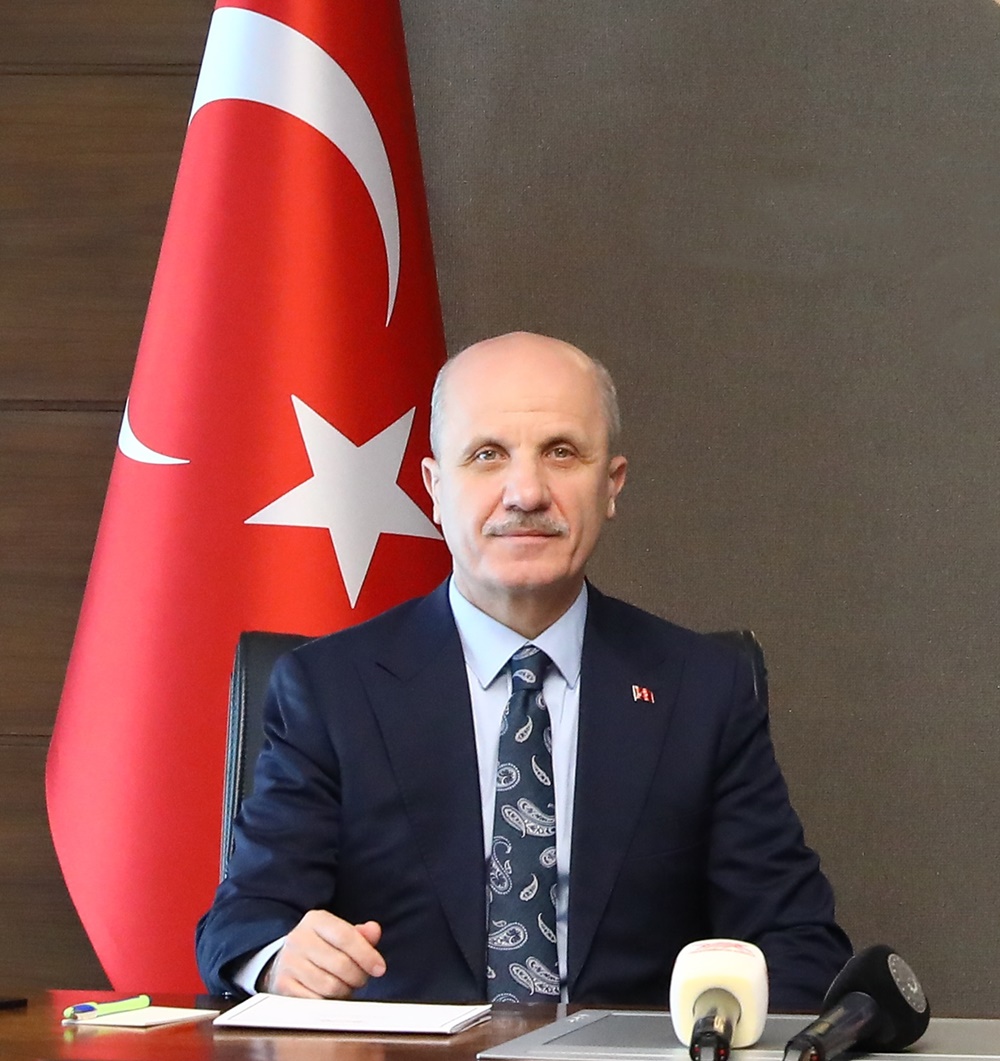
President of the Council of Higher Education, Erol Özvar, once again expressed his condolences for those who lost their lives in the February 6 earthquakes, saying, “May our country and our people be protected from all forms of disaster.”
Emphasizing that universities and university hospitals did not suspend their services even for a moment under the harshest conditions of the disaster, and that they mobilized their scientific expertise, healthcare capacity, and human resources for the benefit of society, Özvar noted that higher education institutions played an important role by providing physical facilities for earthquake victims and by carrying out voluntary activities with all their stakeholders, from academics to students.
Images
Images