


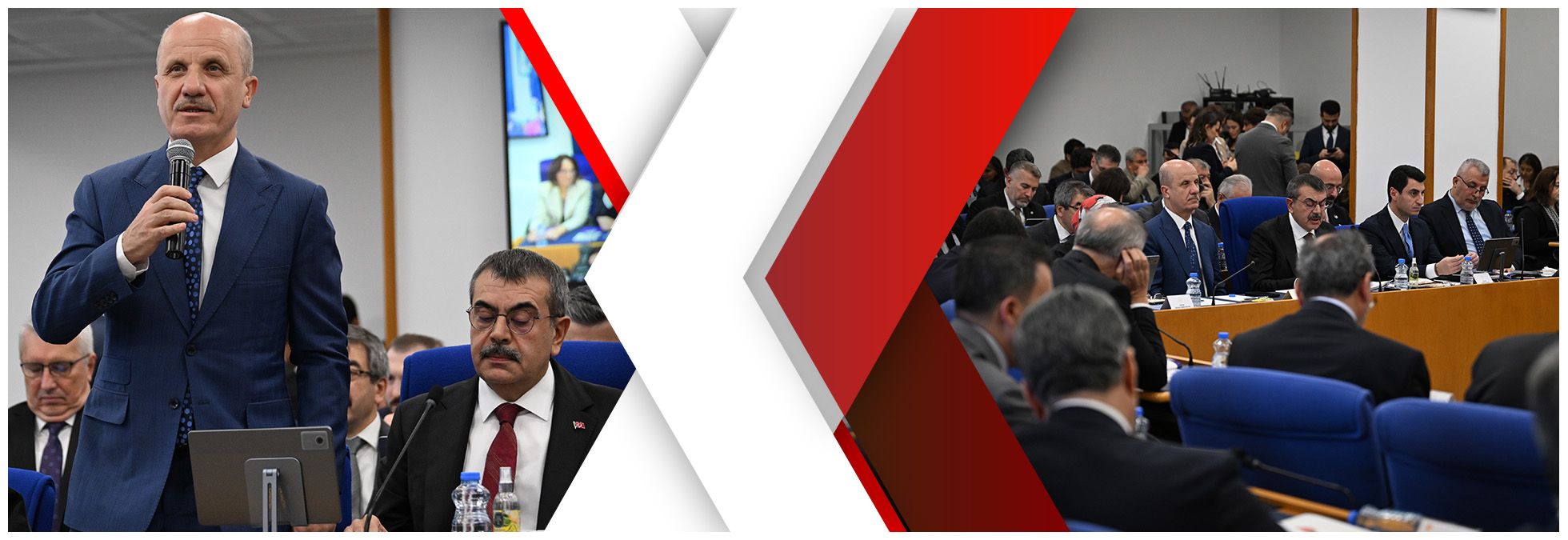
Özvar Announces in Grand National Assembly of Türkiye: “We are working on a student amnesty.”
“We are working on student amnesty. We will submit to the Grand National Assembly of Türkiye a regulation particularly concerning students who lose their student status during their internship or practical training while exceeding the maximum duration.”
November 21, 2025
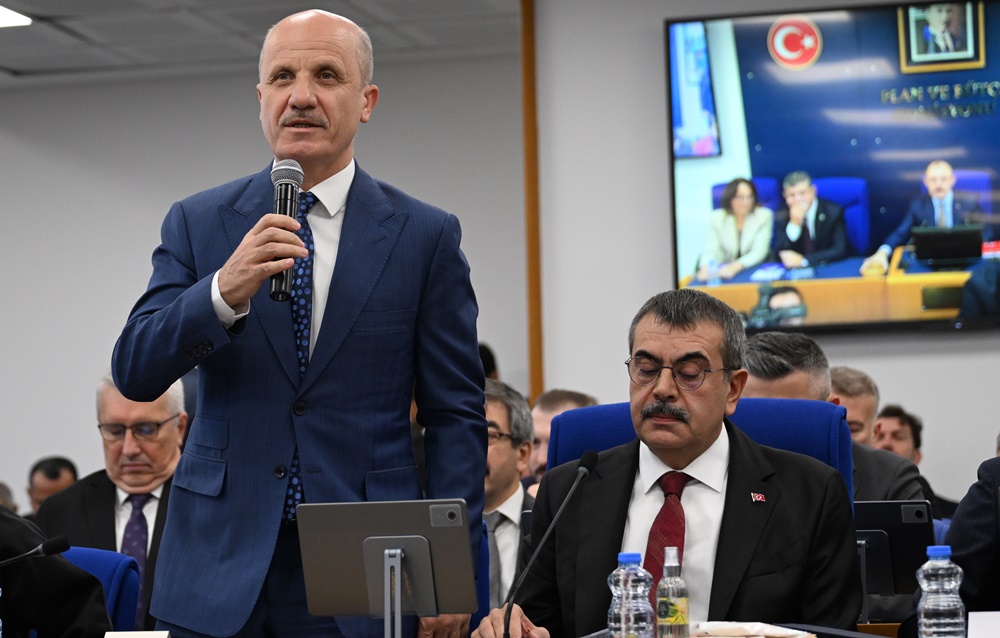
President of the Council of Higher Education (CoHE), Erol Özvar, stated that they are working on a student amnesty and said, “We will present to the Grand National Assembly of Türkiye (GNAT) a regulation specifically addressing those who lose their student rights during the internship or practical training while exceeding the maximum duration.”
Speaking at the meeting of the Planning and Budget Committee of the GNAT, where the 2026 budget of the Council of Higher Education was being discussed, Özvar also shared information on student numbers in higher education. He noted that there are 3 million 773 thousand students at the undergraduate level in formal education and 2 million 702 thousand students in open and distance education, making a total of 6 million 475 thousand students, in Türkiyet.
Emphasizing that open and distance education should primarily be considered within the framework of lifelong learning, Özvar highlighted that when only formal education is taken into account, Türkiye’s student numbers remain within OECD averages.
Stating that there are 429 thousand graduate-level students, Özvar added: “The claim that the number of university students in Türkiye is excessively high does not match the data we have.”
Özvar also stressed that in the 2025 rankings of the world’s two leading international higher education rating agencies, six Turkish universities ranked within the top 500 worldwide, and for the first time this year, Middle East Technical University (METU) and Istanbul Technical University (ITU) succeeded in entering the top 350.
“We file criminal complaints regarding detected forgeries”
Commenting on allegations of fake diplomas, Özvar said: “The allegations reflected in the public sphere concern irregularities that have already been referred to the judiciary by the Council. Especially in equivalency procedures, the Council of Higher Education files criminal complaints with judicial and administrative authorities for all detected forgeries, including but not limited to diplomas. In addition, any tips or complaints submitted to the Council on this matter are evaluated promptly and meticulously, and all necessary actions are taken in cooperation with judicial and administrative authorities.”
Explaining that horizontal transfer procedures are carried out in accordance with the relevant regulations, Özvar continued:
“In transfer applications, the authenticity and validity of the documents submitted by students are examined by universities. Any detected forgery—whether a diploma, transcript, or any other document—is handled within the framework of official procedures, and in cooperation with relevant institutions and organizations, necessary administrative actions are taken, and criminal complaints are filed with judicial authorities. There are no exceptions to this practice.”
Images
Images