


Council of Higher Education Awards “Flags and Badges” to “Barrier-Free Universities”
December 25, 2025
Council of Higher Education (CoHE) President Erol Özvar announced the universities deemed worthy this year of the Barrier-Free University Flag and Program Badge.
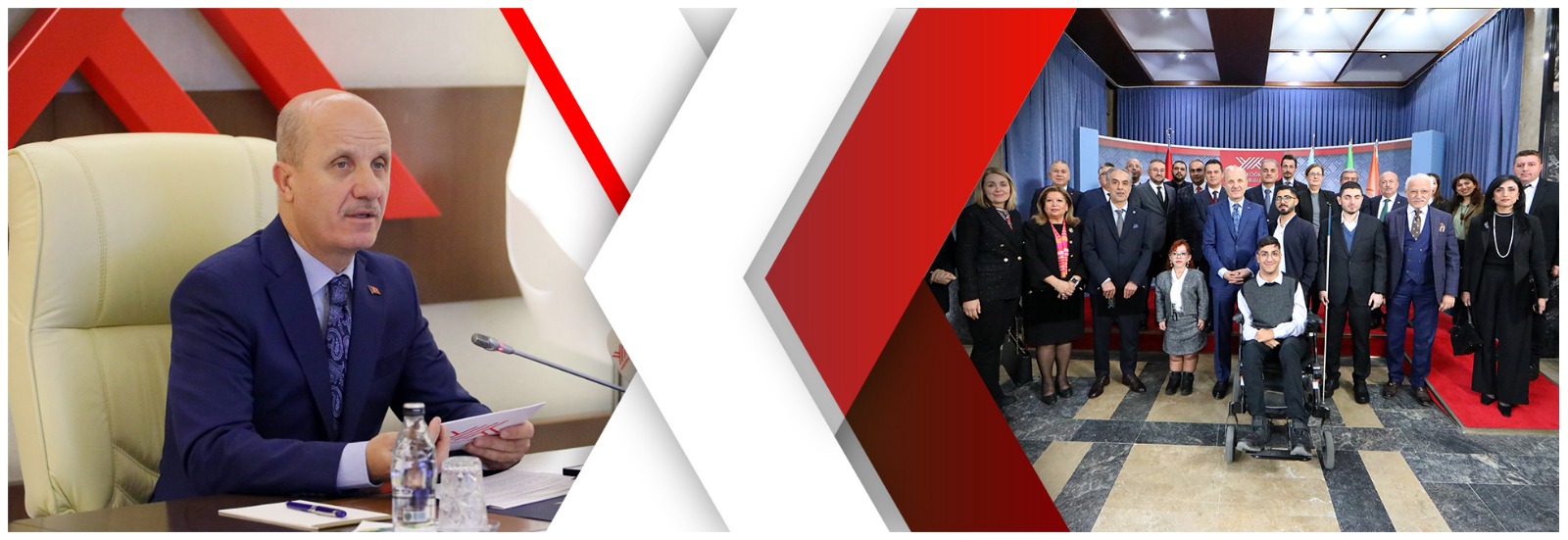
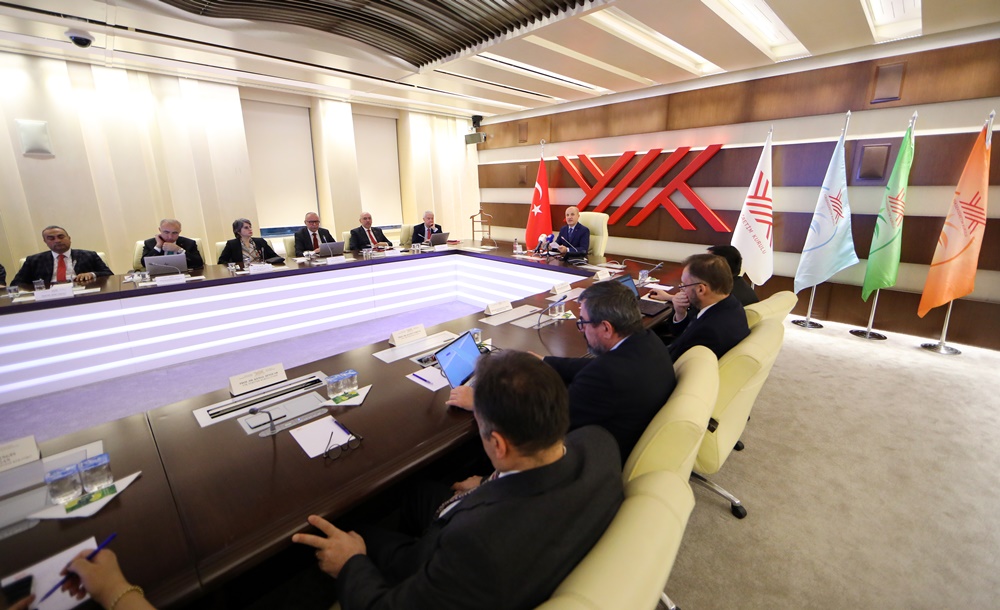
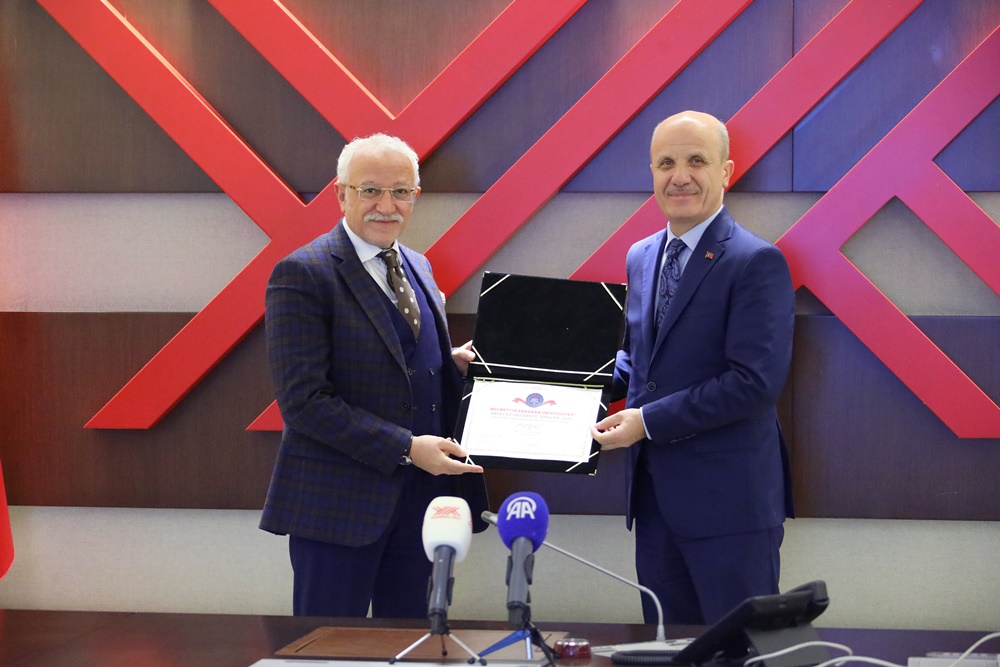
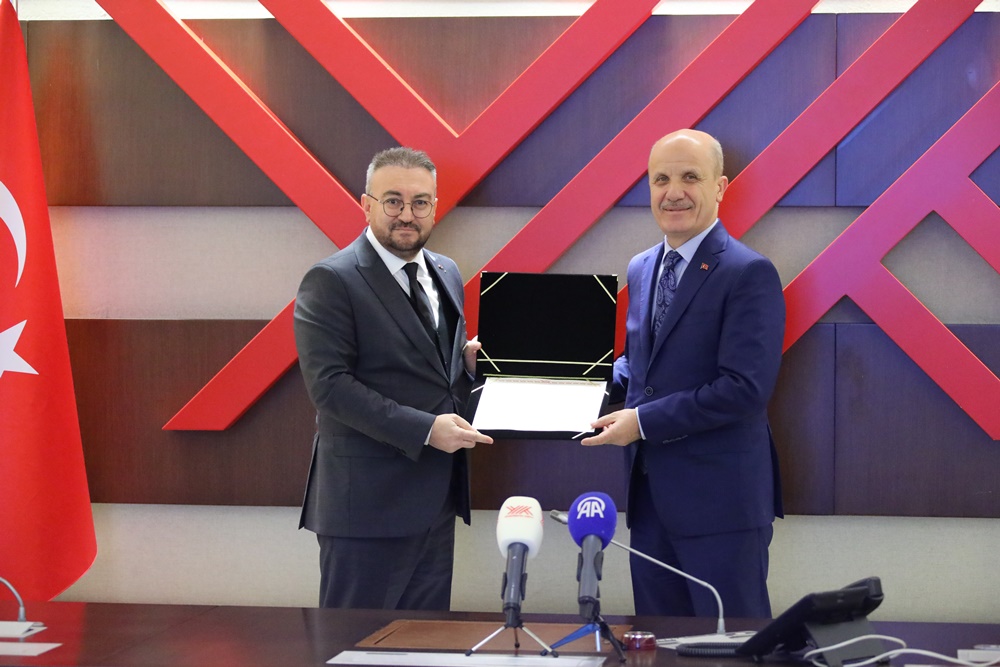
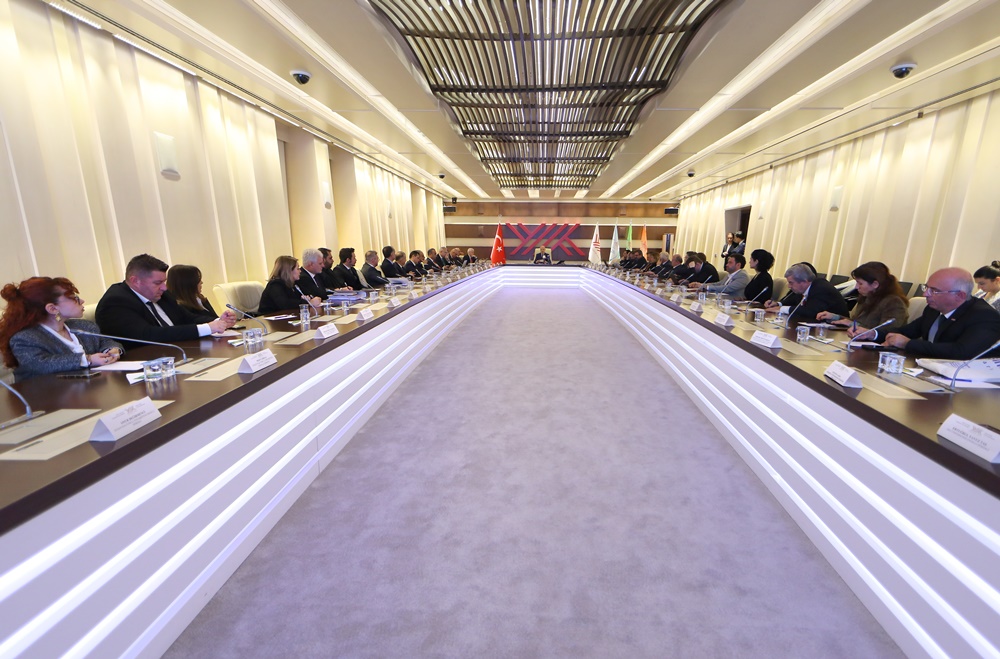
At the “2025 Barrier-Free University Flag and Program Badge Award Ceremony” held at the Council of Higher Education, universities received their awards from CoHE President Özvar.
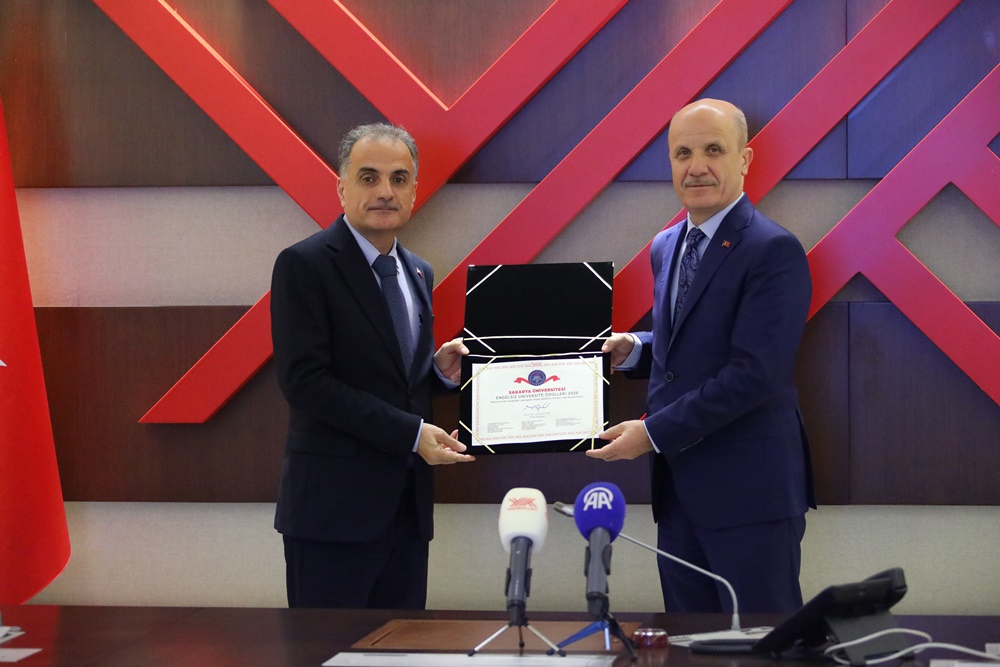
In the Flag category, Yozgat Bozok University ranked first with 12 Barrier-Free University Flags, while in the Program Badge category, Sakarya University took first place with 40 badges. Özvar reported that 124 applications qualified for the Barrier-Free University Flag and 138 applications qualified for the Barrier-Free University Program Badge.
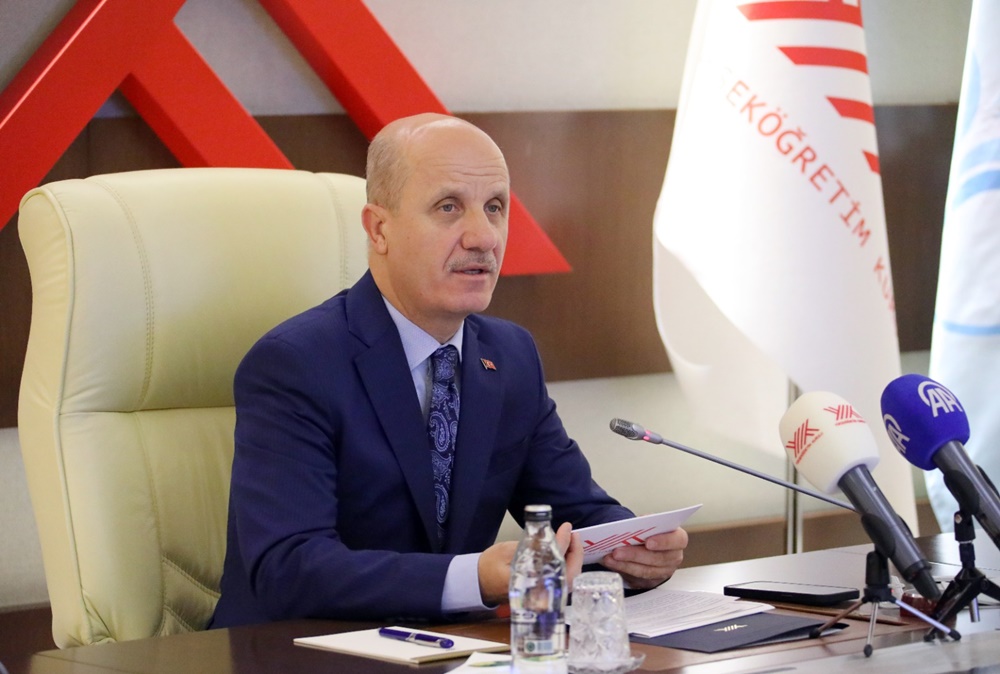
In his speech at the award ceremony, Özvar stated that ensuring university campuses are fully accessible in every respect for students with disabilities is one of the fundamental prerequisites for equal opportunity in higher education and education that upholds human dignity, adding: “Accessible campuses are not merely a convenience; they are a prerequisite for the effective exercise of the right to education.”
“Accessibility is among the core responsibilities of universities”
Noting that over the past 23 years, thanks to the vision set forth by President Recep Tayyip Erdoğan and major investments, the number of universities has increased, at least one university has been established in every province, and structural reforms have been implemented—making access to universities possible for a much broader segment of society—Özvar continued:
“The proper arrangement of all physical spaces—particularly on-campus transportation, classrooms, laboratories, libraries, dormitories, and social areas—and the provision of auditory, visual, and digital accessibility are among the core responsibilities of universities. Any difficulties encountered by students with disabilities should be addressed not as individual issues but as structural problems and eliminated through institutional solutions.”
Emphasizing that accessibility encompasses not only access to physical spaces or quotas but also participation on the basis of equal opportunities, Özvar stated that, with this understanding, they consider it an important duty to implement projects and practices for disadvantaged groups.
In this context, Özvar noted that special quotas have been allocated for relatives of martyrs and veterans, earthquake survivors, individuals with disabilities, and women over the age of 34, and that academic and social support mechanisms have been developed in coordination with universities to enable their stronger integration into the higher education system.
“Guiding, developmental, and quality-enhancing for universities”
Özvar explained that applications for flags and badges underwent a scoring-based, multi-stage evaluation process conducted by 59 expert panelists following a technical review, emphasizing that each category was assessed on the basis of objective criteria.
He stated: “Thanks to this systematic evaluation approach, the Barrier-Free University Flag and Program Badges go beyond being merely an award mechanism; they serve a guiding, developmental, and quality-enhancing function for our universities. This should be regarded as a series of continuous steps taken on the path to excellence.”
- 124 Flags, 138 Program Badges
Özvar announced the universities that received awards based on this year’s evaluation results.
Stating that a total of 1,768 applications from 112 universities were taken into consideration this year, Özvar explained that, following the evaluations, 124 applications qualified for the Barrier-Free University Flag and 138 applications qualified for the Barrier-Free University Program Badge.
Özvar reported that of these flags, eight were “orange flags,” 48 were “green flags,” and 68 were “blue flags,” and went on to rank the universities that received the highest number of flags.
- Yozgat Bozok University Received the Highest Number of Flags
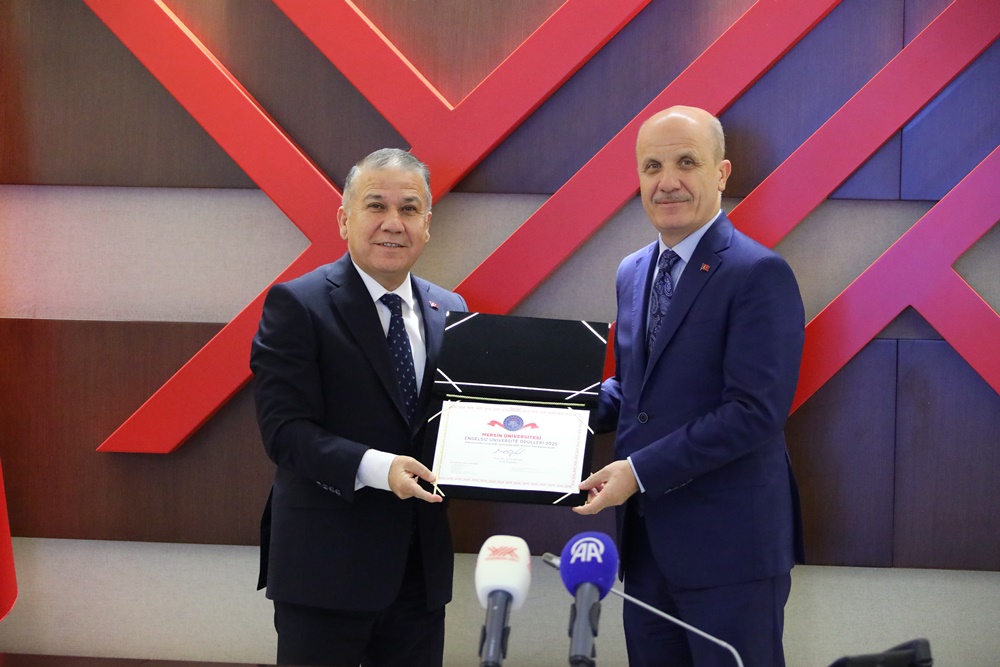
Yozgat Bozok University ranked first with 12 flags. Necmettin Erbakan University ranked second with 11 flags, while Dokuz Eylül University, Mersin University, and Zonguldak Bülent Ecevit University shared third place with ten flags each. Ege University and Uşak University ranked fourth with seven flags each.
- Sakarya University Leads in the Barrier-Free Program Badge Category
In the Barrier-Free University Program Badge category, Sakarya University ranked first with 40 badges. Dokuz Eylül University ranked second with 25 badges, Marmara University ranked third with 19 badges, while Zonguldak Bülent Ecevit University received 15 badges, Kastamonu University nine badges, Bartın University seven badges, and Hasan Kalyoncu University five badges.
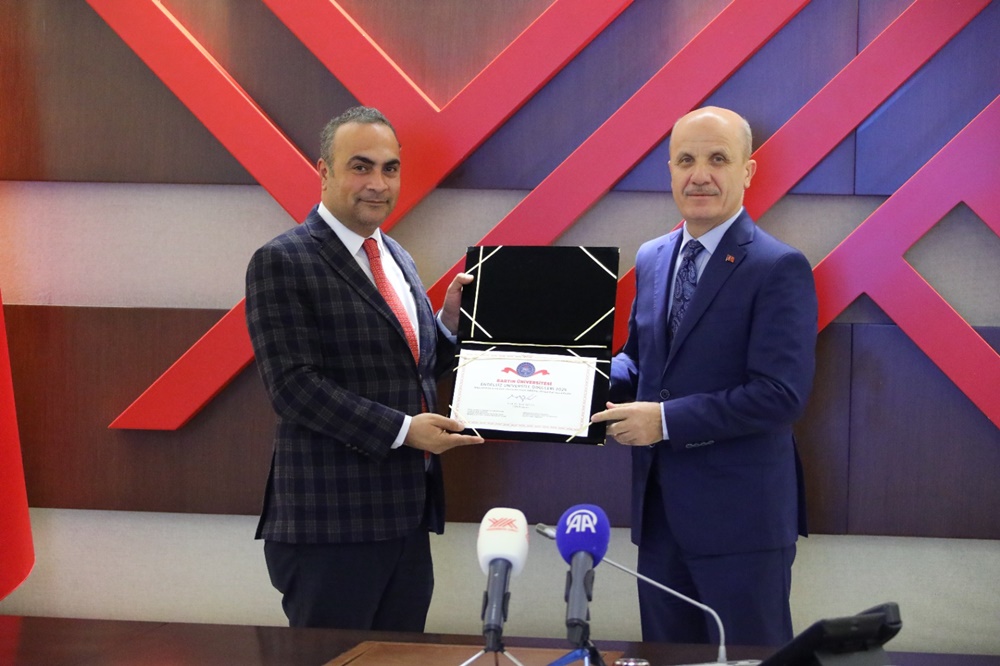
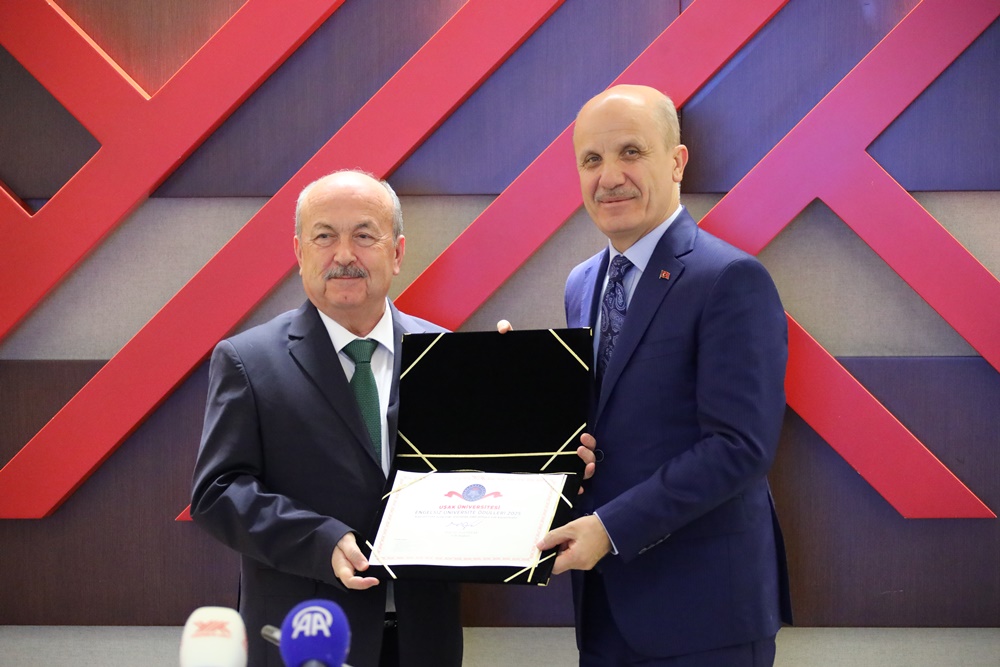
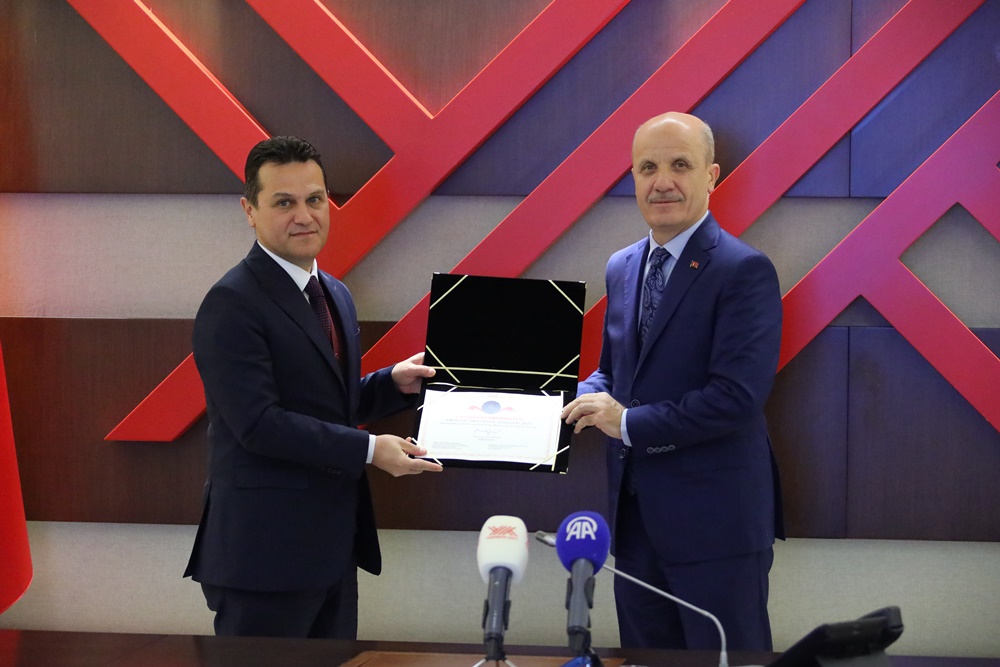
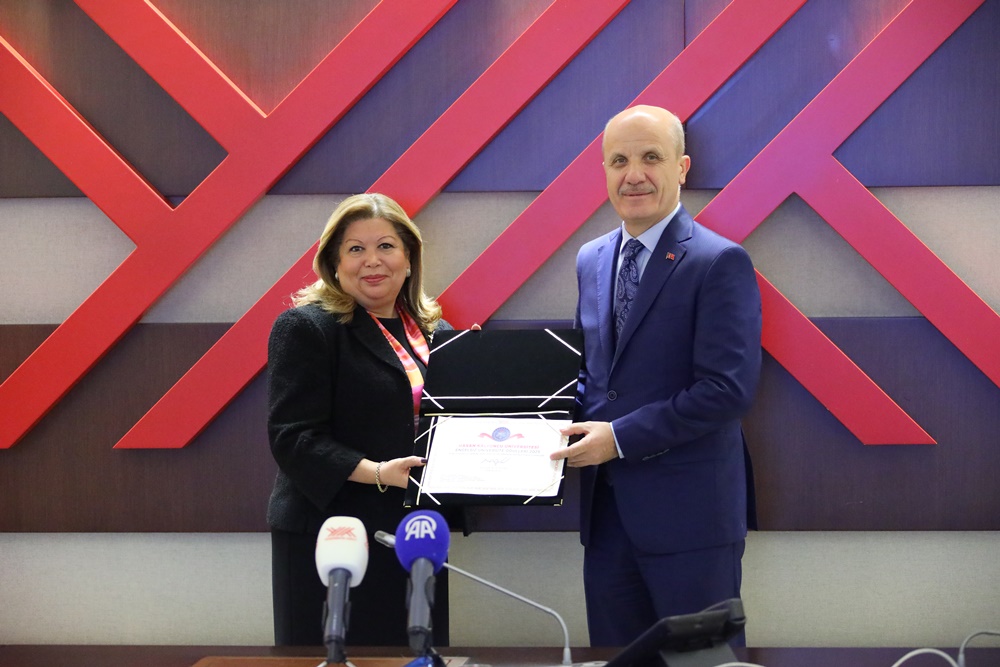
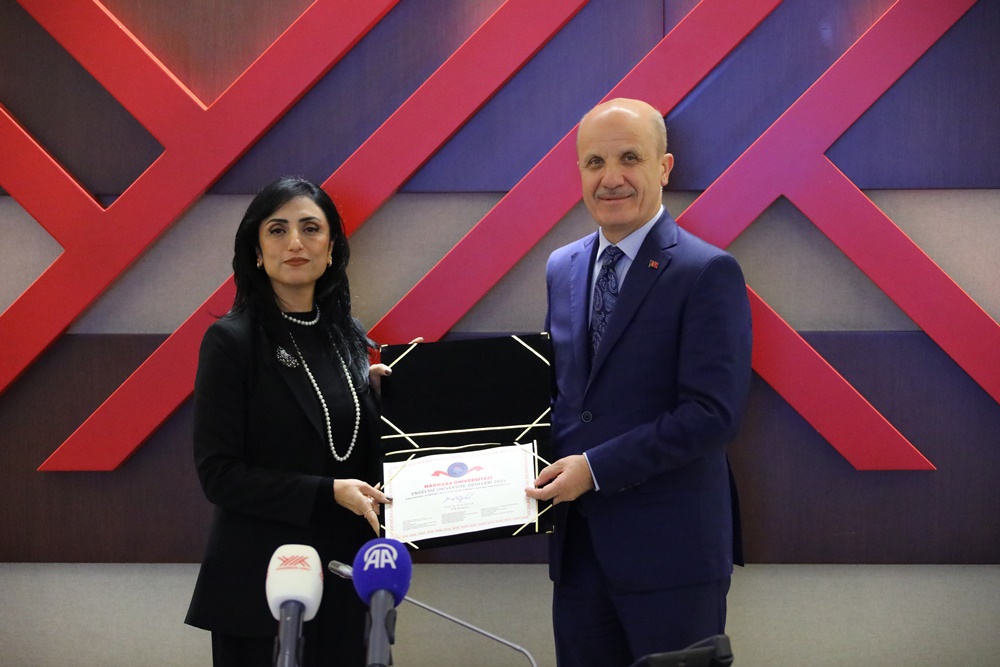
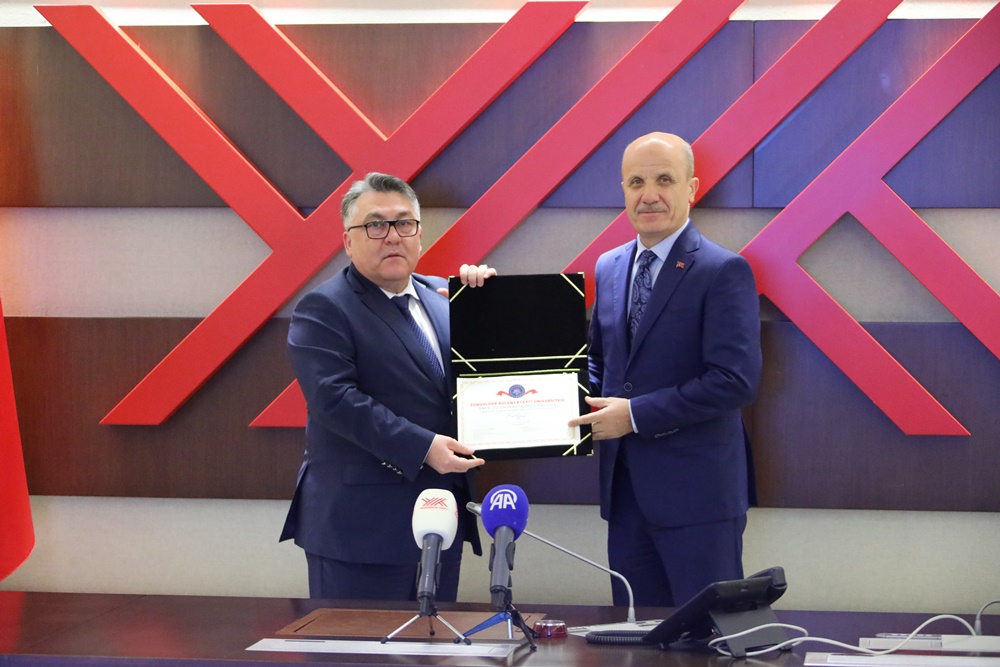
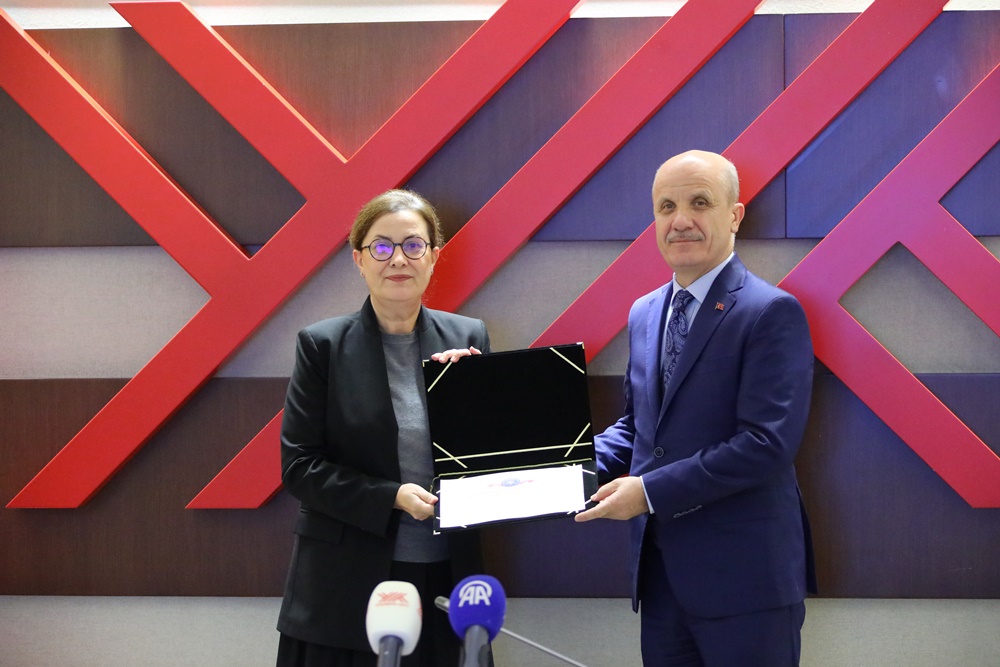
Özvar congratulated all universities and staff members who earned the flag awards for their efforts and contributions. Following his speech, Özvar presented the awards to the rectors of the award-winning universities.
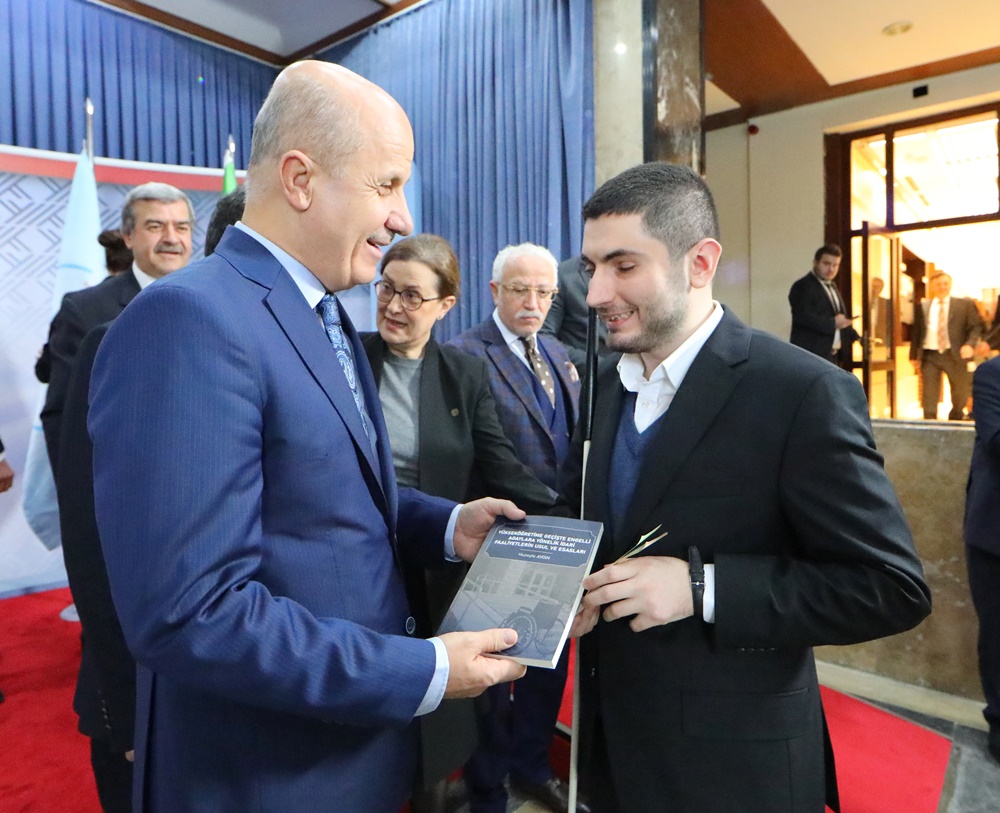
- Visually Impaired Research Assistant Huzeyfe Aydın Presented His Book to Özvar
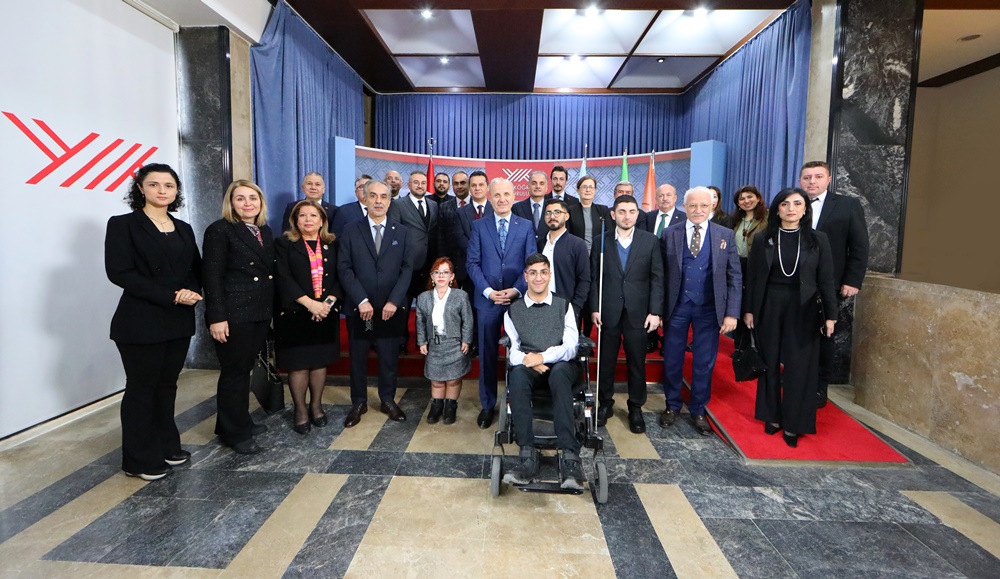
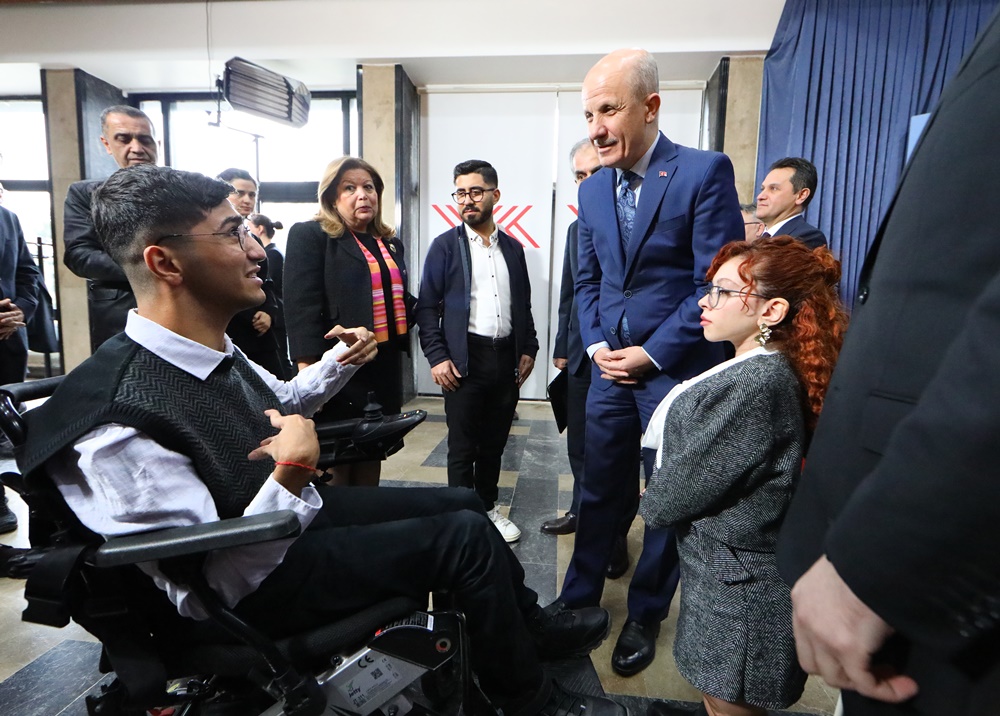
After the award ceremony, Özvar personally engaged with the individuals with disabilities who attended the program, chatting with them one by one and taking photographs together.
Huzeyfe Aydın, a Research Assistant at the Faculty of Law of Sakarya University who has been visually impaired since birth, presented Özvar with his book titled “Procedures and Principles of Administrative Activities for Candidates with Disabilities in the Transition to Higher Education.” Emphasizing that accessibility efforts are of critical importance for the equal participation of individuals with disabilities in education and social life, Aydın stated that the Barrier-Free University Flags and Program Badge initiative serves as an important incentive mechanism for universities.
Ertuğrul Yavuz Taş, a second-year student in the Department of Radio, Cinema, and Television at the Faculty of Communication of Ege University, noted that the Barrier-Free University practices have created strong awareness of accessibility within universities, adding that the widespread establishment of barrier-free student units is a concrete indicator of institutional transformation in this field.
Merve Erhalı, a fourth-year student in the Department of Guidance and Psychological Counseling at the Faculty of Education of Hasan Kalyoncu University, stated that the Barrier-Free University initiatives carried out at her university facilitate the active participation of students with disabilities in educational processes through accessible transportation, classroom arrangements, and library facilities, and emphasized that the scholarships and support provided by the Council of Higher Education also offer significant opportunities.
Onur Değirmenci, a fourth-year student in Psychology at Hasan Kalyoncu University, noted that step-free and accessible transportation opportunities provided across the campus offer significant convenience, while reader–scribe support during exams, additional time arrangements, and accessible course materials strengthen his academic experience.
- Barrier-Free University Awards
Since 2018, the Barrier-Free University Awards have been presented in two categories—Barrier-Free University Flags and Program Badges—with the aim of raising awareness and disseminating good practices regarding the access of individuals with disabilities to on-campus facilities, educational and instructional activities, and sociocultural activities.
The Barrier-Free University Flags are awarded in three areas: Accessibility in Physical Spaces (Orange Flag), Accessibility in Education and Instruction (Green Flag), and Accessibility in Sociocultural Activities (Blue Flag). The Program Badges, on the other hand, are presented to universities that have made their academic programs accessible to different groups of individuals with disabilities.
Images
Images