



Opening Ceremony of 2025–2026 Academic Year Held at Presidential Complex
October 9, 2025
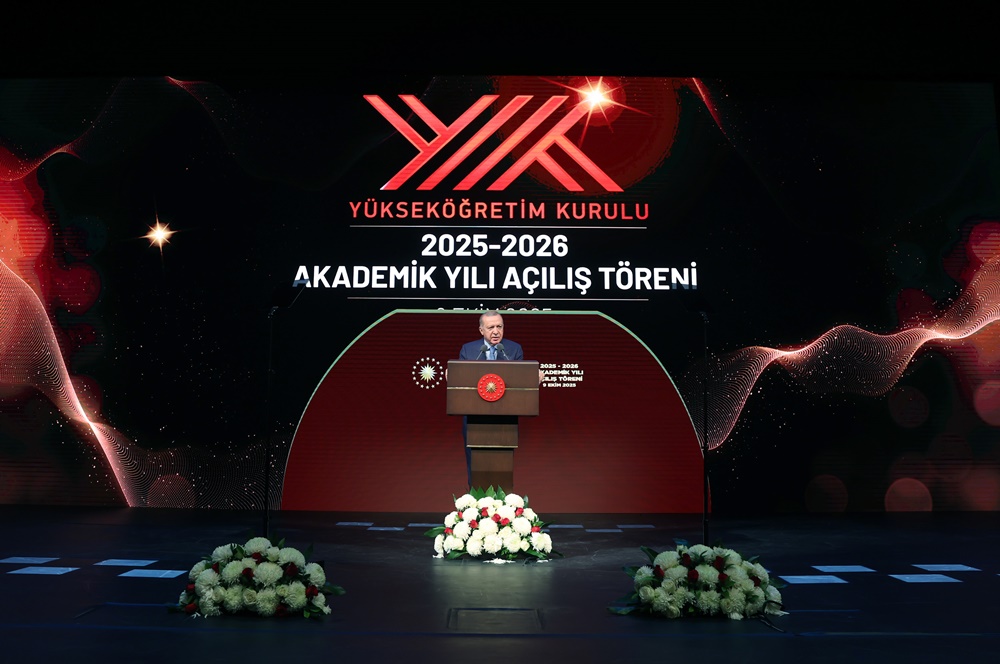
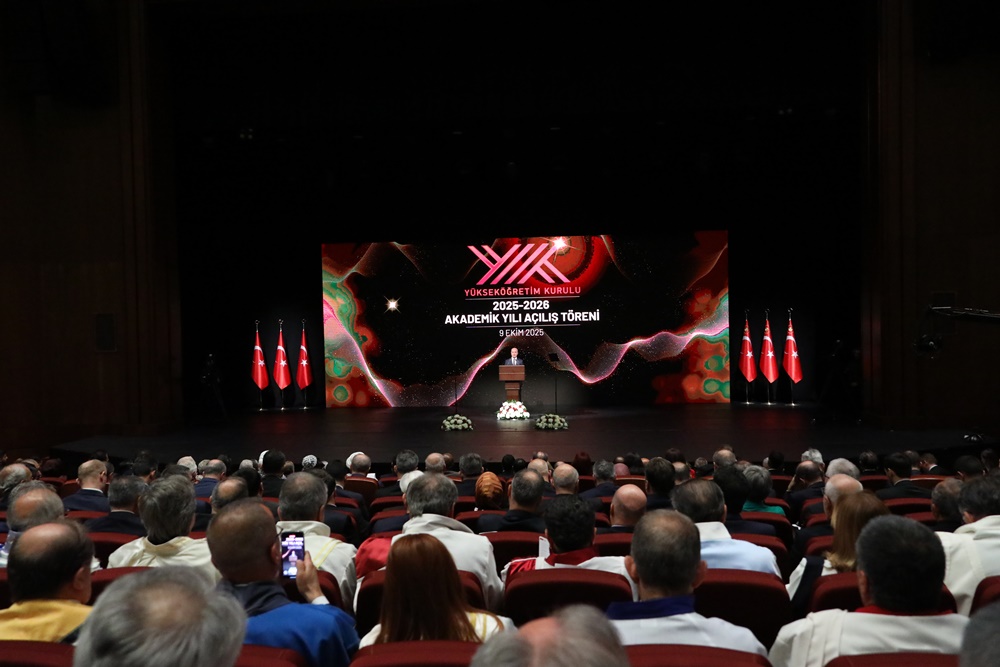
The opening ceremony of the 2025–2026 Higher Education Academic Year was held at the Presidential Complex with the participation of President Recep Tayyip Erdoğan.
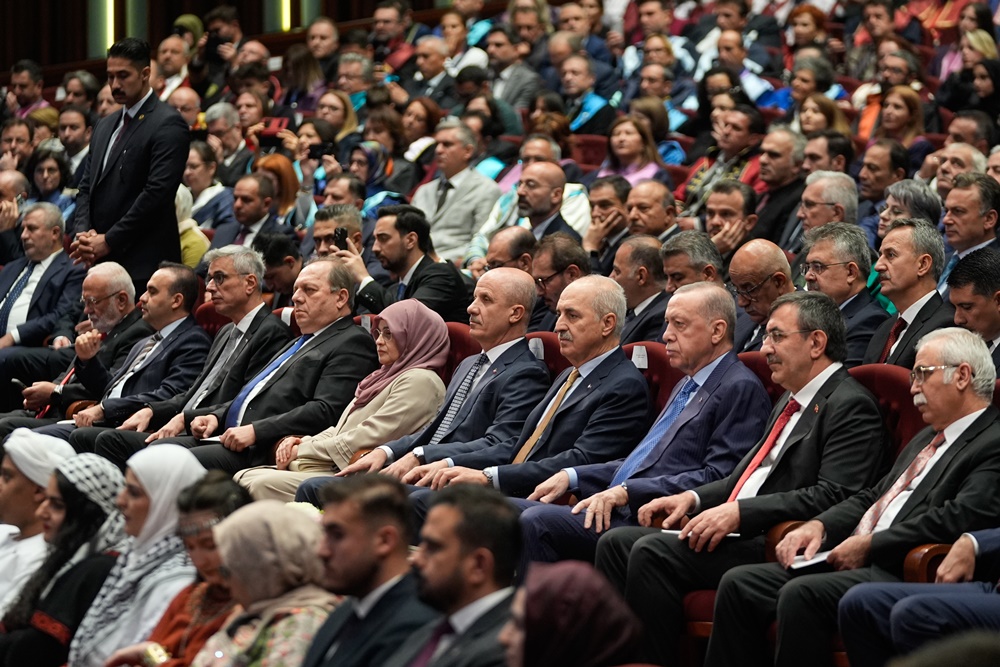
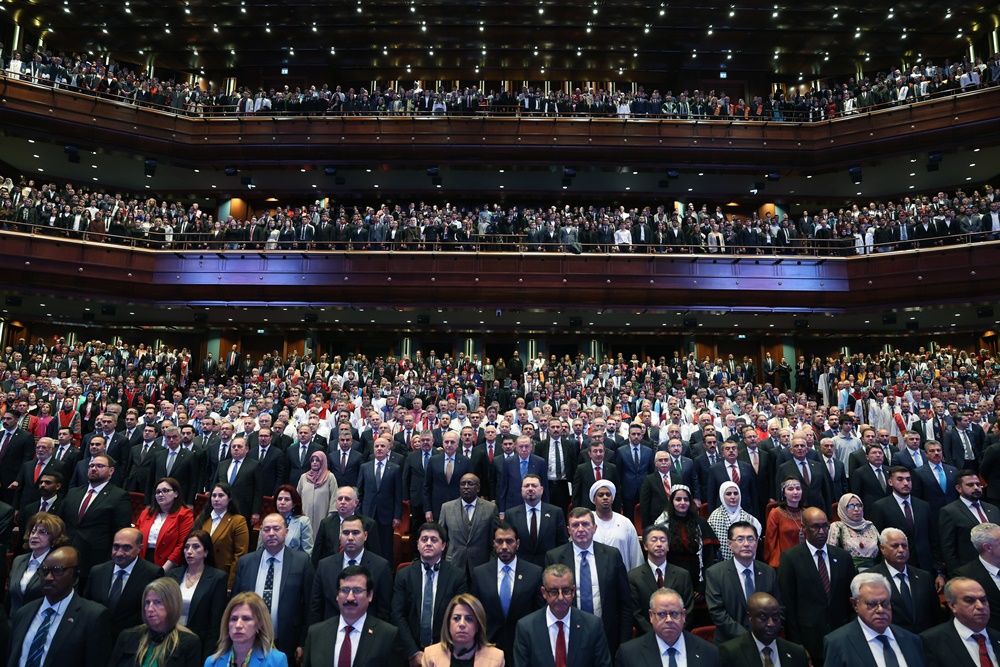
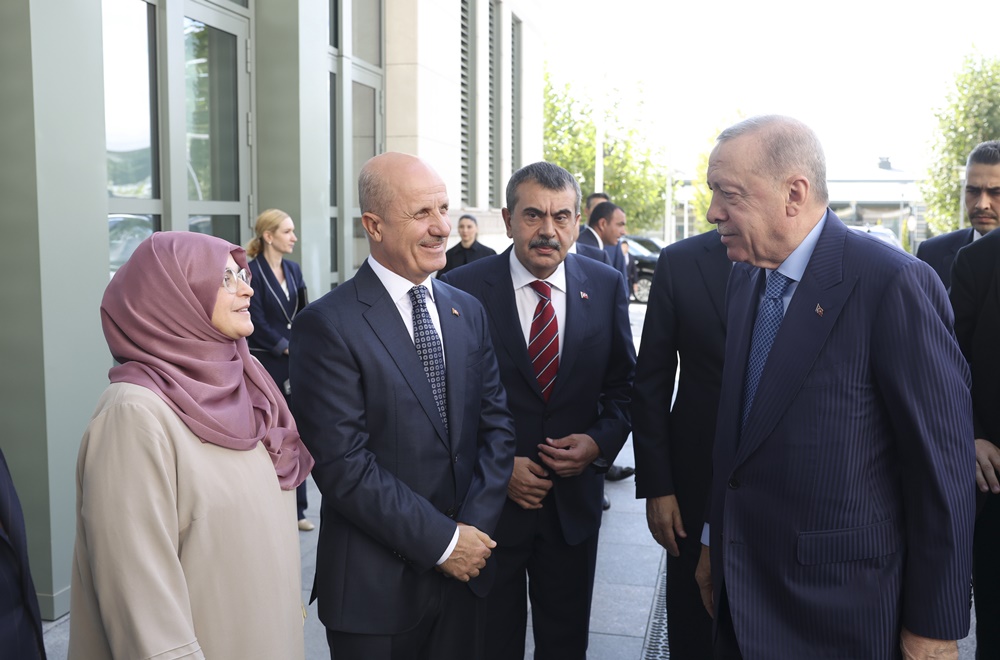
The ceremony was attended by President Erdoğan, CoHE President Erol Özvar, along with senior state officials, ministers, CoHE members, heads of relevant institutions, ambassadors, rectors, academics, and students.
Following the moment of silence and the singing of the National Anthem, a musical performance was given by the Turkish Music Orchestra of Ankara Music and Fine Arts University, accompanied by artist Çiğdem Gürdal from the Ankara Turkish World Music and Dance Ensemble of the Ministry of Culture and Tourism’s General Directorate of Fine Arts. Afterwards, a promotional film on Turkish higher education was screened.
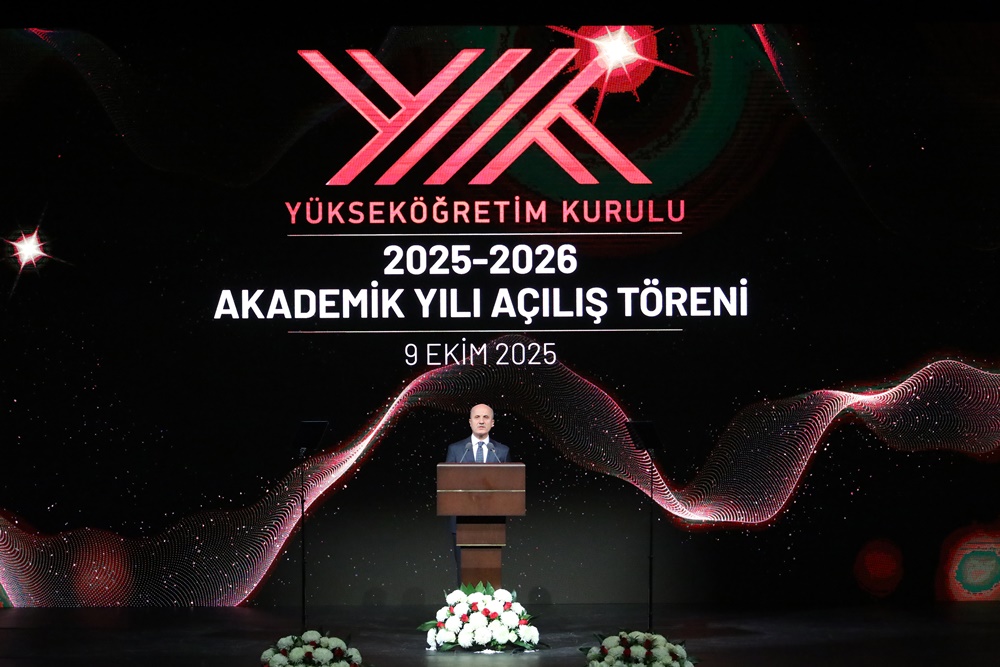
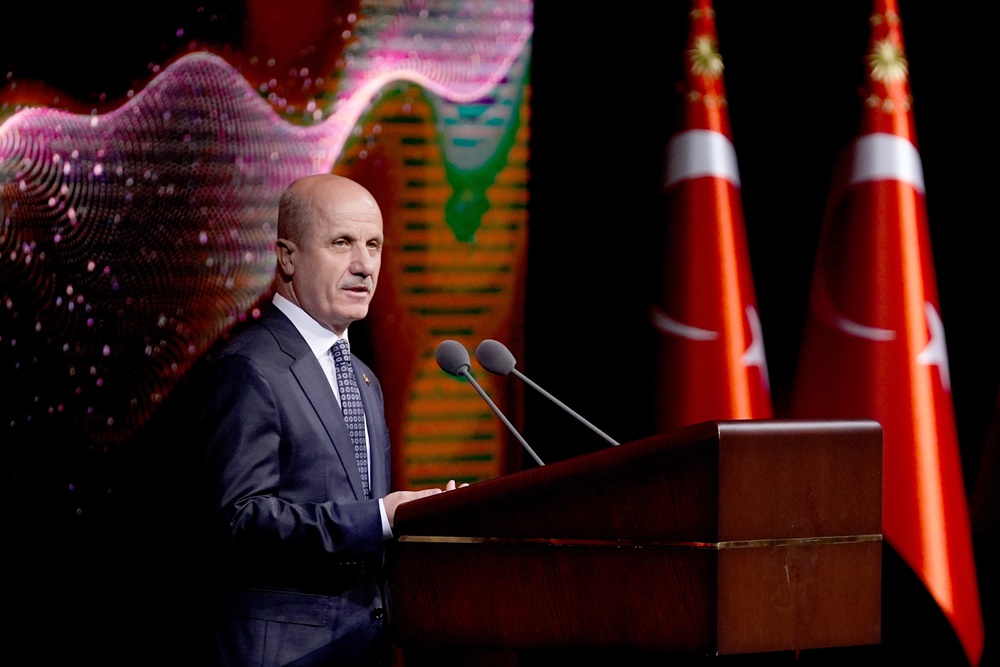
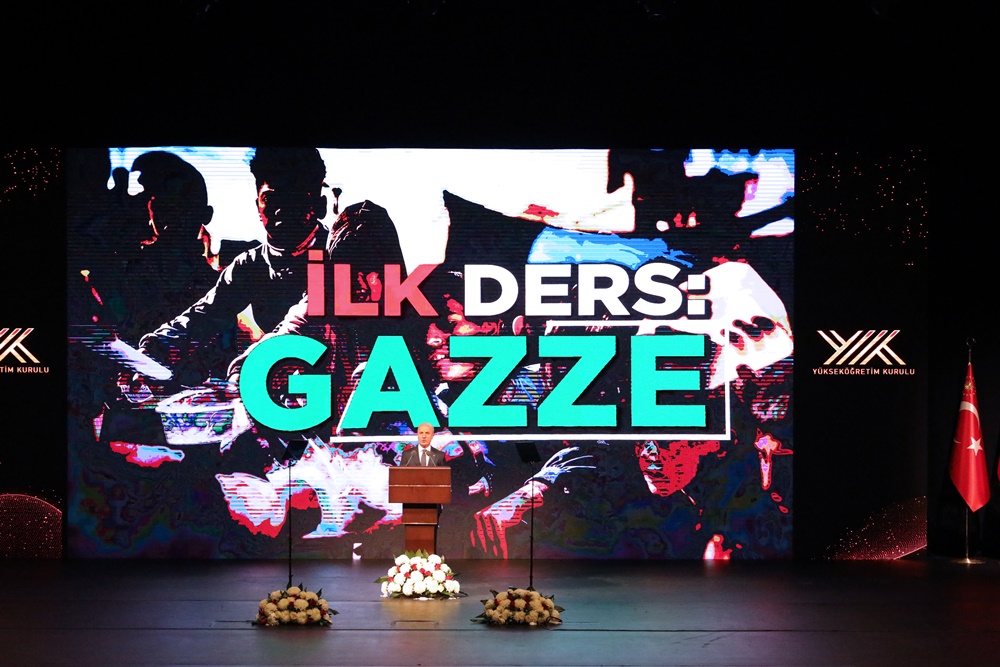
Delivering the opening speech for the 2025–2026 academic year, CoHE President Erol Özvar began by drawing attention to the humanitarian crisis in Gaza that has continued for two years. Stating that Israel’s attacks have surpassed the level of massacre and turned into an act of genocide, Özvar emphasized that this atrocity, which flagrantly violates international law, must come to an end immediately.
Özvar noted that in order to express Türkiye’s strong support for the cause of the Palestinian people, the issue of Gaza and Palestine was prominently featured in the opening ceremonies and first lectures of all Turkish universities this year. He added that members of the higher education community would resolutely continue their efforts, both in Türkiye and abroad, to raise awareness and voice opposition to the ongoing genocide.
“Numerous New Programs Launched This Year”
Özvar stated that CoHE has worked intensively with universities to reform programs in strategic fields. In 2025, the number of undergraduate and associate degree pr ograms based on artificial intelligence, big data, cybersecurity, and digital technologies increased further, with over 100 state and foundation universities admitting students to these programs.
He added: “This year, for the first time, many new programs have been introduced in strategic fields such as green transformation and energy efficiency, carbon management, nature conservation and biodiversity; agricultural robots and precision agriculture based on digital technologies in agriculture; and digital healthcare infrastructure, telemedicine, and medical data processing in health sciences. We will continue to focus on these areas to enhance Türkiye’s competitiveness and train a qualified workforce for the professions of the future.”
“Most Undergraduate Programs to Be Completed in Three Years”
Özvar stated that updating course loads to equip students with up-to-date knowledge and practical skills is a key priority. He announced that reforms are underway to make undergraduate programs more practice-oriented, project-based, and research-driven.
Emphasizing the goal of removing non-essential courses and credits, simplifying curricula, and shifting learning processes toward practical and project-based education, Özvar noted that these changes will enable most undergraduate programs to be completed in three years, as in many European countries. He added that the higher education system will thus become more efficient and aligned with international standards.
He also stated that summer schools will return to their original function, allowing students to take courses from higher levels if they wish.
Regarding student admissions, Özvar explained that programs with low employability and those producing graduates far beyond the country’s employment capacity are being restructured or have their quotas reduced.
“Preparing Infrastructure for Students’ Access to Quality Practice Opportunities”
Özvar announced that one of CoHE’s main priorities is expanding the workplace-based applied education model across both associate and undergraduate levels.
“We aim to transform internships—which often fail to serve their purpose—into workplace-based vocational training,” Özvar said. “This model will allow students to gain direct professional experience, making them more skilled, productive, and employment-oriented individuals. It will also significantly strengthen university–industry collaboration.”
He added that pilot programs for this model will begin in seven provinces: Konya, Gaziantep, Istanbul, Bursa, Kocaeli, Izmir, and Ankara, noting that sector-based classifications are being finalized to ensure strong infrastructure enabling students’ access to qualified practice areas.
“International University of Turkic States Opens Admissions”
Highlighting internationalization as one of the key priorities of Türkiye’s higher education system, Özvar stated that, under the vision of President Erdoğan, Türkiye has been developing strong academic partnerships across Africa, the Islamic world, and the Turkic world.
He pointed out that the Türkiye-Azerbaijan University, established in Baku in 2024, marked an important milestone in cooperation with the Turkic world. Through the “umbrella university” model, programs from METU, ITU, and Hacettepe University have been introduced to Azerbaijani students.
Özvar also announced the establishment of the International University of Turkic States University in Tashkent, with the support of Uzbek President Shavkat Mirziyoyev, and that the university has now opened its first student admissions. Initially, programs in engineering, informatics, health, and agriculture will be conducted by ITU, METU, Hacettepe University, and Ege University.
“Türkiye–Syria Friendship University on the Way”
Özvar revealed that preparations for the establishment of the Türkiye–Syria Friendship University in Damascus have reached the final stage. He said that Ankara University, Atatürk University, Karadeniz Technical University, Yıldız Technical University, and Gebze Technical University will each open departments there.
He also emphasized that Türkiye’s ties with the European Higher Education Area are growing stronger each year, as Turkish universities are becoming more integrated into global scientific networks through academic exchange programs, joint research projects, and publications.
Özvar highlighted the remarkable progress of Turkish universities in international rankings, noting that in the 2026 global university rankings, two universities ranked in the top 300, six in the top 500, and eleven in the top 1,000. “Our goal is to have at least two state universities among the world’s top 100 by 2029—and we will achieve this,” he said.
“Türkiye’s Defense Industry Rises on the Shoulders of Turkish Engineers and Scientists”
Özvar praised President Erdoğan’s leadership in building a globally acclaimed Turkish defense industry success story, noting that this achievement rests on the expertise of Turkish engineers and scientists trained in Turkish universities.
“Within TUSAŞ alone, graduates from 158 universities across Türkiye are currently employed,” Özvar said. “This clearly demonstrates the critical role of our higher education system in training the human capital that strengthens Türkiye’s defense capacity.
Successes achieved in such a high-technology and knowledge-intensive field as the defense industry are among the clearest indicators of the quality and capability of our higher education system.”
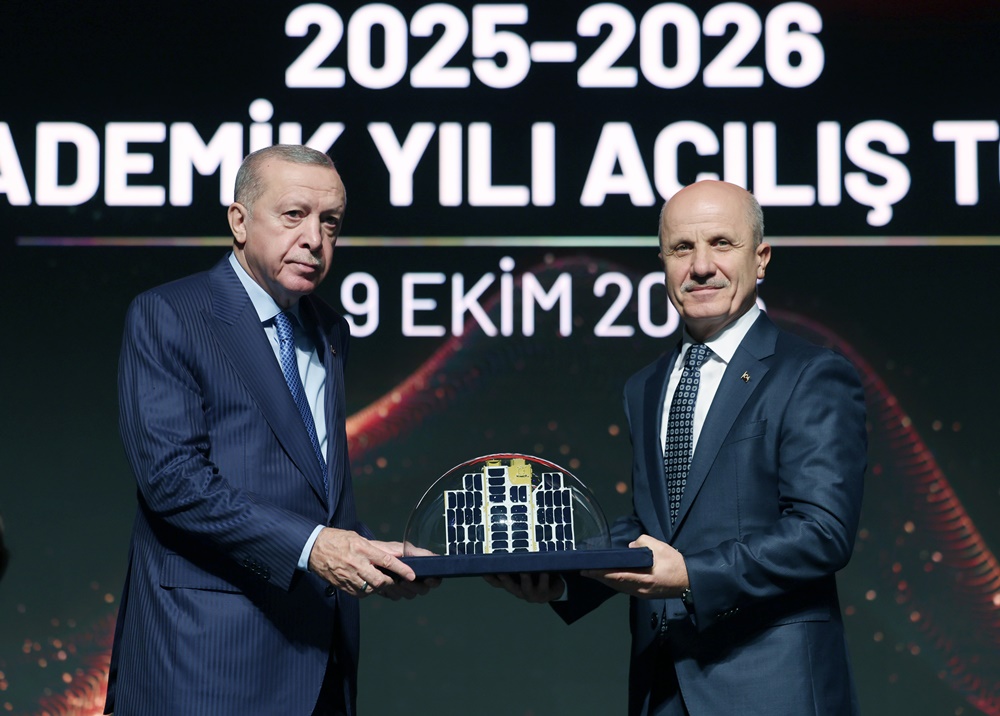
After the speeches, CoHE President Erol Özvar presented President Recep Tayyip Erdoğan with a 1:3 scale model of PAUSAT-1, one of the world’s largest and most advanced CubeSats (16U, 24 kg), developed by the Istanbul Technical University’s Space Systems Design and Test Laboratory.
2025 CoHE Excellence Awards Presented
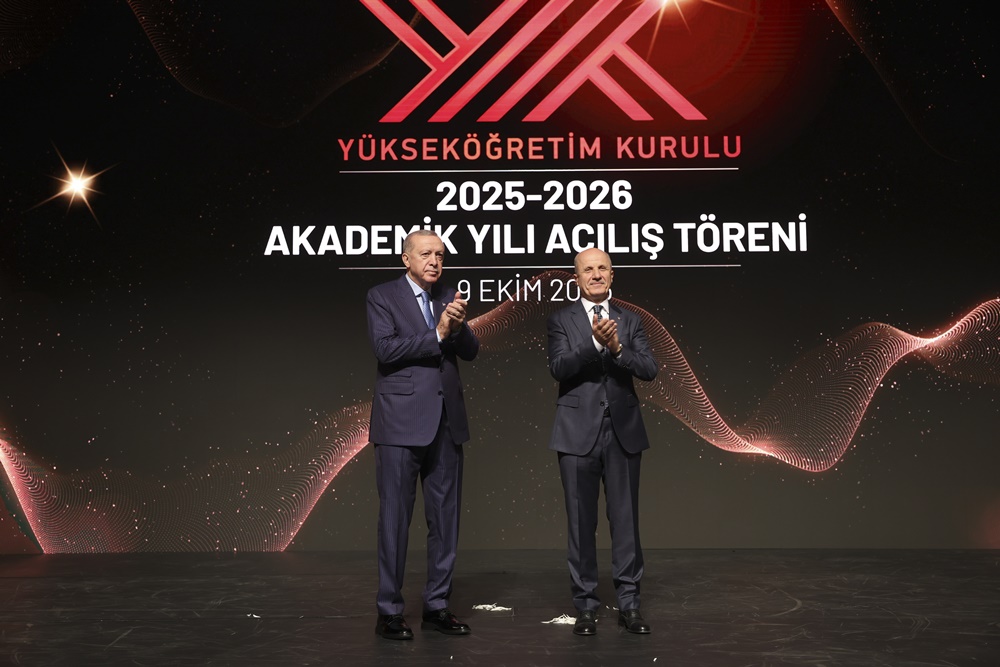
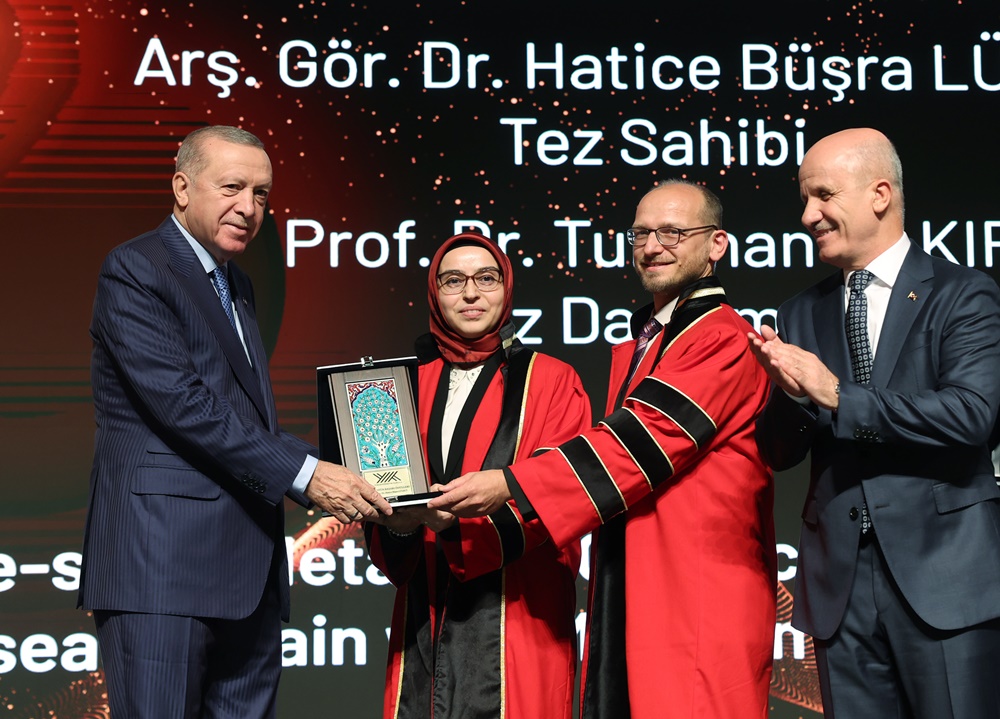
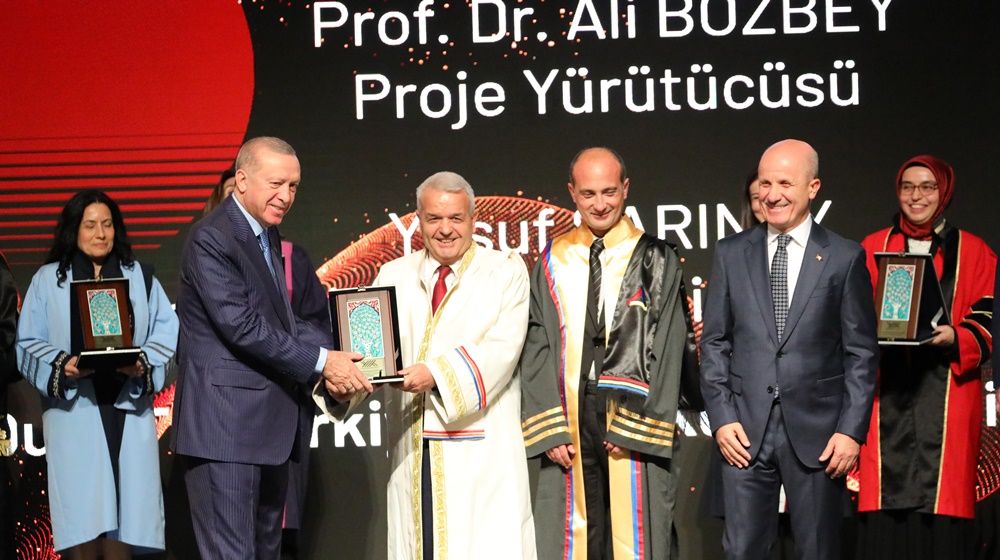
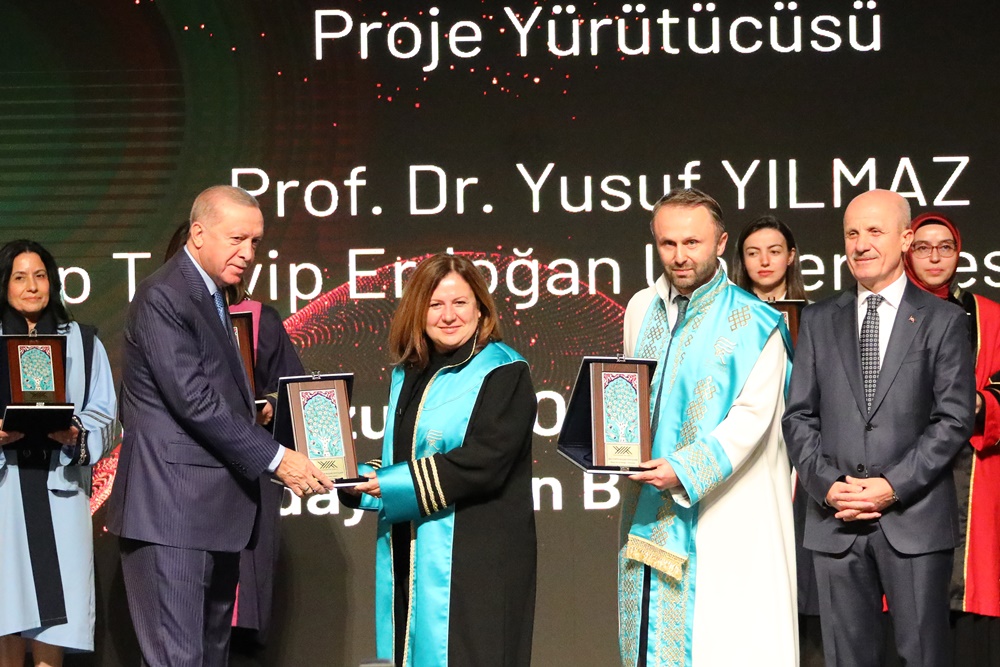
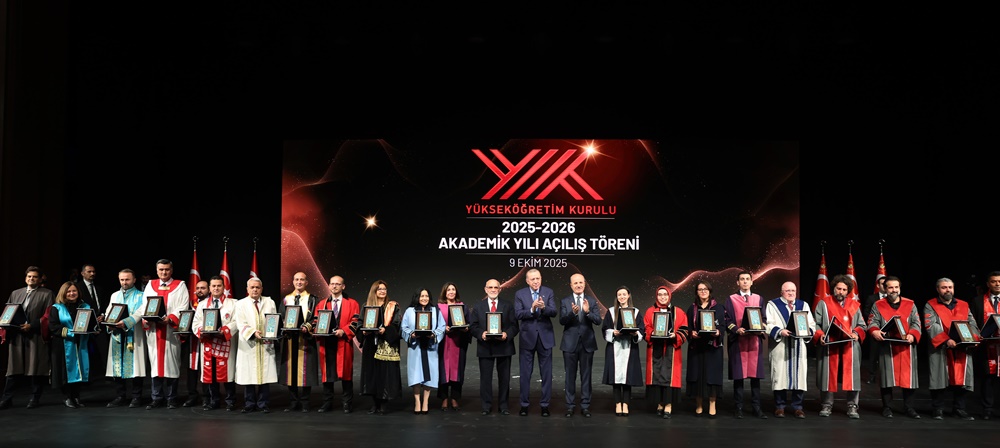
At the ceremony, the 2025 CoHE Excellence Awards—established to promote scientific research, academic projects, theses, and community service activities in universities—were presented to the winners. The awards were handed out by President Erdoğan.
In the Individual Awards category, doctoral students and their advisors were jointly recognized to highlight the importance of the mentor–student relationship.
- Doctoral Thesis of the Year Awards
- Science and Engineering: Dr. Hatice Büşra Lüleci & Prof. Tunahan Çakır
- Fine Arts and Architecture: Dr. Nazife Özer & Prof. Seden Acun Özgünler
- Health and Sports Sciences: Dr. Burcu Timur & Prof. Zeynep Şafak Teksin
- Social and Human Sciences: Dr. Eyüp Sabır Erbiçer & Prof. Türkan Doğan
- Institutional Awards
- Digital Transformation and Big Data Studies: TOBB University of Economics and Technology – Prof. Yusuf Sarınay & Prof. Ali Bozbey
- Social Responsibility: Samsun University – Prof. Mahmut Aydın, Prof. Halil İbrahim Düzenli, Dr. Abdullah Asım Divleli, Dr. Emin Selçuk Taşar
- International Cooperation: Kastamonu University – Prof. Ahmet Hamdi Topal & Assoc. Prof. Önder Tor
- University–Industry Collaboration: Middle East Technical University – Prof. Ahmet Yozgatlıgil & Assoc. Prof. Mustafa Mert Ankaralı
- Contribution to Local Development: Recep Tayyip Erdoğan University – Prof. Yusuf Yılmaz & Prof. Keziban Yazıcı
- Special Awards
- Science Diplomacy: Prof. Birnur Akkaya
- National Innovation: Prof. Ali Koşar
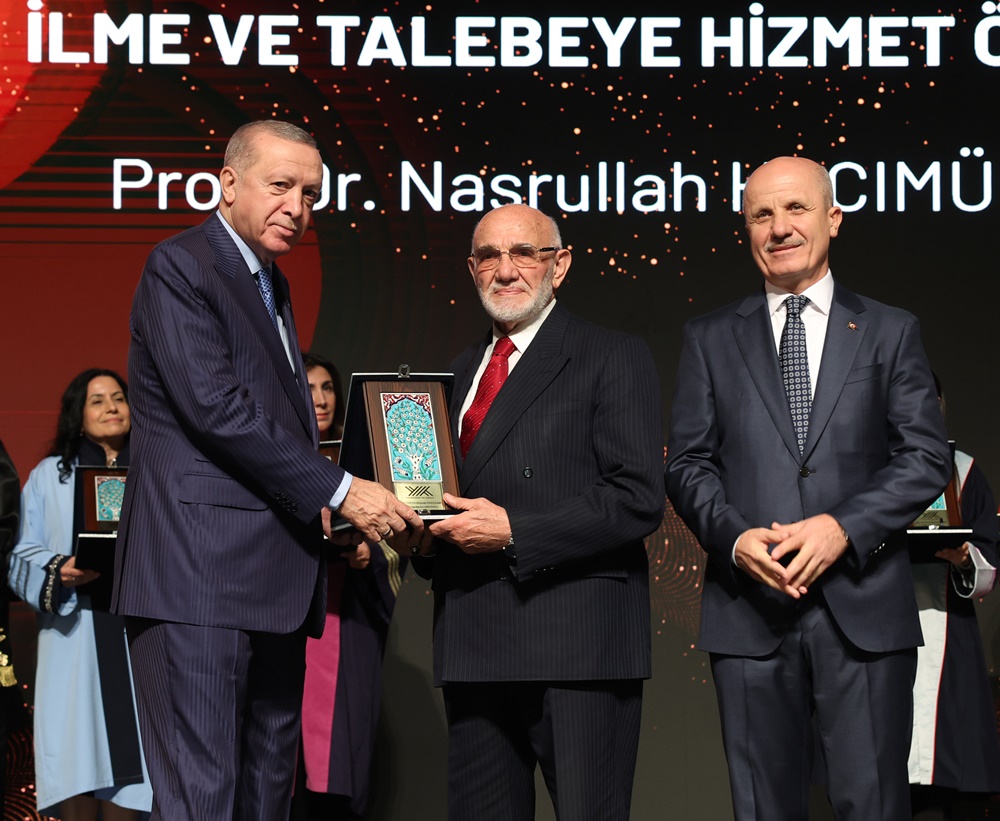
- Service to Science and Students (Honorary Award): Prof. Nasrullah Hacımüftüoğlu
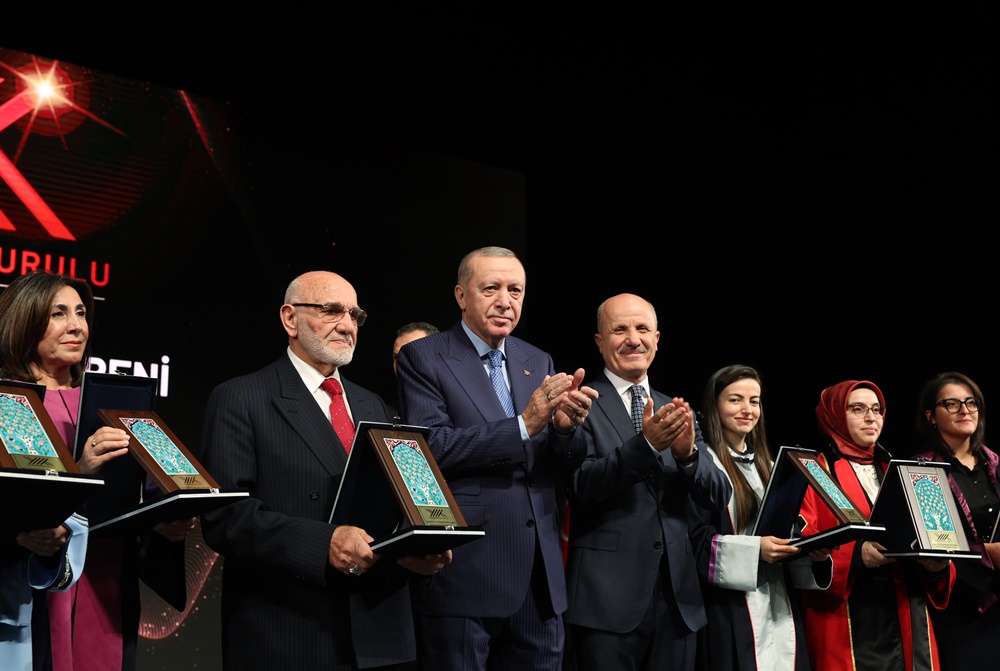
The ceremony concluded with a group photo session.
Images
Images