


Industry, Students, and Parents Pleased with CoHE’s New Vocational School Model and Extension of Internship Periods
October 31, 2025
Employment and hands-on training, the most important elements of the major transformation initiated by the Council of Higher Education (CoHE) have been welcomed with great satisfaction by industrialists, students, and sector representatives.
Among the key components of this transformation are the extension of internship periods from 20 days to at least one academic term, the establishment of vocational schools of higher education within industrial zones, and the redesign of curricula in collaboration with the industry. Under the new internship model, programs will adopt structures such as 3+1 or 2+2 for associate degree programs and 7+1 or 6+2 for bachelor’s programs.
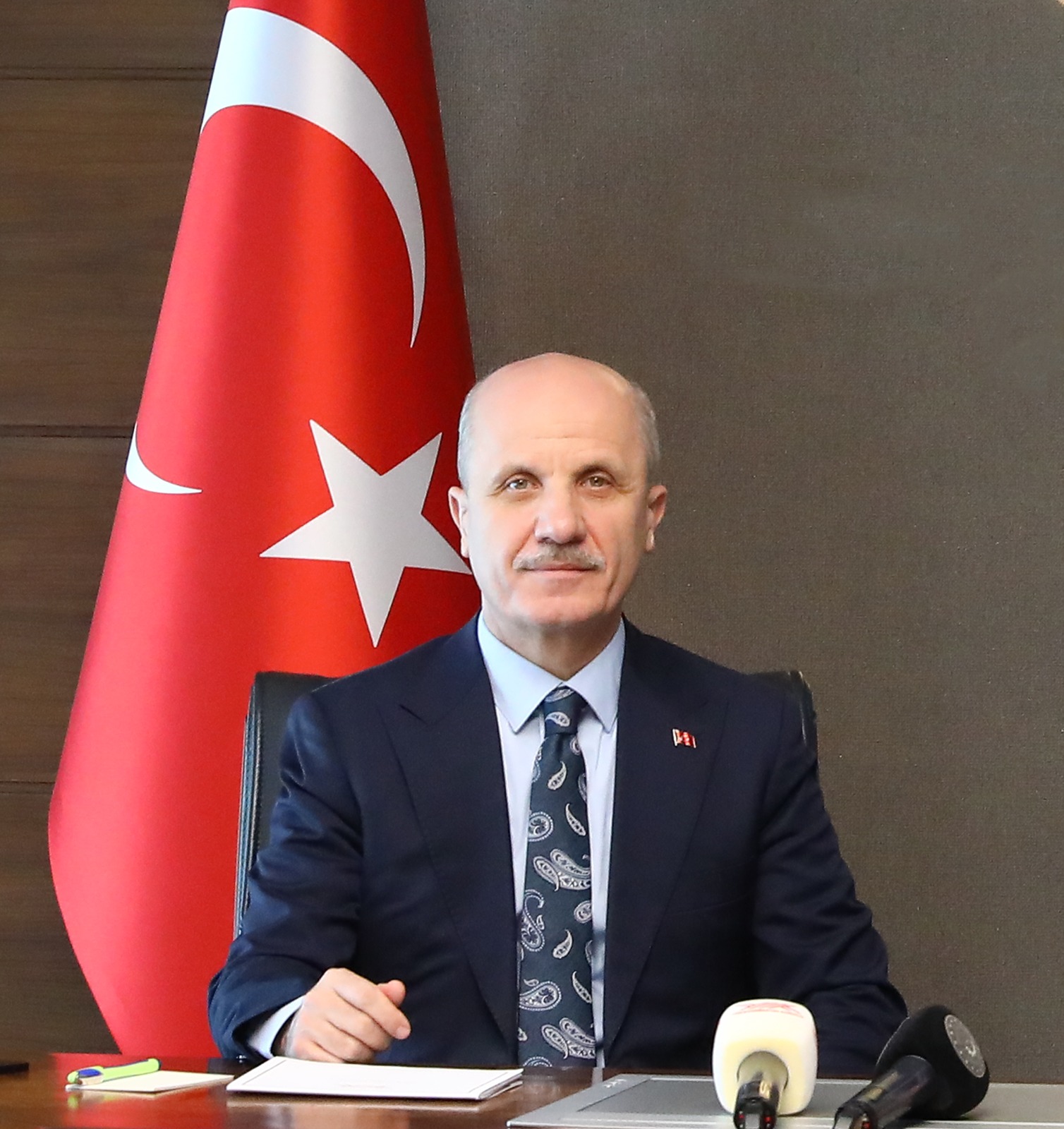
Through collaborations with the Union of Chambers and Commodity Exchanges of Türkiye (TOBB) and various chambers of industry, the Council is building a permanent and systematic bridge between universities and the industrial world. CoHE President Erol Özvar announced that the employment rate of graduates from vocational schools located within Organized Industrial Zones (OIZ) has risen to 92%. Emphasizing their commitment to an employment-driven and practice-oriented education model, Özvar stated that they aim to expand the workplace-based education model across all universities.
Özvar added that the internship periods, previously limited to 20 days, are planned to be extended to at least one semester, and in some programs, even two semesters. He also noted that allowing industry professionals to teach in universities would greatly contribute to curriculum development.
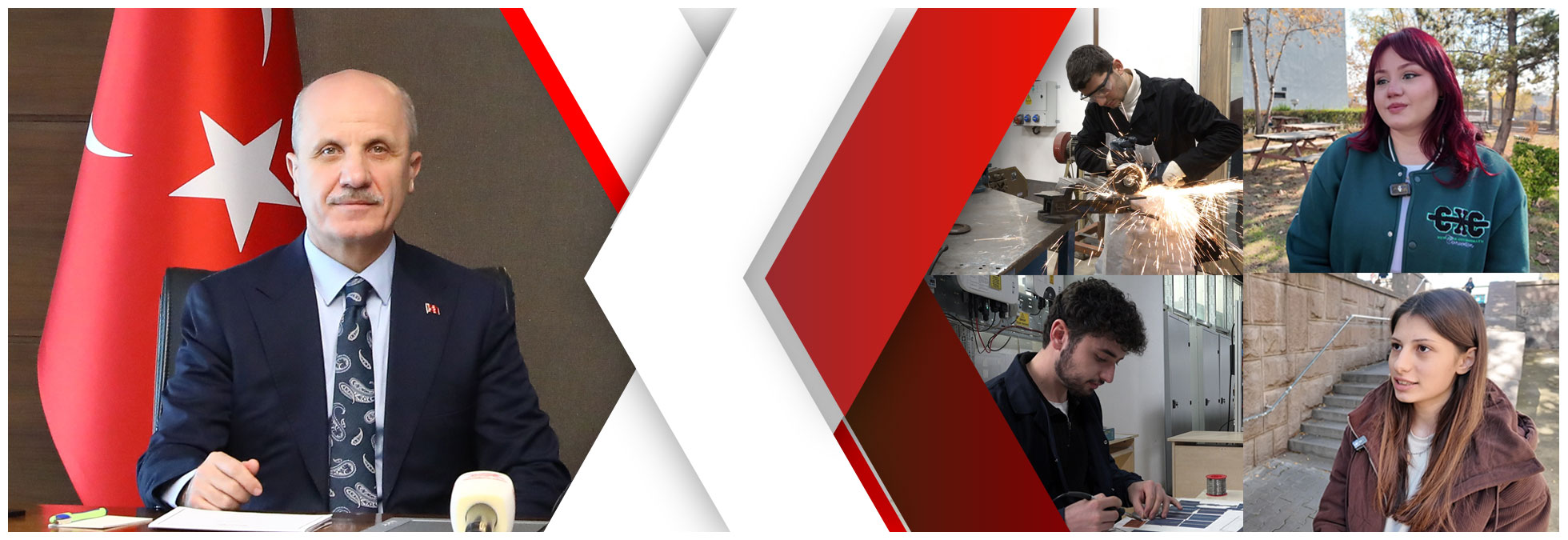
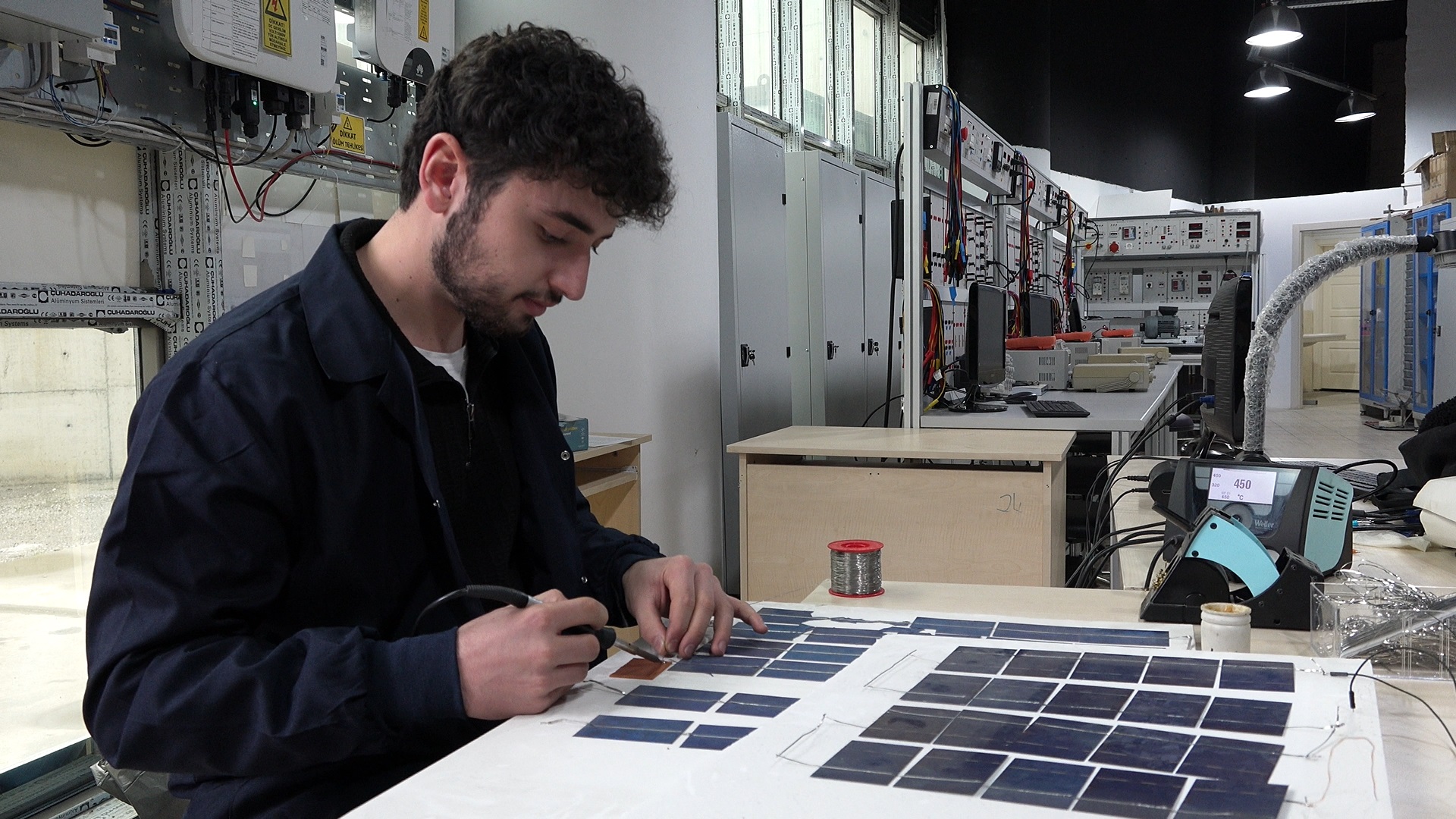
The extension of internship periods in vocational schools to one academic term has excited students. They expressed that this implementation would enhance post-graduation employment opportunities and bring them great satisfaction.
Elif Naz Ersoy, a student of Industrial Product Design at the Technical Sciences Vocational School of Gazi University, said: “Employers will take us while we’re still in the learning phase, shape us the way they need, and then hire us in the sectors where they need staff. I think long-term internships are much more beneficial. Choosing a company in the sector we want to specialize in, receiving training there, having experience ourselves, and then striving to stay in that workplace is the best path.”
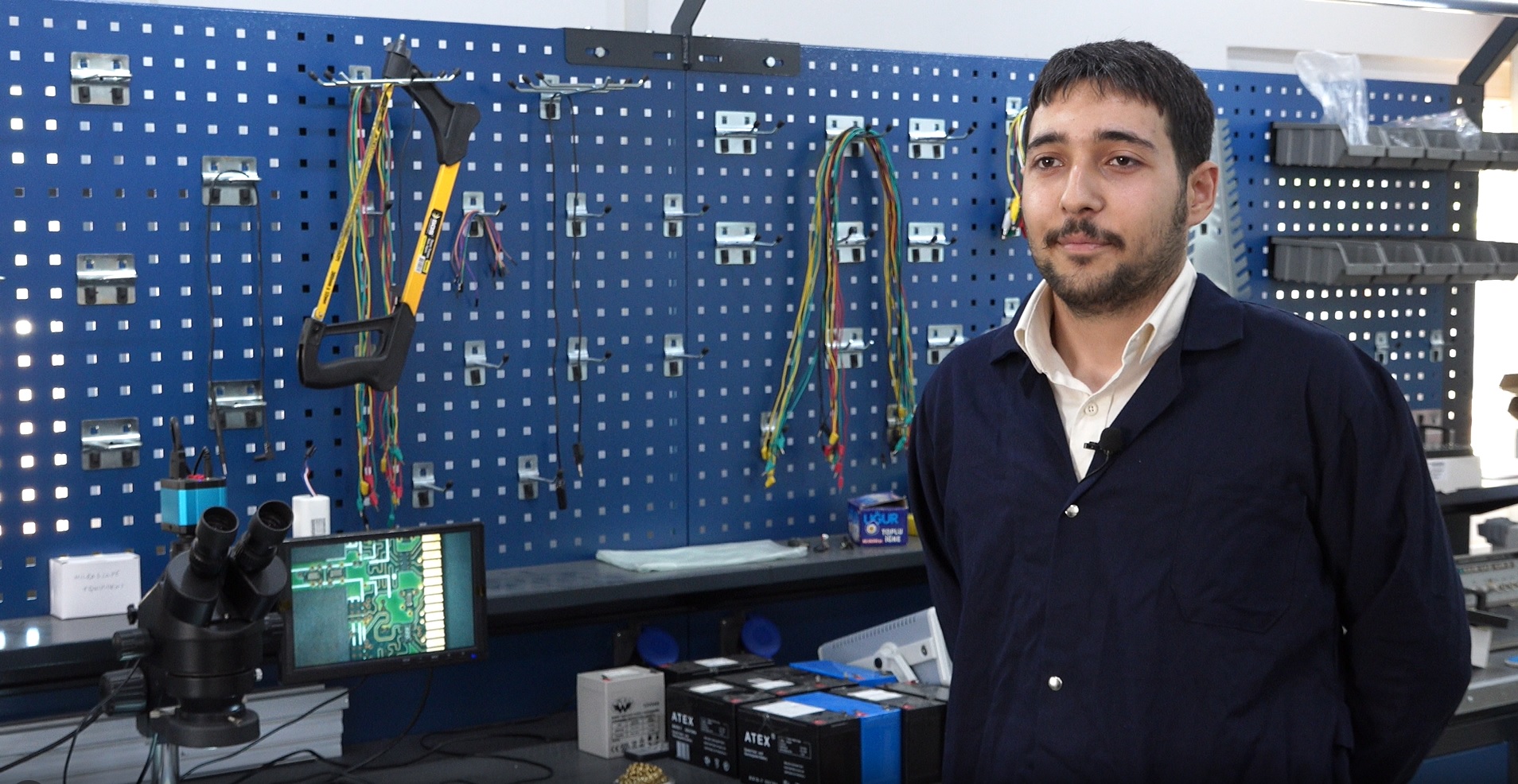
Mahmut Samet Karaoğlan, a Mechatronics student at the same school, commented: “There will be a huge difference between someone who interns for 20 days and someone who does 4–4.5 months. In 20 days, you barely get to know people, adapt to the environment, and communicate — by the time you do, it’s already over.” Ahmet İlker Türkmenoğlu, from the Electricity Production, Transmission and Distribution program at the Technical Sciences Vocational School of Gazi University, stated that extending internships to one term would yield positive outcomes both for students and for the national economy.
Nisanur Güngör, a student in the Health Management program at the Vocational School of Health Services of Ankara University, said: “Employers wouldn’t prefer a student with only 20 days of experience. However, when internships are extended to one term, students gain more experience, making them more desirable to employers.”
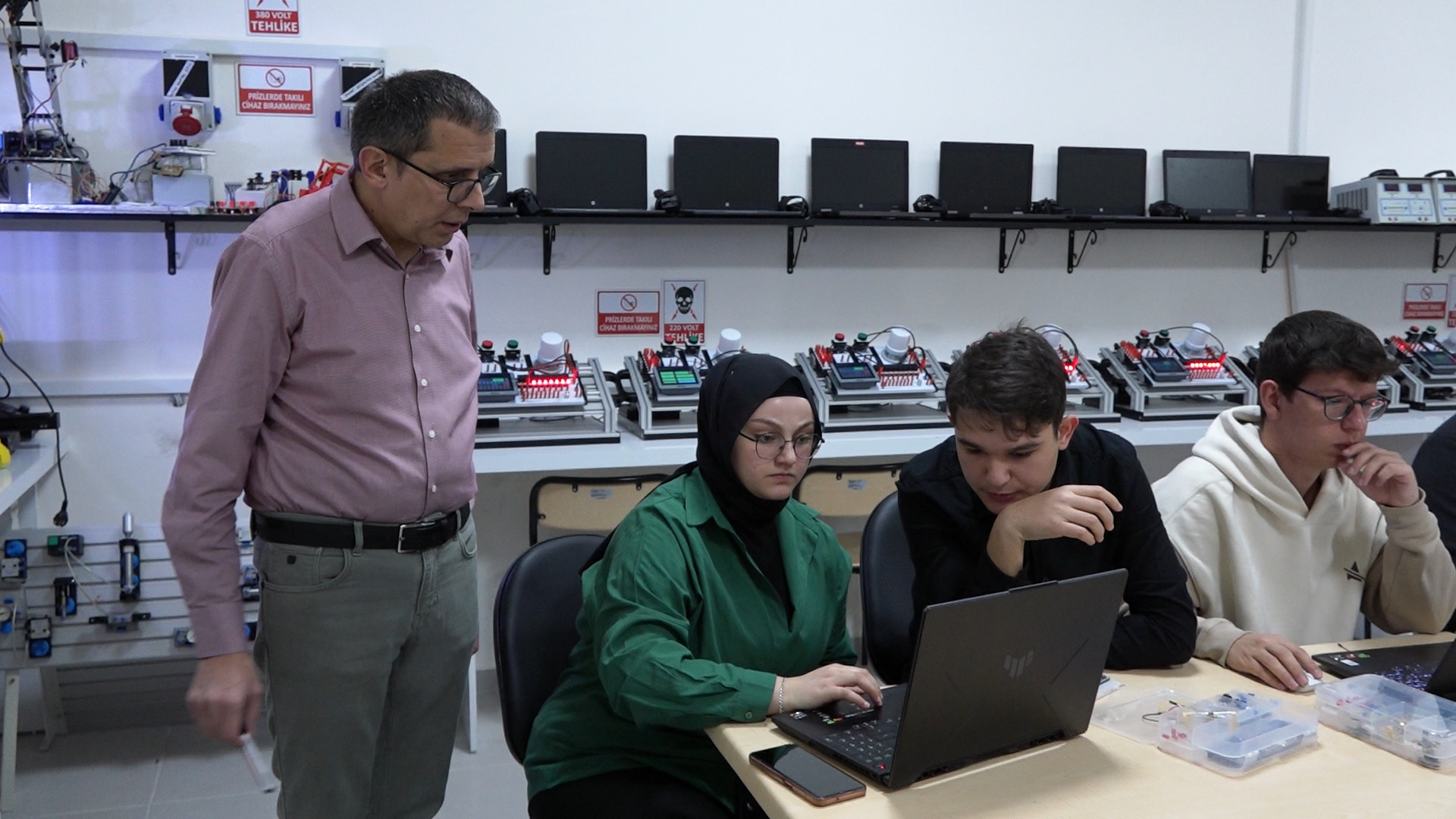
The new vocational school structure, which integrates education with industry, is being welcomed with great enthusiasm by employers, students who receive hands-on training in industrial environments, and parents who are relieved that their children can study without worrying about future employment.
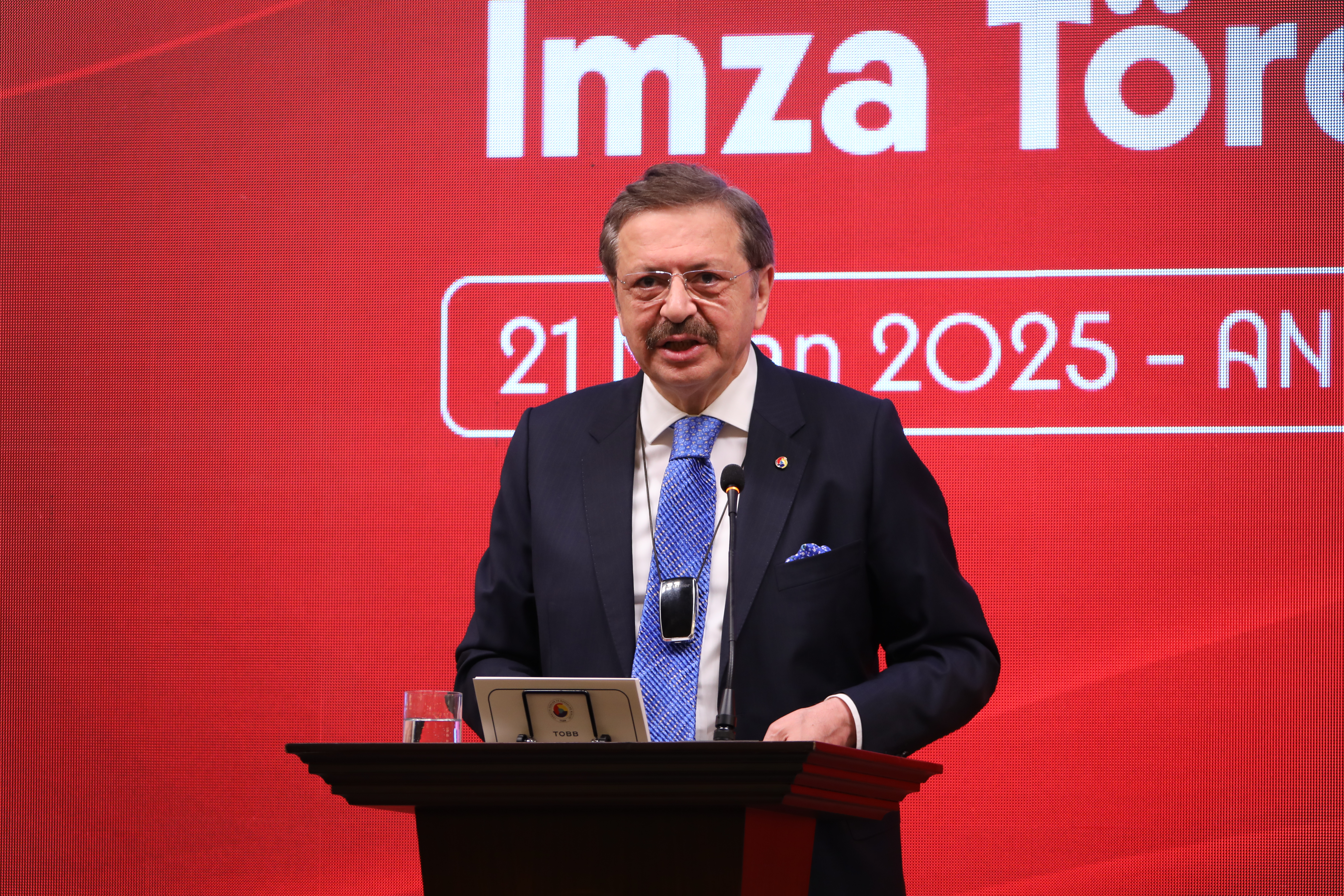
Recalling that a ‘Vocational Schools Education Cooperation Protocol’ was signed in April between CoHE and TOBB, TOBB President Rifat Hisarcıklıoğlu described the new vocational school model as revolutionary for the education system.
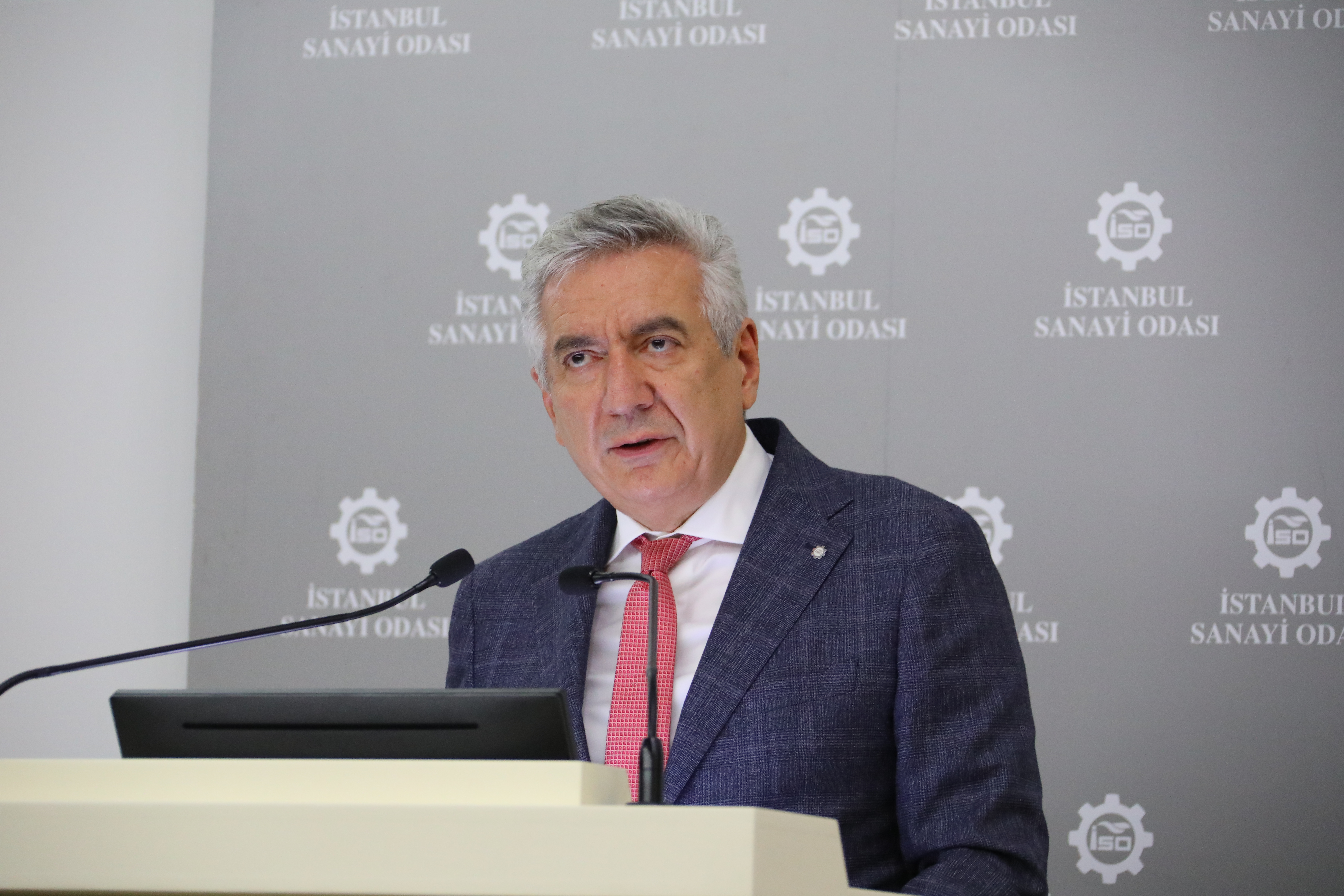
Erdal Bahçıvan, Chairman of the Istanbul Chamber of Industry (ICI), who signed a cooperation protocol with CoHE for the MYO model, said: “We are excited that qualified technical personnel will be trained for the industry. We believe that the educational and employment capacities of vocational schools will improve, their reputation will rise, the link between vocational high schools and vocational education will strengthen, and society’s expectations for higher education will be met in a functional and efficient way.”
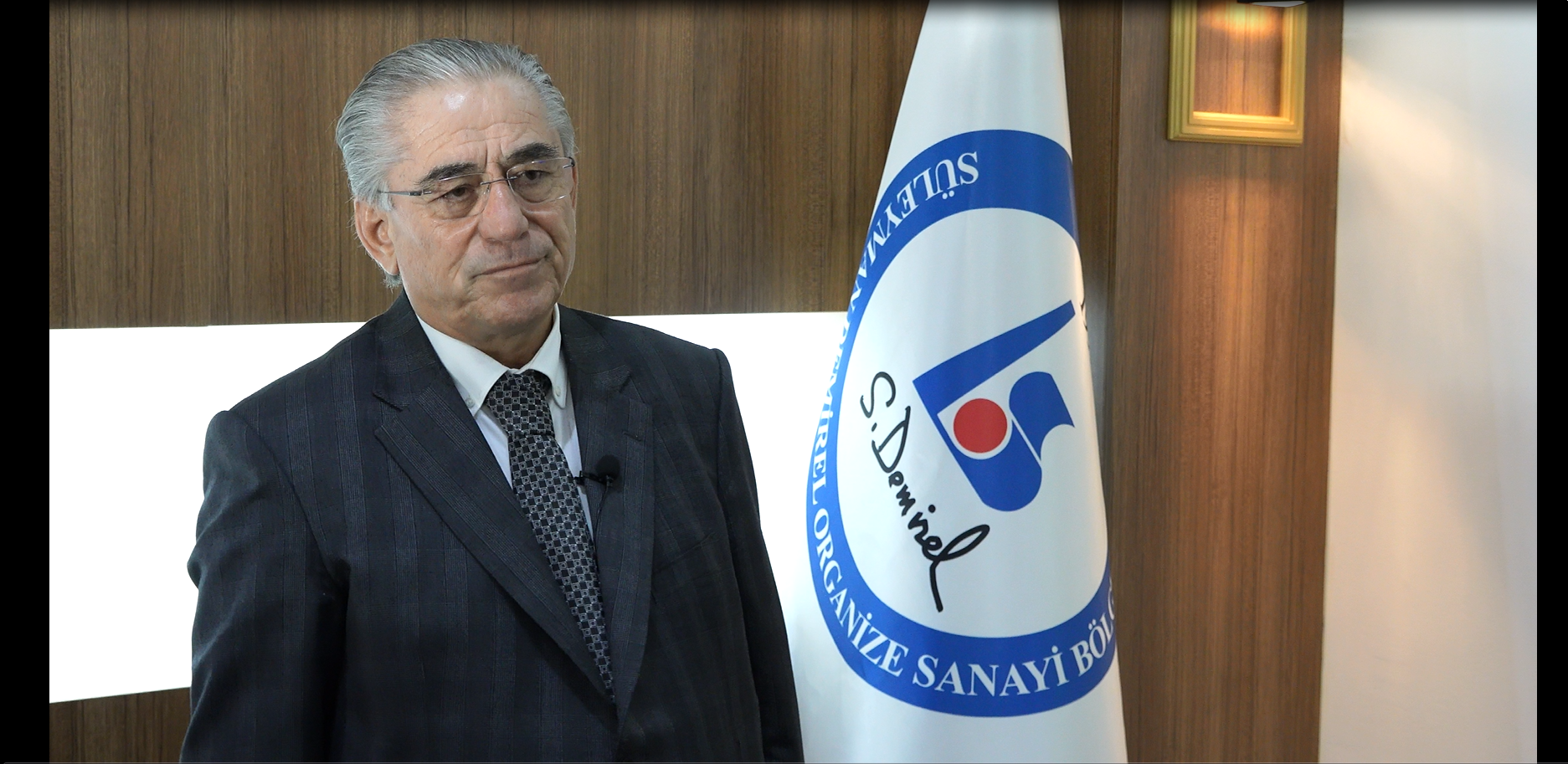
Mustafa Karabulut, President of the Isparta Süleyman Demirel OSB, stated: “Here, students are happy, employees are happy, and employers are happy. Our graduates start their professional lives with an advantage. Most students continue working at the same companies where they did their internships. The high employment rate of the school stems from its integration with the industry. We needed such institutions to help young people reach higher success in the industrial sector. The school and industry have become fully integrated.”
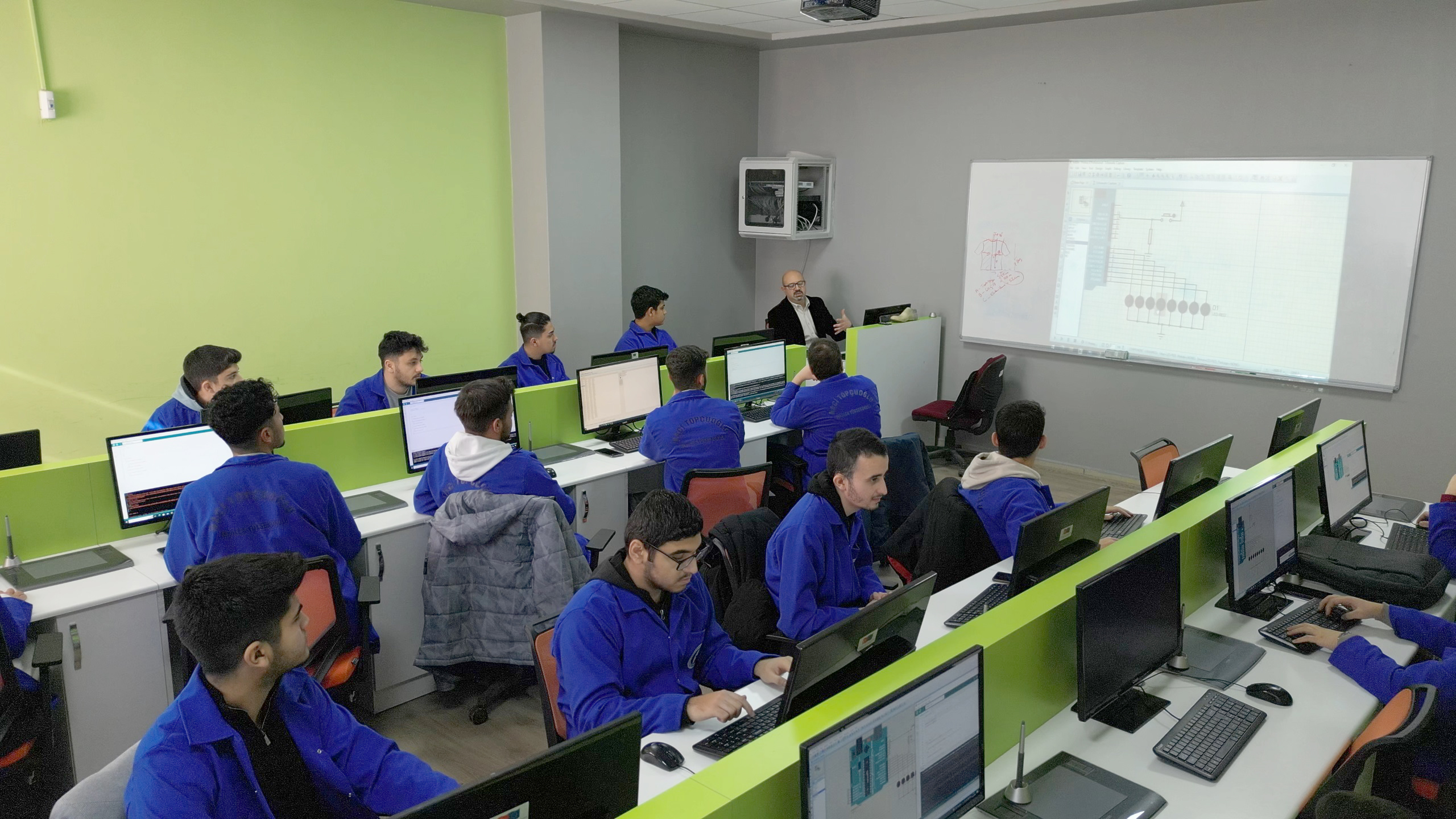
Aysel Çetin Erşahin, Senior Human Resources Specialist at a company located in the Hacı Sabancı Organized Industrial Zone, said that they prioritize hiring vocational school graduates. Prof. Hüseyin Bozkurt, Director of Gaziantep Naci Topçuoğlu Vocational School, stated: “We are in contact with nearly 600 companies across the OIZs in Gaziantep. In some programs, the employment rate among graduates reaches 100%.”
Prof. Nazım Aksaker, Director of Adana OSB Technical Sciences Vocational School, emphasized that students spend three semesters in applied learning at school and the final semester entirely in workplaces, and that they constantly update their programs based on feedback from the industry.
Semih Doğrukol, Director of OIZ Vocational School of ISUBU, said: “We have made it our mission to train students as ready, qualified, and skilled technicians suited to the needs of our industrialists. We design our curricula based on industry demands. Another major factor behind our high employment rate is the support provided by the Council of Higher Education Council, especially for projects involving machinery, equipment, and industrial sectors.” Mining sector entrepreneur Naci Kepezkaya called for an increase in the number of young people studying in vocational schools.
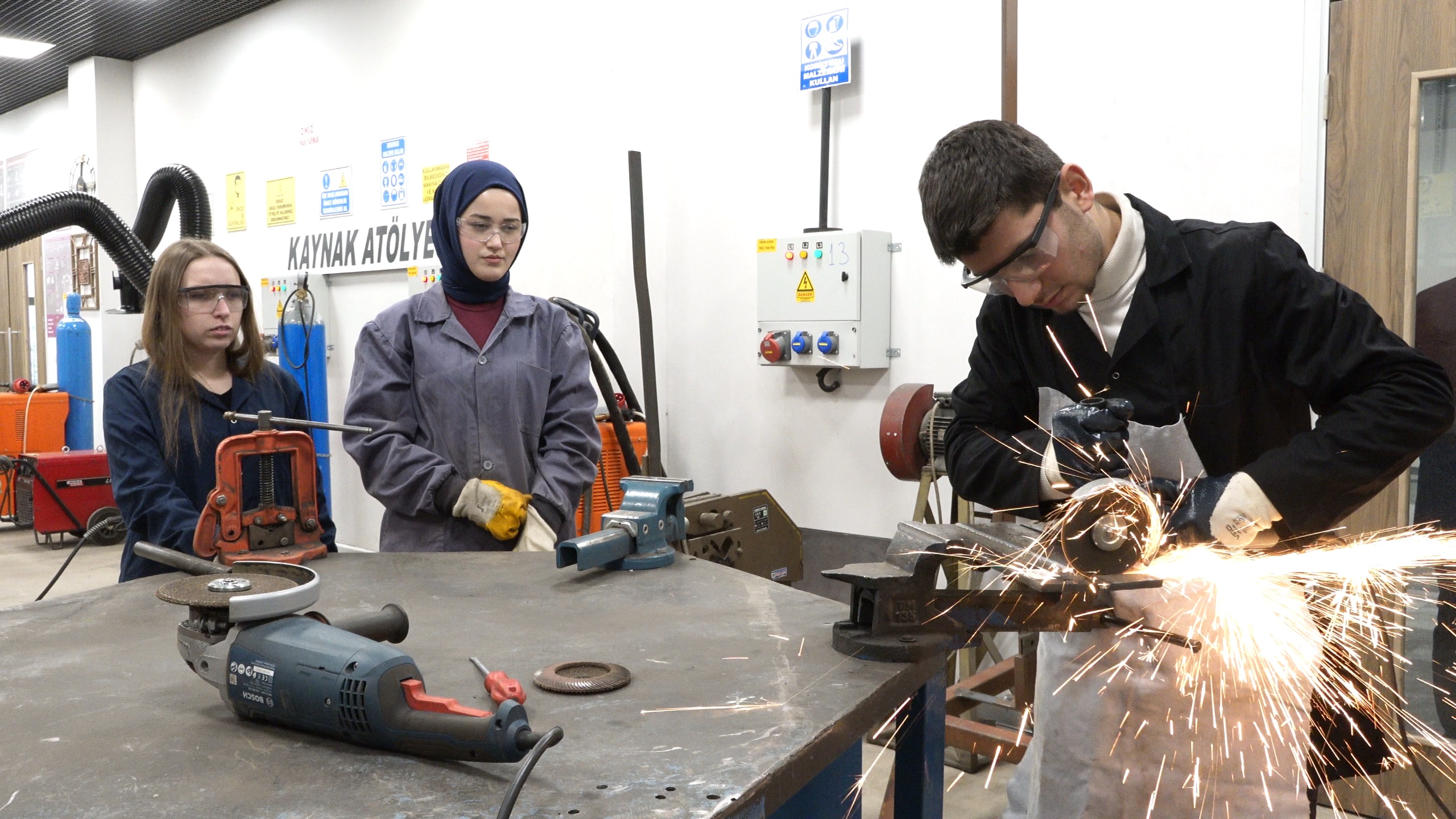
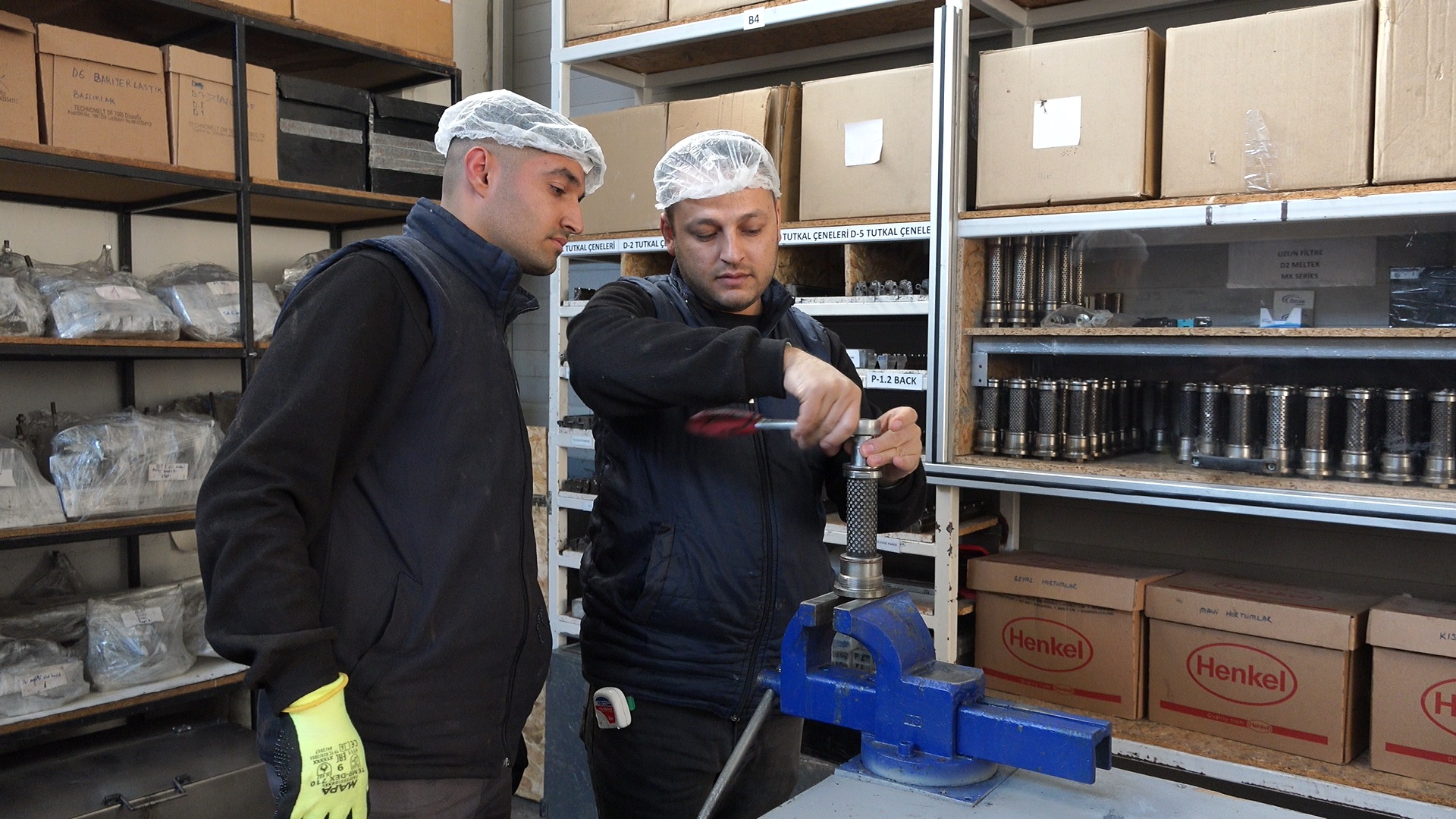
Just like industrialists, students are also pleased with the hands-on training they receive in OIZs. Students who are prepared for professional life through hands-on training are delighted to find employment immediately after graduation. Ege Erzenoğlu, a graduate of Ankara Chamber of Industry 1st OIZ Vocational School of Hacettepe University, said that during his internship, he received training in multiple departments, from manufacturing to assembly, engineering to R&D.
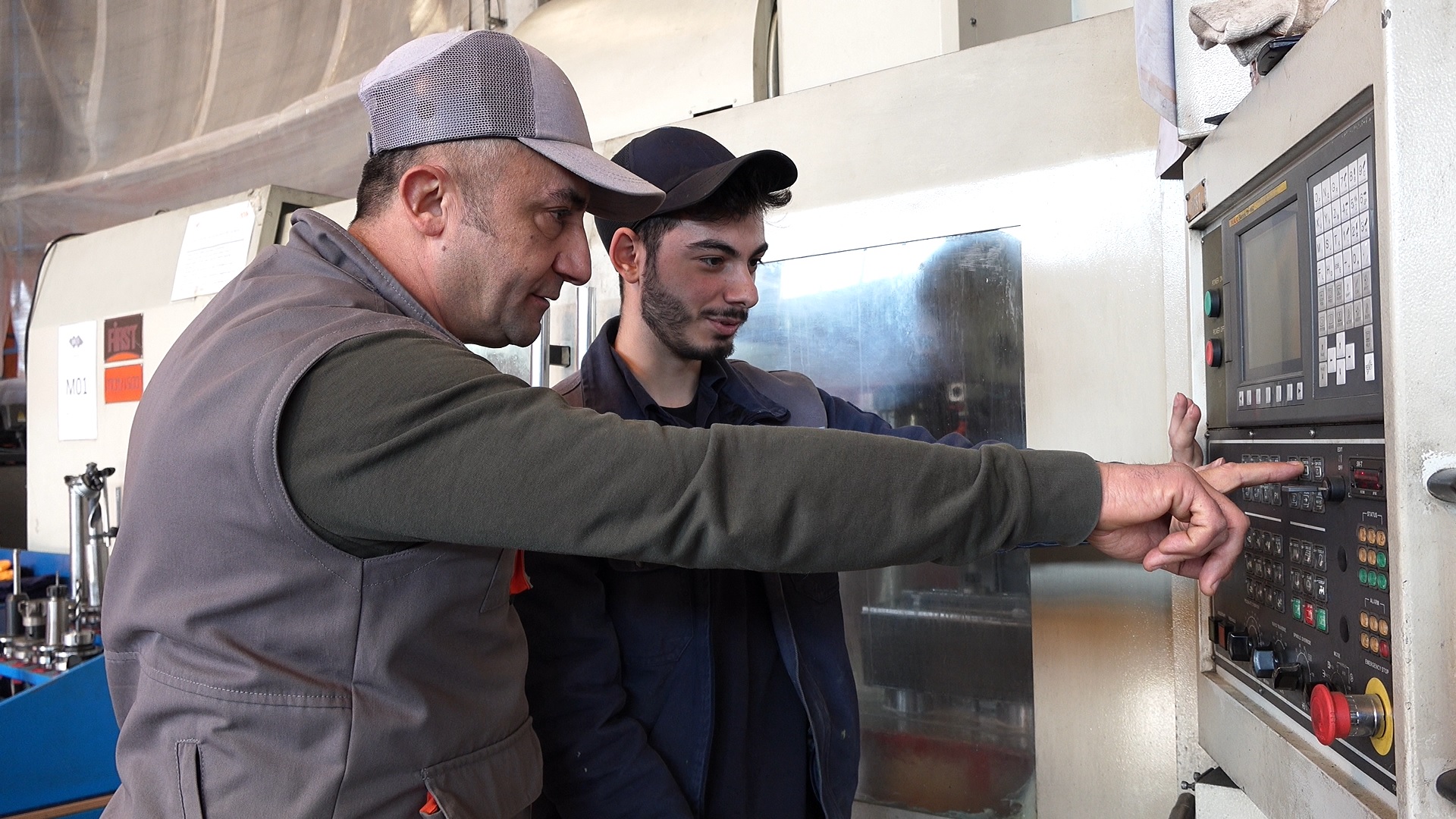
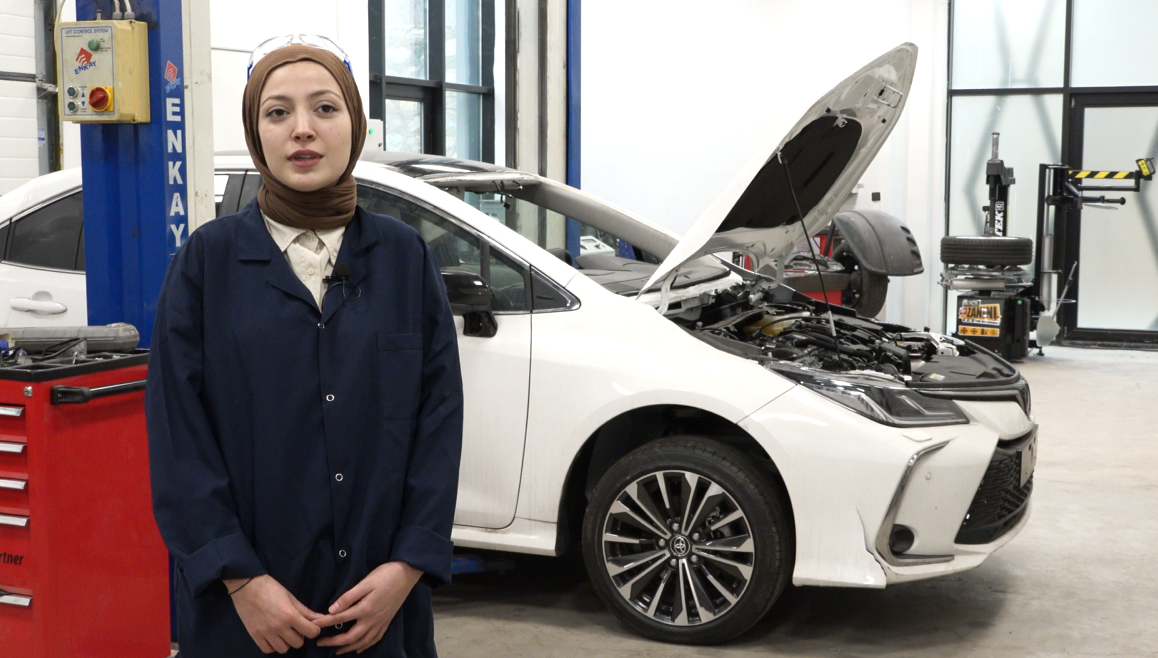
Saliha Göl, a Machine Program student at Karabük Vocational School, said: “I’m currently studying CNC Turning to perform my job better. I’ve benefited greatly from the training I received here during my internship.” Kübra Çelebi, an Automotive student at the same school, said: “We receive many job offers when we are at school. We have lots of hands-on classes, which create great job opportunities for us. Even though I’ve just started my internship, I can already fix my own car whenever there’s a problem.”
Her classmate Yunus Emre Aykurt added: “At our school, we learn most things in the workshop. Our school also takes us to automotive fairs and company visits where we receive numerous job and internship offers.” Ersin Özen, an Electrical student, said: “I applied to Ereğli Iron and Steel Factory in Zonguldak and started working. Now I’m both studying and working. I have no worries about my professional future.” Tuğberk Yiğit Kaya, a student at the Organized Technical Sciences Vocational School of Çukurova University, said: “Thanks to the vocational education support provided by the Council of Higher Education, I obtained an excavator operator’s license through construction machinery training. I’m starting my career one step ahead.”
Duran Mehmet Özkan, another student, said: “I did my internship at the TEMSA bus factory. They were impressed by my skills and performance and insisted that I return to work there after graduation.” Cem Güzel, a student at Hacettepe OIZ Vocational School, said: “I’ve been accepted to work at TUSAŞ. It was one of my biggest dreams to work there and see the place.”
Sema Boynu, a graduate of Naci Topçuoğlu Vocational School of Gaziantep University, said: “When I tell people I’m a vocational school graduate, they say, ‘Those students already have a solid foundation.’ It’s a good school for employment opportunities — our future looks bright.” Parent İbrahim Yeşil, who also works in an Organized Industrial Zone, said: “When the university exams approached, I told my son, ‘Choose a profession that you can actually work in later. Studying at university isn’t the problem.’ I advised him to pick a field related to our line of work. There was a mechatronics program at the OIZ, and he chose it. I’m very happy with that choice and love my own job. I always tell my son and all the interns here: love what you do. Once you love it, everything else follows naturally.”
Images

Images