


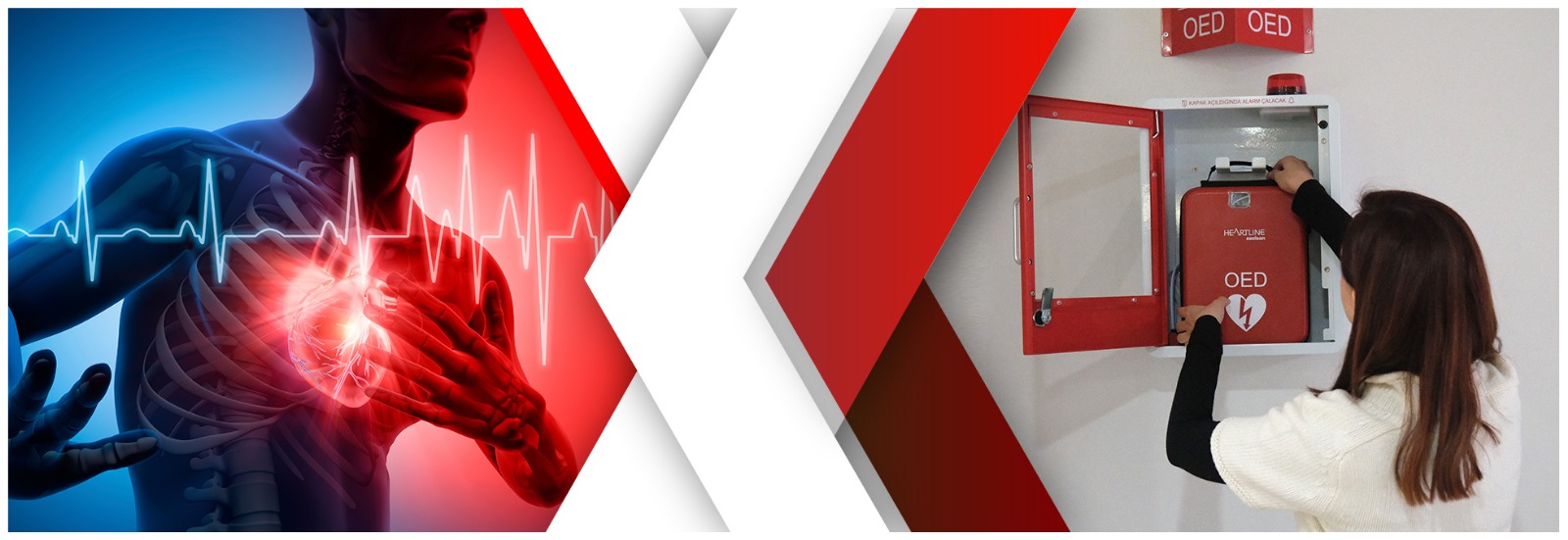
Everyone Will Now Be Able to Perform First Response to a Heart Attack
December 6, 2025
As part of the “Safe Campus Network” project at Hacettepe University, Automated External Defibrillator (AED) devices have been put into use.
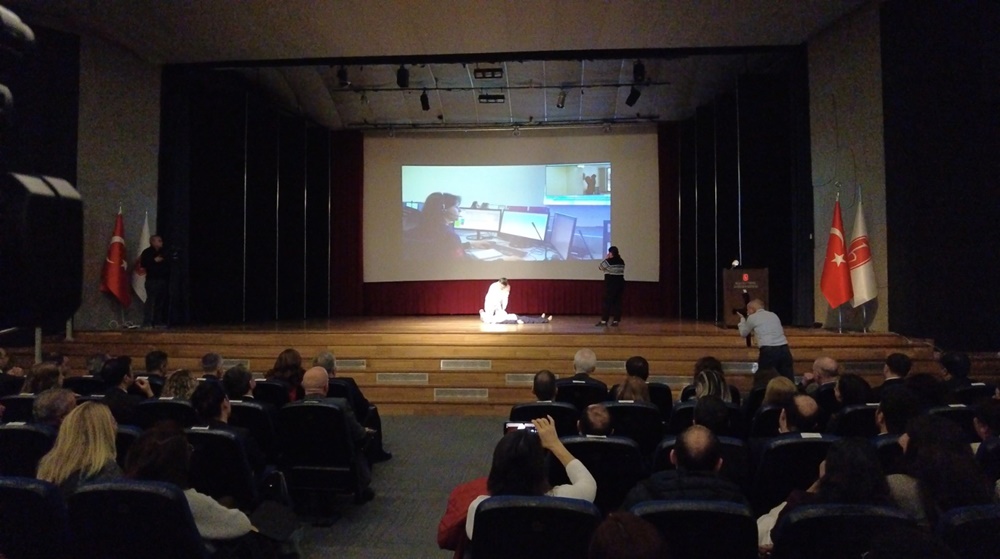
The devices, which can increase survival rates by being used until an ambulance arrives in cases of sudden cardiac arrest or heart attacks, were introduced at a launch event held at the university during Emergency Medical Services Week, observed between 1–7 December.
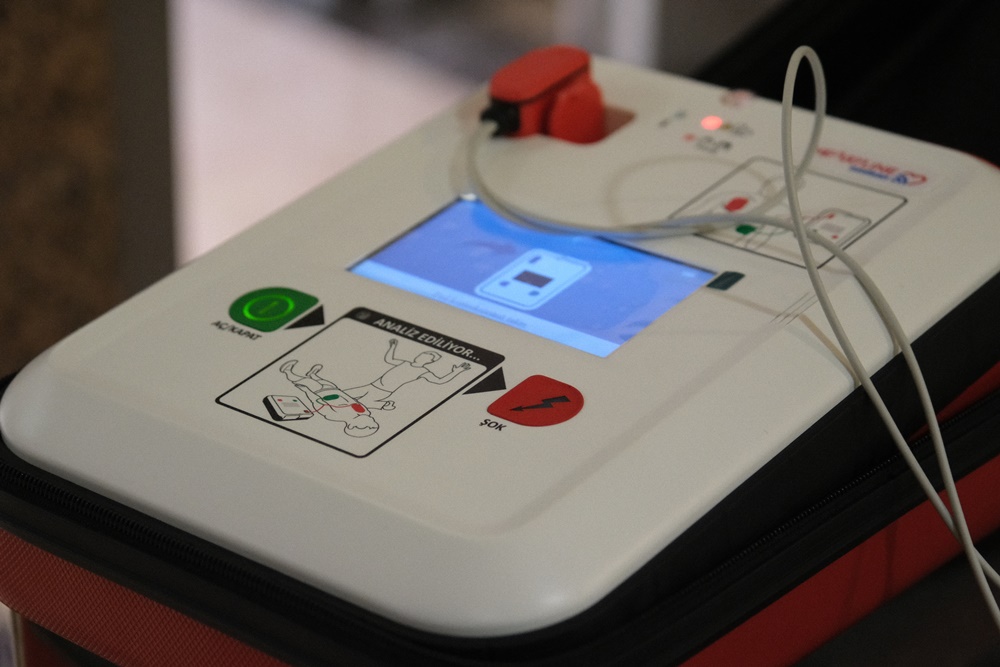
Commonly known among the public as “automatic shock devices,” the AEDs were developed with national technology in cooperation with ASELSAN. The devices, which are portable in size and include Turkish voice commands so that individuals outside the healthcare field can also use them, can be utilized for first aid intervention in cases of sudden cardiac arrest or heart attack.
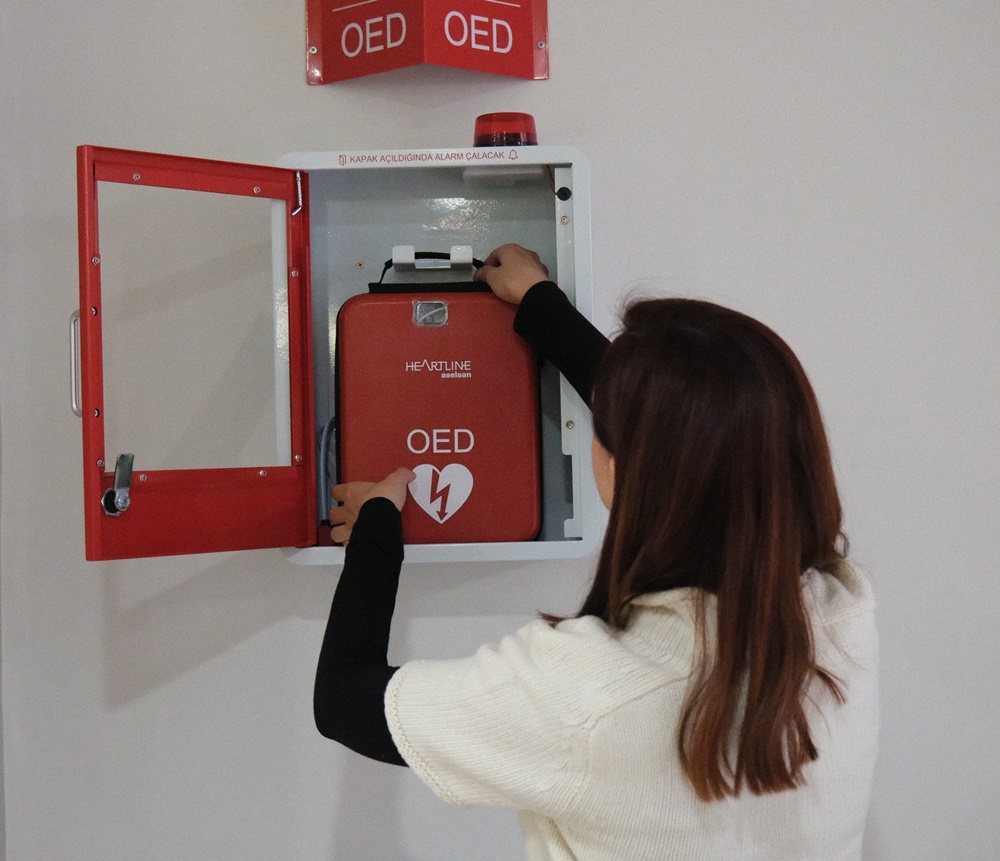
55 devices were installed on campus, with 20 placed at the Sıhhiye Campus and 35 at the Beytepe Campus. Featuring an advanced rhythm detection system, a user-friendly interface, and satellite tracking technology, the devices are expected to play an important role in emergency response on campus.
Assoc. Prof. Erbil: “Everyone can use it with ease”
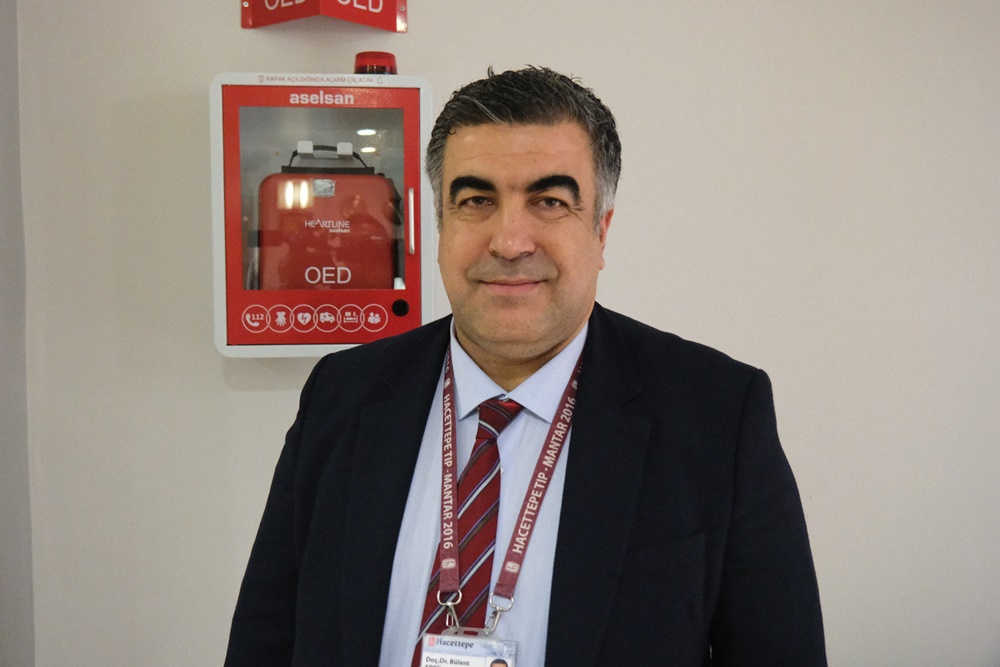
Assoc. Prof. Bülent Erbil, Chief Physician of the Department of Surgical Medical Sciences at Hacettepe University Faculty of Medicine, stated that they aim to create an exemplary safe campus network project and thus contribute to the establishment of safe cities.
Noting that AED devices should be available in all provinces, on all campuses, and in areas where people gather densely, Erbil provided the following information regarding the use of the device:
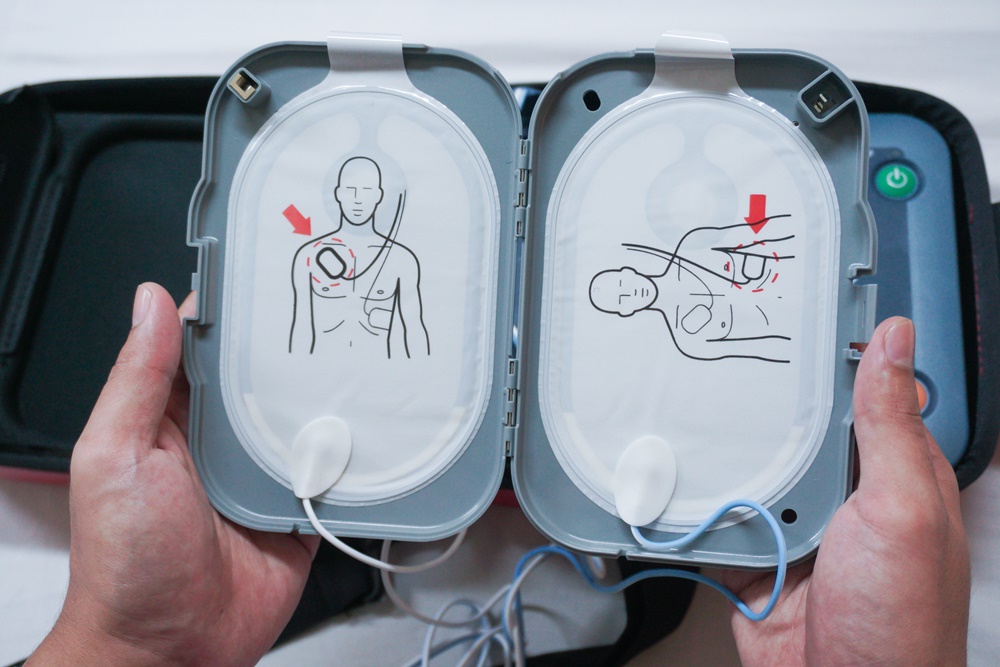
“From the moment you turn on the device, it gives all the instructions itself. Pads come out of it and it says, ‘Attach the pads’; you attach the pads. It says, ‘Connect the cable’; you connect the cable. When you complete these preparations, a warning appears saying, ‘Stand clear, rhythm is being analyzed.’ When you hear this command, you move away from the patient. Then, if it recommends a shock, it gives the command ‘Everyone stand clear’ and says, ‘Press the shock button.’ It’s that easy; a device that everyone can use comfortably. It is sufficient to have received only basic life support and awareness training.”
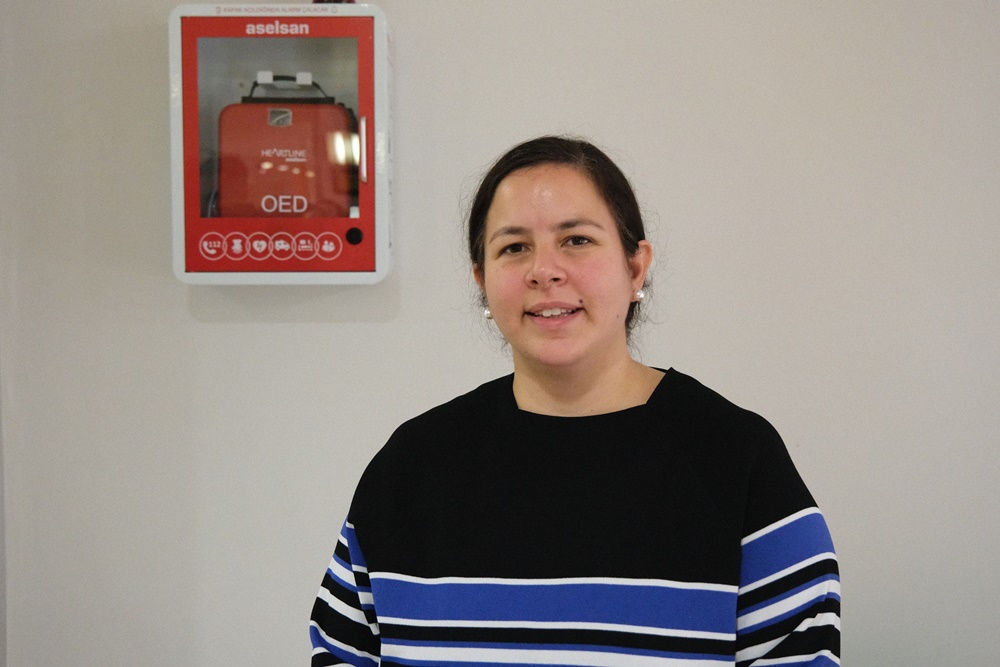
Dr. Elif Öztürk İnce, a faculty member of the Department of Emergency Medicine at Hacettepe University Faculty of Medicine who took part in the project, stated that they aim to demonstrate the importance of delivering a shock in addition to cardiac massage in individuals who experience sudden cardiac arrest, saying, “The device can detect the patient’s rhythm and tells you step by step what you need to do in the form of an algorithm. The device itself decides whether a shock should be delivered or not.”
-Medical faculty students are also satisfied-
Medical faculty student Intern Dr. Busenur Gündüz stated that they can use the device both in dormitories and at school, saying, “An environment has been created that makes us feel much safer in terms of being able to help our friends when needed. Being able to intervene before reaching the hospital is an important step that can strengthen basic life support.”
Another medical faculty student, Intern Dr. Emirhan Şahin, emphasized that the device plays an important role not only by delivering shocks but also by guiding people, stating, “Providing and expanding training on the use of these devices is also of great importance. At this point, providing training is also the responsibility of us doctors.”
In addition to university administrators, ASELSAN Deputy General Managers Taha Yücel and Alaattin Dökmen, ASELSAN Director of Research Collaborations and Technology Transfer Yusuf Erdem, President of the Turkish Institutes of Health Prof. Dr. Ümit Kervan, and medical faculty students attended the introductory meeting of the AED device.
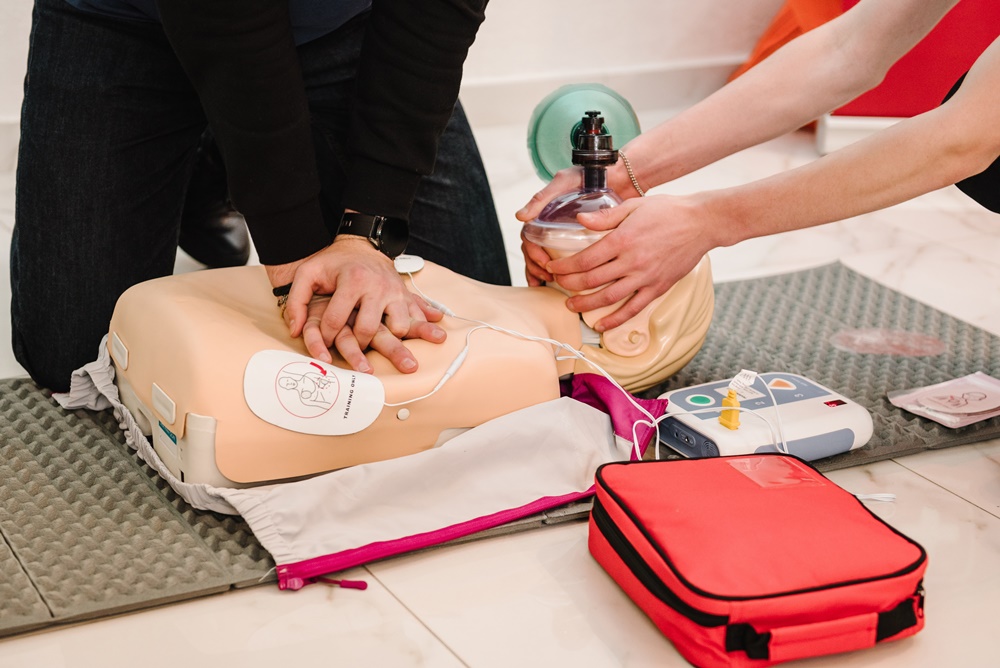
During the meeting, information was provided about the scope of the project, the technical features of the devices, and the training process. Through a live demonstration, how the device is used was also shown practically to all participants.
Images
Images