


Council of Higher Education President Özvar:
“A regulation allowing successful students to graduate in three years will come into effect next year”
November 17, 2025
President of the Council of Higher Education (CoHE), Prof. Erol Özvar, announced that a new regulation enabling motivated and high-achieving students to complete their university education in three years will come into effect starting next year.
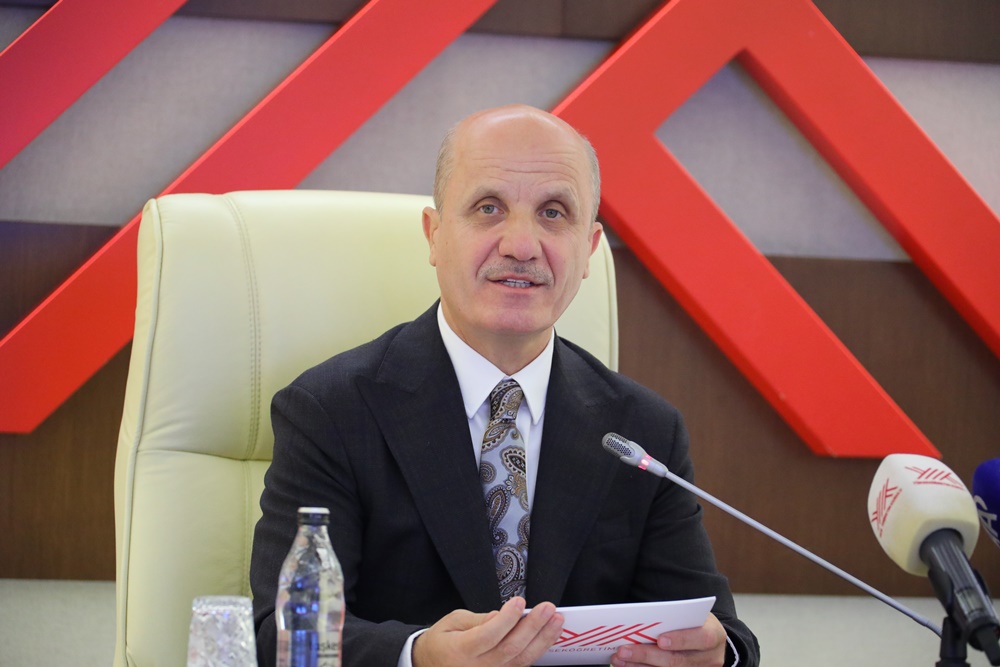
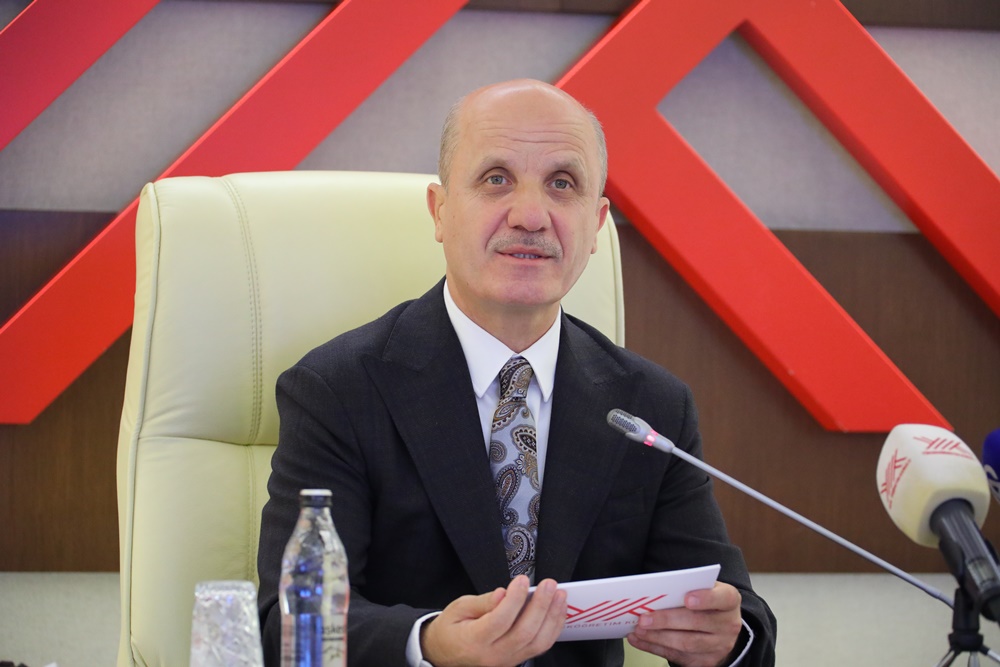
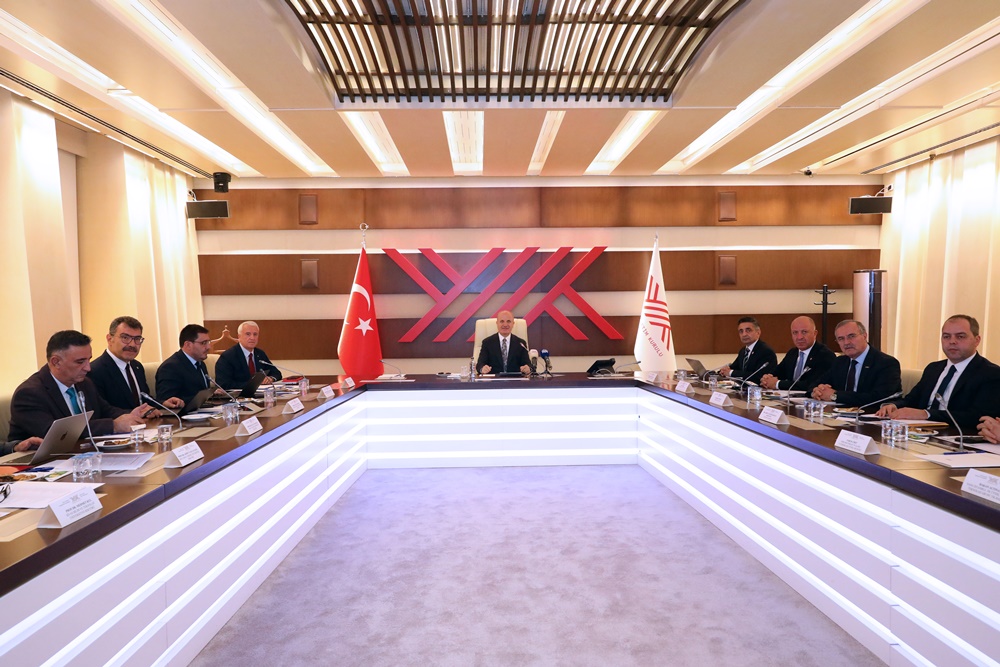
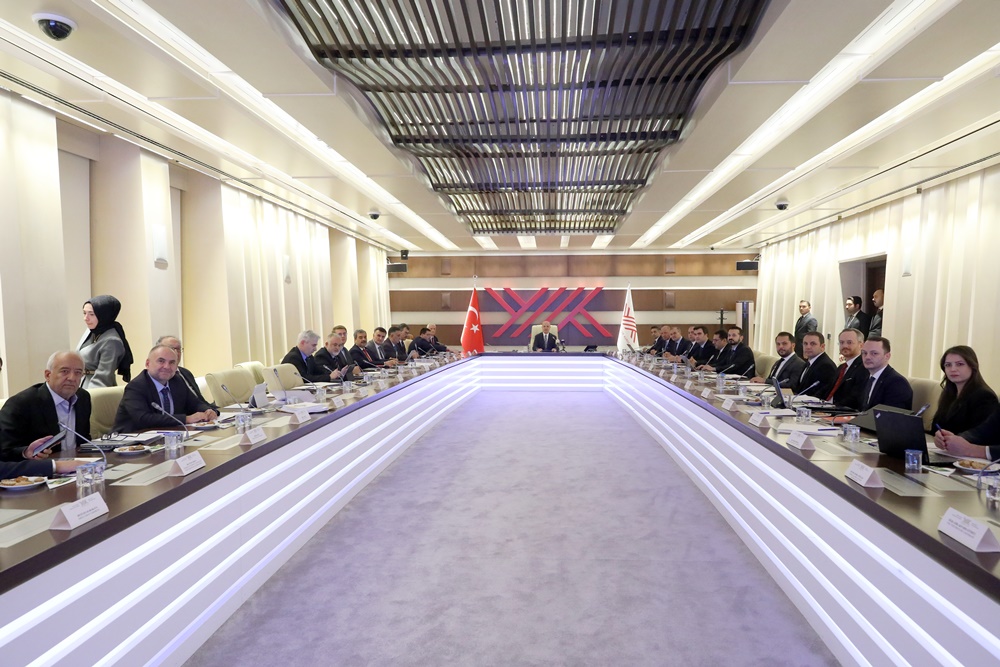
Speaking at the University–Industry Cooperation Commission Meeting held under the coordination of the CoHE, Özvar said that the Council aims to clear the path for students who meet the necessary criteria and are successful enough to complete their studies and graduate in a shorter period.
Özvar stated, “We are currently working on a project. What is important here is verifying, testing, and confirming that students have acquired the program’s outcomes and competencies. We are trying to pave the way for students who can complete the same or an updated curriculum in a shorter time. We will implement the project starting next year.”
“We are restructuring the entire ecosystem to adapt to this transformation”
Touching on the challenges in finding qualified personnel in the industrial and service sectors, Özvar emphasized the importance of accurately analyzing the causes of skill gaps. He continued:
“As the Council of Higher Education, our goal is to restructure the entire ecosystem so that it can adapt to these changes and transformations. Our country clearly needs both mentally demanding expertise and a workforce with strong practical skills in the field. Producing high value-added output is only possible with the harmony of these two skill sets. In other words, we need not only physical strength or manual labor, but also intellectual and cognitive abilities of equal importance.
Additionally, strengthening an environment that can attract talent in international labor markets and increasing reskilling investments are of great importance.”
Özvar noted that public institutions, universities, the private sector, and civil society organizations must act together to expand and enrich Türkiye’s national skill pool, prepare young people for the professions of the future, and ensure that employees continuously update their competencies which has become an absolute necessity.
“We aim to expand the applied training model across the country”
One of the most important agenda items for the upcoming period, Özvar stressed, will be expanding workplace-based applied training to both associate and undergraduate levels.
Stating that inefficient or poorly functioning internship practices will be transformed into workplace-based vocational training, Özvar continued:
“This model, which will allow our students to gain experience not only in the classroom but directly in the business world, will make them more well-equipped, productive, and employment-oriented individuals. We aim to launch this applied education model first as a pilot program in seven provinces—Konya, Gaziantep, Istanbul, Bursa, Kocaeli, Izmir, and Ankara—and then expand it nationwide based on the results. We believe this will allow us to establish a higher education approach that integrates students’ education processes with real work environments and connects them directly to employment—not only in vocational schools but also in undergraduate programs.”
“We are determined to implement the new internship model”
Emphasizing that internships are one of the most important components of the workplace-based education model, Özvar stated: “We are transforming our programs so that instead of short and inefficient 20-day internships, students gain meaningful vocational experience through structures such as 3+1 or 2+2 at vocational schools, and 7+1 or 6+2 at undergraduate programs, depending on program requirements. The Council is firmly committed to moving this forward. This is a process that requires time and patience. With this model, students will be able to closely observe production processes, develop on-the-job skills, and transition into employment more quickly after graduation.
At the same time, feedback from workplaces will play a determining role in updating university curricula and will contribute to the emergence of a dynamic education ecosystem that quickly adapts to sectoral needs.”
The meeting was attended by CoHE President Prof. Erol Özvar, CoHE Deputy President Prof. Naci Gündoğan, CoHE Executive Board Member Prof. Erol Arcaklıoğlu, Deputy President of the Presidency of Defense Industries Prof. Hakan Karataş, Istanbul Technical University Rector Prof. Hasan Mandal, METU Rector Prof. Ahmet Yozgatlıgil, Gebze Technical University Rector Prof. Hacı Ali Mantar, Sivas University of Science and Technology Rector Prof. ,Mehmet Kul, as well as representatives from HAVELSAN, TUSAŞ, TÜBİTAK, TENMAK, OSBÜK, and the industrial and business community.
Images
Images