


CoHE President Özvar’s Remarks on Multiple-Choice Exams Spark Widespread Debate in Academia
- Özvar: “We do not believe the growing prevalence of multiple-choice exams is the right approach.”
- “The primary aim of university education is to strengthen students’ ability to make sense of information, question sources and evaluate evidence.”
- Academics strongly echo Özvar’s remarks: “Practical and open-ended exams should carry greater weight.”
- Students on open-ended exams: “With open-ended questions, I have to bring together the relevant information and express it in my own words.”
October 18, 2026
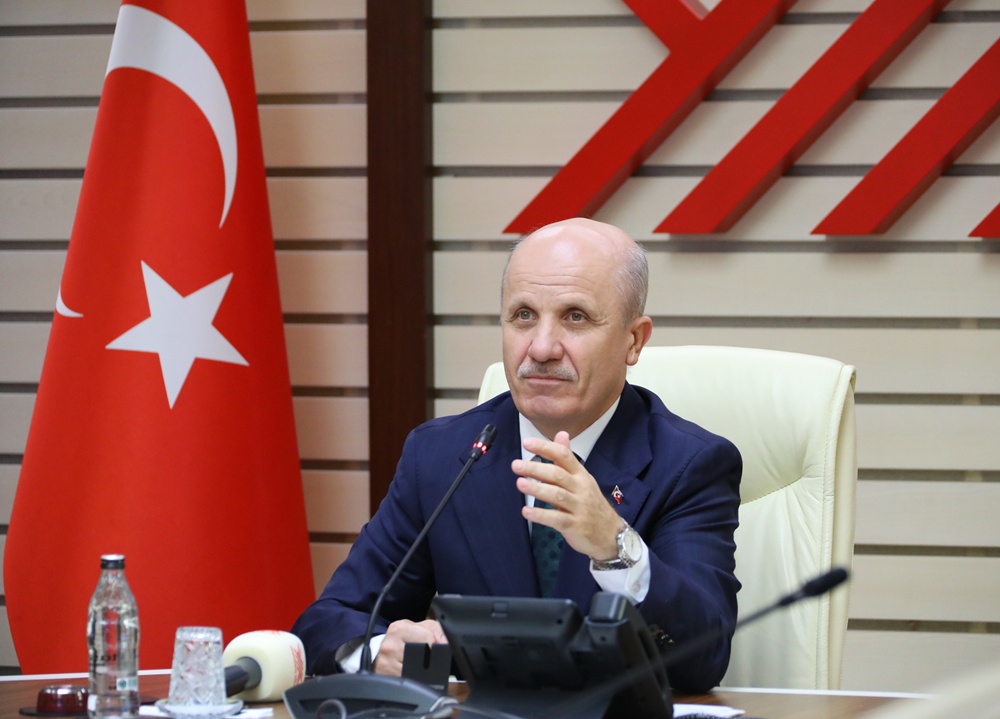
Council of Higher Education (CoHE) President Erol Özvar’s remarks that CoHE does not consider the growing prevalence of multiple-choice exams at universities to be the right approach have sparked widespread debate in academia.
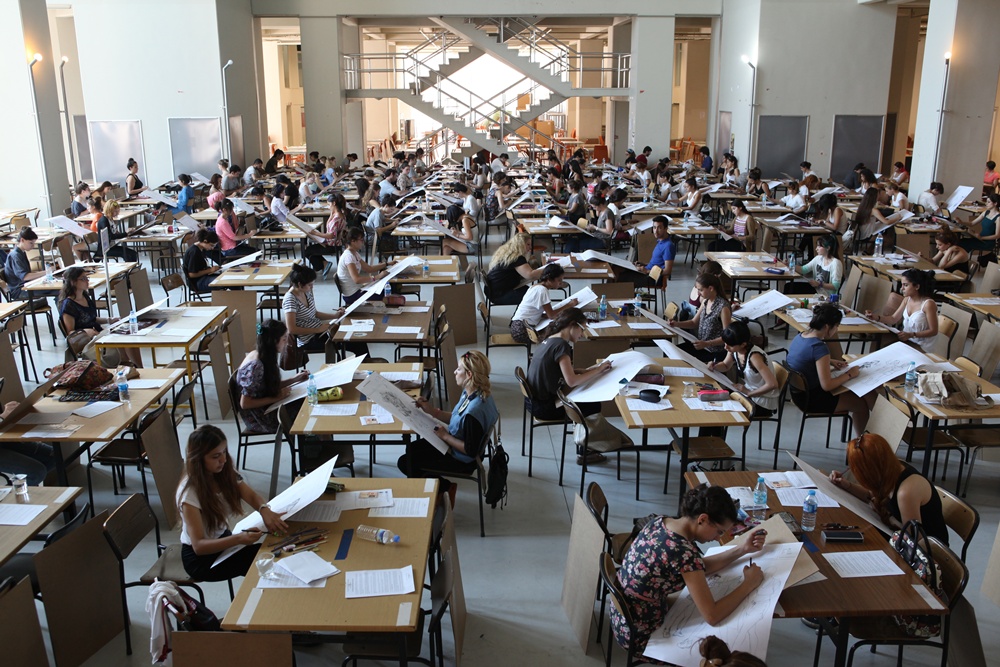
Academics said greater emphasis should be placed on open-ended, practical and project-based assessments to measure students’ thinking, interpretation and problem-solving skills. Students also highlighted the importance of practical assessments, noting that open-ended exams require them to synthesize information, interpret it and express their understanding in their own words.
Emphasizing that university education should go beyond simply transmitting information, Özvar highlighted the importance of developing students’ thinking, reasoning, analytical, communication and practical skills. “The primary aim of university education is to strengthen students’ ability to make sense of information, question sources and evaluate evidence. Developing original solutions to the problems they encounter is one of the fundamental outcomes of this education,” he said.
Özvar stressed that law students should be able to examine the legal dimensions of cases and present reasoned opinions; engineering students should explain the assumptions underlying their proposed solutions to problems; and social sciences students should be able to compare different approaches and develop evidence-based interpretations.
He called for greater use of assessment methods that reveal students’ thought processes and their ability to apply what they have learned. He added that CoHE would closely monitor efforts to ensure that examination practices are developed in line with the objectives and learning outcomes of academic programs.
Drawing attention to the impact of examination methods on how students learn, Özvar said, “The type of exam we administer largely determines a student’s learning capacity and the outcomes they can achieve in a course. In other words, the exam we give a student largely determines how much they actually learn. We therefore need to give more thought to these exams.”
- “I need people who can go beyond the answer choices I provide”
Özvar’s remarks received strong support from academics.
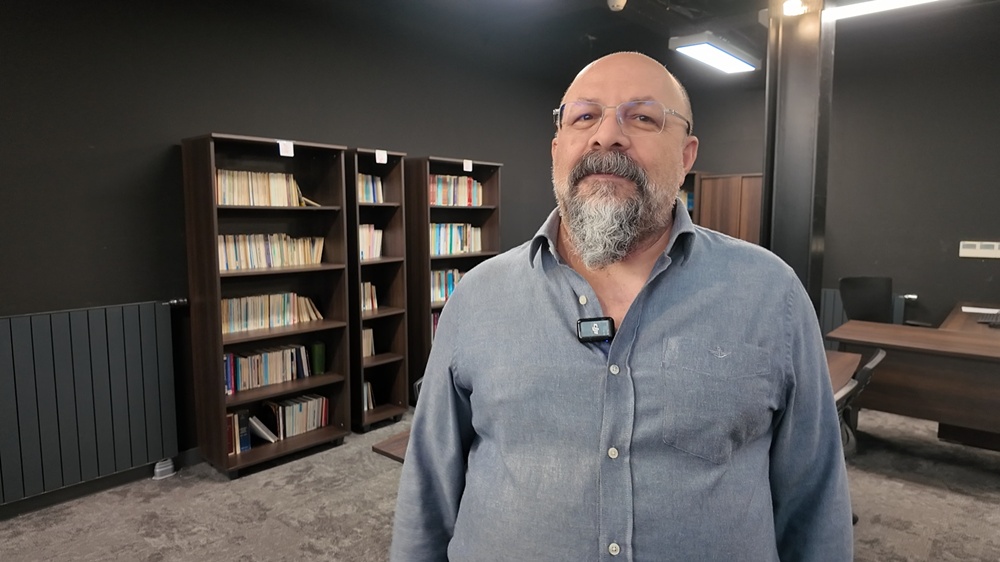
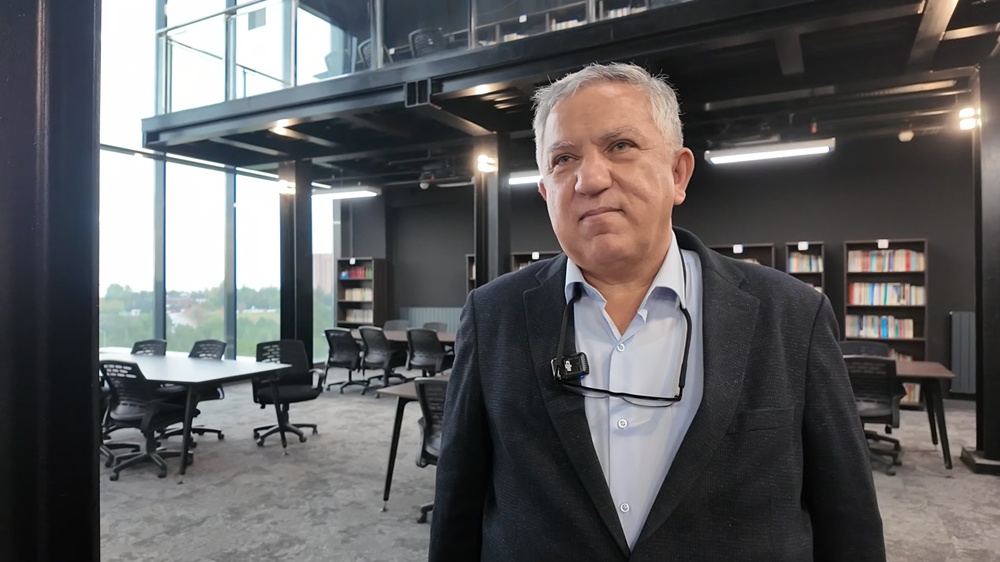
Prof. Mehmet Tekerek, a faculty member at Ankara University’s Faculty of Educational Sciences, said examination methods should give students opportunities to express themselves. Explaining that he prefers open-ended exams in his courses, Tekerek said, “I need people who can go beyond the answer choices I provide. That is what I mean by encouraging them to say something new.”
Tekerek explained that artificial intelligence technologies could help reduce faculty members’ workload when grading open-ended questions. However, he noted that further research and robust technical infrastructure were needed to establish the reliability of these systems.
Prof. Nuri Doğan, President of the Board of the Assessment and Evaluation Association and Head of the Department of Educational Measurement and Evaluation at Hacettepe University, noted that multiple-choice exams can be inadequate for assessing skills such as creativity, problem-solving, decision-making and critical thinking. “What matters is what students do and how they use information,” Doğan said, emphasizing the need to improve assessment and evaluation systems at universities.
Prof. Selahattin Gelbal, a faculty member at Hacettepe University, said that while multiple-choice exams offer advantages in certain areas, they can be limited in their ability to measure higher-order skills such as critical thinking, interpretation and problem-solving. Emphasizing that exams should be diversified according to learning outcomes, Gelbal said, “We are not eliminating multiple-choice tests altogether, but it is useful to keep their proportion within certain limits.”
Prof. Hülya Keleceoğlu, also a faculty member at Hacettepe University, noted that open-ended and practical exams make it easier to understand how students think and where they make mistakes.
“Practical and open-ended exams should therefore carry greater weight,” Keleceoğlu said, adding that rather than eliminating multiple-choice exams entirely, universities should use them in ways suited to the nature of each academic program.
- Students say open-ended exams require them to interpret information more deeply
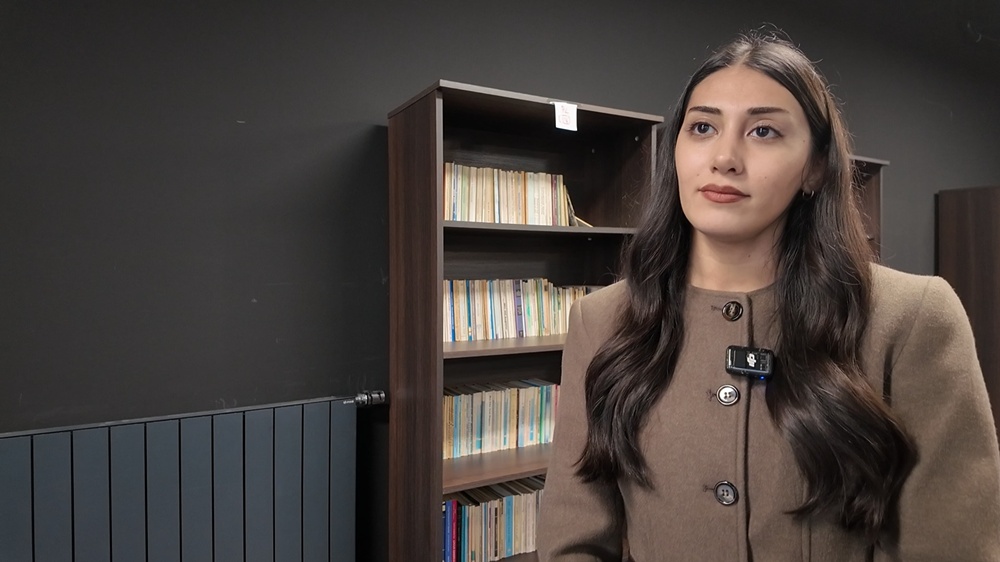
Sunay Geyen, a student in the Turkish Language Teaching program at Hacettepe University, said the type of exam affects how students prepare. “When it is a multiple-choice exam, preparing is a little easier,” Geyen said. She noted that open-ended exams, by contrast, require students to explain information and provide a rationale for their answers.
Zeliha Sarı, a fourth-year student in the same program, said she prepares more extensively for open-ended exams. “With open-ended questions, however, I have to bring together the relevant information and express it in my own words,” she said.
Meryem Azra İçli, a fourth-year Turkish Language Teaching student, also highlighted the importance of practical assessment. “First of all, there are teaching practicum experiences, for example. Not everything ends with writing or putting things on paper. Students also need to be able to teach others what they know,” she said.
Images

Images