


CoHE President Özvar Calls on Universities to Introduce Micro-Credentials
- “Our universities should prepare their own guidelines as soon as possible”
- “We can explore the Digital University Platform as a tool for micro-credentials”
- “No course is indispensable, but certain subjects and themes may be”
- “Our universities should address the goal of a Terror-Free Türkiye from different perspectives through conferences, panels and similar academic events”
October 16, 2026
Council of Higher Education (CoHE) President Erol Özvar called on universities to prepare their own guidelines on micro-credential programs as soon as possible, adding that the Digital University Platform could also be considered as part of micro-credential initiatives.
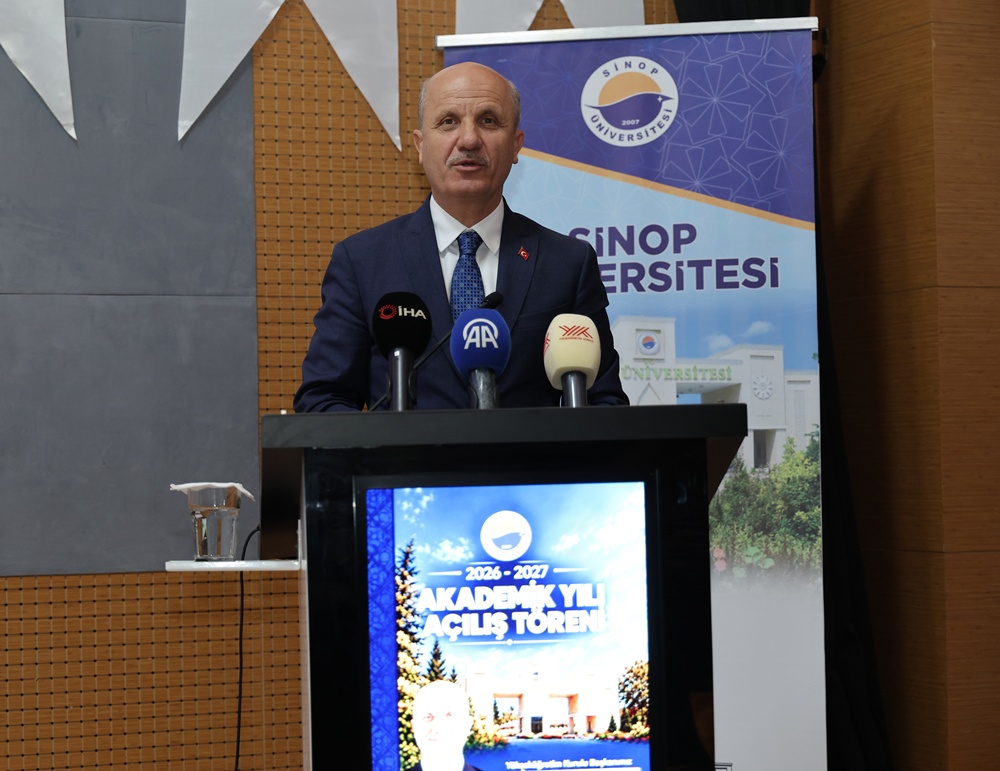
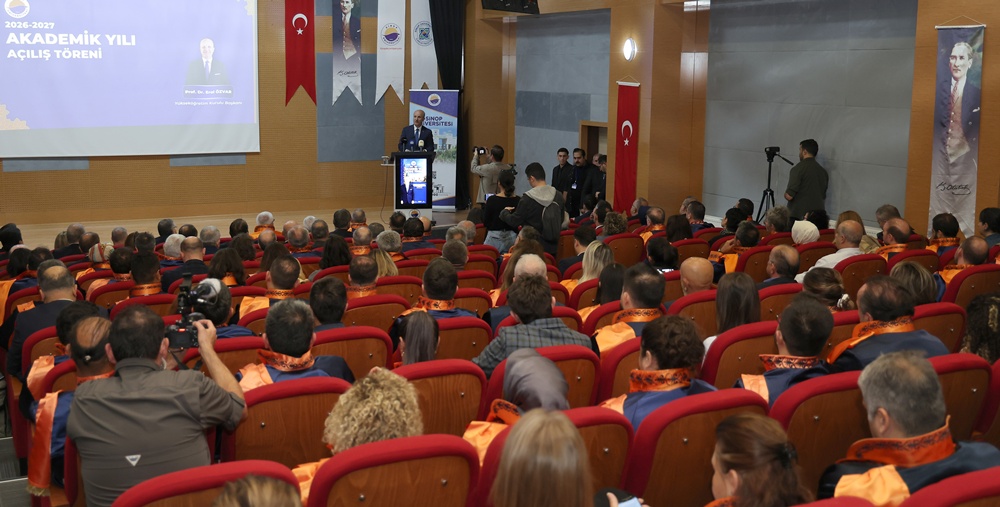
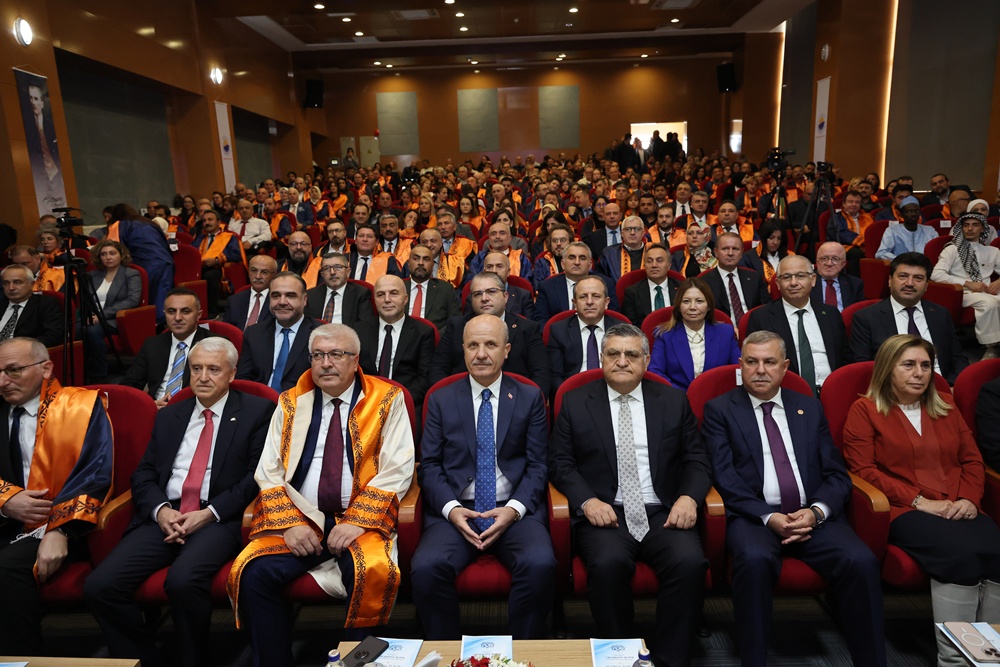
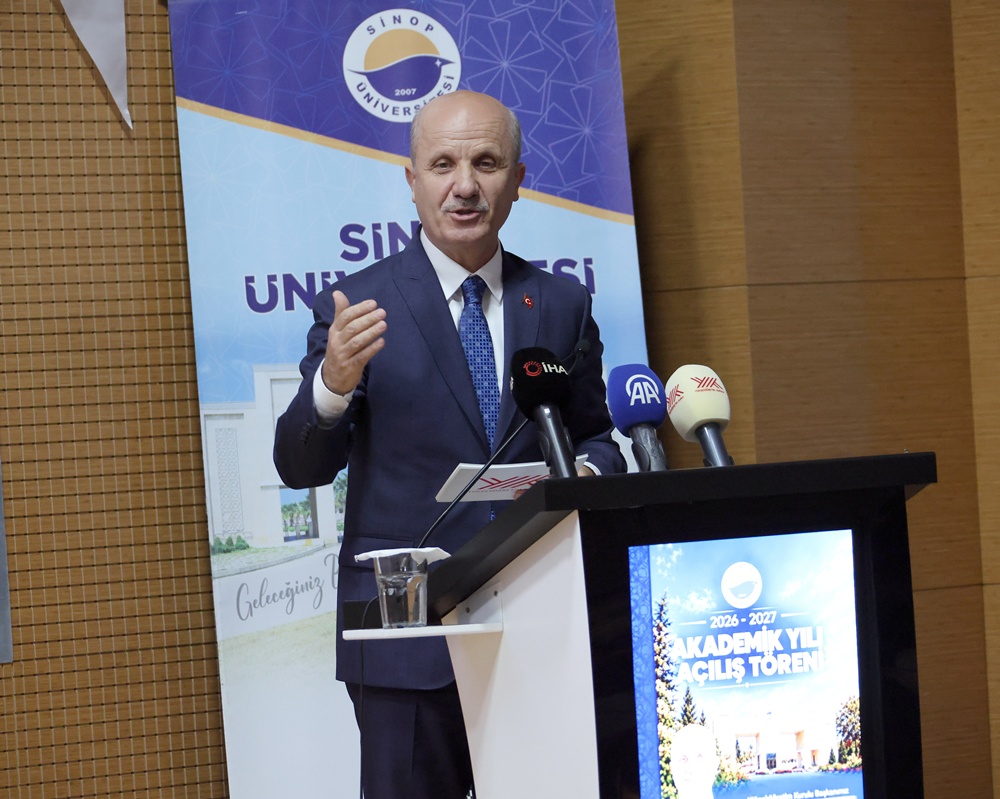
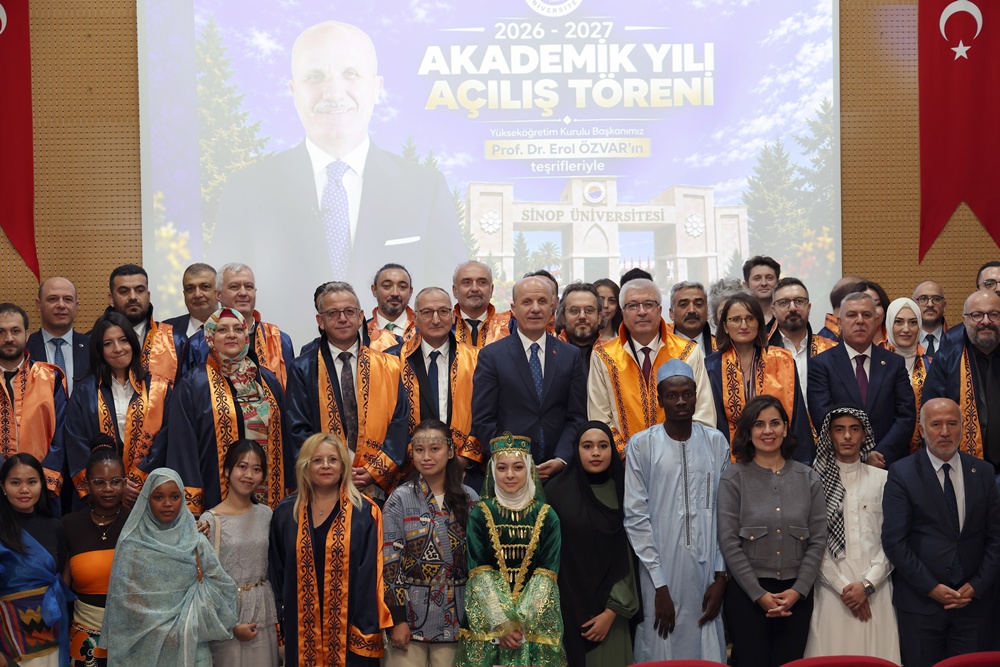
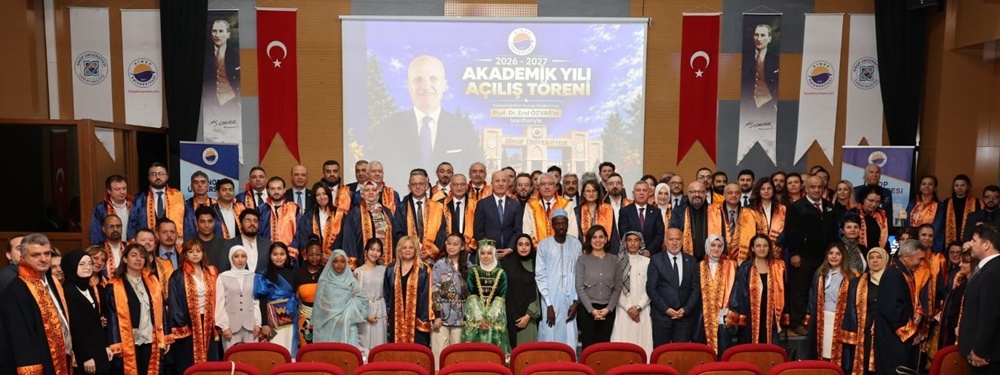
Speaking at Sinop University’s 2026-2027 Academic Year Opening Ceremony, Özvar emphasized the importance of micro-credentials, which enable knowledge and skills acquired outside universities to be recognized within the higher education system.
Recalling that CoHE had published and shared with universities a framework outlining the procedures and principles for micro-credentials, Özvar urged universities to prepare their own regulations accordingly. He explained that micro-credentials allow universities to recognize the knowledge, experience and skills students acquire in different settings. He stressed that these practices should be integrated into the higher education system without compromising quality standards.
Addressing digital education initiatives, Özvar said that training programs offered last year through the Data Analytics School and the Artificial Intelligence School had been transformed this year into Türkiye’s first Digital University Platform. “We have launched the Digital University Platform. I would like you to know that we can also explore this platform in the context of micro-credentials,” he said.
Özvar noted that the training programs offered last year had attracted more than 130,000 applications nationwide, with over 30,000 people participating. Participants included students, academics, members of parliament, bank representatives and public employees. He announced that this year’s training, to be delivered through 16 course modules, would begin in November and that applications were already open. He also invited Sinop University’s academics, students and staff to participate in the platform.
“We expect to see the first examples of curriculum streamlining in the spring semester”
Özvar also addressed efforts to streamline university curricula, saying he wanted this to be one of universities’ key priorities during the 2026–2027 academic year.
He noted that undergraduate students in Türkiye take approximately twice as many courses as the average student in the European Higher Education Area, adding that continuing with the current number of courses was not sustainable. Calling on university rectors to begin streamlining their curricula as soon as possible, Özvar said he hoped the first examples could be seen in the spring semester of the 2026–2027 academic year, where feasible.
Emphasizing that curriculum streamlining should not be viewed as a burden, Özvar said, “No course is indispensable. Certain subjects and themes may be indispensable.” He stressed that universities should focus on course content rather than course titles. He also highlighted the importance of maintaining educational quality and reconsidering assessment and evaluation methods as the number of courses is reduced.
- Exports from technology development zones exceed $20 billion
Özvar said that strengthening universities’ research capacity and turning scientific work into tangible outcomes were among CoHE’s priorities. He added that universities were expected to develop more original technologies, strengthen their cooperation with industry and make greater contributions to economic development.
Emphasizing the importance of turning scientific knowledge into technology and technology into entrepreneurial ventures for global competitiveness, Özvar highlighted the scale of Türkiye’s technology development zones. Recalling that the first technology development zone was established at Middle East Technical University in 2001, he said the number of such zones had risen from five in 2002 to 115, of which 97 were actively operating. Infrastructure work is continuing in the remaining 18 zones, he added.
Özvar noted that total exports by companies operating in technology development zones had exceeded $20 billion. He emphasized that university-industry collaboration makes a significant contribution to transforming scientific research into high-value-added production. He also expressed his expectation that the technopark involving Sinop University would become operational as soon as possible.
- Around 80 new programs introduced for the jobs of the future
Addressing efforts to respond to digital transformation in higher education and changing workforce needs, Özvar said that around 80 new programs had been introduced at universities over the past three years, particularly in artificial intelligence, cybersecurity, digitalization in agriculture and health, and the green transition.
He explained that these initiatives, carried out under the Future Professions and Digital Transformation Mobilization, aimed to close skills gaps and reduce the mismatch between education and labor market needs. He emphasized the importance of ensuring that the higher education system adapts to changing conditions.
Özvar also recalled the launch of the Türkiye Strategic Technology Human Resources Development Program. Under the program, 550 young people pursuing doctoral degrees in strategic technology fields will be employed as research assistants at research universities.
- Call on universities to support the goal of a Terror-Free Türkiye
Özvar stated that contributing to the resolution of social problems was one of universities’ fundamental responsibilities. He emphasized the importance of the goal of a Terror-Free Türkiye, advanced under the leadership of President Recep Tayyip Erdoğan, in strengthening national unity and brotherhood.
Highlighting the important responsibilities of the higher education community in this process, Özvar said universities should examine the goal of a Terror-Free Türkiye from different perspectives through conferences, panels and similar academic events.
He called on universities to share the scientific assessments and recommendations emerging from their academic work with the public. Özvar said he believed these activities would increase knowledge and awareness across all segments of society, particularly among young people, and help strengthen national unity and solidarity.
- Specialist training in Türkiye for physicians from Gaza
Özvar noted that universities had responsibilities not only toward Türkiye’s own challenges but also toward humanitarian crises in different parts of the world, drawing attention to the destruction in Gaza.
He stated that Israeli attacks had damaged places of worship, schools, hospitals and numerous public- and private-sector buildings in Gaza, emphasizing that Türkiye would continue to support the people of the region.
Özvar announced that, in the coming days, physicians from Gaza would be able to continue their specialist medical training at university hospitals in Türkiye.
- Young academics welcomed Özvar with flowers
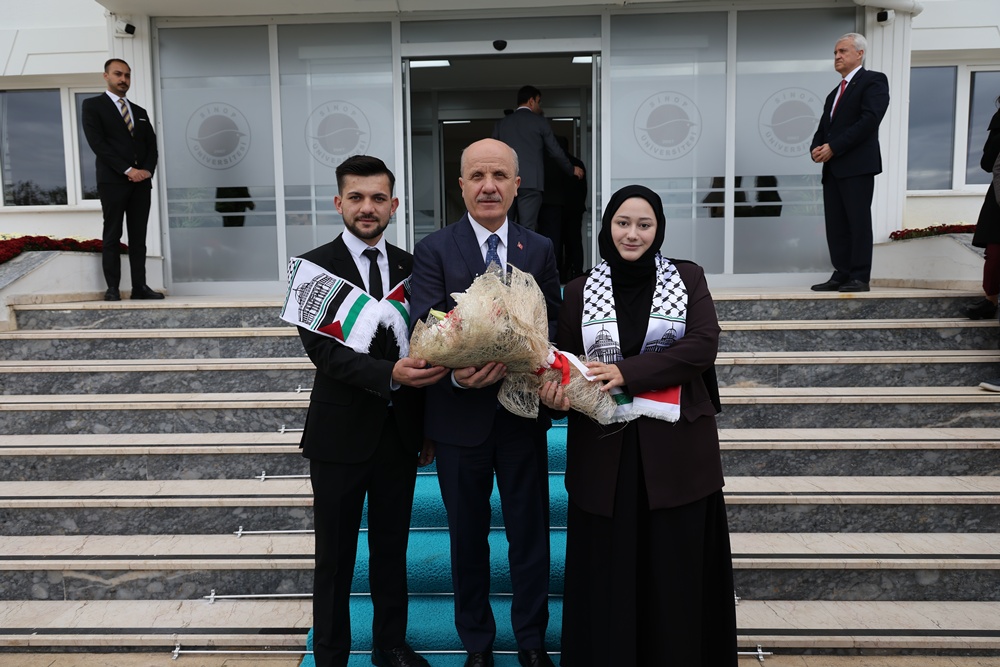
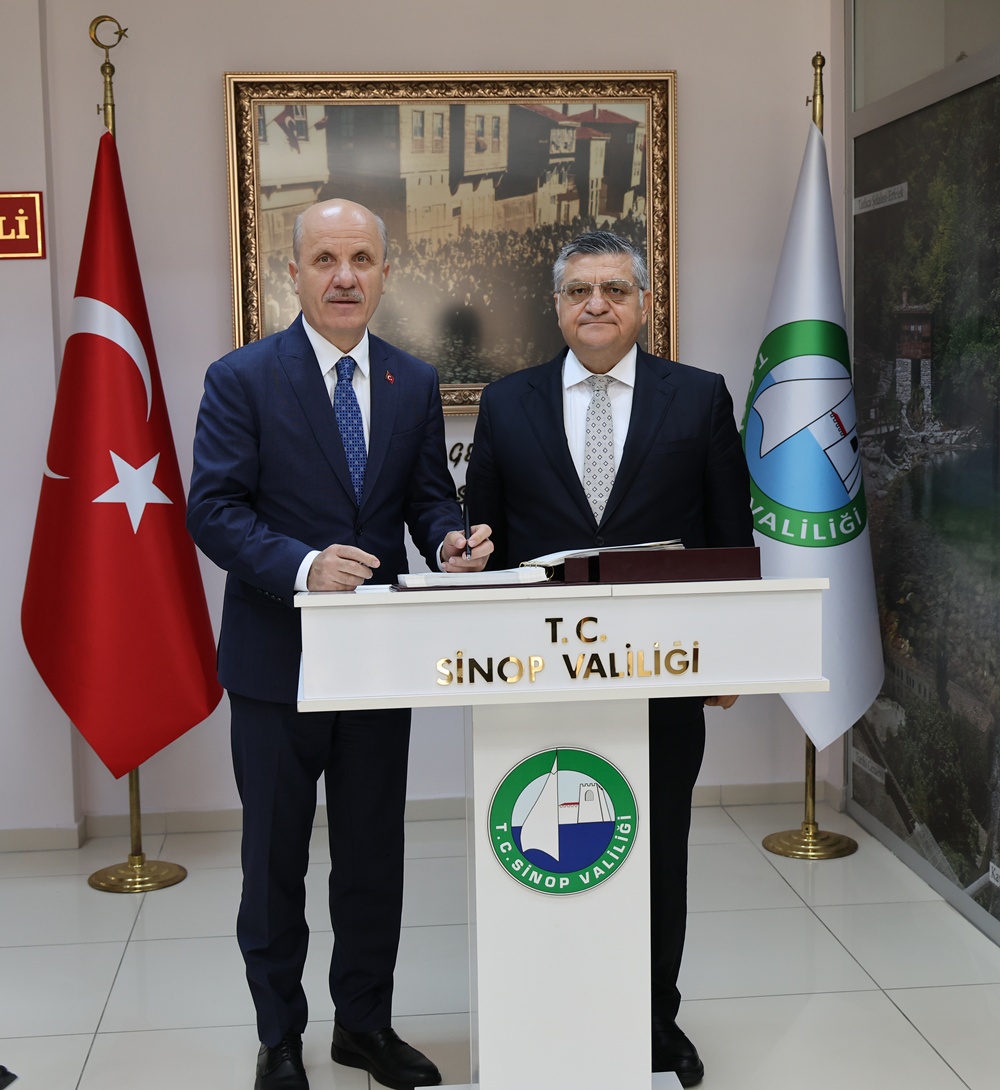
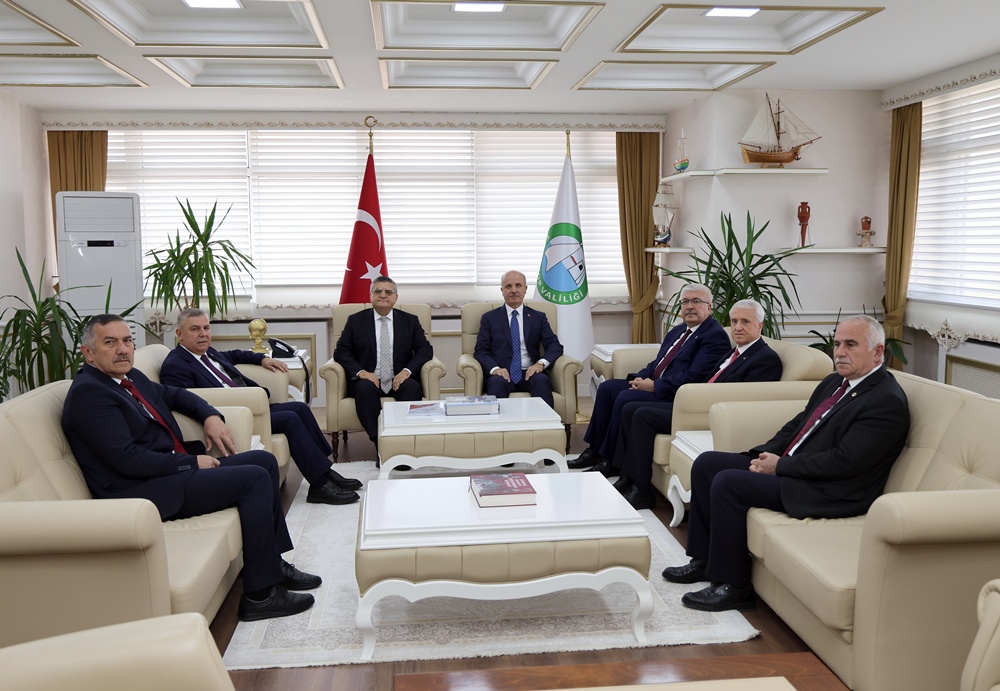
Before the academic year opening ceremony, Özvar visited Sinop Governor Mustafa Özarslan and Sinop University Rector Prof. Şakir Taşdemir.
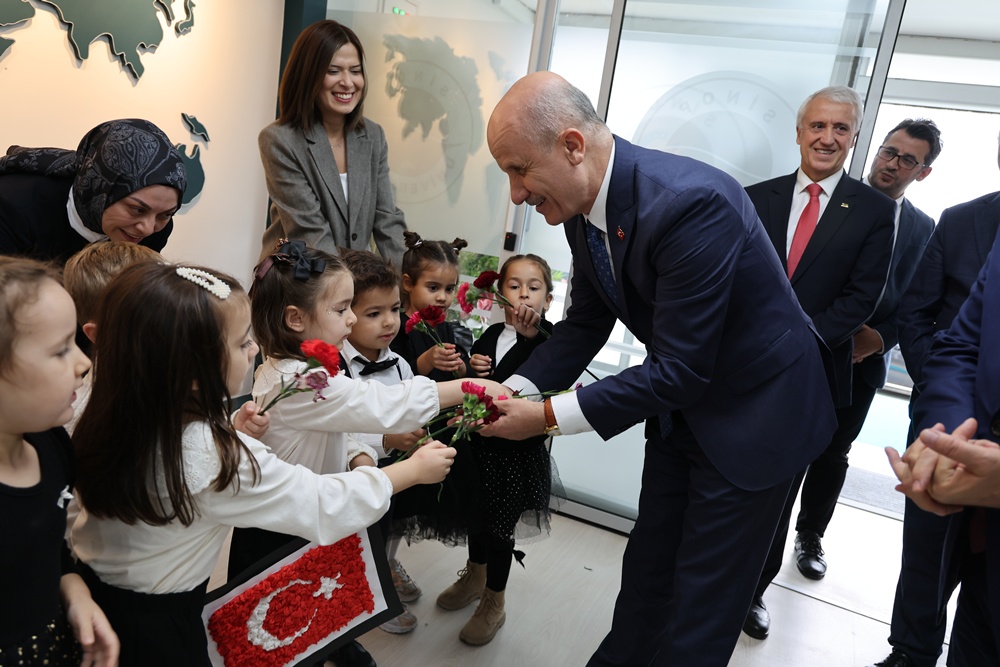
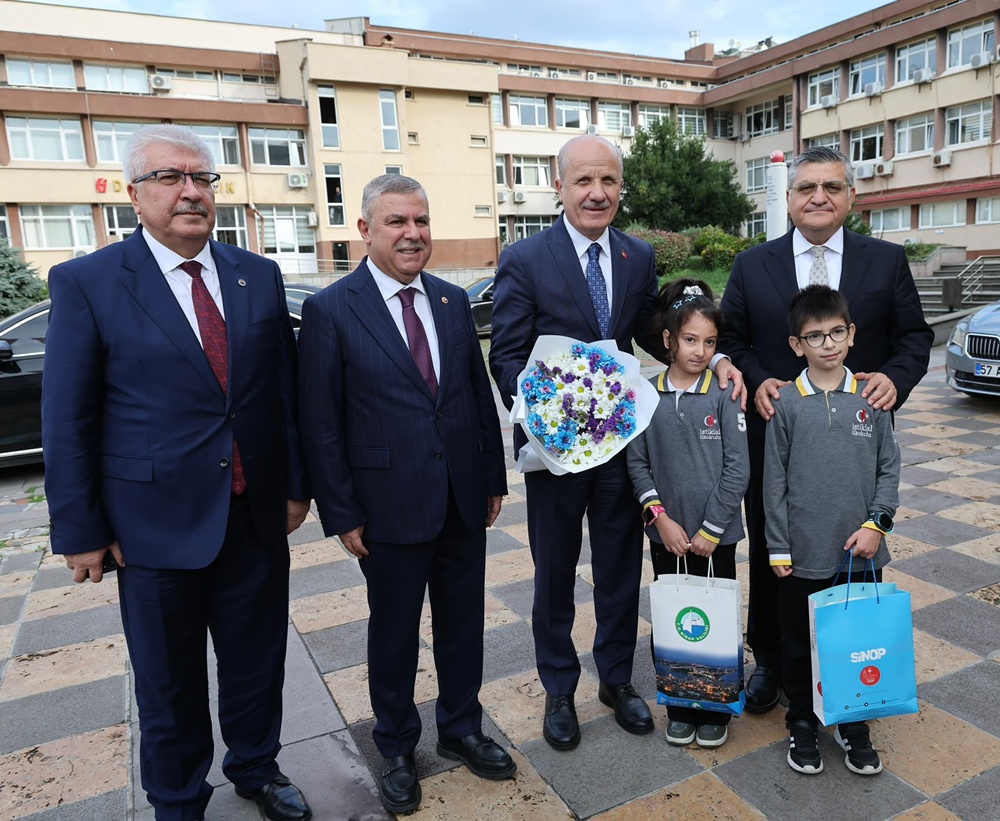
Upon arriving at Sinop University’s Rectorate building, Özvar was welcomed with flowers by children from the university’s practice kindergarten, known as the “young academics.” He spent time talking with the children and showing an interest in them.
Özvar also toured the Faculty of Fine Arts’ group exhibition featuring works by its academics. A music group comprising faculty members and students performed for the attendees.
Images
Images