


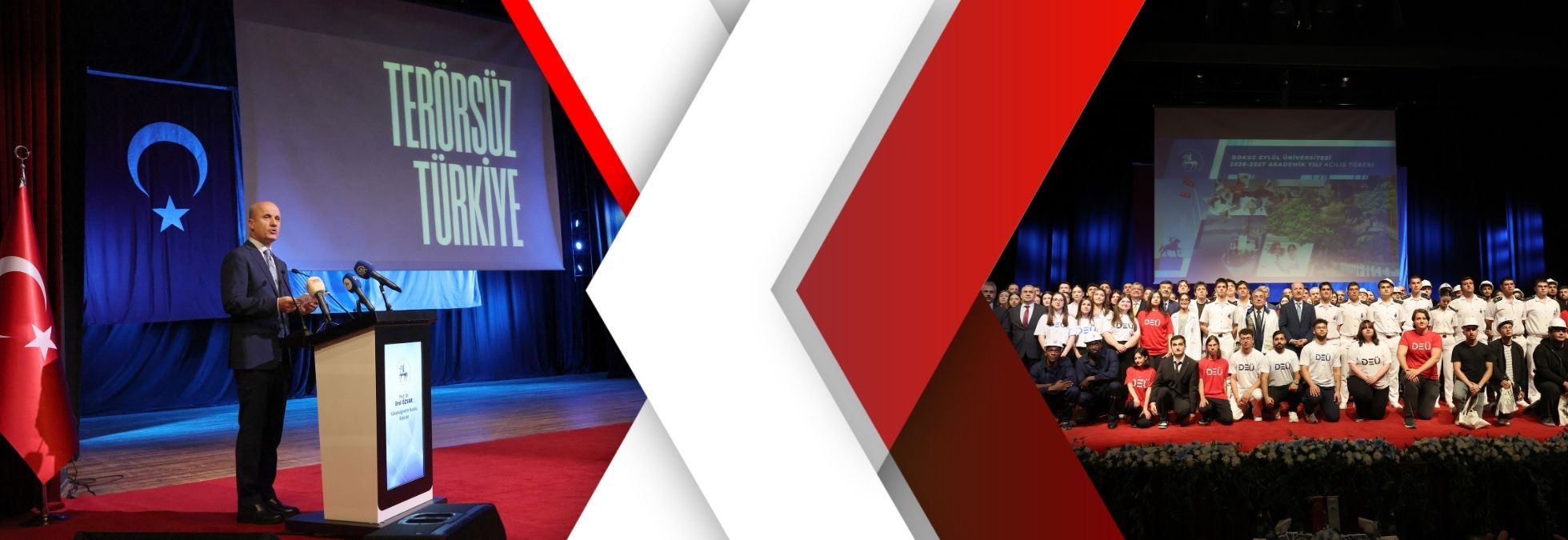
CoHE President Özvar Delivers “Terror-Free Türkiye” Message in Izmir
“Our universities should assume responsibility in this process through scientific research”
Özvar: “We will expand the Work-Based Vocational Education model nationwide as soon as possible”
- “The era of knowledge transfer is now over. We need new methods that equip our students with skills, talents and competencies”
- Özvar calls on universities to embrace artificial intelligence: “We must teach our academics and students about the limitations of AI tools”
- Türkiye rises from 29th to 15th place worldwide in scientific publication rankings
October 8, 2026
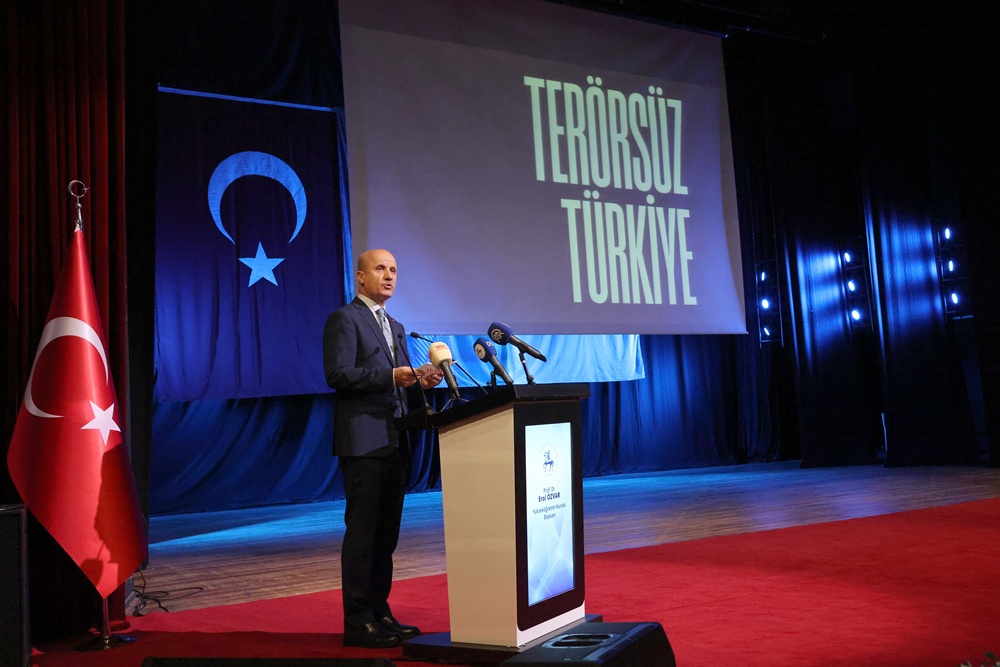
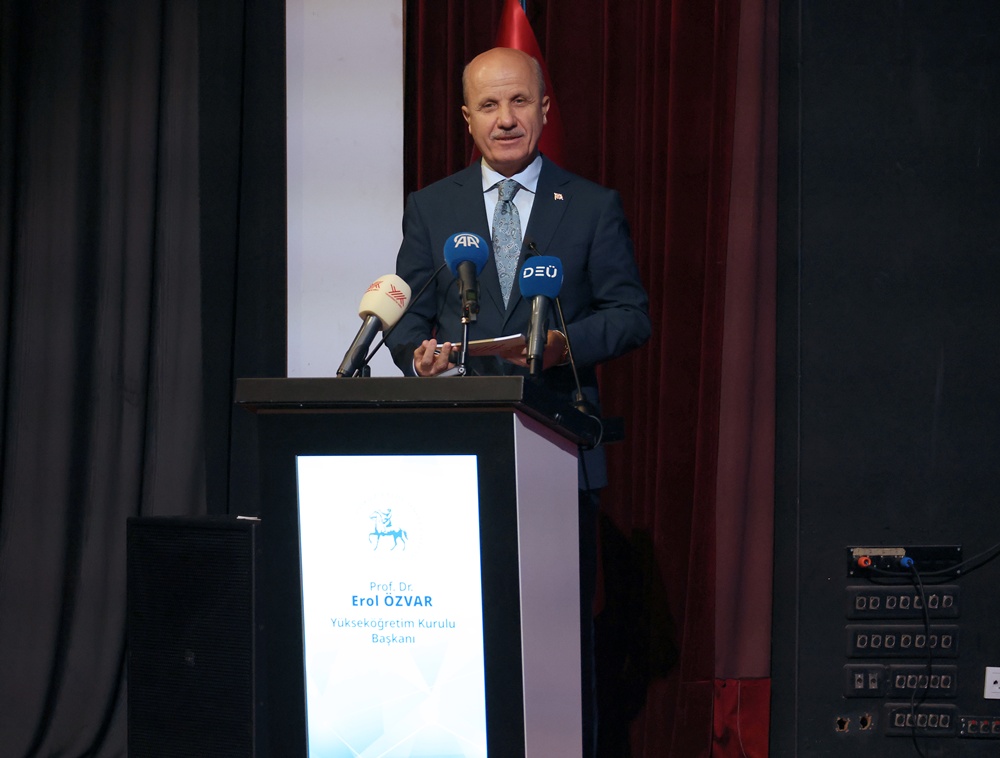
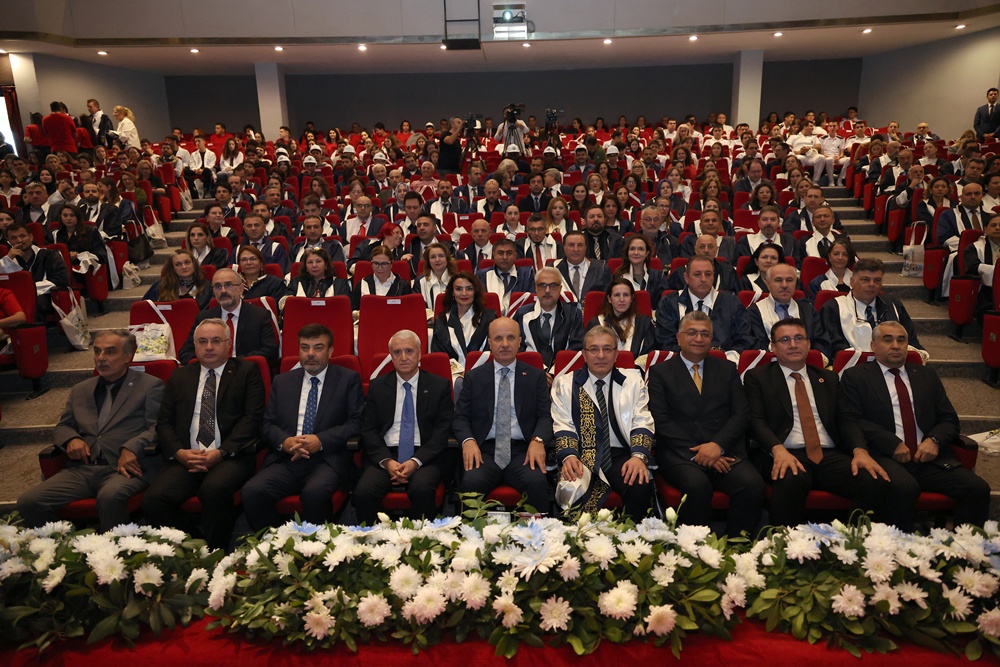
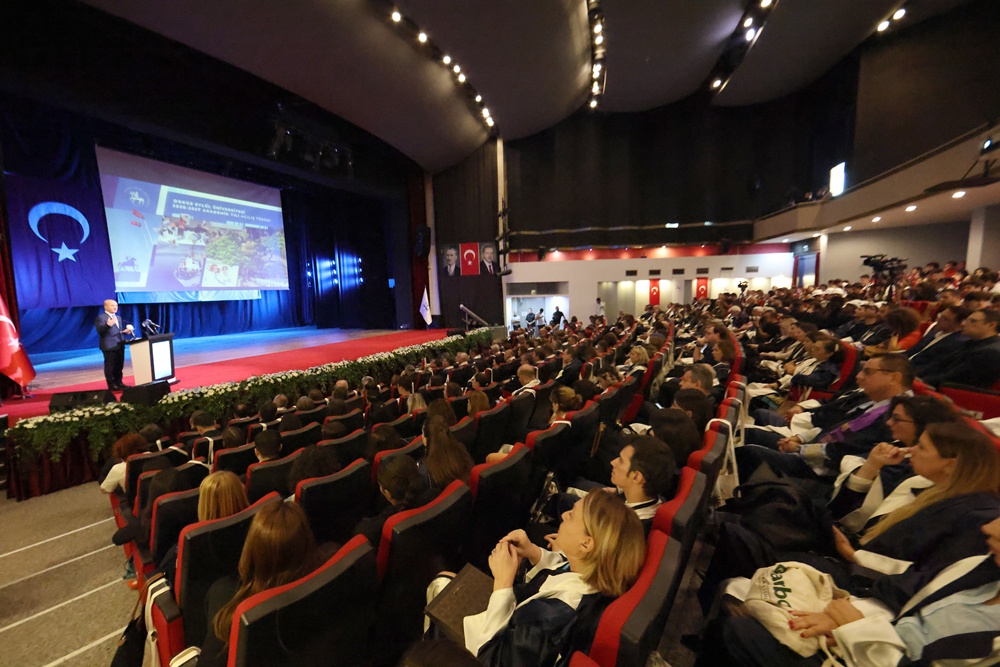
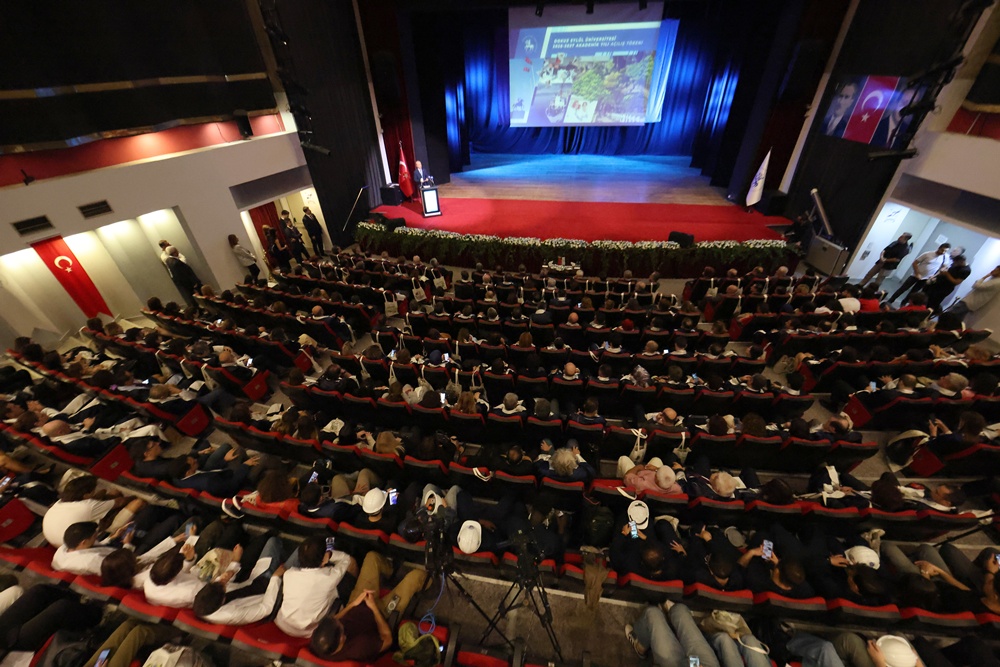
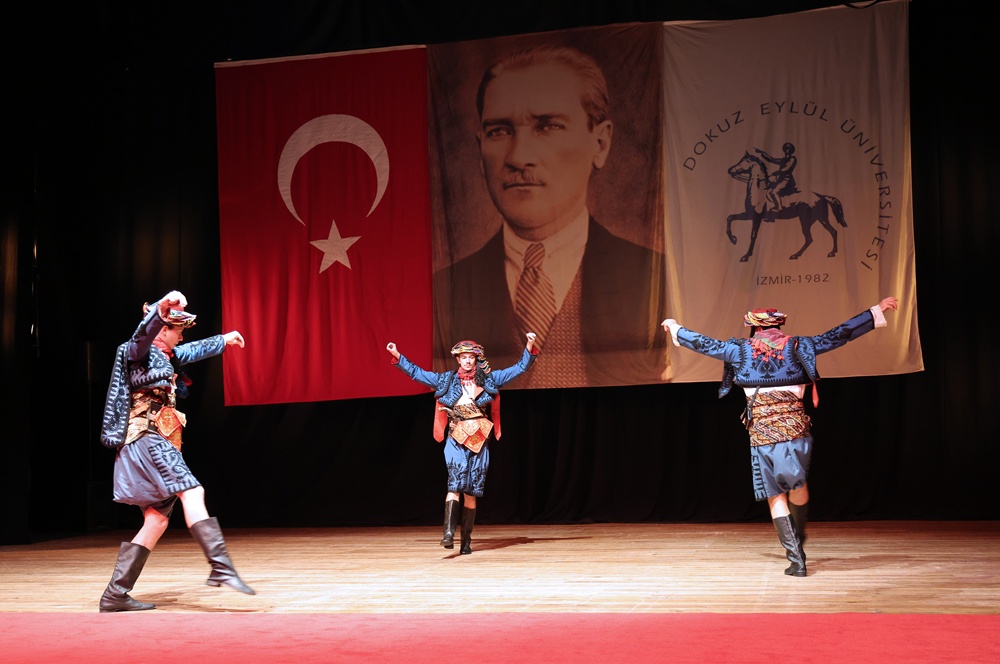
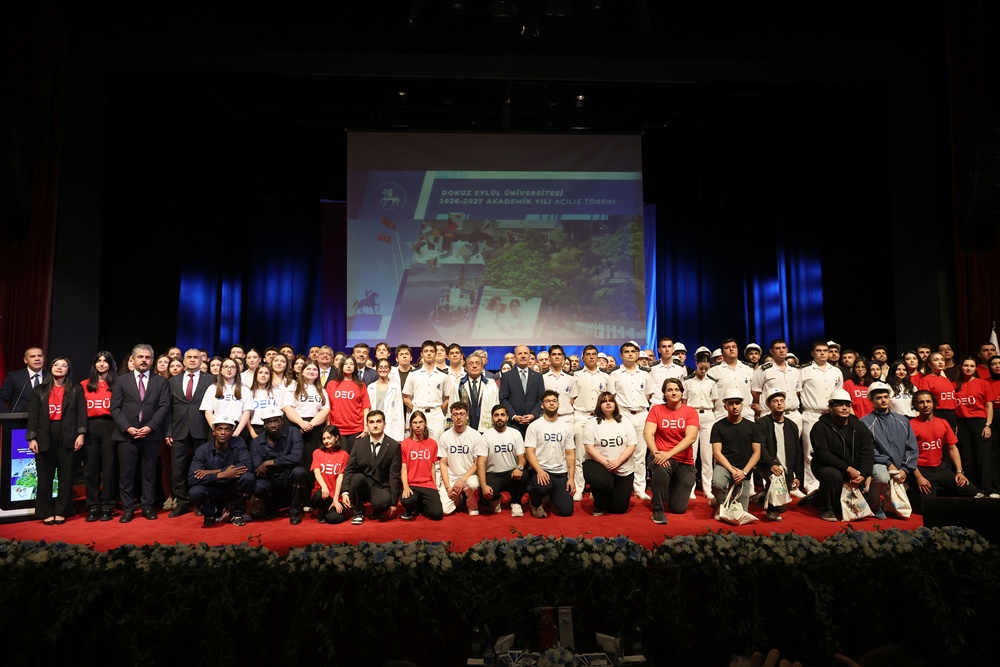
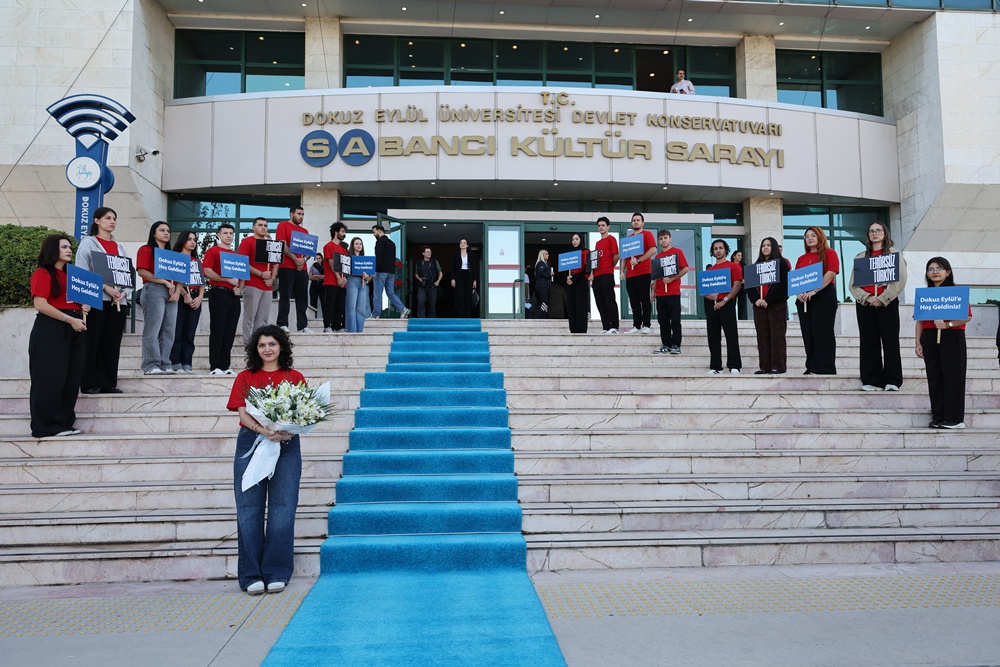
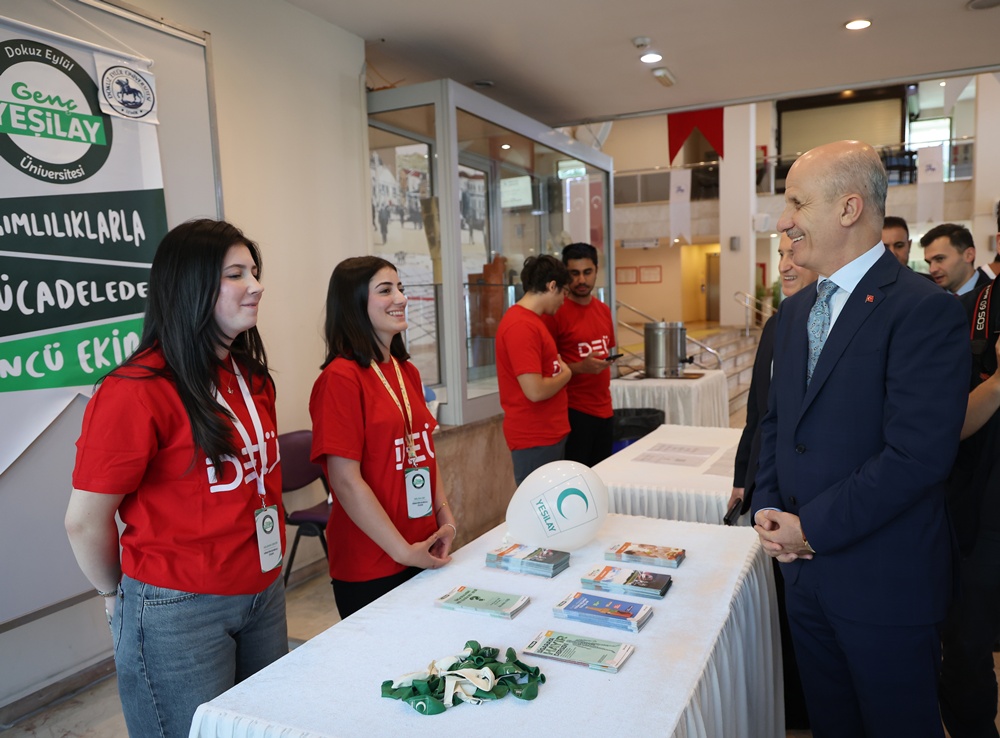
Council of Higher Education (CoHE) President Erol Özvar visited Izmir to attend Dokuz Eylül University’s 2026-2027 Academic Year Opening Ceremony and hold a series of meetings.
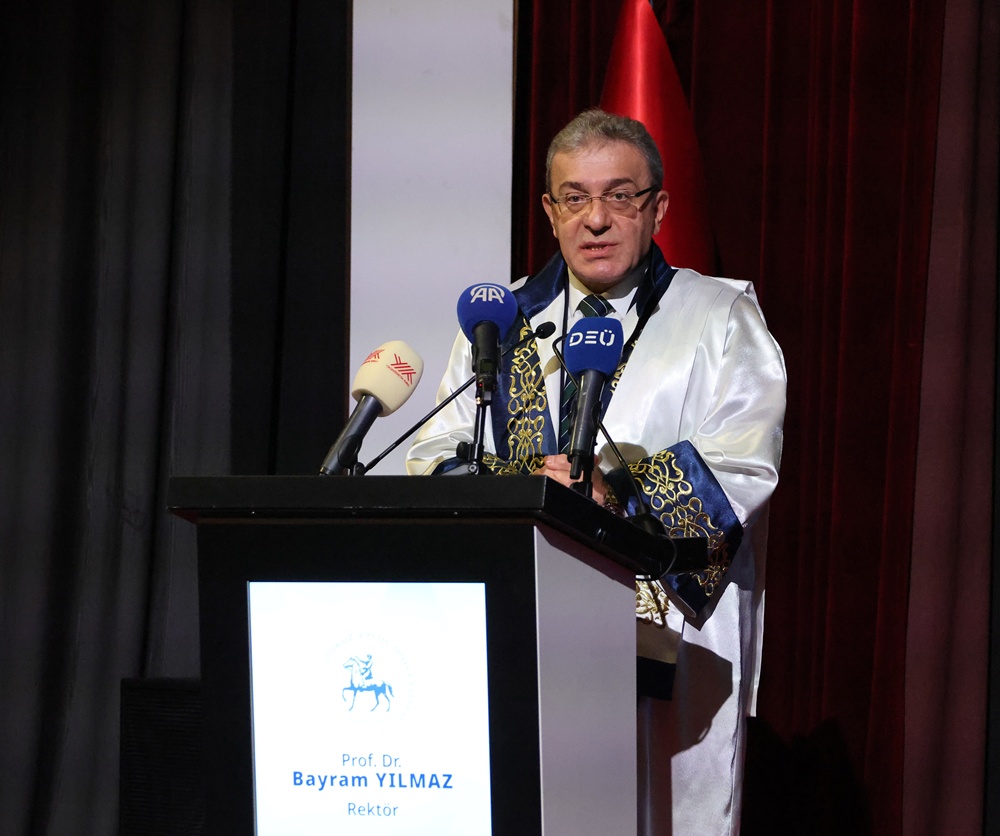
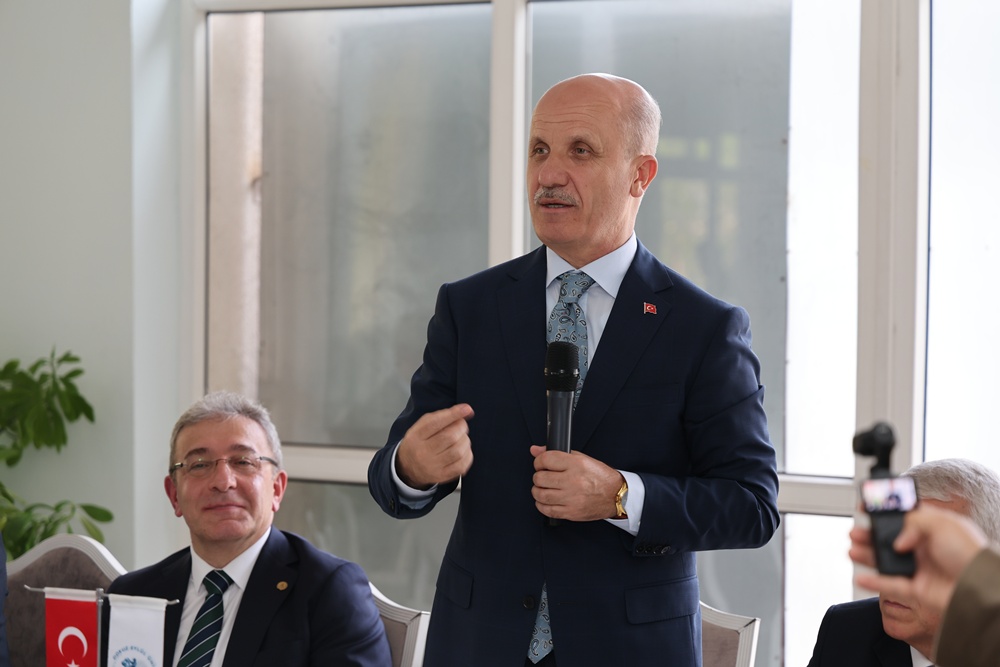
Speaking at the ceremony held at Dokuz Eylül University, Özvar stated that universities should contribute to the Terror-Free Türkiye process through scientific research and announced that the transformation launched in vocational education would be expanded nationwide.
Drawing attention to how artificial intelligence is fundamentally changing access to information, Özvar emphasized that an educational approach based solely on transferring knowledge should give way to new methods that equip students with skills, talents and competencies. Noting that Türkiye had made significant progress in scientific output, Özvar noted that Türkiye had climbed from 29th to 15th place globally in the number of scientific publications.
- Universities should assume responsibility in the Terror-Free Türkiye process
Stating that universities are not merely institutions engaged in education and research, but should also assume responsibility for addressing the country’s social, cultural and economic challenges, Özvar said that the goal of a Terror-Free Türkiye was an important part of this responsibility.
Özvar stated that the goal of a Terror-Free Türkiye, advanced under the leadership of President Recep Tayyip Erdoğan, would strengthen peace and security in the country, reinforce national unity and brotherhood, and contribute to economic development. He called on the higher education community to contribute to this process.
Emphasizing that universities should play an active role through their academic experience, scientific expertise and research capacity, Özvar said, “Our universities should examine the goal of a Terror-Free Türkiye from different perspectives through academic research, as well as panels, conferences and workshops. The findings and assessments arising from these studies should be shared with the public in a clear and accessible manner.”
Özvar stated that scientific research would increase awareness and understanding of the issue among young people and different segments of society, adding that he believed universities would contribute to strengthening national unity and solidarity.
- Work-Based Vocational Education to be expanded nationwide
Özvar stated that they had placed the Work-Based Vocational Education model at the heart of the transformation in vocational education. He noted that the model enables students to develop their knowledge and skills directly in production and the workplace, and provides for a practical training period of at least one semester in associate and undergraduate programs.
Emphasizing that time spent in businesses constitutes a significant part of the learning process, Özvar said students would apply the knowledge they acquire in academic settings to real production processes, while their vocational skills would be developed through a structured and measurable educational approach.
Noting that the institutional framework for implementation had been established through the publication of the relevant procedures and principles, Özvar said, “The pilot scheme, which we initially launched in Konya, Gaziantep, İstanbul, Bursa, Kocaeli, Izmir and Ankara, covers 185 vocational associate degree programs in which approximately 120,000 students are enrolled. Based on the results of the pilot implementations, we aim to expand the Work-Based Vocational Education model nationwide as soon as possible.”
Recalling that Izmir was among the provinces participating in the initiative, Özvar said cooperation between universities and industry was of great importance to the model’s success.
In this context, Özvar noted that a cooperation protocol had been signed with the Aegean Region Chamber of Industry on April 9, 2026. He stated that the initiative aims not only to provide students with training in businesses, but also to update curricula with industry input, jointly design new programs, and carry out collaborative research and development activities.
Referring to the Organized Industrial Zone Vocational Schools Project, Özvar reported that more than 7,000 students were enrolled in 105 programs across 20 vocational schools operating within 19 universities, with graduate employment rates reaching around 90 percent.
“Universities have largely lost their monopoly on knowledge”
Stating that the approach to education at universities needed to change, Özvar said that technological advances and the rapid dissemination of information throughout society had largely broken universities’ monopoly on knowledge.
Recalling that universities had traditionally been institutions that produced, held and shared scientific and technical knowledge with society, Özvar said access to information had become much easier today. This development, he added, made it necessary to rethink the role of academics and the content of courses.
Özvar stated that an educational approach based solely on transferring information from books was no longer sufficient, saying, “The era of knowledge transfer is now over.”
Emphasizing the need for new methods that connect the knowledge students acquire in class with practical applications and real life, Özvar said education should be restructured to develop students’ skills, talents and competencies.
Özvar stated that universities needed to reassess their course content, teaching methods and expected learning outcomes, highlighting the importance of complementing traditional lecture-hall and classroom teaching with practical learning methods.
- Özvar calls for the reliable and ethical use of artificial intelligence
Stating that AI was transforming access to information and learning processes, Özvar noted that students could easily access a wide range of AI applications through their smartphones.
Özvar said this development also increased the responsibilities of academic staff, emphasizing that the accuracy and reliability of information provided by AI tools must be questioned. He warned that using AI without adhering to ethical principles could harm students and called on university administrations to take action.
Calling for seminars on the effective use of AI tools at universities, Özvar said academic staff should first receive training from experts in the field. He stated, “We must ensure that both our academics and our students are taught about the limitations and content of the AI tools they use today, and how far they can trust the information they obtain from them.”
Emphasizing that every response generated by AI applications should not be accepted as definitively and indisputably correct, Özvar highlighted the importance of students evaluating such information through scientific skepticism and critical thinking.
- Türkiye rises to 15th place worldwide in scientific publication rankings
Stating that Turkish higher education had made significant progress in scientific output, Özvar announced that Türkiye had risen from 29th place in 2002 to 15th place today among 213 countries in terms of the number of articles and review papers published.
Özvar noted that significant progress had also been made in the quality of scientific publications. He said the share of publications appearing in Q1 and Q2 journals had increased from around 34 percent in 2019 to more than 58 percent in 2025.
Stating that this figure had reached 79 percent at research universities, bringing them in line with the OECD average, Özvar added that the international visibility of Turkish universities had also strengthened.
Recalling that six Turkish universities had entered the top 500 in international university rankings in 2026, with two of them placing in the top 300, Özvar noted that Türkiye ranked third among countries in another international ranking for 2027, with 124 universities represented.
Özvar stated that Türkiye aims to have at least two universities among the world’s top 100. Noting that university-originated patent and utility model applications had risen from 1,298 in 2022 to 2,352 in 2025, with the number of registrations reaching 900, Özvar emphasized the importance of translating scientific output into technological progress and economic development.
- Türkiye’s underwater cultural heritage being mapped
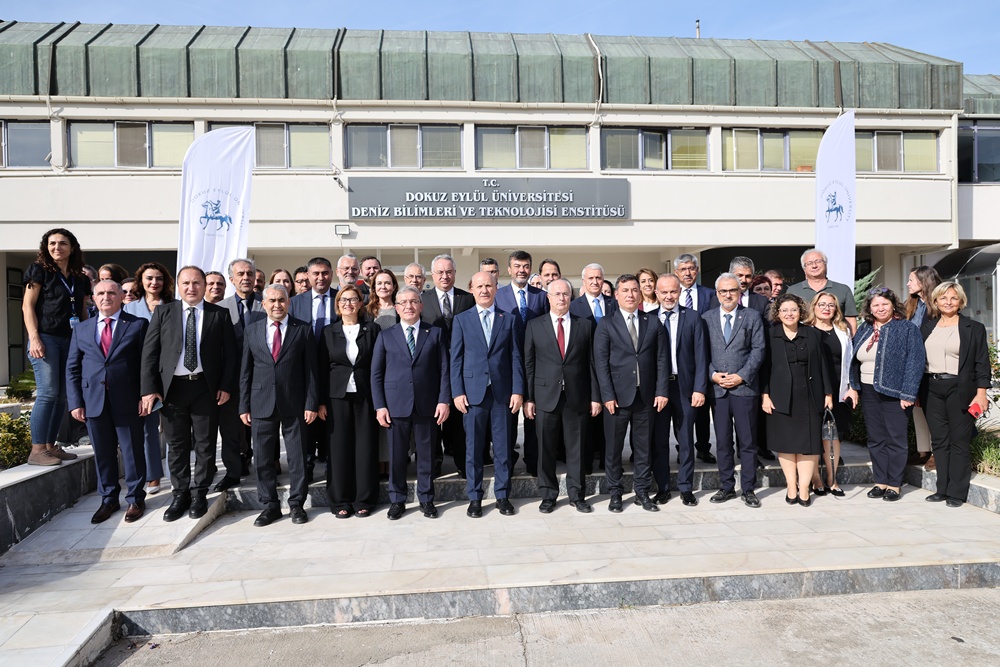
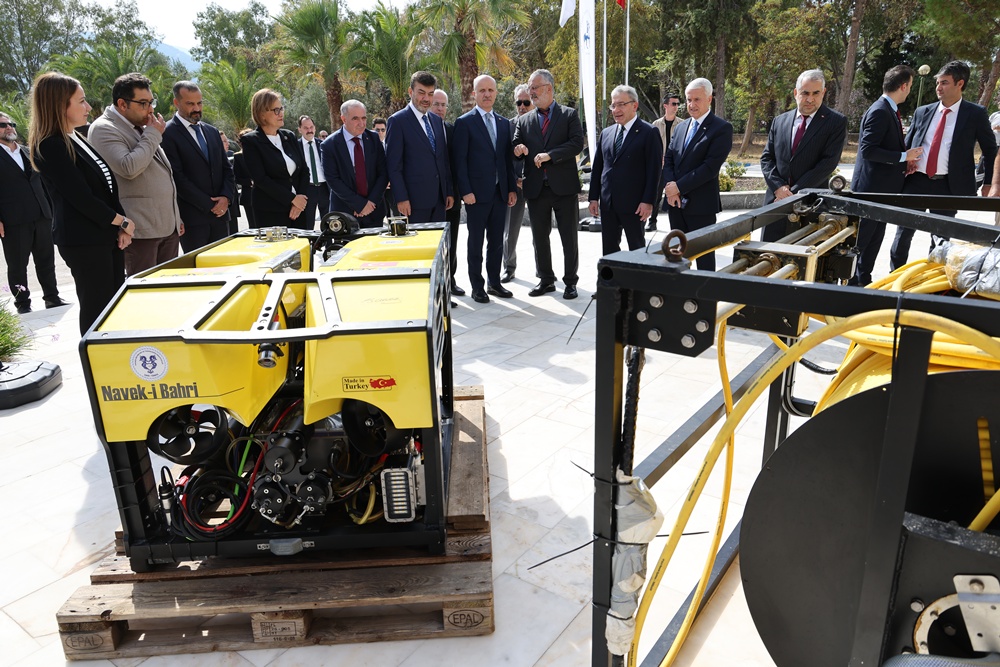
As part of his Izmir program, CoHE President Erol Özvar also visited Dokuz Eylül University’s Institute of Marine Sciences and Technology to receive information about its ongoing scientific research.
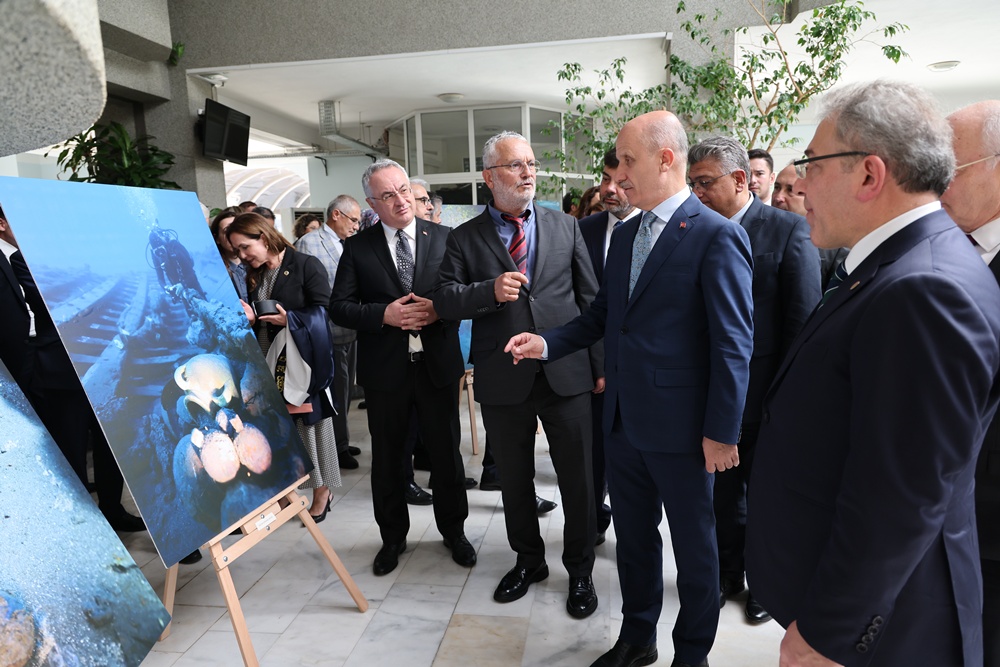
Institute Director Prof. Harun Özdaş explained that the institute conducts research in Türkiye’s seas on natural resources, oil and natural gas using the Piri Reis Research Vessel. He also described the “Blue Heritage” project, under which shipwrecks, historical settlements and cultural heritage sites underwater are being mapped using advanced technologies and robotic systems. Özdaş added that a geographic information system and database on Ottoman underwater cultural heritage had also been developed as part of the project.
- Özvar briefed on the “A Day in Gaza” exhibition
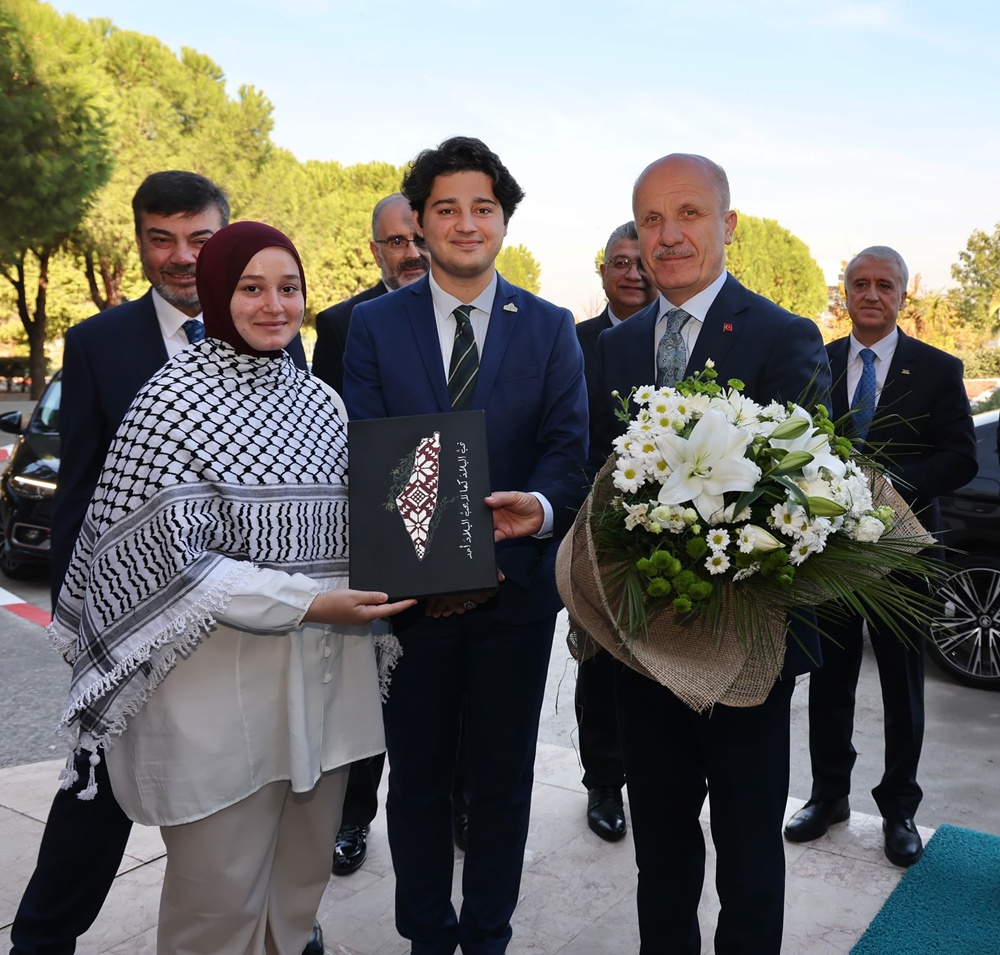
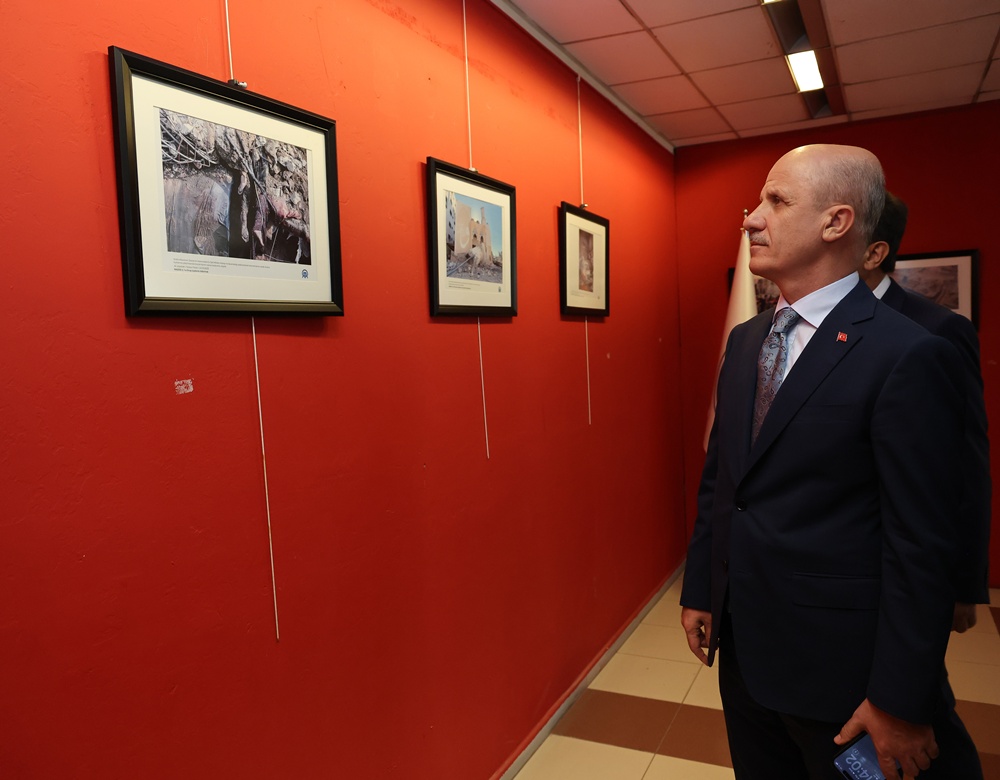
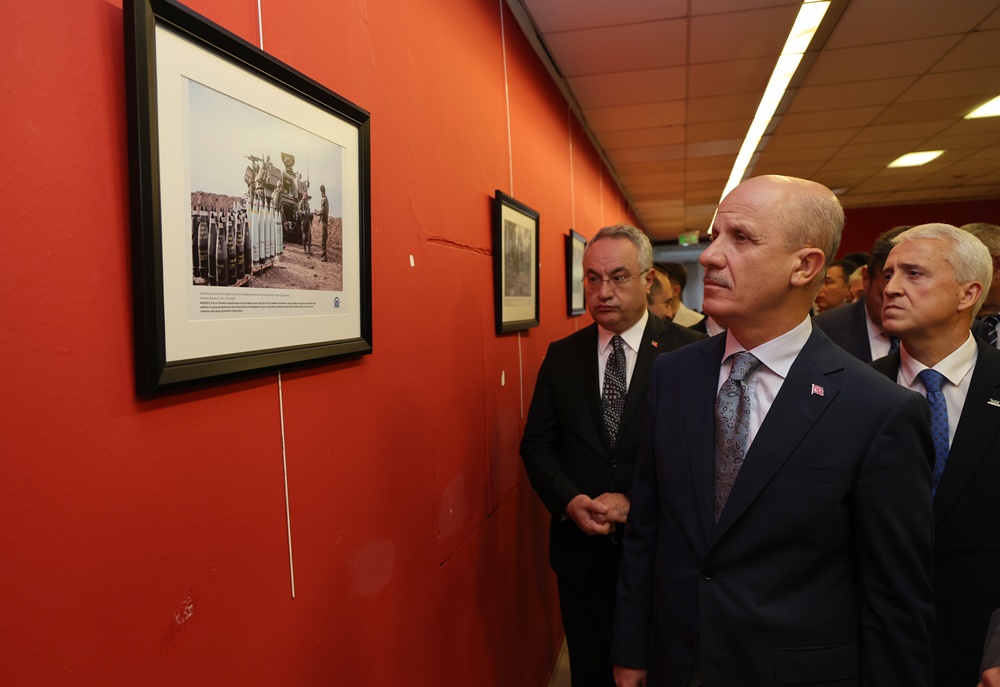
As part of his Izmir program, CoHE President Erol Özvar also visited Ege University’s Atatürk Cultural Center. Özvar was introduced to the exhibition entitled “A Day in Gaza” and received information about its content.
- Academic work at Izmir Kâtip Çelebi University discussed
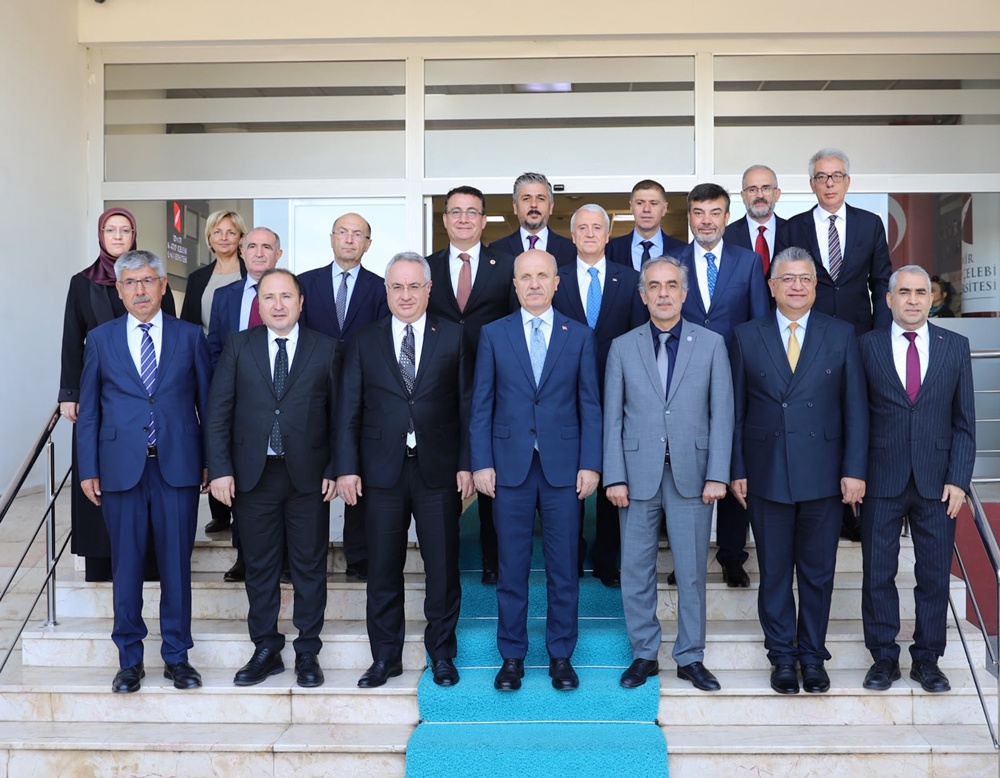
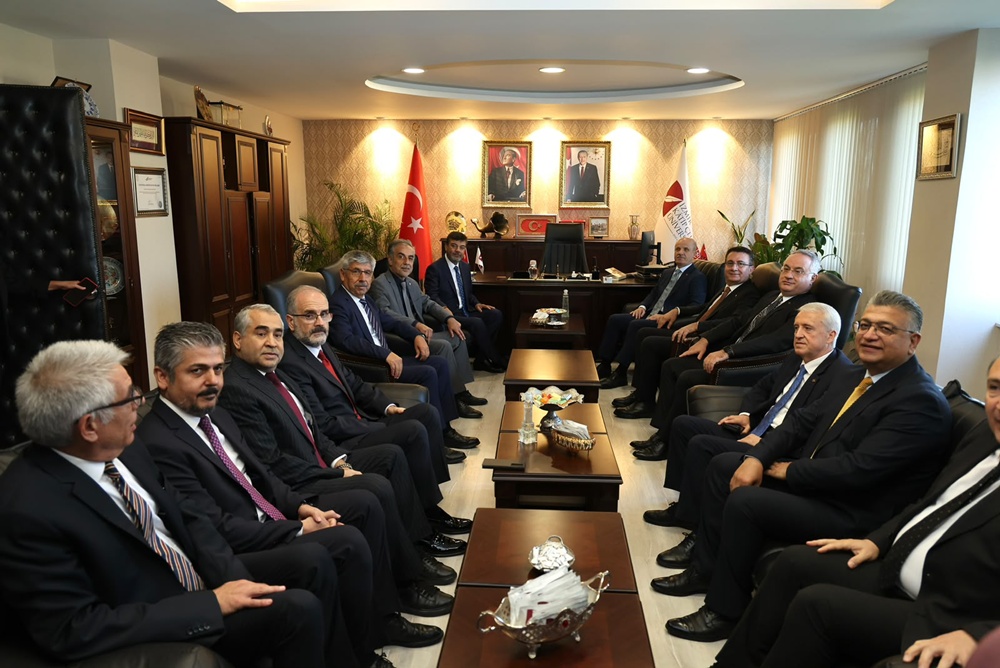
CoHE President Erol Özvar also visited Izmir Kâtip Çelebi University. Meeting with Rector Prof. Mustafa Balcı, Özvar received information about the university’s academic activities, scientific research and projects.
Images
Images