


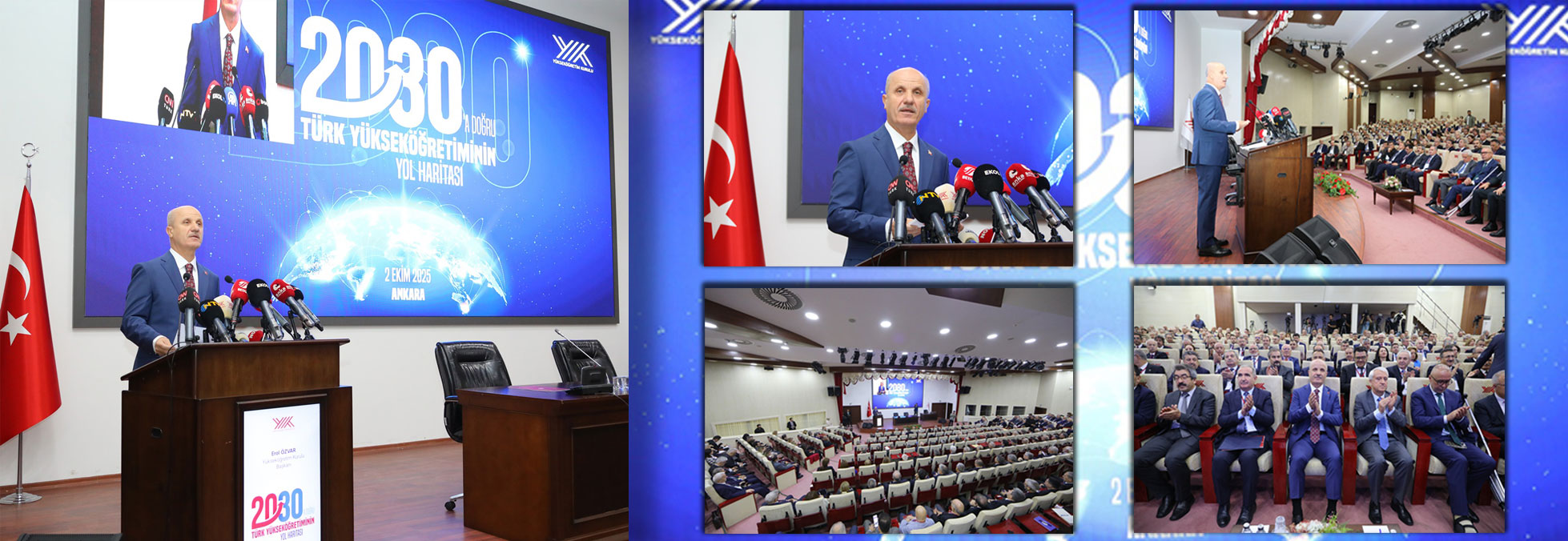
CoHE President Özvar Unveils Türkiye’s Higher Education Roadmap for 2030
October 2, 2025
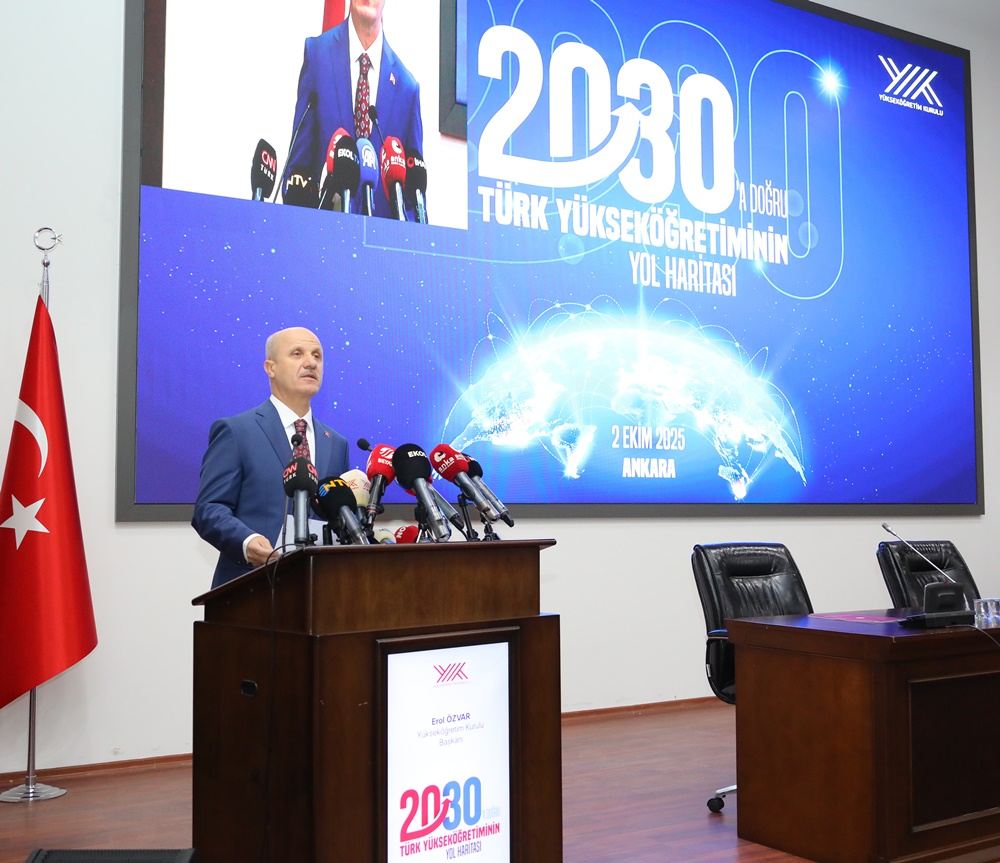
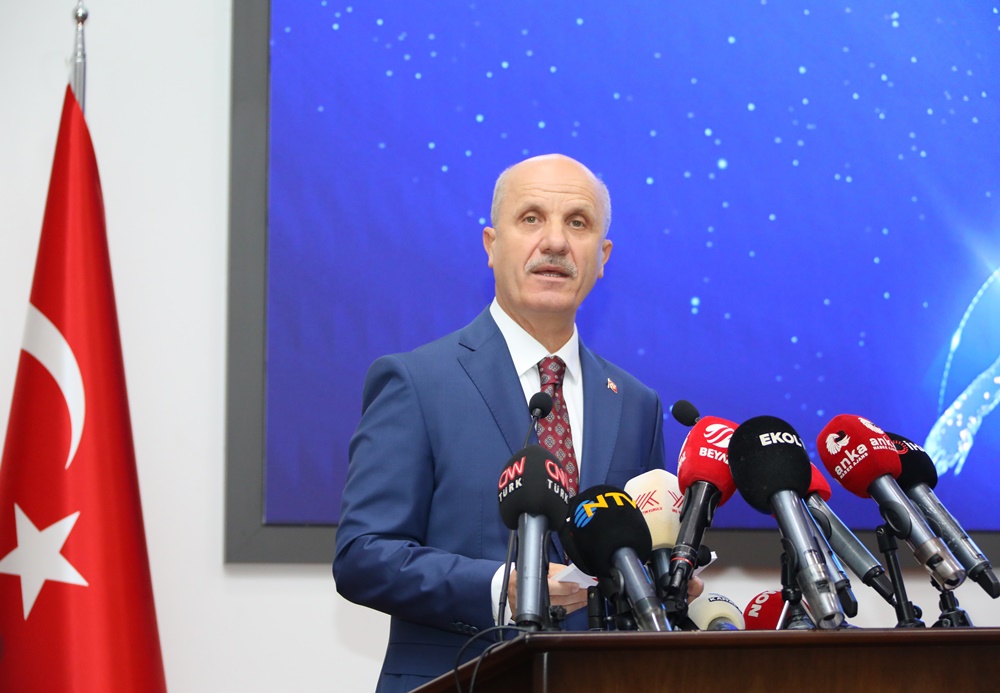
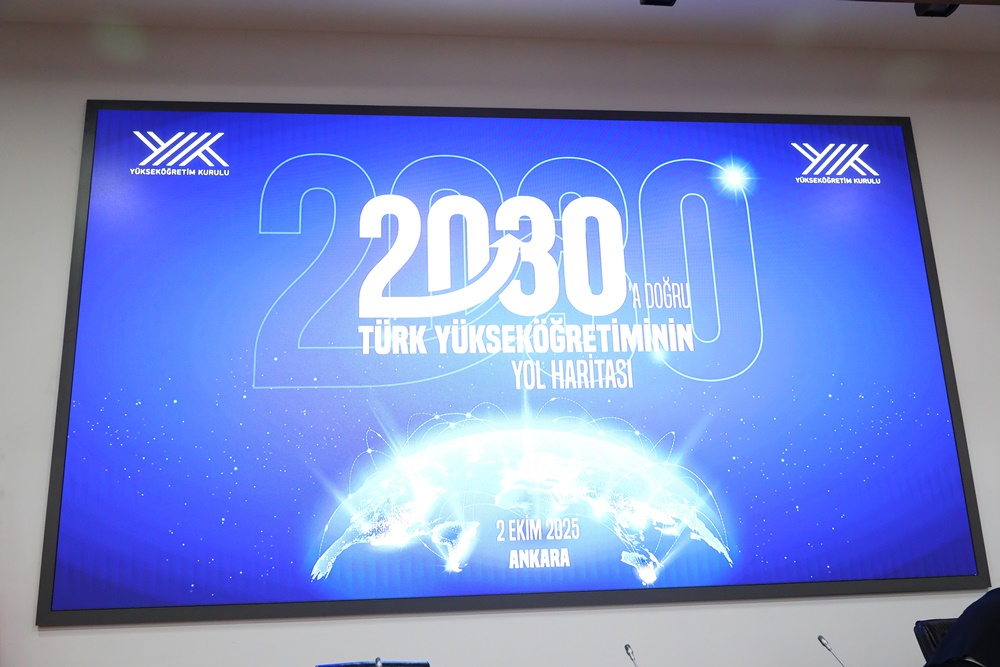
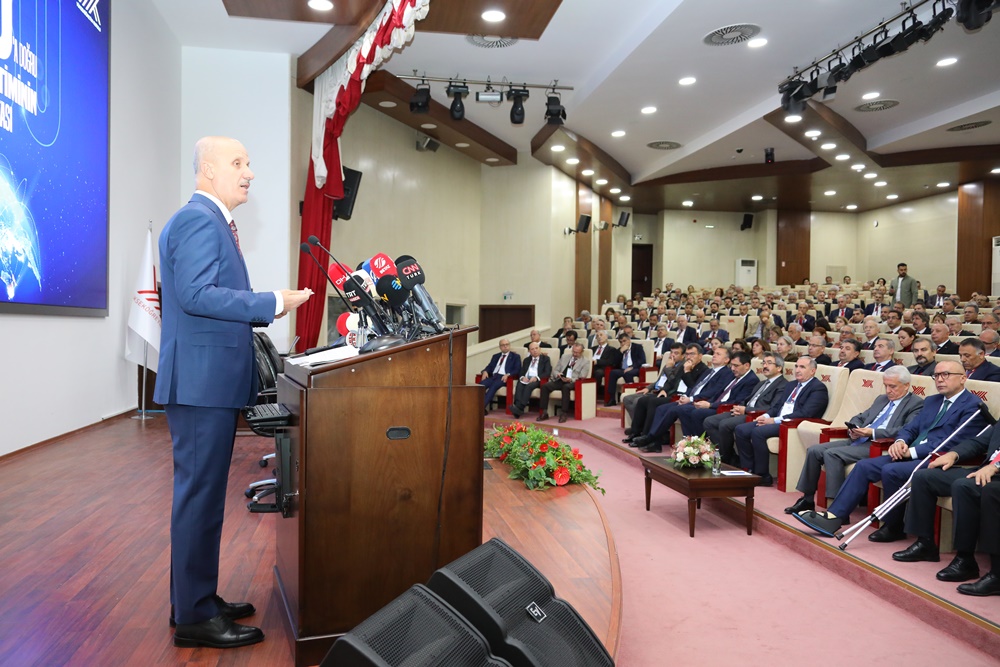
Erol Özvar, President of the Council of Higher Education (CoHE), has announced Türkiye’s 2030 Higher Education Roadmap.
Recalling that CoHE had organized six regional meetings in five provinces under the theme “Vision for Turkish Higher Education Towards 2030” to shape the future of the national higher education system through collective wisdom, Özvar said that the outcomes of these meetings were compiled into a circular and shared with all universities.
The circular defines detailed action plans under four main pillars: Quality-Oriented Process Management and Leadership, Digital Transformation and Data-Driven Governance, National and International Reputation and Visibility, and Entrepreneurial and Innovative Universities.
Özvar emphasized that the determined and holistic implementation of this vision by every university—together with their stakeholders—will elevate Turkish higher education into a globally recognized model by 2030.
Focusing on reforms that aim to make the system more efficient and aligned with international standards, Özvar announced upcoming revisions to undergraduate program structures. He underlined the need to restore summer school courses to their original purpose, allowing students to take courses they plan to enroll in during future semesters. “Our students should be able to take in summer school the courses they would otherwise take in subsequent years,” he said.
Özvar also stated that the 240 ECTS credit requirement for four-year degrees would be re-evaluated. He announced that efforts are underway to expand the Workplace-Based Practical Education Model across both associate and undergraduate programs.
Pilot implementations of this model will begin in seven provinces—Konya, Gaziantep, Istanbul, Bursa, Kocaeli, Izmir, and Ankara—before being rolled out nationwide based on the results. This large-scale transformation, Özvar added, will be carried out in close cooperation with the Ministry of Labor and Social Security, Ministry of Industry and Technology, Ministry of Treasury and Finance, Presidency of Strategy and Budget, the Union of Chambers and Commodity Exchanges of Türkiye (TOBB), and local chambers of industry, commerce, and other relevant civil society organizations.
Highlighting that the new approach will integrate academic learning with real-world work environments not only in vocational schools but also in undergraduate programs, Özvar said that Türkiye aims to institutionalize a higher education model directly linked to employment. He also noted that university admission and capacity policies will be reconsidered to ensure balanced and sustainable growth.
Emphasizing Türkiye’s steady progress toward internationalization, Özvar pointed to the establishment of the Türkiye-Azerbaijan University in Baku in 2024 as a tangible example of this vision. He added that the International University of Turkic States, founded in Tashkent in 2025, will serve as a major educational hub contributing to the shared future of the entire Turkic world.
Özvar also announced significant progress on establishing a Türkiye-Syria Friendship University in Damascus, which will soon begin operations. “Under this new institution, Türkiye’s well-established universities will also be able to launch their own programs,” he said.
Finally, Özvar shared that Gazi University will open an academic unit this year in Shymkent, Kazakhstan, to serve students from both Kazakhstan and the broader Turkic world.
CoHE President Erol Özvar stated that Türkiye has become a strong center of attraction in higher education not only for the Turkic world but also across the Islamic geography and Africa. “Our ties with the European Higher Education Area are also strengthening,” he said, emphasizing that science diplomacy will hold a central place in Türkiye’s Higher Education Roadmap Towards 2030.
Highlighting that quality assurance and accreditation are among the most crucial elements for enhancing the international competitiveness of Turkish higher education, Özvar announced that the evaluation processes of all universities are planned to be completed by 2027, with the reports published in the databases of the European Quality Assurance Register for Higher Education (EQAR). He also pointed out that, as of 2025, the Higher Education Quality Council of Türkiye (THEHQ) has obtained authorization to conduct cross-border accreditations within the framework of the European Standards and Guidelines (ESG) for Quality Assurance in the European Higher Education Area—a milestone achievement for the Turkish system.
Özvar underscored the vital importance of close interaction between universities and society within the national higher education vision. “Under the leadership of our rectors, and with the valuable contributions of our universities and academics,” he said, “we have succeeded in taking science beyond campuses—into village squares, train stations, ferries, and historical sites—bringing it to every segment of society. These outreach initiatives have yielded remarkable results by connecting people from all walks of life with science and our universities. We aim to continue and expand these efforts together, with even broader participation.”
Concluding his remarks, Özvar stressed that doctoral education plays a pivotal role in both the higher education system and Türkiye’s overall scientific advancement.
Images
Images