


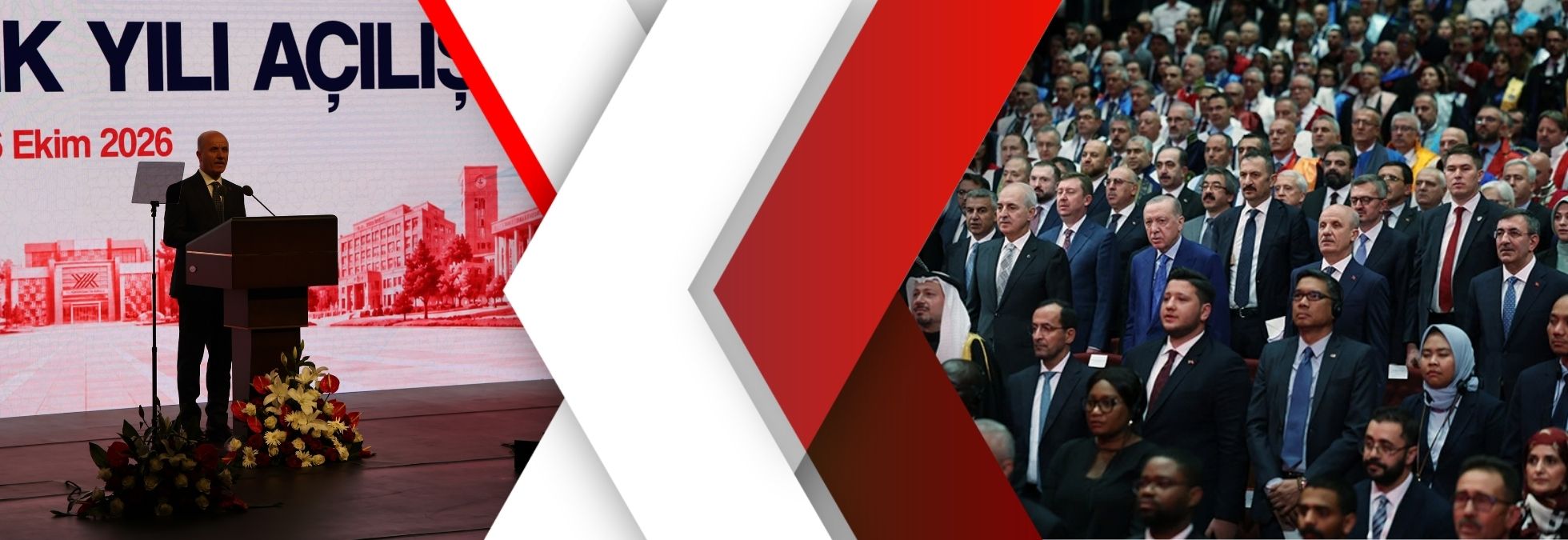
2026-2027 Academic Year Opens at Presidential Complex
- CoHE President Özvar: “Our universities will address the goal of a Terror-Free Türkiye on a scientific basis”
- “We will further advance Türkiye’s growing capacity for scientific output and research”
- “Students will now receive training directly in the production process”
- “We will train 3,000 young researchers in strategic technology fields over five years”
- YÖK 2026 Excellence Awards Presented
October 6, 2026
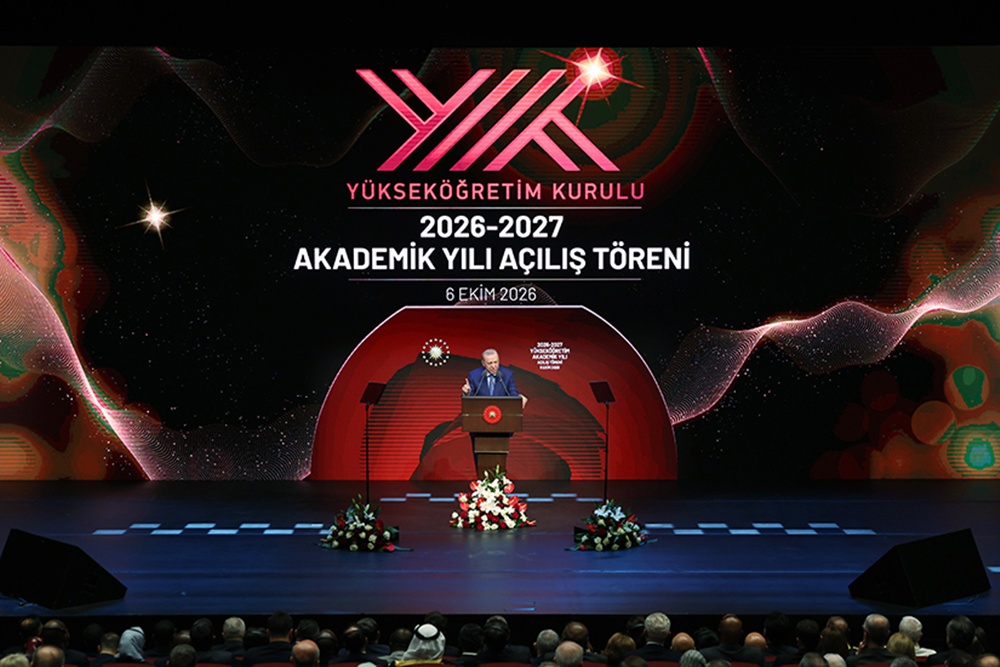
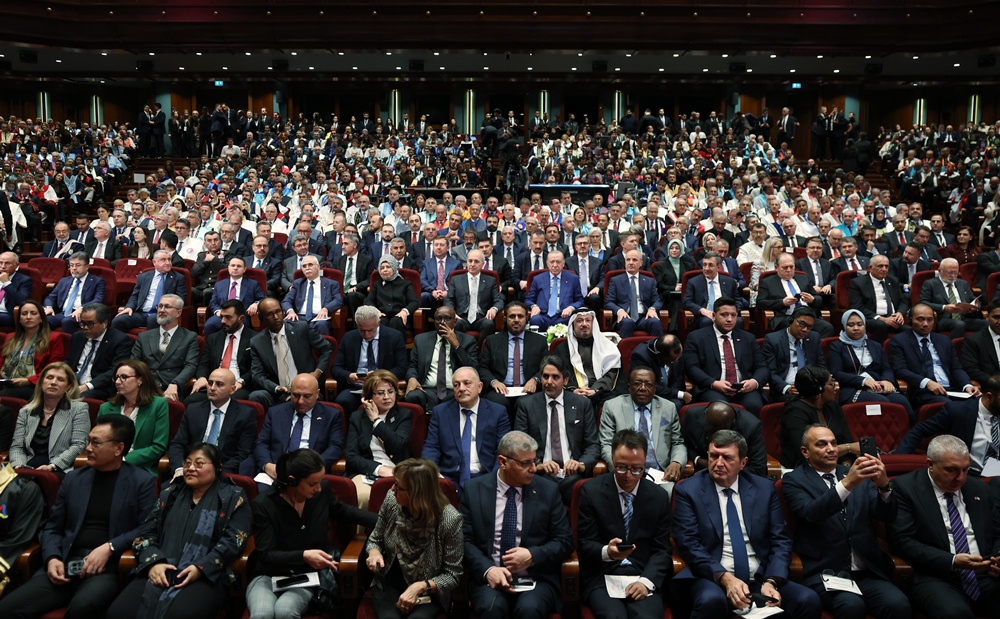
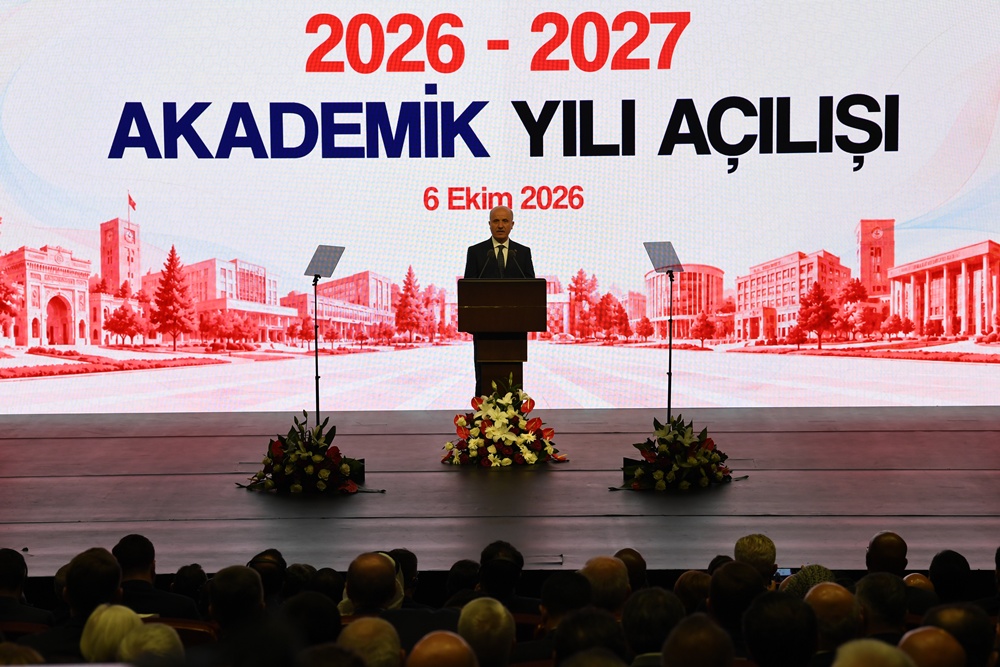
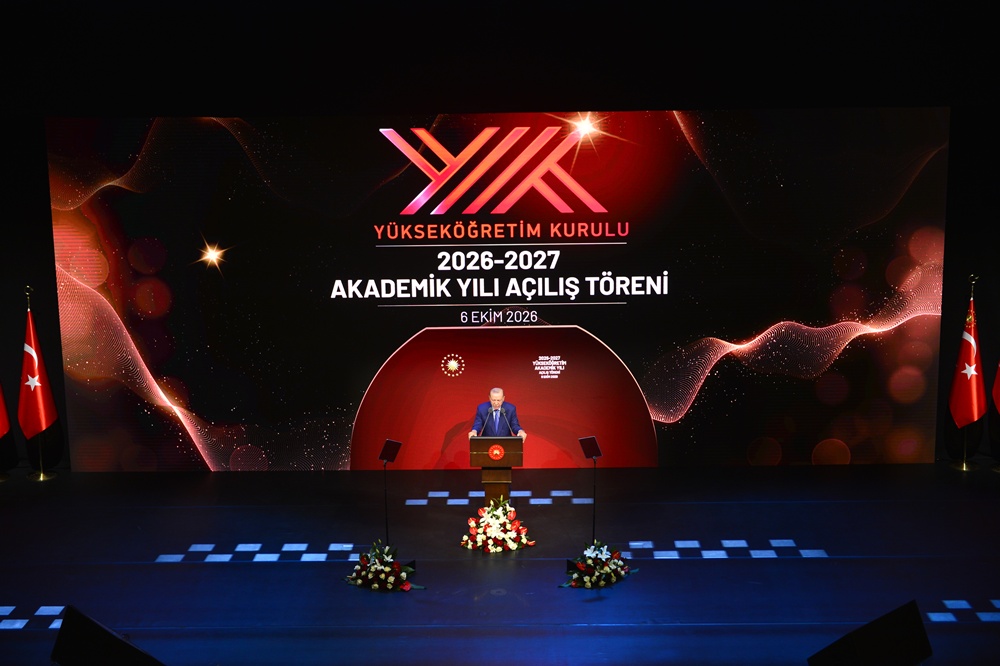
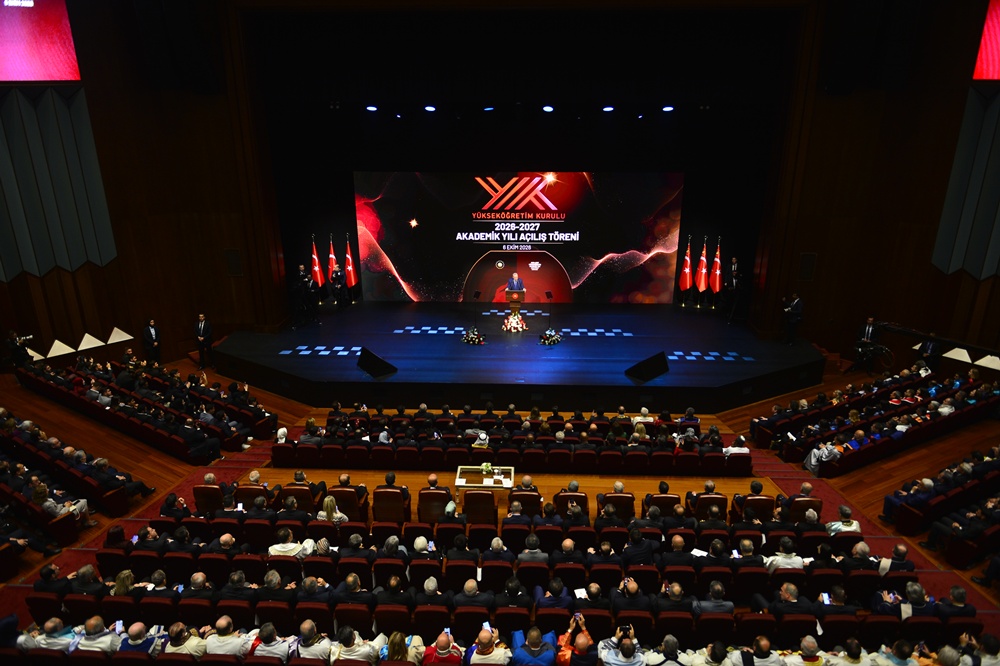
The 2026-2027 Higher Education Academic Year Opening Ceremony was held at the Presidential Complex with the participation of President Recep Tayyip Erdoğan.
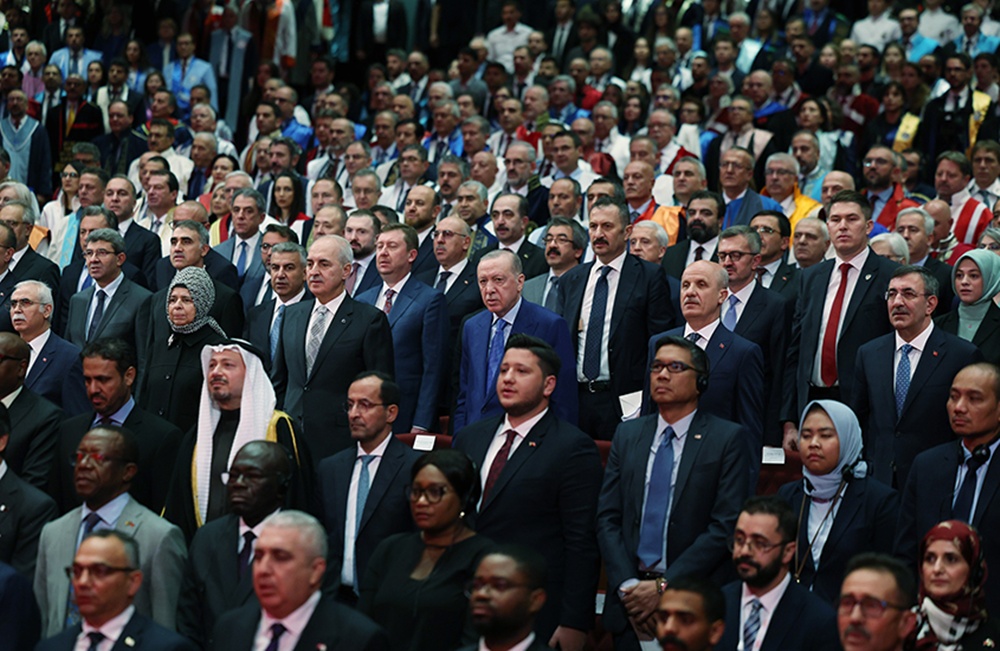
The ceremony brought together representatives of the state, ministers, members of the Council of Higher Education (CoHE), rectors, academics and students, representing Türkiye’s 208 universities.
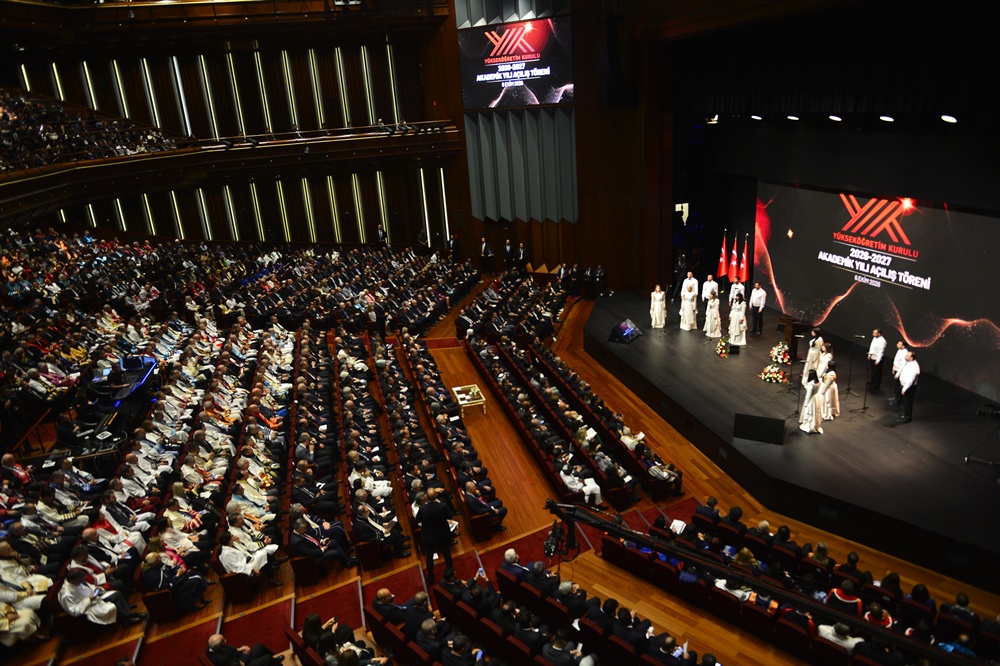
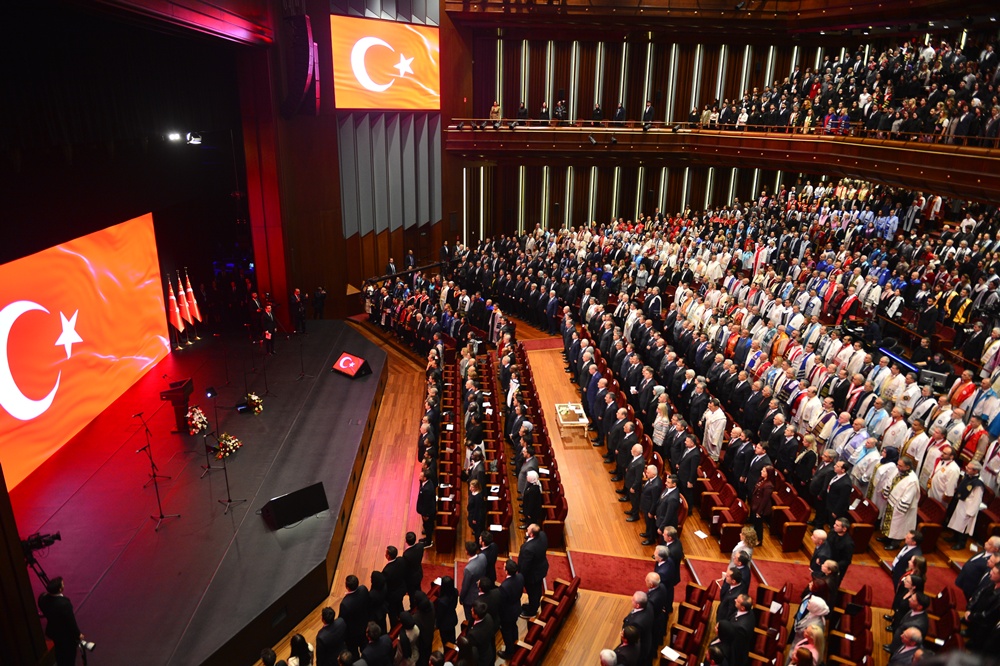
Following a moment of silence and the national anthem, Harran University’s Vox Humanis Polyphonic Choir performed a selection of Turkish music. The choir, which won first place in its category at the World Choir Games held in Sweden in August under the direction of Dr. Fırat Altun, dedicated its opening performance to the memory of childhoods cut short in Gaza.
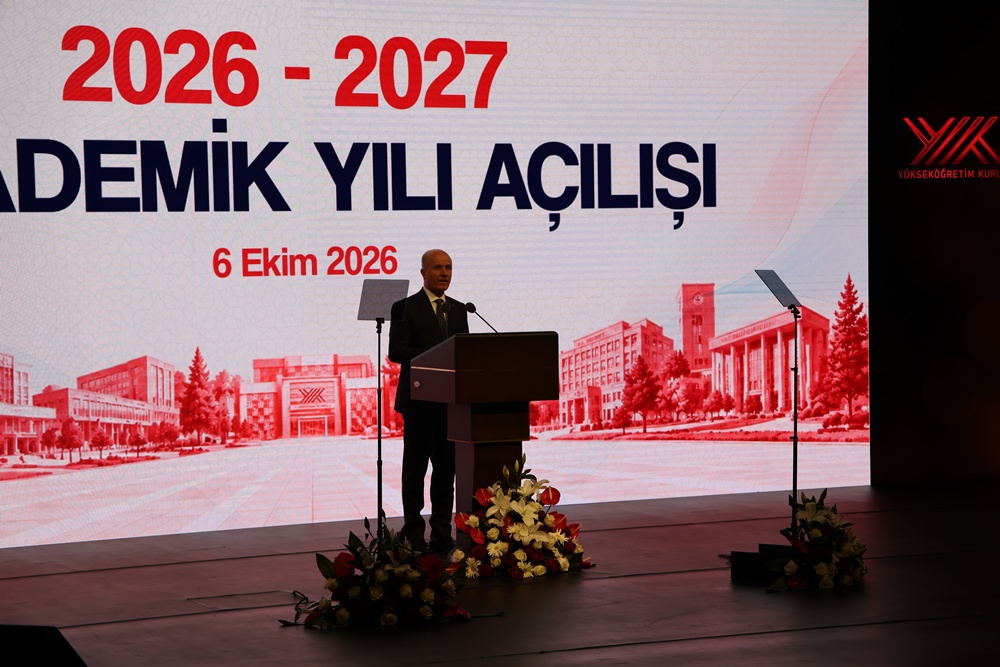
Following the screening of a promotional film highlighting the development and future vision of Turkish higher education, CoHE President Erol Özvar delivered the opening address.
First Lesson at Universities: A Terror-Free Türkiye
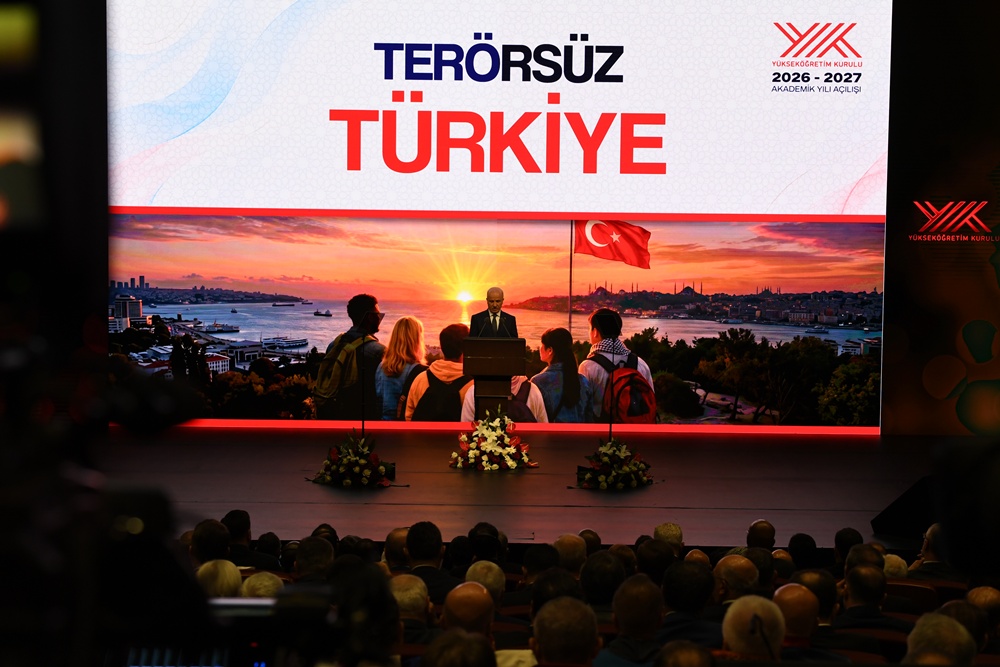
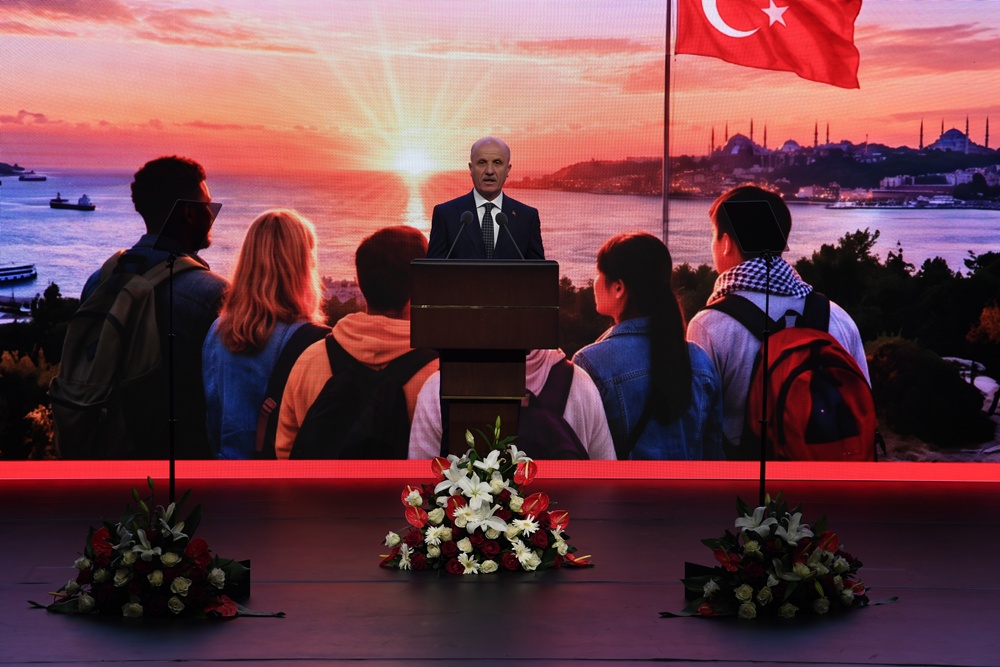
Özvar stated that the higher education community viewed the goal of a “Terror-Free Türkiye” as an important objective that would strengthen peace and security in the country and reinforce national unity and brotherhood.
Emphasizing that universities would contribute to this process through their scientific knowledge, research capacity and academic experience, Özvar invited all universities to examine the issue from different perspectives on a scientific basis. “Our universities will address this issue during their 2026-2027 academic year opening ceremonies and in their first lectures,” he said.
Özvar noted that universities would organize research activities, conferences, panels and workshops on the subject. He expressed his belief that these efforts would raise awareness among young people and society and contribute to strengthening national unity and solidarity.
Supporting the Recovery of Higher Education in Gaza
Özvar also addressed the devastation facing higher education in Gaza and outlined Türkiye’s efforts to enable Palestinian students and academics to continue their educational and scientific activities.
Recalling that Palestinian students had been enabled to study in Türkiye exempt from tuition fees and that Turkish universities had opened their doors to Palestinian academics, Özvar stated that arrangements had also been introduced to allow doctors who could not pursue medical residency training in Gaza to continue their training in Türkiye.
Özvar said these efforts were a reflection of the historical bonds of brotherhood between the peoples of Türkiye and Palestine. He added that the Turkish higher education community would continue to provide the strongest possible support for the just cause of Gaza and the Palestinian people.
Improving the Quality of Scientific Output
Özvar stated that Turkish higher education had made significant progress in both capacity and quality over the past 24 years. He noted that the establishment of at least one university in every province had expanded access to higher education across the country.
Türkiye now has one of the world’s largest higher education systems, with 208 universities, approximately 6.3 million students and nearly 190,000 academic staff, Özvar said. He emphasized that progress had extended beyond numerical growth, with significant advances also being made in academic capacity, scientific output and research performance.
Özvar reported that Türkiye had risen from 29th place in 2002 to 15th worldwide in the number of articles and review papers published, among 213 countries. He also noted substantial improvements in the quality of scientific publications. The share of publications appearing in Q1 and Q2 journals rose from around 34% in 2019 to more than 58% in 2025. At research universities, this figure reached 79%, matching the OECD average.
Recalling that six Turkish universities had entered the top 500 of international university rankings, including two in the top 300, Özvar said Türkiye aimed to have at least two universities among the world’s top 100.
He also noted that, in an international ranking for 2027, Türkiye was represented by 124 universities among 2,297 institutions from 118 countries, making it the third most represented country worldwide. He added that the global visibility of Turkish universities continued to grow.
Work-Based Vocational Education Launched in Seven Provinces
Emphasizing that significant progress had also been made in turning scientific knowledge into technology and innovation, Özvar reported that university-originated patent and utility model applications had increased from 1,298 in 2022 to 2,352 in 2025, while the number of registrations had reached 900.
Özvar thanked all academics whose dedication, commitment and achievements in scientific production and research had contributed to the development of Turkish higher education.
Stating that Türkiye had embarked on a strategic transformation in vocational education, Özvar said the Work-Based Vocational Education model had been placed at the center of this transformation.
He explained that the model enables students to develop their knowledge and skills directly in production and the workplace, with structured practical training periods of at least one semester incorporated into associate and undergraduate programs. The pilot scheme, launched initially in seven provinces, covers 185 vocational associate degree programs attended by around 120,000 students, he said.
Özvar added that the Organized Industrial Zone Vocational Schools Project, launched in 2018, was also being continued and strengthened.
550 Young Research Assistants to Be Appointed in the First Year
Özvar noted that artificial intelligence and digital technologies were among the areas in which universities had made significant advances in recent years. He said that around 80 new programs had been introduced over the past three years, particularly in artificial intelligence, cybersecurity, digitalization in agriculture and healthcare, and the green transition.
The total number of next-generation programs in these fields has reached 724 across 160 universities, he reported.
Özvar announced the launch of the Türkiye Strategic Technology Human Resources Program, designed to train researchers needed in Türkiye’s strategic technology fields. Under the program, 550 young people will be employed as research assistants at research universities in the first year. A total of 3,000 young researchers will be trained over five years, he said.
Digital Higher Education Platform on the Way
Providing information on digital transformation initiatives in higher education, Özvar stated that around 30,000 people had actively participated in the Data Analytics School launched the previous year.
He said the aim was to build on this experience by introducing new modules and a Sustainability School, transforming the initiative into a Digital Higher Education Platform.
Özvar also recalled that the principles and procedures governing micro-credentials, which extend learning opportunities beyond the classroom and campus, had been published. He noted that this framework would facilitate the academic recognition of knowledge and skills students acquire in different learning environments.
A New Phase in the Internationalization of Turkish Higher Education
Özvar stated that Turkish higher education had entered a new phase of internationalization, with universities sharing their academic expertise with the world through joint universities, programs abroad, student and academic staff mobility, and research collaborations.
He recalled that the longstanding contributions of Ahmet Yesevi University and Kyrgyzstan-Türkiye Manas University had been complemented in recent years by Türkiye-Azerbaijan University in Baku and the International University of Turkic States in Tashkent. He emphasized that international cooperation extended beyond the Turkic world.
Joint universities, dual-degree programs, mobility schemes and research initiatives are being developed across a broad geographical area stretching from the Balkans to Africa and from the Islamic world to Asia and Europe, Özvar said, adding that Türkiye’s science diplomacy was being strengthened.
208 Universities Mobilized for COP31
Özvar stated that universities would make a strong contribution to Türkiye’s COP31 Presidency and the conference that the country will host in Antalya. He said CoHE was coordinating the contributions of all 208 universities to COP31 in close cooperation with the Ministry of Environment, Urbanization and Climate Change.
Özvar noted that the aim was to ensure that universities’ scientific expertise was more effectively reflected in climate policies and practical solutions.
He added that universities would continue to be institutions that respond to the challenges and needs facing not only Türkiye but also the world, generating solutions, knowledge and value.
“Through their scientific output, the qualified human resources they train and their contributions to society, they will serve the common future of humanity while making an even stronger contribution to Türkiye’s economic, social and cultural development,” he said.
CHERI Lunar Exploration Robot Presented to President Erdoğan
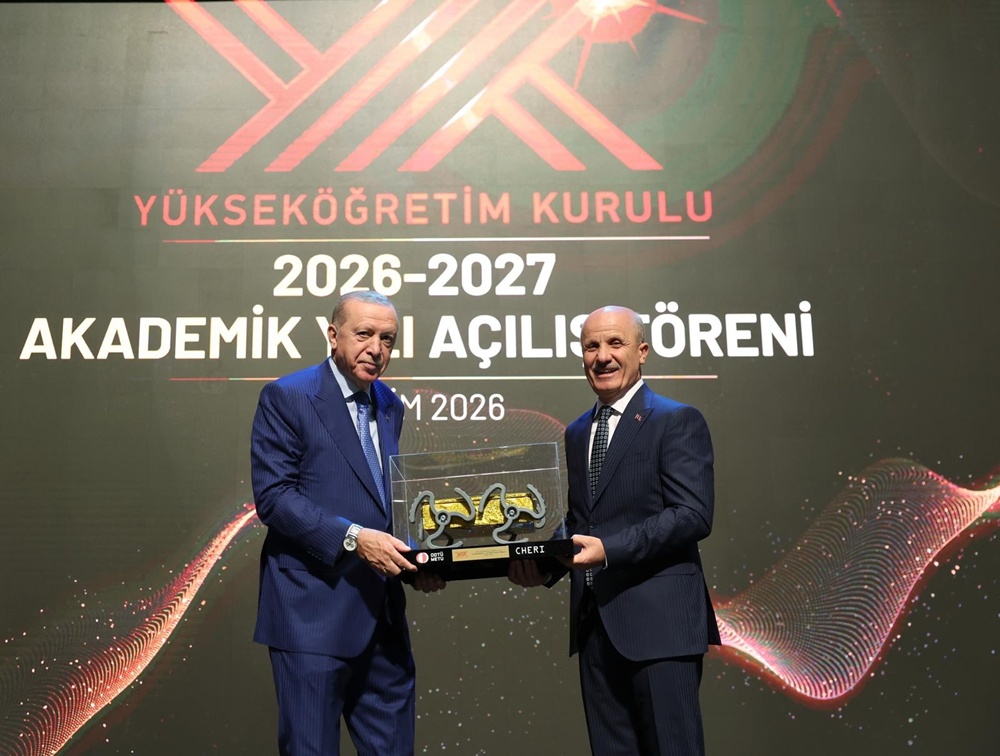
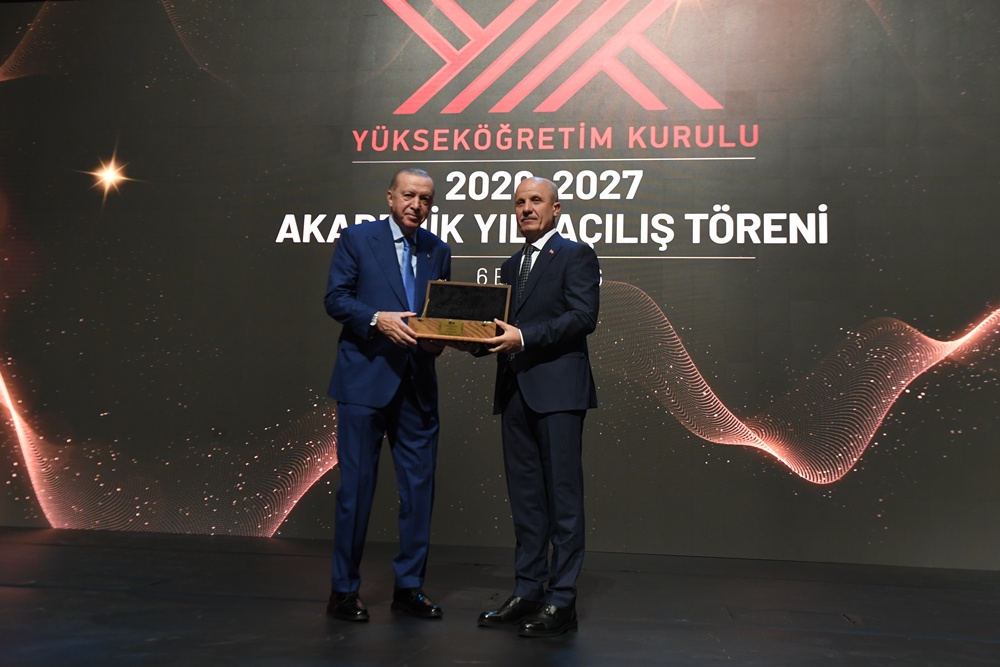
Following the speeches, CoHE President Erol Özvar presented President Erdoğan with a model of CHERI, a lunar exploration robot developed by Middle East Technical University (METU).
As part of China’s Chang’e-8 mission, scheduled for 2029, two micro-rovers will be sent to the Moon’s South Pole to create three-dimensional maps of the lunar surface and test new exploration technologies by operating together. Each rover is designed to weigh less than five kilograms. With these vehicles, Türkiye will become the first country to send two vehicles to the Moon’s South Pole simultaneously.
Istanbul’s Ottoman Heritage Carved into Amber Beads
President Erdoğan was also presented with the “Prayer Beads of Istanbul’s Mosques,” created by Mardin Artuklu University’s Prayer Bead Design and Manufacturing Program.
The prayer beads feature Istanbul mosques from the Ottoman period carved into amber beads using a negative engraving technique. Motifs depicting the minaret of Mardin Grand Mosque, the Fountain of Ahmed III and Hagia Sophia Mosque were also incorporated into the design.
Honoring Excellence in Academic Achievement
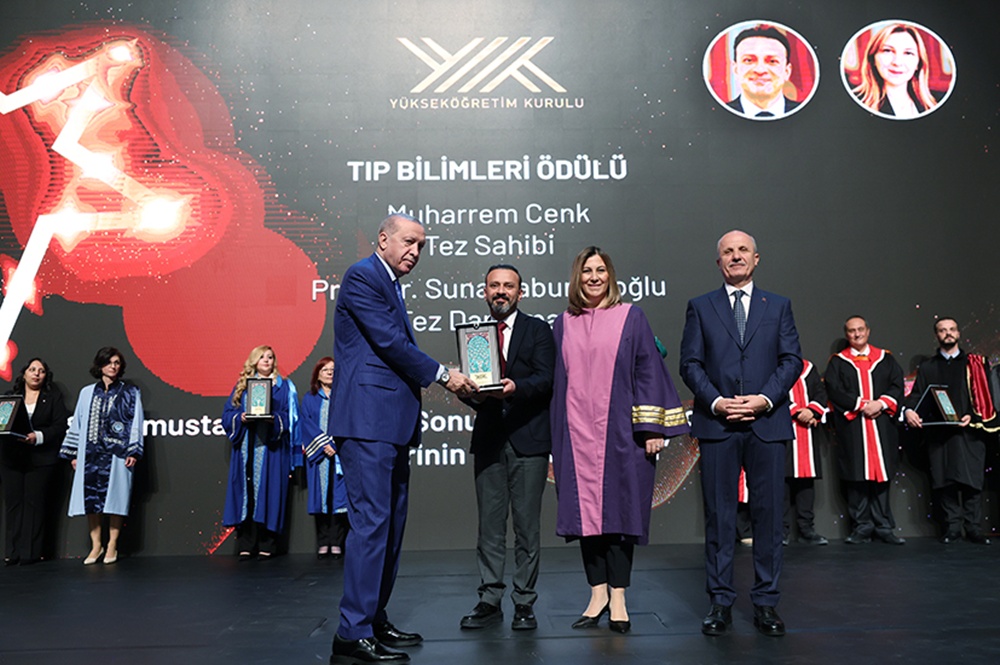
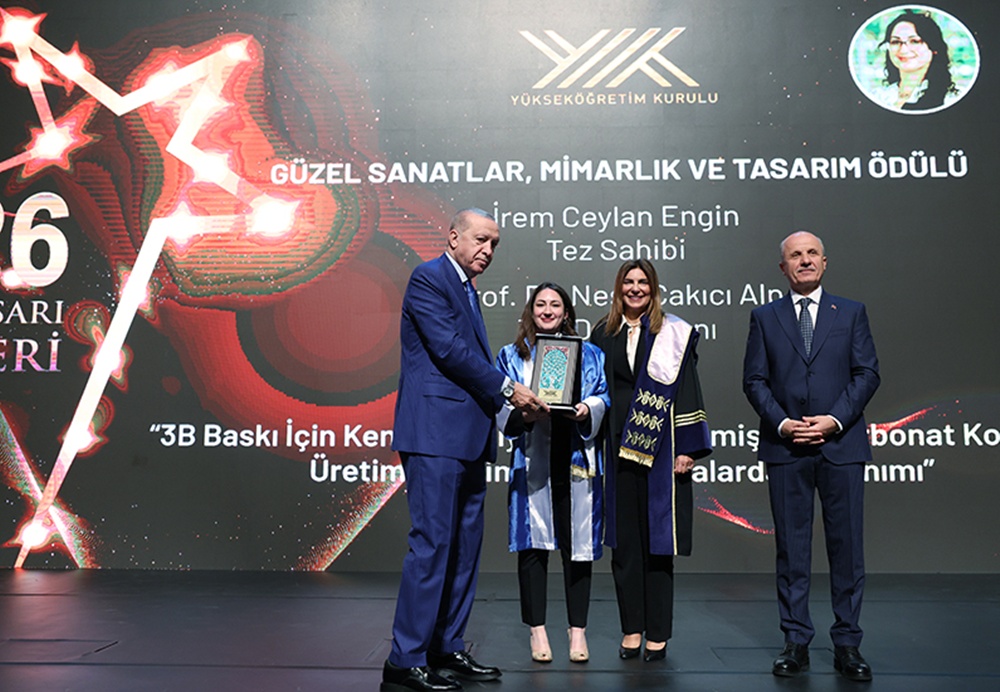
During the ceremony, the 2026 Council of Higher Education Awards for Outstanding Achievement were presented to recognize and encourage scientific research, scholarly work, projects, theses and community service activities at universities.
The awards were presented in 20 categories under three main headings: Doctoral Dissertation of the Year, Institutional Awards and Special Awards. To highlight the importance of the relationship between doctoral students and their supervisors, both were jointly recognized in the Doctoral Dissertation of the Year category.
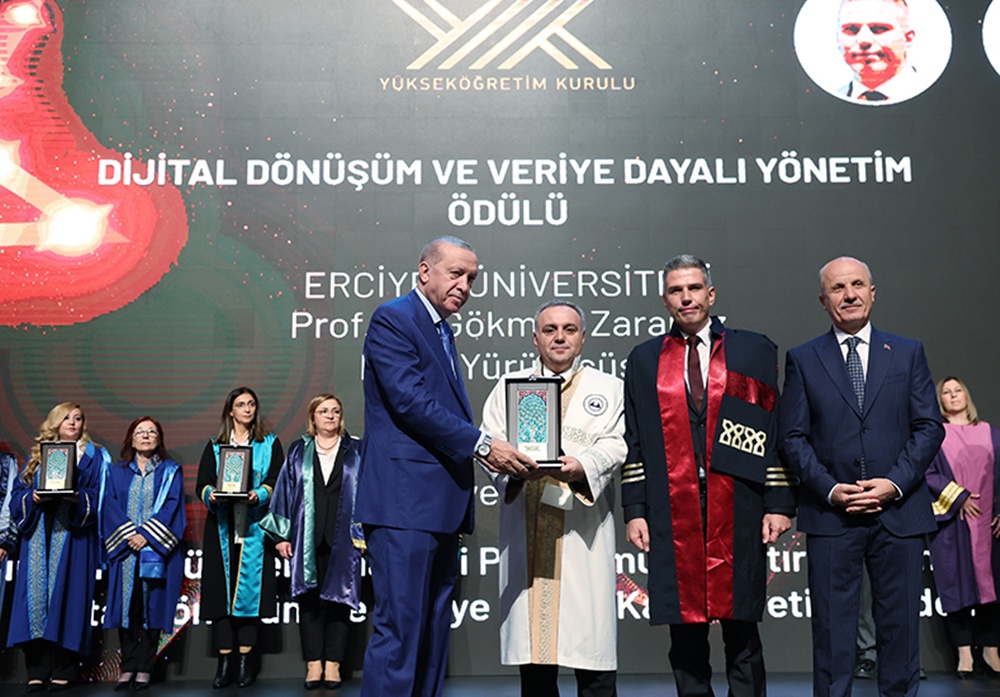
At the Institutional Awards, awards were presented to Erciyes University for Digital Transformation and Data-Driven Management, Özyeğin University for Entrepreneurial and Innovative University, Kırşehir Ahi Evran University for Commitment to Quality, Koç University for Social Responsibility, Bursa Uludağ University for Internationalization, TOBB University of Economics and Technology for University–Business Cooperation, and Burdur Mehmet Akif Ersoy University for Contribution to Local Development.
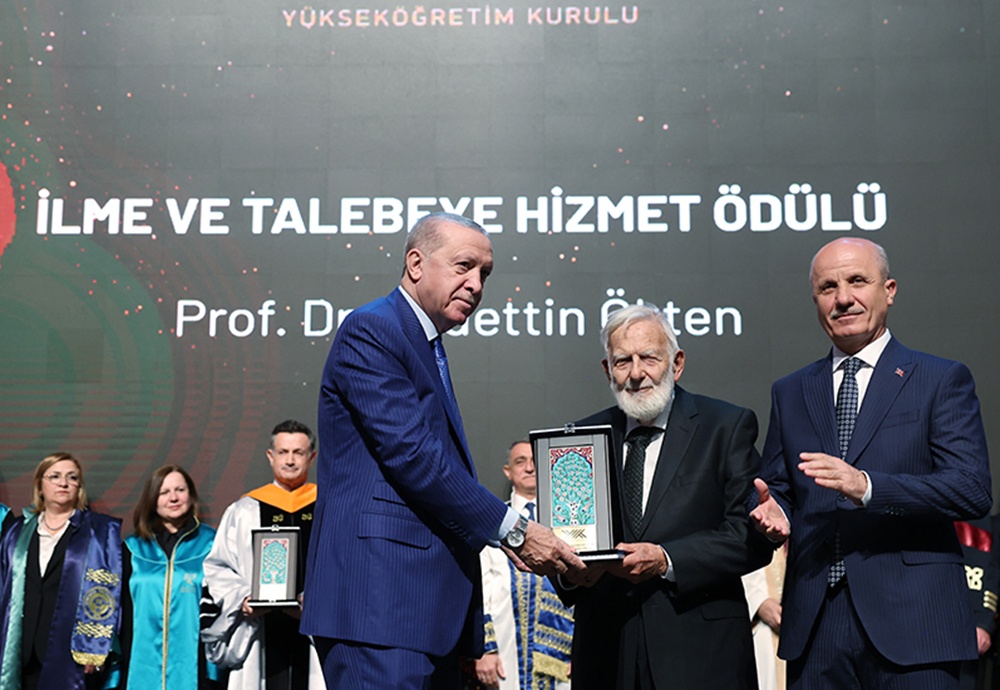
Among the Special Awards, Prof. Fatma Öztürk received the award in the Science Diplomacy category, Prof. Hilmi Volkan Demir in the National Innovation category, and Prof. Sadettin Ökten in the Service to Scholarship and Students category.
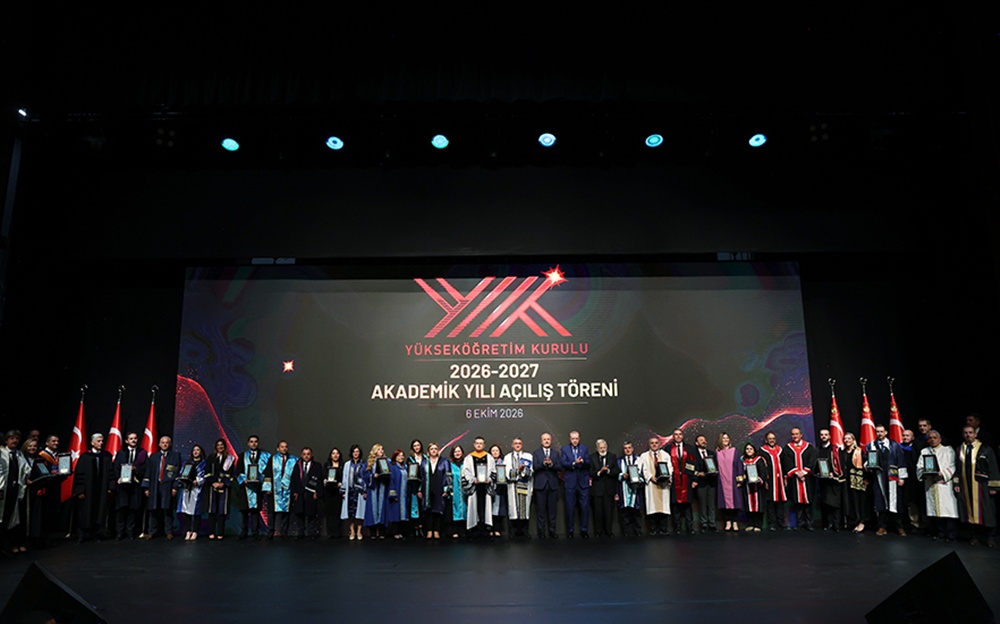
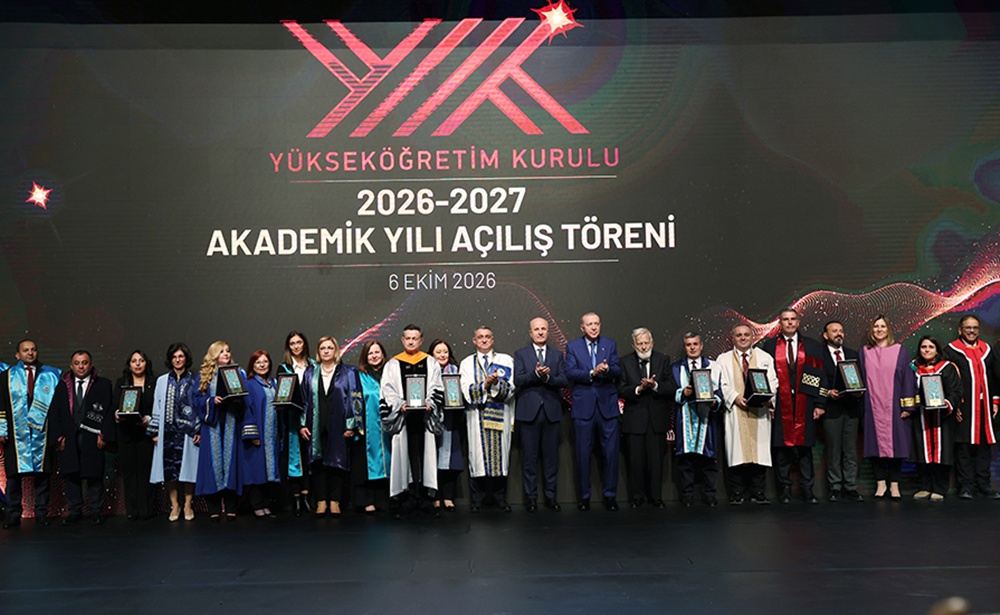
The ceremony concluded with a group photograph of the award-winning academics alongside President Erdoğan and CoHE President Özvar.
Images
Images