



OIZ-Vocational Schools at Center of Transformation in Higher Education
29 December 2025
Strategic steps that place the concept of “practice-based education” at the center of the higher education system are beginning to bear fruit. The employment rate of graduates from vocational schools (VS) established within organized industrial zones (OIZ) has reached a record level of 92 percent. As a result, concerns about securing employment after graduation have effectively been eliminated.
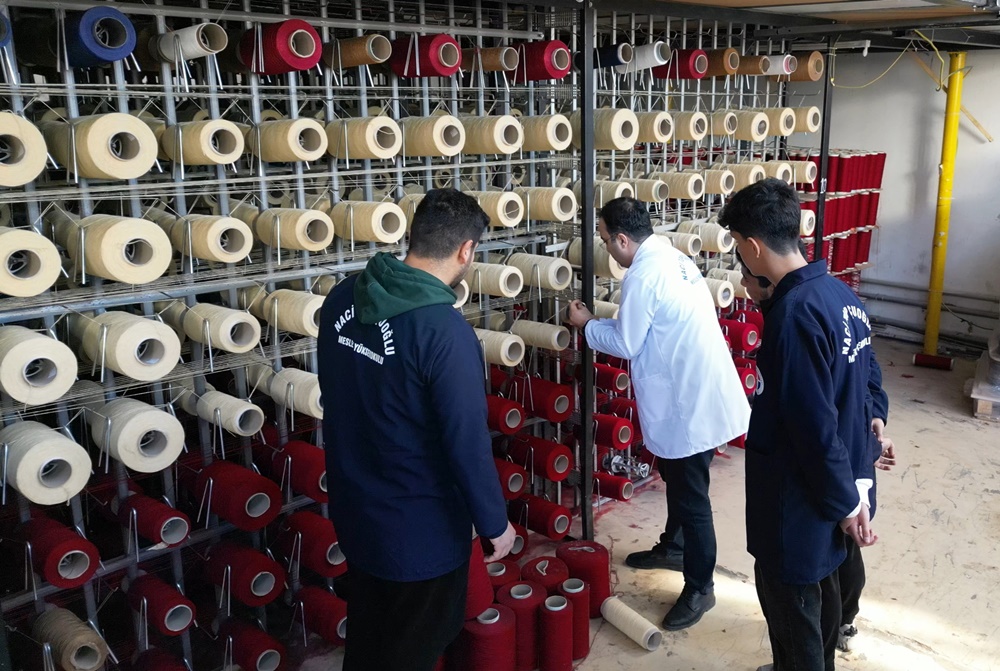
Students studying under the Council of Higher Education’s new production- and employment-oriented OIZ-VS model benefit from numerous advantages. State support for OIZ-VSs—widely regarded as one of the most concrete examples of university–industry cooperation—continues to increase year by year.
In the 2024–2025 academic year, a total of 7,327 students studying in 119 programs at 22 OIZ-VSs affiliated with 21 universities benefited from these incentives. Since 2018, the education support per student provided to OIZ-VSs has increased steadily each year. In 2025, education support ranging from TRY 13,000 to TRY 15,000 per student is provided depending on the type of program. The total amount of support provided this year reached TRY 109.1 million.
In line with Türkiye’s development goals, the support program launched to train qualified human resources for strategically important sectors such as information technologies, manufacturing, and logistics continues to expand in scope. The number of supported programs, which was 16 until 2021, increased to 23 in 2022, 30 in 2023, 32 in 2024, and reached 37 in 2025. It is planned to include new program types and additional universities in the system in 2026.
No employment anxiety
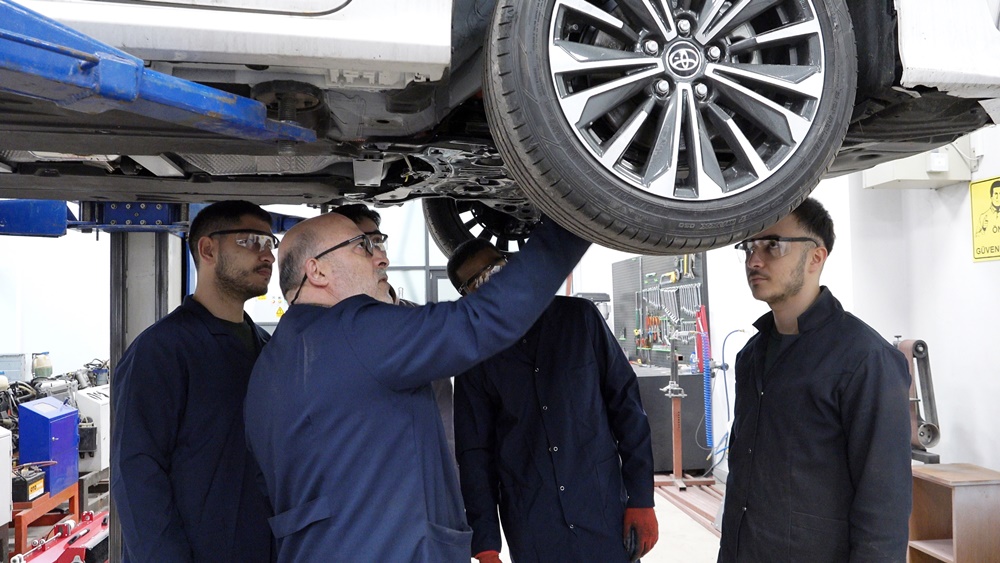
The greatest advantage of the OIZ-VS model is that education takes place directly within production sites. Within the framework of the protocol signed between the Council of Higher Education and the Union of Chambers and Commodity Exchanges of Türkiye (TOBB), 381 vocational schools of 104 universities were matched with 283 chambers and exchanges.
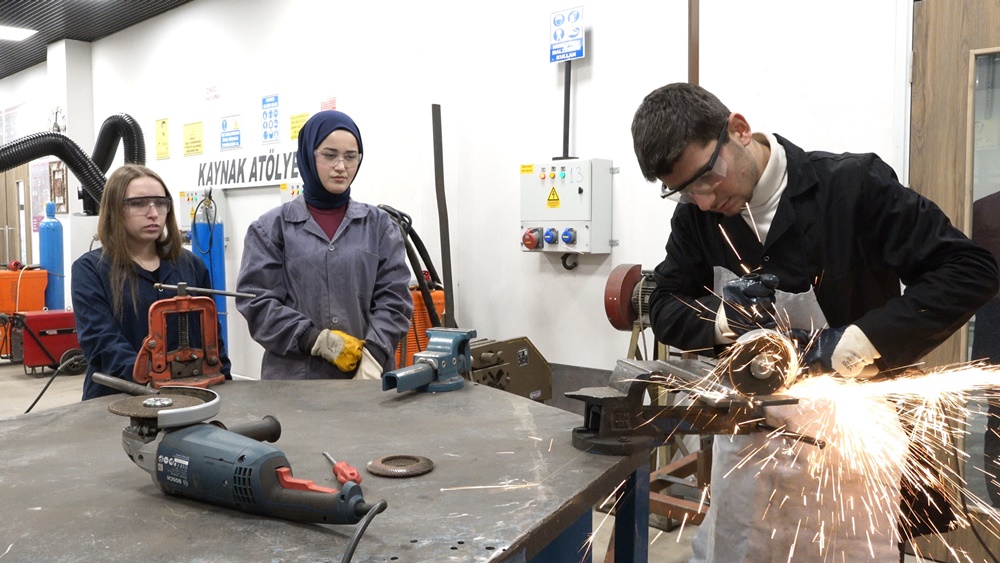
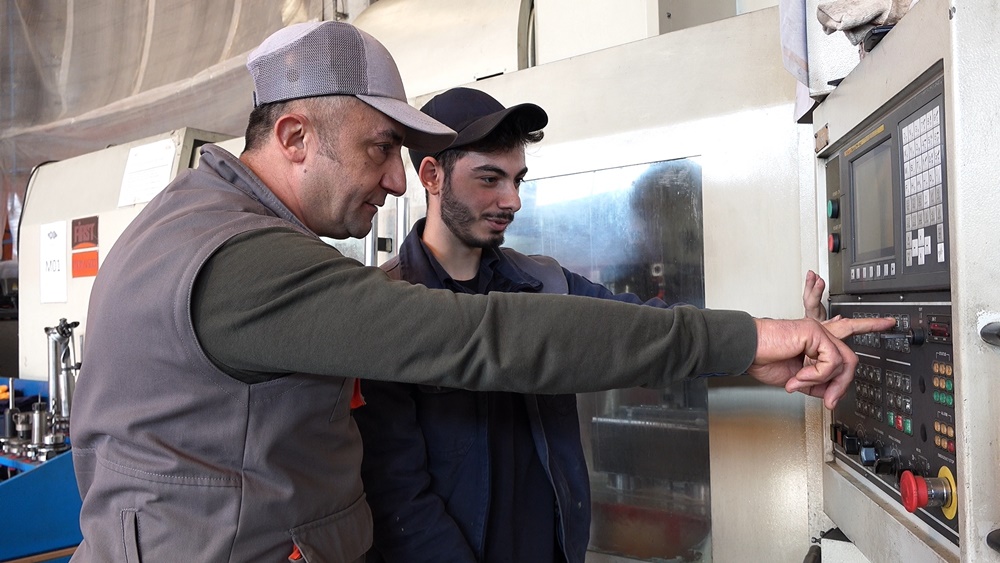
Through this systematic cooperation, students will be able to complete a significant portion of their education through hands-on training in industrial enterprises without experiencing difficulties in finding internship placements. While continuing their studies, students will also gain access to substantial scholarship opportunities, thereby easing the financial burden on their families.
Quality assurance and the TQF logo
In line with its goal of training qualified graduates, the Council of Higher Education places great importance on quality standards.
The Council of Higher Education also encourages the accreditation of programs at OIZ-VSs and their acquisition of the Türkiye Qualifications Framework (TQF) logo, which is aligned with the European Qualifications Framework. The accreditation status of programs and their use of the TQF logo are explicitly indicated to students in the Higher Education Institutions Examination (YKS) guide.
Özvar emphasizes financial support and employment
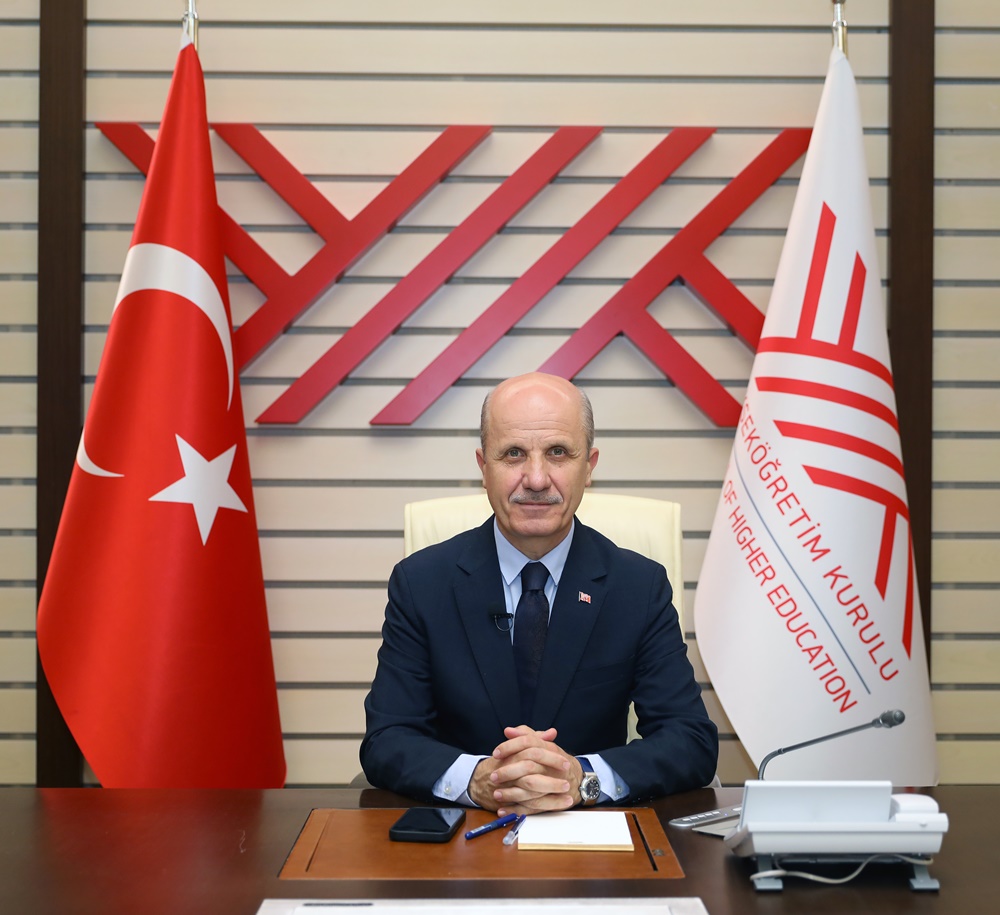
President of the Council of Higher Education, Erol Özvar, stated that they are carrying out a structural and visionary transformation process that integrates education with production in vocational schools, noting: “Within the scope of the ‘practice-based education’ model we have adopted in our higher education system, the schools established within organized industrial zones enable young people to be trained directly at the heart of industry.”
Emphasizing that students spend a significant portion of their education in industrial enterprises through hands-on training while also beginning to earn income during their student years thanks to the qualified scholarship opportunities provided, Özvar stated:
“This system both alleviates the financial burden of education on families and eliminates concerns about employment after graduation.”
37 programs shaped according to sectoral needs
In order to supply the human capital required by industry, the 37 associate degree programs supported on an “employment-priority” basis are as follows:
Alternative Energy Resources Technology, Footwear Design and Production, Computer Programming, Biomedical Device Technology, CNC Programming and Operation, Digital Factory Technologies, Natural Gas and Installation Technology, Foundry Technology, Electrical / Electrical Energy Generation, Transmission and Distribution, Electronic Communication Technology, Electronics Technology, Industrial Product Design, Industrial Mold Making, Food Quality Control and Analysis, Food Technology, Apparel Production Technology, Carpet and Kilim Weaving, Hybrid and Electric Vehicle Technology, Air Conditioning and Refrigeration Technology, Manufacturing Execution Systems Operation, Construction Technology, Welding Technology, Chemical Technology, Control and Automation Technology, Jewelry and Accessory Design, Logistics, Machinery, Mechatronics, Metallurgy, Automotive Technology, Polymer Technology, Defense Industry Technician Training, Milk and Dairy Products Technology, Textile Technology, Textile and Carpet Machinery, Aircraft Technology, and Flour and Flour-Based Products Technology.
Images

Images