


Important Statements from Council of Higher Education President Özvar
December 20, 2025
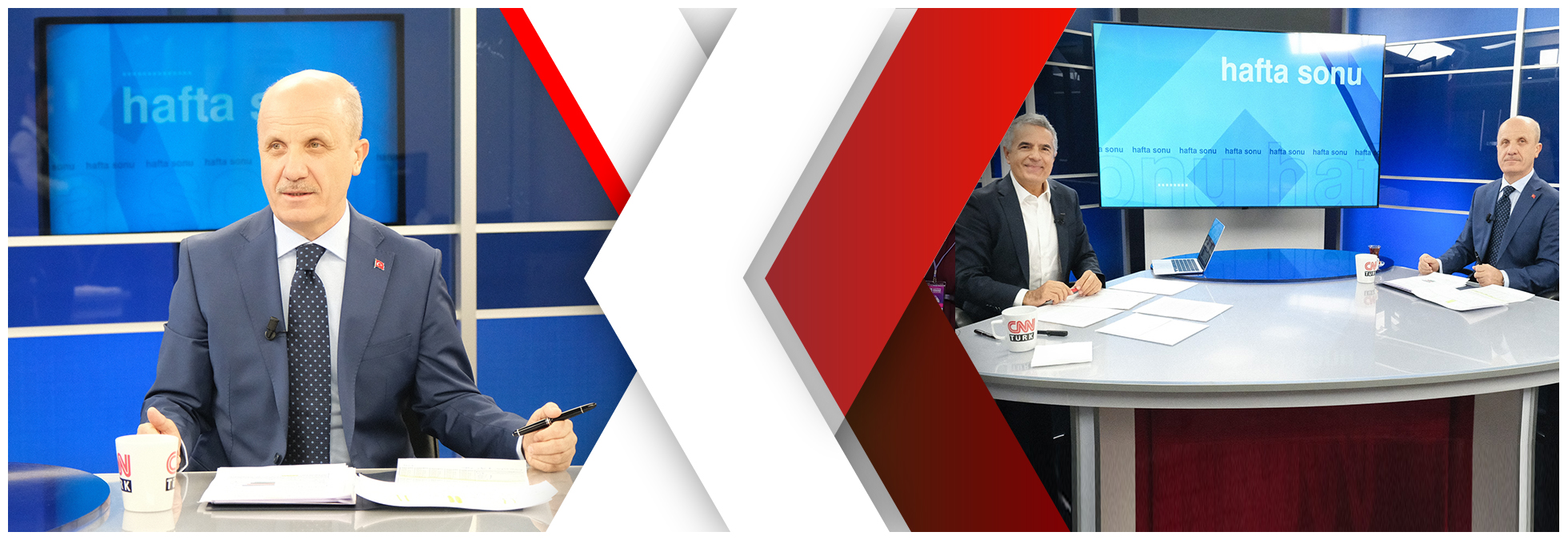
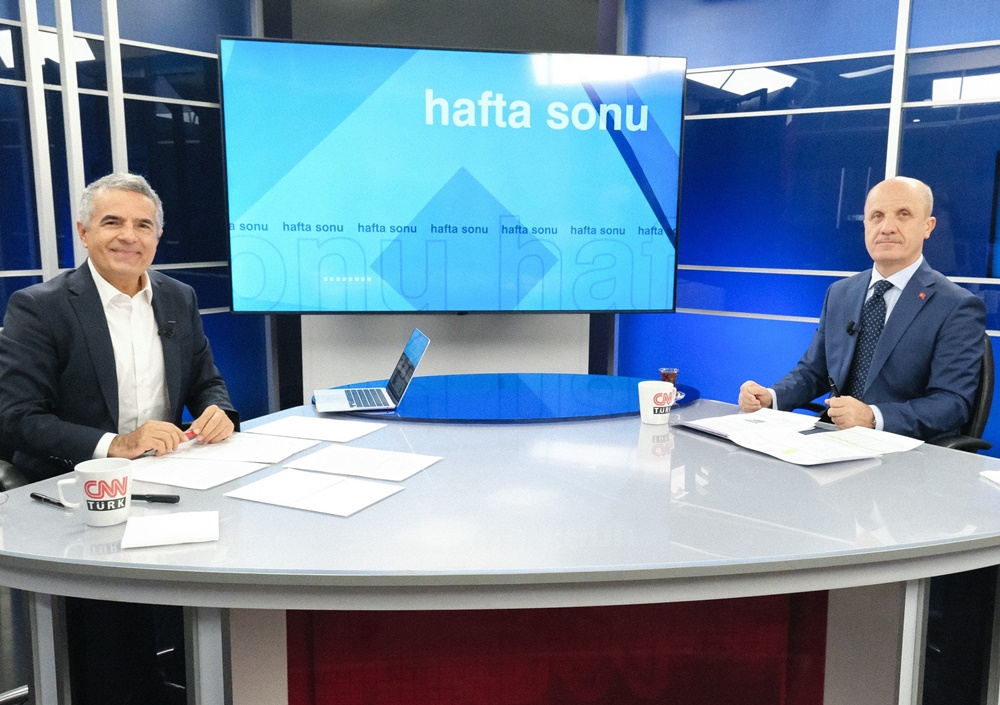
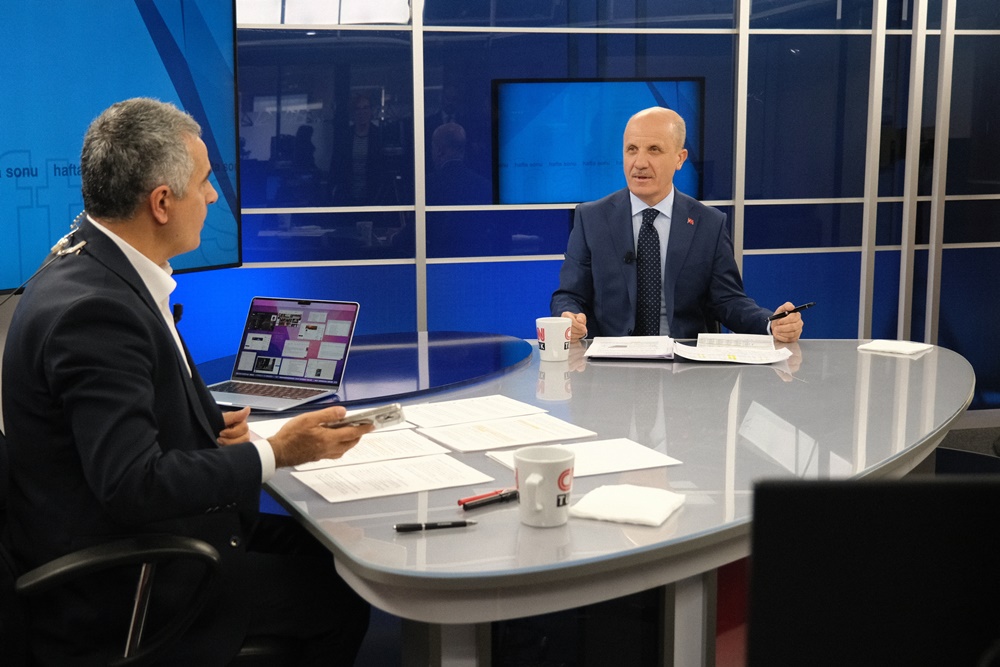
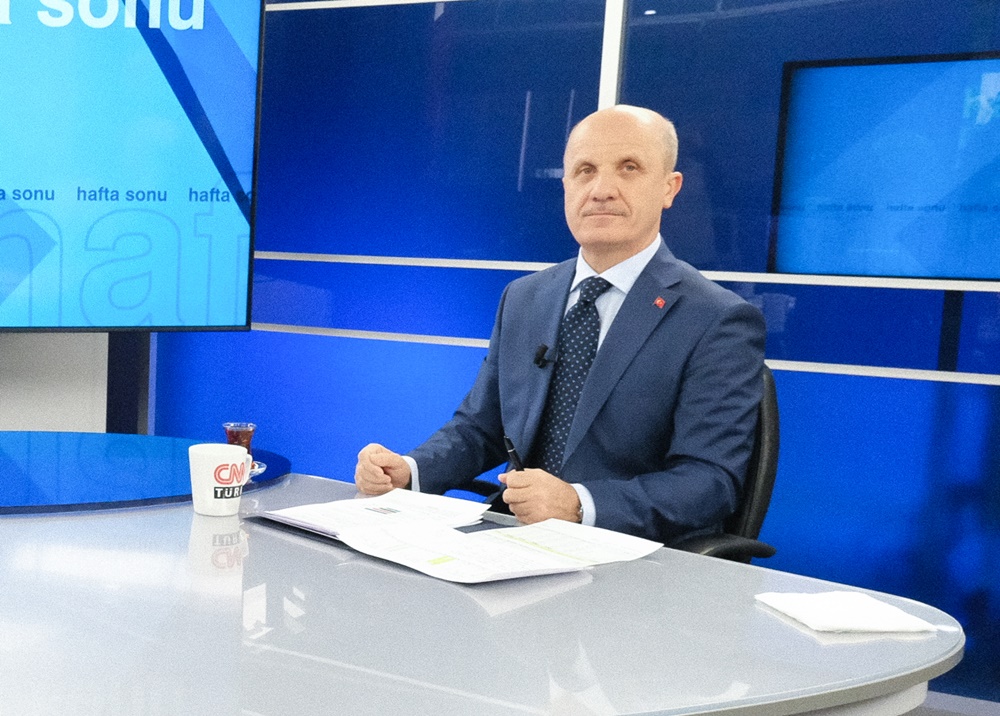
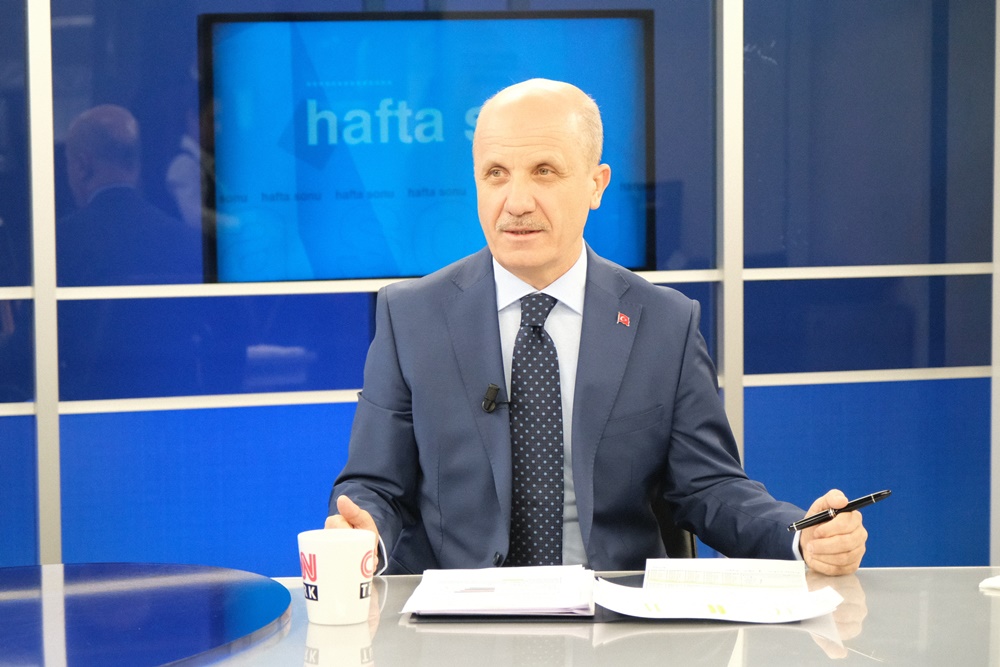
Erol Özvar, President of the Council of Higher Education, shared the key pillars of the new era in higher education with the public during his appearance on the CNN Türk program Weekend with Hakan Çelik.
During the program broadcast on CNN Türk, Özvar offered important assessments on the higher education agenda, including the transition to a flexible three-term model in undergraduate education, the restructuring of quotas with an employment focus, Türkiye’s rise to sixth place worldwide in the number of international students, and the strong labor market performance of higher education graduates.
Addressing efforts to enable the completion of undergraduate education within three years, Özvar stated: “Our priority is not the duration itself, but the employability of our graduates. Without compromising educational quality or program competencies, we are working on a flexible academic model that will facilitate our students’ faster transition into the labor market.”
Providing details on the ongoing work toward graduation within three years—an initiative they aim to implement by the upcoming academic year—Özvar said:
“Article 44 of Law No. 2547 grants us the authority to introduce a third academic term. We have already begun work in this area. The model is based on three semesters per year. Each semester currently lasts 14 weeks. We are reorganizing programs in a more compact structure by slightly shortening this period, without reducing the credits students earn or the projects and coursework they complete. The academic year will run from September through July. Students will still graduate with 240 ECTS credits and complete eight semesters of education, but they will be able to finish these eight semesters within three years.”
“Labor Force Participation Rate of Higher Education Graduates Is 77 Percent”
In response to a question about whether there has been a decline in employment rates among university graduates, Özvar noted that according to data from the Turkish Statistical Institute (TÜİK) for the third quarter of 2025, the labor force participation rate of higher education graduates stands at 77 percent, while the employment rate is 70 percent. He added that the overall labor force participation rate across the population is 54 percent, emphasizing: “As education levels rise, labor force participation and employment rates also increase.”
“Programs No Longer Aligned with Labor Market Needs Are Being Phased Out”
Erol Özvar stated that a major transformation has been underway in higher education over the past three years. He noted that, with the aim of establishing an employment-oriented education model, programs that no longer have a clear labor market relevance have been closed, while new programs designed to equip students with digital competencies have been introduced in their place.
Özvar explained that during this period, 175 programs with declining employment opportunities were removed from the system, and the quotas of 443 programs were reduced. In contrast, newly launched programs focusing on artificial intelligence and information technologies, digital transformation in health and agriculture, green skills, and sector-driven needs have attracted strong interest from students, reaching an occupancy rate of 99 percent last year.
“Quotas at Foundation Universities Will Also Be Regulated”
Emphasizing that quotas are being redefined in line with employment data, Özvar announced that, as of this year, quota regulations applied to public universities will also extend to foundation universities. He listed the programs where quotas will be reduced as medicine, dentistry, pharmacy, law, communication, psychology, architecture, and education.
“The Number of International Students Has Reached 378 Thousand”
Stating that Türkiye has attained a significant position globally in terms of international students, Özvar said that with 378 thousand international students from 198 countries, Türkiye has surpassed France this year to rank sixth worldwide.
Noting that more than 96 percent of international students finance their education through their own means, Özvar added that these students contribute approximately USD 3.5 billion annually to the Turkish economy. However, he emphasized that this field is viewed not merely in economic terms, but as a strategic component of science diplomacy and cultural interaction.
“Long-Term and Mandatory Internships Are Being Introduced”
Erol Özvar stated that practice-oriented education has been strengthened through regional development universities and vocational schools established within Organized Industrial Zones, noting that employment rates of graduates from these institutions exceed 80 percent. He emphasized that this practice-based model is being expanded nationwide, with the aim of strengthening cooperation with industry, and that the Council of Higher Education is providing financial support for the process.
Highlighting efforts to better prepare students for the business world, Özvar announced that a long-term and mandatory internship scheme will be introduced, saying: “With a mandatory internship lasting at least one semester, our students will be much more directly involved in practical training, and their transition into the workforce after graduation will become easier.”
Responding to a question regarding student amnesty, Özvar recalled that the issue is currently being debated at the Grand National Assembly of Türkiye (GNAT), adding: “As the Council of Higher Education, we are conducting a comprehensive impact analysis. Once the matter is formally submitted to the Council, we will share our views with both the public and the GNAT.”
“The Quality of Education Is Beyond Question”
Stating that one of the Council of Higher Education’s core objectives is to raise universities’ performance to the highest level in education, teaching, scientific research, and social responsibility, Özvar said: “The quality of education we provide is beyond question. The qualifications and learning outcomes of all our programs across universities are aligned with European standards. Any diploma obtained in Türkiye is valid anywhere in Europe and across the world. Nonetheless, there remain areas where this quality can be further enhanced and taken to a higher level, and this is precisely where our efforts are concentrated.”
“57 Percent of Students Are Enrolled in Formal Education”
Erol Özvar stated that Türkiye has made a major leap in higher education over the past two decades in terms of accessibility and capacity, saying:
“Today, Türkiye has 208 universities, more than 186 thousand academic staff, and over 6 million higher education students. This expansion in capacity has reached a level comparable to that of China and India.”
Özvar explained that the higher education system currently includes 6,482,197 university students, of whom 3,696,554 are enrolled in formal education. Of these students, approximately 2.5 million are undergraduate students, while 1.1 million are enrolled in associate degree programs. He added that around 2.785 million students are studying through open and distance education, noting that students enrolled in formal education account for 57 percent of the total student population.
Images
Images