


CoHE President Özvar Visits Malaysia
- Özvar attended the Malaysia–Türkiye Leadership Program and the 2nd Meeting of the Türkiye–Malaysia Higher Education Joint Committee
- “Higher education institutions are no longer merely places where knowledge is produced and transmitted; they have become strategic actors that shape social transformation, contribute to economic development, support innovation, and generate solutions to global challenges”
- “Attacks against Iran have the potential to produce serious consequences for the global higher education community”
- Following the joint committee meeting, a memorandum of understanding was signed covering education, research, technology, culture, and international mobility
April 28, 2026
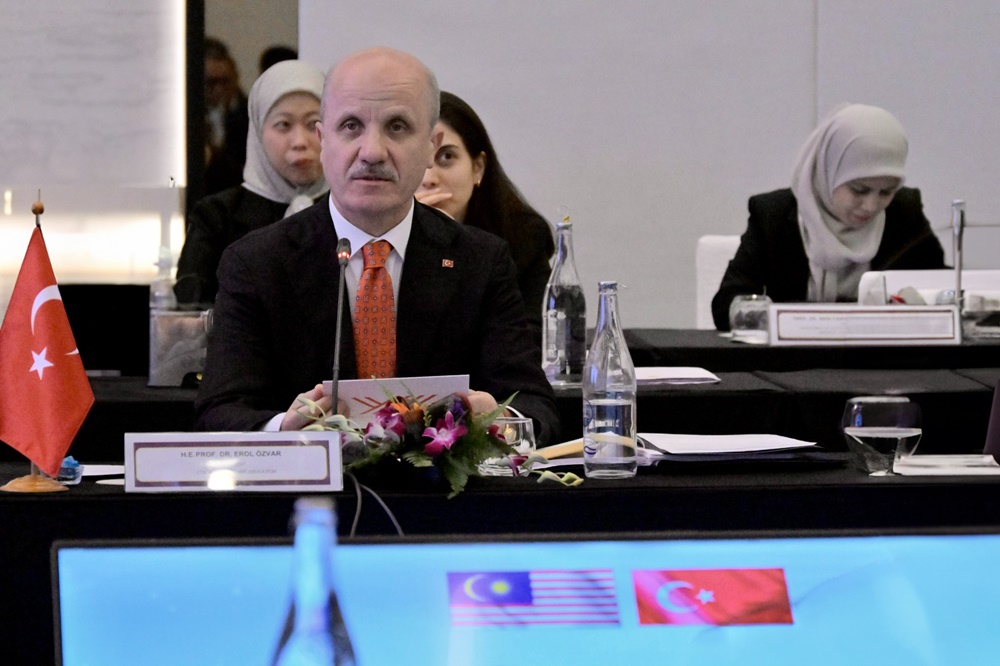
President of the Council of Higher Education Erol Özvar is visiting Malaysia to strengthen international higher education cooperation and to address global issues within an academic framework.
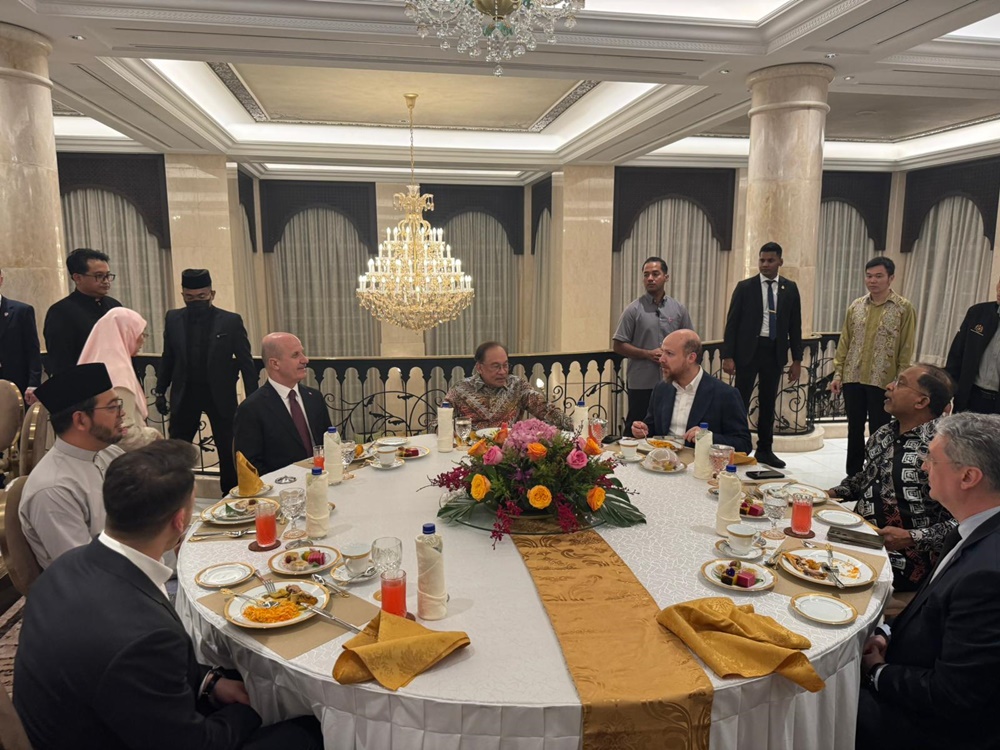
Özvar participated in the Malaysia MADANI Scholars Forum titled “Muslim Unity in Times of Geopolitical Crisis,” hosted by Malaysian Prime Minister Anwar Ibrahim and organized by the Ministry of Higher Education and the Institute of Islamic Understanding Malaysia.
At the forum, which brought together participants from various countries, discussions focused on strengthening solidarity in the Islamic world, enhancing multifaceted cooperation, and developing a shared perspective.
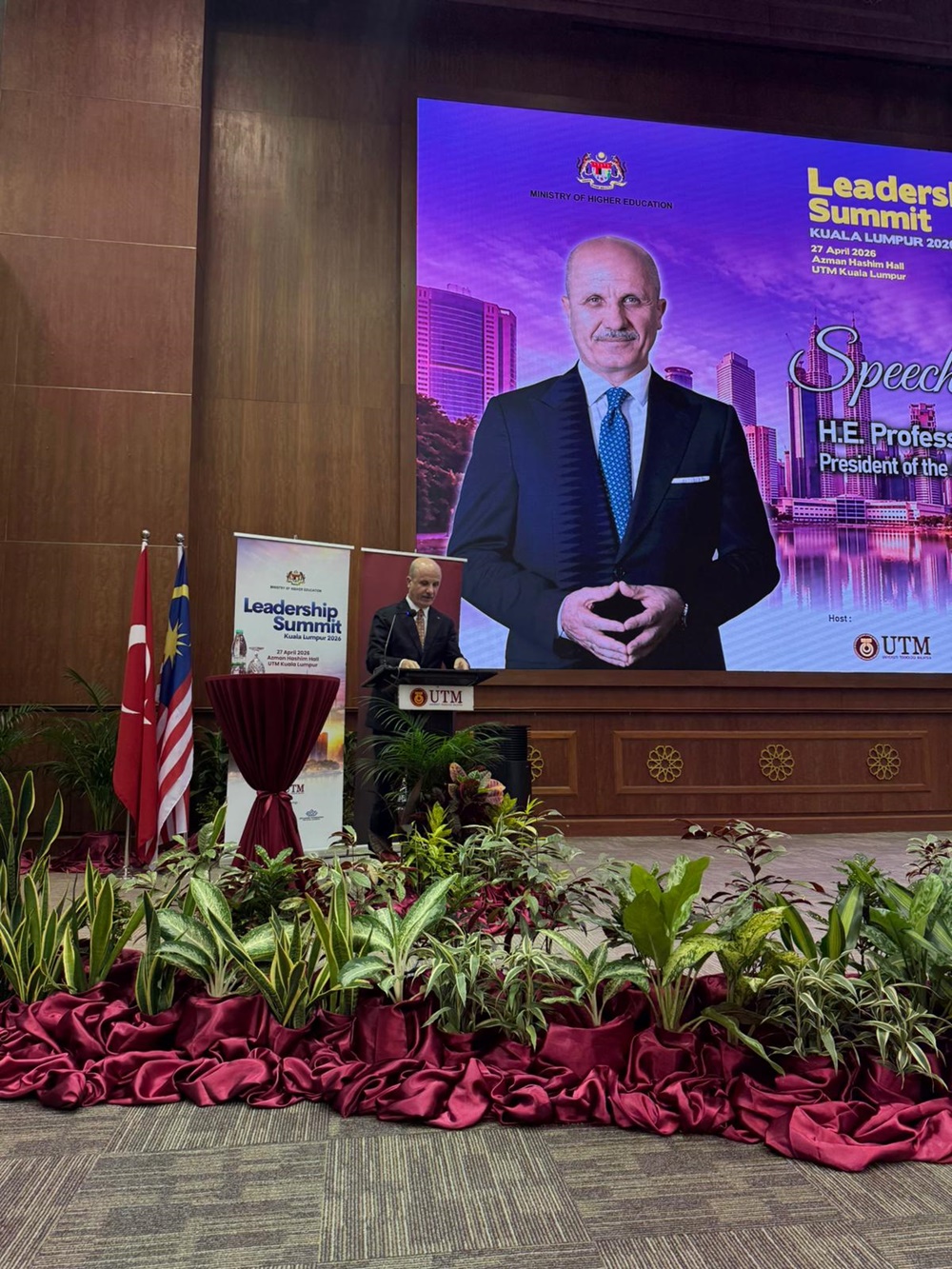
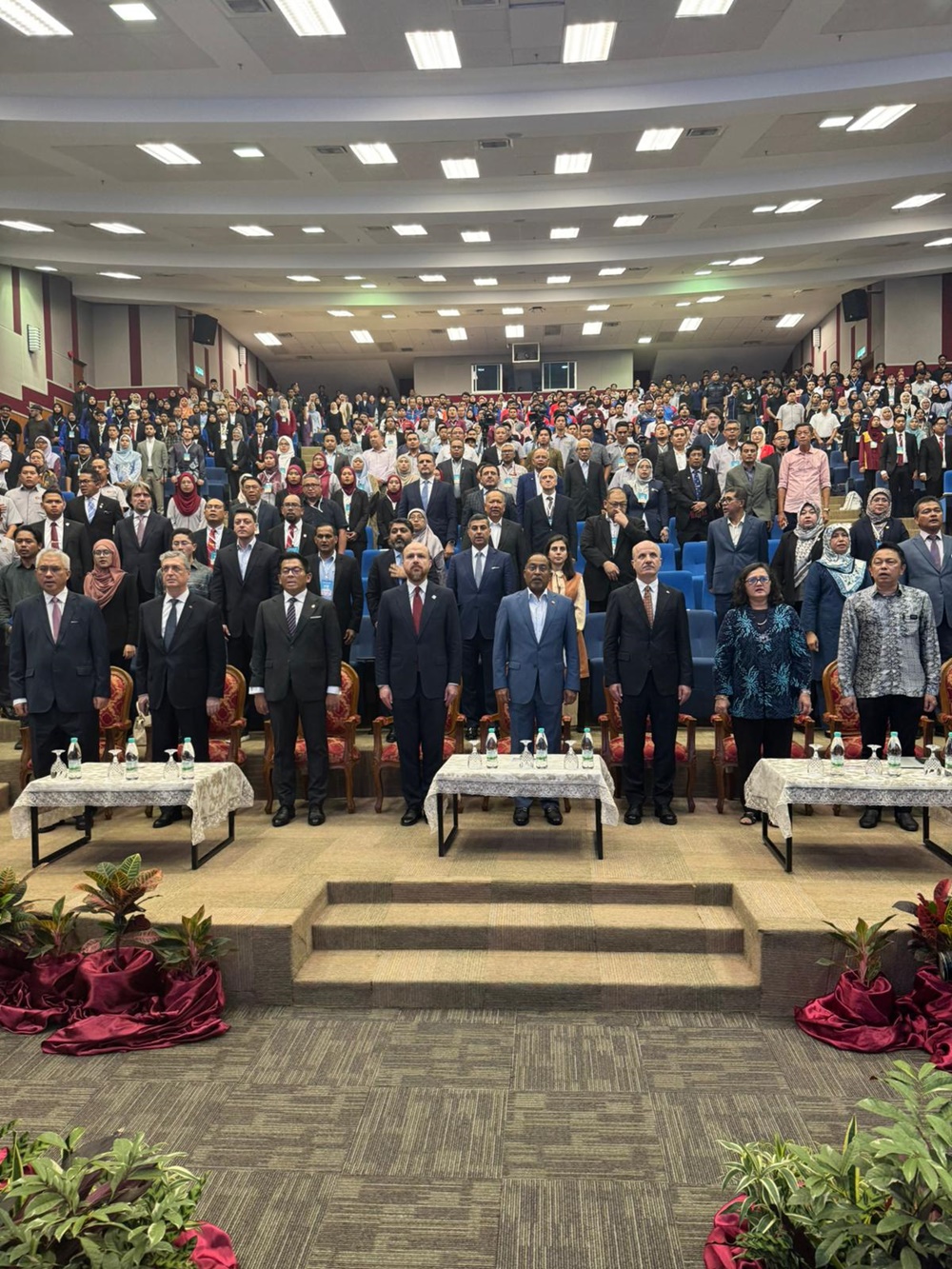
As part of his visit, Özvar also attended the Malaysia–Türkiye Leadership Program. In his speech, he began by strongly condemning what he described as genocidal attacks carried out by Israel in Gaza despite ceasefire commitments. He also condemned those who remain silent in the face of such atrocities and fail to take even the most basic steps required by humanity.
Highlighting that the world has witnessed profound, multidimensional, and comprehensive changes in higher education in recent years, Özvar noted that rapid developments in digital technologies, the increasing impact of artificial intelligence on education and research, the green transition, intensifying global competition, and structural changes in labor markets have redefined the roles and responsibilities of universities.
- “Higher Education Systems Face a New Generation of Challenges”
Stating that higher education institutions are no longer merely centers for producing and transmitting knowledge but have become strategic actors shaping societal transformation, contributing to economic development, fostering innovation, and addressing global challenges, Özvar continued:
“However, higher education systems are facing a new generation of challenges. Issues such as graduate employability, skills mismatch, rapidly evolving professions, quality assurance, international competition, and the sustainability of academic productivity are key agenda items for both universities and policymakers.
At the same time, emerging regional military conflicts with global repercussions create serious challenges not only in military, economic, and social spheres but also in higher education. It is evident that such conflicts pose significant problems for universities, researchers, students, and international academic collaborations.
The attacks against Iran, initiated by Israel and the United States, not only carry the risk of triggering a global energy crisis but also have the potential to produce serious consequences for the global higher education community.
In particular, students and academics from relatively less developed countries may face greater barriers to accessing global higher education. Such restrictions would weaken the inclusive mission of universities and further deepen existing global inequalities.
It is no longer possible to address these challenges through traditional methods alone. The evolving landscape of higher education necessitates more flexible, innovative, and holistic approaches.”
Özvar stated that the long-standing friendly relations between Türkiye and Malaysia have been further strengthened and institutionalized through cooperation in higher education.
- “Two Core Principles: Cooperation and Competition”
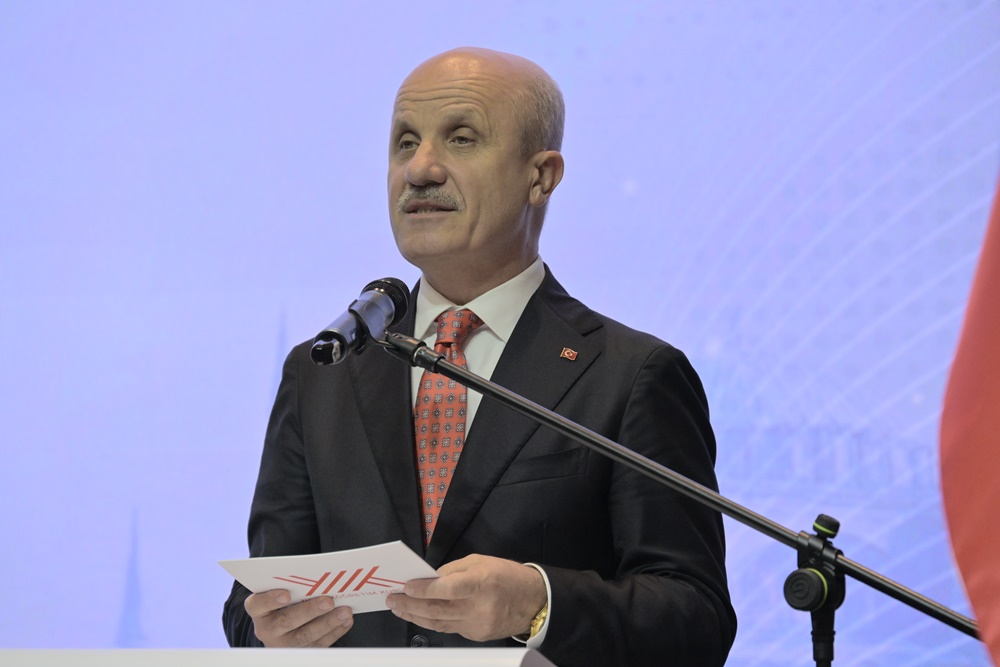
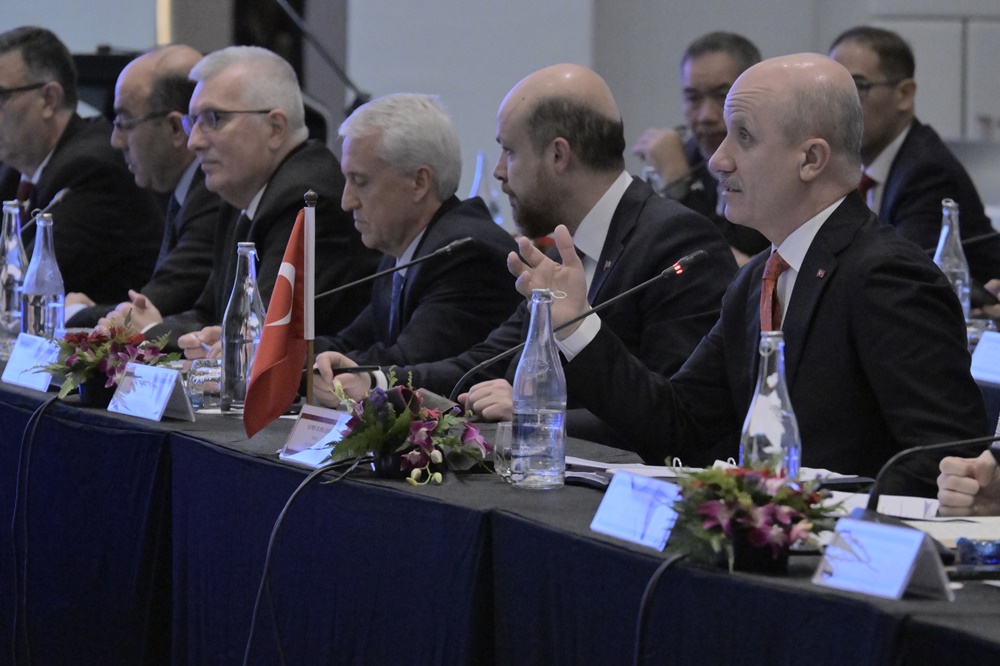
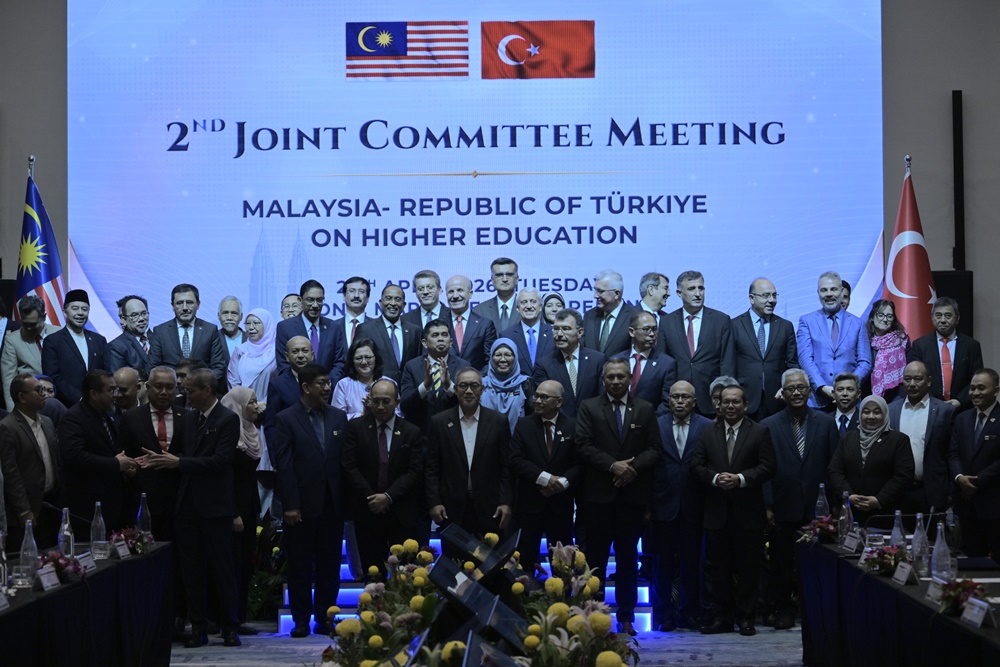
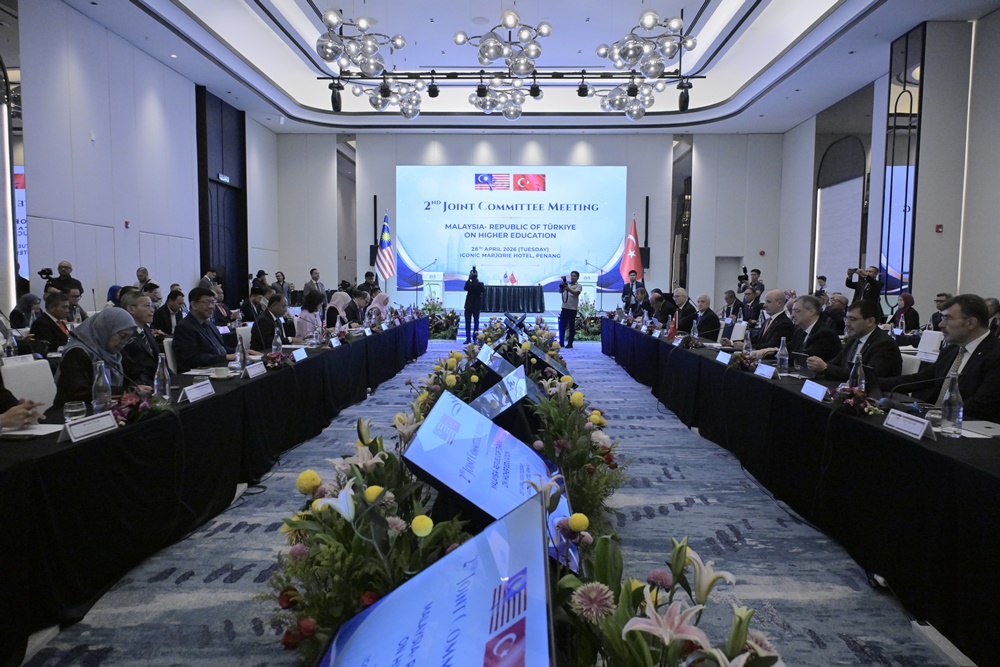
Speaking at the opening of the 2nd Meeting of the Türkiye–Malaysia Higher Education Joint Committee, Özvar emphasized that there is a shared understanding that higher education plays a central role in shaping the future.
“This field is not limited to academic exchange; it is also a strategic domain that contributes to innovation, economic development, and global engagement,” he said, adding that universities and research institutions are key actors in this context.
He noted that the Council of Higher Education continues to encourage universities to establish more active cooperation with Malaysian stakeholders and emphasized the need to further strengthen joint research projects, academic mobility, and institutional partnerships.
Özvar also underlined that academic collaborations should be aligned with the strategic priorities of both countries, stating: “Emerging technologies, digital transformation, and the evolving dynamics of the global academic environment require us to act with vision and flexibility. Our approach is based on two fundamental principles: cooperation and competition. These two elements are indispensable for achieving excellence in higher education and research.”
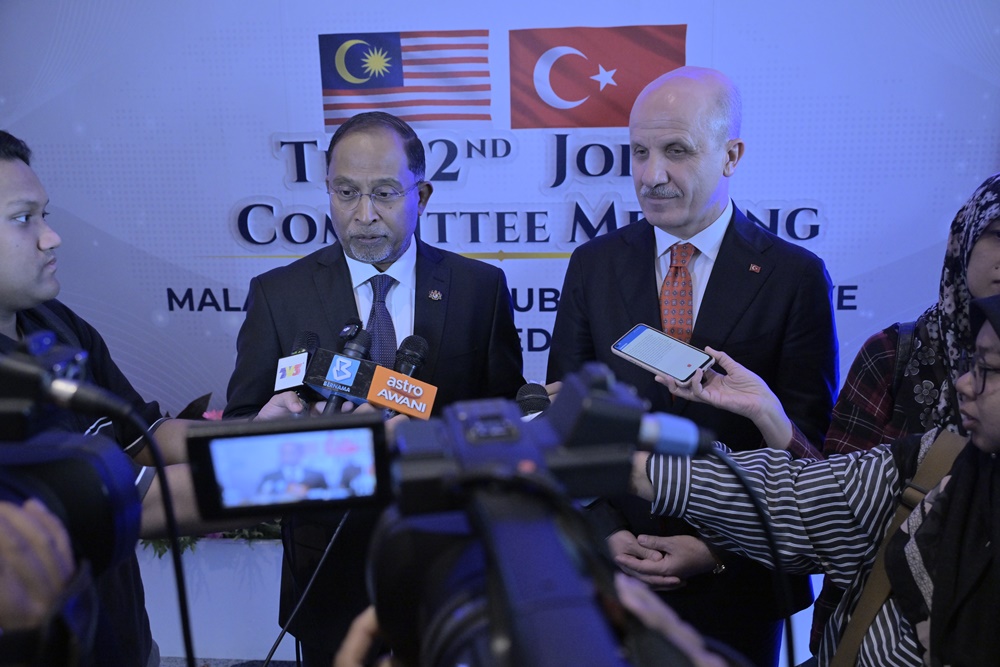
He added that the meetings clearly demonstrated the strong potential for deepening cooperation between Türkiye and Malaysia in higher education, research, and innovation: “We have once again reaffirmed our commitment to strengthening institutional partnerships between our universities, increasing academic and student mobility, supporting joint research initiatives, and developing new areas of cooperation aligned with global trends. These efforts will not only enhance our academic relations but also contribute to the broader strategic partnership between our countries.”
- Memorandum of Understanding Signed
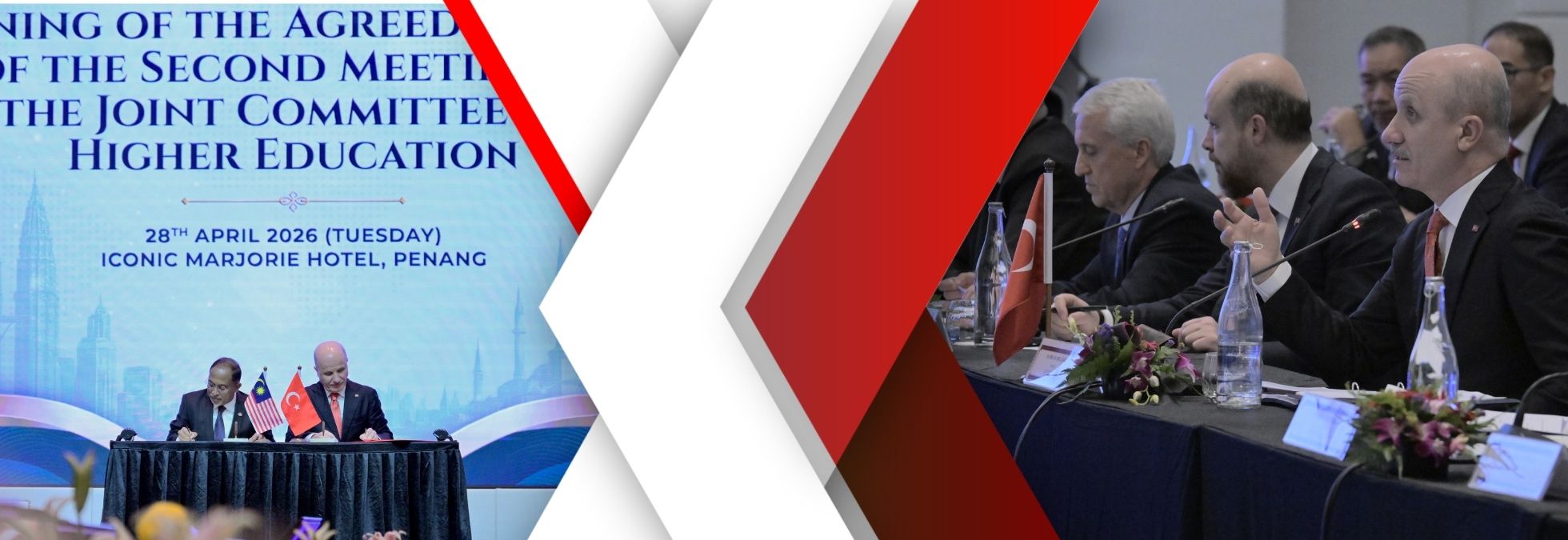
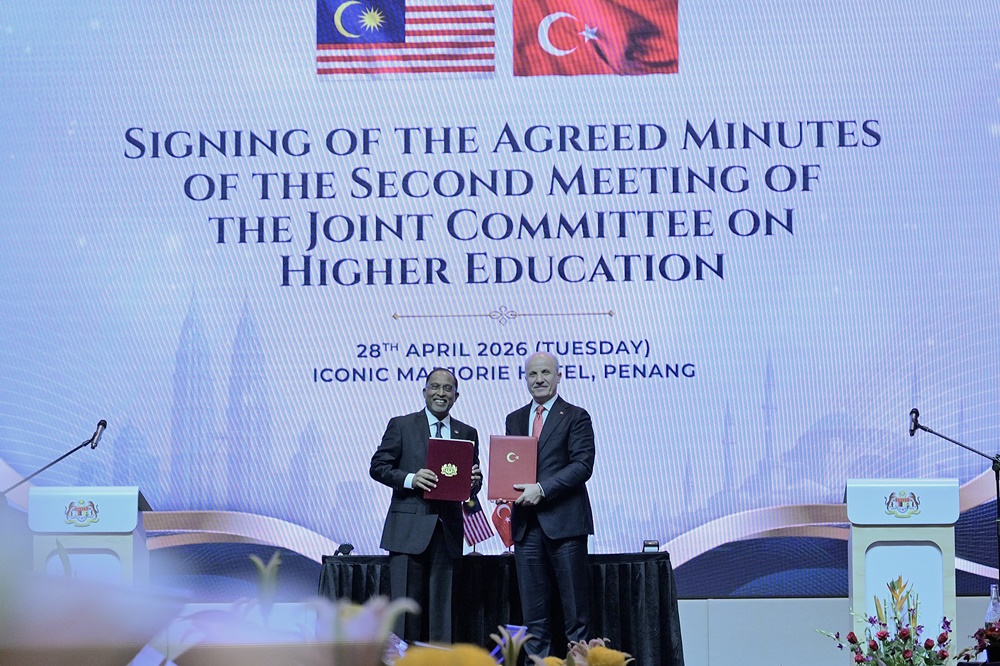
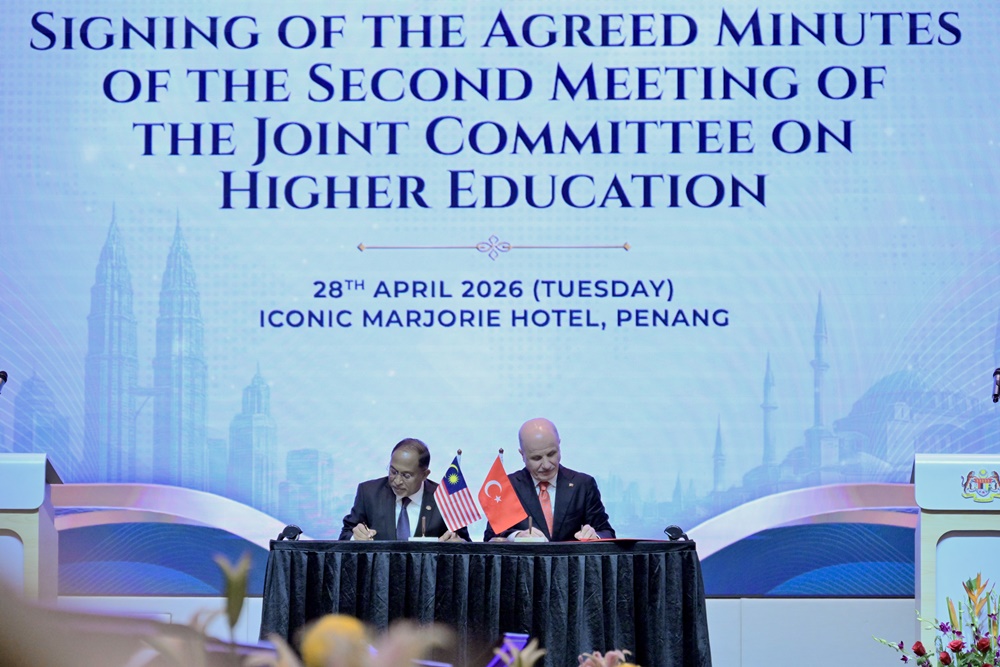
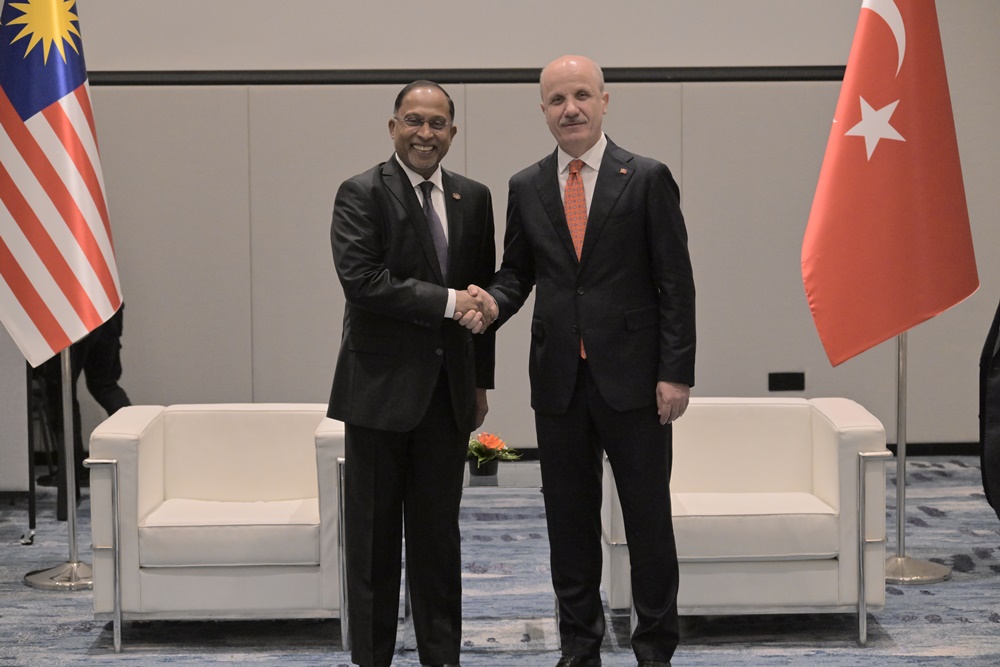
Following the meeting, a memorandum of understanding on cooperation was signed.
The agreement covers areas such as academic exchange; scholarship and education programs; joint programs and dual-degree cooperation; technology transfer and R&D; joint events and research programs; quality assurance and accreditation; language and cultural programs; cultural heritage and digitalization; edu-tourism and promotion; and international programs. It was signed by President of the Council of Higher Education Erol Özvar and Malaysia’s Minister of Higher Education Zambry Abd Kadir.
Özvar was accompanied during the visit by Deputy President of the Council of Higher Education Prof. Naci Gündoğan, CoHE Executive Board Member Prof. Erol Arcaklıoğlu, several university rectors, and Vice Chairman of the Board of Trustees of Ibn Haldun University Necmeddin Bilal Erdoğan.
Images
Images