


A New Era in Higher Education Cooperation Between Türkiye and Poland
- A “Memorandum of Understanding on Cooperation in Higher Education” was signed between the two countries
- Türkiye and Poland will establish strong cooperation focused on science, technology, health, and artificial intelligence
- President of the Council of Higher Education Özvar: “Our priority is to transform cooperation into concrete projects”
May 8, 2026
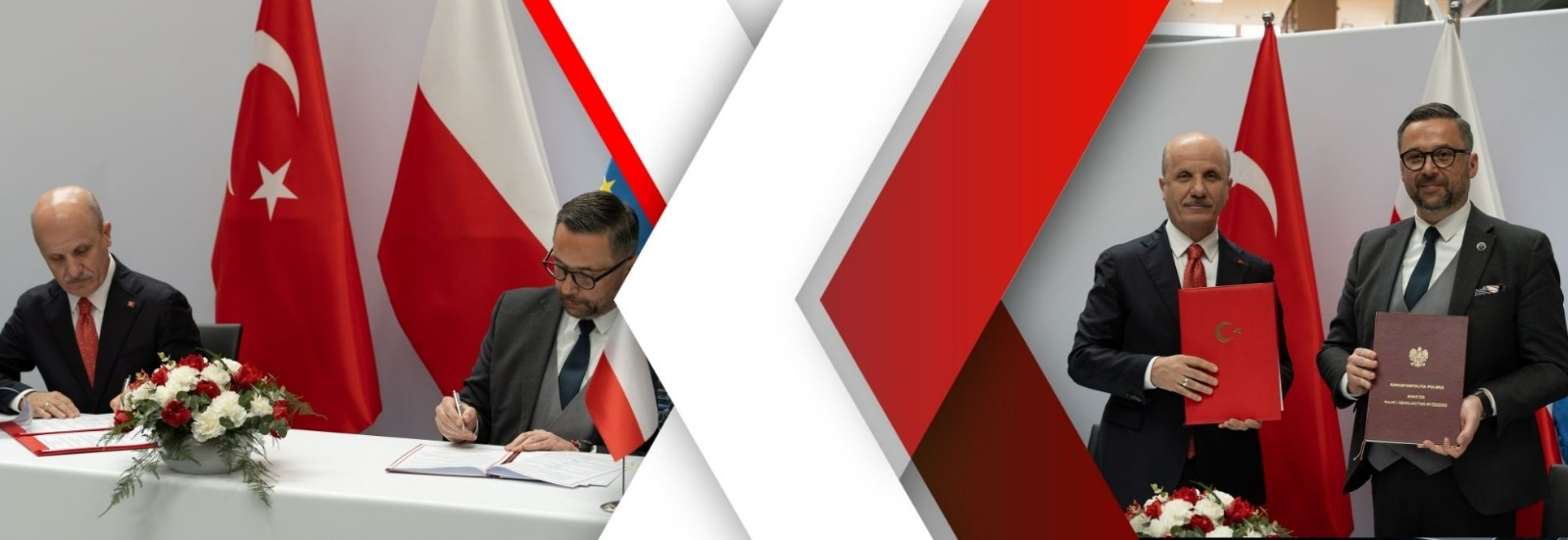
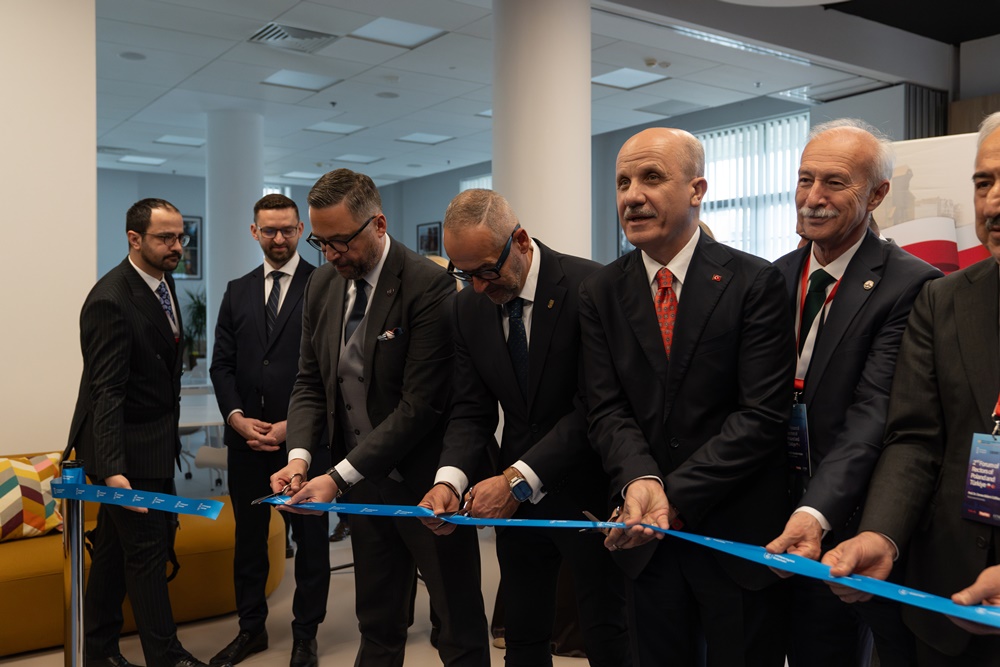
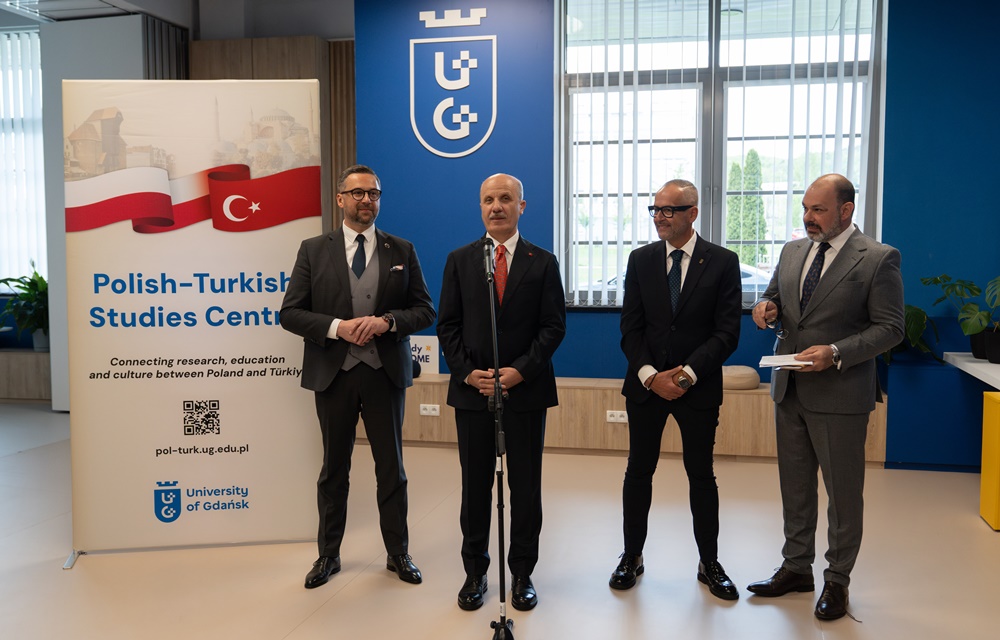
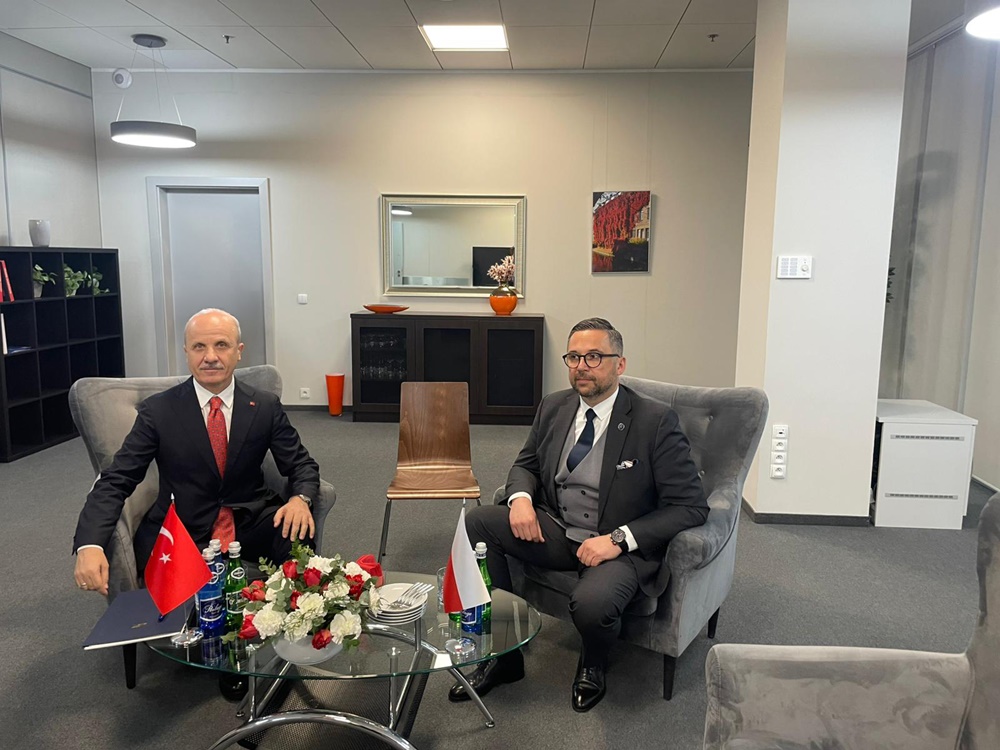
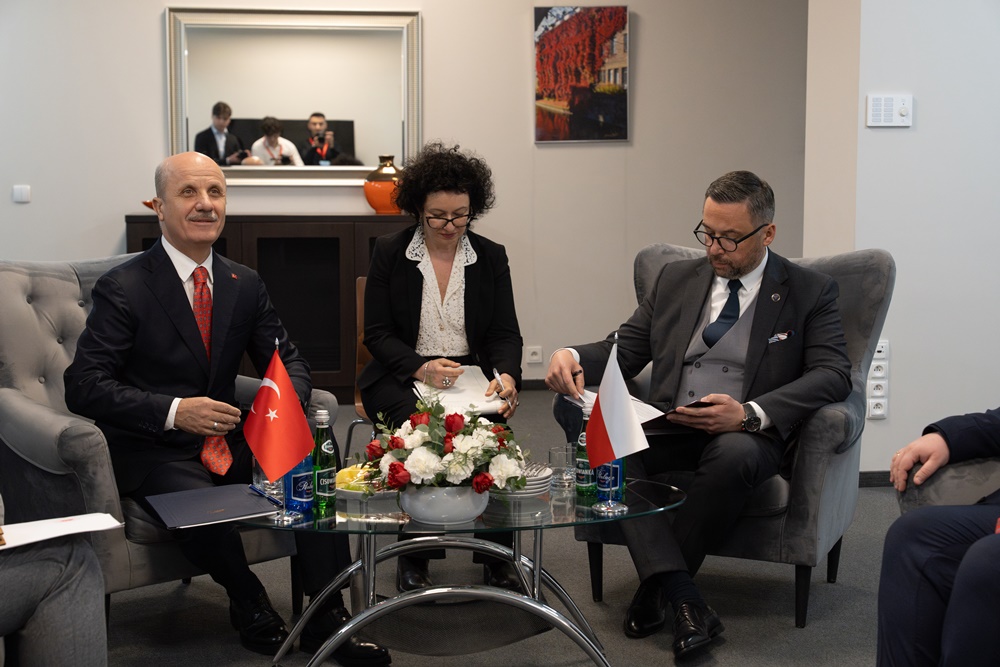
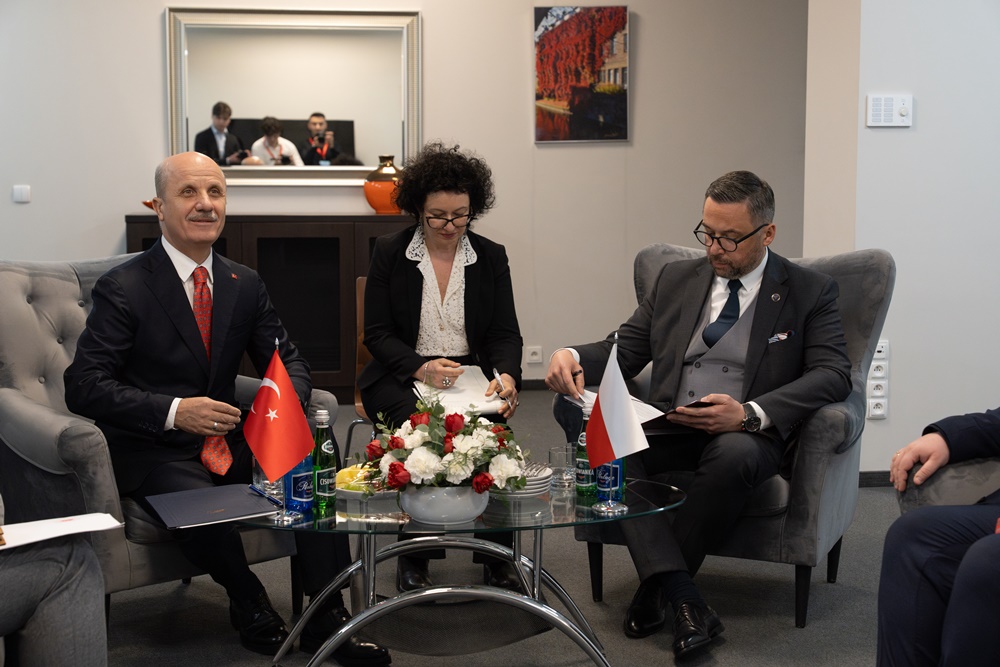
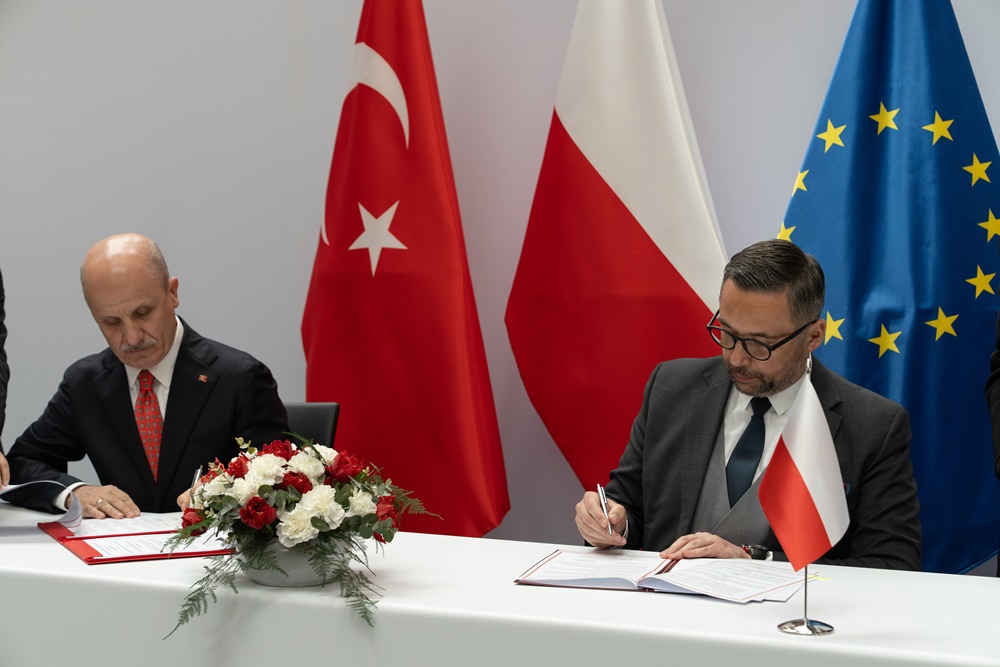
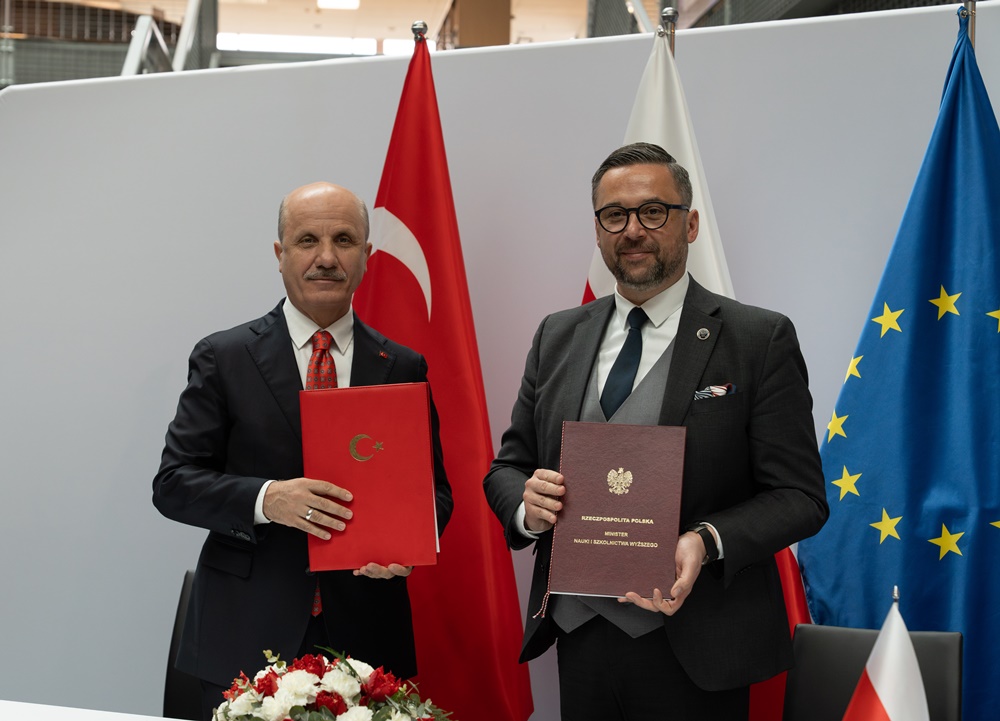
During the visit of President of the Council of Higher Education Erol Özvar to Poland, a “Memorandum of Understanding on Cooperation in Higher Education” was signed between the Council of Higher Education of Türkiye and the Polish Ministry of Science and Higher Education.
The Memorandum of Understanding, which is expected to initiate a new era in many areas including joint degree programs, academic mobility, research projects, and the harmonization of higher education systems between Türkiye and Poland, was signed by President of the Council of Higher Education Özvar and Poland’s Minister of Science and Higher Education Marcin Kulasek.
Under the agreement, the two countries aim to develop joint projects in strategic fields such as artificial intelligence, digital technologies, energy transition, health sciences, and biotechnology.
President of the Council of Higher Education Özvar stated that the Memorandum of Understanding represents an important step forward in relations between the two countries, saying: “This document provides a solid framework for cooperation between the two countries in the fields of higher education and scientific research. Our next priority should be to transform this framework into concrete actions.”
Özvar stated that the Rectors Forum could serve as a platform to support the implementation of the Memorandum of Understanding and to follow up on the agreed initiatives. In this context, he noted that establishing a joint coordination or working mechanism, identifying a limited number of priority areas, and encouraging pilot joint programs and research projects could be considered.
Expressing that a few strategic areas such as artificial intelligence and digital technologies, green transformation and energy, health sciences and biotechnology, and engineering and advanced manufacturing technologies could initially be prioritized in order to achieve visible and effective results, Özvar emphasized that targeted and well-defined projects in these areas could quickly generate momentum.
Özvar stated: “We consider this forum and the Memorandum of Understanding as complementary instruments capable of reinforcing one another. We are ready to work closely to ensure that this cooperation produces concrete and measurable outcomes. I look forward to advancing our partnership even further.”
- Comprehensive cooperation particularly in energy, agriculture, digitalization, and artificial intelligence
The Memorandum of Understanding aims to strengthen cooperation in higher education between the two countries, to establish collaboration in various scientific and educational fields in both countries and to encourage the sharing of knowledge and technical expertise through reciprocal visits.
Within the scope of the memorandum, joint scientific research, exchange of experience, and the establishment of scientific consortia are envisaged in areas such as energy transition, innovative industrial technologies, sustainable agriculture, digitalization, artificial intelligence, public health, and biotechnology.
- Joint degree programs will be launched, and student and academic mobility will be enhanced
The memorandum also aims to facilitate the sharing of legislation, regulations, higher education structures, and related experiences governing higher education; and to establish, implement, and develop joint undergraduate and graduate degree programs between higher education and research institutions in both countries in accordance with applicable legislation.
The memorandum further includes provisions to encourage undergraduate and graduate student exchange for study at higher education and research institutions.
It also aims to increase the educational and internship mobility of academic staff and researchers from higher education and research institutions in both countries through specific programs, short-term initiatives, and thematic summer schools.
It was also stated that other areas of cooperation mutually agreed upon by the parties may be considered within the framework of the memorandum.
The parties will provide guidance within the framework of legislation and regulations regarding the recognition of degrees and diplomas, and will exchange the necessary information in this field.
- A delegation to Poland with 19 universities
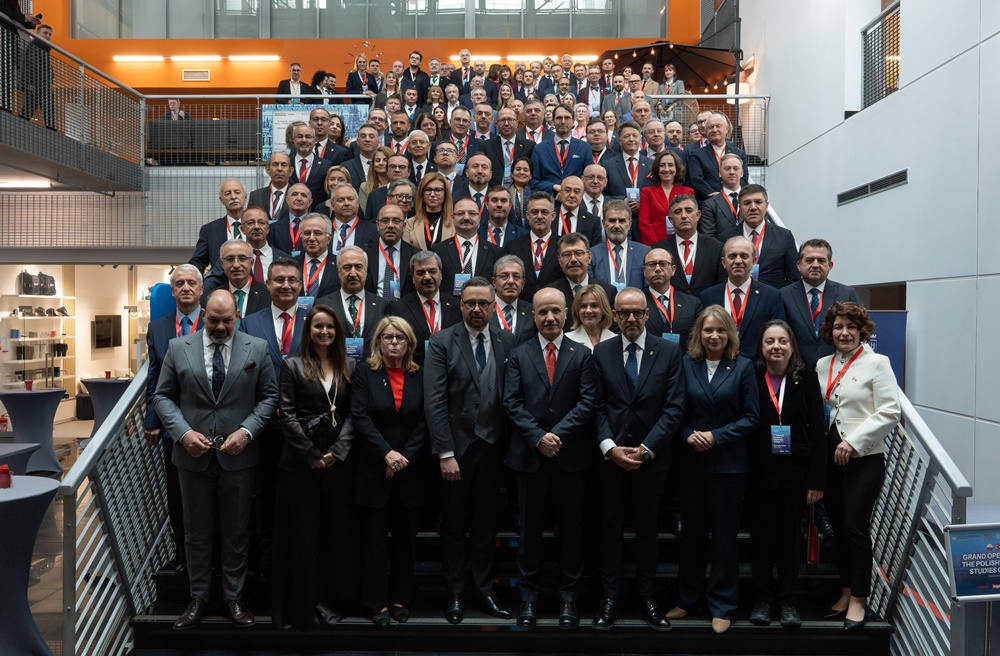
As part of the Council of Higher Education’s internationalization strategy and efforts to strengthen academic relations with Poland, President Özvar was accompanied during the visit by CoHE Deputy President Prof. Naci Gündoğan, CoHE Executive Board Member Prof. Hüseyin Karaman, and the rectors of 19 universities.
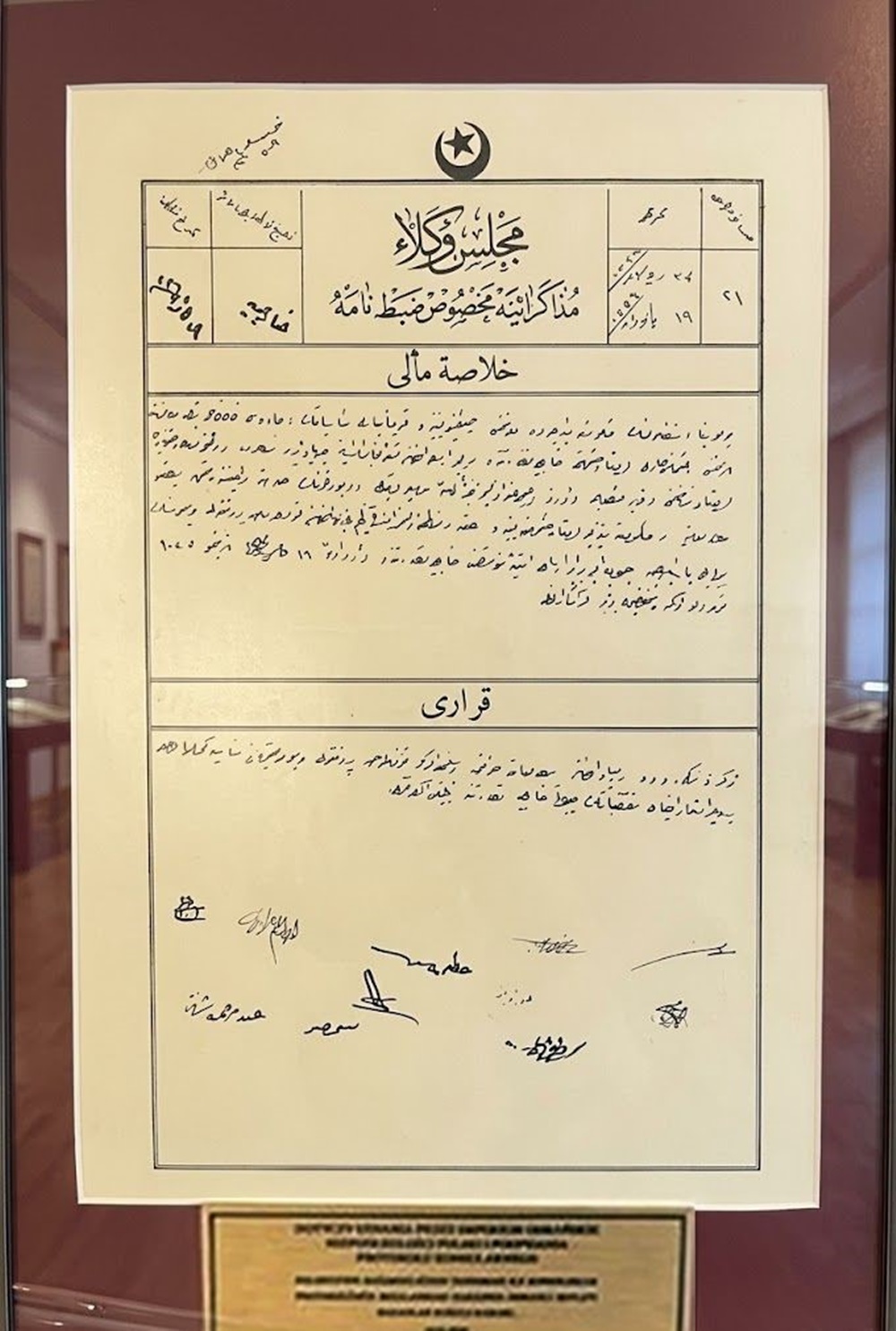
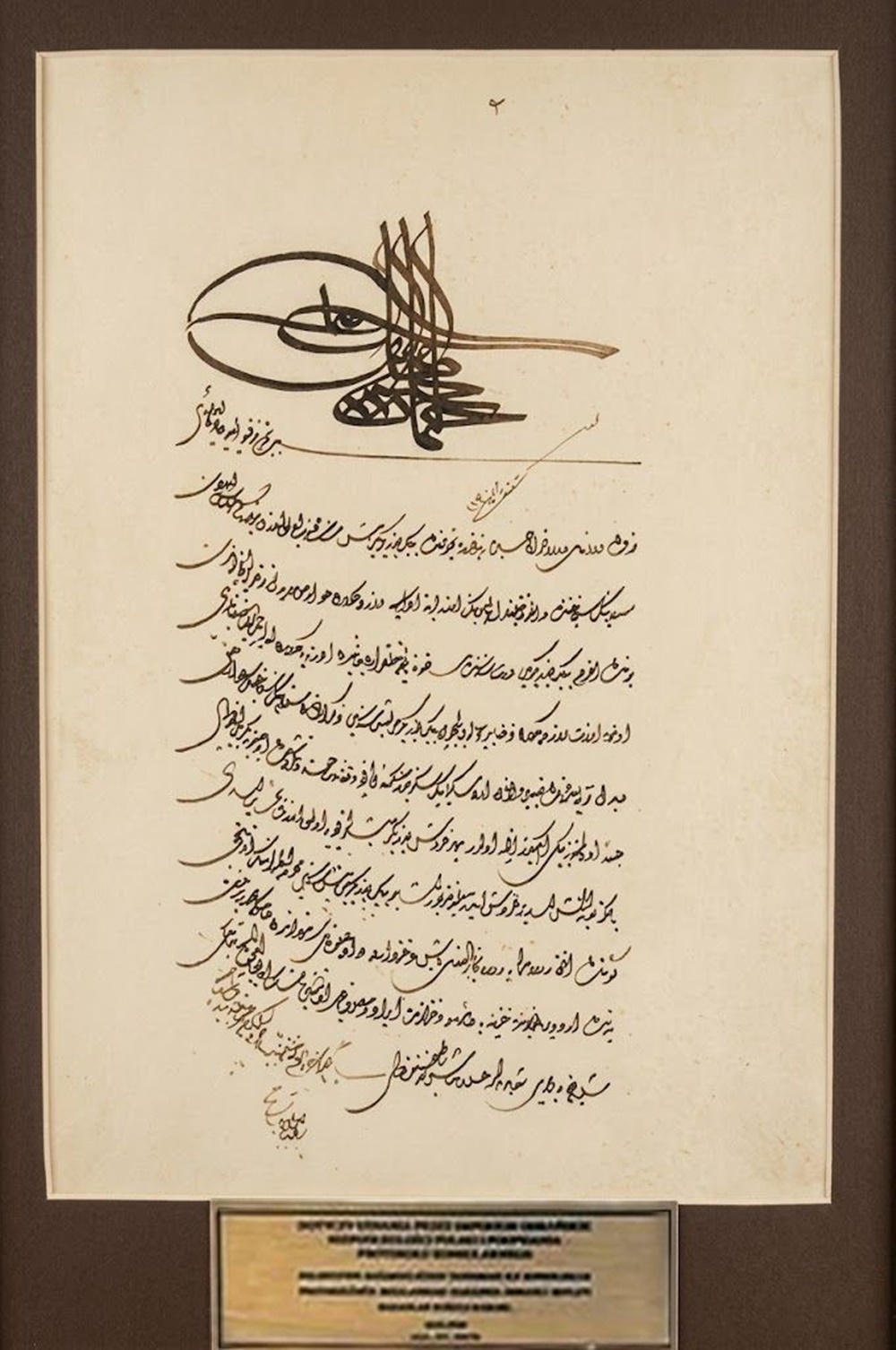
President of the Council of Higher Education Özvar presented Poland’s Minister of Science and Higher Education Marcin Kulasek with copies of the “Ottoman Council of Ministers Decision dated 19 January 1920 on the Recognition of Poland’s Independence and the Signing of the Consular Protocol” and the “Imperial Decree concerning the allocation of tax revenues collected from the people of the Thessaloniki region and its districts to cover the expenses and provisions of the Polish Ambassador in Edirne.”
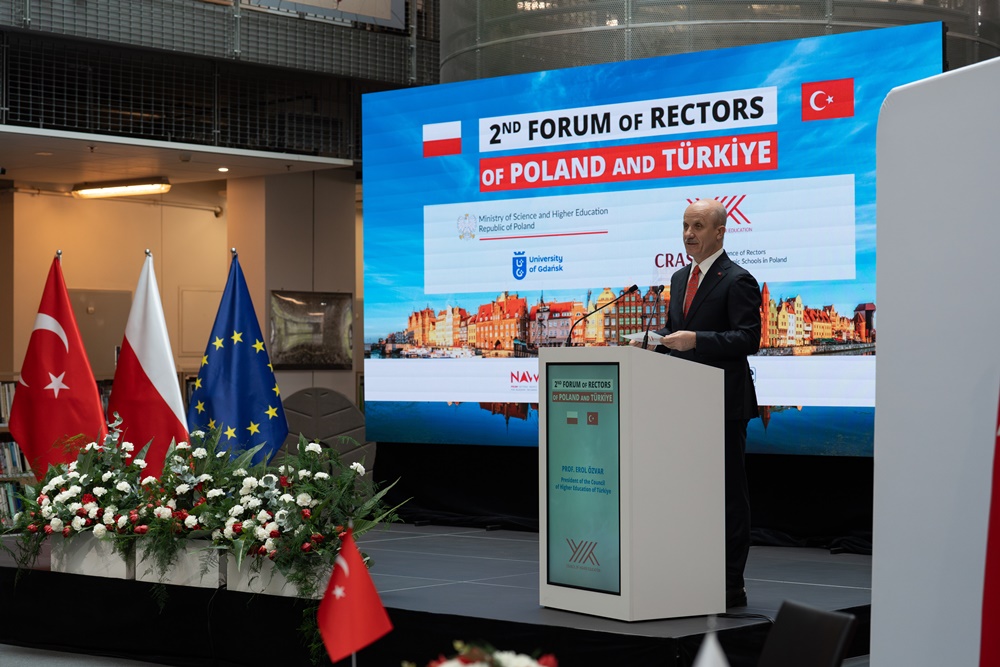
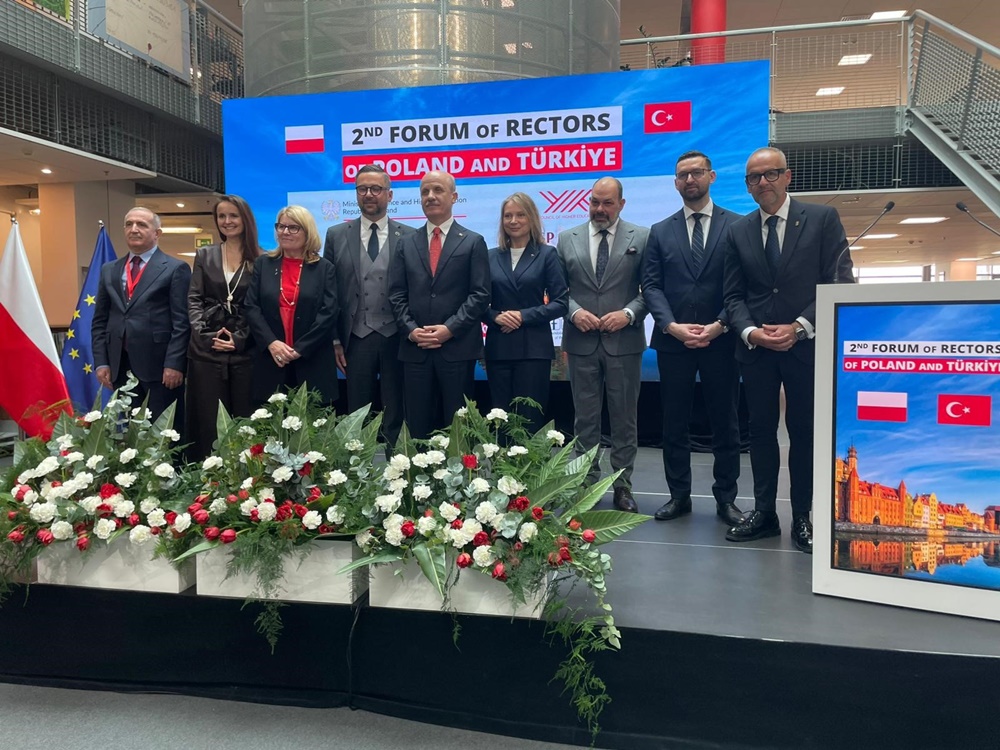
In addition to the rectors of Ankara University, Atatürk University, Burdur Mehmet Akif Ersoy University, Bursa Technical University, Çukurova University, Dokuz Eylül University, Eskişehir Technical University, Gazi University, Gebze Technical University, Hacettepe University, Istanbul Cerrahpaşa University, Istanbul Technical University, Istanbul University, Izmir Institute of Technology, Kafkas University, Karadeniz Technical University, Konya Technical University, Sivas University of Science and Technology, and Trakya University, representatives from the Turkish National Agency, the Higher Education Quality Council (THEQC), and the Interuniversity Board also participated in the 2nd Türkiye-Poland Rectors Forum.
Images
Images