


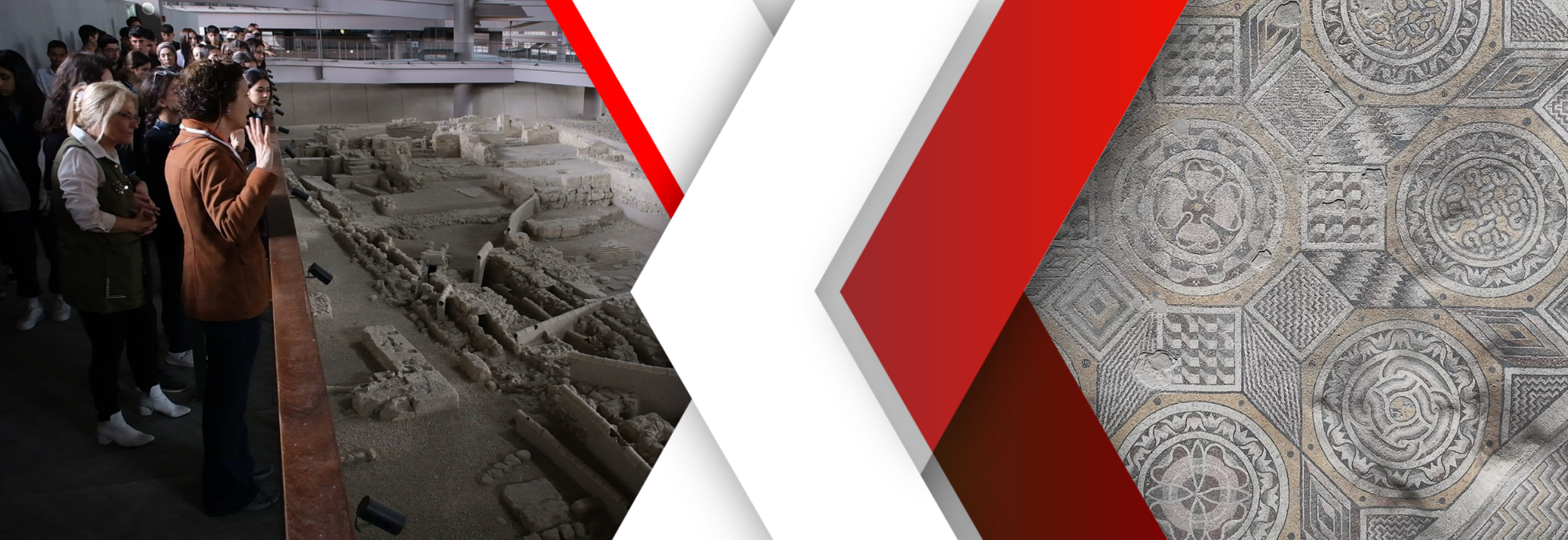
“Science Café” at Museum Shedding Light on Earthquake Archaeology
– The “Science Café” event, focusing on efforts to preserve cultural heritage in Hatay, was held at the Necmi Asfuroğlu Archaeology Museum, which carries the thousands-year-old memory of Antakya.
May 21, 2026
Science Communication Of
fices established at universities under the leadership of the Council of Higher Education continue to bring knowledge to the wider public.
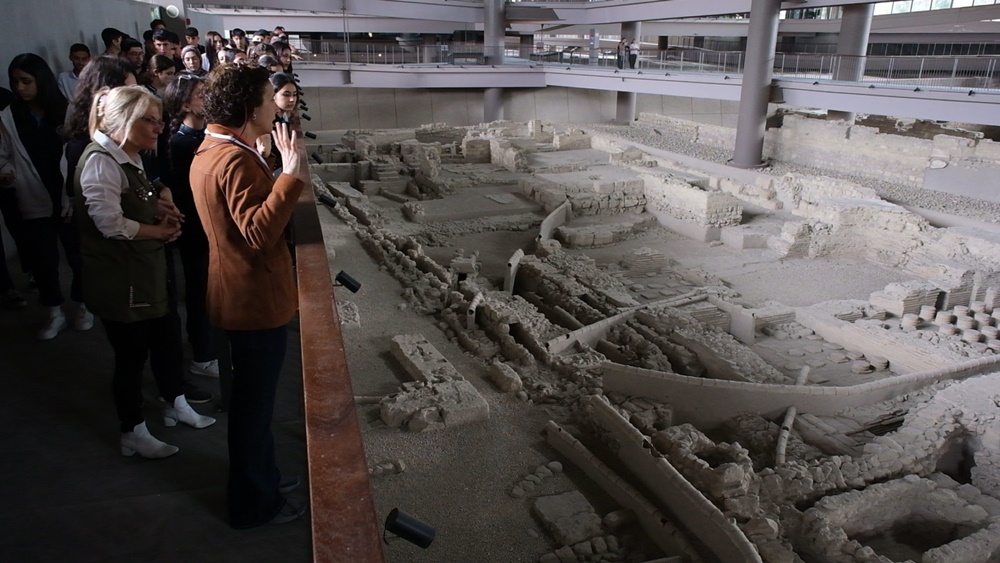
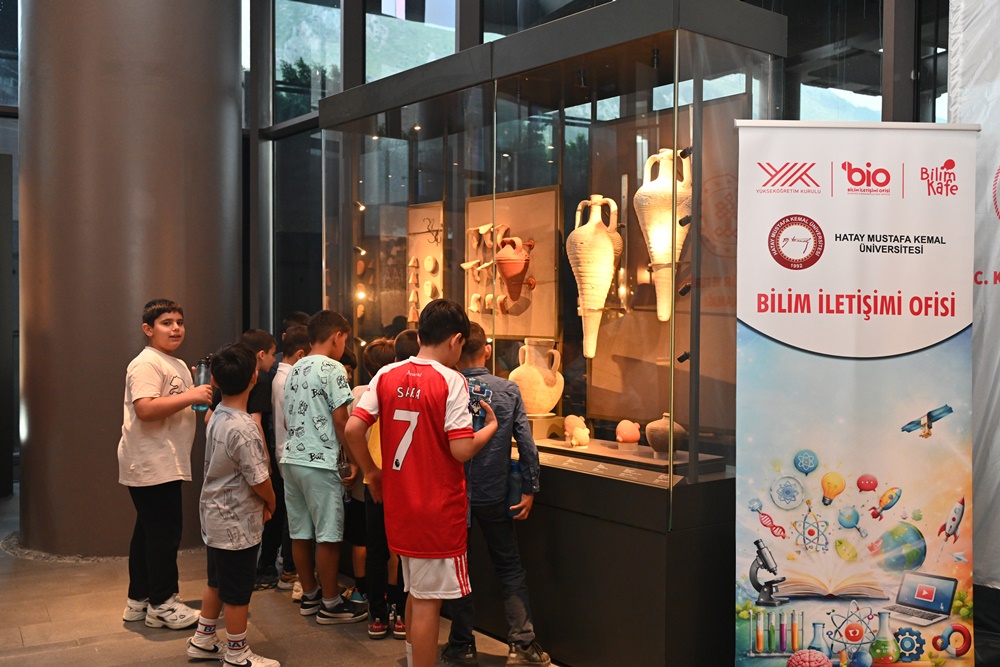
On the occasion of Museum Week, Hatay Mustafa Kemal University (HMKU) organized a “Science Café” themed around cultural heritage and archaeology. The event, held in cooperation with the Hatay Provincial Directorate of Culture and Tourism, took place at the Necmi Asfuroğlu Archaeology Museum, one of the city’s most significant examples of cultural heritage.
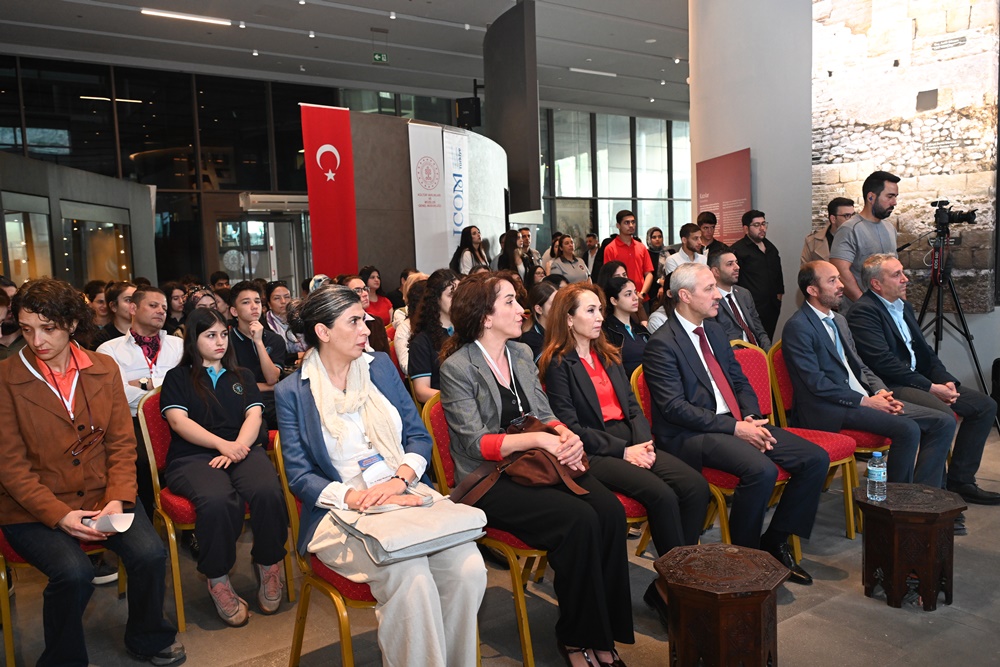
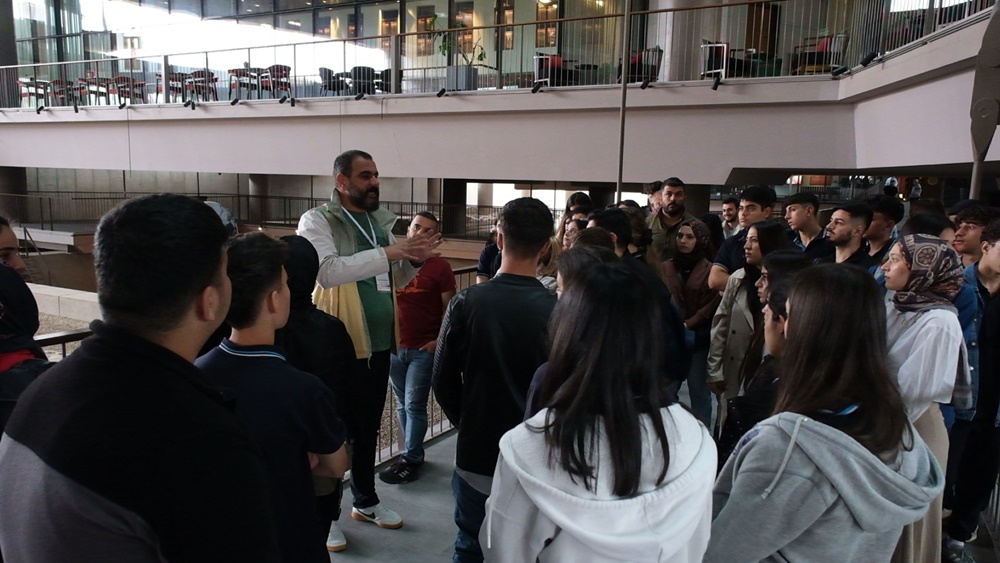
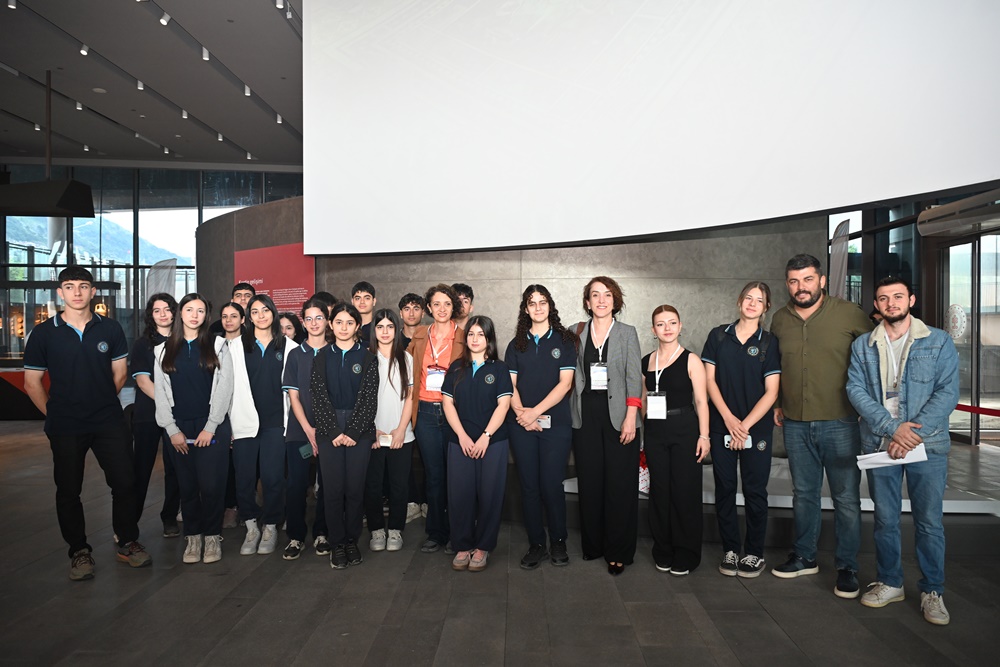
The Science Café event attracted strong interest, bringing together high school and university students, as well as citizens of all ages.
Academics speaking at the event emphasized that Antakya is not only one of Türkiye’s most important centers of culture and civilization, but also one of the most significant in the Eastern Mediterranean region.
They noted that the city, founded during the Hellenistic period under the name Antiocheia, developed a multilayered urban identity throughout the Roman, Byzantine, Islamic, and Ottoman eras, where diverse cultures coexisted.
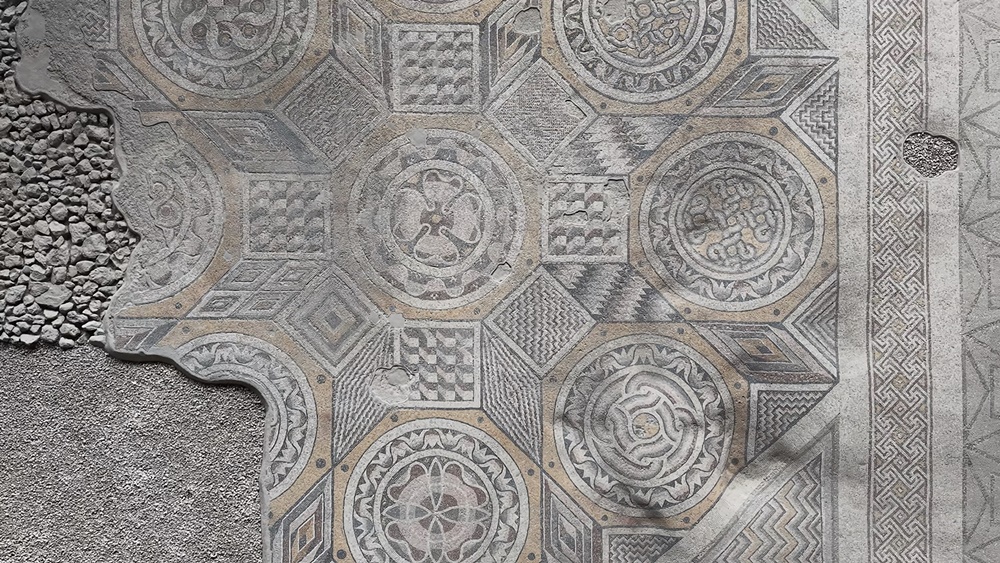
The mosaics, baths, forum, streets, and archaeological remains uncovered at the site now used as the Necmi Asfuroğlu Archaeology Museum reflect Antakya’s 2,300-year historical memory.
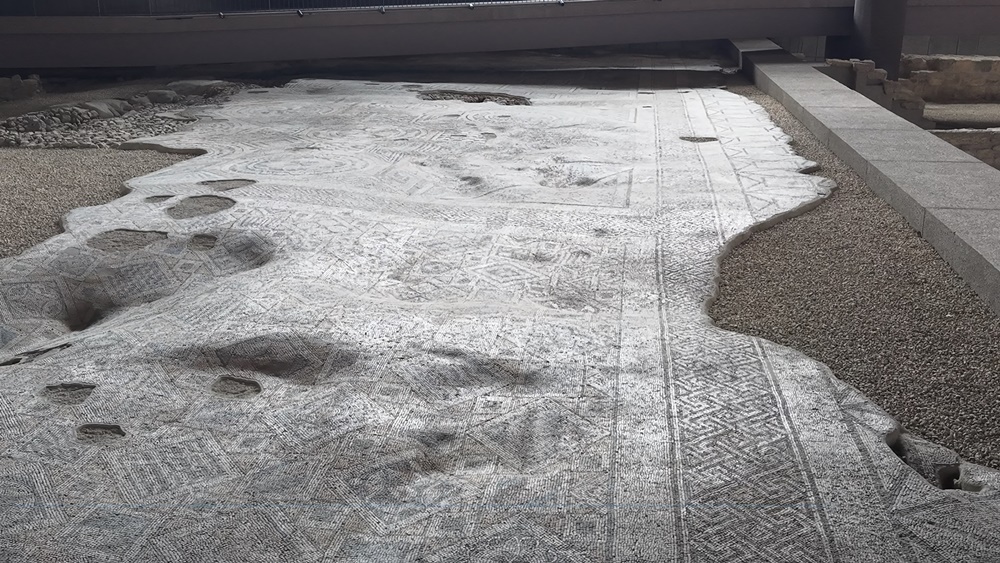
The “form mosaic,” regarded as one of the world’s largest single-piece mosaic conservation areas, serves as an exemplary model for preserving and sustaining cultural heritage.
The rescue excavations and conservation efforts carried out in Hatay following the earthquakes of 6 February once again demonstrated that cultural heritage is a shared value of humanity that must be preserved and passed on to future generations.
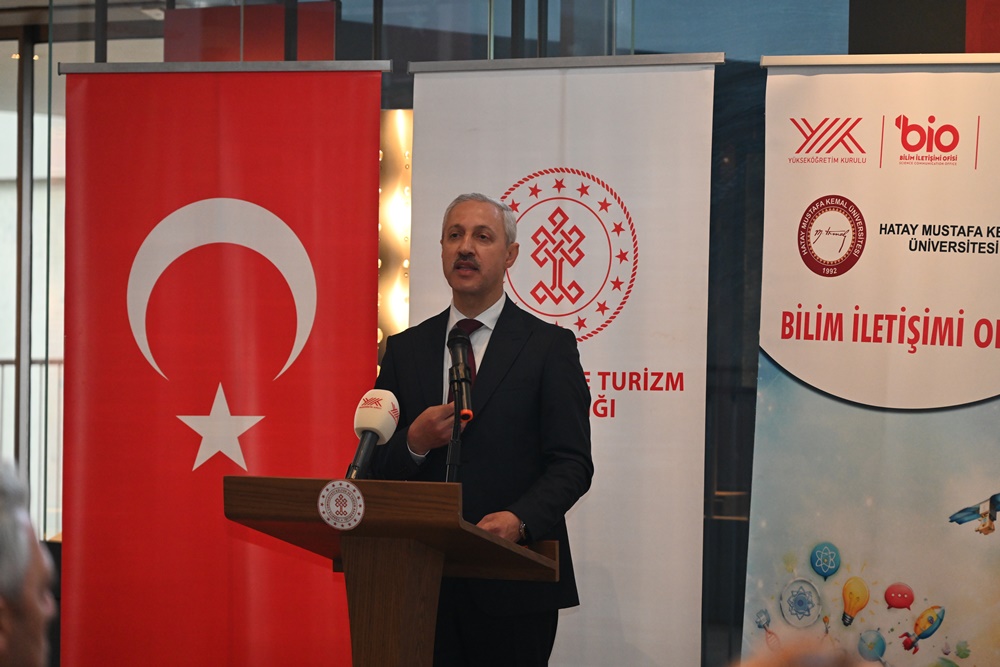
HMKU Rector Prof. Veysel Eren stated in his speech that, together with academics and students from the Department of Archaeology, they have been conducting excavations in various parts of the city.
Prof. Eren said, “Through these excavations, we are striving to uncover and pass on to future generations the values of Antakya, a city with an exceptionally rich cultural and historical heritage.”
“We Aim to Contribute to Students’ Career Choices”
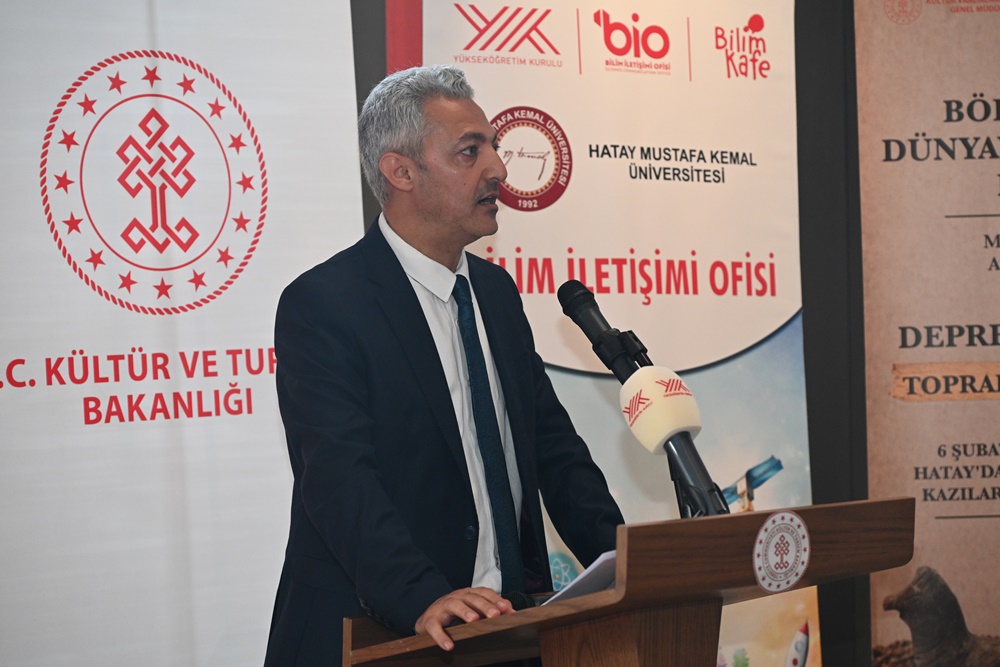
Prof. Çilem Uygun, Head of the Department of Archaeology at HMKU, stated that their goal is to bring students together around archaeology and cultural heritage, saying: “Antakya, known as the ‘Queen of the East,’ possesses an exceptionally rich and valuable cultural heritage extending from the Paleolithic period to the Ottoman era.”
Uygun noted that the Necmi Asfuroğlu Archaeology Museum is an important institution clearly demonstrating Antakya’s long settlement history and added, “We wanted to contribute, even if only in a small way, to students’ career choices.”
“One of a Kind in the World: A 1,050-Square-Meter Form Mosaic”
Uygun stated that approximately 9,000 square meters of the museum’s 17-acre archaeological site are covered with mosaics and noted that the 1,050-square-meter form mosaic is unique in the world.
She explained that traces of sixth-century earthquakes and flood overflows caused by the Hacı Kürüş Stream can be observed in the mosaic, providing scientific data for earthquake archaeology. Uygun also noted that the second-century Pegasus mosaic and depictions of Hesiod reflect the aristocratic structure of the period and Antakya’s cultural richness.
“The Public’s Strong Interest Is Extremely Valuable”
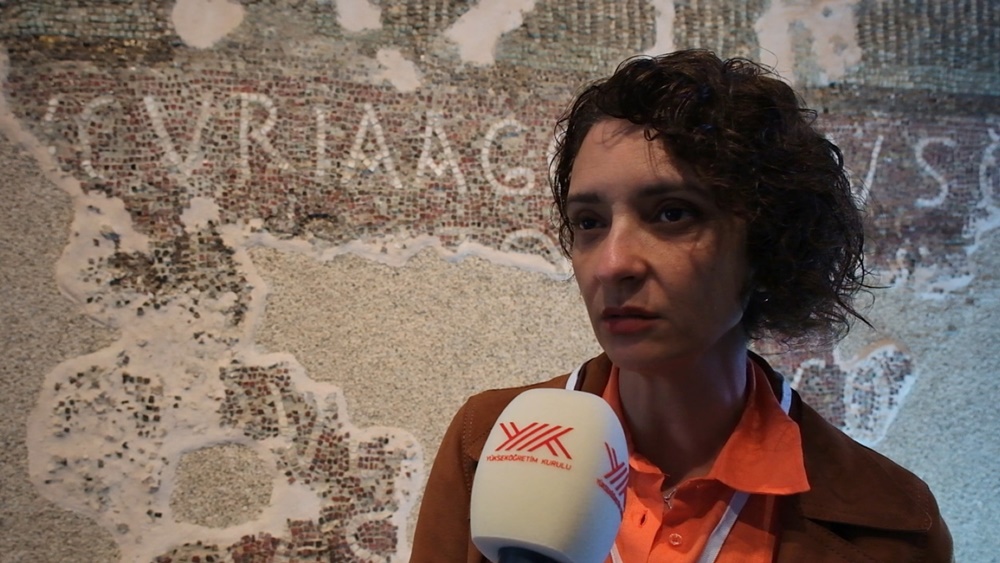
Dr. Canan Karataş Yüksel, a faculty member in HMKU’s Department of Archaeology, stated that they had prepared posters as part of the Science Café event: “As academics conducting excavations and surface surveys, we included information about our research in the posters. We prepared highly informative texts for both primary school students and the people of Hatay.”
Yüksel added that the event attracted strong participation, saying: “We received wonderful questions from people of all age groups. Seeing the public’s interest was extremely valuable for us.”
Assoc. Prof. Nilgün Masatçıoğlu, also a faculty member in the Department of Archaeology at HMKU, stated that participants had the opportunity to learn about their own past and the history of their city: “It was very enjoyable. The strong interest shown by children makes us very happy. It makes our work even more meaningful.”
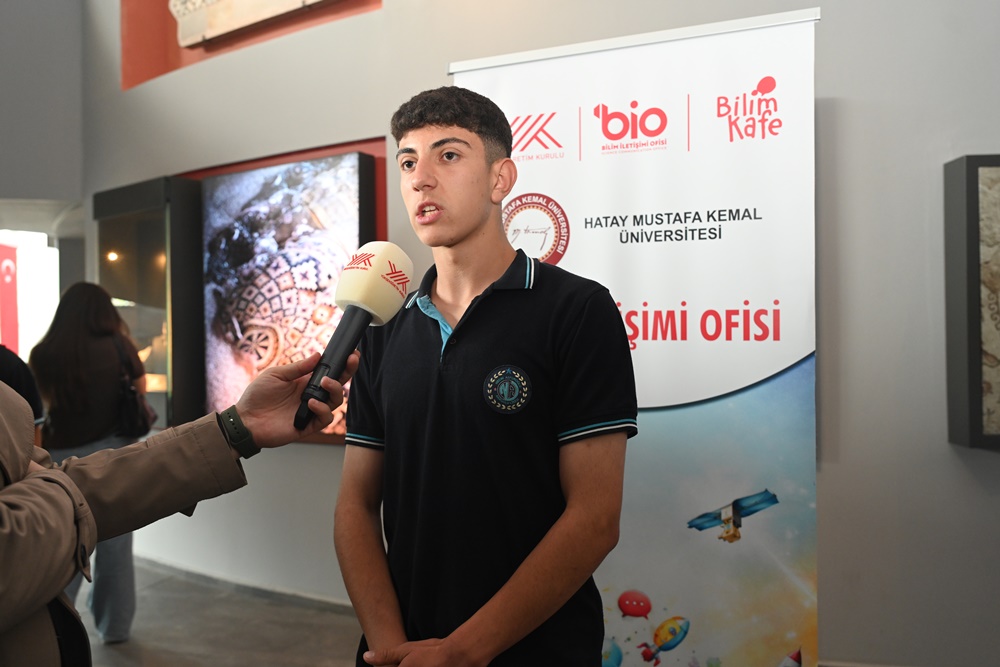
Students attending the event said they had gained valuable knowledge about Antakya’s history and cultural heritage. Participants also emphasized that Science Café events are important in bringing academic knowledge to the public.
Images
Images