


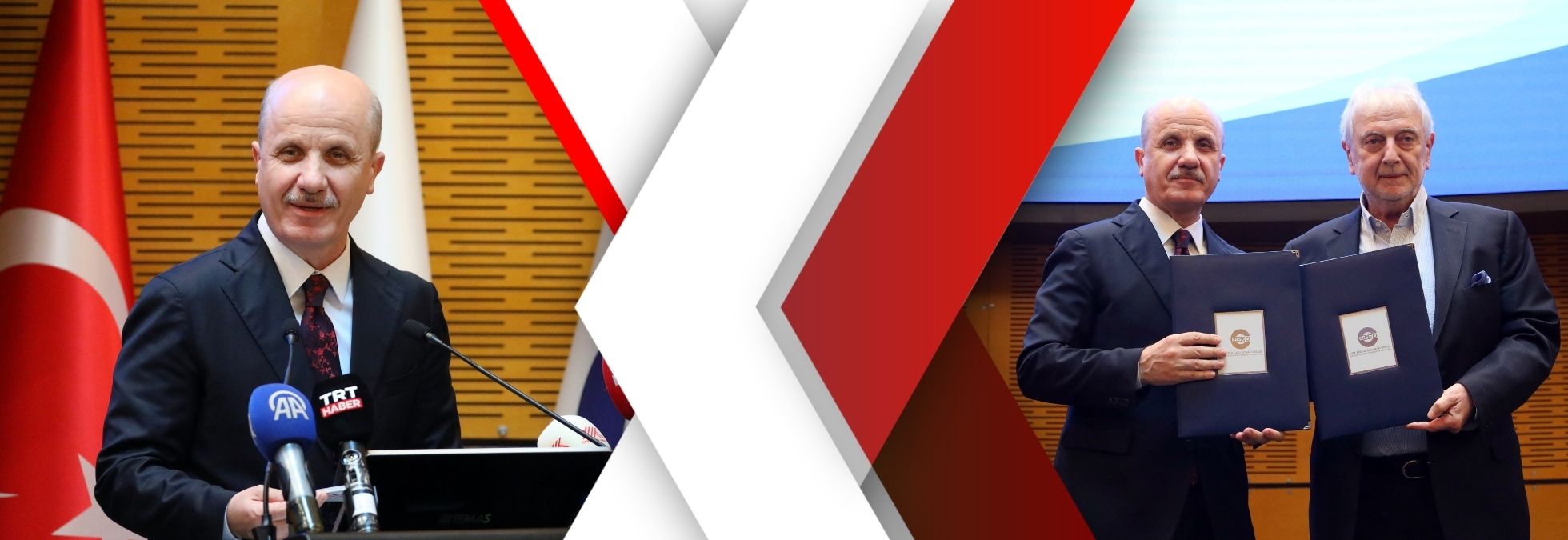
President of the Council of Higher Education Özvar Visits Izmir
- “University–Industry Cooperation Protocol” signed between the Council of Higher Education and the Aegean Region Chamber of Industry
- Erol Özvar: “This protocol is a concrete manifestation of our determination to build a strong and lasting ecosystem between higher education and industry”
- “We will establish more OIZ vocational schools across the country”
- “Following our analysis of 41 sectors in Izmir, 12,627 students enrolled in 93 matched programs will benefit from workplace-based vocational training”
- He met with university rectors in the Aegean region
April 10, 2026
Erol Özvar, President of the Council of Higher Education, visited Izmir on April 9–10 as part of a series of official engagements.
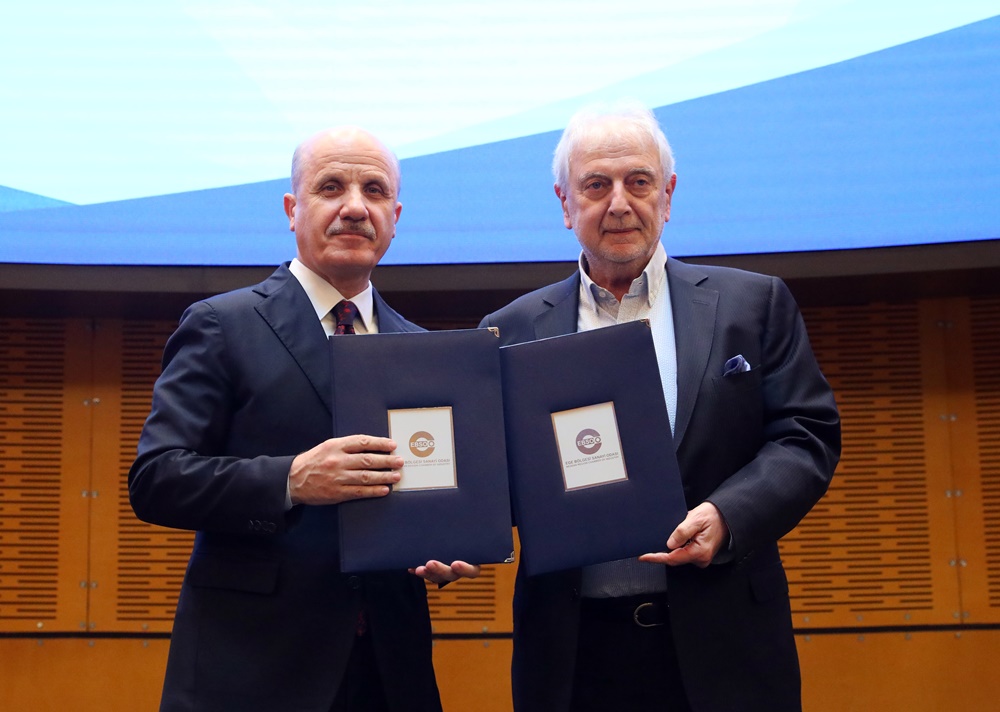
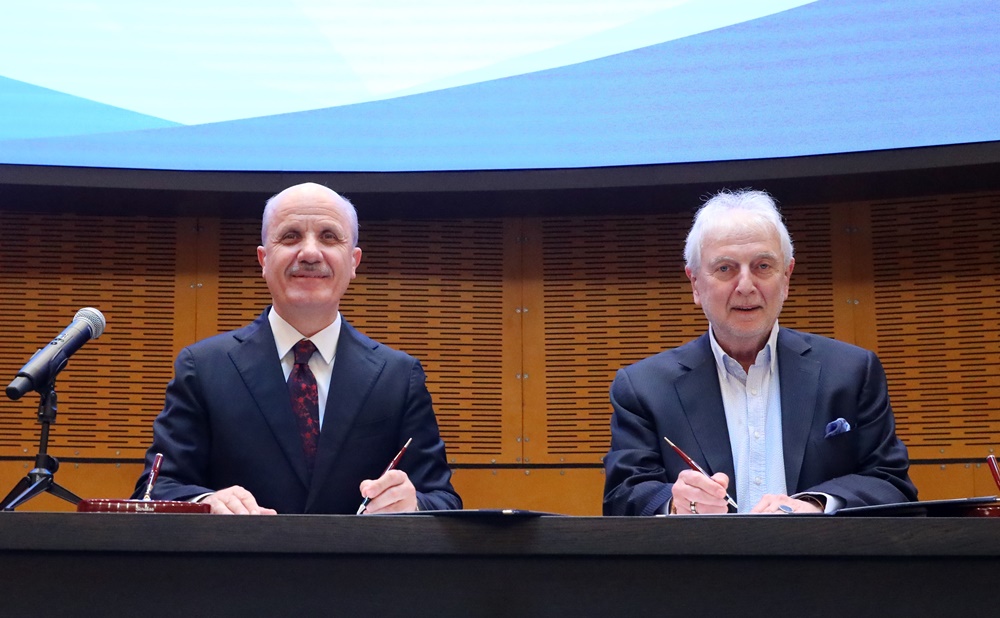
On the first day of his visit, Özvar attended the signing ceremony of the “University–Industry Cooperation Protocol” between the Council of Higher Education and the Aegean Region Chamber of Industry (EBSO).
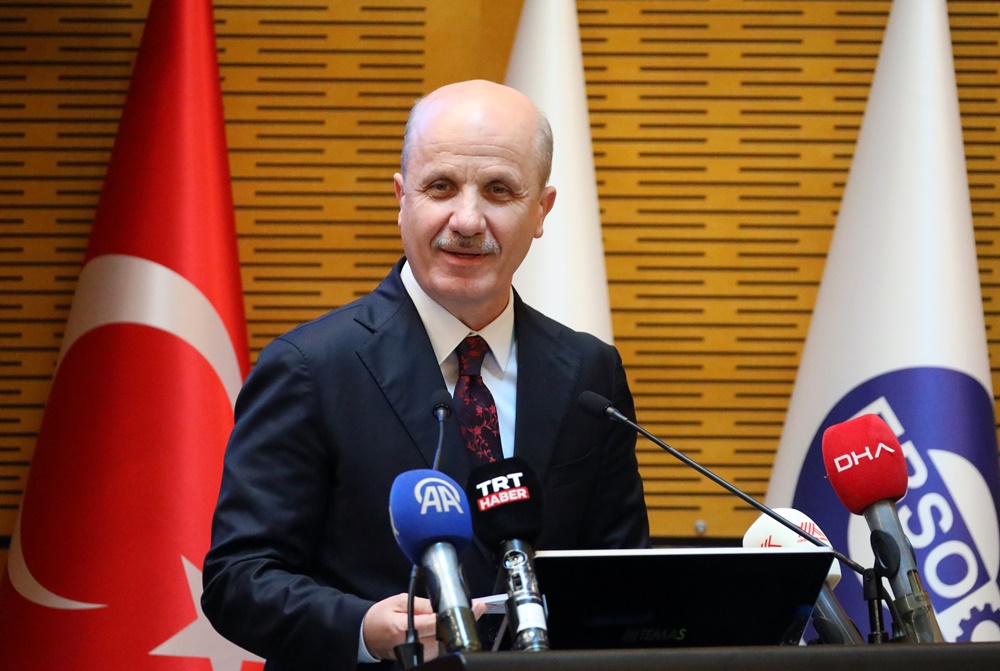
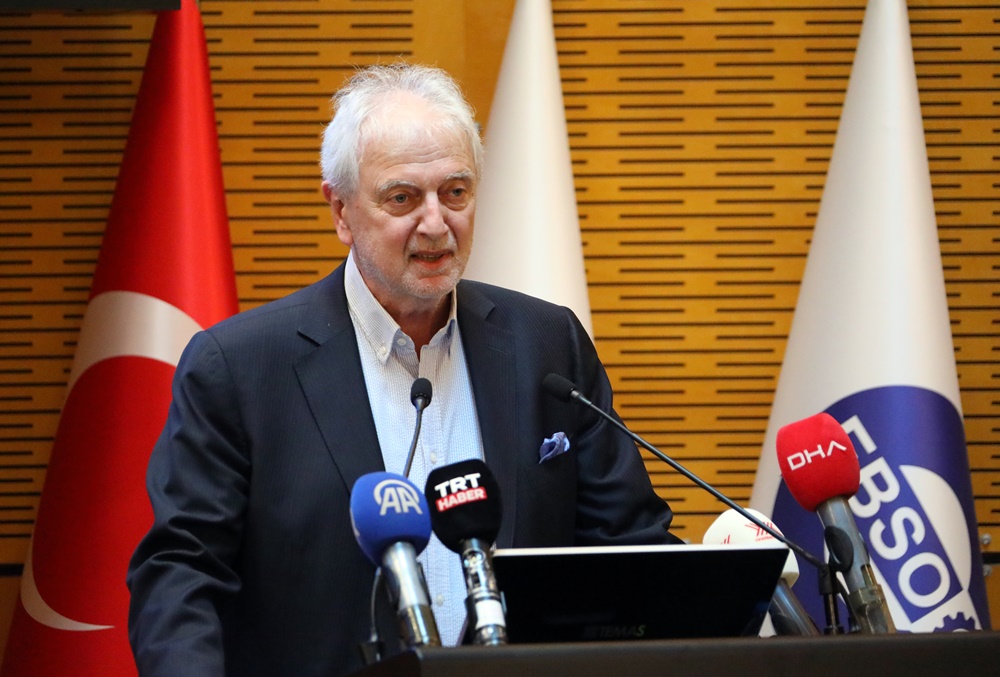
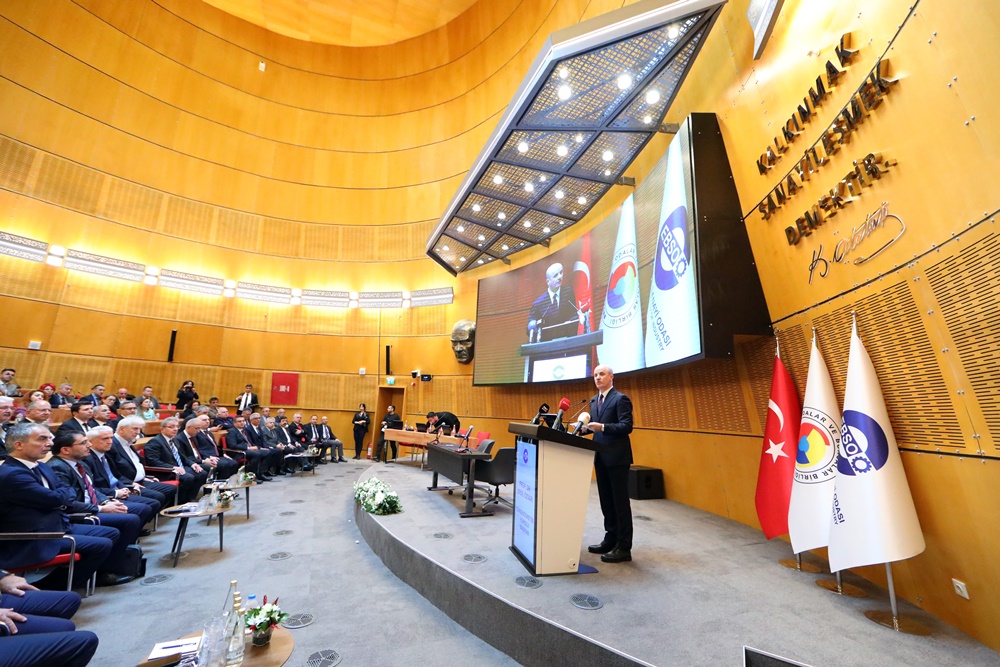
Speaking at the ceremony held at EBSO, Özvar stated that the protocol reflects a shared vision for Türkiye’s future between the higher education system and industry.
He emphasized that in today’s world, higher education has become a strategic field that determines countries’ development capacity, shapes human capital, transforms production structures, and defines international competitiveness: “For this reason, higher education policies must be designed not only to meet today’s needs but also with a long-term perspective that anticipates future economic and technological changes as well as workforce demands. In recent years, we have been restructuring our higher education system with this understanding.”
Highlighting that they are implementing a paradigm shift and a strategic transformation in higher education, Özvar said:
“This paradigm shift represents a comprehensive transformation that redefines higher education along the axes of quality, alignment with employment, and societal contribution. What matters most to us is how competent our graduates are in their fields, how quickly and effectively they integrate into the labor market, how well their knowledge and skills align with sector expectations, how much they contribute to production, and how they add value to our country’s development goals.”
- “We See University–Industry Cooperation as a Structural Necessity”
Özvar stated that one of the most critical aspects of this strategic transformation is restructuring the relationship between higher education and industry.
“At this stage, we must regard university–industry cooperation not as a choice but as a structural necessity,” he said, adding: “Our key challenge is to establish a strong, dynamic, and sustainable alignment between the human resources produced by our higher education system and the skills required by industry. Many of the policies we have implemented in recent years have been shaped precisely in line with this objective.”
He noted that the opening of new programs in strategic fields such as artificial intelligence, digital technologies, advanced manufacturing systems, green transformation, energy, agricultural technologies, and healthcare is one of the clearest indicators of this transformation.
- “Employment Rate of OIZ Vocational School Graduates Exceeds 90%”
Özvar noted that they seek to transform higher education into a forward-looking system that anticipates change and takes the lead in shaping it:
“One of the most concrete reflections of this transformation is the Organized Industrial Zone Vocational Schools (OIZ-VS) model. In this model, students learn not only in classrooms but directly İN production environments. Theoretical knowledge is simultaneously put into practice on production lines, in workshops, or in the field. This fundamentally changes the nature of learning and significantly shortens students’ transition into working life after graduation. Currently, 22 OIZ vocational schools operate at 21 universities, with 119 programs across 37 fields supported by the Council. The fact that employment rates exceed 90% clearly demonstrates the success of this model.”
He added that the Council is working closely with the Ministry of Industry and Technology, relevant public institutions, and the Organized Industrial Zones Supreme Organization (OSBUK) to expand this model nationwide: “We will establish more OIZ vocational schools across Türkiye.”
“Launching Pilot Programs in Seven Provinces”
Özvar also emphasized that another key component of this transformation is the workplace-based applied education model:
“In this model, businesses are not merely training sites but active stakeholders in education. Sector representatives contribute to everything from curriculum design to implementation, ensuring strong integration between education and production. One of the most important gains is that students establish meaningful connections with real work environments before graduation.” He announced that pilot implementations will begin in seven provinces: Konya, Gaziantep, İstanbul, Bursa, Kocaeli, İzmir, and Ankara.
Özvar also noted the importance of the cooperation protocol signed with the Union of Chambers and Commodity Exchanges of Türkiye (TOBB), stating that 381 vocational schools at 104 universities have already been matched with 283 chambers and commodity exchanges. “Our goal is to develop employment-oriented programs and expand training and internship opportunities aligned with sector needs. In this framework, scholarships will be provided to a certain number of students at each matched vocational school.”
He added that a similar cooperation protocol was signed with the Istanbul Chamber of Industry.
Özvar emphasized that the protocol signed with EBSO will bring new momentum to this transformation process and highlighted EBSO’s longstanding experience in university–industry collaboration.
- “Concrete Steps in R&D and Innovation”
He underlined that the protocol will make cooperation between universities and industry more systematic and sustainable: “Concrete steps will be taken in areas such as expanding workplace-based vocational training, updating curricula with sector input, jointly designing new programs, and conducting R&D and innovation activities together. In this respect, the protocol represents a concrete commitment to building a strong and lasting ecosystem between higher education and industry.”
- Data from İzmir
Özvar shared that the protocol will directly affect eight universities and one foundation vocational school in İzmir: “According to our analysis across 41 sectors, 12,627 students enrolled in 93 matched programs will benefit from workplace-based vocational training.”
- “We Aim to Contribute to Labor Market Balance”
Ender Yorgancılar, Chairman of EBSO, thanked Özvar for his support in addressing industry needs and advancing vocational education: “With this cooperation protocol, our aim is to establish a much stronger and more active industry–academia collaboration and contribute to balancing labor supply and demand.”
The protocol was signed by Özvar and Yorgancılar.
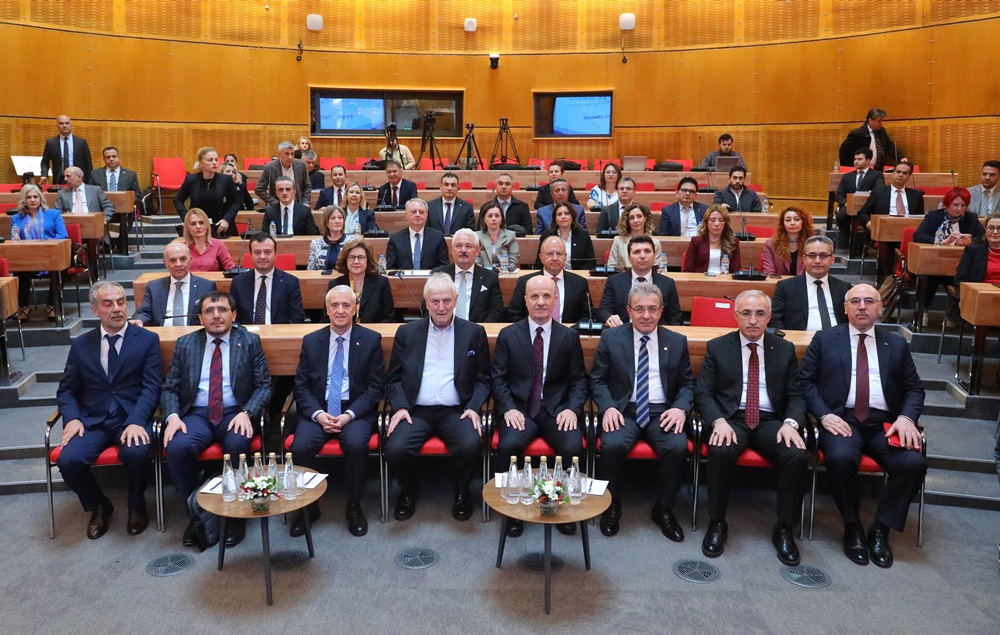
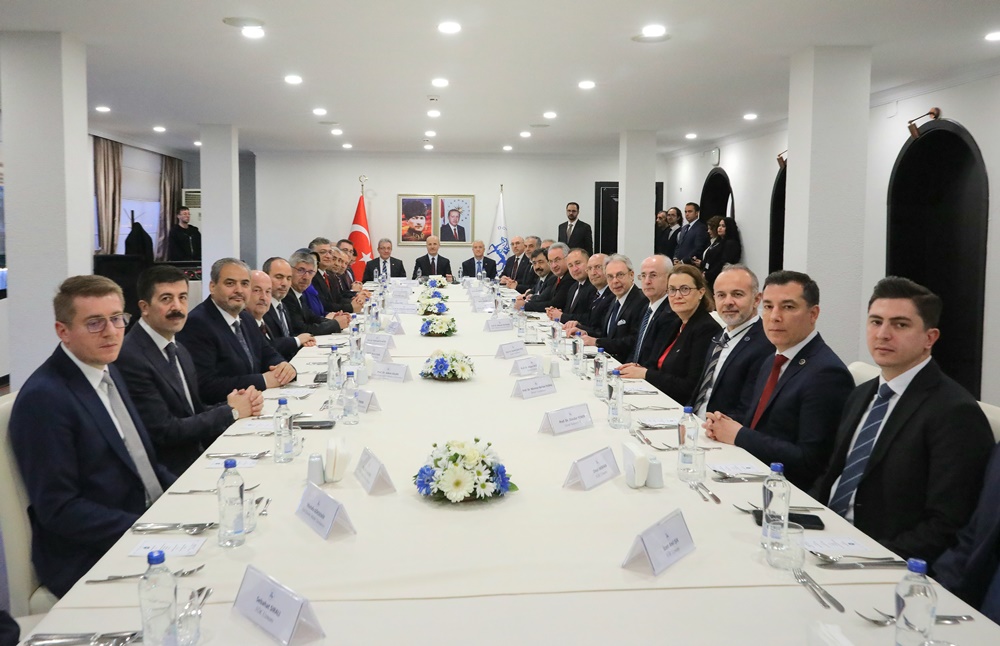
The ceremony was attended by Deputy President of the Council of Higher Education Prof. Naci Gündoğan, CoHE Executive Board Members Prof. Hüseyin Karaman, Prof. Erol Arcaklıoğlu, Prof. Mahmut Ak, as well as rectors from Izmir and the Aegean region.
- Meeting on Expanding Vocational Education
Özvar also attended a meeting titled “Expanding Vocational Education in Higher Education,” held at EBSO. Addressing rectors and academics working in OIZ vocational schools, he emphasized the importance of simplifying course content and later answered questions from participants.
- Meetings with University Rectors in Aegean Region
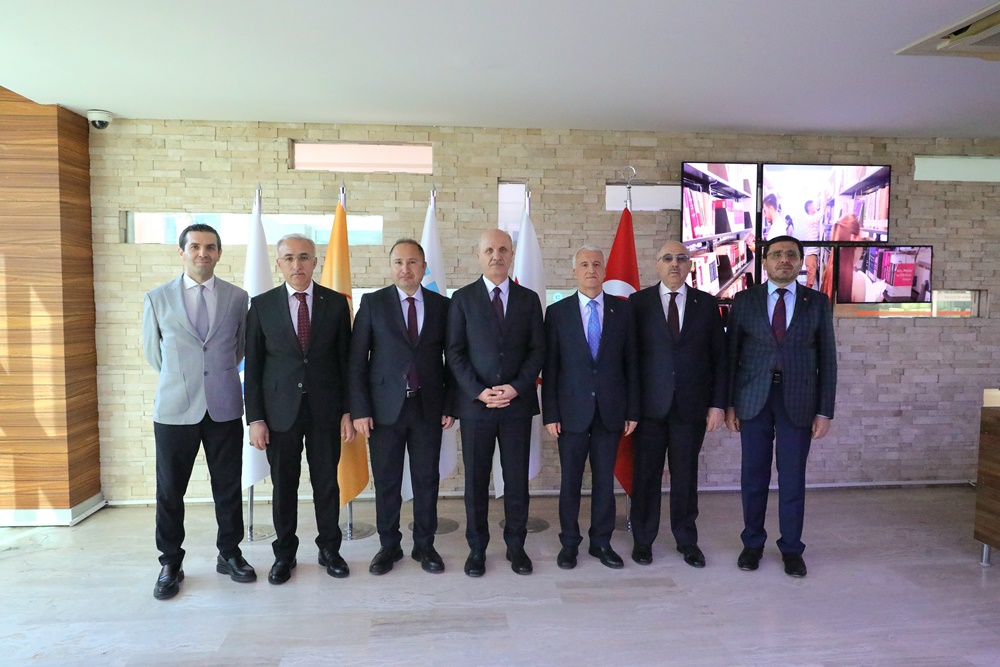
On the second day of his visit, Özvar first visited Izmir Katip Çelebi University, where he received information from Rector Prof. Saffet Köse.
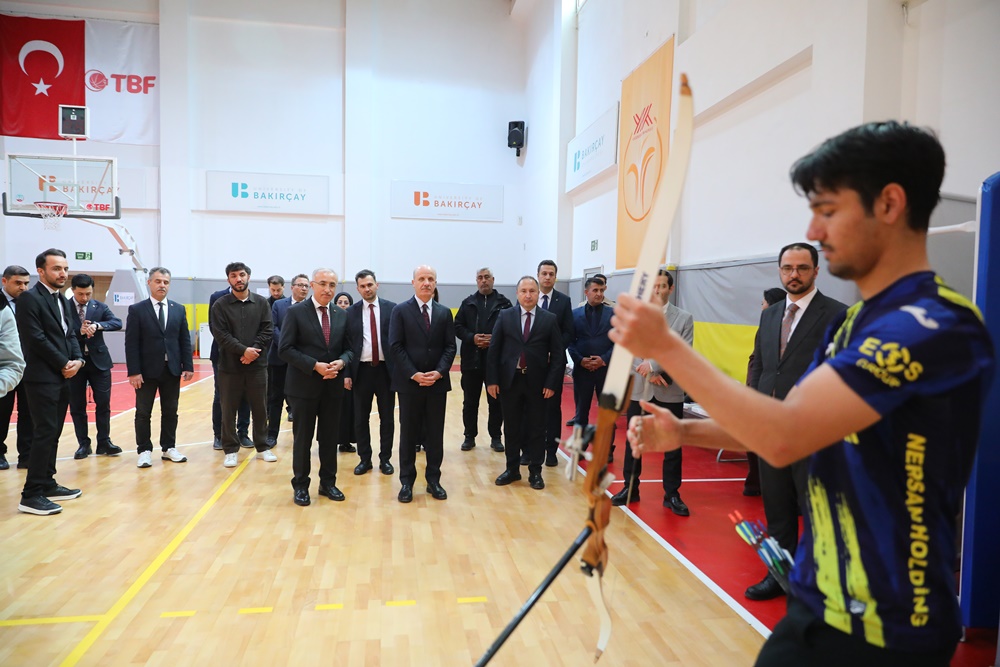
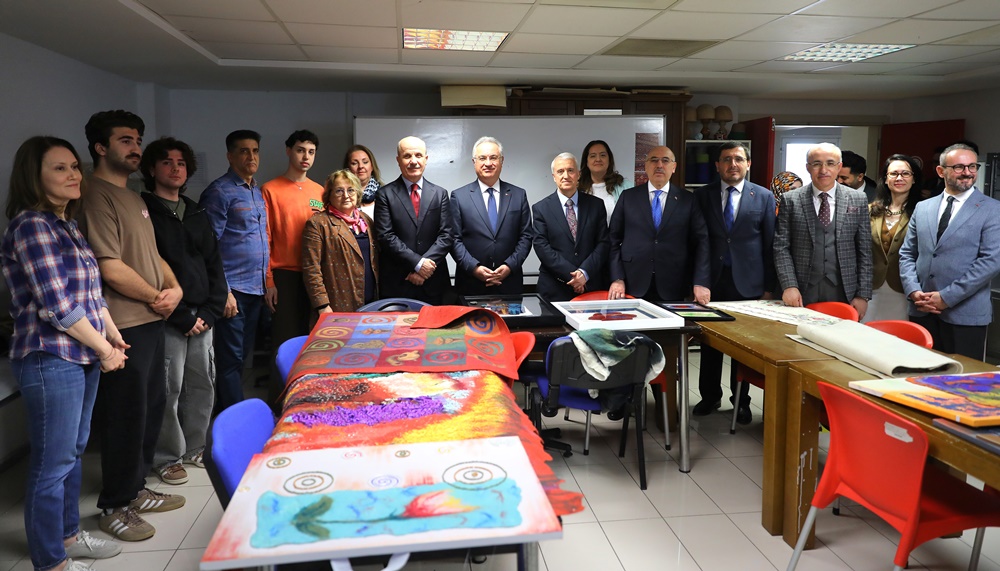
He then visited Izmir Bakırçay University, where he met with students attending folk dance and archery courses and inspected the courtroom at the Faculty of Law. He also received a briefing from Rector Prof. Rasim Akpınar.
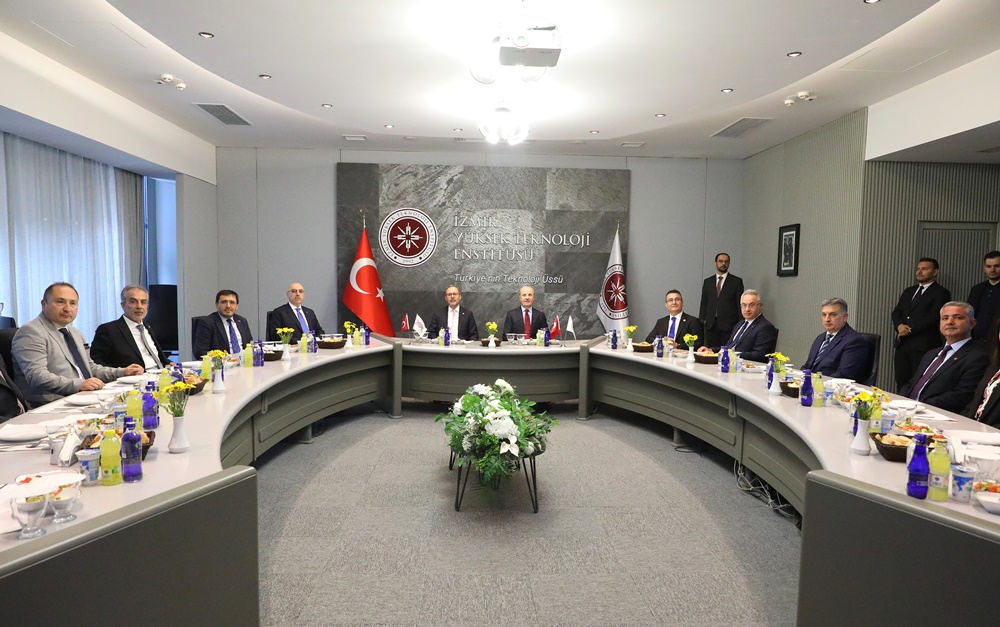
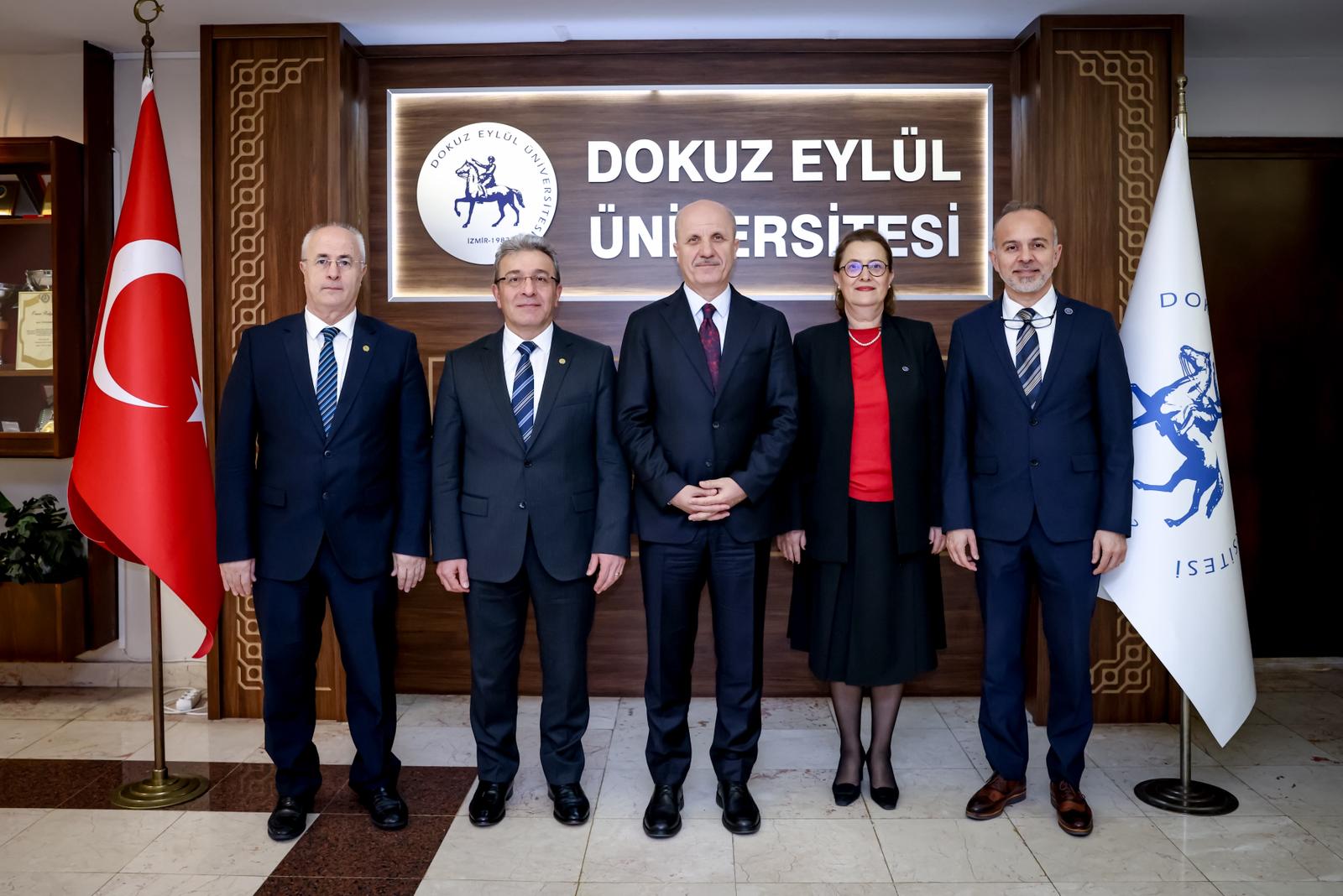
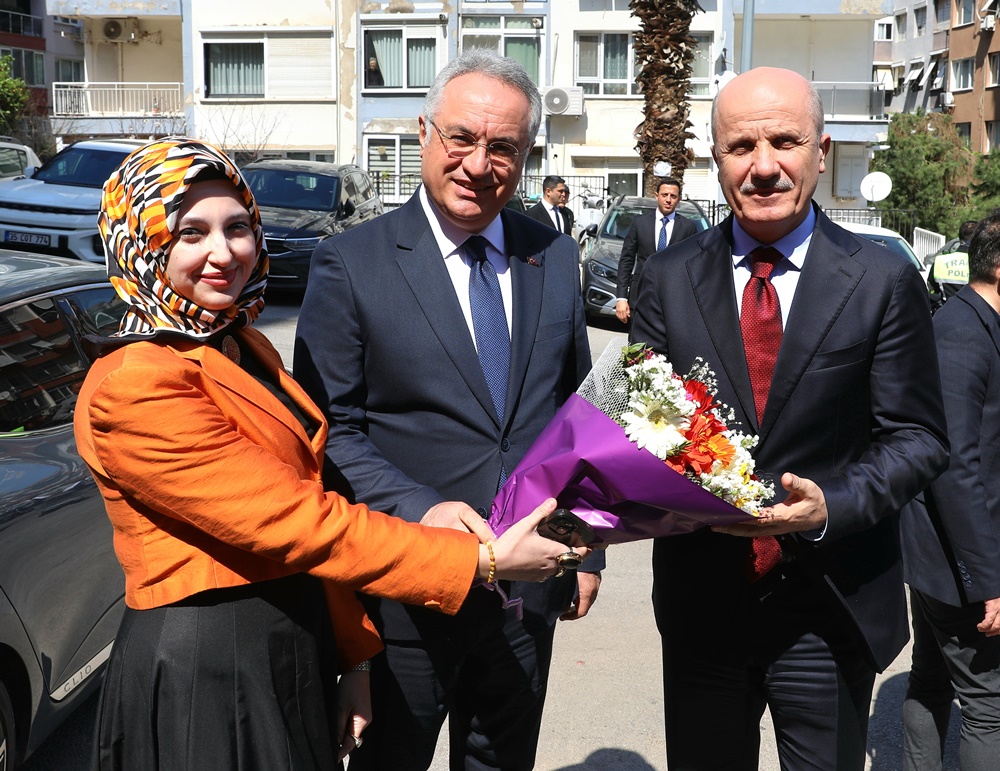
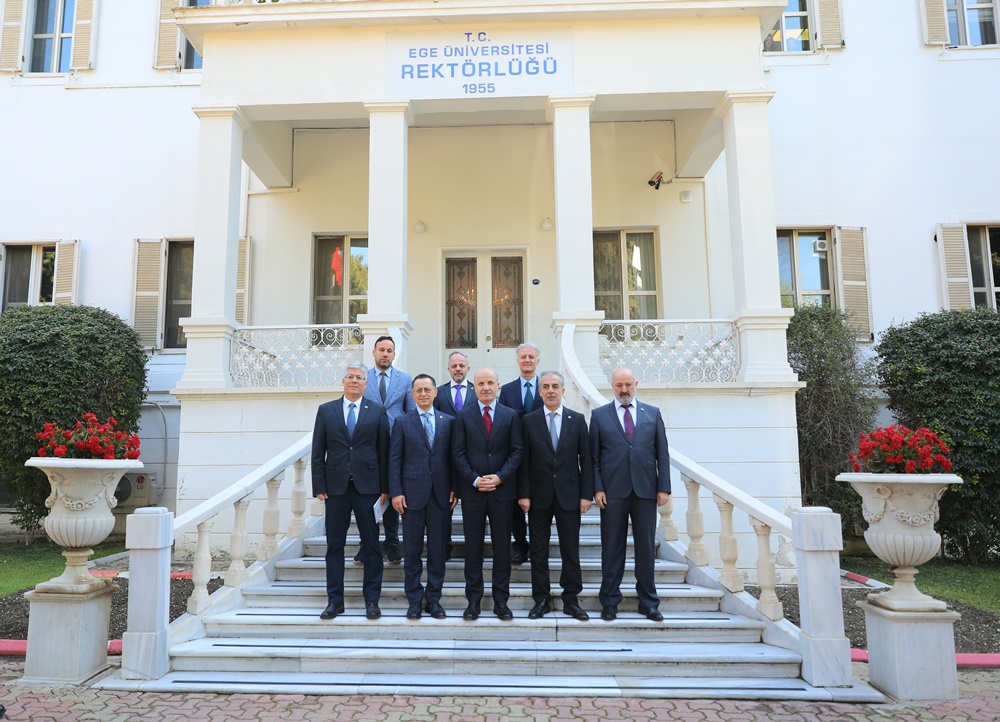
Özvar went on to visit the rectors of Dokuz Eylül University, Ege University, Izmir Democracy University, and Izmir Institute of Technology (IYTE).
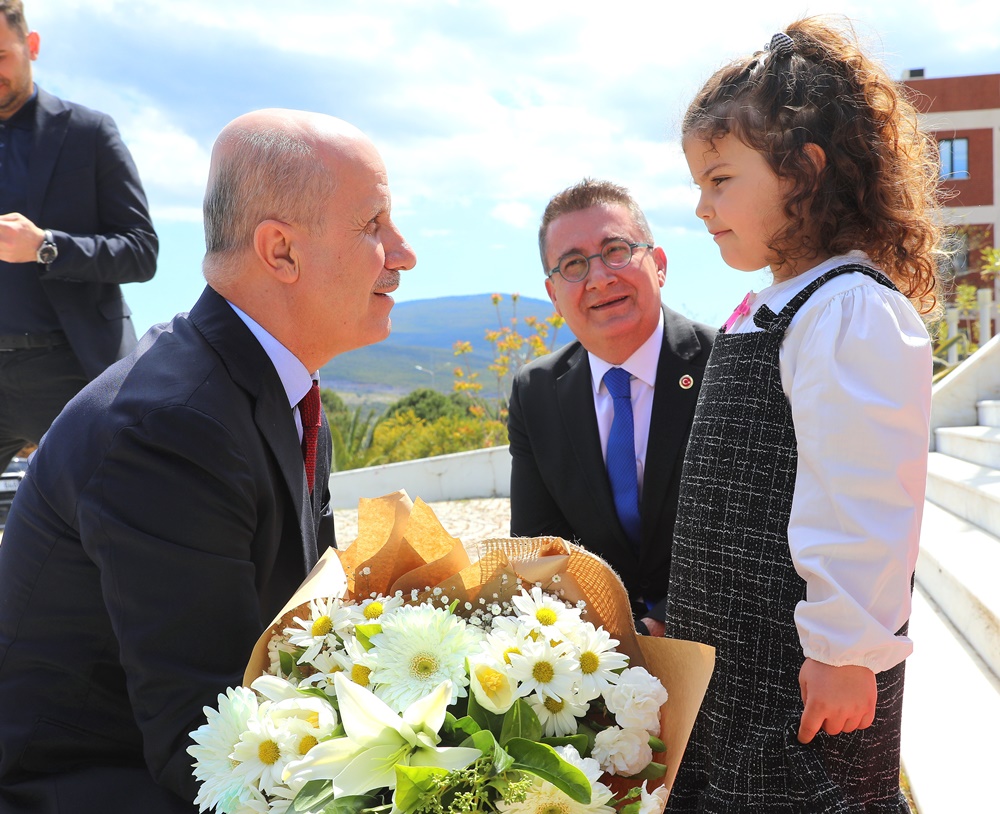
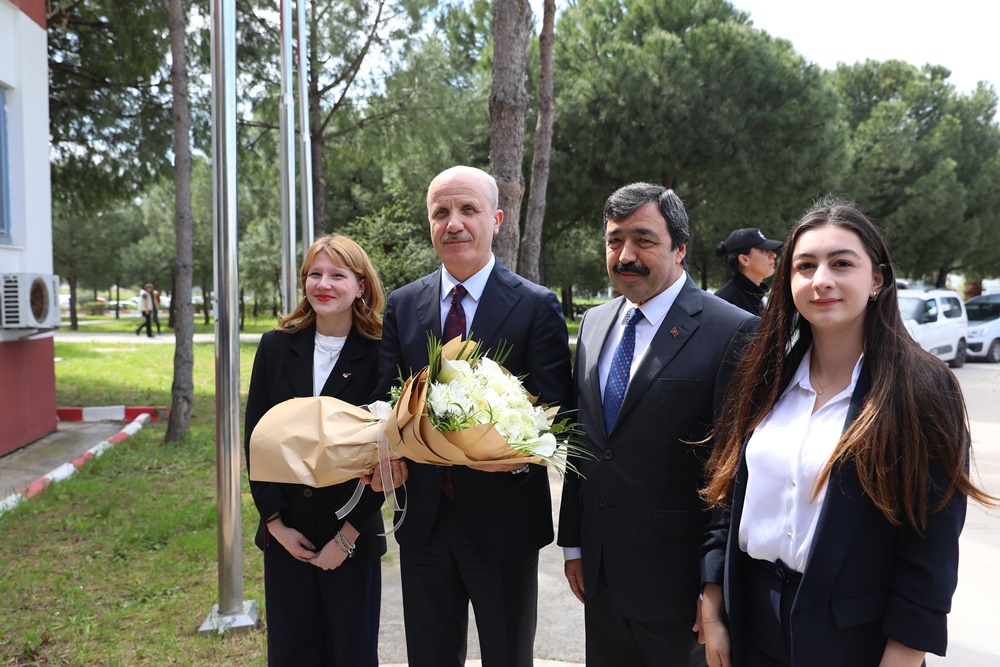
At IYTE, he was welcomed by a 4-year-old kindergarten student, Dua Marla Aksekili, who presented him with flowers.
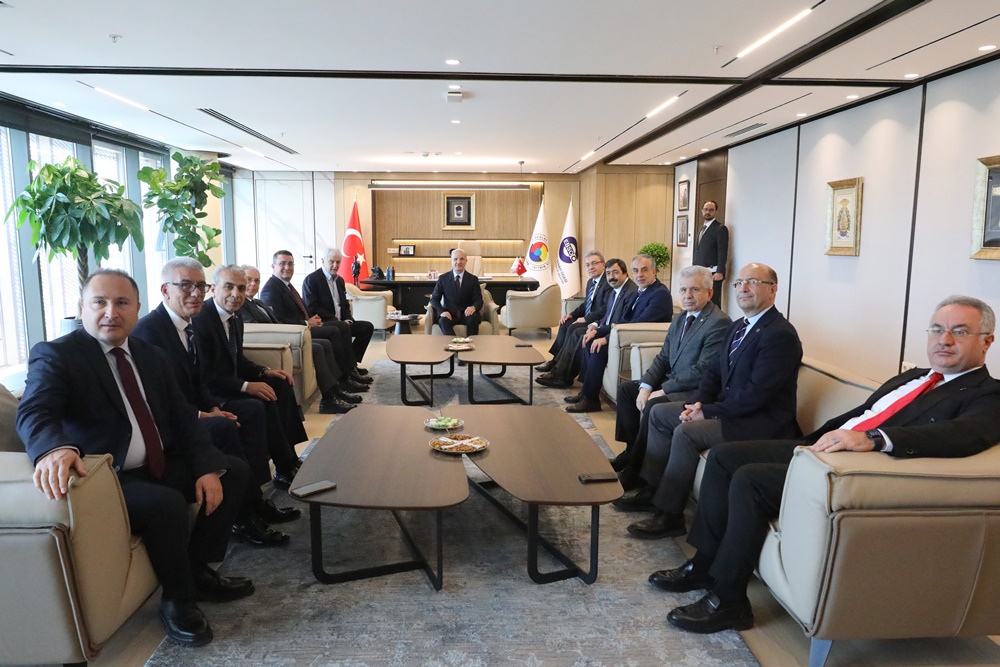
Özvar also met with rectors from universities across the Aegean region, exchanging views and receiving updates on ongoing work.
He was accompanied throughout his visits by the Council officials and regional university rectors.
Images
Images