


A New Era Begins in Applied Education
February 12, 2026
A new long-term, sector-oriented model aimed at restructuring applied education in higher education has been launched.
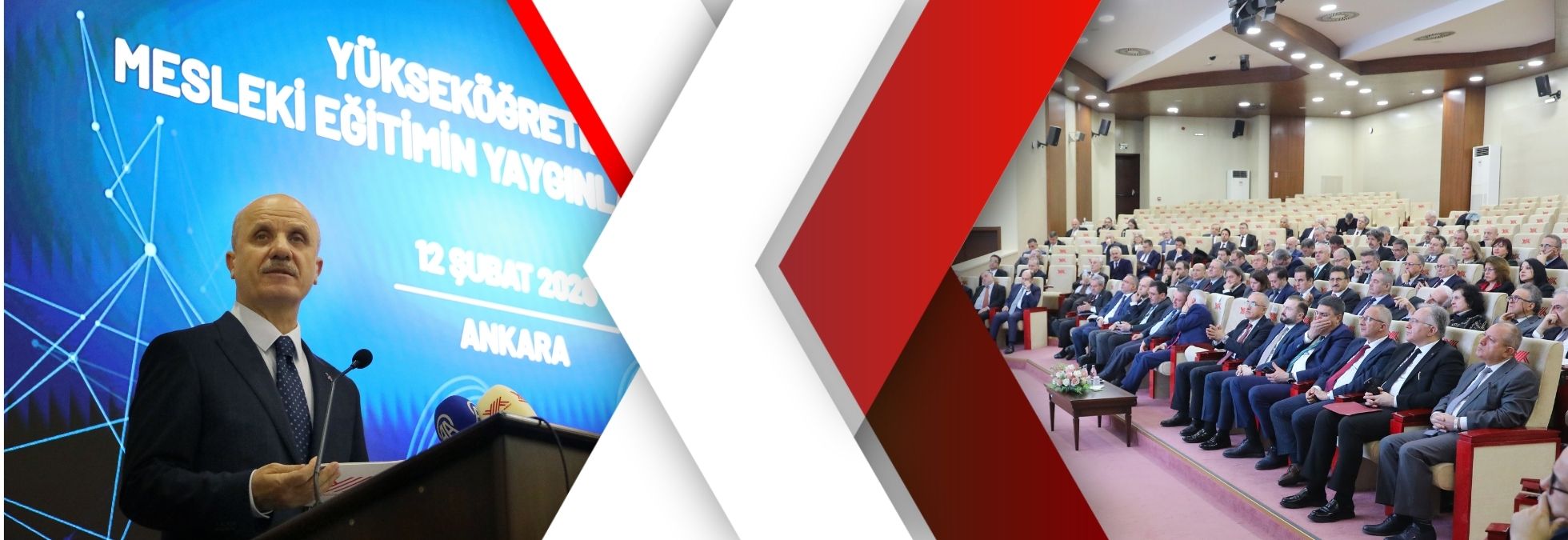
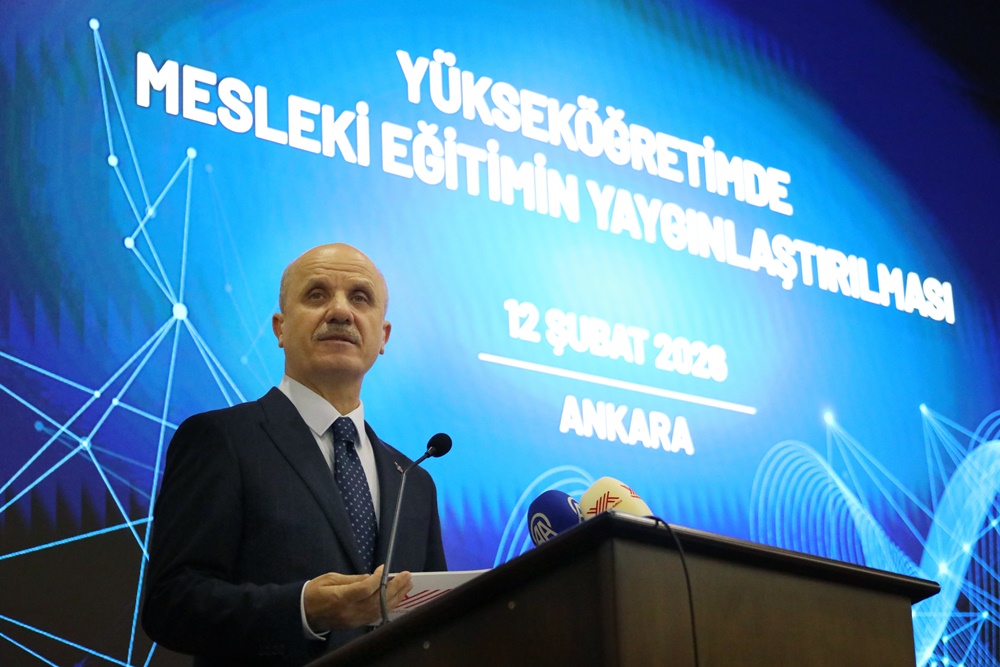
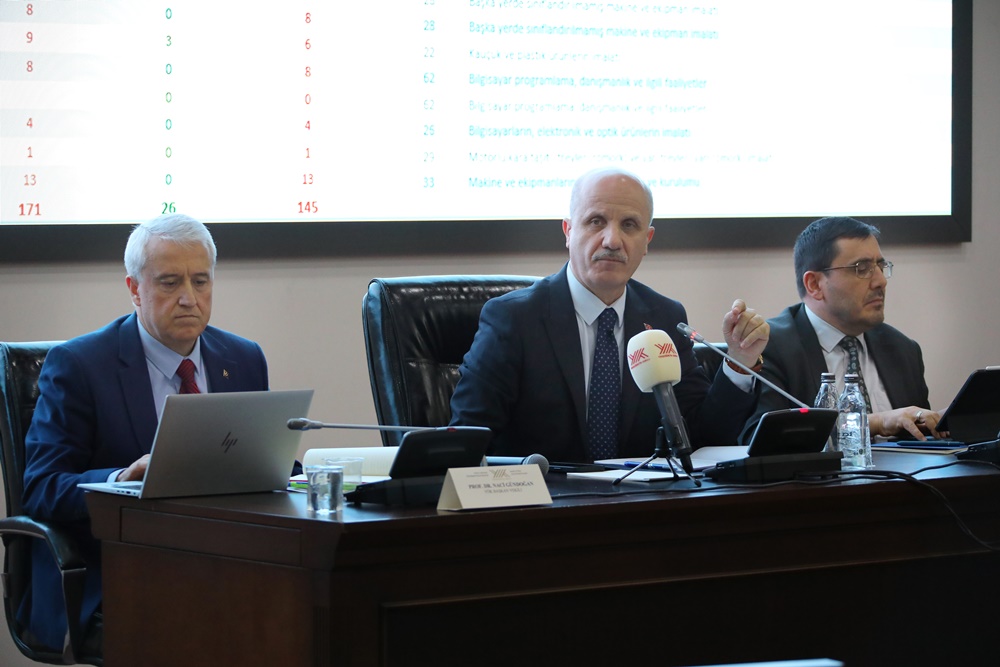
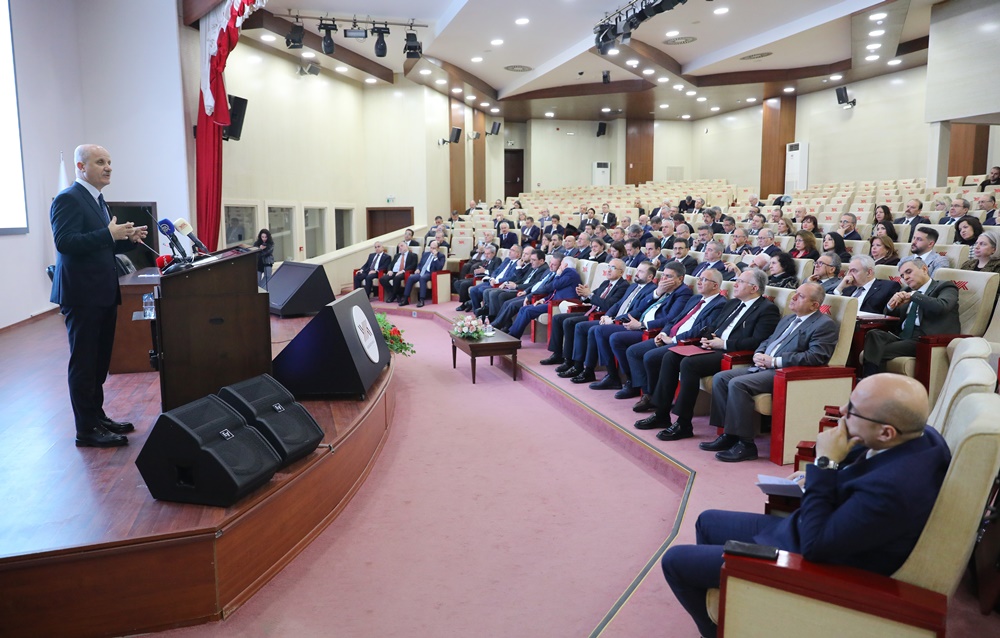
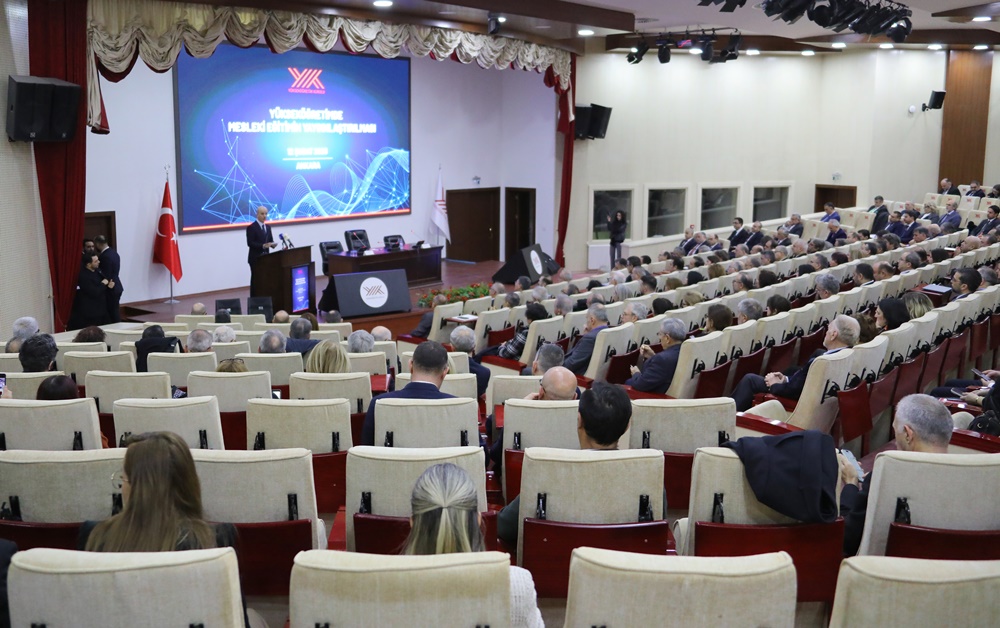
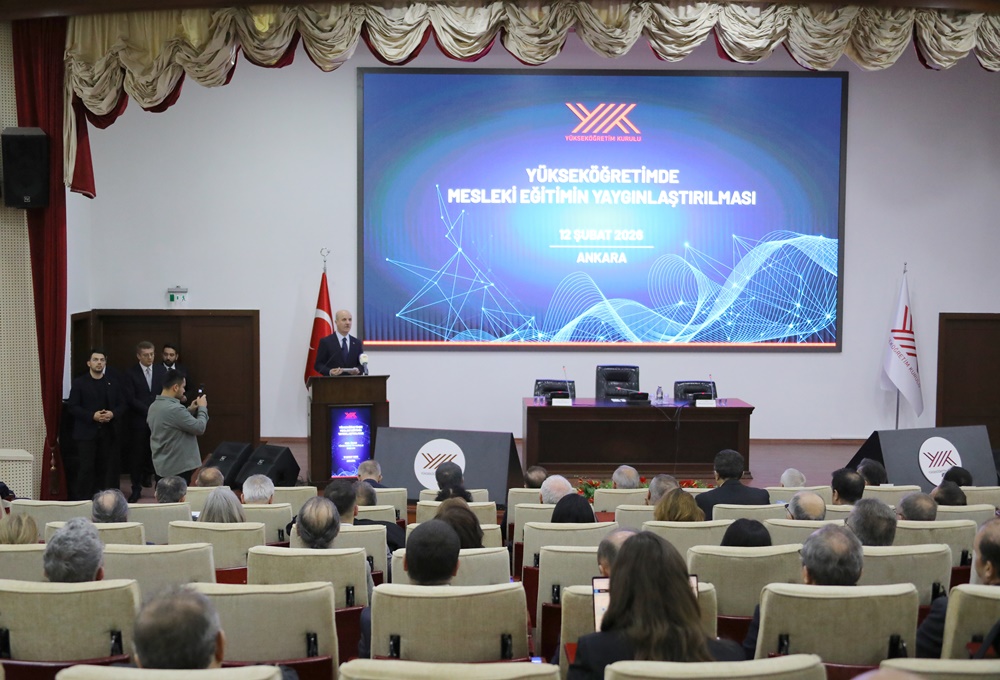
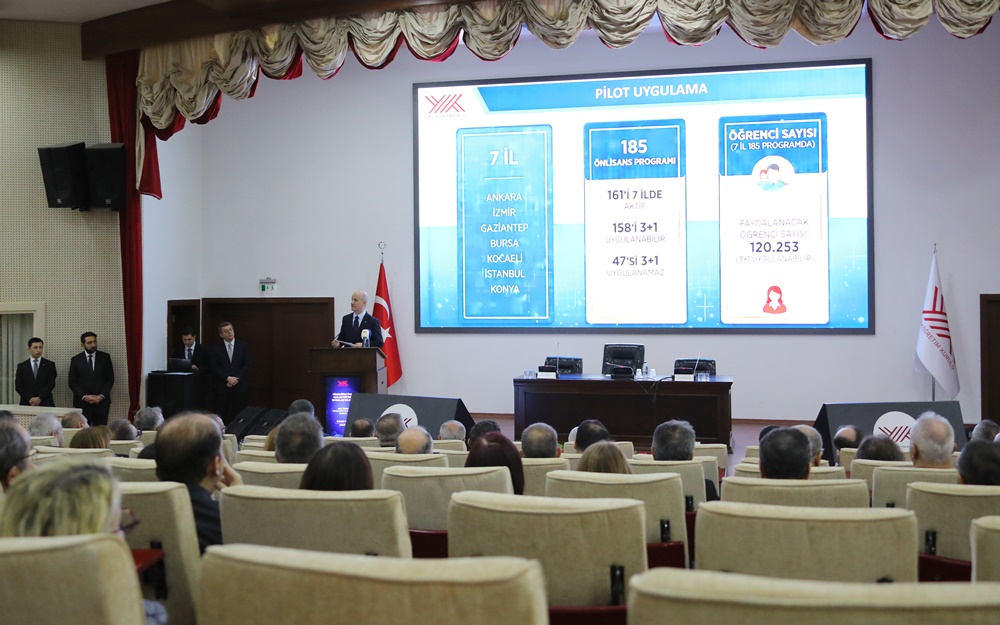
The “Expansion of Vocational Education in Higher Education” meeting was held at the Council of Higher Education. The meeting was attended by President of the Council of Higher Education Erol Özvar, CoHE Executive Board members, rectors, vice rectors, and vocational school directors from 85 universities in the seven pilot provinces where the transformation in vocational education will begin (Konya, Gaziantep, Istanbul, Bursa, Kocaeli, Izmir, and Ankara).
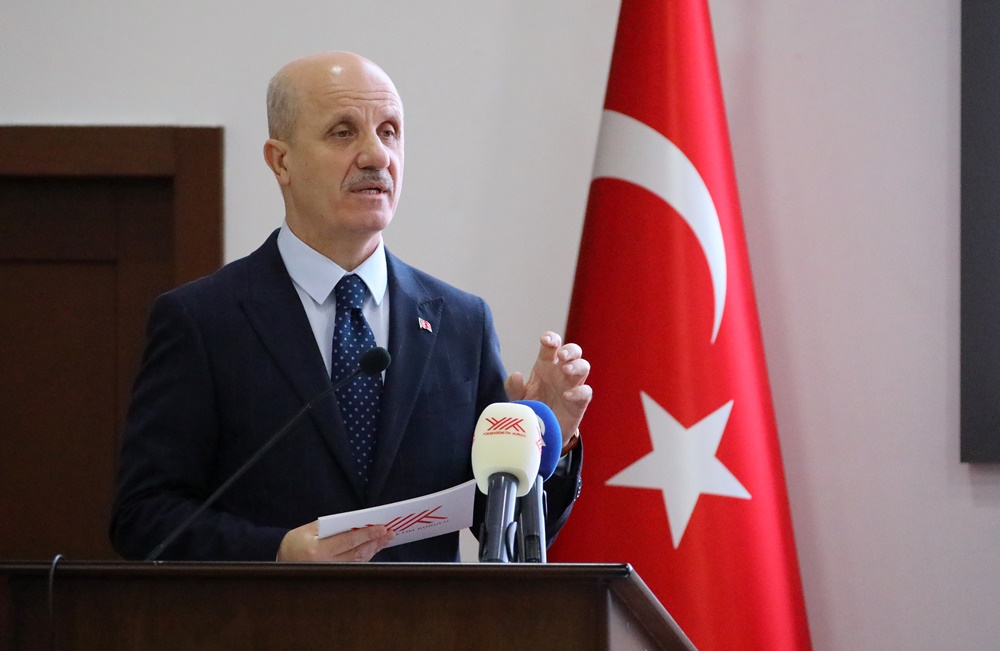
Speaking at the meeting, President Özvar stated that expanding vocational education is a strategic area of transformation that will directly affect the relationship between universities and industry, graduates’ employment processes, and the country’s production capacity.
Emphasizing that in recent years the higher education system has been moving from a growth model focused on quantity toward a transformation centered on quality and employment, Özvar said that vocational schools are at the core of this transformation.
“This great capacity, if directed properly, has the strength to meet our country’s need for qualified human resources in the industrial and service sectors,” Özvar said.
He noted that programs that have lost their function, have low graduate employment rates at undergraduate or associate degree levels, or are no longer demanded by industry are being firmly reviewed. Within this scope, steps have been taken where necessary to transform certain programs, reduce quotas, or close them.
A Fundamental Transformation in Applied Education
Stating that vocational education policy is not solely an education policy but also an industry, employment, and development policy, Özvar noted that a fundamental transformation has been initiated in the applied education model.
Özvar said: “With a long-term, workplace-based vocational education approach, we are introducing applied education models covering one or two semesters in associate and undergraduate programs. Our goal with this model is for students to experience theoretical knowledge in production environments, take responsibility, participate in production processes, and transition into employment after graduation without an adaptation period. This is a critical gain not only for students but also for increasing sectoral productivity and access to qualified labor.”
Highlighting the three main objectives of the initiative, Özvar stated that these are: “Increasing the alignment of vocational education with the labor market; strengthening university-industry matching through data-based methods; and optimizing regional planning and quotas.”
“120 Thousand Students in Seven Pilot Provinces Will Benefit from Long-term Applied Education”
Özvar explained that businesses with more than ten employees and their distribution across provinces had been identified for the pilot implementation, and that associate degree programs were matched with sectors accordingly.
He stated that approximately 120 thousand students across seven pilot provinces and 185 programs will be able to benefit from long-term applied education.
According to Özvar, the pilot implementation represents the first and most critical stage of a large-scale and strategic transformation aimed at restructuring vocational education within the higher education system.
“The results we achieve here will shape not only the direction, scope, and pace of the model in these provinces, but also the nationwide rollout we plan in the coming period,” he said. “The outcomes will also form the basis for a broader transformation covering 8,667 associate degree programs across Türkiye.”
“It Will Reduce Post-Graduation Job Search Time”
Emphasizing the importance of the process for university-industry relations, Özvar explained that the new model will reduce the time young people spend searching for jobs after graduation, accelerate their transition into the labor market, and narrow the gap between vocational competencies and sector expectations.
Özvar underlined that the Council of Higher Education would monitor the process with great care.
“We cannot afford to lose even a single young person,” he said. “We must bring each one of them into the system. Vocational education is one of the ways to achieve this.”
Addressing the academics in the hall, Özvar added: “One of my greatest expectations from my colleagues is that you take greater ownership of the vocational programs at your universities and the young people studying in those programs. Just as you visit faculties, you must also visit each vocational school individually. Vocational school students should be familiar with their rectors, senate, governing bodies, and administrators. All our young people must see that they are supported, valued, cared for, and invested in. This is an extremely important issue for us.”
Images
Images